Blackwater, Va., June 16 and 17, 1863
The Civil War · Suffolk Campaign · June 16–17, 1863
The Blackwater
Not the pitched battle of legend, but a six-day reconnaissance out of Suffolk in which the 130th New York Infantry — Col. Alfred Gibbs’ future Dragoons — led the advance and drove the enemy across the river.
The fighting on the Blackwater in June 1863 was not a pitched battle but a Union offensive reconnaissance out of Suffolk, Virginia, conducted June 12–17, 1863. The 130th New York Infantry — the regiment that would become the First New York Dragoons six weeks later — led the advance, drove the enemy across the Blackwater River, captured a Confederate mail, and burned property belonging to Confederate officers before returning to camp. The expedition cost the regiment two men killed and three wounded.
Background
With Longstreet gone, the Union garrison at Suffolk, under Brigadier General Michael Corcoran, spent the following weeks probing the country toward the Blackwater River. Bowen recorded that during the forty-seven days the regiment remained at Suffolk after the close of the siege, “nothing of special importance occurred except a six-days’ reconnoisance on the Blackwater.” That reconnaissance of June 12–17 was the principal action of the period.
The Action
The column marched from Suffolk on June 12 by way of Holland’s Corners, reaching South Quay the following morning. The 130th New York was placed at the head of the advance, deployed into line, and pushed the Confederate pickets back across the river. Near the bank stood two large residences owned by Confederate officers; there the Federals seized a quantity of Confederate mail, including letters that had been smuggled out of Suffolk through the Union picket lines. After taking what supplies they wanted, the troops burned the houses along with several thousand pounds of pork.
The column then moved by Carsville toward Franklin, skirmishing and capturing abandoned Confederate works whose defenders withdrew as the Federals approached. After marching and countermarching by way of Carsville and Blackwater Bridge, the troops returned to Franklin, where a sharp engagement took place on June 17. Confederate sharpshooters firing from treetops and behind breastworks inflicted the expedition’s fatal casualties. The Federals then made a hard twenty-mile march back to Suffolk in intense heat.
The 130th New York
This was an infantry operation. The regiment was still the 130th New York Infantry, commanded by Colonel Alfred Gibbs, and would not be converted to mounted service as the First New York Dragoons until July 28, 1863. The regiment’s own history records that it led the advance throughout and drove the enemy across the river.
“The One Hundred and Thirtieth was put in advance, deployed, and drove the enemy across the river. Near the bank were two large residences owned by rebel officers, where we captured a large rebel mail.”— James R. Bowen, Regimental History of the First New York Dragoons (1900), ch. V, “Siege of Suffolk,” p. 80.
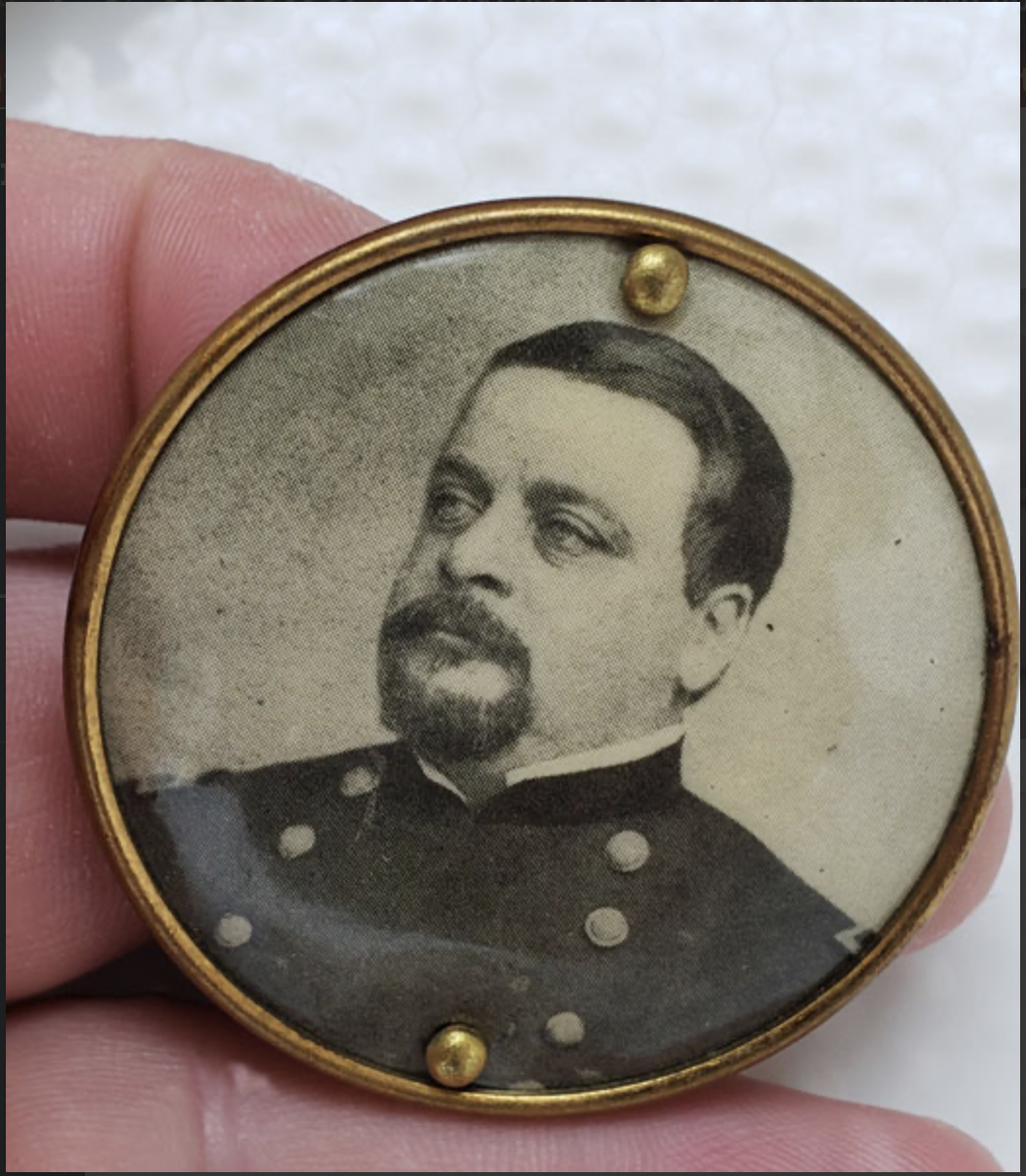
Discipline on the March
Bowen also notes the regiment’s marching discipline on the return: that not a man of the 130th fell out during the twenty-mile march home, “while half of some regiments were by the roadside,” and that General Corcoran “admitted the superiority of the One Hundred and Thirtieth” over his own much-bragged-up “Legion.”
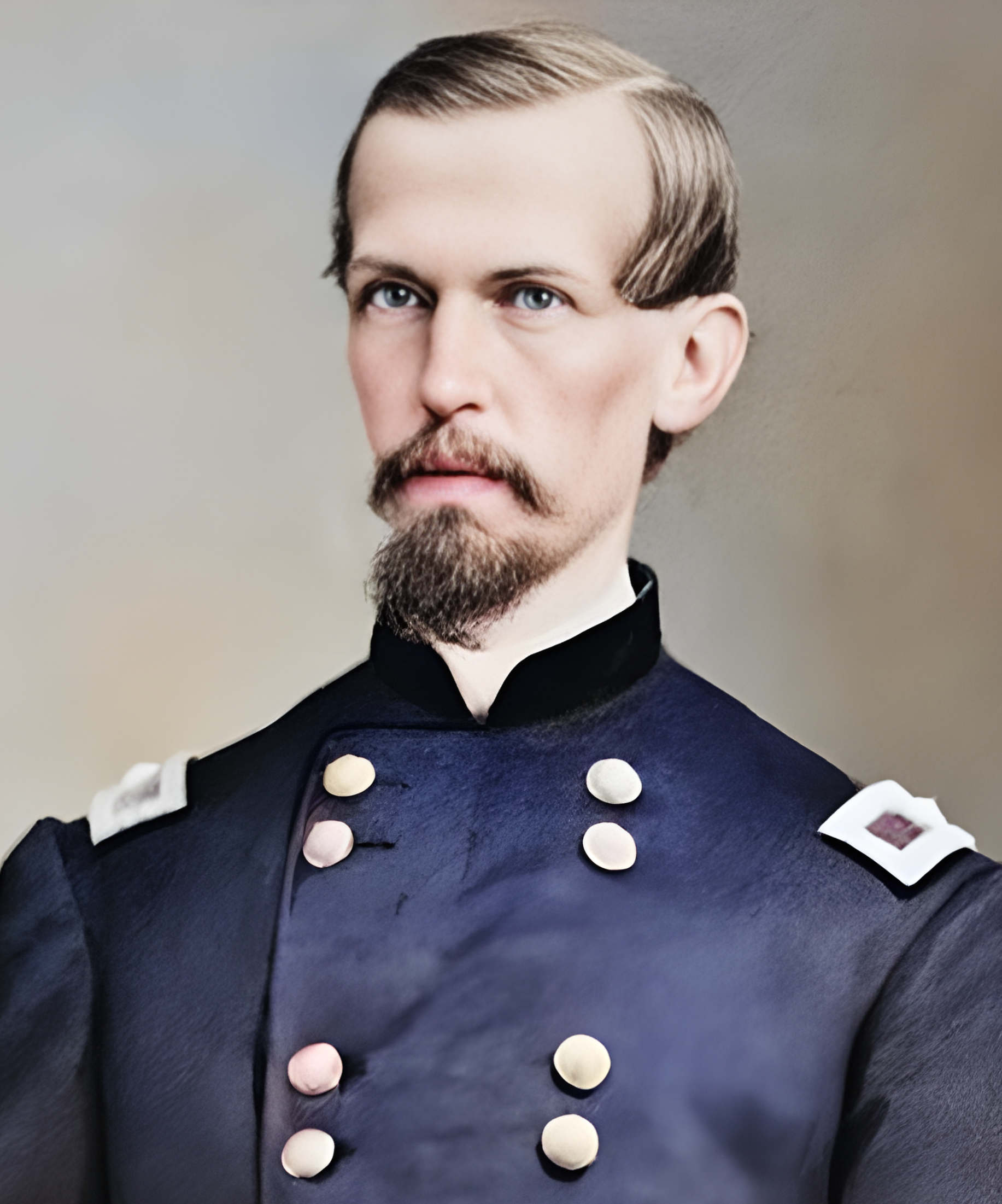
Casualties
Bowen records the regiment’s loss for the entire six-day reconnaissance as two men killed and three wounded, the fatal casualties occurring in the sharpshooting at Franklin on June 17. The regimental history does not record the names of those killed and wounded, and no casualty roster accompanied earlier versions of this page; the figures above are stated exactly as Bowen gives them.
Aftermath
The column returned to Suffolk to find orders to break camp. On June 19, 1863, the regiment marched out of Suffolk to the tune of “The Girl I Left Behind Me,” took boat from Norfolk, and moved to Yorktown to begin the operations Bowen calls the second Peninsular campaign. The Blackwater reconnaissance was the last significant action of the regiment’s service as infantry around Suffolk.
Update, July 14, 2026: the Official Records citation below was corrected from Vol. 18 to Vol. 27; Vol. 18 closes on June 3, 1863, before this expedition marched.
Sources & Further Reading
- Primary James R. Bowen, Regimental History of the First New York Dragoons (originally the 130th N.Y. Vol. Infantry) (1900), ch. V, “Siege of Suffolk,” pp. 80–81 — the regiment’s own historian and an eyewitness; the source of the account, the casualty figures, and the verbatim quotation above. Read the chapter in full on this site.
- Primary U.S. War Dept., The War of the Rebellion: Official Records of the Union and Confederate Armies, Series I, Vol. 27, Part 2, pp. 789–790 — the two printed reports of the expedition, including Gen. D. H. Hill’s dispatch naming the Confederate defenders of these very crossings (Jenkins, Baker, and Coppens); both reports are scanned and transcribed in full on the Franklin page. Vol. 18, which closes June 3, 1863, covers the Suffolk garrison under Maj. Gen. John J. Peck and Brig. Gen. Michael Corcoran through the siege and its aftermath.
- Blue and Gray Education Society, “The Siege of Suffolk, April 11–May 4, 1863” — on the siege and Longstreet’s early-May withdrawal across the Blackwater: blueandgrayeducation.org.
- “James Longstreet,” Encyclopedia Virginia — confirming Longstreet’s departure from the Suffolk front in May 1863: encyclopediavirginia.org.
- Note on the record: the June 1863 Blackwater reconnaissance was a minor offensive reconnaissance, not a named battle; it has no National Park Service / CWSAC or American Battlefield Trust battle summary of its own and survives chiefly in the Dragoons’ own regimental history. There was no engagement with Longstreet’s corps, which had already left the area in early May.
Trevilian Station · The Shenandoah Valley Campaign · The Audiobook
Views: 98