

 Introduction
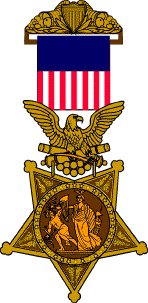
In the final days of the American Civil War, amidst the mud and smoke of the Battle of Five Forks, a young Union officer named William Wirt Winegar stepped forward—alone—and changed the course of a skirmish with a single bold act. That moment earned him the Medal of Honor and forever secured his place among the bravest sons of New York.
Early Life and Lineage
Born on October 20, 1844, in Springport, Cayuga County, New York, William W. Winegar came from a lineage steeped in American roots and Revolutionary spirit. The son of Samuel Karner Winegar and Cornelia Yawger Winegar, William was part of a family that traced its ancestry through generations of settlers—Ulric Winegar (b. 1729), Garrett Winegar (b. 1702), and Olrig (Ulric) Winegar (b. 1648)—a heritage that spanned from colonial New York to the front lines of the Civil War.
Growing up in a household with siblings such as Lydia Pauline, Cornelia Yawger, and Henry Clay Winegar, William’s early years were marked by the same sense of duty and loyalty that would later define his military service. His family’s roots tied him to both the Winegar and Yawger families of Union Springs and Cayuga County—names that would echo through upstate New York for generations.
Enlistment and Rise Through the Ranks
In August 1862, at just 17 years old, Winegar enlisted from Mount Morris, New York, joining what would become one of the most decorated cavalry units of the war—the 1st New York Dragoons, also known as the 19th New York Cavalry. His leadership potential quickly became apparent, and by November 1864, he was commissioned as a First Lieutenant.
He served until June 1865, mustering out with his regiment after the surrender at Appomattox. By that time, he had not only earned the respect of his men but had also been brevetted Captain, an honorary promotion awarded for gallantry.
Valor at Five Forks
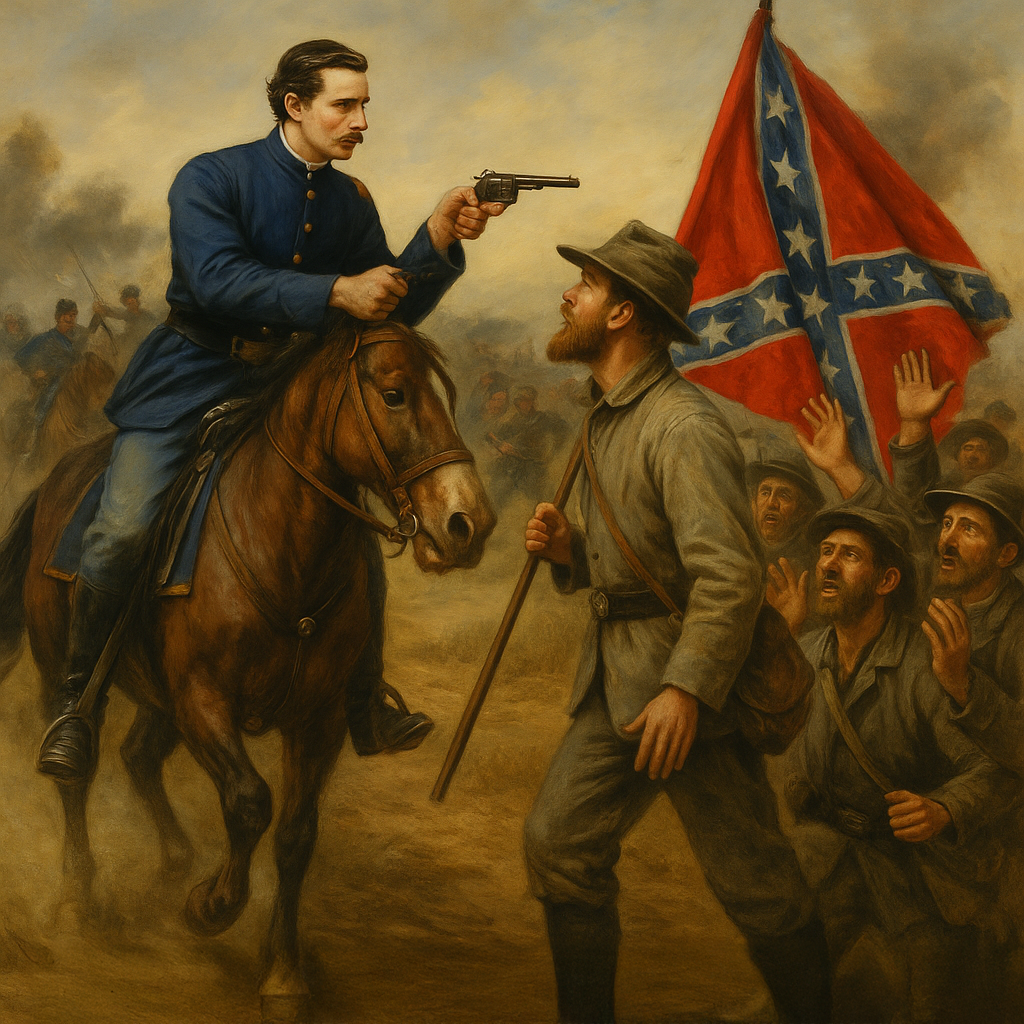
The action that defined Winegar’s legacy occurred during the Battle of Five Forks on April 1, 1865, part of the Union’s final push to break Confederate lines near Petersburg, Virginia. According to his Medal of Honor citation, Winegar advanced in front of his company and found himself surrounded by Confederate troops. Rather than retreat or call for support, he confronted the enemy directly:
“He accosted a nearby enemy flag-bearer demanding the surrender of the group. His effective firing of one shot so demoralized the unit that it surrendered with flag.”
It was an act of sheer audacity. Alone, outnumbered, and deep in enemy territory, Winegar’s boldness not only captured a Confederate flag but shattered the morale of a unit. For this extraordinary bravery, he was awarded the Medal of Honor on May 3, 1865.
Legacy and Later Life
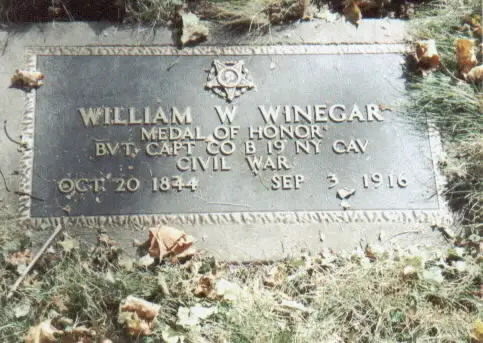
After the war, Winegar returned to New York and married Ella J. Winegar. Together they had a daughter, Cornelia Annette Madden. William remained active in veterans’ affairs and lived a full life until his death on September 3, 1916, at the age of 71. He was buried at Nondaga Cemetery in Bath, New York.
He is remembered not only for his courage on the battlefield but also for the legacy of leadership, family, and fidelity he left behind.
A Symbol of Cavalry Valor
The 1st New York Dragoons were among the first units to be armed with the Spencer repeating rifle, a revolutionary weapon that gave Union cavalrymen a dramatic firepower advantage. That Winegar wielded this technology with such initiative speaks to his skill as a soldier and tactician. His story, preserved in military records, family genealogy, and the annals of Civil War valor, is a poignant reminder of how individual bravery can alter the course of history.
Today, William W. Winegar stands among the honored few whose gallantry in the crucible of war earned the Medal of Honor. His legacy, like the shot he fired at Five Forks, continues to echo through time.
Compiled Military Service Record
The index to the compiled service records confirms William W Winegar in the 19th Cavalry (the regiment’s Fold3 designation; it is the First New York Dragoons), Company B, entering service as Corp and leaving it as Lieut.
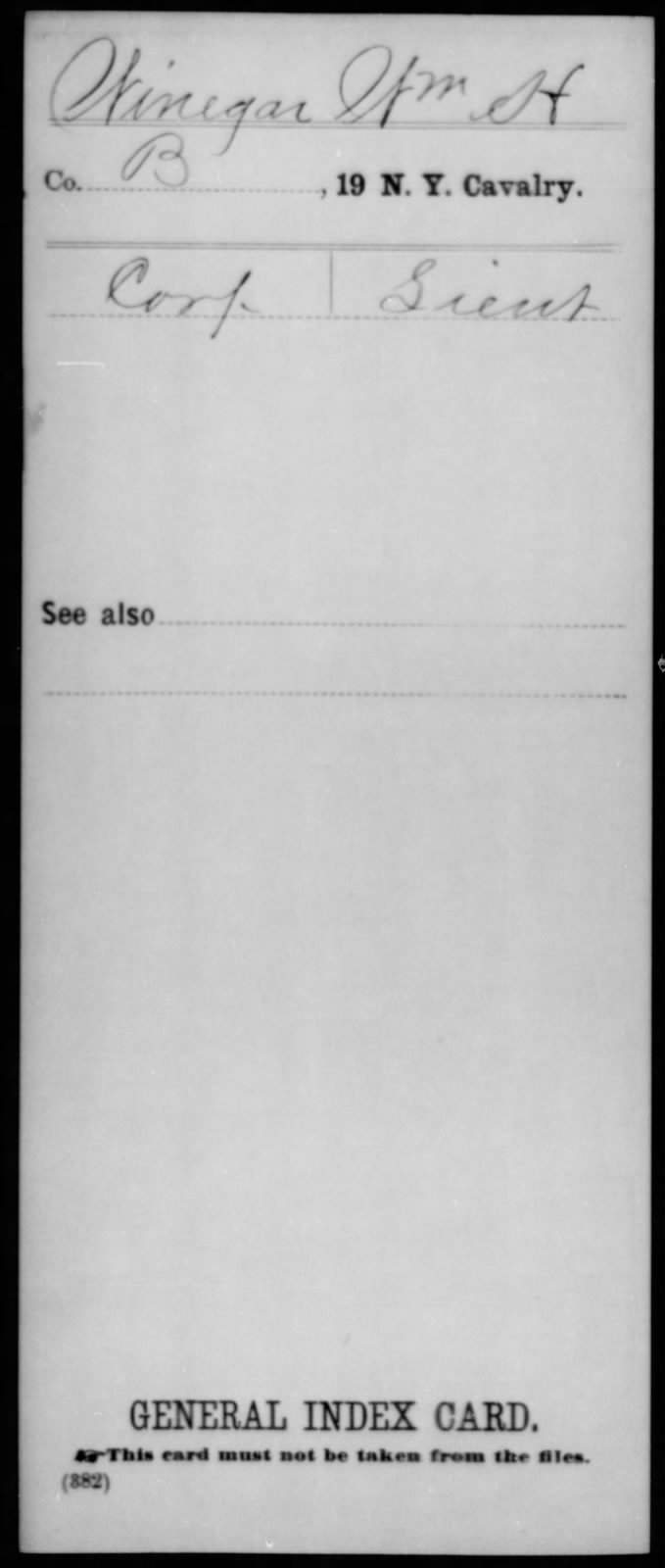
| Military unit | 19th Cavalry |
|---|---|
| Company | B |
| Enlistment rank | Corp |
| Discharge rank | Lieut |
Winegar, Wm H
Co. B, 19 N. Y. Cavalry.
Corp -        Lieut -
See also [blank]
[printed footer] General Index Card. This card must not be taken from the files. (382)
Source. Compiled Military Service Record, Winegar, William W, Co. B, 19th Cavalry. Indexes to the Carded Records of Soldiers Who Served in Volunteer Organizations During the Civil War (NARA microfilm publication M551), Record Group 94. Digital image, Fold3 (https://www.fold3.com/image/293679306), accessed 18 September 2026. Transcribed from the original by sight.
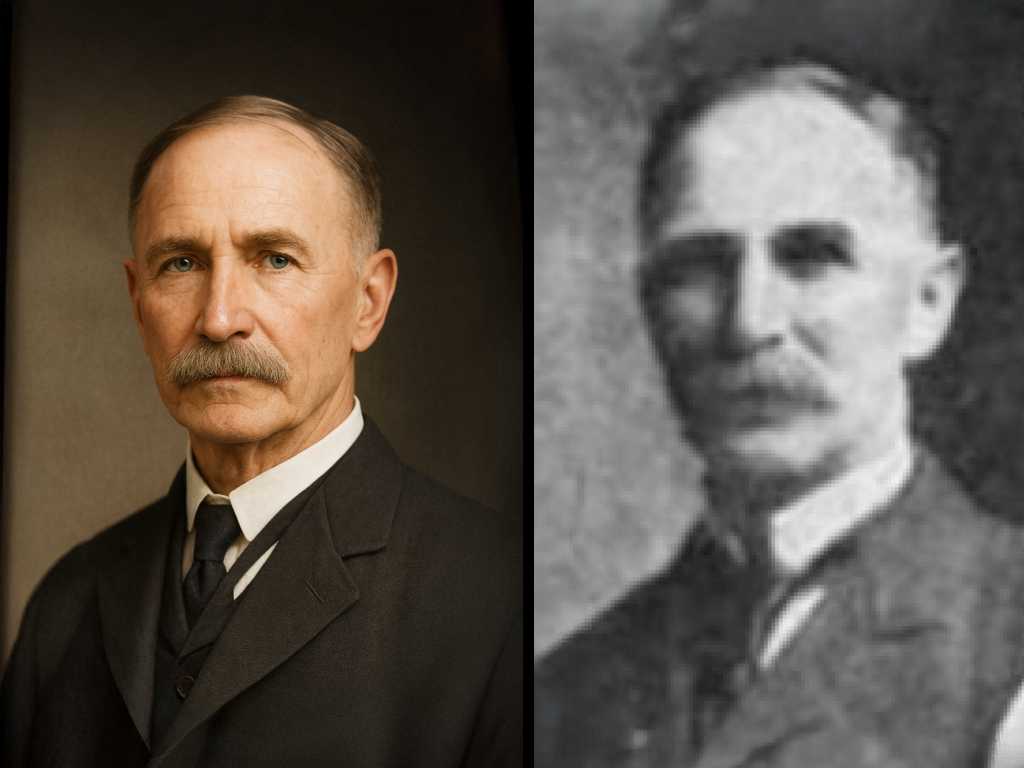
Primary Sources & Records
Original documents located in federal and state archives that name this soldier. Each is shown with its full transcription and citation.
The Regimental Register (Bowen, 1900)
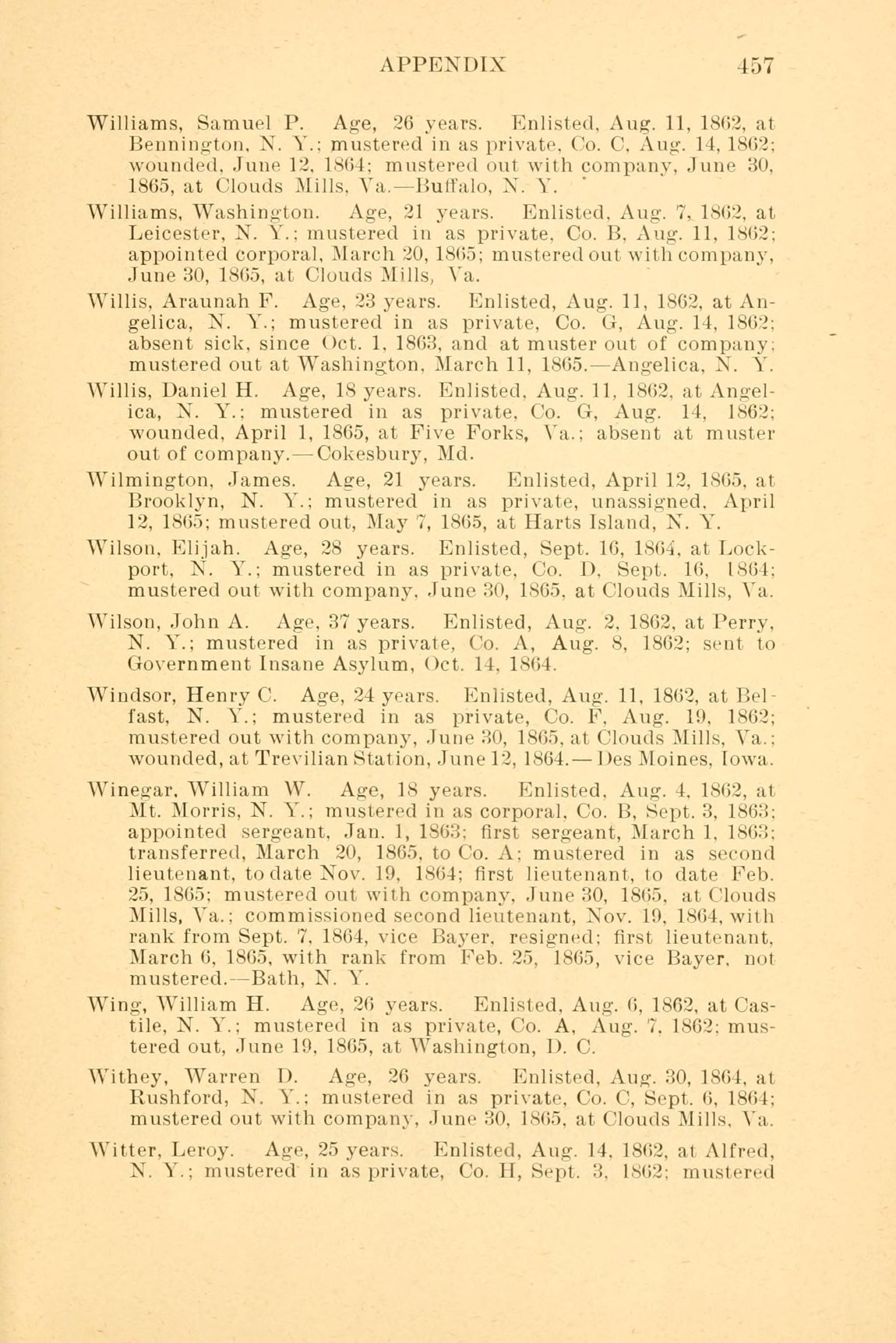
“William W Winegar. Mustered in as Corporal, Co. B, Sept. 3, 1863; appointed Sergeant, Jan. 1, 1863; First Sergeant, March 1, 1863; transferred, March 20, to Co. AMustered in as Second Lieutenant, to date Nov. 19, 1864; First Lieutenant, to date Feb. 25, 1865; mustered out withcompany, June 30, at Clouds Mills, Va. ;commissioned Second Lieutenant, Nov. 19, with rank from Sept. 7, vice Bayer, resigned; First Lieutenant, March 6, with rank from Feb. 25, vice Bayer, not mustered. —Bath, N. Y.”
Source. Bowen, J. R. (1900). Regimental History of the First New York Dragoons (originally the 130th N.Y. Vol. Infantry) (p. 457). Internet Archive. archive.org/details/regimentalhistor00bowe
In the County Histories
The county histories compiled within twenty years of the war named the men who went, and often recorded what became of them. His name appears on the page reproduced below.
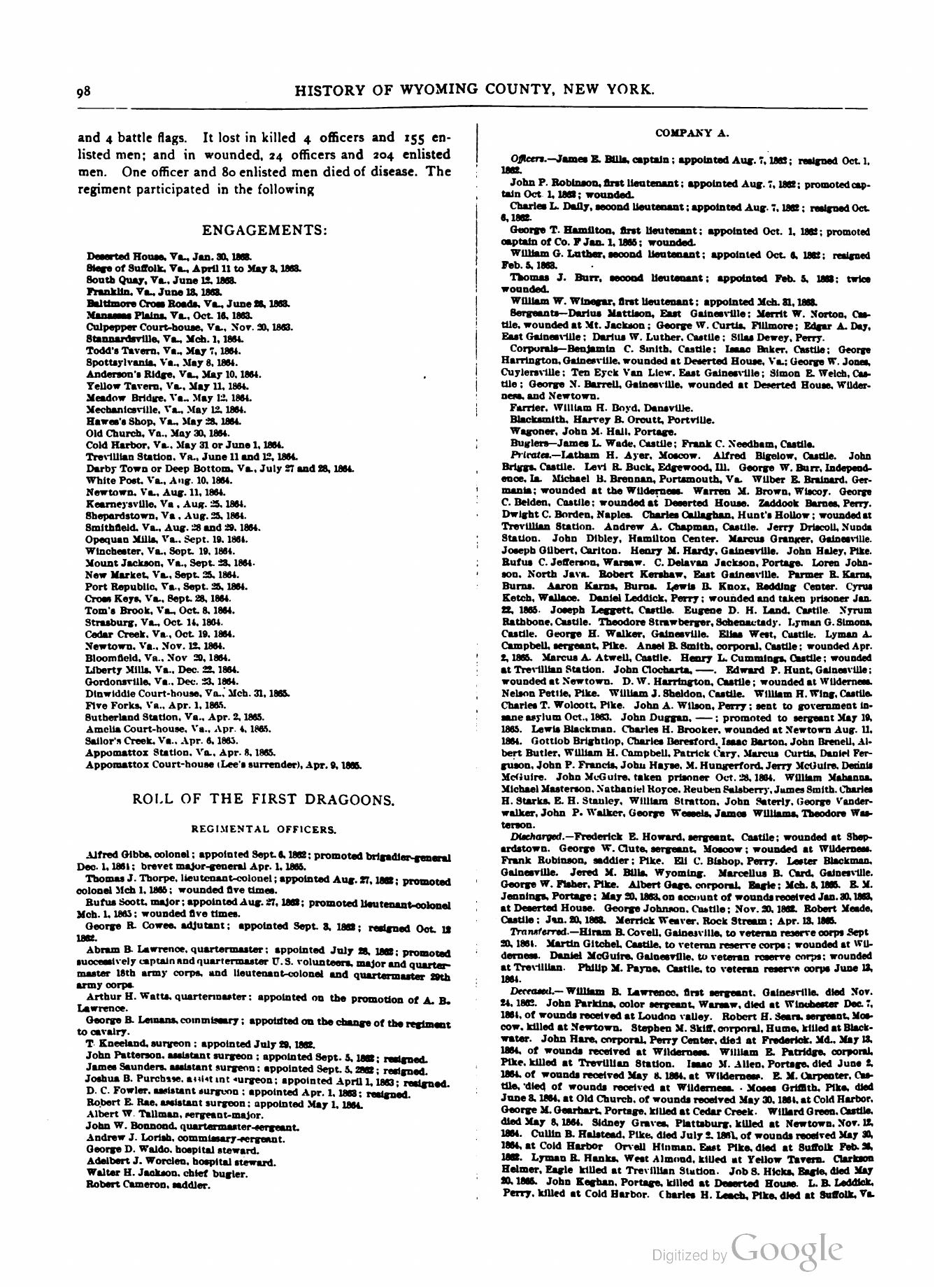
“William W. Winegar, first lieutenant”
Source. F. W. Beers & Co. (1880). History of Wyoming County, N.Y. (p. 98). New York, NY: F. W. Beers & Co.. Public domain; digitised copy held in the archive of this site.
Views: 30