The Context of the Trial
Introduction
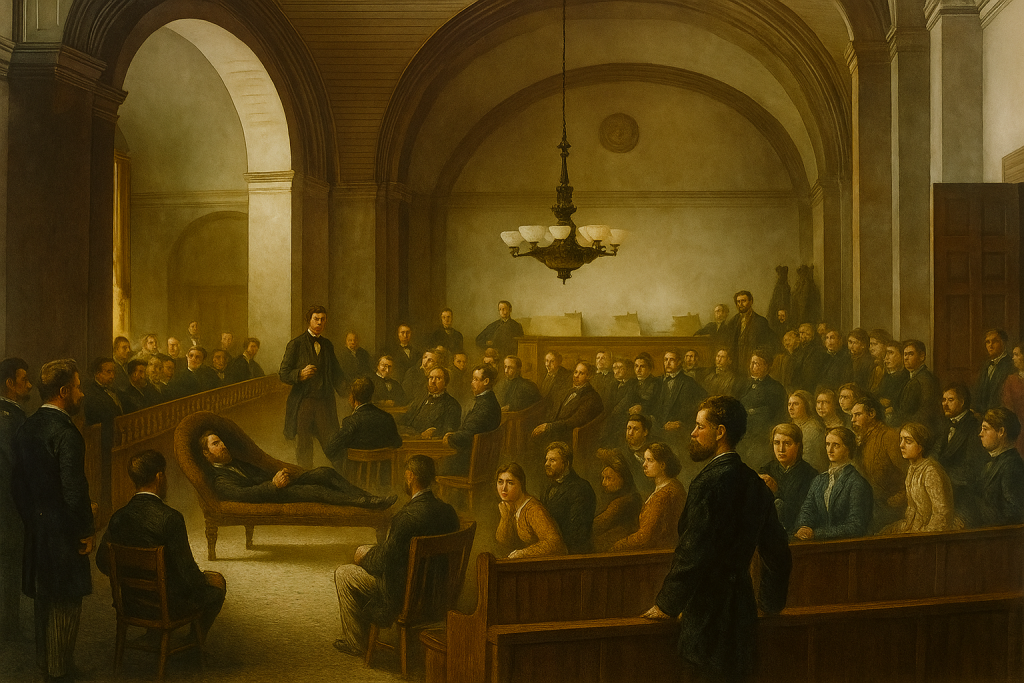
The trial of Captain Henry Wirz, commandant of Andersonville Prison, represents a pivotal moment in the aftermath of the American Civil War. As the nation grappled with the immense human cost of the conflict, Andersonville stood out as a symbol of wartime suffering and death, housing over 45,000 Union prisoners, nearly 13,000 of whom perished. The post-war period demanded accountability, and Wirz became the central figure in this pursuit. His trial marked one of the first instances in U.S. history where a military officer was tried and executed for war crimes, raising profound questions about individual responsibility and systemic culpability. This report delves into the broader context of the trial, exploring the emergence of war crimes as a concept, the charges against Wirz, and the societal pressures that shaped his prosecution, setting the stage for one of the most controversial legal proceedings in American history.
War Crimes in Context
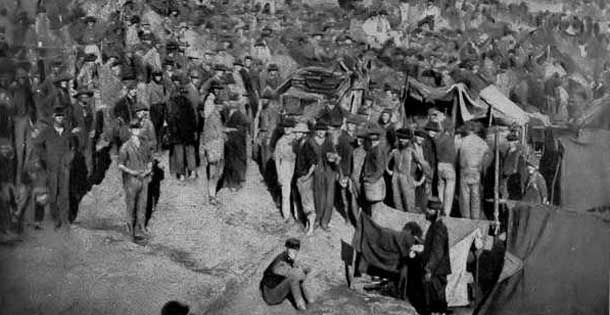
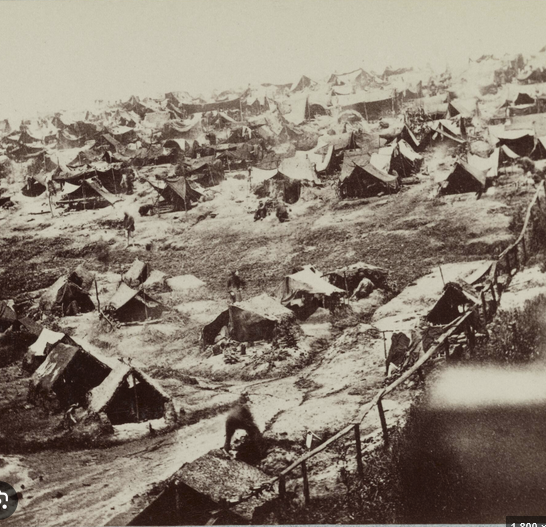
The concept of war crimes, as understood today, was still in its infancy during the Civil War. The Geneva Convention of 1864, which established guidelines for the treatment of prisoners of war, was relatively new and lacked widespread adoption in the United States. However, the horrors of Andersonville highlighted the need for accountability in the treatment of POWs. Andersonville, officially known as Camp Sumter, was infamous for its overcrowded conditions, insufficient rations, and a lack of medical care, resulting in one of the highest mortality rates of any Civil War prison.

In the war’s aftermath, the Union sought to ascribe blame for the atrocities. Confederate leaders, including Jefferson Davis, were implicated in broader systemic failures, but it was Captain Wirz, the commandant of Andersonville, who bore the brunt of public outrage. Historians have argued that this focus on Wirz reflected a growing desire for retribution rather than a nuanced understanding of wartime accountability (Hesseltine, 1949).
This emerging discourse around war crimes intersected with the political dynamics of Reconstruction. The trial of Wirz was as much about addressing wartime grievances as it was about reinforcing Union dominance in the South. By prosecuting Wirz, the federal government sought to send a clear message about the consequences of inhumane treatment during wartime, making him a symbol of Confederate transgressions (Percoco, 1993).
Arrest and Charges
Following the Confederate surrender in April 1865, Captain Wirz was arrested at his home in Georgia. He was charged with “conspiring to impair the health and destroy the lives of federal prisoners” and with committing acts of murder and cruelty. These charges stemmed from both his direct actions as commandant and his alleged complicity in the broader atrocities at Andersonville (The Trial of Captain Henry Wirz Book, p. 24).
The Union’s decision to prosecute Wirz was not without controversy. Many of the charges relied on the testimony of former prisoners, whose accounts were emotionally charged and, at times, inconsistent. For example, key witnesses described harrowing scenes of starvation and disease, but their testimonies often conflicted on specific events or Wirz’s direct involvement (The Trial of Captain Henry Wirz Book, p. 56). Nevertheless, the prosecution maintained that Wirz had ultimate authority over the prison and was therefore responsible for its conditions.
Political considerations also played a significant role in shaping the charges. The trial occurred in a fraught post-war environment where the Union sought to solidify its moral and political victory. Prosecuting a high-profile figure like Wirz allowed the federal government to emphasize the South’s culpability for wartime atrocities, diverting attention from systemic issues within the Union’s own POW camps (Hesseltine, 1949).
While some contemporaries viewed Wirz as a scapegoat, others argued that his leadership at Andersonville made him uniquely culpable. Confederate apologists defended Wirz by highlighting the resource shortages that plagued the South during the war, arguing that he lacked the means to provide adequate care for prisoners. Despite these defenses, the prosecution portrayed him as a willing participant in a system of cruelty, setting the stage for his trial as a war criminal.
Pre-Trial Atmosphere
The pre-trial atmosphere surrounding Wirz’s case was marked by intense public scrutiny and political pressure. Andersonville had become a symbol of Confederate inhumanity, and the Northern press capitalized on this imagery to vilify Wirz. Newspapers published gruesome accounts of conditions at the prison, depicting Wirz as a sadistic figure who reveled in the suffering of Union soldiers (Hesseltine, 1949).
This media narrative influenced public opinion, making it nearly impossible for Wirz to receive an impartial trial. The Union government, eager to demonstrate its commitment to justice, was equally complicit in fostering this environment. Secretary of War Edwin Stanton emphasized the need to hold Confederate leaders accountable, framing Wirz’s trial as a moral imperative rather than a legal proceeding (The Trial of Captain Henry Wirz Book, p. 78).
Within the South, reactions to Wirz’s arrest were mixed. Some viewed him as a martyr, unfairly targeted by the Union, while others distanced themselves from his actions, fearing further retribution. Confederate leaders like Jefferson Davis and General Robert E. Lee remained largely silent on the matter, reflecting the fractured post-war landscape (Percoco, 1993).
As the trial approached, Wirz’s defense team faced significant challenges. They struggled to counter the overwhelming narrative of his guilt, compounded by the lack of resources and witnesses willing to testify on his behalf. The pre-trial atmosphere thus set the stage for a legal battle that was as much about public perception as it was about justice.
Final Thoughts
The trial of Captain Henry Wirz unfolded in a highly charged post-war context, shaped by the horrors of Andersonville and the Union’s quest for accountability. From the emergence of war crimes as a legal concept to the political and social pressures surrounding Wirz’s arrest, this report highlights the complexities of seeking justice in the aftermath of a divisive conflict. While the charges against Wirz reflected genuine concerns about wartime conduct, they were also influenced by the broader dynamics of Reconstruction and public sentiment.
The pre-trial atmosphere underscored the challenges of achieving a fair and impartial legal process, raising questions about the balance between retribution and justice. As the trial commenced, these tensions would come to the forefront, shaping one of the most controversial legal proceedings in American history. The next report delves into the courtroom drama, exploring the arguments, evidence, and challenges that defined Wirz’s trial.
Views: 43