


During the American Civil War (1861–1865), the role of medical personnel was critical. Amidst the chaos of battles, the Union and Confederate armies needed a structured approach to care for wounded soldiers. This led to the inclusion of Assistant Surgeons within regiments—a specialized medical officer role that, though distinct from that of a regular Surgeon, was equally essential to the health and survival of troops. Here’s an in-depth look at what an Assistant Surgeon was, how they contributed to their regiments, and why their presence was crucial on the battlefield.
Assistant Surgeon vs. Regular Surgeon: What’s the Difference?
In the Civil War medical hierarchy, a “regular Surgeon” (often simply called a Surgeon) was a senior medical officer, typically holding a higher rank than an Assistant Surgeon and responsible for overseeing medical operations within the regiment or hospital. Here’s how the roles differed:
Rank and Authority:
A Surgeon was generally the head medical officer of a regiment or a hospital, with a rank equivalent to a major.
An Assistant Surgeon, on the other hand, held a rank equivalent to a lieutenant and reported to the Surgeon, assisting with surgeries, patient care, and daily medical duties.
Responsibilities:
Surgeons were responsible for the overall management of medical services within their assigned unit. They supervised the Assistant Surgeons, made critical decisions about patient care, and often performed the most complex surgeries.
Assistant Surgeons provided support to the Surgeon. They handled routine medical care, conducted triage on the battlefield, stabilized patients, performed minor surgeries, and managed ongoing care for those not severely injured.
Mobility:
The Surgeon often worked from a fixed location, such as a field hospital or an established post.
Assistant Surgeons were typically more mobile, moving with the troops and providing immediate care in the field when possible. This made them a critical part of the regiment, as they were available to address injuries as they occurred and provide real-time medical support.
Why Were Assistant Surgeons Part of a Regiment?
The decision to integrate Assistant Surgeons directly into regiments addressed several pressing needs on the battlefield:
Immediate Medical Attention:
Battles often resulted in mass casualties within a short period, creating an urgent need for medical intervention. Assistant Surgeons were assigned to regiments to be on the front lines, providing immediate aid to wounded soldiers. Their presence helped stabilize injuries quickly, improving survival rates.
Support for the Lead Surgeon:
Due to the overwhelming number of casualties in major battles, Surgeons could not handle the volume of patients alone. Assistant Surgeons were needed to share the workload, especially during high-casualty events. They could treat minor injuries, prepare patients for surgery, and help in post-operative care, allowing Surgeons to focus on more critical cases.
Disease Prevention and Daily Health Care:
Civil War camps were plagued by disease due to poor sanitation, malnutrition, and close quarters. Assistant Surgeons conducted daily sick calls, treating soldiers for common illnesses like dysentery, typhoid, and pneumonia, which often claimed more lives than battle injuries. They helped maintain overall troop health, reducing absenteeism and maintaining a fighting force.
Field Experience and Skill Development:
Many Assistant Surgeons were young physicians, often fresh out of medical school, with limited practical experience. Working under the guidance of a Surgeon, they gained hands-on experience with battlefield medicine, trauma care, and surgery. This system created a pipeline of skilled medical professionals and ensured a supply of trained surgeons as the war progressed.
Responsibilities of an Assistant Surgeon
The Assistant Surgeon’s duties were extensive and varied, making them invaluable in several areas of military healthcare:
Battlefield Triage and Care: During battles, Assistant Surgeons were responsible for triaging wounded soldiers—quickly assessing the severity of injuries and prioritizing care based on urgency.
Surgeries and Emergency Care: Assistant Surgeons were often called upon to perform minor surgeries or assist the lead Surgeon in more complex procedures. Many worked long hours in makeshift operating rooms, amputating limbs and treating gunshot wounds with the limited resources available.
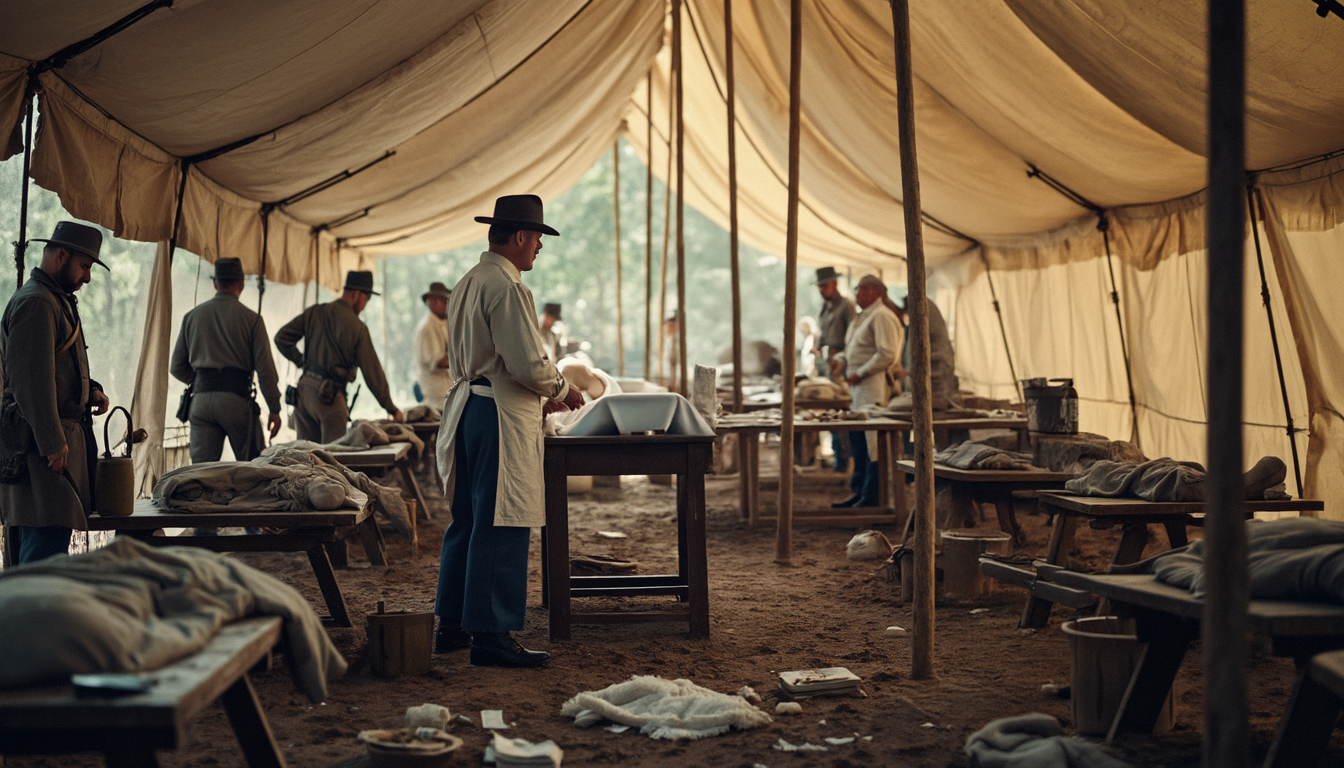
Management of Field Hospitals: Some Assistant Surgeons were stationed at field hospitals or temporary medical tents set up near the battlefield. They helped maintain these facilities, managed supplies, and coordinated the care of incoming wounded.
Daily Medical Care and Sanitation: In camp, Assistant Surgeons were responsible for daily health inspections, minor treatments, and promoting sanitation practices to prevent outbreaks of disease—a significant killer during the war.
Challenges Faced by Assistant Surgeons
Assistant Surgeons encountered numerous challenges during their service, including:
Scarcity of Supplies:
Civil War medicine was often conducted with minimal equipment and supplies. Assistant Surgeons had to make do with limited resources, improvising treatments and surgeries with what was available.
Emotional Toll:
The relentless exposure to injuries, death, and suffering took a psychological toll. Assistant Surgeons often worked in dire conditions, witnessing and dealing with severe trauma daily.
Risk of Captivity:
Since they stayed close to the front lines, Assistant Surgeons were at risk of being captured by the enemy, especially if they chose to remain with wounded soldiers rather than retreat with their regiment.
Legacy and Impact of Civil War Assistant Surgeons
The Assistant Surgeon role in the Civil War left a lasting impact on military medicine. Their work under extreme conditions advanced medical practices and improved the organization of battlefield care. Many post-war surgeons and medical leaders had served as Assistant Surgeons, bringing their invaluable experience to civilian life and influencing advancements in trauma care, surgical techniques, and public health.
In summary, Assistant Surgeons were crucial members of Civil War regiments, bridging the gap between immediate battlefield care and more complex hospital-based treatments. They were positioned within regiments to provide quick responses, support Surgeons, and help maintain the health and readiness of the troops. Their contributions were instrumental in shaping the future of military and emergency medicine.

Views: 626