Introduction
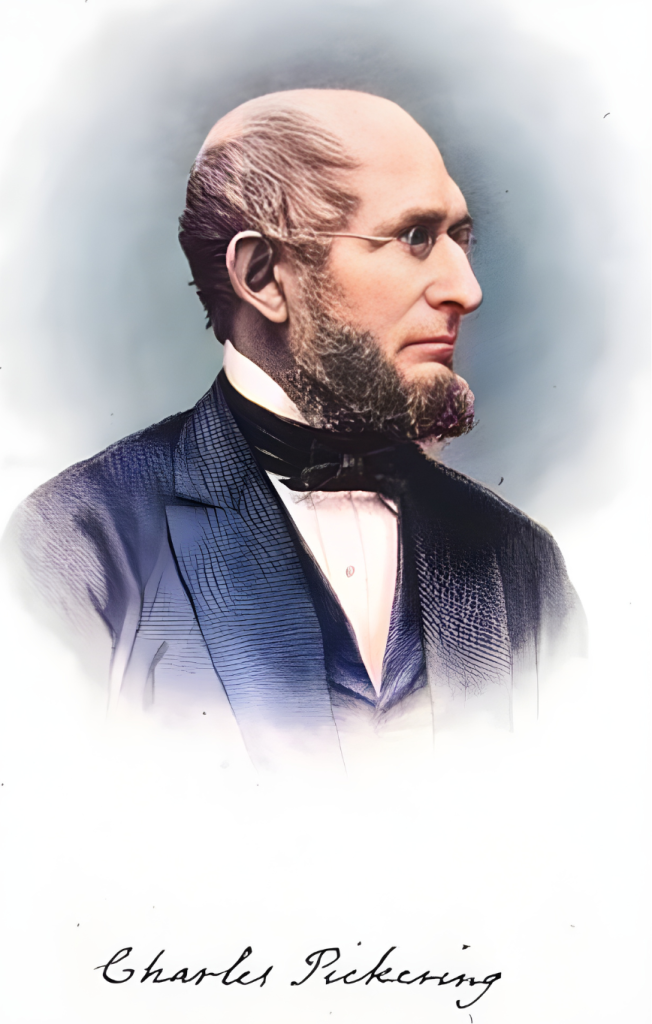
The White Mountains of New Hampshire, with their diverse and often challenging environments, have long been a site of interest for naturalists and scientists. Among the notable figures who explored this region in the early 19th century were Charles Pickering and William Oakes. Their work contributed significantly to the broader understanding of New England’s flora and continued the efforts of earlier botanists such as Dr. Manasseh Cutler and Francis Boott.
White Mountains Exploration
Charles Pickering and William Oakes undertook botanical expeditions in the White Mountains, a rugged area known for its biodiversity and geological significance. Their explorations were part of a larger movement of naturalists who sought to document the plant species of New England. One of the most famous locations in this region, Mount Washington, became a focal point for these scientific studies due to its unique alpine ecosystem.
Following in the footsteps of Dr. Manasseh Cutler, one of the earliest botanists to ascend Mount Washington, Pickering and Oakes added to the botanical knowledge of the region. Dr. Cutler’s work had set the stage for future exploration, and Pickering’s and Oakes’ expeditions helped to deepen the scientific community’s understanding of the White Mountains’ flora. The harsh conditions of the area made their work all the more impressive, as they documented plant life in environments not easily accessible.
Botanical Exploration
The collaboration between Charles Pickering and William Oakes was pivotal in continuing the legacy of earlier naturalists. Their botanical expeditions in the White Mountains helped to map the plant species of the region, adding to the scientific body of knowledge regarding New England’s flora. They built upon the work of Dr. Cutler and botanists like Francis Boott, who had also explored this region, and contributed to the classification and documentation of plant species found in the alpine and subalpine zones.
This work was essential in furthering the understanding of botanical diversity in the White Mountains. The region’s plant life, shaped by the cold and often extreme conditions, required careful study and detailed documentation. Pickering’s and Oakes’ contributions were part of a broader effort to explore and catalog the natural history of New England, which included studying not only plants but also geological formations and ecosystems.
Conclusion
The White Mountains exploration by Charles Pickering and William Oakes represents a significant chapter in the history of American natural history and botany. Building on the pioneering work of Dr. Manasseh Cutler and Francis Boott, Pickering and Oakes furthered the scientific understanding of the region’s flora. Their work was essential in expanding knowledge about the plant diversity of the White Mountains and helped lay the groundwork for future botanical studies in the area.
Their expeditions, which mapped and documented plant species in one of New England’s most rugged environments, remain an important contribution to the study of botany and the natural history of the United States.
Views: 23