Major James Cooper McKee (Doctor)
Early Life and Education
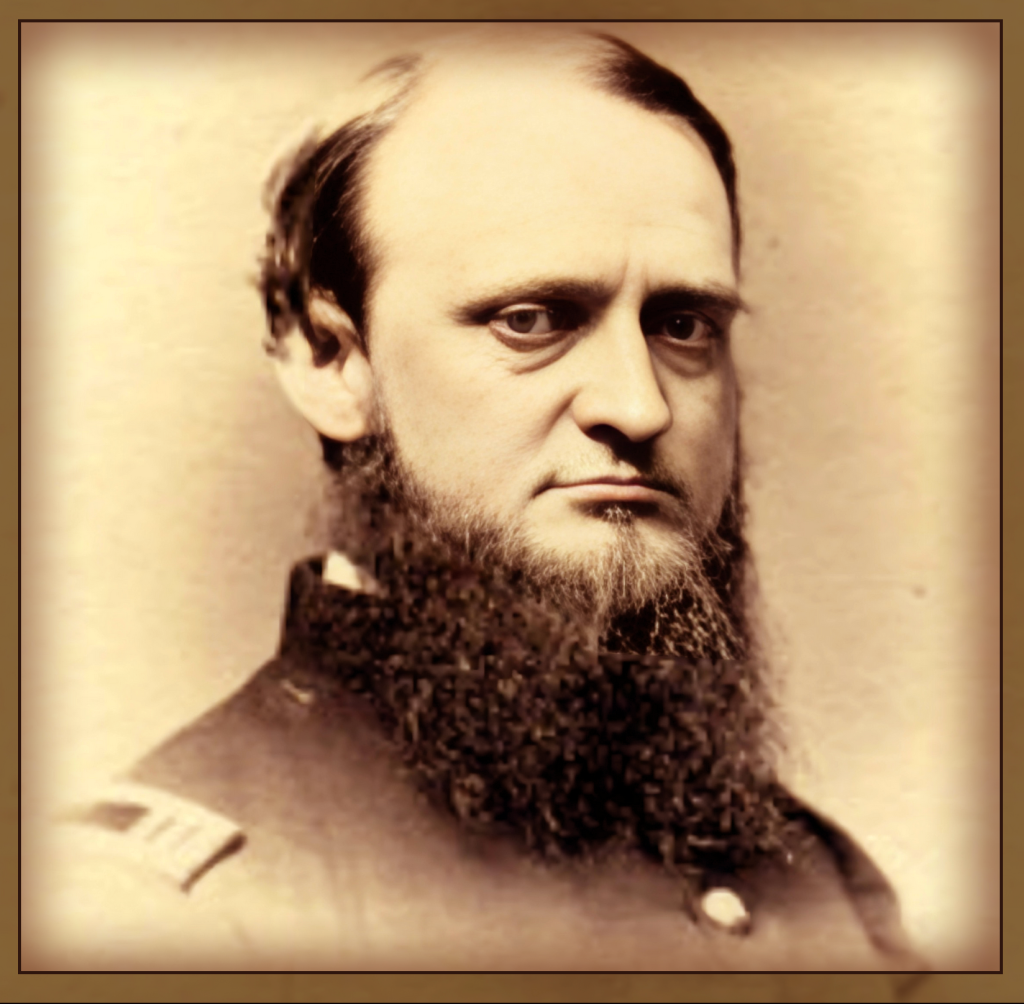
James Cooper McKee was born on May 18, 1830, in Butler, Pennsylvania. He received his early education in public schools and at the Butler Academy. After teaching for two winters in Middlesex and Summit townships, he attended Duquesne College in Allegheny City in 1848.
McKee pursued medicine under the mentorship of Dr. William C. Thompson in Indianapolis. He attended the Medical University of Pennsylvania and graduated in 1852. Following his graduation, he was appointed resident physician at St. Joseph’s Hospital in Philadelphia. However, due to health concerns, he resigned and moved to the Alleghenies for recovery.
Early Medical Career
In 1853, during the construction of the Pennsylvania Railroad, McKee established his practice in Altoona. In 1856, he relocated to Hollidaysburg and continued practicing medicine. Shortly thereafter, he passed the Medical Army Board and, in August 1857, was commissioned as an Assistant Surgeon in the United States Army.
Military Service: Early Assignments
McKee’s first military assignment was at Fort Union, New Mexico, where he served in three Indian campaigns: two against the Navajo Nation and one against the Apaches. His duties also included extensive scouting across the vast territory between Fort Massachusetts in Colorado and Fort Buchanan near the Sonora border. He remained in this region until April 1861.
In July 1861, during the early stages of the Civil War, McKee was stationed with U.S. troops at Fort Fillmore, New Mexico, under Major Lynde. Following the disgraceful surrender of the command to Confederate forces, McKee expressed his indignation by publishing a pamphlet titled Narrative of the Surrender of a Command of U.S. Forces at Fort Fillmore, New Mexico. Paroled along with the rest of the command, McKee returned to Fort Leavenworth.
Civil War Service
By April 1862, McKee was stationed at Camp Butler in Springfield, Illinois, where he worked as a paroled prisoner of war. In June 1862, he was exchanged and assigned to assist in establishing a U.S. General Hospital in Chester, Pennsylvania.
In July 1862, McKee was appointed Assistant Medical Director for the Army of Virginia under General Pope. He served during the Second Battle of Bull Run and later at Antietam, where he became the director of hospitals at Frederick City, Maryland. Throughout 1862 and 1863, he continued serving with the Army of the Potomac as Medical Director.
In May 1863, McKee was placed in charge of Calvary Street Hospital in Baltimore. By June, he was ordered to Pittsburgh to establish a General Hospital and, in the autumn of the same year, was assigned command of the Lincoln General Hospital in Washington, D.C. This hospital, with a capacity of 3,000 beds, provided care for over 25,000 sick and wounded soldiers under McKee’s leadership until the end of the war.
Post-War Service
In 1868, McKee was ordered to Santa Fe, New Mexico, where he served as Chief Medical Officer for the district. In 1870, he transferred to Staten Island, New York, and later served at the Presidio in California in 1873. By 1876, he became the Medical Director of the Department of Arizona, headquartered at Fort Whipple, where he remained until 1880.
In 1883, McKee was stationed once again at the Presidio and was brevetted Lieutenant Colonel for faithful and meritorious service. He served at Vancouver Barracks in Washington Territory in 1884 and moved to Boston in 1885.
Retirement and Legacy
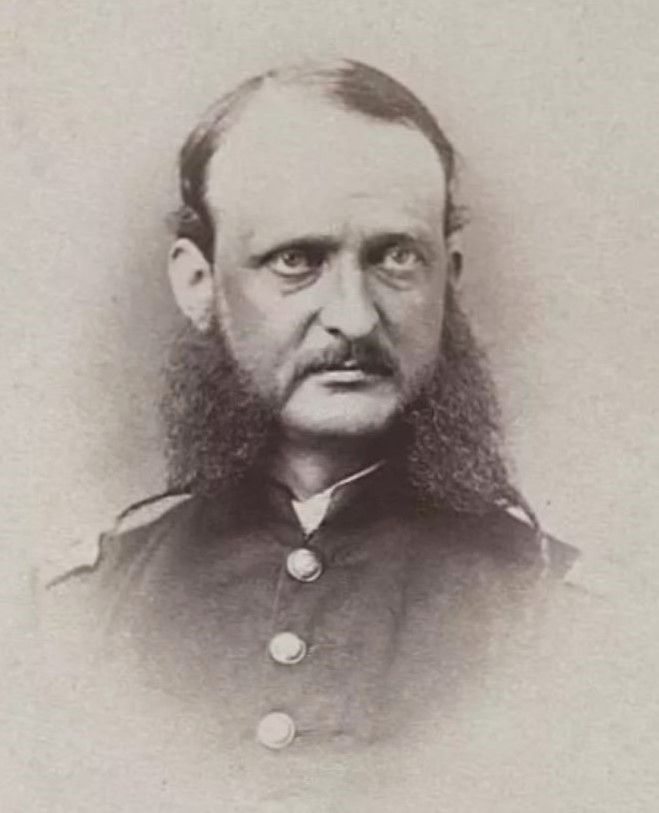
Owing to an accident, McKee became a lifelong cripple and retired from active service in 1891. He returned to his hometown of Butler, Pennsylvania, where he resided until his death. McKee was known for his literary and intellectual pursuits and maintained a dignified character throughout his life.
He authored a detailed pamphlet recounting the surrender at Fort Fillmore, which has been highly regarded by military historians and has run through three editions. McKee’s contributions to medicine, his service in various military campaigns, and his administrative work in hospitals during the Civil War left a lasting legacy.
RESEARCHER’S NOTE (July 2026): Sources conflict on McKee’s death date. WikiTree (cited below) gives 1904; Francis B. Heitman’s Historical Register and Dictionary of the United States Army (1903) and A. F. H. Armstrong (NMHR, 1961) both record that he died December 11, 1897. We are seeking a contemporary obituary to settle the question and will update this page when it is found.
Resources
WikiTree. (n.d.). James Cooper McKee (1830–1904). Retrieved November 27, 2024, from https://www.wikitree.com/wiki/McKee-1209#Death_and_Legacy

Accuracy review: this page was checked against primary and scholarly sources and corrected where the record required it on July 7, 2026. Historical research is never finished — if new evidence changes anything stated here, this page will be updated, and corrections will be noted rather than made silently.
Views: 68