
From your reading · 24-068
Follow these words to their source
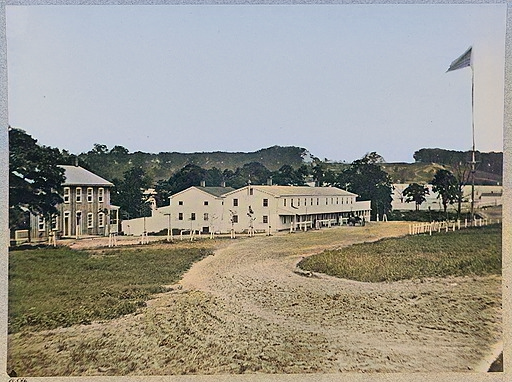
You are exploring The picket line, Suffolk in The Blackwater. Compare the words used in the book with the source and the context around them.
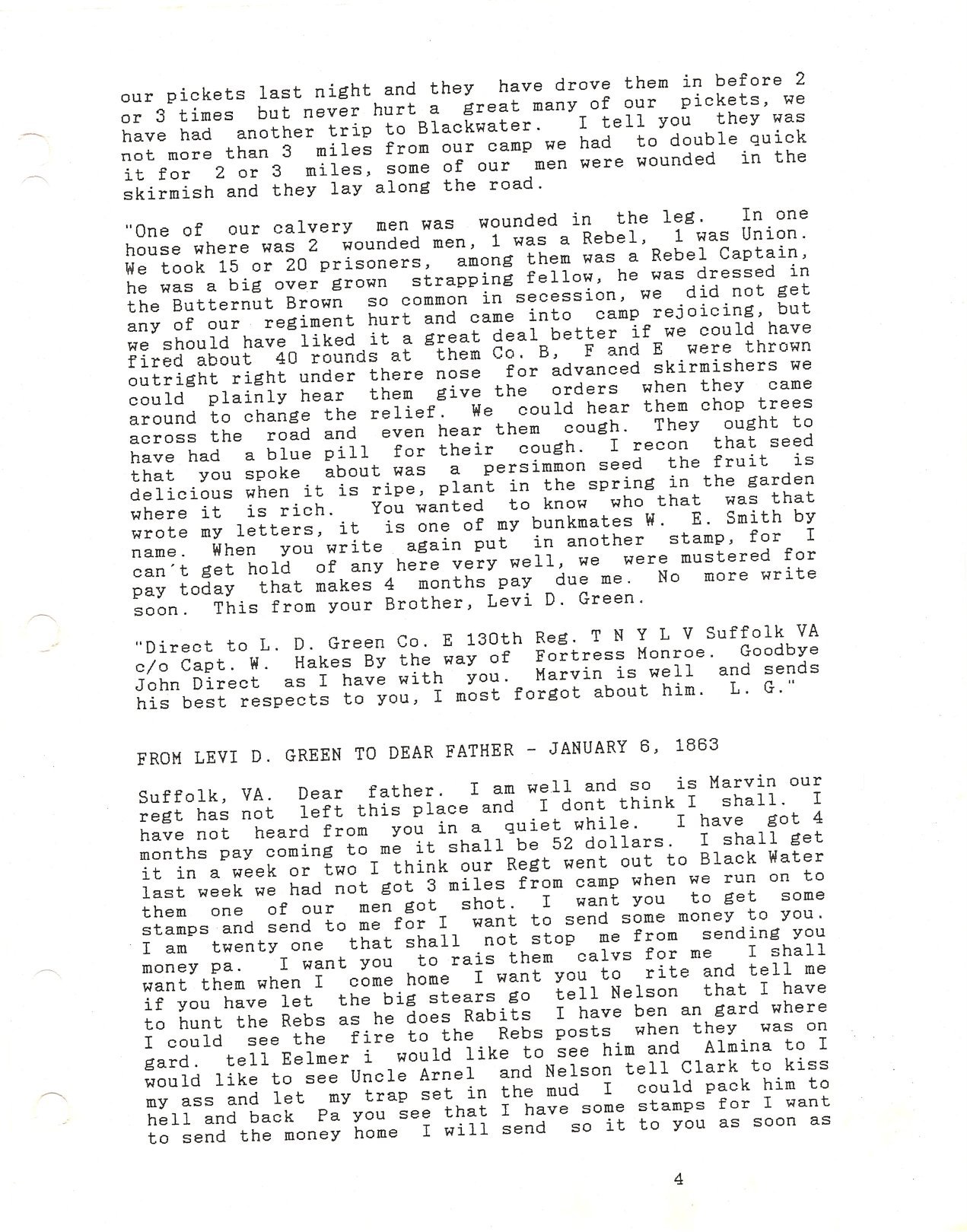
I have got 4 months pay coming to me it shall be 52 dollars.
Source inferred, check against scan
See how the book uses these words
On the fifth of January Levi Green turned twenty-one. The next day he wrote to his father, and he wanted it understood. "I have got 4 months pay coming to me it shall be 52 dollars." "I am twenty one that shall not
stop me from sending you money pa." He was still a farmer. "I want you to rais them calvs for me I shall want them when I come home." And there was a message for a friend who hunted at
The connected source
Levi D. Green to Dear Father, January 6, 1863
Green family letter · Green family letters (transcripts of the originals, which are in family hands)
placed by its position on the page that transcribes it (check against the scan). A text match or page placement does not establish that the scan has been reviewed.
Questions to bring to the source
Who wrote this, and who was meant to read it? Is the writer describing an event they witnessed, reporting news from someone else, or remembering it later? Read the surrounding lines and compare dates, names and uncertain words.
Begin with the source page
Read beside the scan
Scan of the Marjorie Kuski typescript of the Green family letters. The quotation's words were found on this page.
A transcription has not yet been connected to this scan.
Read the research account used for this passage
The book catalog explicitly points to these preserved site pages. Read the account and follow its reproduced documents and citations. A research account is an intermediary, not automatically the original evidence.
The person behind the name
People named in this passage
Follow the lives and existing research connected to names in these words or their book context. These person connections do not establish the source of the quotation.
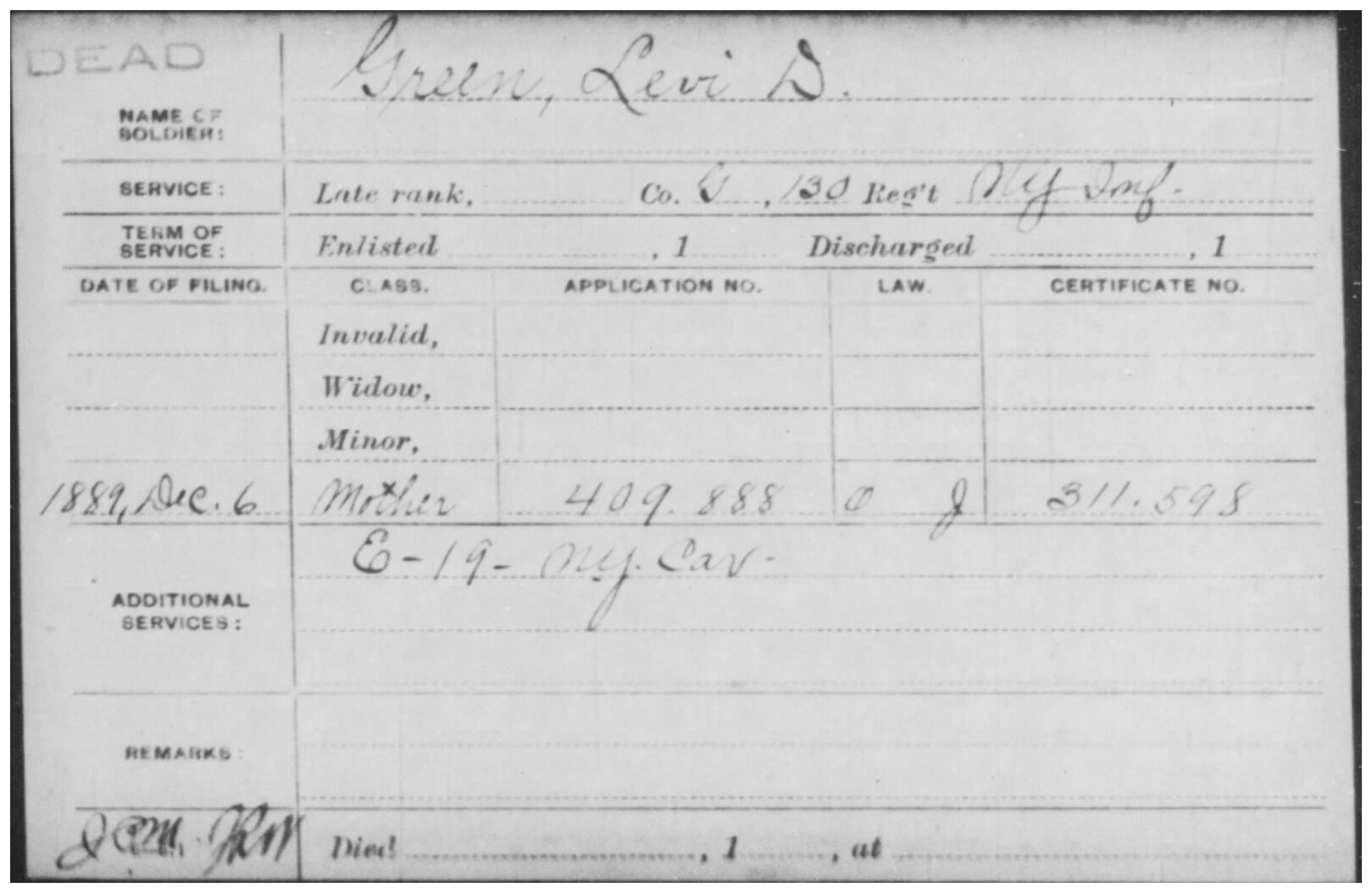
Levi Davis Green
Letters, captivity records and a disputed-looking burial trail reveal different parts of Levi's life. Follow the evidence used to distinguish L. D. Green from another man buried nearby, and the pension records connected to his mother.
Follow this person through the research →Continue your learning journey
Explore the sources behind The Blackwater →
Follow the people in this chapter →
Return to The Blackwater and its quotation ledger →
I am twenty one that shall not stop me from sending you money pa. →
I want you to rais them calvs for me I shall want them when I come home. →