
Introduction
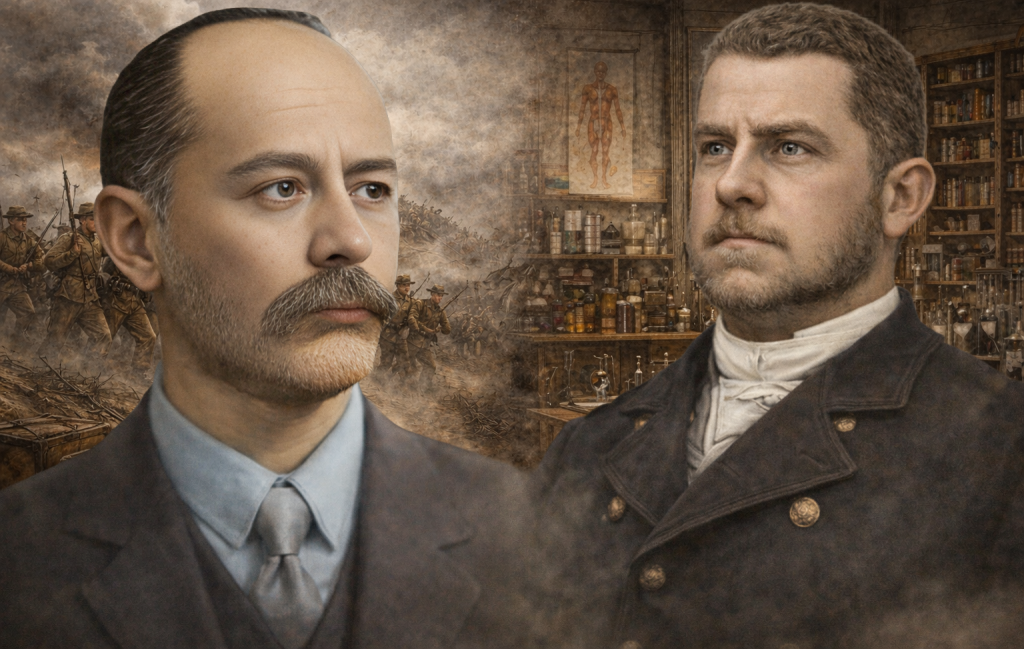
The graduating class of 1882 from Columbia University’s College of Physicians and Surgeons (now the Vagelos College of Physicians and Surgeons) included two men whose lives would unfold in dramatically different ways but who would each leave an indelible mark on the history of medicine: Dr. Robert Tuttle Morris and Dr. John Blair Gibbs. These two physicians, educated in the same classrooms and laboratories, exemplify the diverse paths available to medical professionals in the transformative era of the late 19th century. One pursued a life of innovation, reshaping surgical theory and practice; the other followed the call to public service and died a hero on the battlefield. This report explores their educational context, career trajectories, personal philosophies, and legacy, highlighting how their shared medical training laid the groundwork for contributions that still resonate today.
The Columbia College of Physicians and Surgeons in the 1880s
To understand the connection between Dr. Morris and Dr. Gibbs, one must begin with their common academic foundation. The College of Physicians and Surgeons, by the 1880s, was one of the premier medical institutions in the United States. Medical education was shifting from the traditional apprentice model to a more formalized and rigorous academic system. Columbia P&S had begun integrating new advancements in anatomy, pathology, surgical technique, and the use of antiseptics, which were becoming more broadly accepted due to the work of Joseph Lister.
Medical students in the early 1880s at Columbia would have studied anatomy through cadaver dissection, attended lectures on pathology, engaged in rudimentary clinical rotations, and participated in emerging surgical practice. Both Dr. Morris and Dr. Gibbs would have sat side by side in these educational settings, absorbing the same lessons and examining the same specimens, even if their personal approaches to medicine would eventually diverge.
Documented Classmates: The Class of 1882
Evidence from various alumni records and sources, including the website AlfredGibbs.com and historical biographical material, confirms that both Robert Tuttle Morris and John Blair Gibbs graduated from Columbia P&S in 1882. Morris was born in 1857 and Gibbs on September 25, 1858, placing them within a close age range.
Update, October 31, 2026: This page earlier gave John Blair Gibbs’s birth year as 1861 and said he was killed at the Battle of San Juan Hill. He was born at Richmond on September 25, 1858 (his mother’s widow’s pension file), and he was killed at Camp McCalla, Guantanamo Bay, on June 12, 1898 (see Dr. John Blair Gibbs (Son)). The text has been corrected.
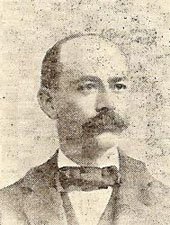
During this time, class sizes were small and students formed close bonds through shared academic rigors. It is likely, if not certain, that Dr. Morris and Dr. Gibbs knew each other personally and perhaps even collaborated during their studies. Their subsequent career choices reflect how a single graduating class could produce both frontline surgeons and forward-thinking theorists.
Dr. John Blair Gibbs: A Life of Service and Sacrifice
Dr. John Blair Gibbs, after completing his education, entered into medical practice with a focus on service. Ultimately, he joined the United States Navy as an assistant surgeon. His medical acumen and dedication quickly became evident, and in 1898 he volunteered for military service during the Spanish-American War.
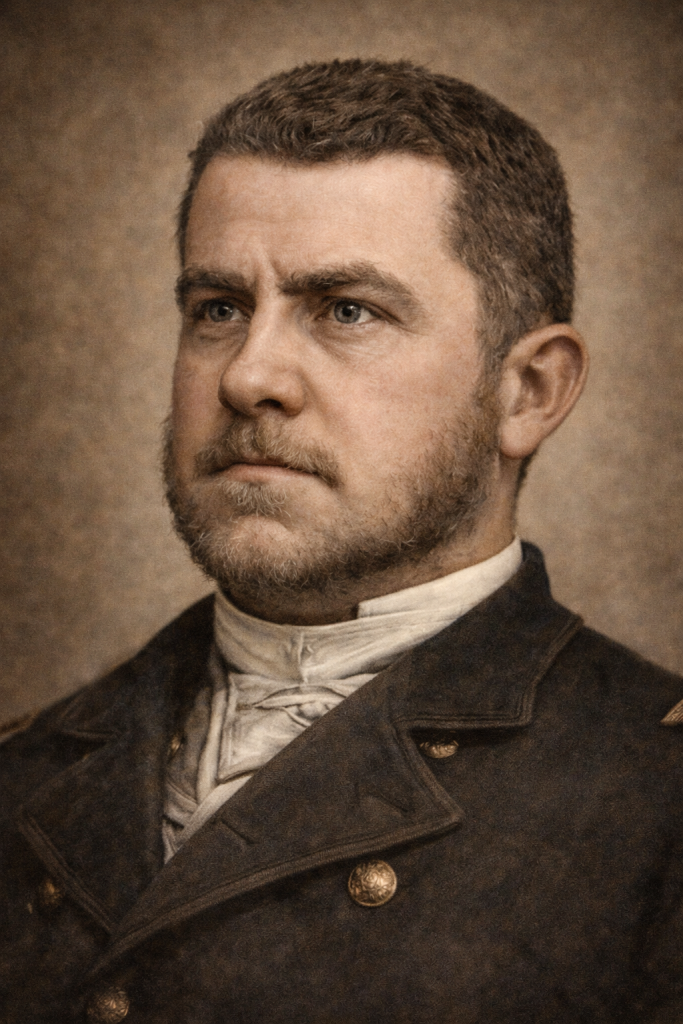
Tragically, Dr. Gibbs became the first medical officer killed in that conflict, shot at Camp McCalla, Guantanamo Bay, Cuba, at about one o’clock in the morning of June 12, 1898. According to sources chronicled at AlfredGibbs.com, Gibbs was not merely a battlefield medic; he embodied the ideal of selfless medical service. His bravery in treating the injured while under fire became emblematic of the highest ideals of military medicine. His death, while tragic, elevated his legacy and cast him as a martyr in the service of humanity and country.
Dr. Robert Tuttle Morris: Innovation and the Physiology of Healing
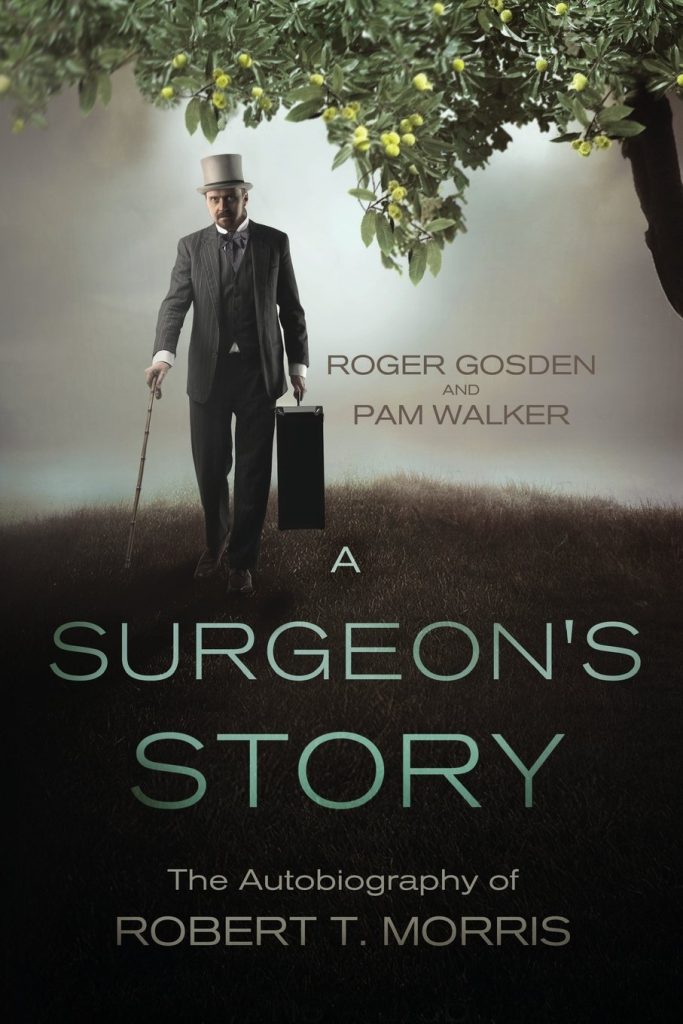
In contrast to Gibbs, Dr. Robert Tuttle Morris dedicated his post-graduate life to surgical innovation, medical education, and interdisciplinary research. His interests went far beyond the operating room; he explored botany, philosophy, and endocrinology, often weaving together observations from unrelated disciplines to challenge prevailing medical dogmas.
Morris is particularly known for pioneering work in reconstructive surgery, ovarian transplantation, and vascular anastomosis. In an era dominated by the doctrine of “nervism” — the belief that organ function depended entirely on nerve connections — Morris proposed that tissues could survive and even regain functionality without direct nervous innervation. This revolutionary idea stemmed from his experience with plant grafting and was demonstrated in his human ovarian grafting experiments.
His work with blood vessel repair further emphasized the importance of the endothelium, the inner lining of blood vessels. Contrary to many contemporaries, Morris asserted that for successful vascular reconnection, the endothelium must be incorporated into surgical sutures. This insight would later influence the Nobel Prize-winning work of Alexis Carrel. Although Carrel received the accolades, Morris’s theoretical and practical contributions formed the conceptual basis for vascular anastomosis and modern organ transplantation.
A Classroom of Contrasts: Philosophical Divergence
Though classmates, Dr. Morris and Dr. Gibbs represented opposing medical temperaments. Gibbs was a man of action, drawn to service and immediacy. His battlefield sacrifice made him a symbol of medical patriotism. Morris, by contrast, was introspective and curious, drawn to complex theories and long-term clinical experimentation.
Morris’s writings, such as his autobiography “Fifty Years a Surgeon,” reveal a mind captivated by the evolution of surgery through what he called four eras: the Heroic, Anatomic, Pathologic, and Physiologic. He placed himself firmly in the Physiologic Era, believing that the human body’s own mechanisms for healing should be respected and harnessed.
In contrast, Gibbs left no treatises or memoirs. His actions spoke for him, and the testimonials from fellow soldiers and commanding officers became the legacy he left behind. One used words to shape thought; the other used action to shape history.
Shared Legacy Through Divergent Paths
Despite their differing approaches, both men contributed meaningfully to the legacy of their alma mater and to the broader medical field. Morris’s research and clinical advancements laid the groundwork for many of today’s surgical standards. Gibbs’s sacrifice on the battlefield serves as a solemn reminder of the risks taken by physicians who serve in war zones.
Together, they personify the dual identities of medicine: one part science, one part service. Both are necessary. Their stories also reflect how medical education, particularly one as rigorous and forward-looking as Columbia’s, can empower graduates to pursue vastly different but equally noble paths.
Contextual Significance in 19th Century Medicine
The period during which Morris and Gibbs graduated was pivotal in the transformation of American medicine. Lister’s antiseptic methods were gaining traction. Anesthesia had become more widely used, and germ theory was beginning to reshape medical understanding. Columbia P&S, situated at the epicenter of New York’s bustling and complex public health landscape, exposed its students to real-time clinical challenges.
Gibbs took this clinical exposure and applied it to combat medicine, where quick decisions under pressure were required. Morris used the same foundation to question the biological assumptions underpinning surgical success. These two trajectories represent the breadth of influence that a single institution can have when it nurtures both courage and curiosity.
Dr. Morris’s Overshadowed Recognition
One of the tragedies of Dr. Morris’s legacy is how often his ideas were overshadowed or adopted without attribution. He was nominated for the Nobel Prize in 1907, but his submissions were dismissed as too “impressionistic.” Yet later Nobel laureates, such as Carrel, built on his exact theories. Morris, in his own words, claimed to enjoy making discoveries and letting others carry them forward. This generosity of spirit may have cost him fame but enriched the field.
His use of the phrase “ovarian grafting,” derived from his horticultural background, and his connection of vascular healing to plant biology, illustrate an interdisciplinary mind decades ahead of its time. His teachings at the New York Post-Graduate Medical School further spread his influence to a generation of surgeons who would carry his ideas into the 20th century.
Dr. Gibbs’s Martyrdom and Memorialization
Dr. Gibbs, though younger and less published, became something Morris never did: a public symbol. His death in Cuba during the Spanish-American War was reported in newspapers and memorialized in military and medical history. His name is etched in plaques and spoken at ceremonies honoring medical professionals who died in service.
While Morris lived into his 80s and watched the world slowly catch up to his ideas, Gibbs’s legacy was sealed by the bullet that ended his life at 37. Yet the impact of that moment rippled through the military medical community and inspired future generations of medical officers.
Final Thoughts
Dr. Robert Tuttle Morris and Dr. John Blair Gibbs, graduates of the Columbia P&S Class of 1882, exemplify the multifaceted nature of medicine. Their lives, though shaped by the same educational institution, unfolded in drastically different directions — one toward battlefield heroism and the other toward scientific legacy. In examining their stories side-by-side, we uncover a richer understanding of what it means to be a physician. It is not simply about the scalpel or the stethoscope; it is about the courage to act, the willingness to question, and the humanity to heal.
The history of medicine is not just a sequence of discoveries and treatments; it is the story of individuals like Morris and Gibbs who made choices based on the same education but different callings. In doing so, they broadened the very definition of what a doctor can be. That is the enduring legacy of the Columbia University College of Physicians and Surgeons Class of 1882.
Views: 76
Explore the evidence
View this article’s connected sources and media →
About this page
This article was brought over from AlfredGibbs.com. Its preserved text, media and citations remain available for comparison.