Start with the guided reading below, or search this chapter for a person, quotation or topic. Follow the writing and evidence behind this part of GIBBS.
What would you like to explore in Unfading Laurels?
Go beyond the book · Unfading Laurels
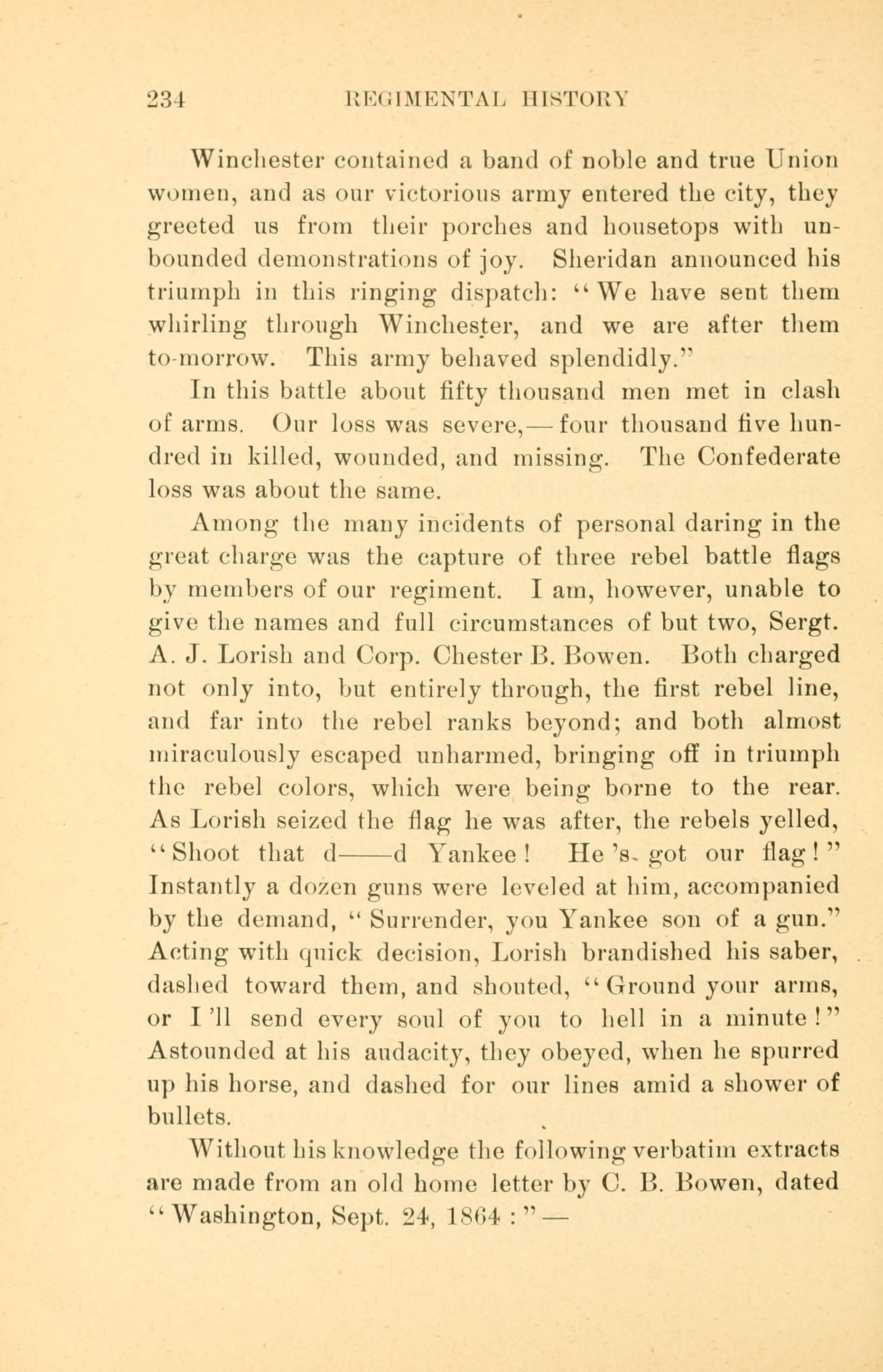
Compare a commander’s report with the remembered charge
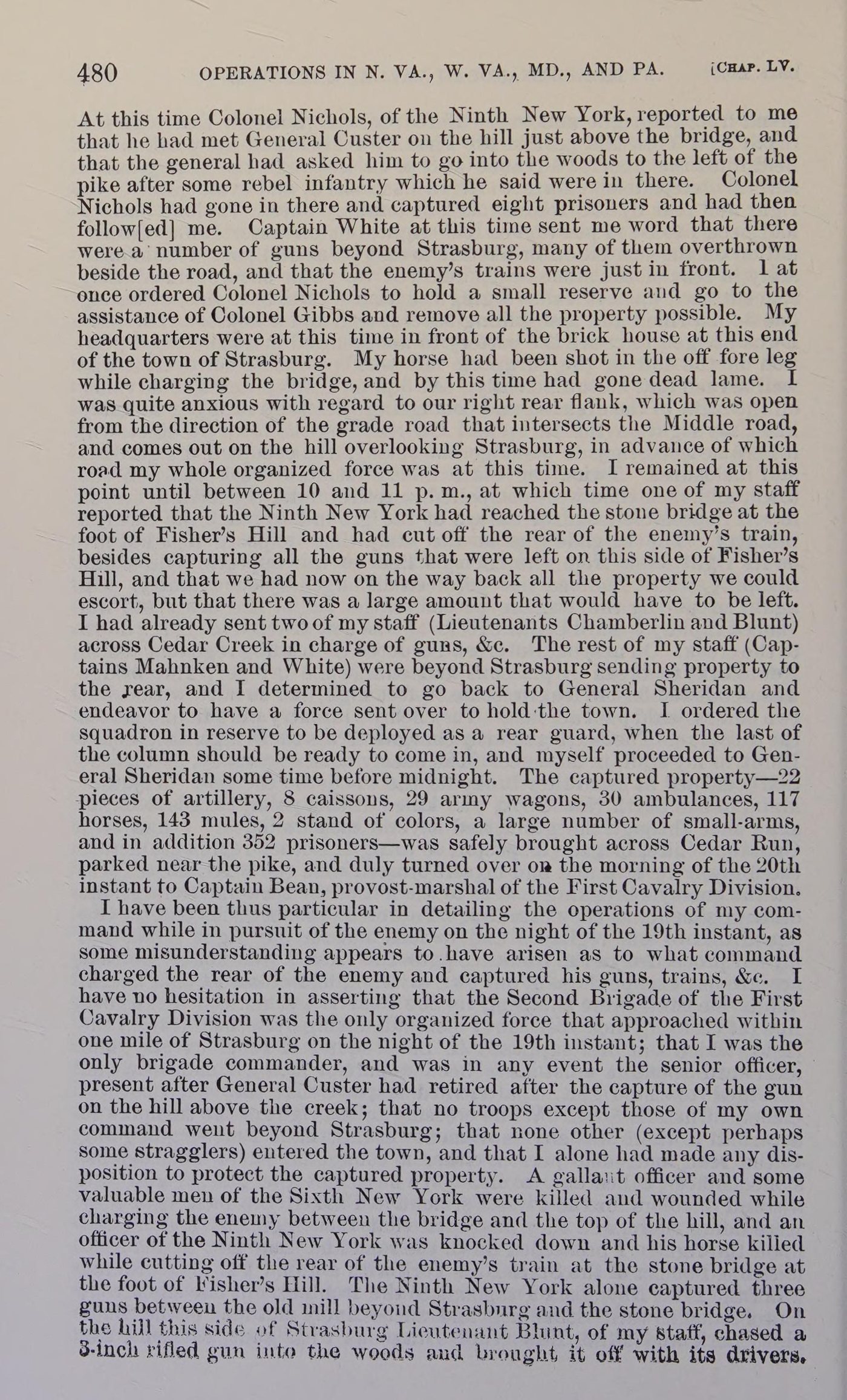
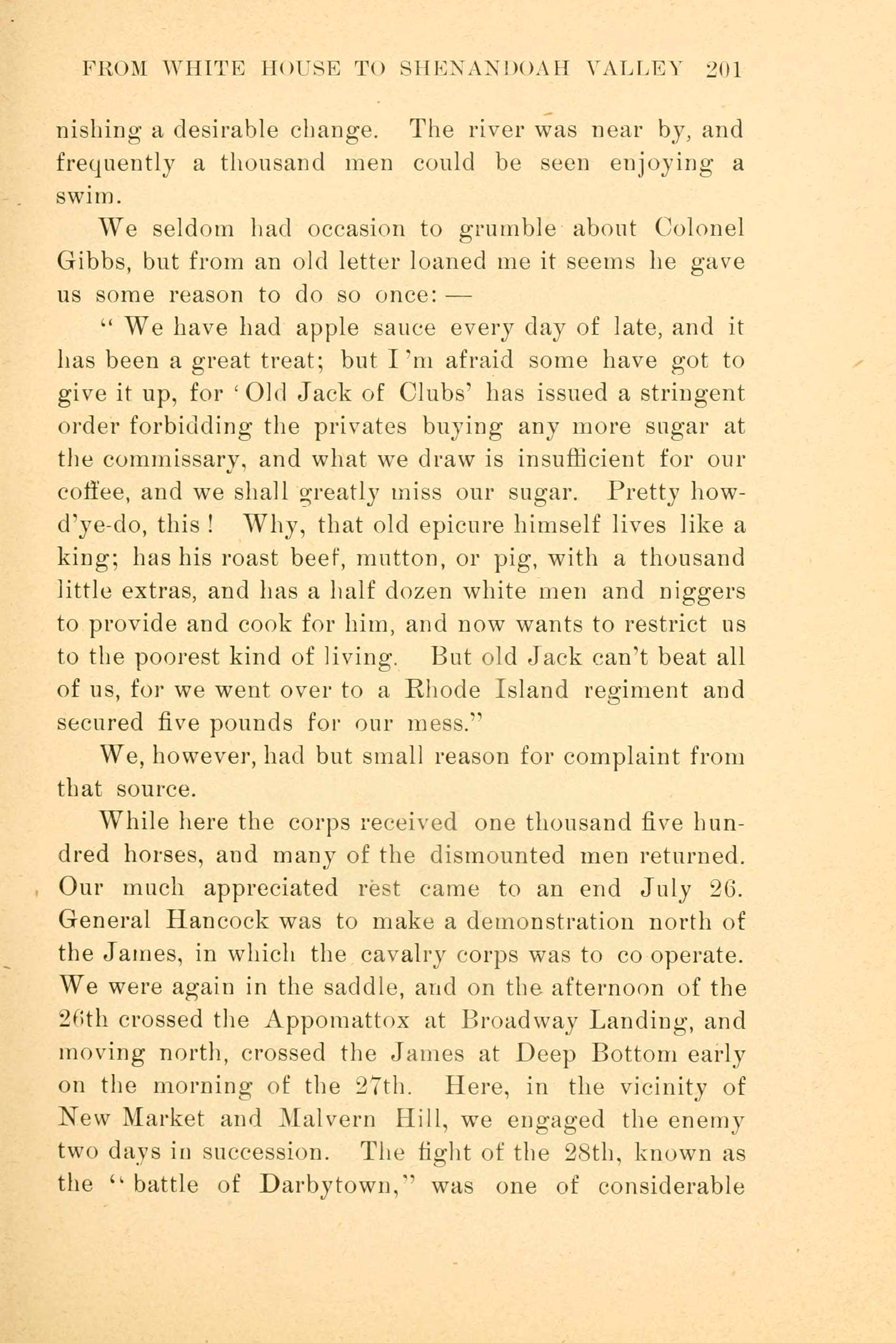
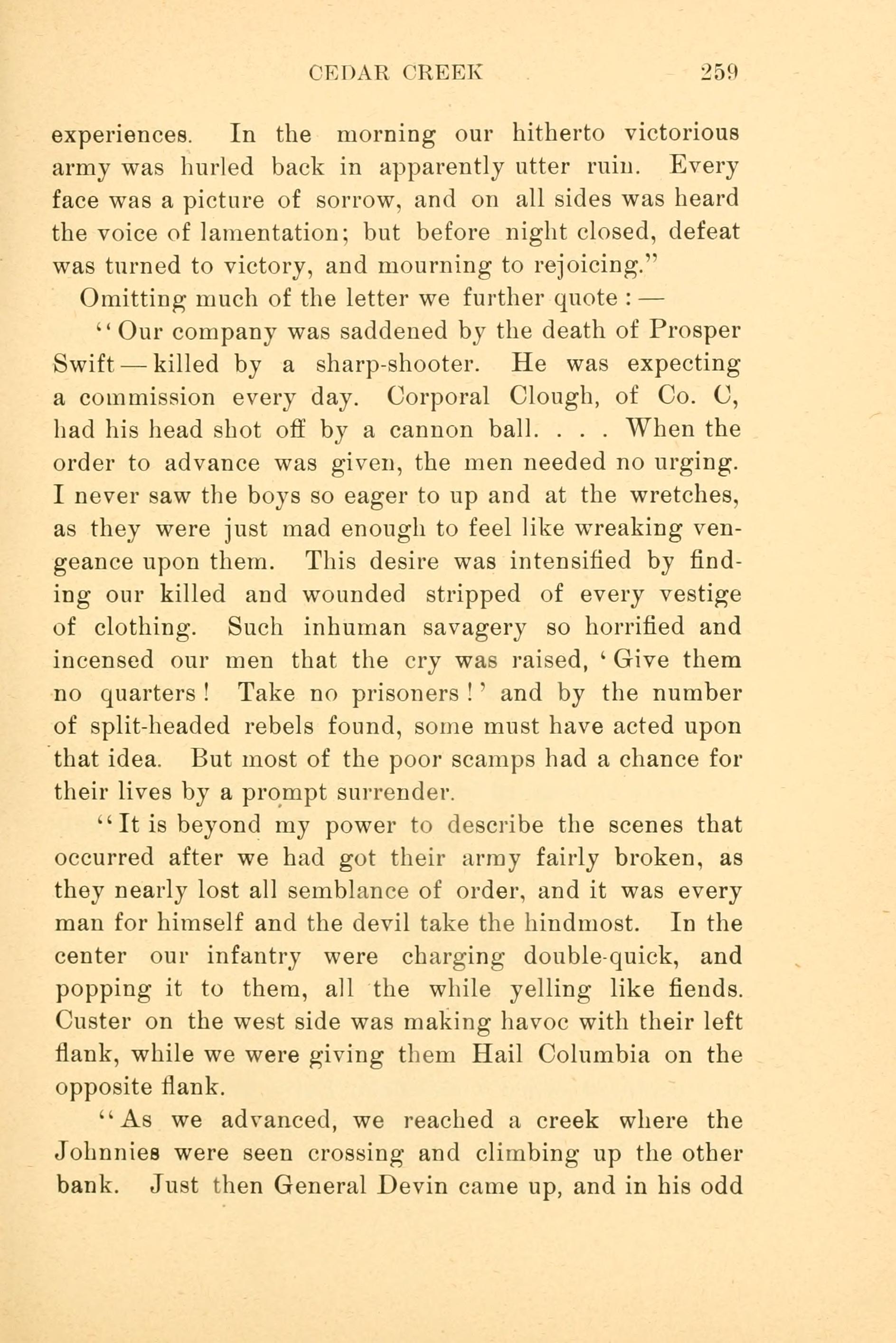
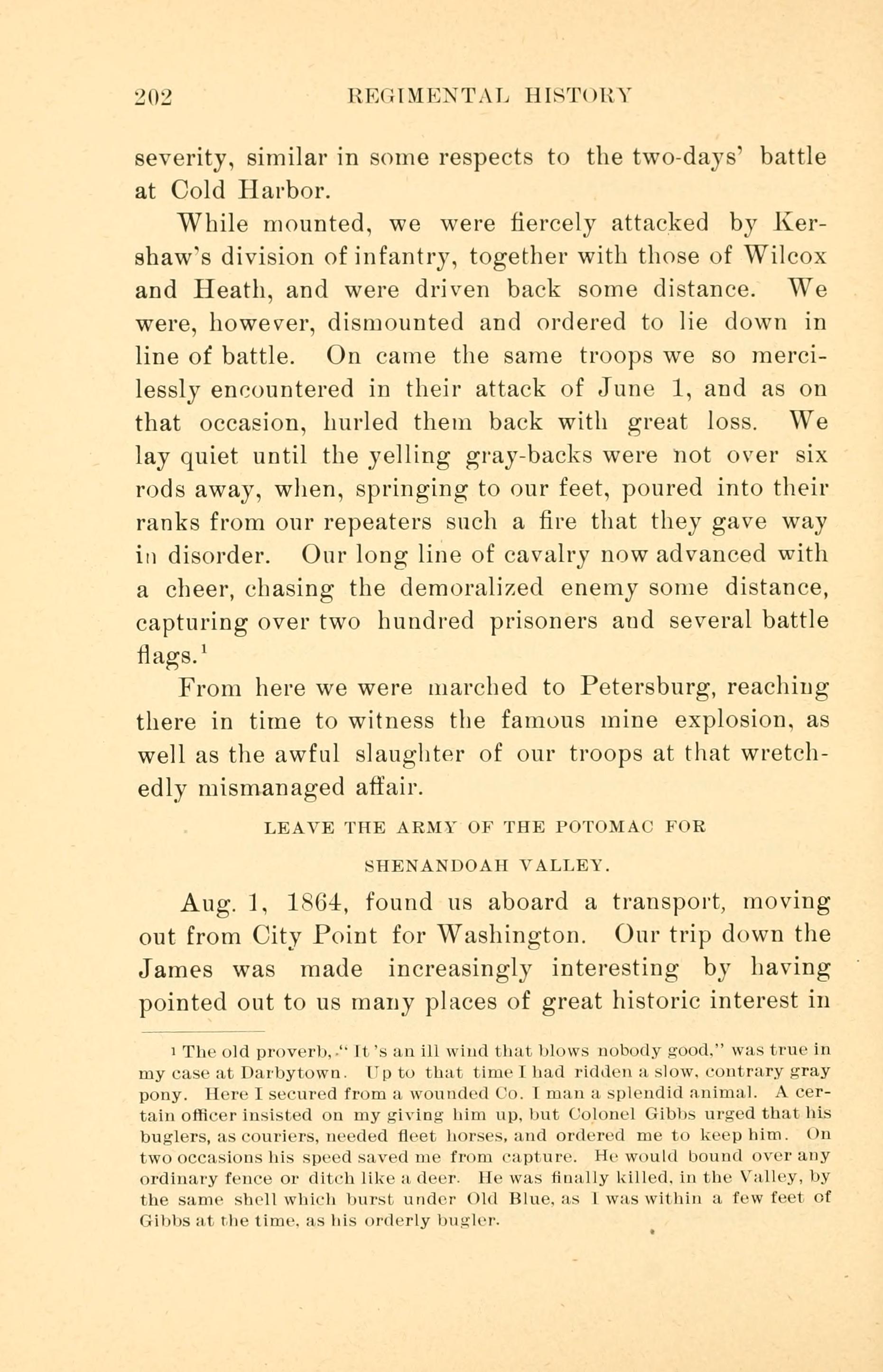
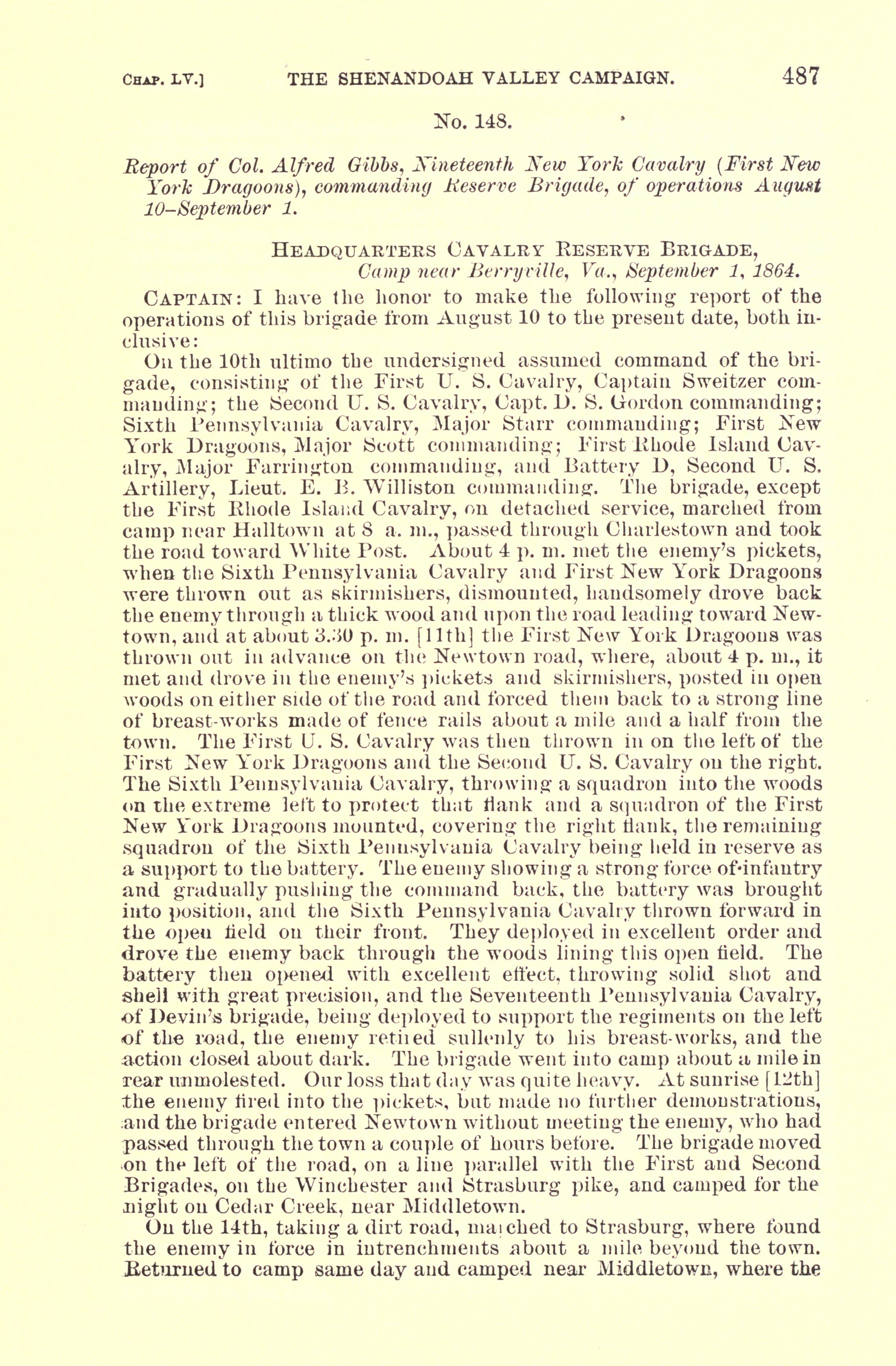
The Valley chapter moves through changing commands and several battles. Devin’s report supplies a dated account of Gibbs’s role that can be compared with the regiment’s later memories.
New to these records? A little context.
A docket is an office’s summary or filing note; it may be on a wrapper rather than in the letter. An endorsement is another official’s response or forwarding note. Read each voice and date separately. A transcription is a reading of a document, with uncertain words marked where the exhibit provides them.
Who commanded whom, and when?
Devin report No.144 Official Records p.480 · From the linked account. Its original credits and image status are preserved there.
Read the source exhibit & its explanation
Devin’s Valley reports and the Dragoons
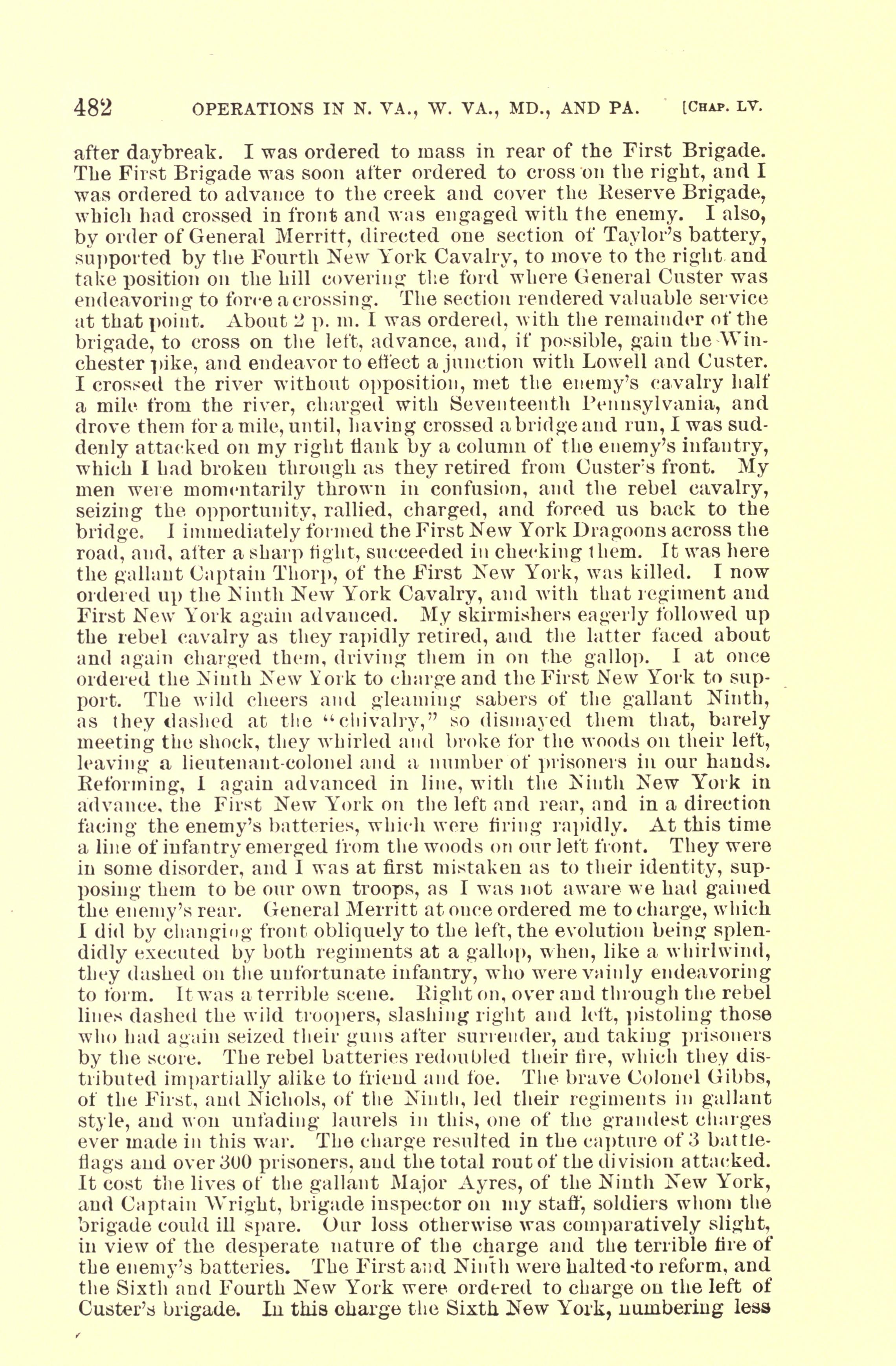
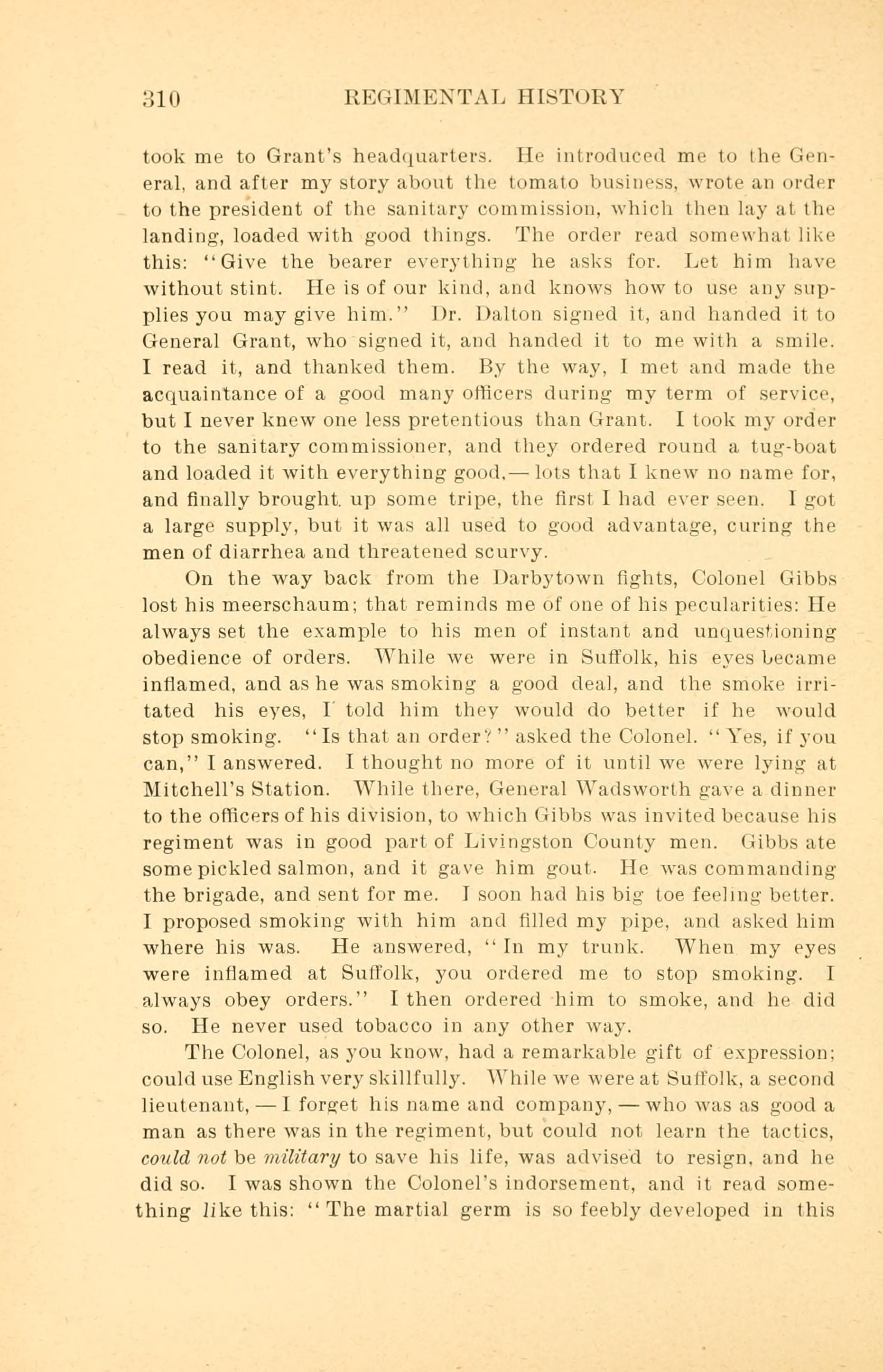
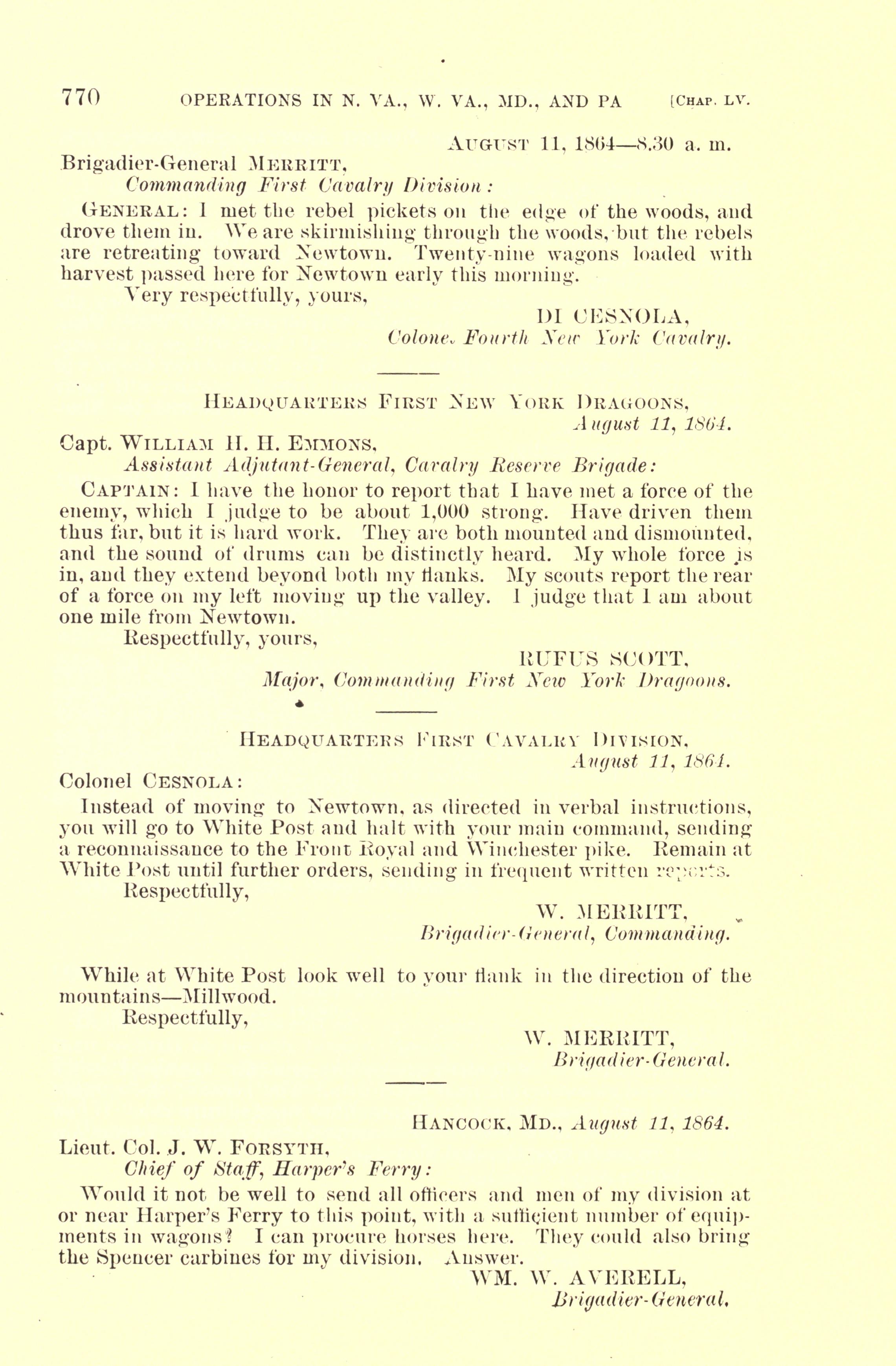
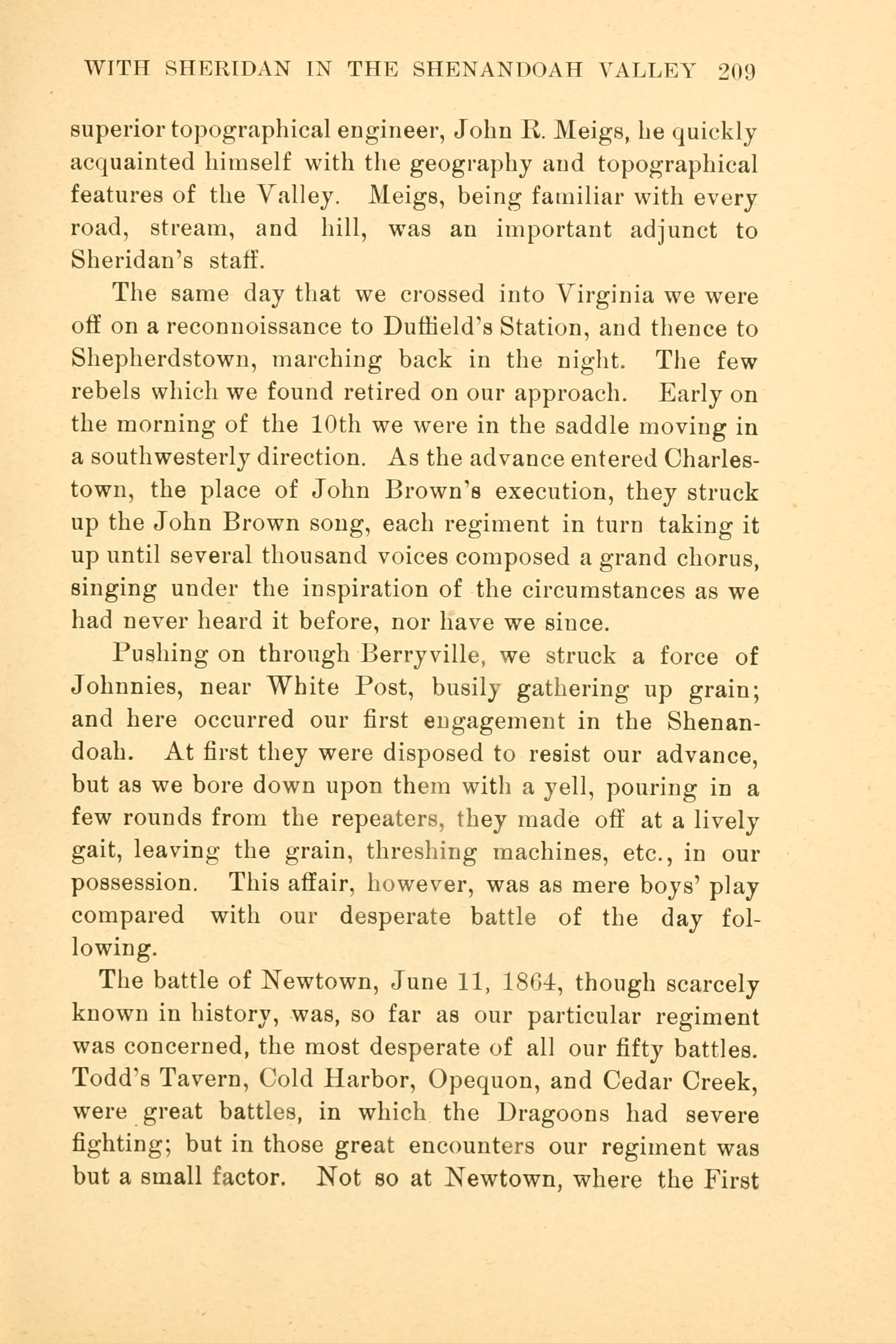
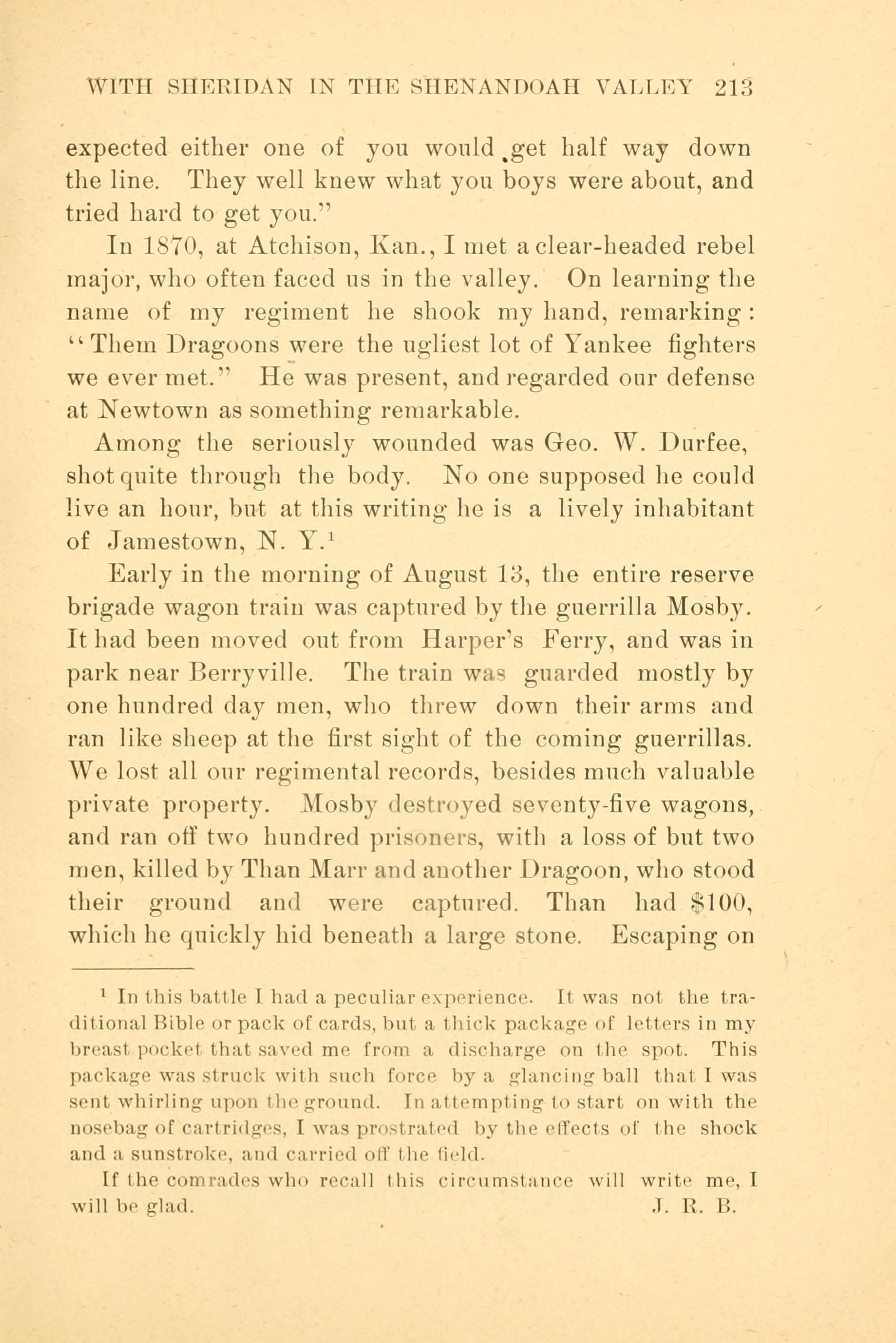
The account quotes Devin on the September 9–19 command interval and on the Dragoons at Third Winchester. It includes the printed report pages behind the chapter’s title.
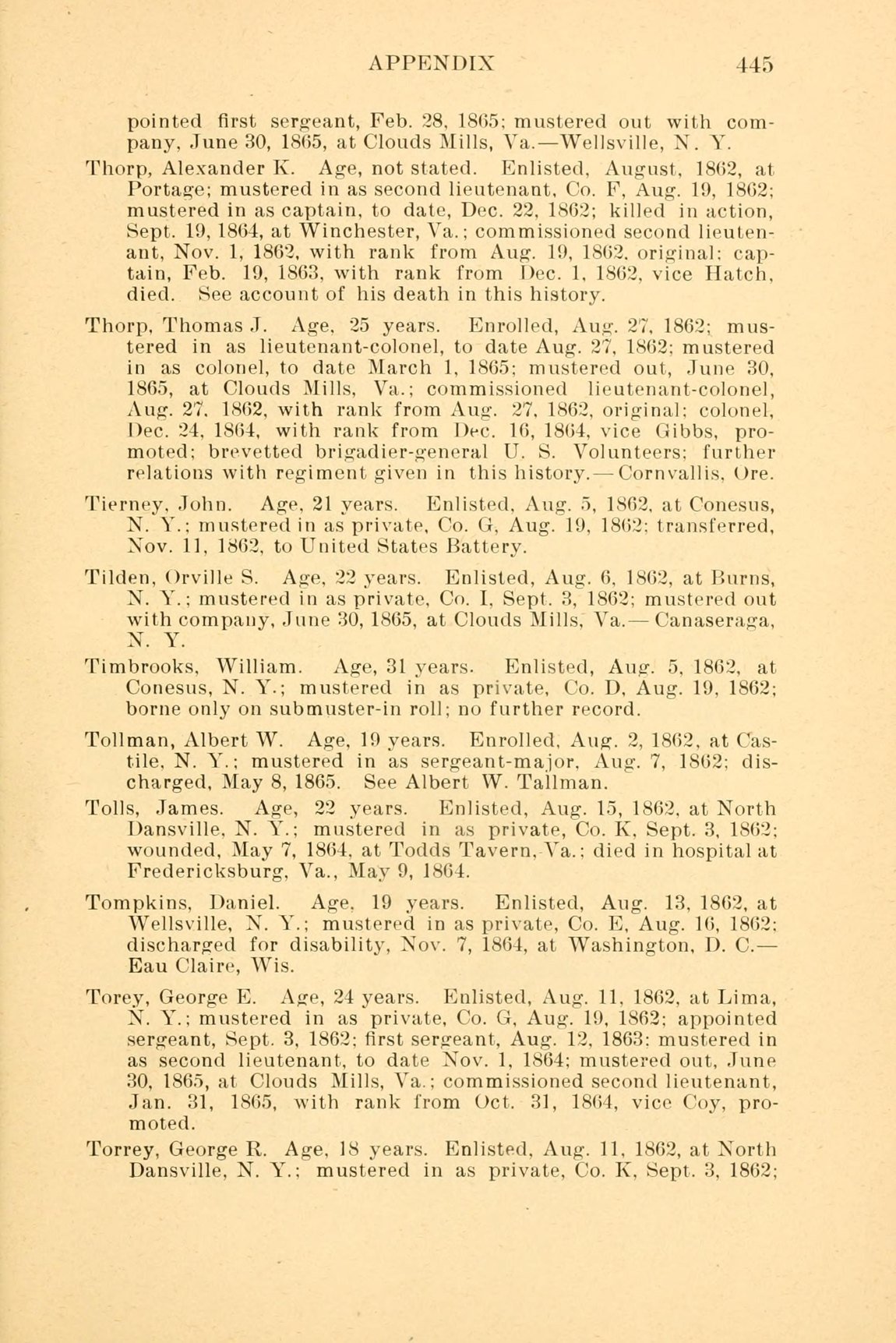
What to examine: Compare the dated command statement with the Third Winchester passage naming Gibbs and Nichols. Then enter the separate guided comparison of Thorp’s death and Harriet’s pension brief.
Keep this distinction in mind: A commander’s report and a later regimental history have different perspectives. Praise in a report does not settle every dispute about credit or chronology.
Keep your question in view as you explore. The reading tray retains Unfading Laurels. Close it to return to this point, or deliberately choose to explore outside the chapter.
Follow a life beyond the page
People you meet here
The book brings you into these lives. Follow a person to the family, service and research records available here. Pension material is identified separately from biography and recollection.
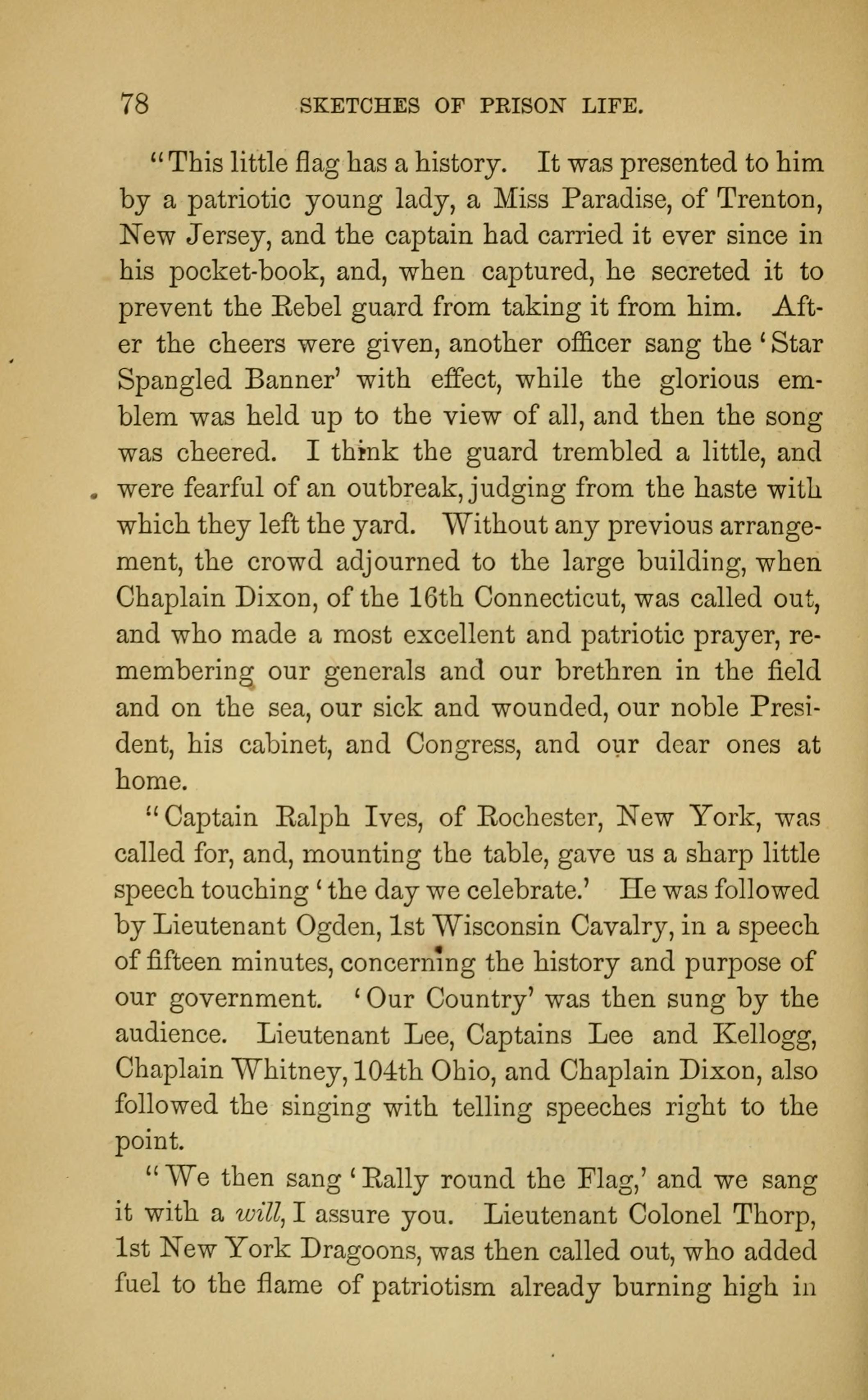
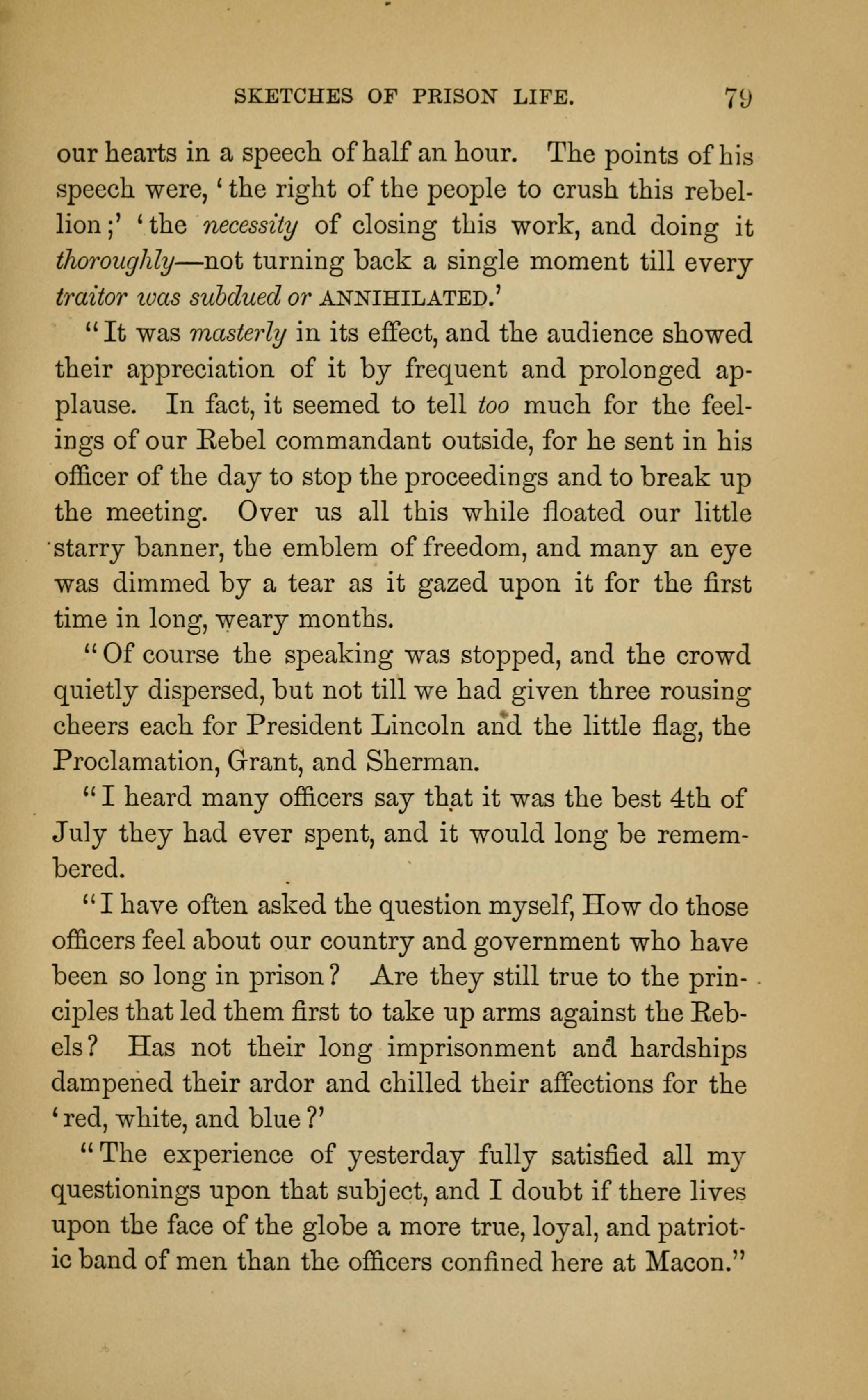
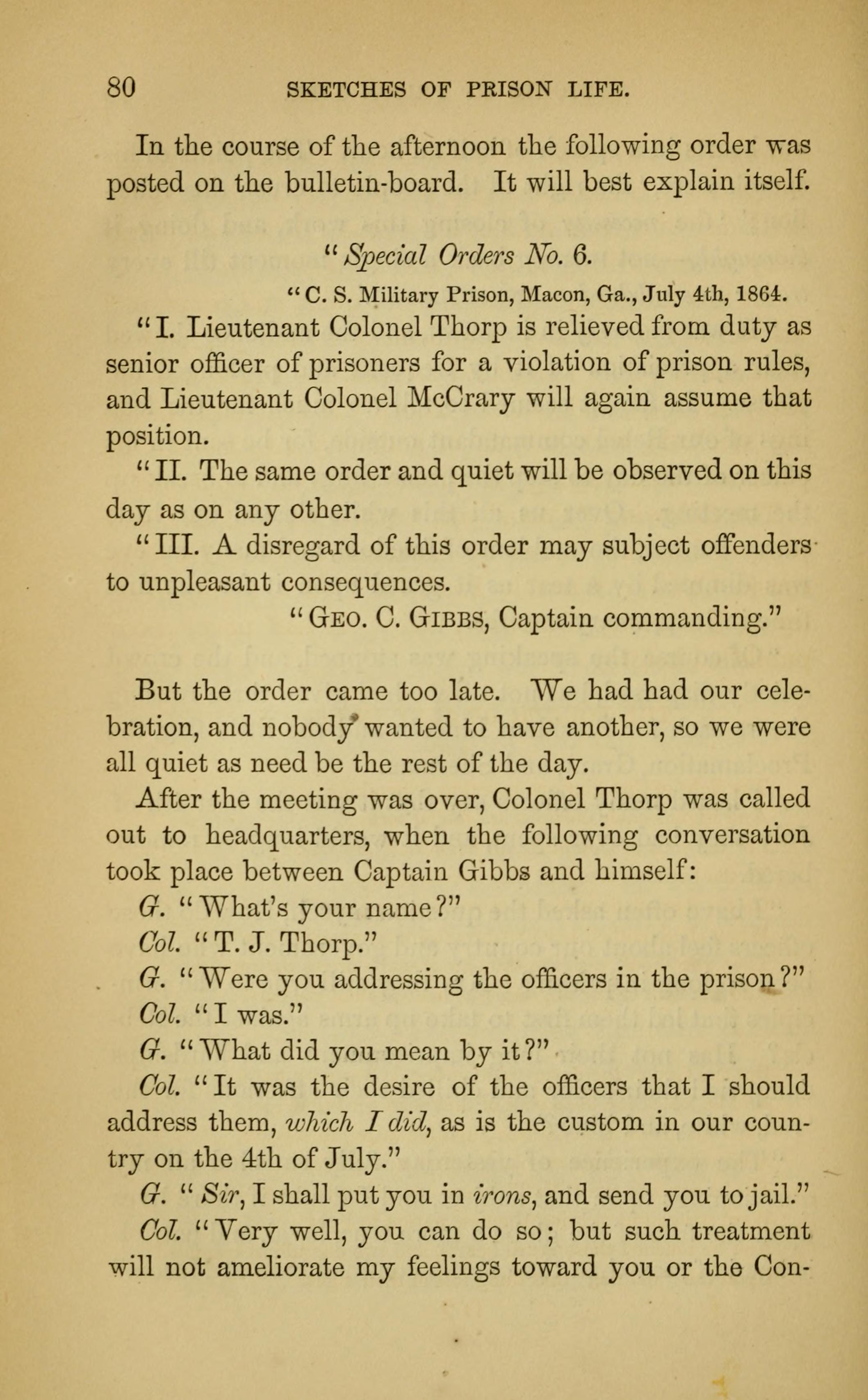
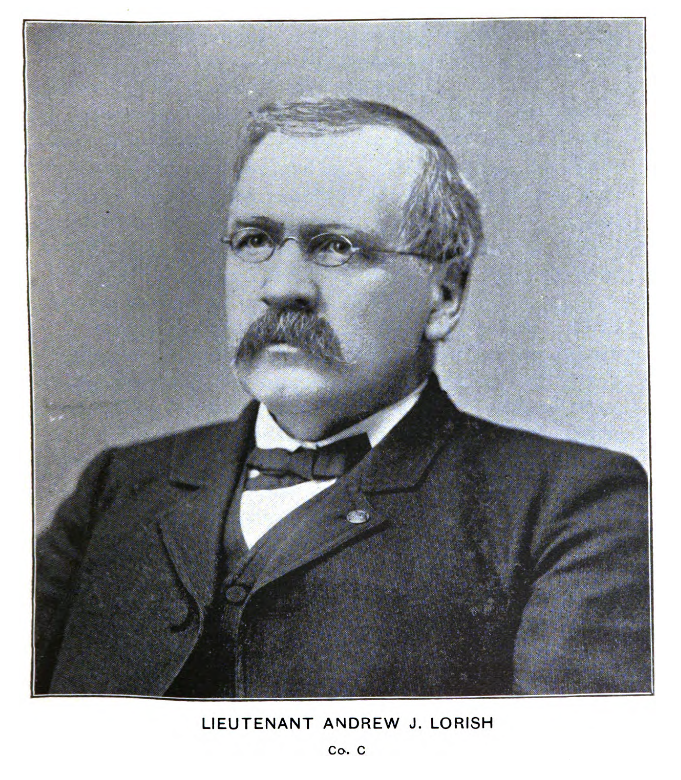
A captured officer became a witness to prison life. Follow his account alongside the regiment's history and ask how an officer's experience differed from an enlisted prisoner's.
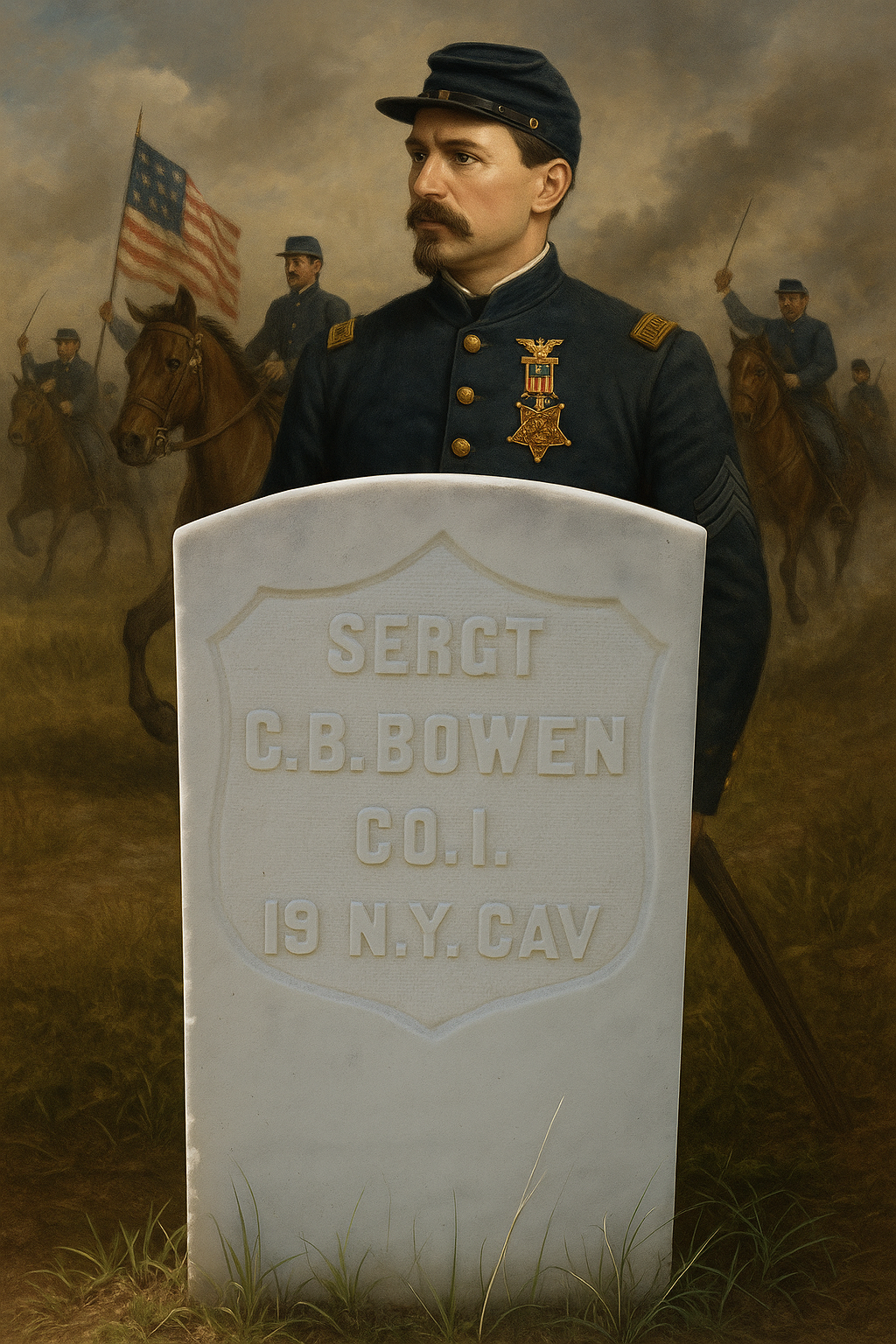
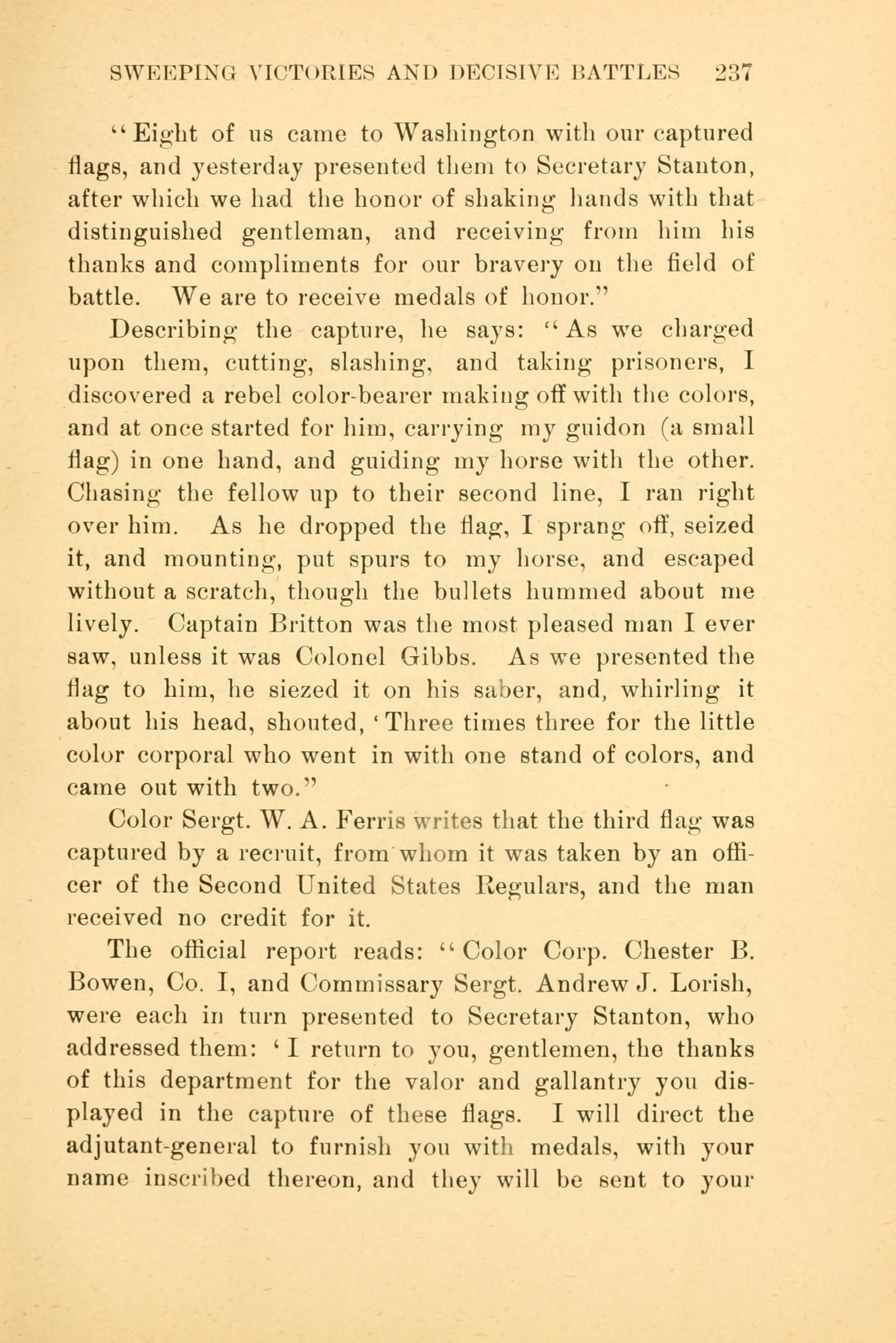
The color corporal's letters and captured flag offer a different perspective from his brother's later regimental history. Look for the difference between writing during the war and remembering it afterward.
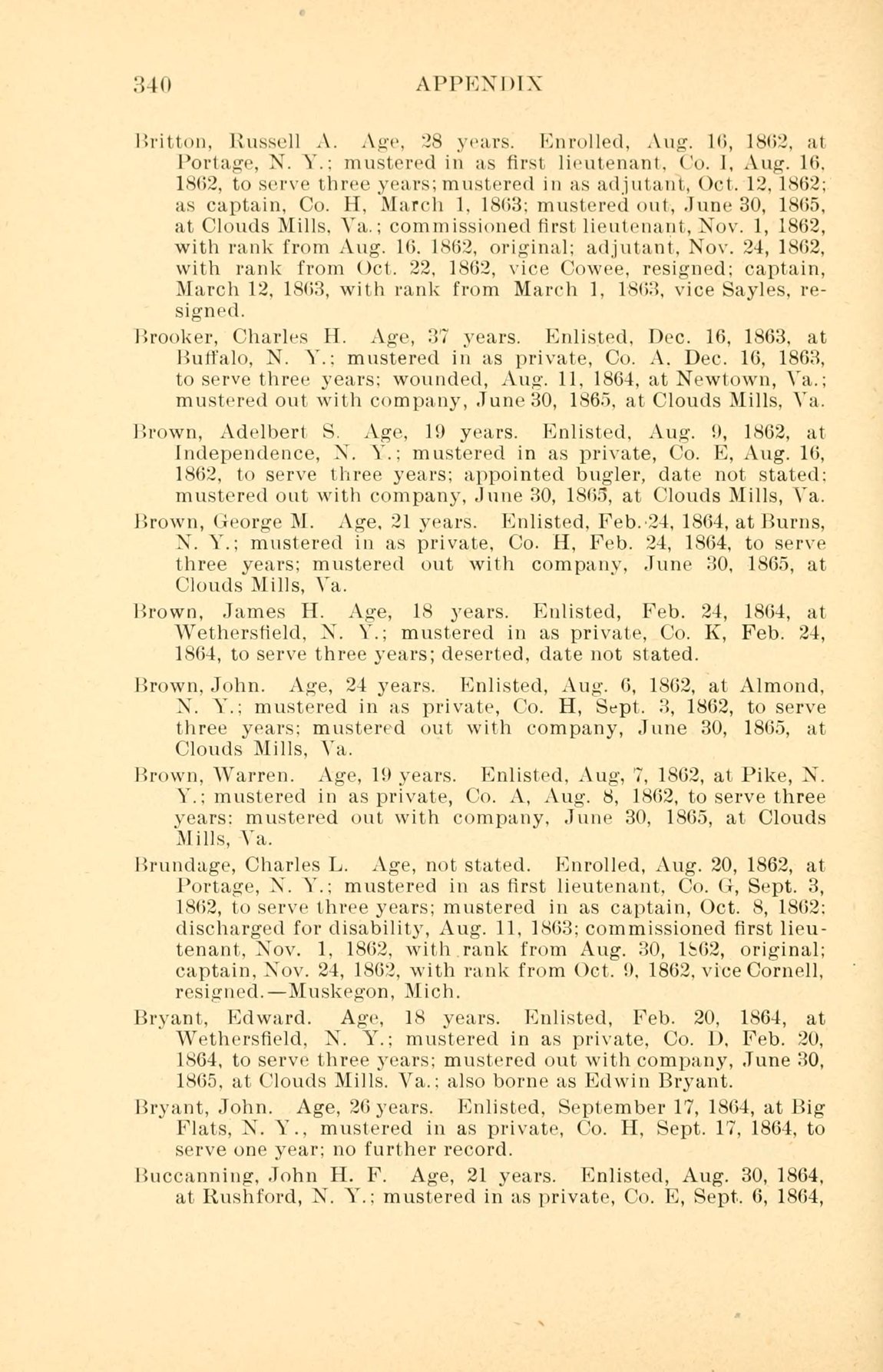
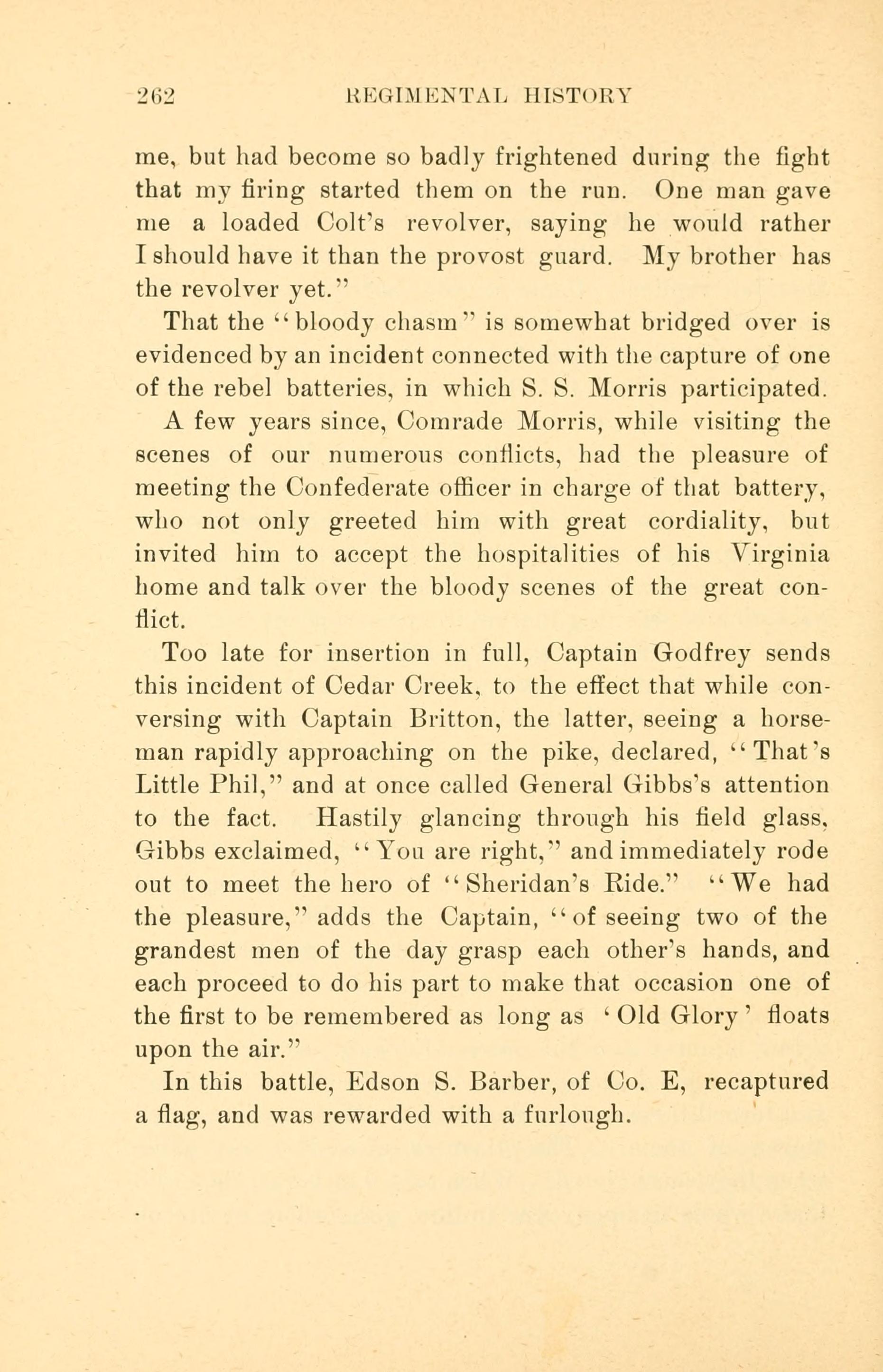
Captain Britton appears in Chester Bowen's account of returning with a captured flag. His service page adds the officer's identity to that remembered exchange.
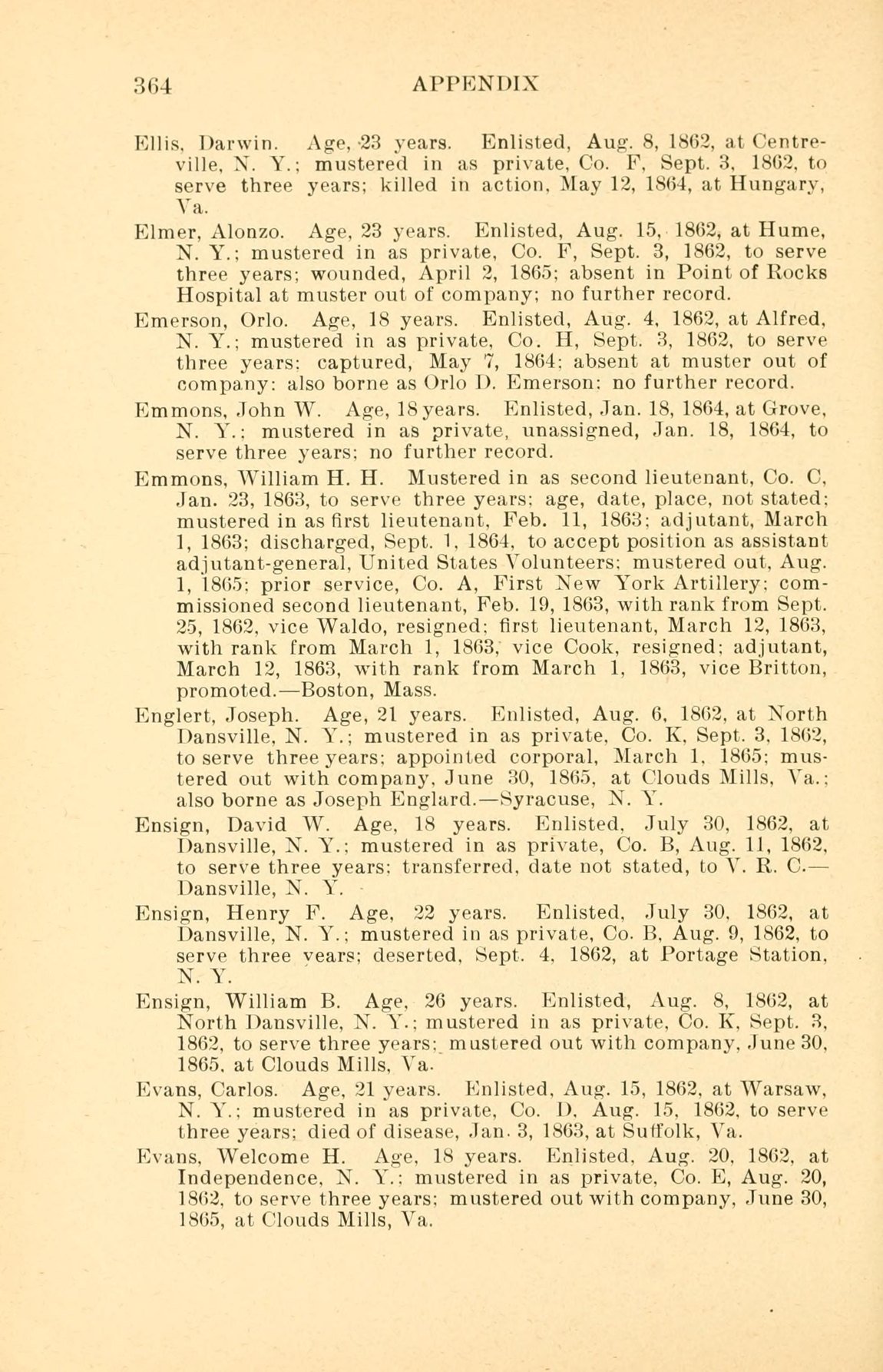
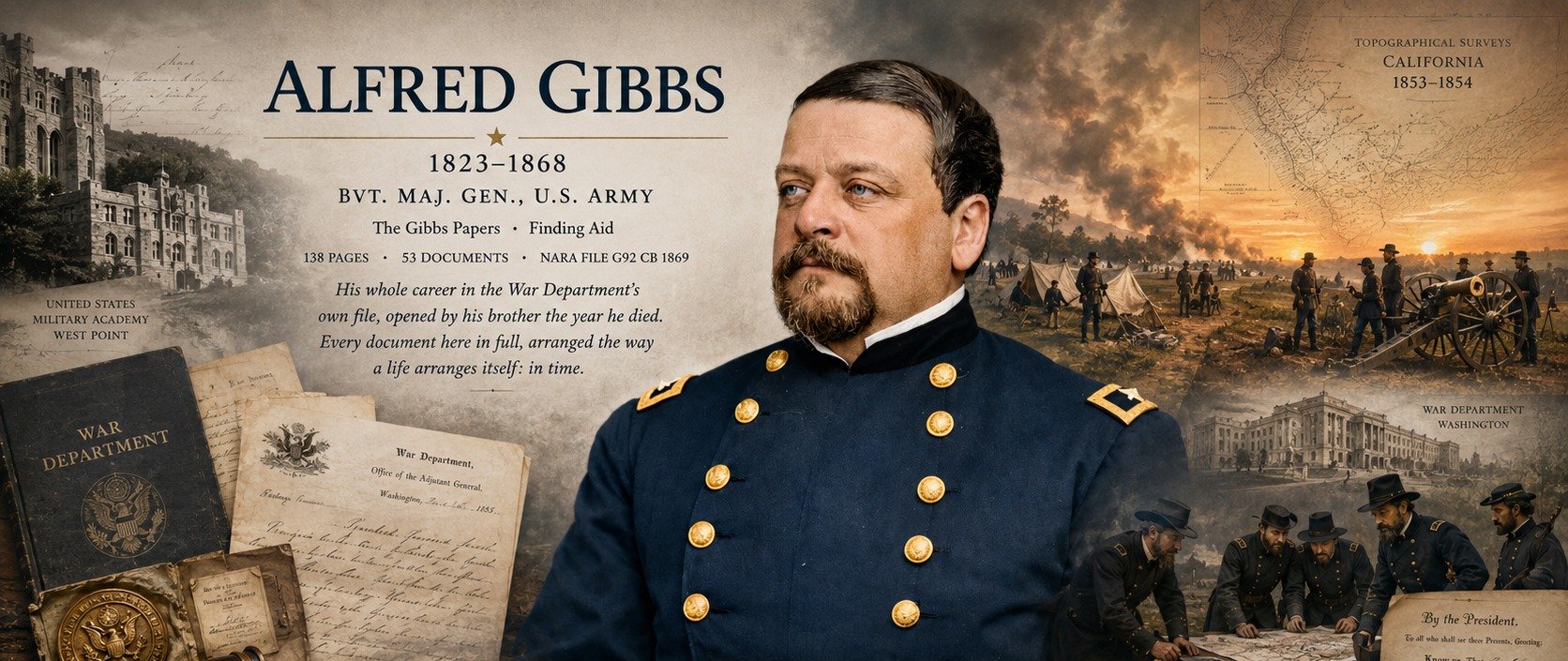
Emmons moved from the regiment's adjutancy to Gibbs's brigade staff. His biography helps explain the work behind orders, reports and the movement of a brigade.
These connections come from the v172 manuscript and existing subject pages. A pension not connected here may still exist elsewhere. Namesakes and uncertain identities are not silently joined.
Follow the words into the evidence
What caught your attention?
Find a line from your reading, then follow its document and the record around it. Matching words helps locate evidence; checking who wrote them, when, and why helps you understand it.