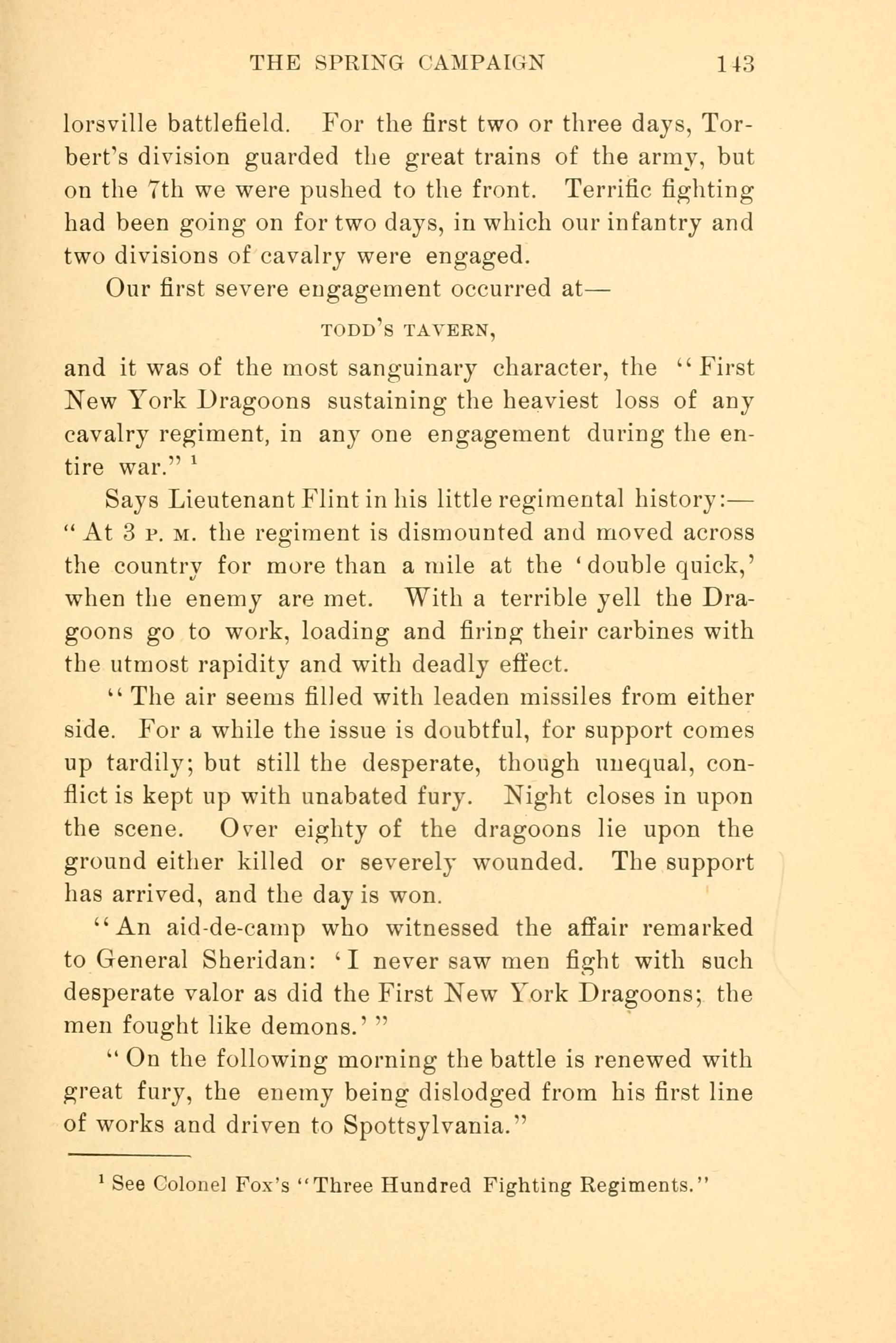
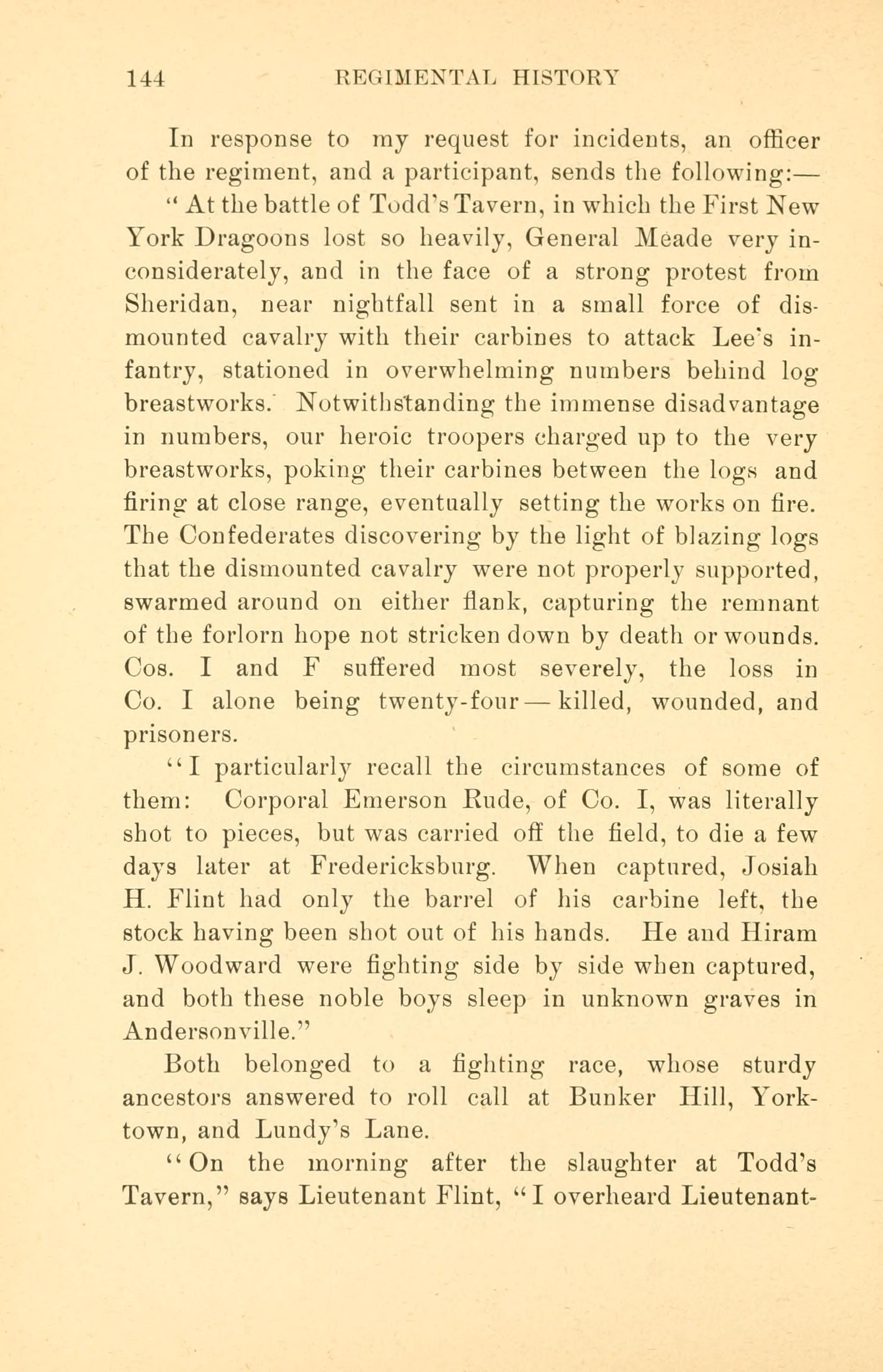
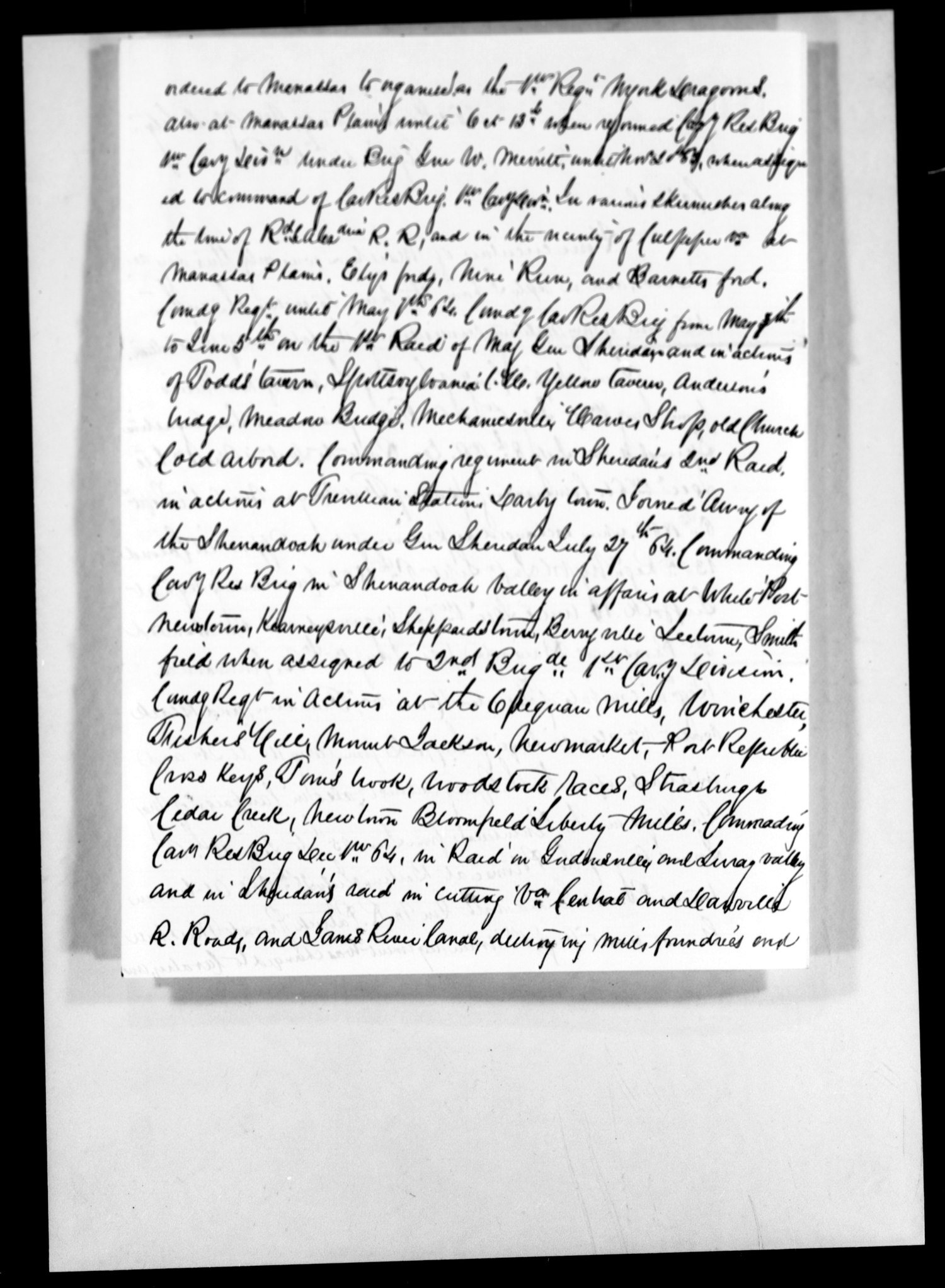
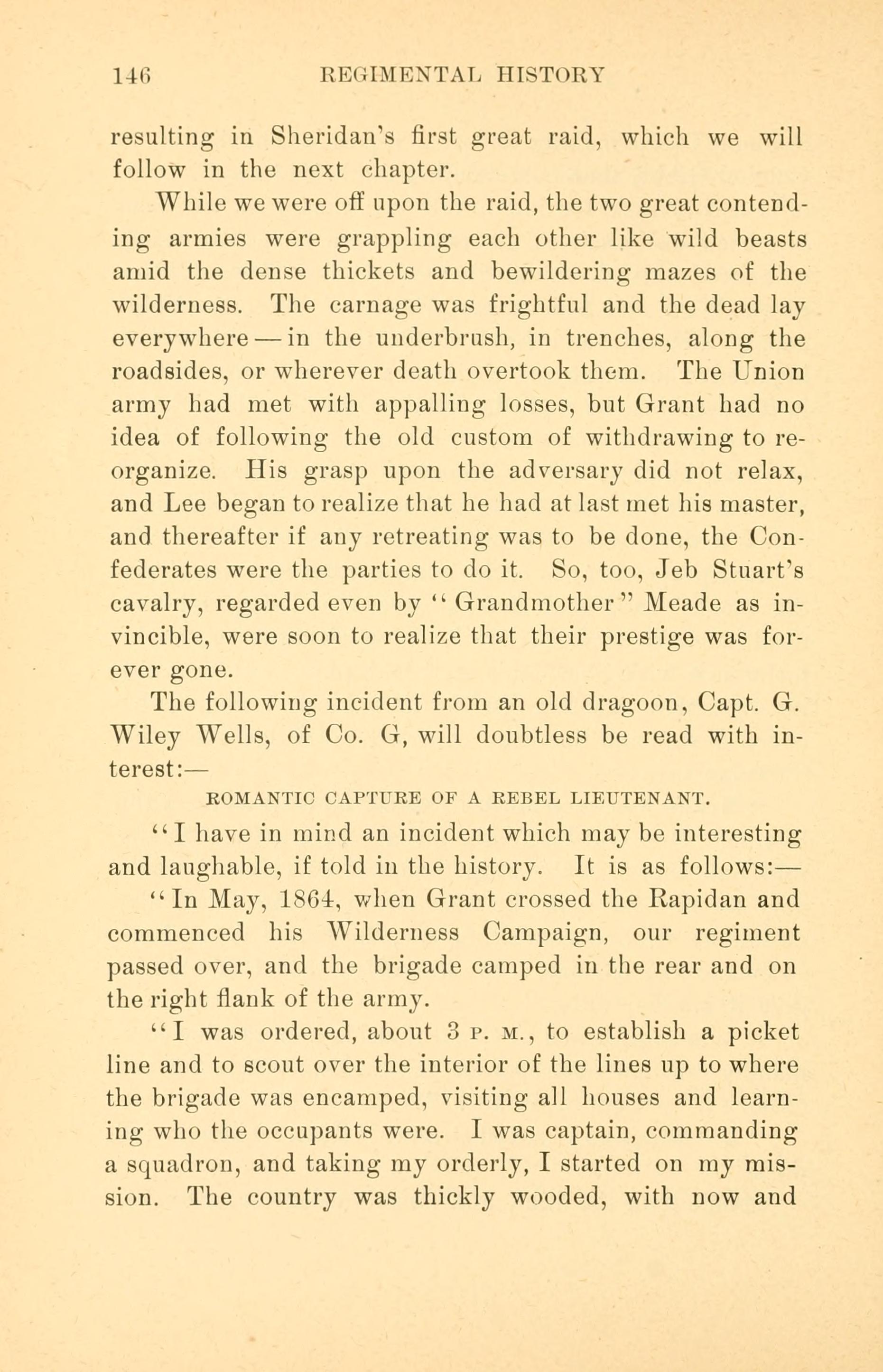
Start with the guided reading below, or search this chapter for a person, quotation or topic. Follow the writing and evidence behind this part of GIBBS.
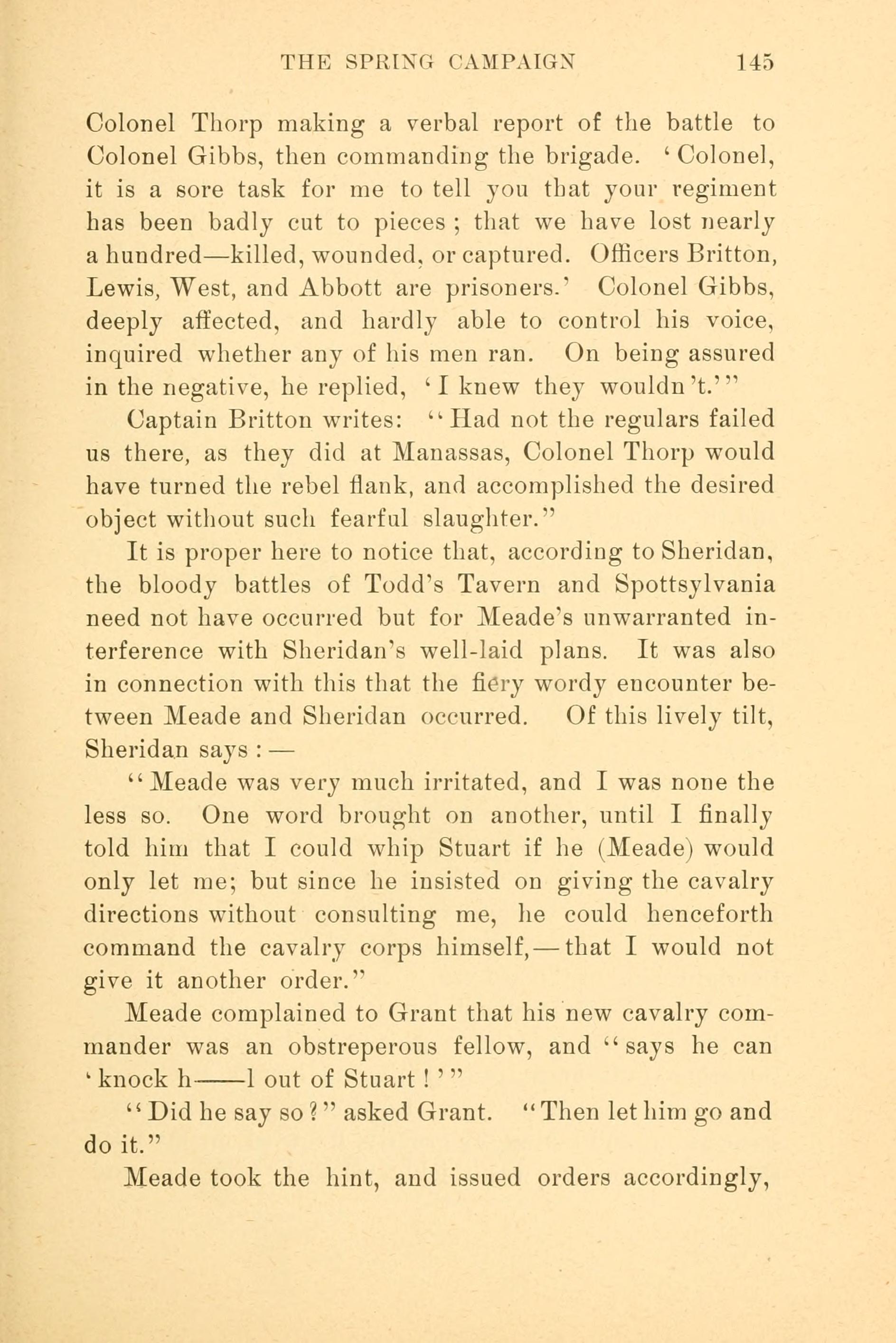
What would you like to explore in I Knew They Wouldn't?
Go beyond the book · I Knew They Wouldn't
Read the campaign before its outcome was known
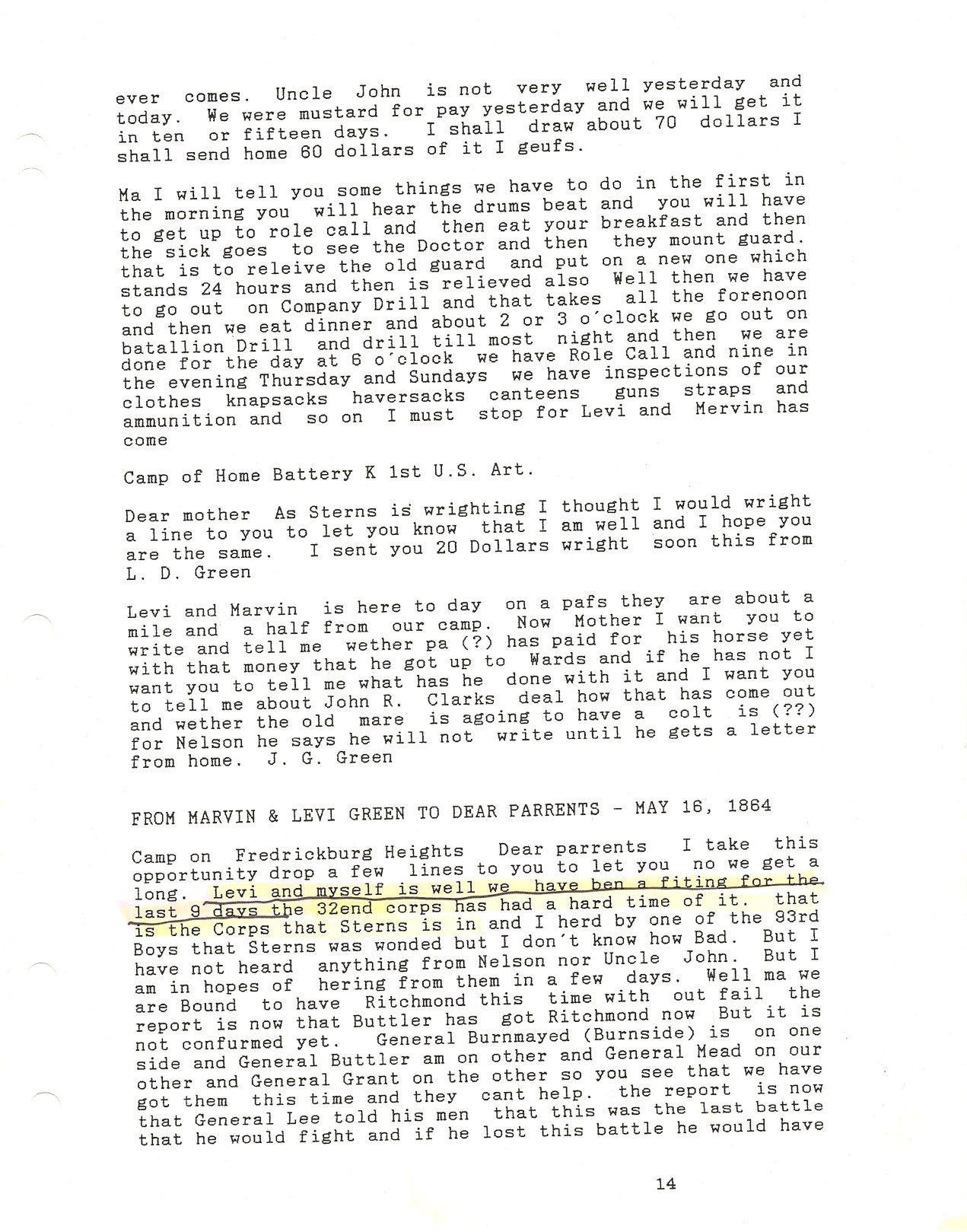
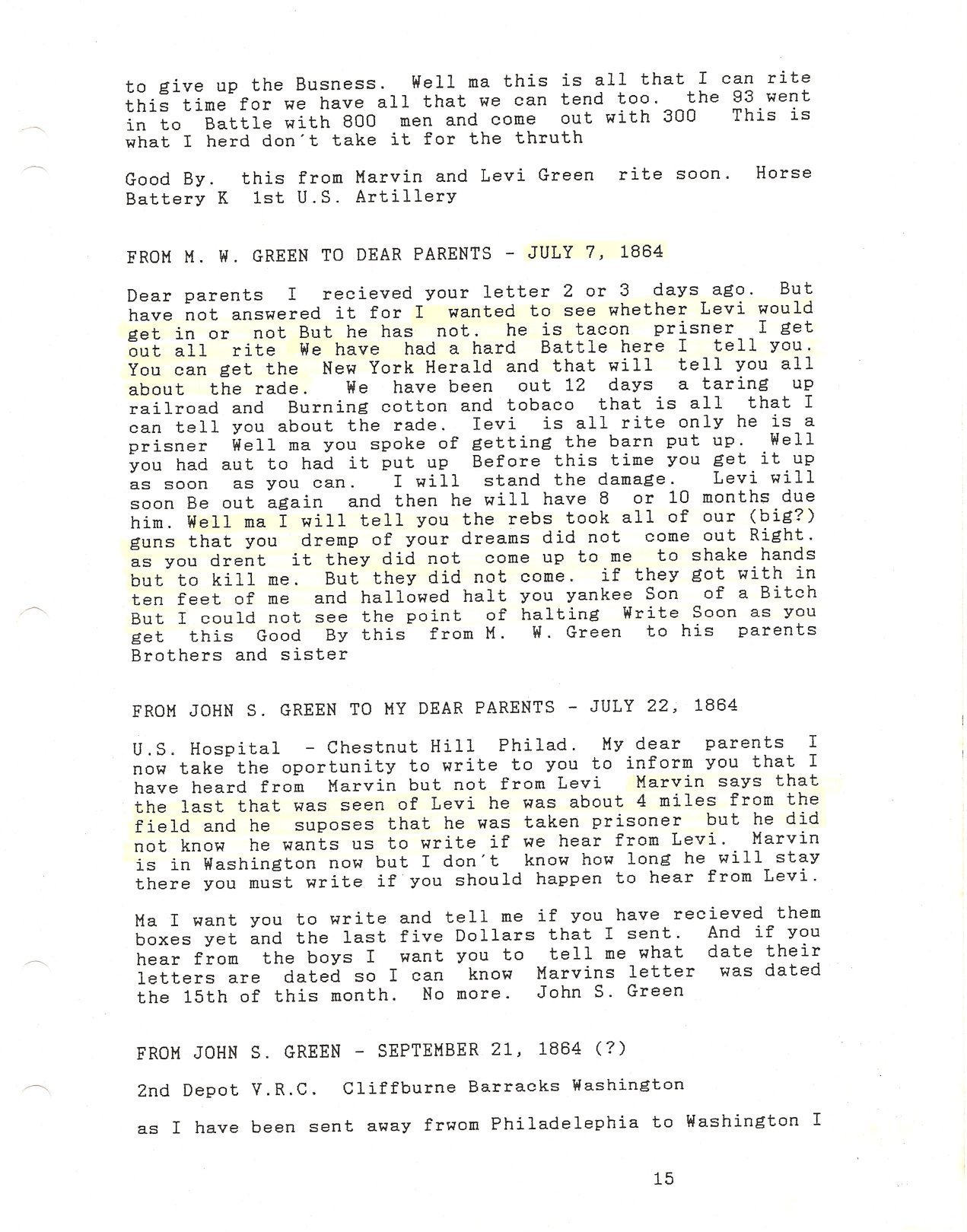
In May 1864, Levi and Marvin wrote home from the Fredericksburg heights after days of fighting. Their letter preserves confidence, rumors, and worry about their brother.
New to these records? A little context.
A transcription records the words of a letter. A typescript is a typed copy, which may survive even when the handwritten original is not on display. The linked account identifies the version it preserves; later explanatory paragraphs are not part of the letter.
What could soldiers know in the middle of a campaign?
Green Family Letters, Marjorie Kuski typescript, page 14 · From the linked account. Its original credits and image status are preserved there.
Read the source exhibit & its explanation
Marvin and Levi’s joint letter, May 16, 1864
The joint letter reports that they are well and describes recent fighting, while relaying uncertain news about John Sterns Green. It makes the limits of wartime information visible.
What to examine: Find the statements about their own condition, the rumor concerning John, and predictions about Richmond. Sort direct experience, hearsay, and expectation.
Keep this distinction in mind: A hopeful prediction is evidence of belief at the time, not of the campaign’s actual outcome. Read the later context without erasing that uncertainty.
Keep your question in view as you explore. The reading tray retains I Knew They Wouldn't. Close it to return to this point, or deliberately choose to explore outside the chapter.
Follow a life beyond the page
People you meet here
The book brings you into these lives. Follow a person to the family, service and research records available here. Pension material is identified separately from biography and recollection.
Lovejoy's mother depended on him before he was captured and died at Andersonville. Her pension application offers a way to investigate family dependence rather than seeing only a prisoner's death.
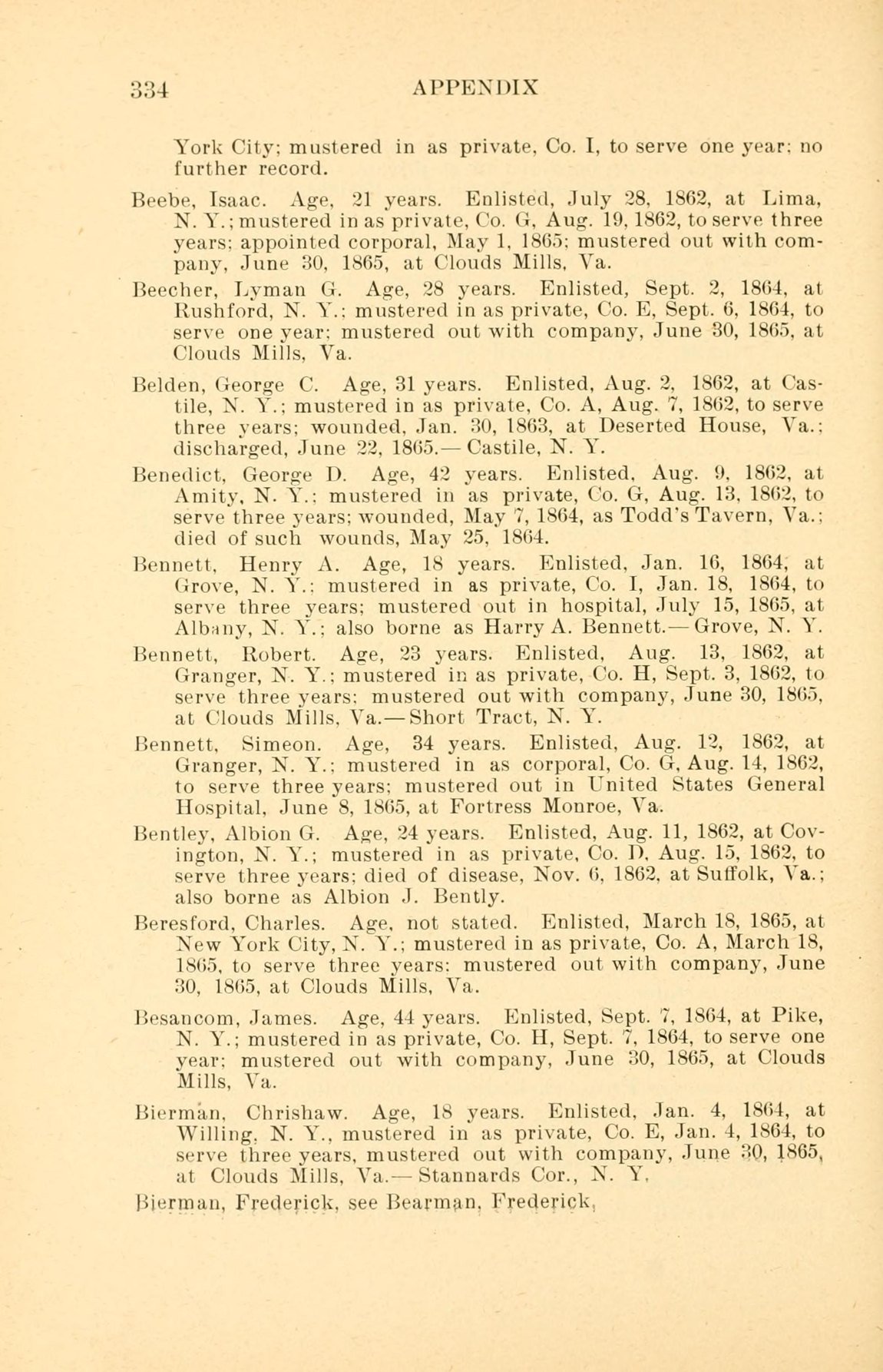
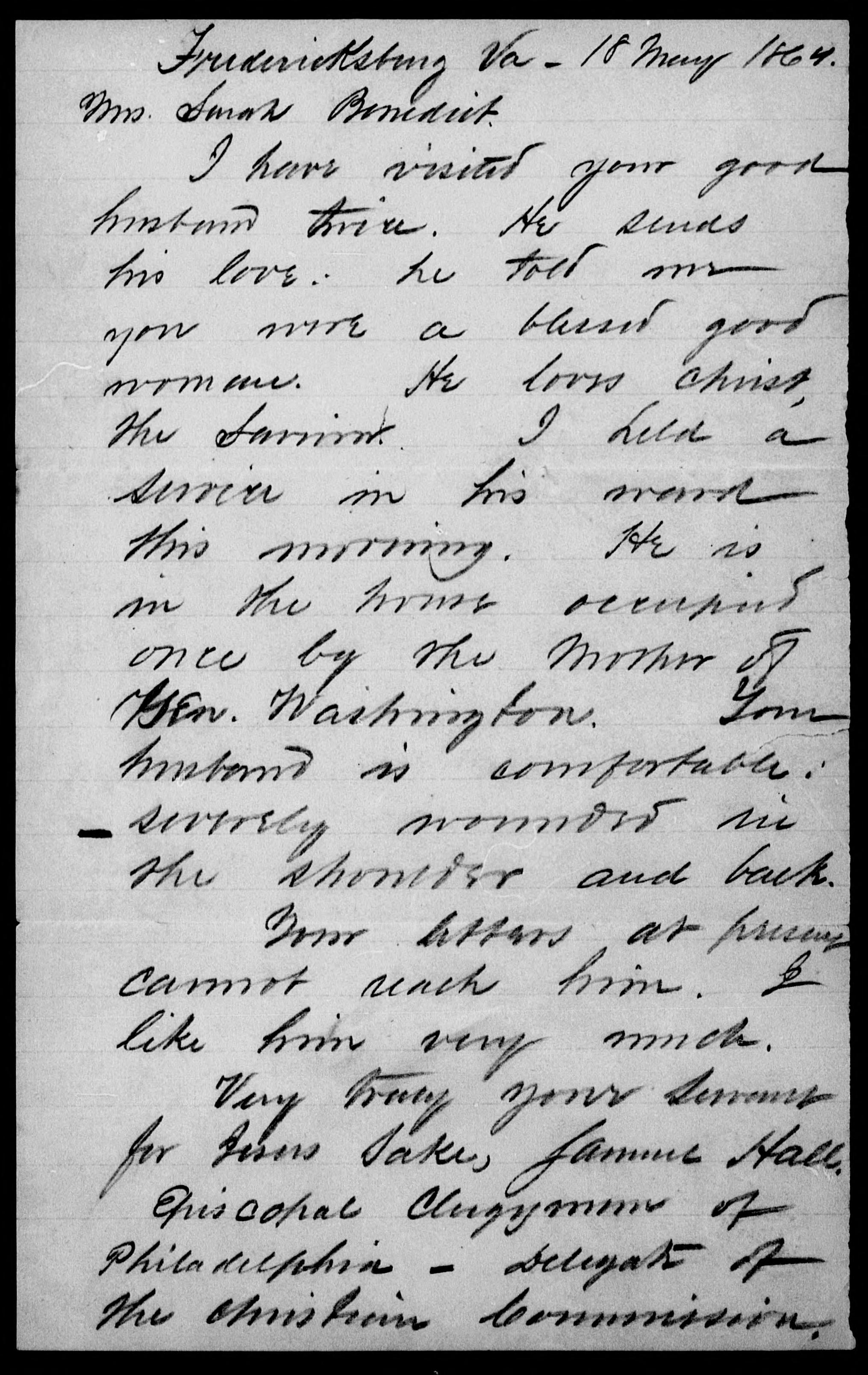
Benedict wrote home to Sarah about cold, horses and fighting before he was wounded. His letters and his widow's pension research let you follow one family across the boundary between military service and bereavement.
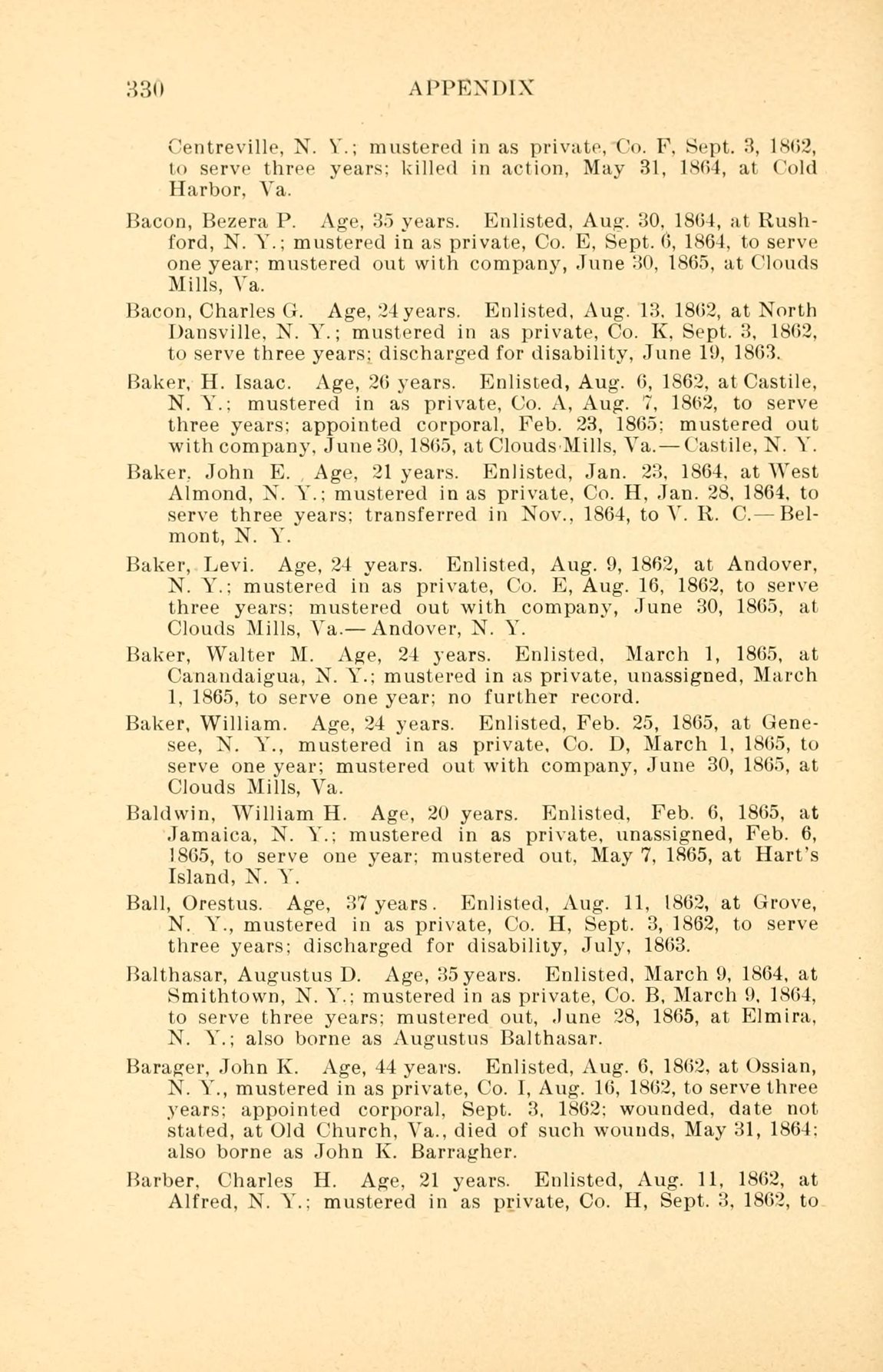
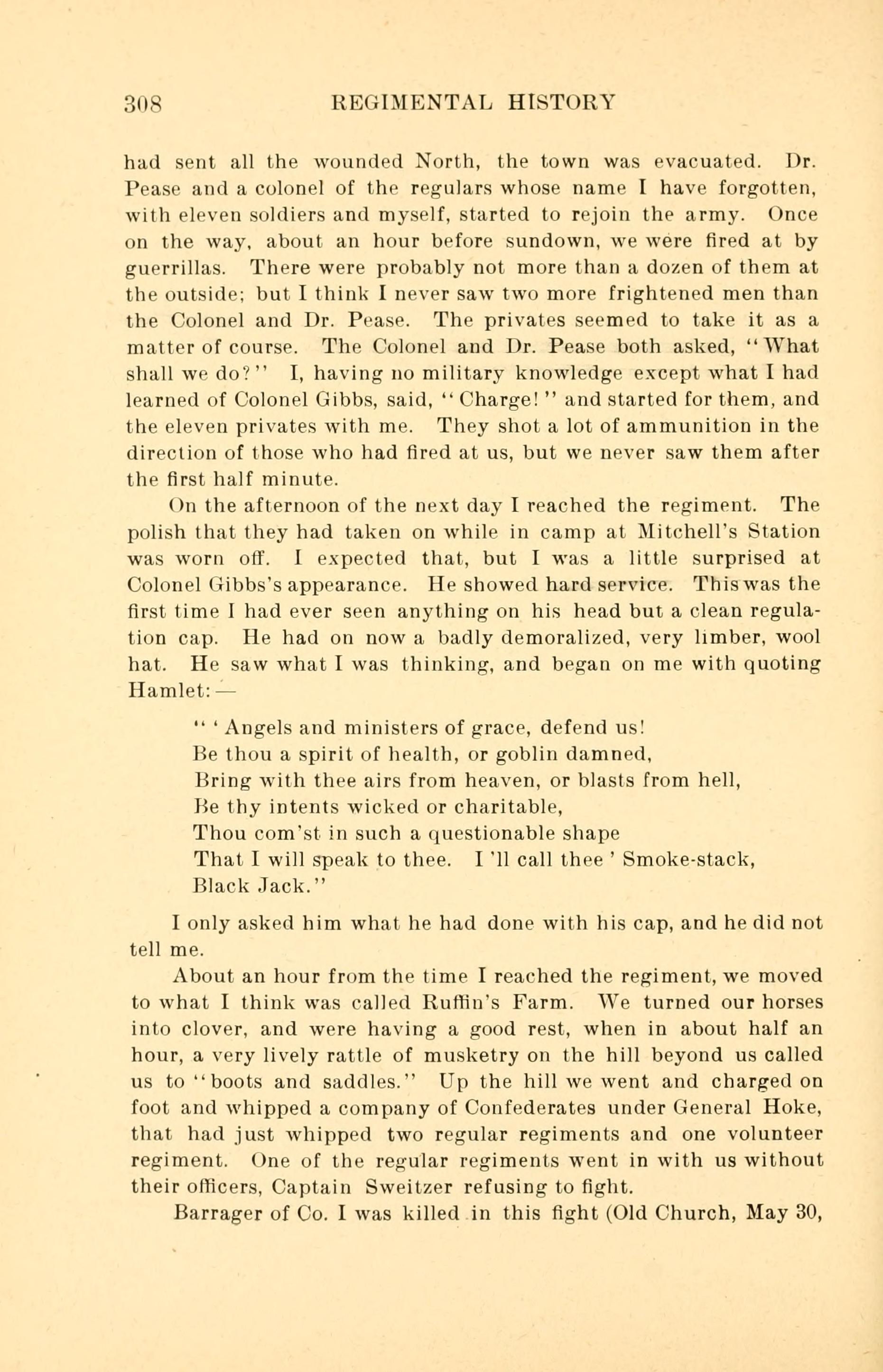
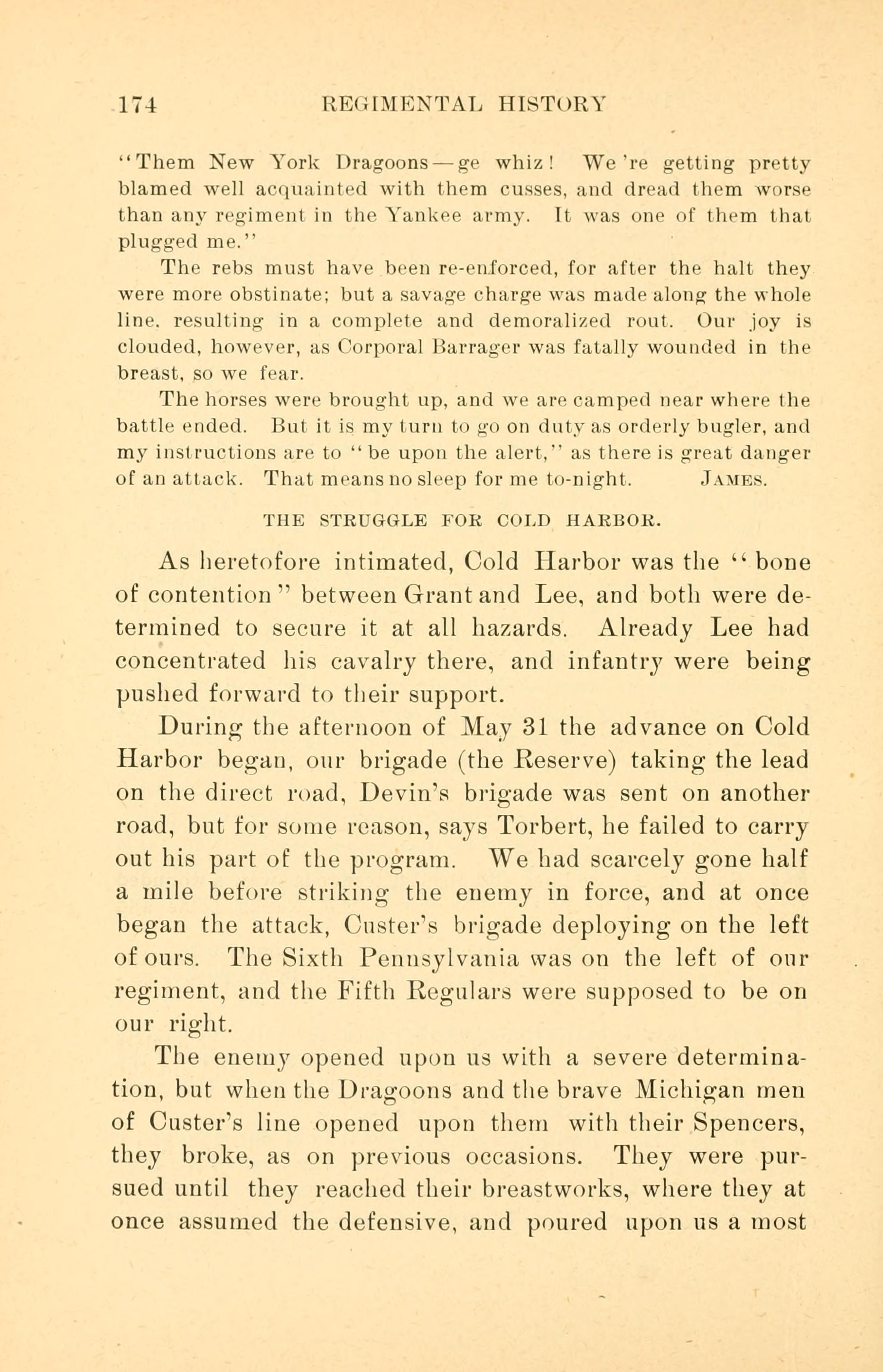
Barager of Company I was fatally wounded at Old Church. His family pension file lets you follow the household behind that short notice and examine how death and dependence were documented.
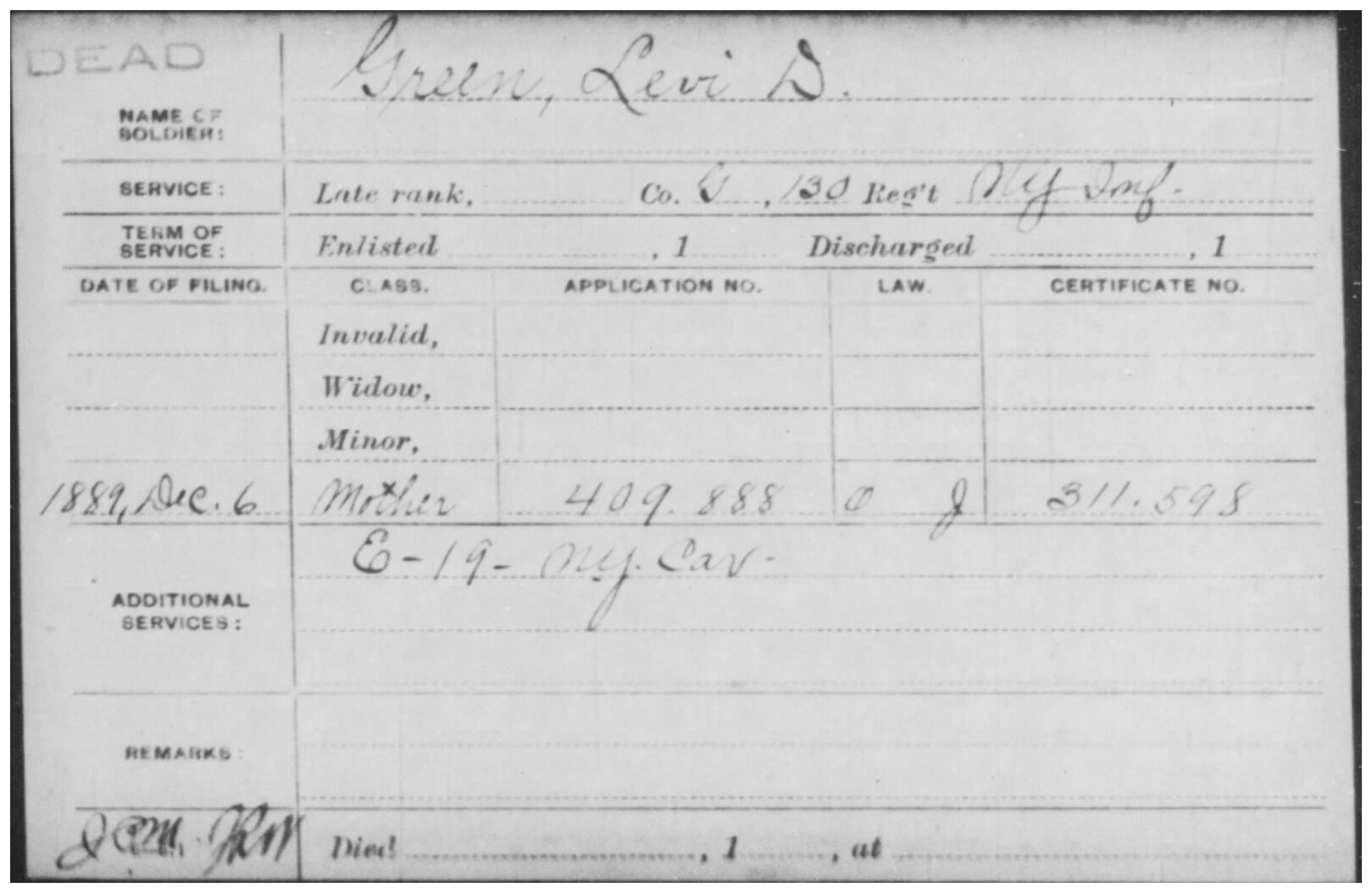
Letters, captivity records and a disputed-looking burial trail reveal different parts of Levi's life. Follow the evidence used to distinguish L. D. Green from another man buried nearby, and the pension records connected to his mother.
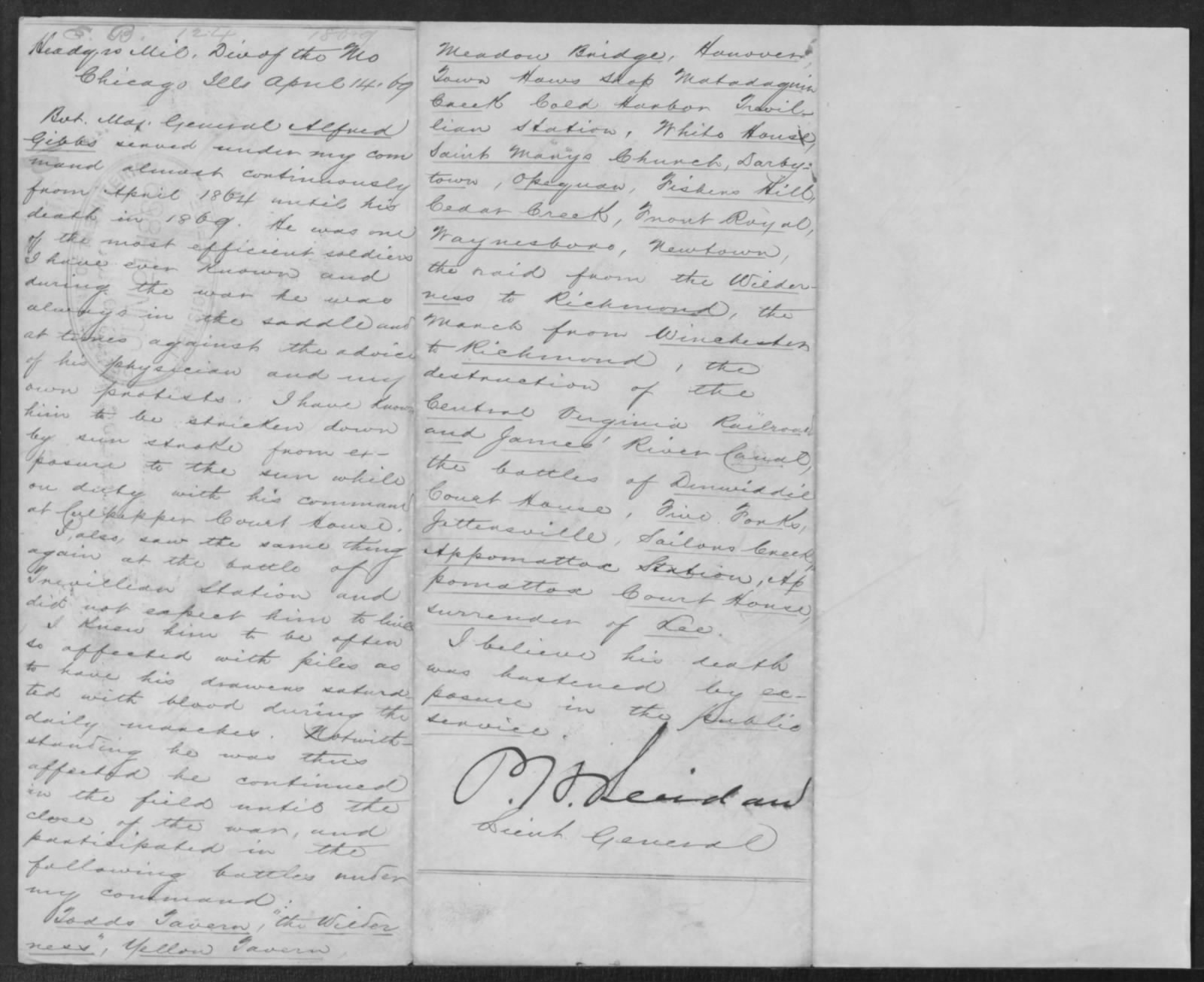
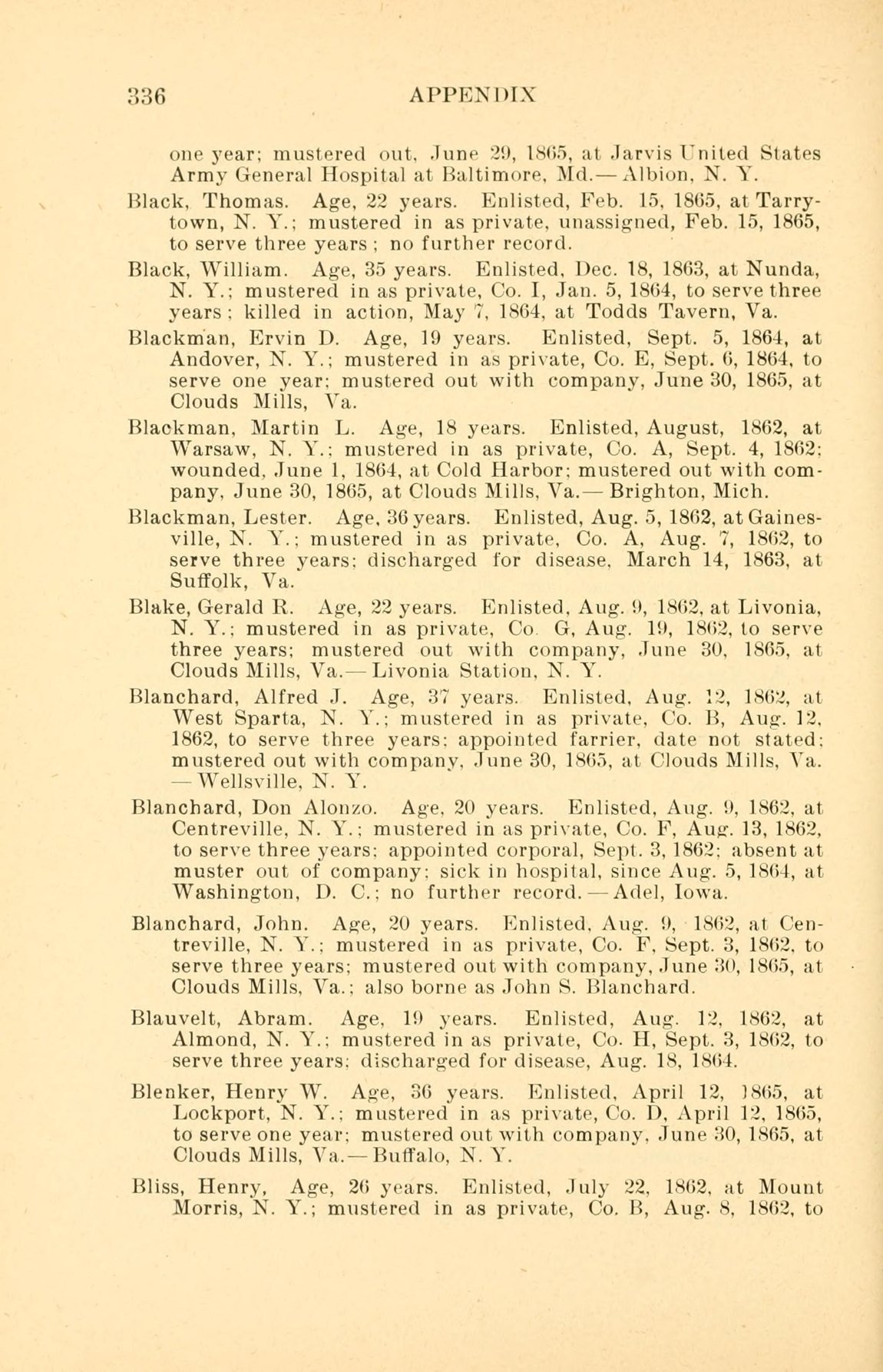
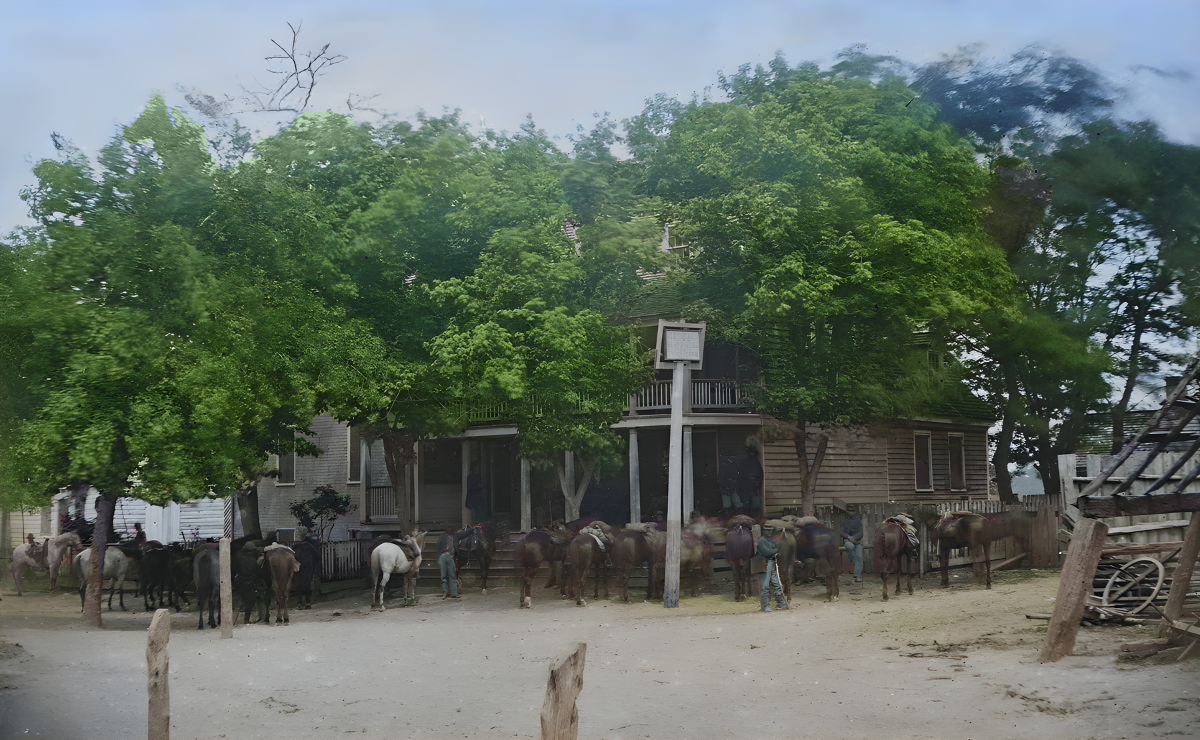
Black's death at Todd's Tavern left Elizabeth and their daughter Jane. The pension research follows the family who had to establish their relationship to a man killed in battle.
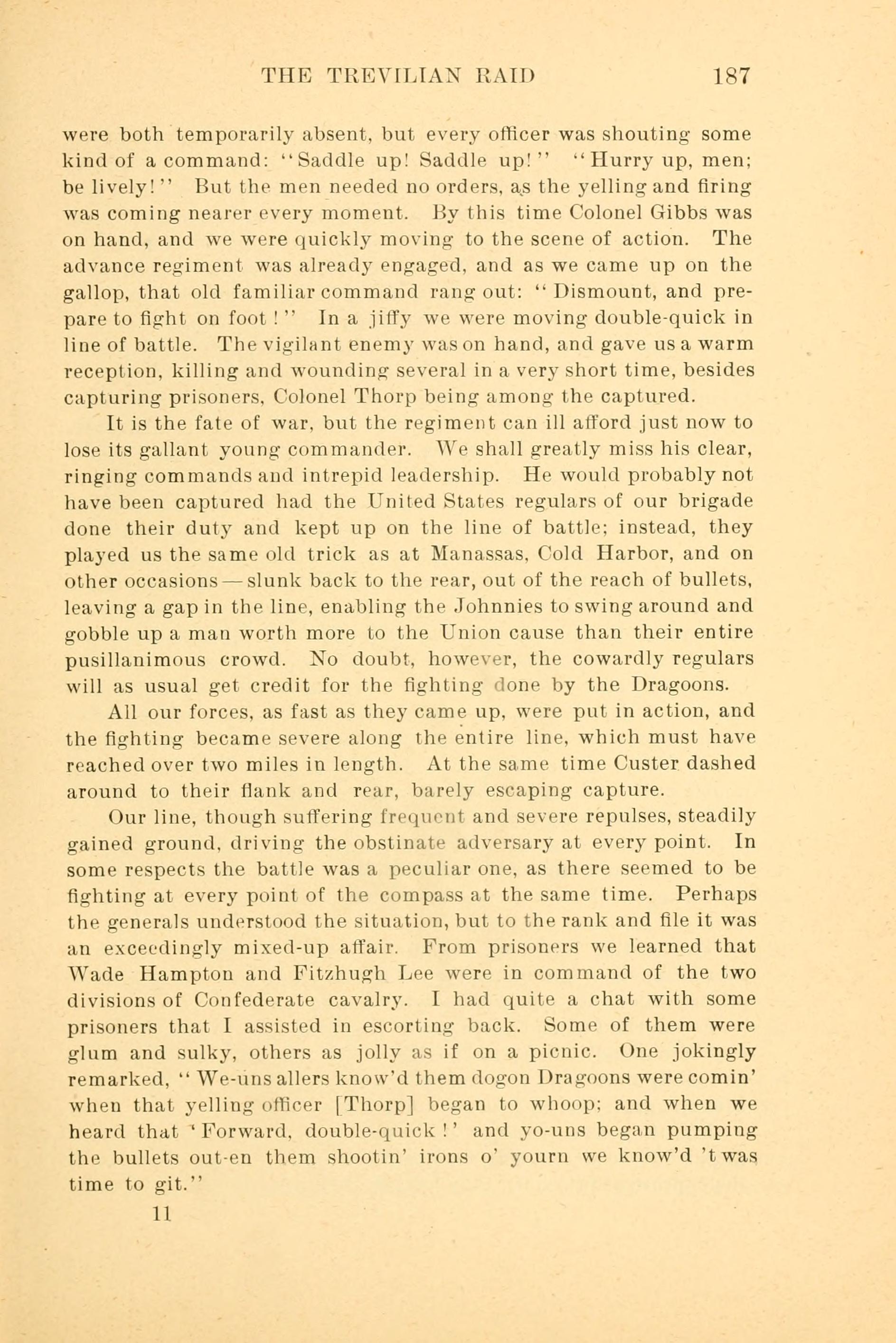
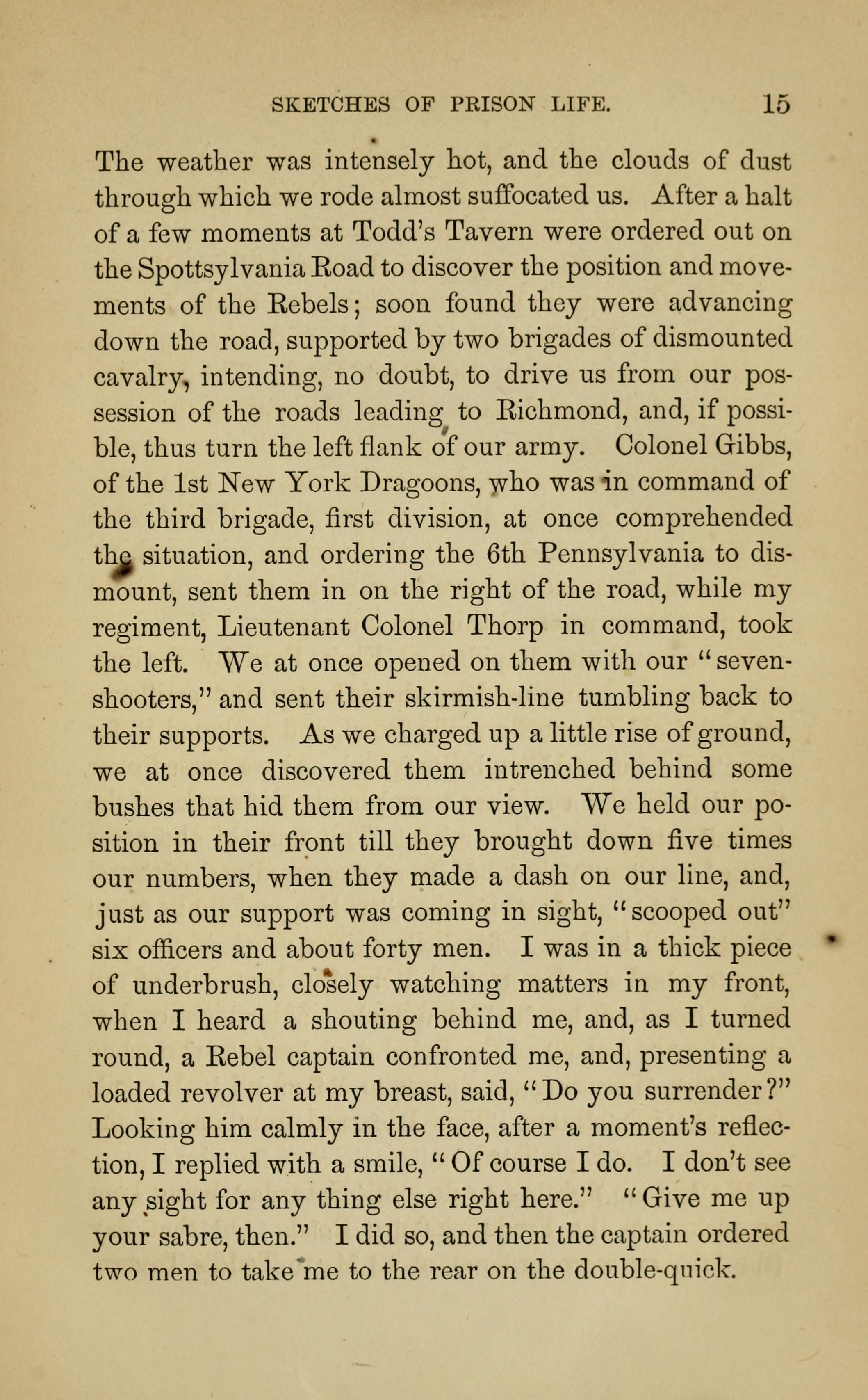
A captured officer became a witness to prison life. Follow his account alongside the regiment's history and ask how an officer's experience differed from an enlisted prisoner's.
These connections come from the v172 manuscript and existing subject pages. A pension not connected here may still exist elsewhere. Namesakes and uncertain identities are not silently joined.
Follow the words into the evidence
What caught your attention?
Find a line from your reading, then follow its document and the record around it. Matching words helps locate evidence; checking who wrote them, when, and why helps you understand it.