
On May 12, 1864, the First New York Dragoons were caught with the rest of Sheridan’s cavalry in one of the tightest places of the war. The day before, at Yellow Tavern, the Union horsemen had mortally wounded J.E.B. Stuart; that night a false guide led the column into a trap against the outer defenses of Richmond, and by daylight the troopers were pinned at Meadow Bridge, the Chickahominy at their backs and the enemy on every side. The way out lay across a single narrow causeway — and it fell to the cavalry, the Dragoons included, to force it.
Caught Under the Guns of Richmond
The fight at Meadow Bridge was the climax of Sheridan’s first great raid. Setting out on May 9, 1864, his cavalry corps had swung around Lee’s army, wrecked the Confederate supply depot at Beaver Dam Station, and on May 11 met Stuart’s horsemen at Yellow Tavern, where the famous Confederate cavalryman was shot down — a killing the Dragoons always claimed for one of their own. That night the column pushed on through the rain and darkness toward the Chickahominy, only to be led by a false guide squarely against the inner works of Richmond. “Torpedoes were planted along the road to be exploded by the horses’ hoofs,” the regiment’s historian wrote, “and we were attacked on every side.” Somehow Sheridan “wormed us out;” and at daylight on the 12th the troopers stood at Meadow Bridge — out of the worst of it, but still surrounded, the alarm bells of Richmond ringing the night through.
The Charge Across Meadow Bridge
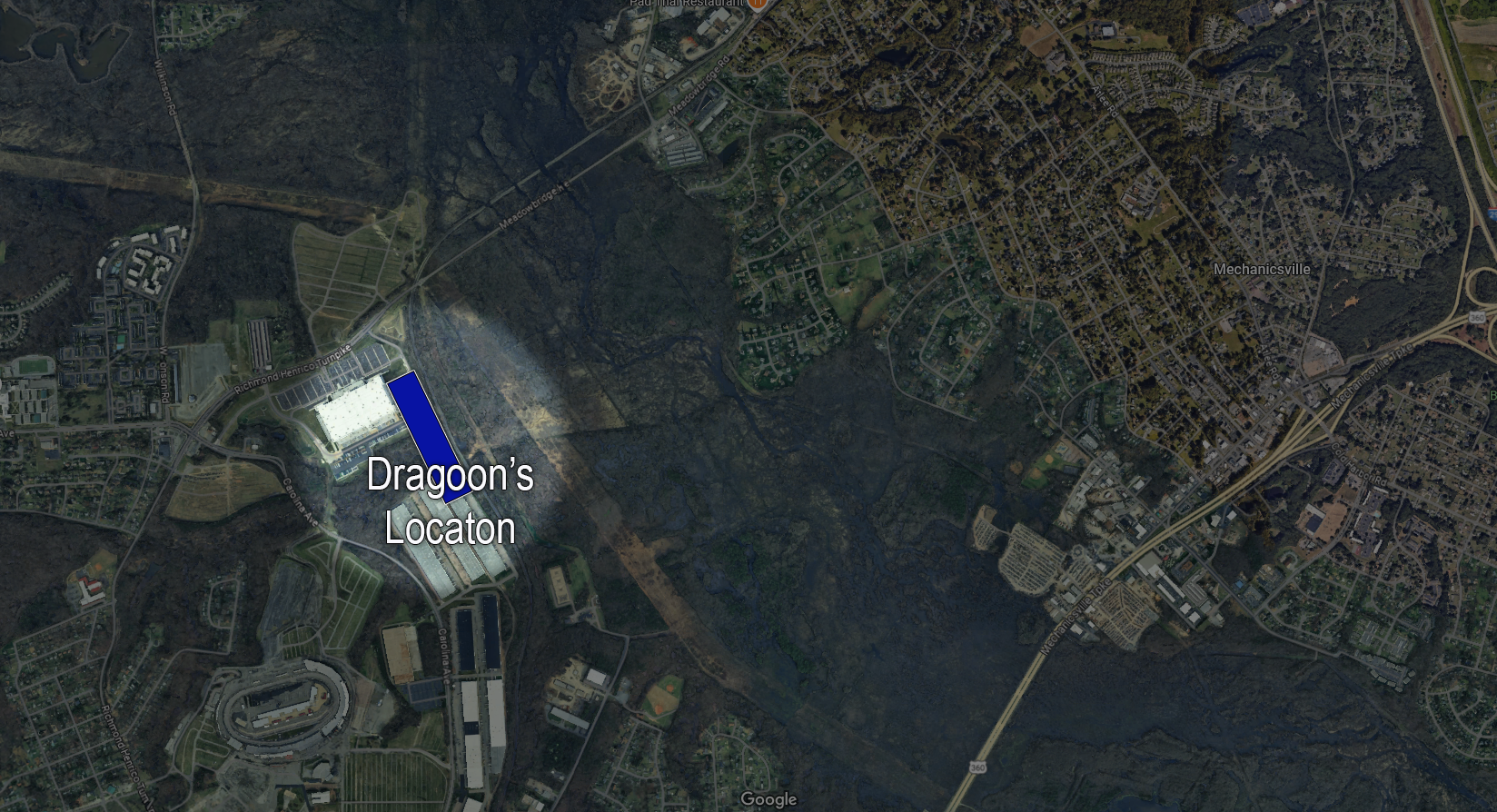
Getting clear meant a mounted charge across a long, perfectly straight causeway along the edge of the Chickahominy swamp, with a Confederate battery posted at the far end. The railroad bridge over the river first had to be made passable, and men of the regiment were detailed to the work, laboring under fire — the Confederate gunners firing scraps of railroad iron that came tumbling and shrieking down among them. As soon as the crossing was ready the Dragoons mounted and, led by Major Rufus Scott, “dashed across that long roadway at a furious gait, the Confederates withdrawing as we advanced.” Reaching open ground the regiment swung into line on the run and charged the field, until it fetched up against a nine-rail fence, staked and ridered, too high for the horses to clear. There Scott gave the old command — “Fight on foot!” — and the men rolled from their saddles, scrambled over, re-formed “almost as straight as if on dress parade,” and went forward at the double-quick, their seven-shot Spencer carbines making, as one of them put it, “a perfect hailstorm of leaden bullets.”
Mechanicsville
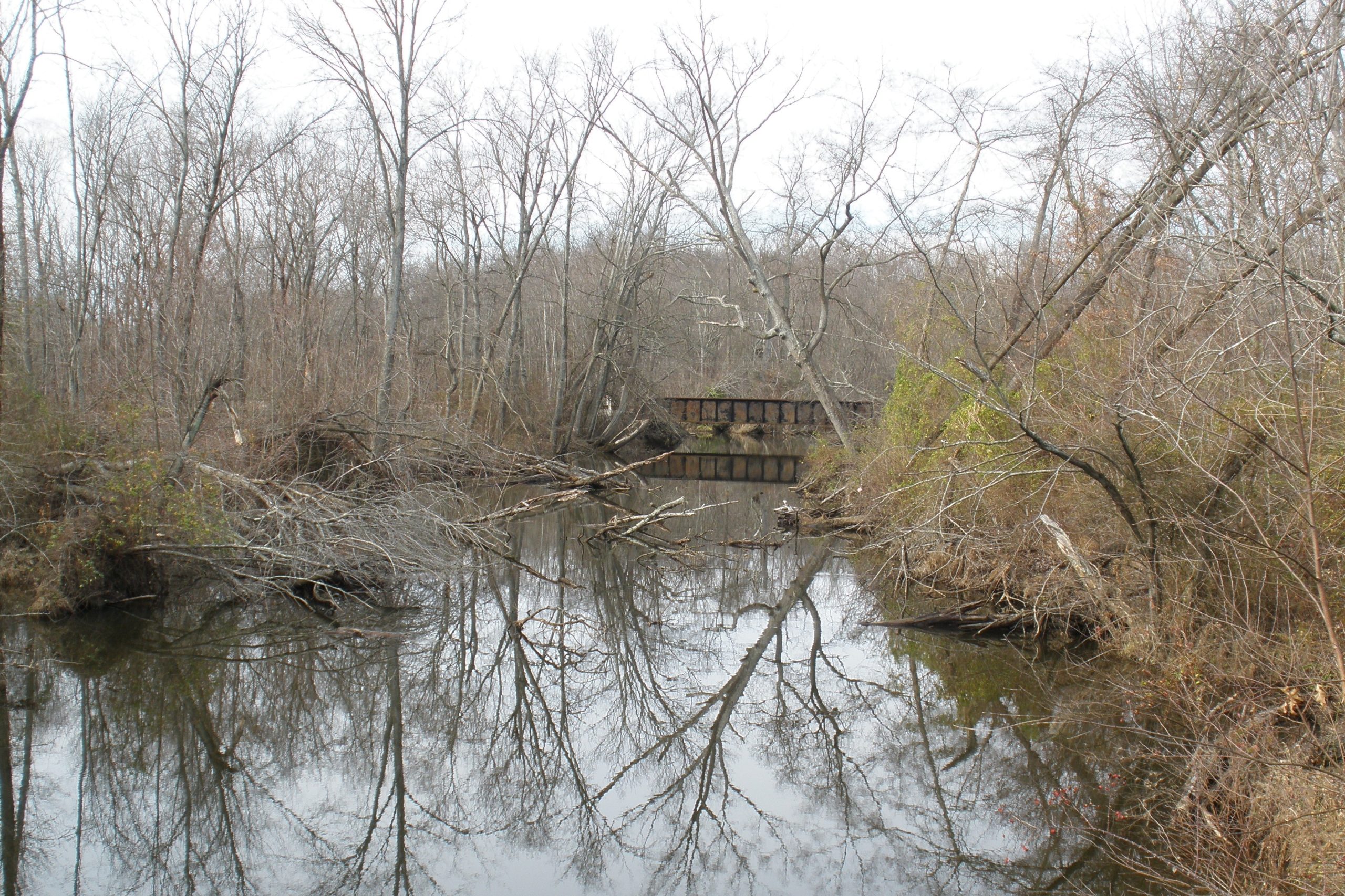
Just beyond Meadow Bridge, near Mechanicsville, came the sharpest moment of the morning. One of the Regular regiments riding in advance struck the enemy, was repulsed, and fell back closely pursued. Seeing the danger, Lieutenant-Colonel Thomas J. Thorp threw the First New York forward dismounted; the men went in at a run, firing rapidly, and the surprised Confederates “hastily retired with a loss of fifty prisoners” — a clean success won, the regiment’s historian noted, “without the loss of a man.” It was part of a larger result: General Sheridan recorded that while Custer charged mounted, Gibbs and Devin pushed forward with their dismounted troopers and drove the enemy’s center and right from the field, giving the Federals command of the road. The trap at Meadow Bridge had been broken open.
“The Captain has overlooked a lively battle occurring just after crossing Meadow Bridge, in which the First New York achieved an important success without the loss of a man. One of the regular regiments in advance of us met the enemy just beyond Mechanicsville, and being repulsed, fell back, closely pursued by the exultant foe. Lieutenant-Colonel Thorp, observing the situation, gave that command, so familiar to us: ‘Dismount, and prepare to fight on foot.’ The men went forward upon the run, firing their carbines rapidly, and shouting vociferously. The enemy, surprised at the suddenness of the onset, hastily retired with a loss of fifty prisoners.”— James R. Bowen, Regimental History of the First New York Dragoons, ch. X, “Sheridan’s First Raid,” on the action at Mechanicsville, May 12, 1864.
Out and Away
That fight, Bowen believed, ended the regiment’s combat on the raid — though not its hardships. Coming out of the woods near Malvern Hill the troopers were briefly shelled by their own gunboats, which mistook them for Confederates. Two days later, after a march of nearly forty miles, the command recrossed the Chickahominy at Bottom’s Bridge and reached Haxall’s Landing, then White House, men so worn that some slept in the saddle and others dropped asleep the instant they touched the ground. Living for days on parched corn, the column finally rejoined the Army of the Potomac at Chesterfield Station on May 25. Sheridan had killed Stuart, wrecked Confederate railroads, and proved his troopers could go where they pleased — and at Meadow Bridge the Dragoons had helped fight the raid’s last way out.
Roll of Loss — Sheridan’s First Raid, May 1864
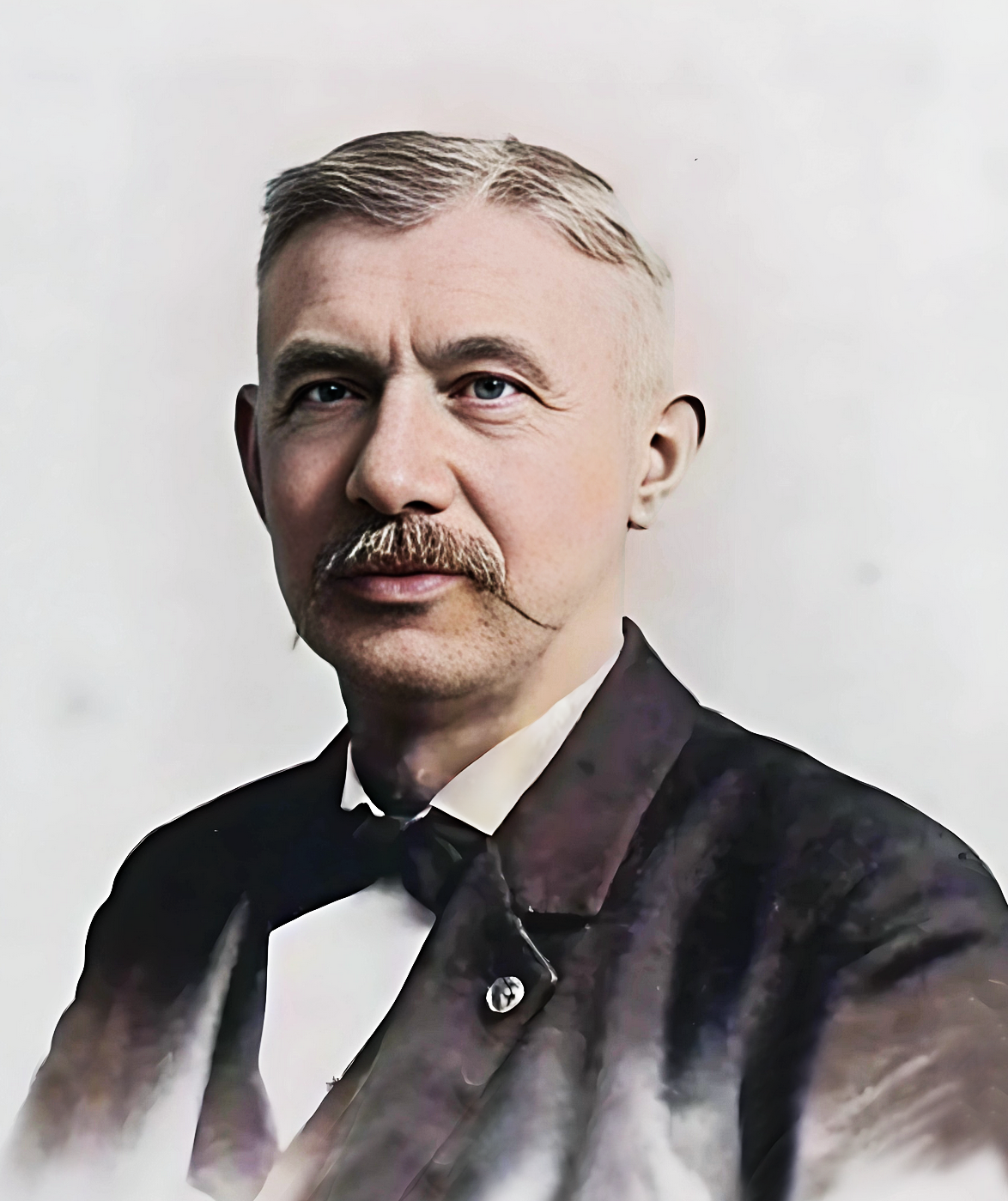
Named men of the First New York Dragoons recorded as casualties of the raid, in the fighting around Beaver Dam Station — the expedition that ended at Meadow Bridge and Mechanicsville. Click First Sergeant Kramer’s name to see his portrait.
| Type | Name | Company | Rank |
|---|---|---|---|
| Wounded | Kramer, William | K | First Sergeant |
| Captured | Lewis, George W. | K | Private |
| Captured | Palmer, William | K | Private |
| Captured | Ritter, Aaron G. | K | Corporal |
Sources & Further Reading
- Primary James R. Bowen, Regimental History of the First New York Dragoons (originally the 130th N.Y. Vol. Infantry) (1900), ch. X, “Sheridan’s First Raid,” pp. 153–167 — the regiment’s own historian, drawing on the recollections of officers who made the crossing. Full text: archive.org/details/regimentalhistor00bowe.
- Primary U.S. War Dept., The War of the Rebellion: Official Records of the Union and Confederate Armies, Series I, Vol. 36 (Sheridan’s, Merritt’s, and Torbert’s reports of the first Richmond raid, May 9–24, 1864).
- American Battlefield Trust — Battle of Yellow Tavern (May 11, 1864), the engagement immediately preceding the Meadow Bridge fight and the climax of this raid: battlefields.org/learn/civil-war/battles/yellow-tavern.
- On the unrelated and far more famous Battle of Mechanicsville (Beaver Dam Creek), June 26, 1862 — the Seven Days battle in which this command, then the 130th N.Y. Infantry, took no part — see the American Battlefield Trust: battlefields.org/learn/civil-war/battles/beaver-dam-creek.
Trevilian Station · The Shenandoah Valley Campaign · The Audiobook
Views: 58
Explore the evidence
View this article’s connected sources and media →
About this page
This article was brought over from AlfredGibbs.com. Its preserved text, media and citations remain available for comparison.