
The Battle of Trevilian Station, fought on June 11 and 12, 1864, in Louisa County, Virginia, was a pivotal cavalry engagement during the American Civil War. It unfolded as part of Union General Philip H. Sheridan’s larger mission to disrupt the Confederate Army’s supply lines and further weaken General Robert E. Lee’s Army of Northern Virginia. The battle remains one of the largest cavalry clashes of the war and revealed the critical role that logistics, railroads, and cavalry could play in the conflict.
Background
In the spring of 1864, as the Army of the Potomac became bogged down in the Overland Campaign, Union General-in-Chief Ulysses S. Grant sought to maintain momentum in other strategic areas. One of his key objectives was the disruption of the Confederate supply chain through central Virginia. To achieve this, Grant ordered General Philip Sheridan, commander of the Union cavalry, to lead a raid to destroy the Virginia Central Railroad. The destruction of this critical supply line, particularly near Charlottesville, would cripple Confederate troop movements and supplies, and potentially allow Sheridan to unite with General David Hunter in the Shenandoah Valley. Together, they could mount an offensive against the vital Confederate city of Lynchburg.
In addition to this logistical strike, Grant hoped Sheridan’s raid would serve another purpose: to draw Confederate cavalry forces away from Lee’s army, allowing Grant to move his forces across the James River without detection and attack the strategic city of Petersburg.
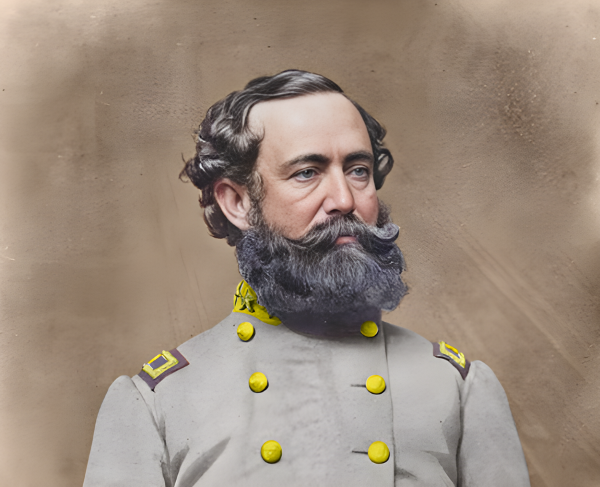
Sheridan departed with two cavalry divisions—approximately 9,300 men—on June 7, 1864, following a route that took him westward. His plan was to approach Louisa County and strike the Virginia Central Railroad near Trevilian Station. Unbeknownst to Sheridan, however, Confederate scouts had already detected his movement, and General Wade Hampton, now the senior Confederate cavalry commander after the death of J.E.B. Stuart, was in pursuit. Hampton, along with Fitzhugh Lee, aimed to intercept the Union cavalry before they could complete their mission. By June 9, the Confederate force of approximately 6,000 men was in motion.
The Battle Begins
By the morning of June 11, 1864, Hampton’s forces had reached the Virginia Central Railroad near Trevilian Station, while Fitzhugh Lee was stationed a short distance away at Louisa Court House. Sheridan had crossed the North Anna River and was positioned northeast of the Confederates. The Union cavalry had not yet reached their intended target, and Hampton’s men were now directly in their path.
Sheridan’s plan for the day was simple. He ordered Alfred T. A. Torbert, commanding one of his divisions, to move southward, split his forces, and advance toward Trevilian Station. Wesley Merritt led one brigade along the Fredericksburg road, while George Armstrong Custer moved with another brigade eastward along a ridge. The objective was to converge near Trevilian Station, destroy the railroad, and disrupt Confederate supply lines. However, unbeknownst to Sheridan, Wade Hampton had also moved into position, setting the stage for a major confrontation.
At 6:30 a.m., Merritt’s brigade encountered Matthew C. Butler’s Confederate forces and fierce fighting erupted. Despite the Confederates being outnumbered, Butler’s men held their ground, stalling the Union advance. Reinforcements from Torbert’s division were eventually fed into the battle, and Butler’s men were forced to withdraw in good order.
“The fighting lasted all day, and by dark we had driven them, over all kinds of ground, three or four miles, and gained possession of the station, destroying considerable railroad. … In the battle of the 11th we claim a decided victory, but that of the 12th was a draw game. … I am unable to give all the casualties of the regiment, only to say that we lost eighty-six men in killed, wounded, and prisoners.”— J. R. Bowen, bugler of Co. I, in a letter home from White House, Va., June 21, 1864. Bowen wrote that he was “greatly aided by Colonel Gibbs, who freely furnished me all information not contraband.”
Custer’s Advance and Encirclement
While Merritt and Butler were locked in combat, George Custer’s brigade had a brief moment of unexpected success. Custer’s route had placed him behind Hampton’s main force, and his brigade stumbled upon the Confederate wagon train. Seizing the opportunity, Custer captured dozens of supply wagons and hundreds of Confederate prisoners. It seemed as though the Union cavalry was poised to gain a significant advantage.
However, Custer’s luck soon turned. His isolated position left him vulnerable, and Confederate forces quickly converged. Fitzhugh Lee attacked from the east, while Thomas L. Rosser pressed in from the west, effectively encircling Custer’s brigade. By noon, the Confederates had reclaimed most of their wagons and prisoners, and Custer’s men were surrounded.
For hours, Custer’s brigade fought valiantly, holding off Confederate attacks, but the situation grew increasingly dire. It wasn’t until elements of Merritt’s brigade arrived in the afternoon that the pressure on Custer was relieved. The Confederates, now facing a larger Union force, withdrew, but not before retaking many of the captured wagons.
Stalemate and Second Day of Battle
As the evening of June 11 approached, the fighting began to wind down. Both sides had suffered significant casualties, and neither had gained a decisive advantage. Sheridan had managed to save Custer, but Hampton’s forces still blocked his path to the Virginia Central Railroad. Determined to complete his mission, Sheridan ordered his men to burn the station and destroy any portions of the railroad they could reach.
The morning of June 12 began quietly, with both sides regrouping. By this point, Hampton’s forces had entrenched themselves in strong defensive positions. Around 3:00 p.m., Sheridan sent Torbert’s division west along the Gordonsville Road, hoping to punch through the Confederate defenses. Torbert’s men soon encountered Butler’s troops, who had spent the night fortifying their positions. What followed was a series of relentless Union assaults, with at least six attacks launched against the Confederate line.
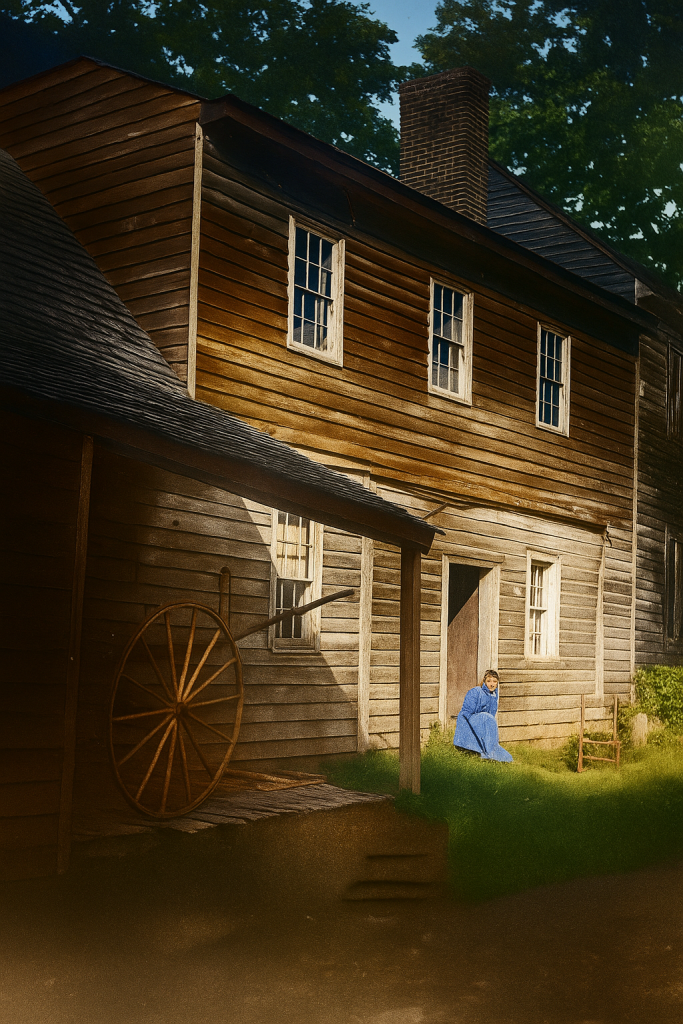
Despite their best efforts, the Union cavalry could not dislodge the well-entrenched Confederates. As night fell, the battle came to a close. Unable to break through Hampton’s defenses, Sheridan ordered a retreat. Around midnight, the Union cavalry began to withdraw, leaving the battlefield and their objectives behind.
Aftermath and Significance
The Battle of Trevilian Station ended in a tactical victory for the Confederates, who had successfully blocked Sheridan’s raid and forced him to retreat. Although Sheridan claimed victory—citing the temporary disruption of Confederate forces and the damage inflicted on the Virginia Central Railroad—his primary objectives remained unfulfilled. He had failed to link up with David Hunter’s forces in the Shenandoah Valley, and the destruction of the railroad was minimal.
Strategically, the battle was a setback for the Union. Sheridan’s cavalry suffered significant casualties, and the failure to destroy the railroad allowed Confederate forces to continue using the line to supply their armies. Furthermore, Jubal A. Early was able to board trains at Charlottesville and reach Lynchburg, effectively preventing Hunter from capturing the city.
However, Sheridan’s raid did serve one of Grant’s secondary goals. By engaging and occupying Confederate cavalry at Trevilian Station, Sheridan had drawn them away from the Army of Northern Virginia, allowing Grant to move his forces across the James River undetected. On June 14, Grant’s army reached Petersburg, though their subsequent assault on the city would fail, leading to a prolonged siege.
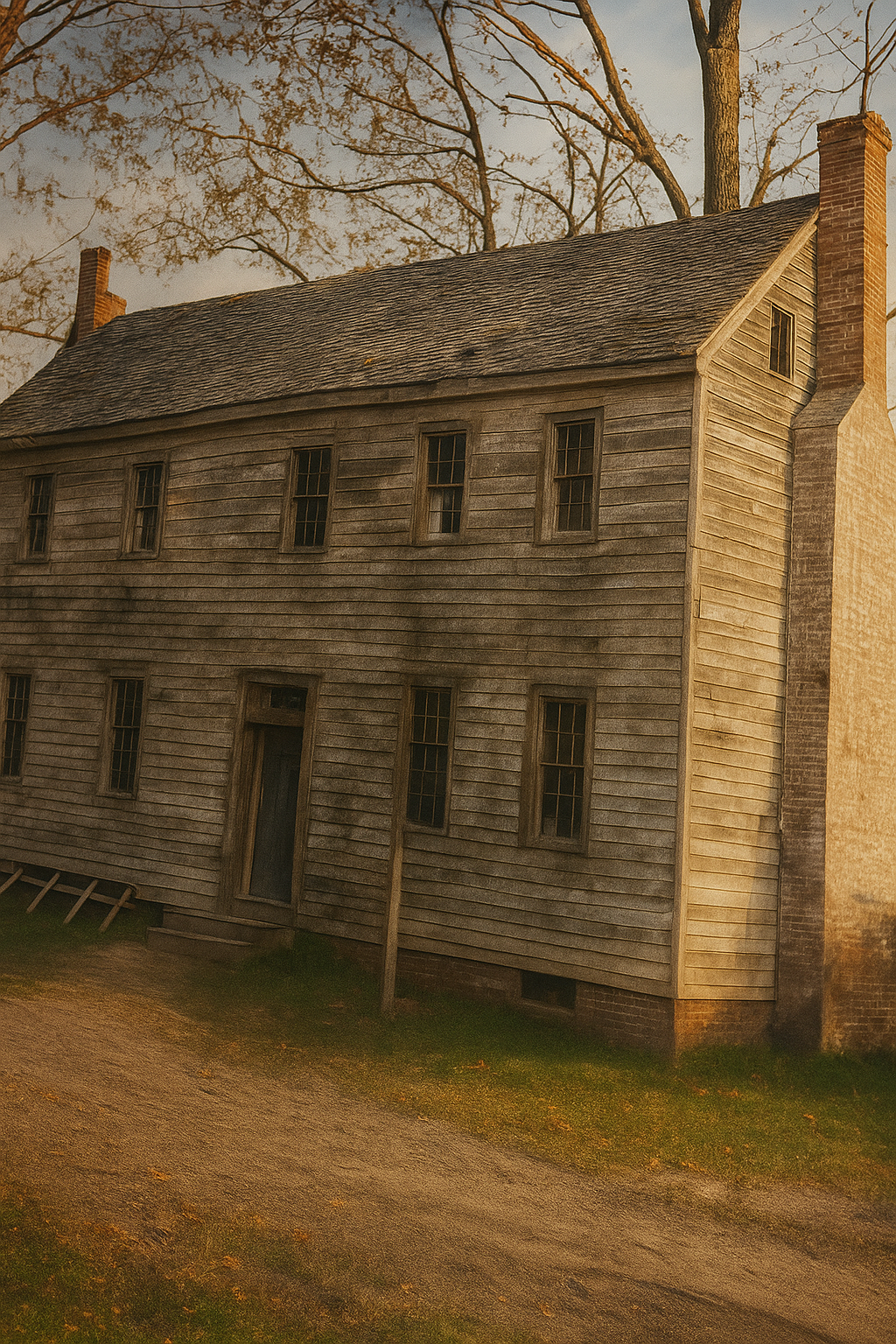
In retrospect, the Battle of Trevilian Station highlighted the evolving role of cavalry in the Civil War. No longer limited to reconnaissance and skirmishes, cavalry forces were now playing a crucial role in large-scale battles and strategic raids. The battle also underscored the importance of railroads and supply lines in the war, with both sides recognizing the need to control and protect these vital arteries.
Final Thoughts
The Battle of Trevilian Station, though often overshadowed by larger and more famous engagements, remains one of the most significant cavalry battles of the Civil War. It demonstrated the growing importance of cavalry in modern warfare, the critical role of logistics and railroads, and the challenges faced by both sides in disrupting supply lines. While Sheridan’s raid ultimately failed to achieve its primary objectives, it played a crucial role in the broader strategy of the Union Army and set the stage for the siege of Petersburg.
- Meyers, Jerry. “Trevilian!” in Louisa County Historical Society Magazine 30 (Spring 1999): 29–50.
- Wittenberg, Eric J. Glory Enough for All: Sheridan’s Second Raid and the Battle of Trevilian Station. Washington, D.C.: Brassey’s, 2001.
RESEARCHER’S NOTE: At Trevilian Station, the Dragoons, under General Sheridan, were attempting to disrupt Confederate supply lines and distract Confederate cavalry, commanded by General Wade Hampton, from reinforcing General Robert E. Lee’s main army during the Overland Campaign. Sheridan’s goal was to destroy sections of the Virginia Central Railroad and link up with Union forces in the Shenandoah Valley.
The 1st New York Dragoons were deeply involved in the action over the course of the two-day battle, which turned out to be one of the largest cavalry engagements of the war.
Here’s what I know about their involvement:
June 11, 1864:
On the first day of the battle, Sheridan’s cavalry, including the 1st New York Dragoons, launched an aggressive series of attacks against Confederate cavalry positioned near Trevilian Station.
The 1st New York Dragoons fought as part of Merritt’s Reserve Brigade, which was held in reserve during the early stages of the battle but was later committed to heavy fighting.
Throughout the day, the Dragoons faced strong resistance from the well-positioned Confederate forces under Hampton and Fitzhugh Lee.
The Union forces had some success in breaking through Confederate lines, but the Confederates regrouped, leading to fierce and confused fighting.
June 12, 1864:
The second day of the battle saw even more intense combat for the Dragoons. General Sheridan’s forces attempted to resume their advance but faced stiff Confederate resistance.
The 1st New York Dragoons, along with the rest of Merritt’s brigade, participated in attacks aimed at dislodging the Confederates from fortified positions.
Despite heroic efforts, including charges made by the Dragoons and other Union cavalry units, they were repelled by the entrenched Confederates. The terrain and the determined Confederate defense made further advances costly.
By the end of June 12, Sheridan was forced to retreat, realizing that his forces would be unable to achieve their strategic goals of linking up with Union forces in the Shenandoah Valley or decisively destroying Confederate cavalry.
Casualties and Impact:
The 1st New York Dragoons suffered heavy casualties during the battle, reflecting the intensity of the fighting. According to various sources, the regiment endured high losses in both killed and wounded. Given the chaos of the battle and the heavy engagement, exact numbers may vary, but they are consistently cited as being among the hardest-hit Union units at Trevilian Station.
Their bravery, particularly in the second day’s fighting where they fought in fierce attacks and counterattacks, made them a crucial part of Sheridan’s effort, though ultimately the battle ended inconclusively from a strategic perspective. The Union cavalry did manage to inflict casualties on Confederate forces and damage the railroad, but they were forced to withdraw without achieving their full objectives.
Roll of Loss — Trevilian Station, June 11–12, 1864
Named casualties of the First New York Dragoons compiled from the regimental records. Bugler Bowen put the regiment’s total loss at eighty-six killed, wounded, and captured.
| Type | Name | Company | Rank |
|---|---|---|---|
| Killed | Edward L. Bonner | G | Sergeant |
| Captured | Thomas W. Bonner | G | Corporal |
| Wounded | Calvin Buckley | G | Private |
| Wounded | Lorenzo D. Burdick | C | Private |
| Killed | Thompson Burdick | H | Private |
| Wounded | John Burkhardt | B | Private |
| Wounded | Charles A. Callaghan | A | Private |
| Wounded | Daniel Carpenter | K | First Sergeant |
| Wounded | Justus F. Coy | G | Second Lieutenant |
| Wounded | Charles H. Crocker | D | Private |
| Wounded | Henry L. Cummings | A | Private |
| Captured | Evelyn P. Dalrymple | B | Private |
| Wounded | George F. Demery | K | Private |
| Killed | John Dunphy | K | Private |
| Killed | John W. Eldridge | F | Corporal |
| Wounded | Shuball W. Farnsworth | B | Private |
| Wounded | Thomas Foose | B | Private |
| Killed | Henry M. Gay | D | Private |
| Killed | Ambrose P. Green | G | Corporal |
| Wounded | Ramson Haight | I | Private |
| Killed | Clarkson Helmes | A | Private |
| Wounded | Harvey Hibbard | D | Corporal |
Sources & Further Reading
- Primary James R. Bowen, Regimental History of the First New York Dragoons (originally the 130th N.Y. Vol. Infantry) (1900), ch. XII, “The Trevilian Raid and Battles,” pp. 183–190 — the regiment’s own historian, reproducing his verbatim June 21, 1864 letter written with information furnished by Col. Gibbs. Full text: archive.org/details/regimentalhistor00bowe.
- Primary U.S. War Dept., The War of the Rebellion: Official Records of the Union and Confederate Armies, Series I, Vol. 36, Pt. 1 (Sheridan’s and Torbert’s reports of the raid).
- Eric J. Wittenberg, Glory Enough for All: Sheridan’s Second Raid and the Battle of Trevilian Station (Washington, D.C.: Brassey’s, 2001) — the standard modern account.
- Jerry Meyers, “Trevilian!” Louisa County Historical Society Magazine 30 (Spring 1999): 29–50.
- American Battlefield Trust — Battle of Trevilian Station: battlefields.org/learn/civil-war/battles/trevilian-station.
- National Park Service / CWSAC Battle Summary, Trevilian Station (VA064): nps.gov/abpp/battles/va064.htm.
The Shenandoah Valley Campaign · The Audiobook · About the Dragoons
Views: 39
Explore the evidence
View this article’s connected sources and media →
About this page
This article was brought over from AlfredGibbs.com. Its preserved text, media and citations remain available for comparison.