Start with the guided reading below, or search this chapter for a person, quotation or topic. Follow the writing and evidence behind this part of GIBBS.
What would you like to explore in Furnish Half the Horses?
Go beyond the book · Furnish Half the Horses
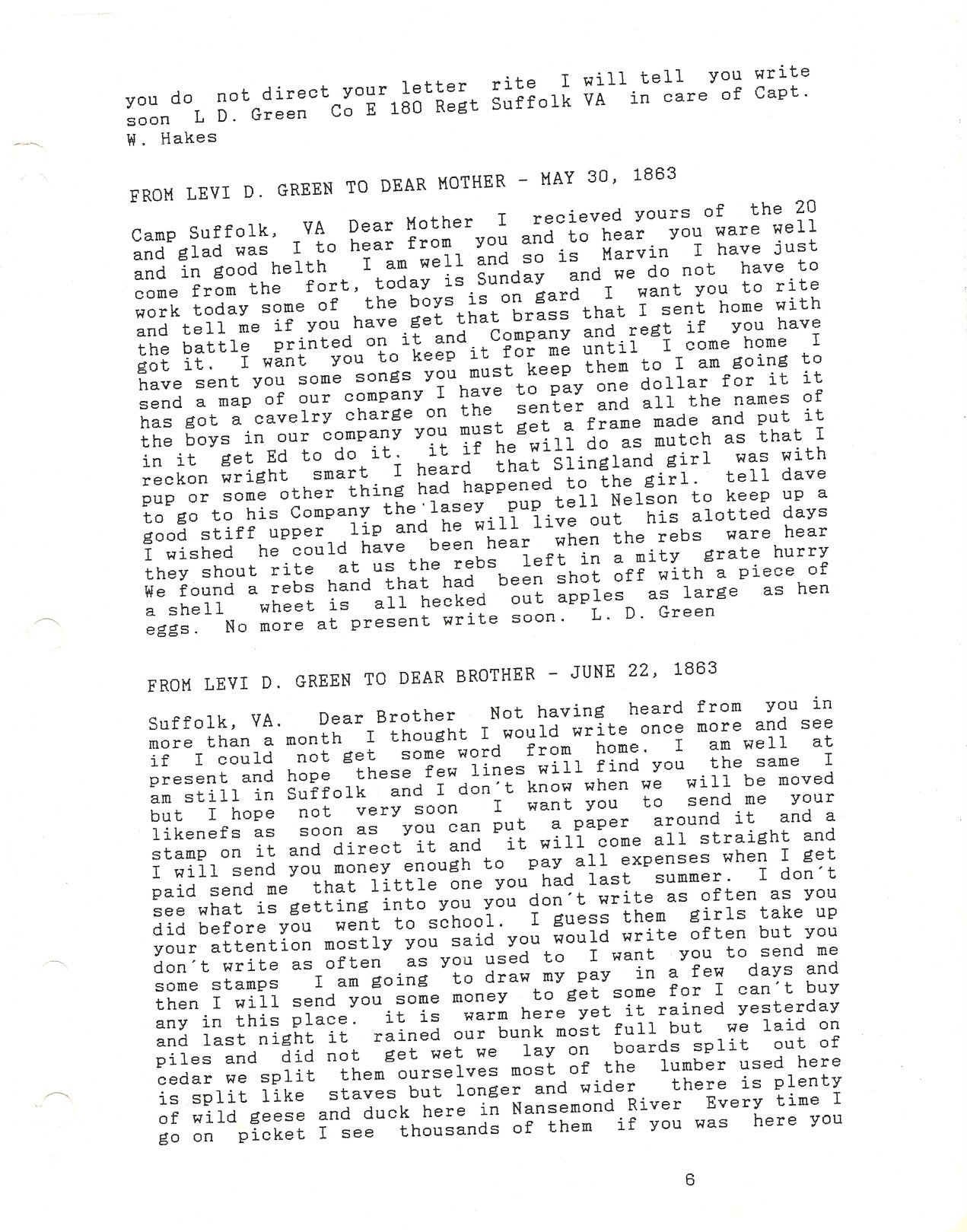
Test a regimental tradition with wartime letters
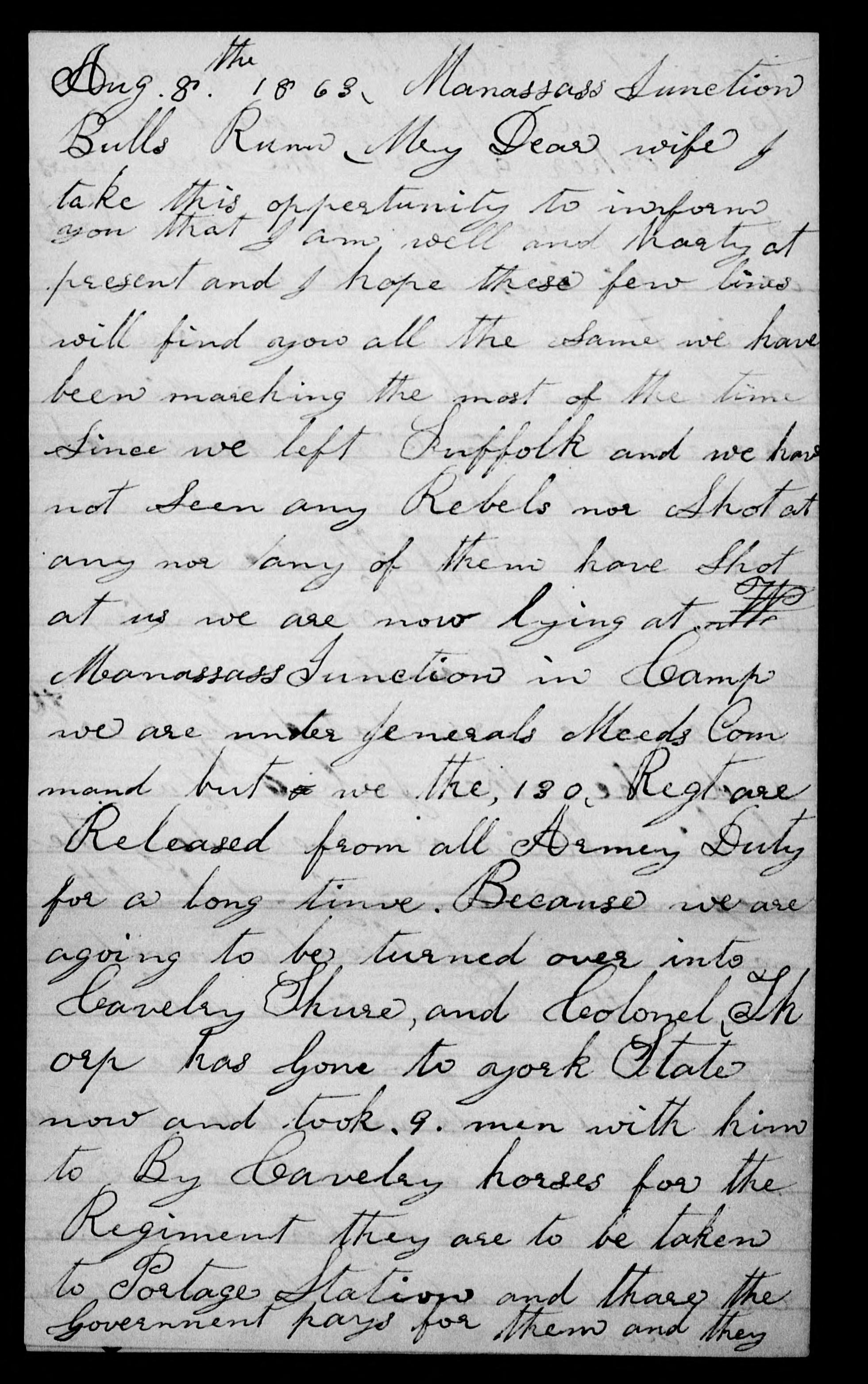
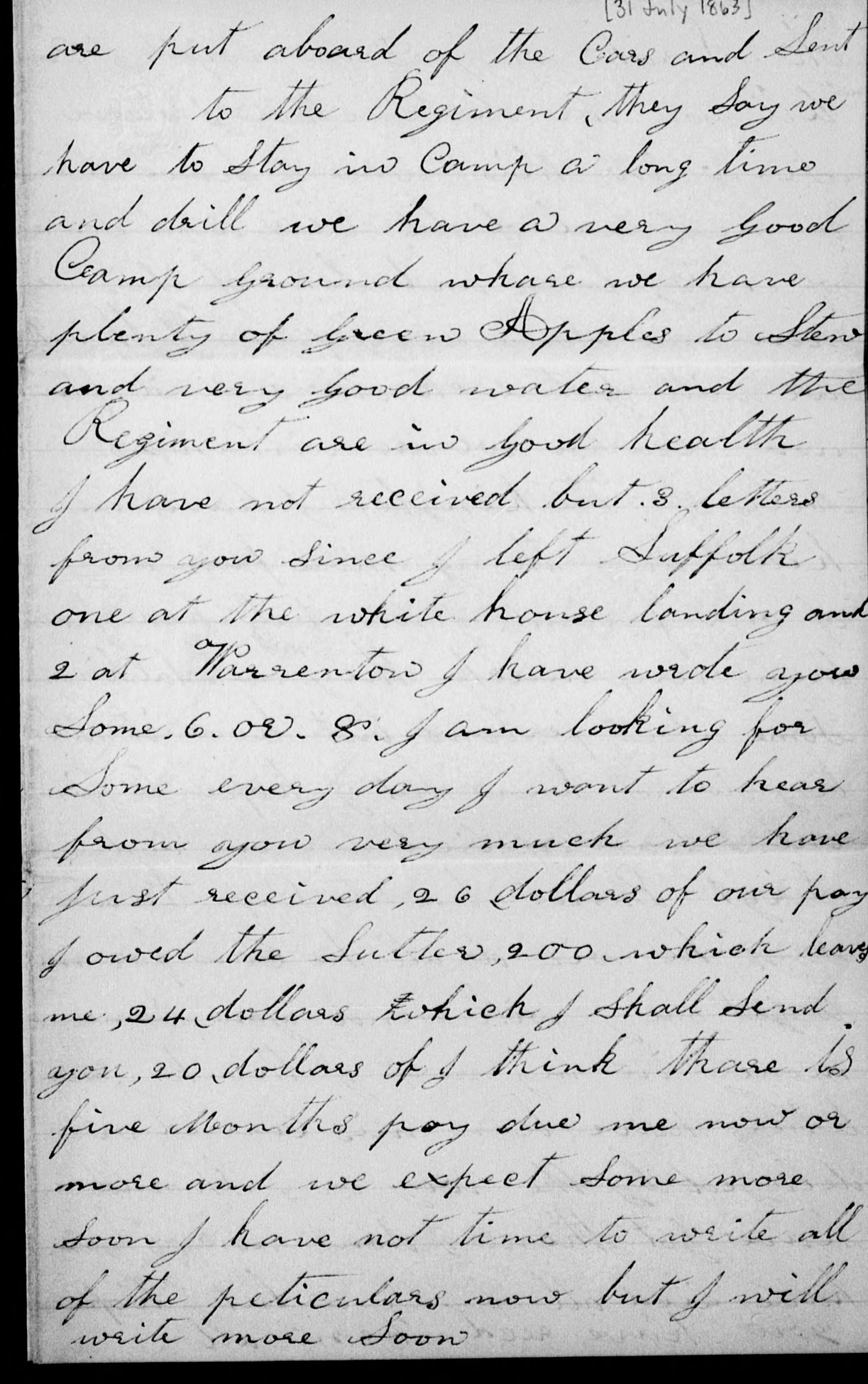
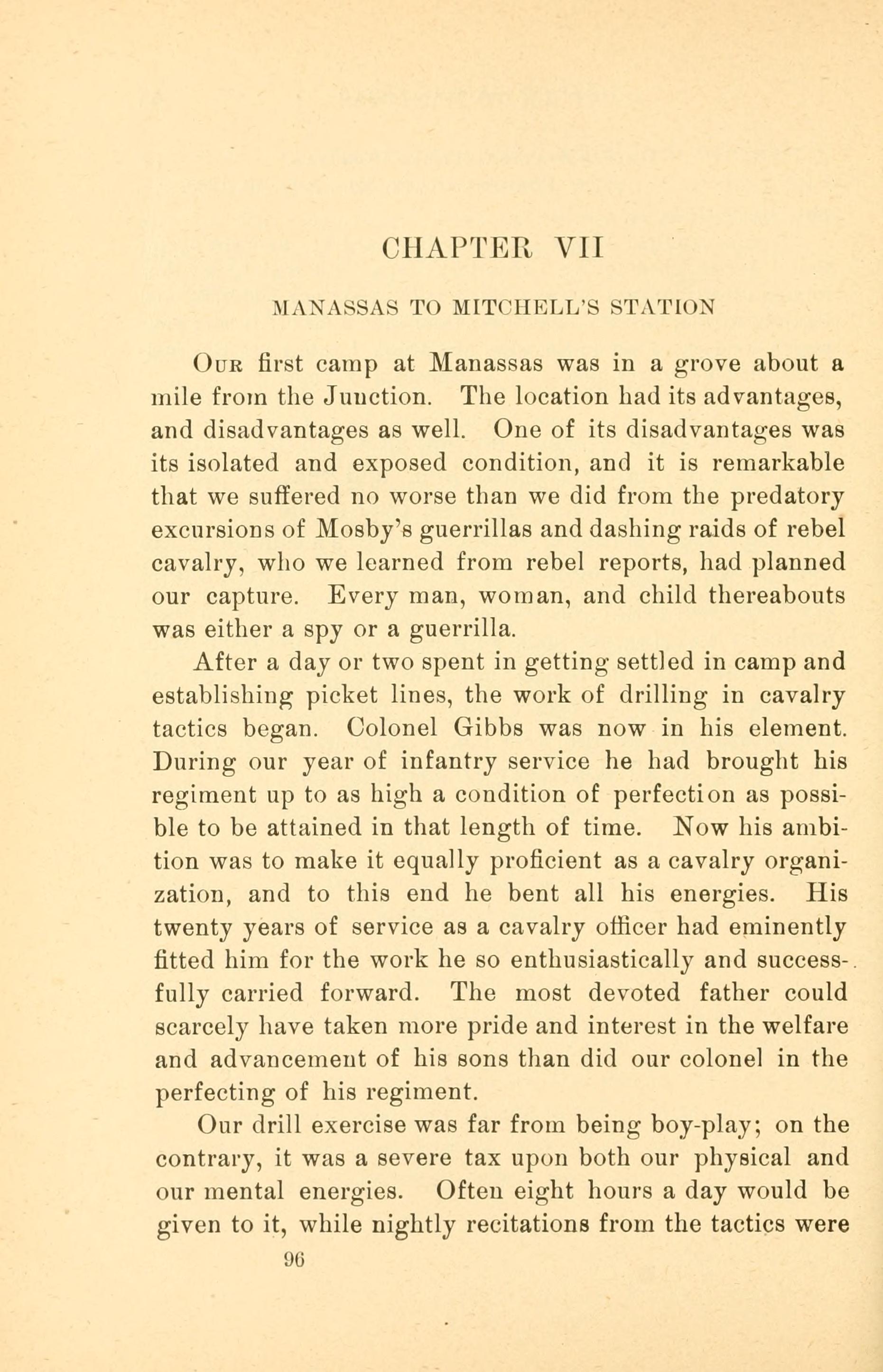
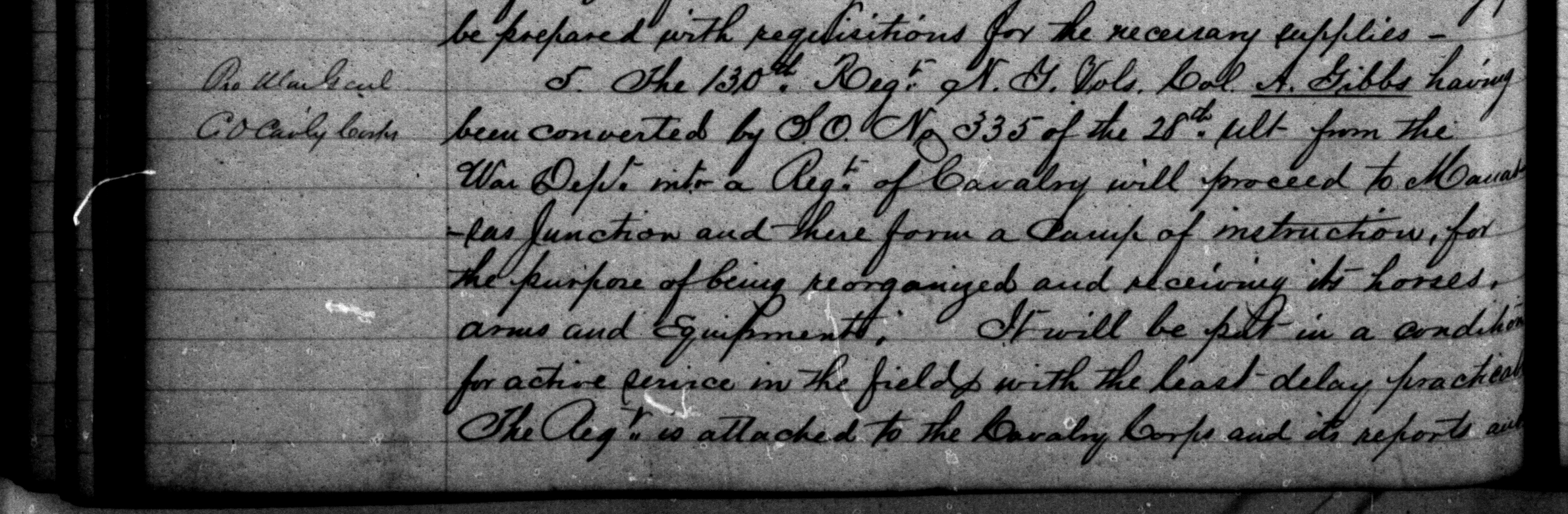
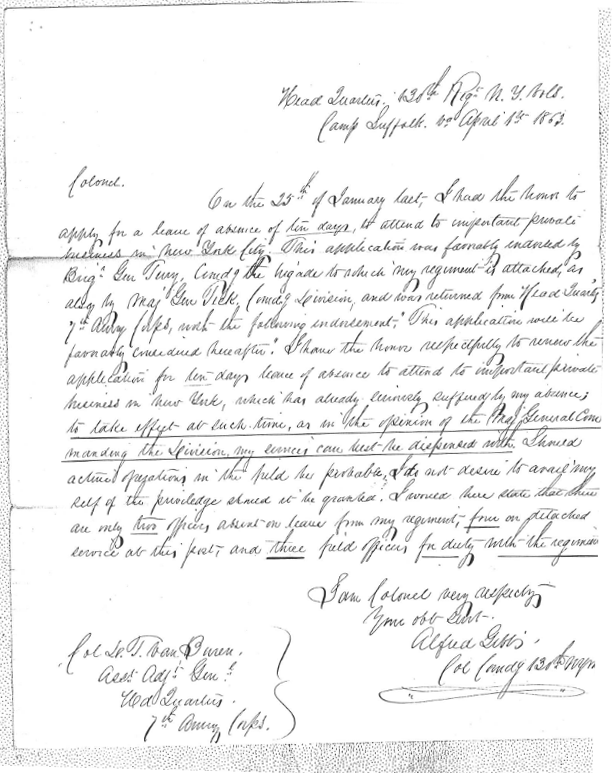
The move from infantry to cavalry needed horses as well as a new name. A claim in Bowen’s later history can be examined alongside letters written while the change was happening.
New to these records? A little context.
A research account can combine historical documents, later recollections, images, and the author’s interpretation. Start with its source notes and captions. Ask who made each item, when it was made, and what kind of question it can answer.
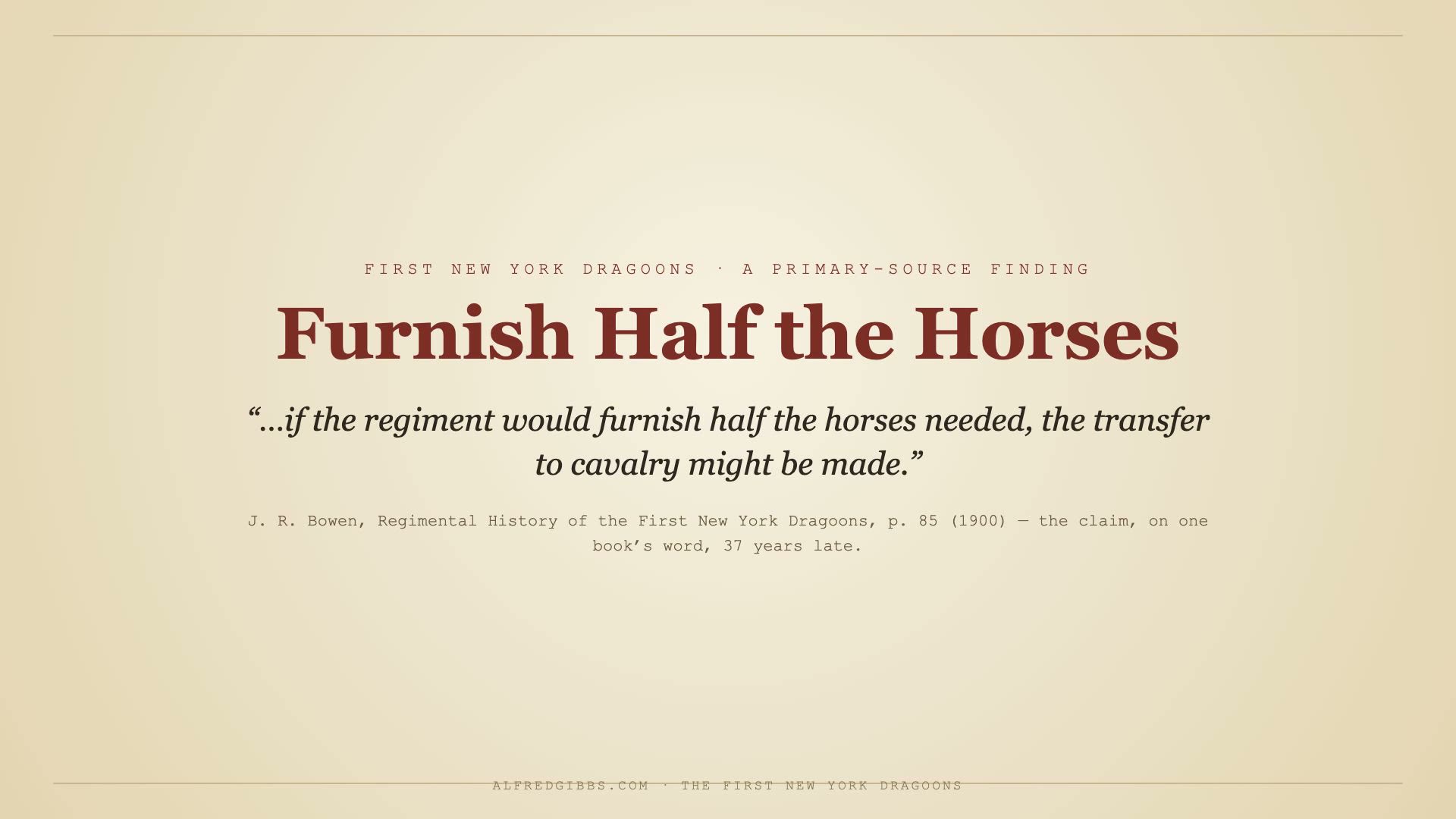
Did the regiment really have to furnish half its horses?
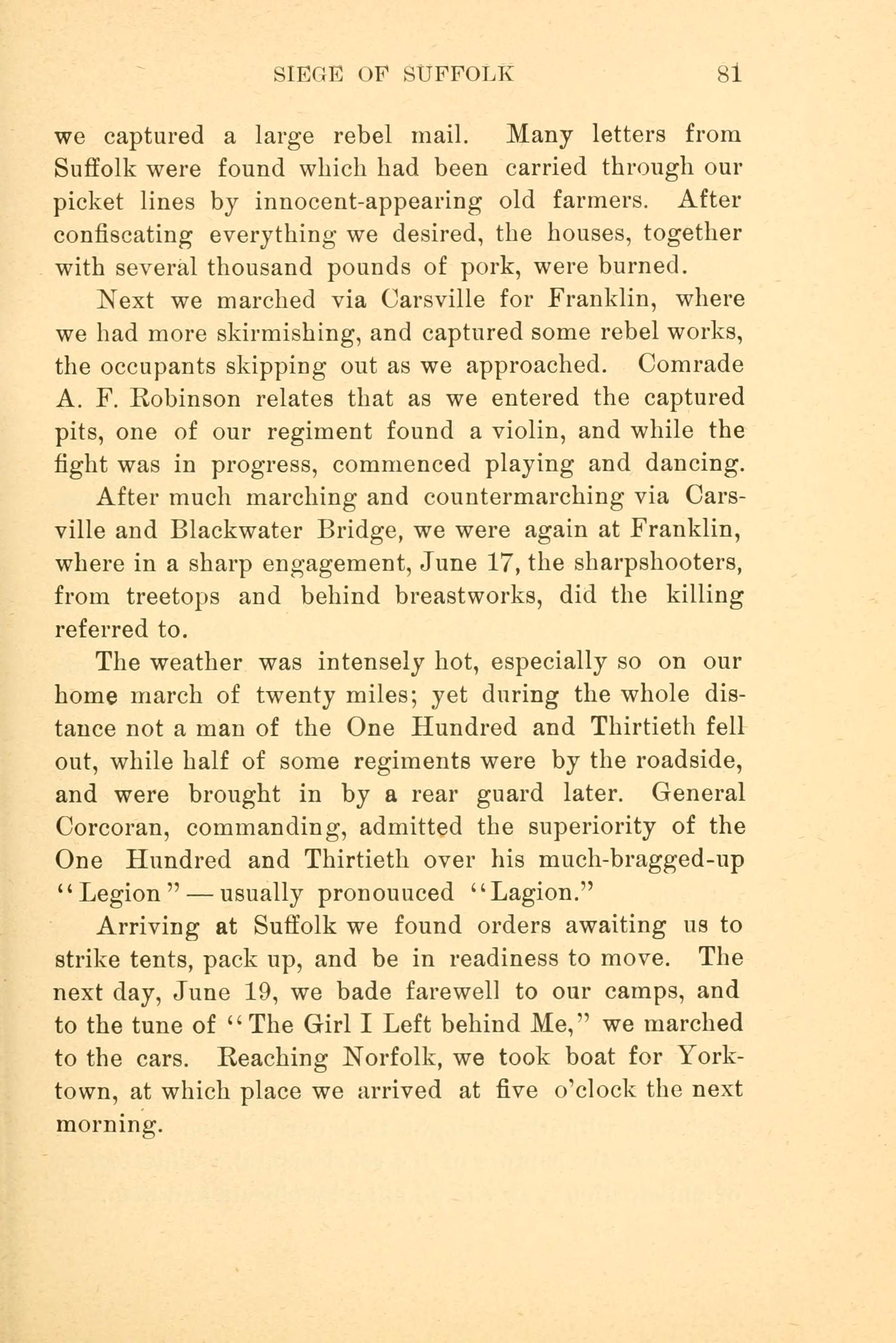
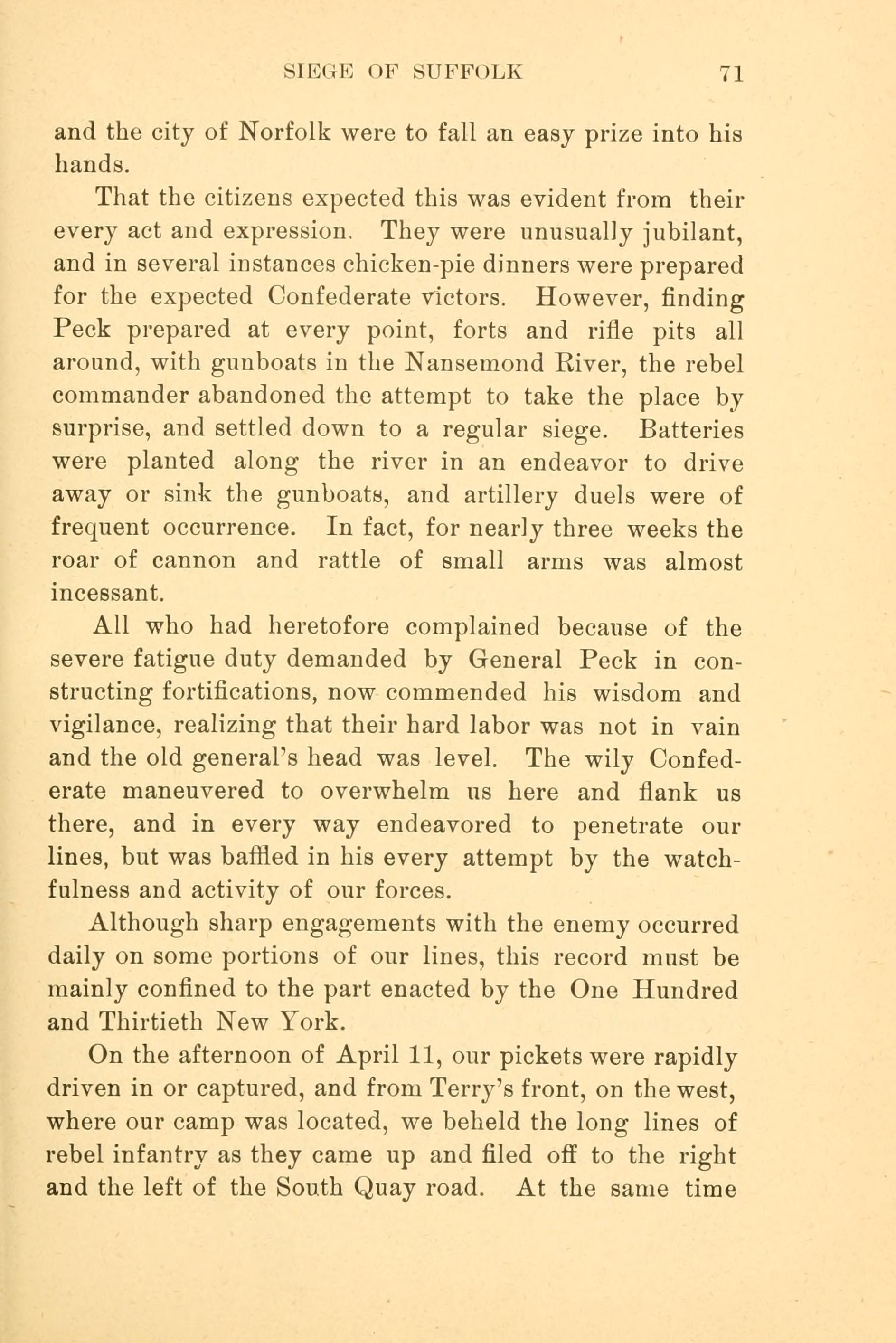
Furnish Half the Horses video poster · From the linked account. Its original credits and image status are preserved there.
Read the source exhibit & its explanation
The horse bargain: later history and wartime letters
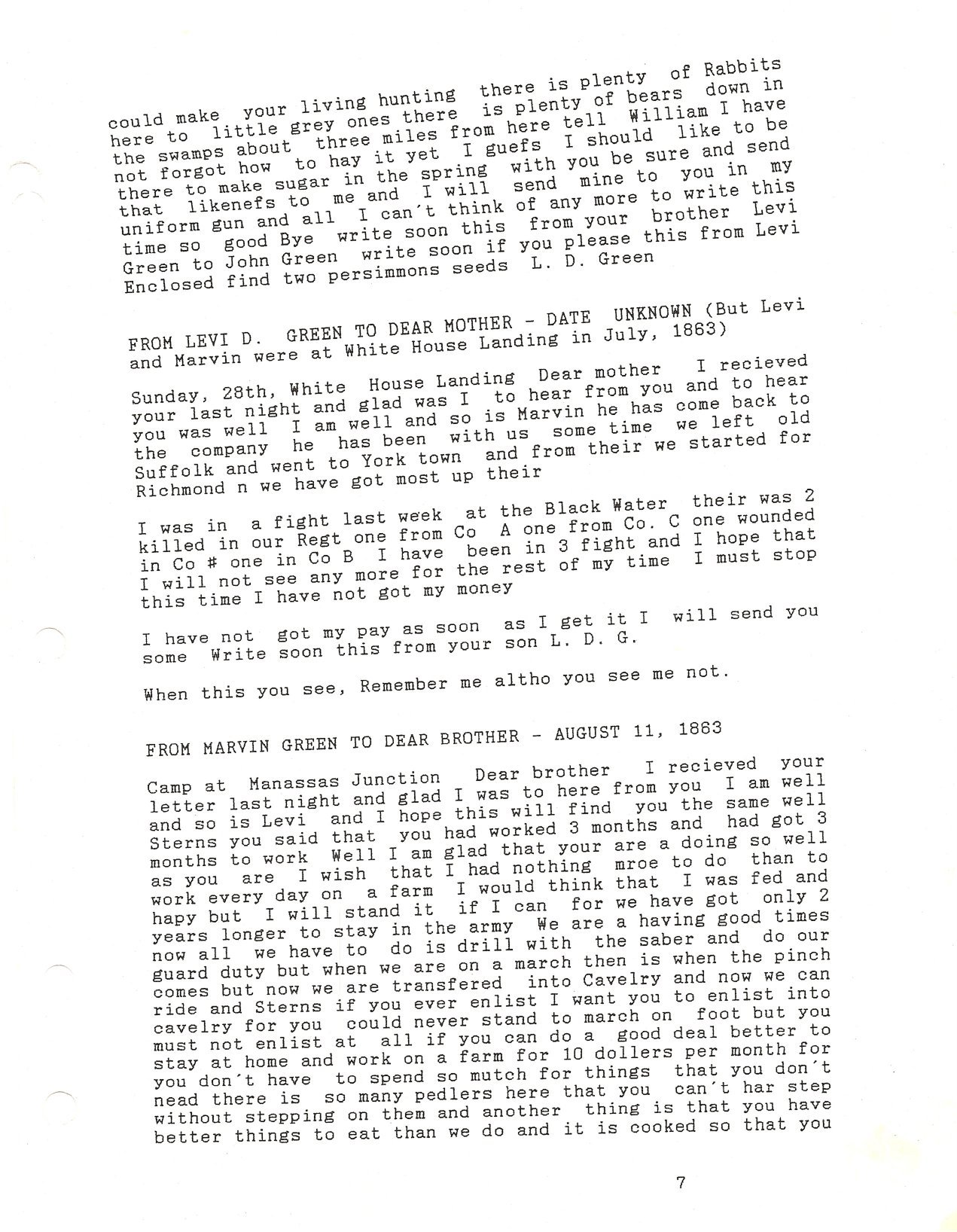
The investigation compares Bowen’s account with contemporary newspaper letters and private correspondence identifying the men sent to buy animals. It demonstrates how research can strengthen or challenge an inherited story.
What to examine: Start with the condition in Bowen, then compare the dates and wording of the wartime letters. Identify which claims are independently repeated and which concern a different part of the process.
Keep this distinction in mind: A repeated claim is not automatically independent corroboration. Check whether one writer could be copying another before counting separate witnesses.
Keep your question in view as you explore. The reading tray retains Furnish Half the Horses. Close it to return to this point, or deliberately choose to explore outside the chapter.
Follow a life beyond the page
People you meet here
The book brings you into these lives. Follow a person to the family, service and research records available here. Pension material is identified separately from biography and recollection.
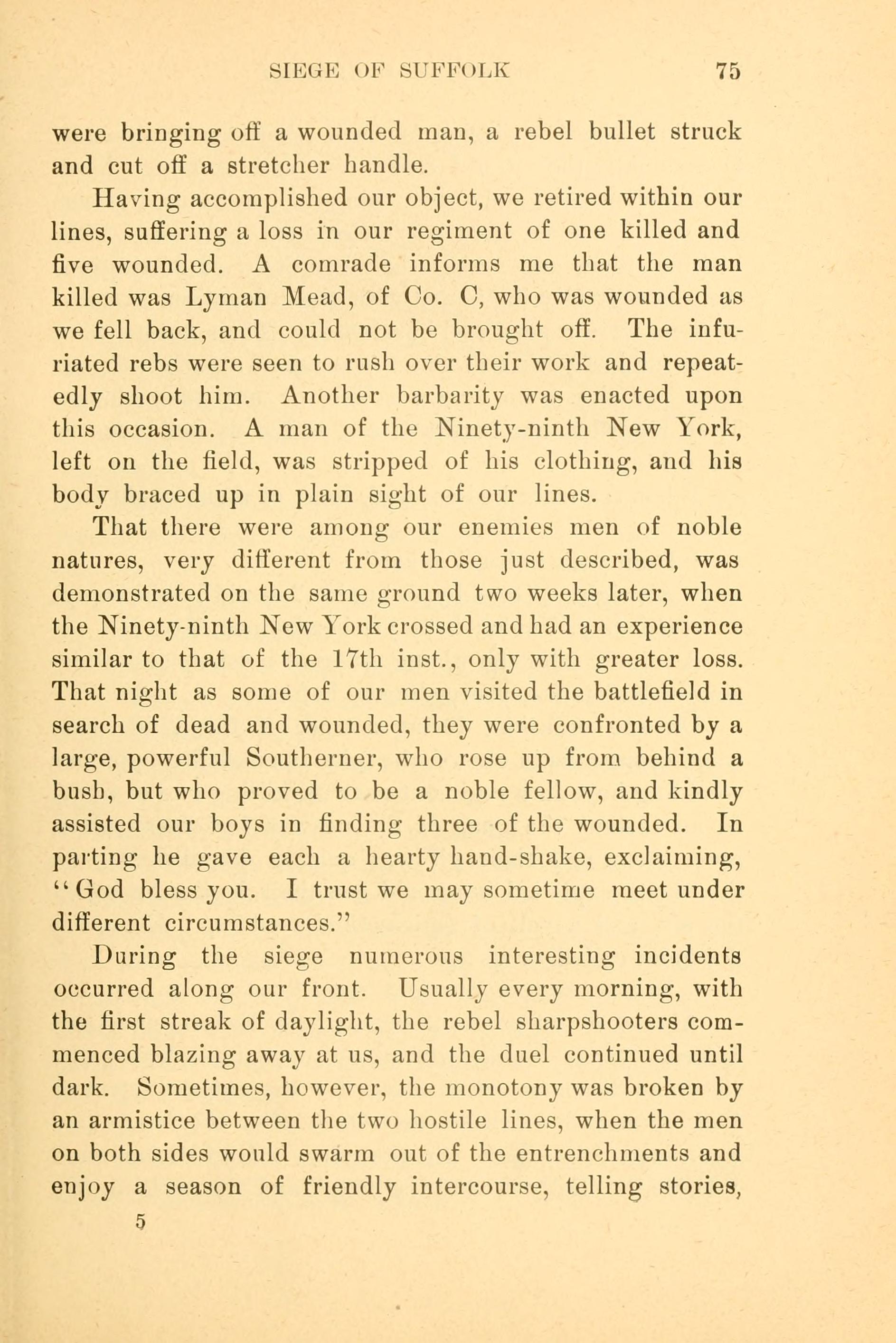
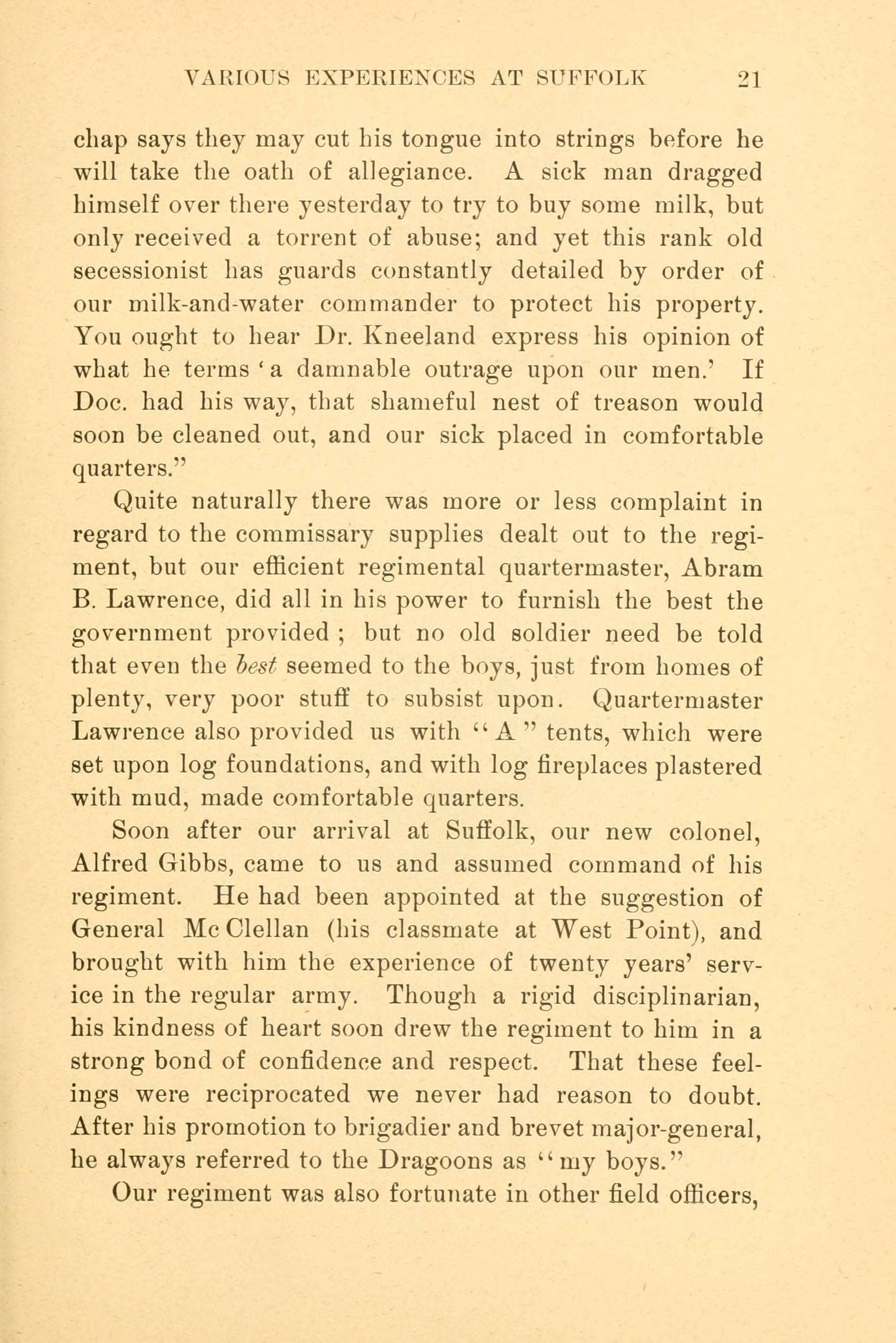
Scott was an experienced officer, a remembered helper of a sick soldier and a contact in Burdick's widow's pension trail. His biography connects command with the regiment's local networks.
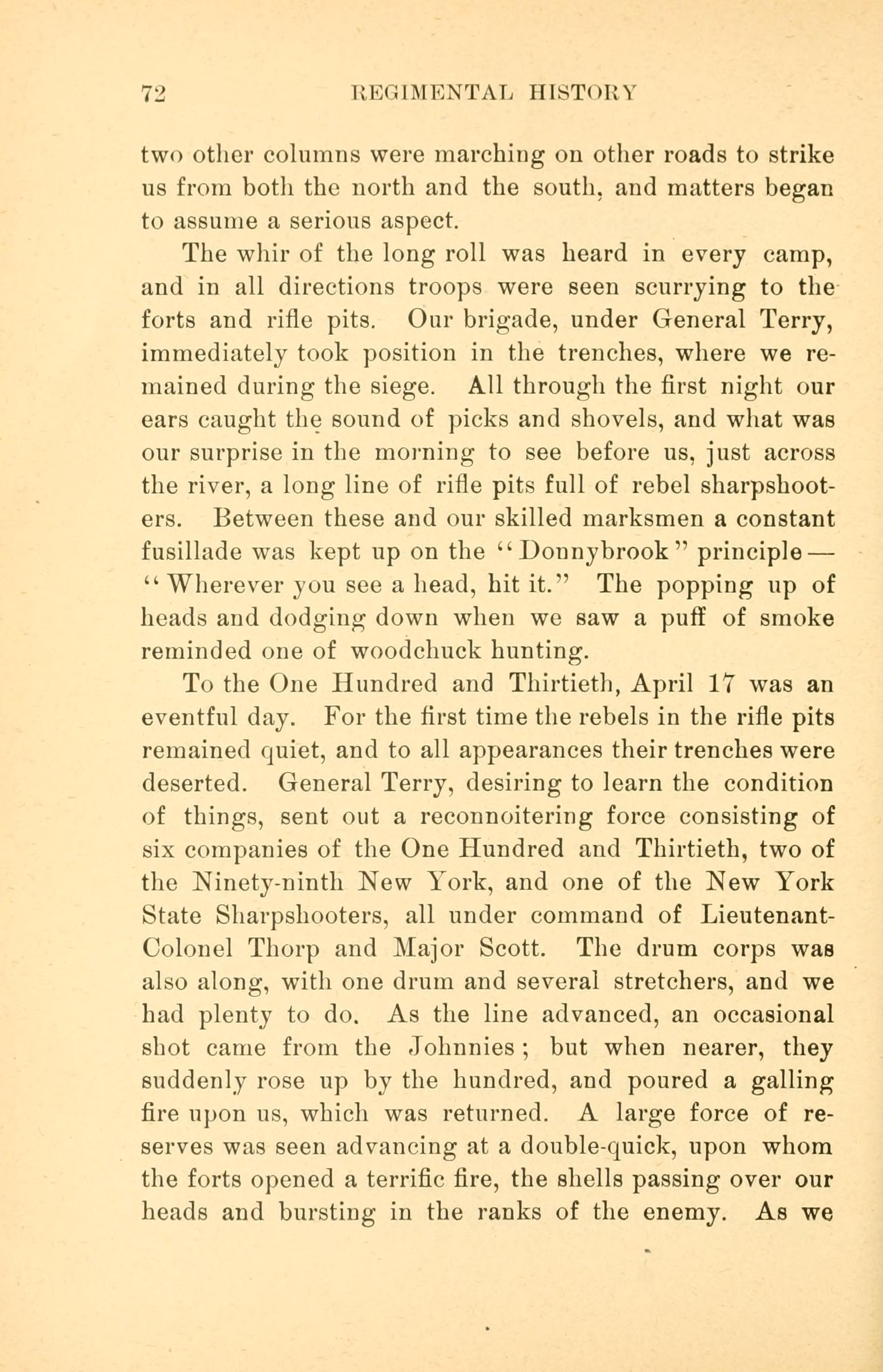
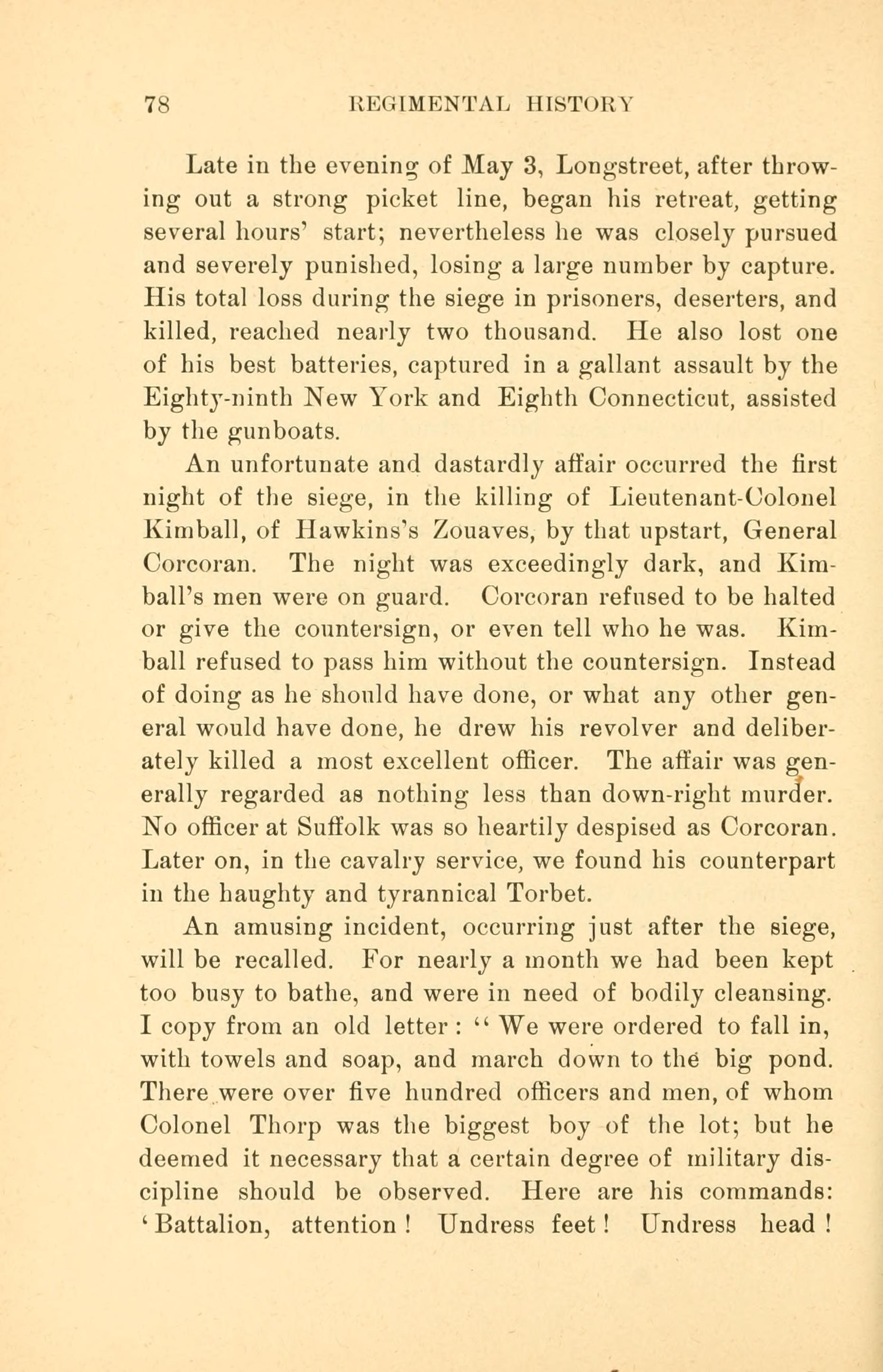
Thorp's command, capture and escape connect several chapters. His biography follows the officer across those episodes and distinguishes him from Captain Alexander K. Thorp.
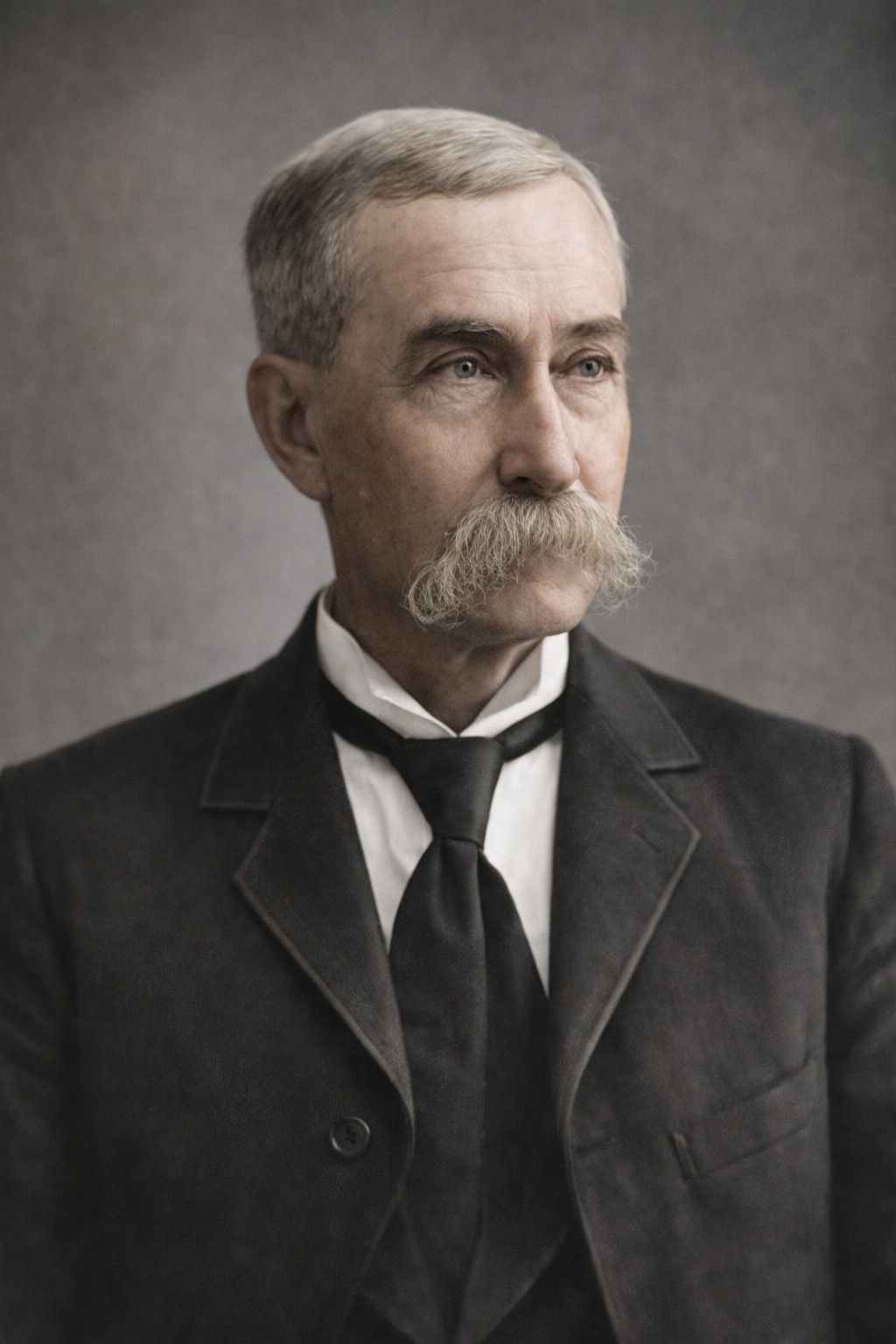
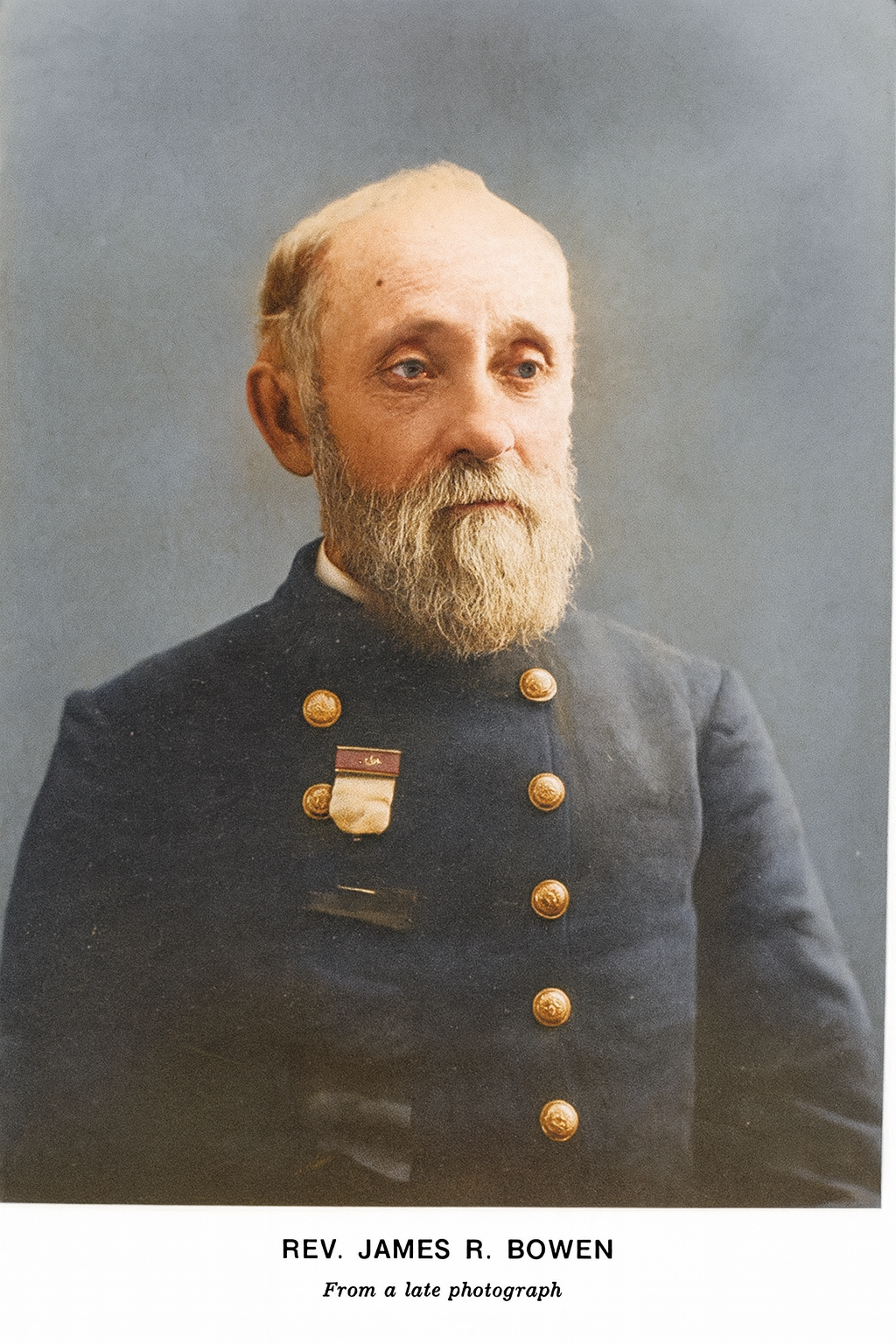
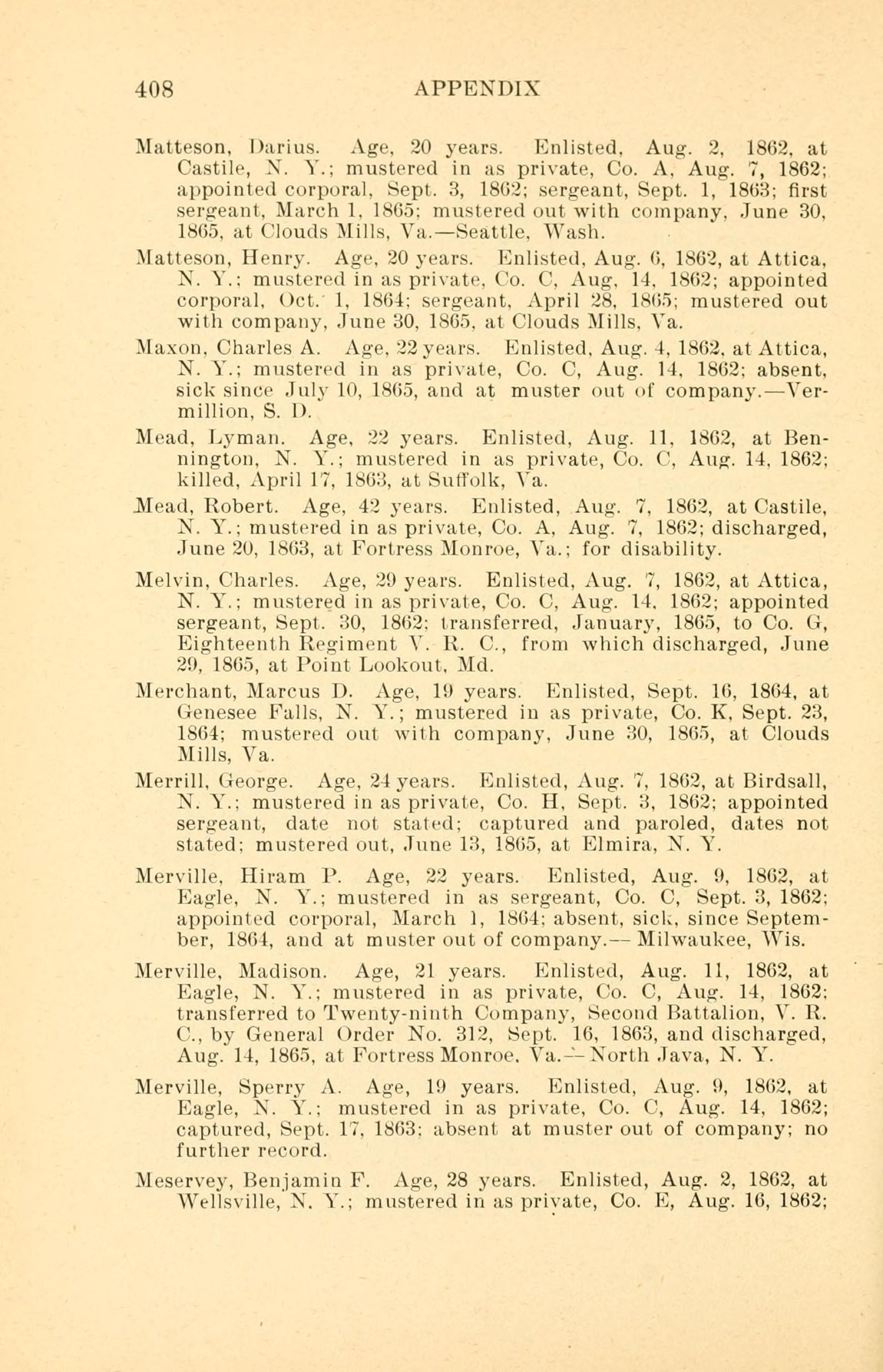
Bowen was a soldier, drummer and the regiment's later historian. Knowing who produced an account helps you weigh what he saw himself, what other veterans told him and what he wrote many years later.
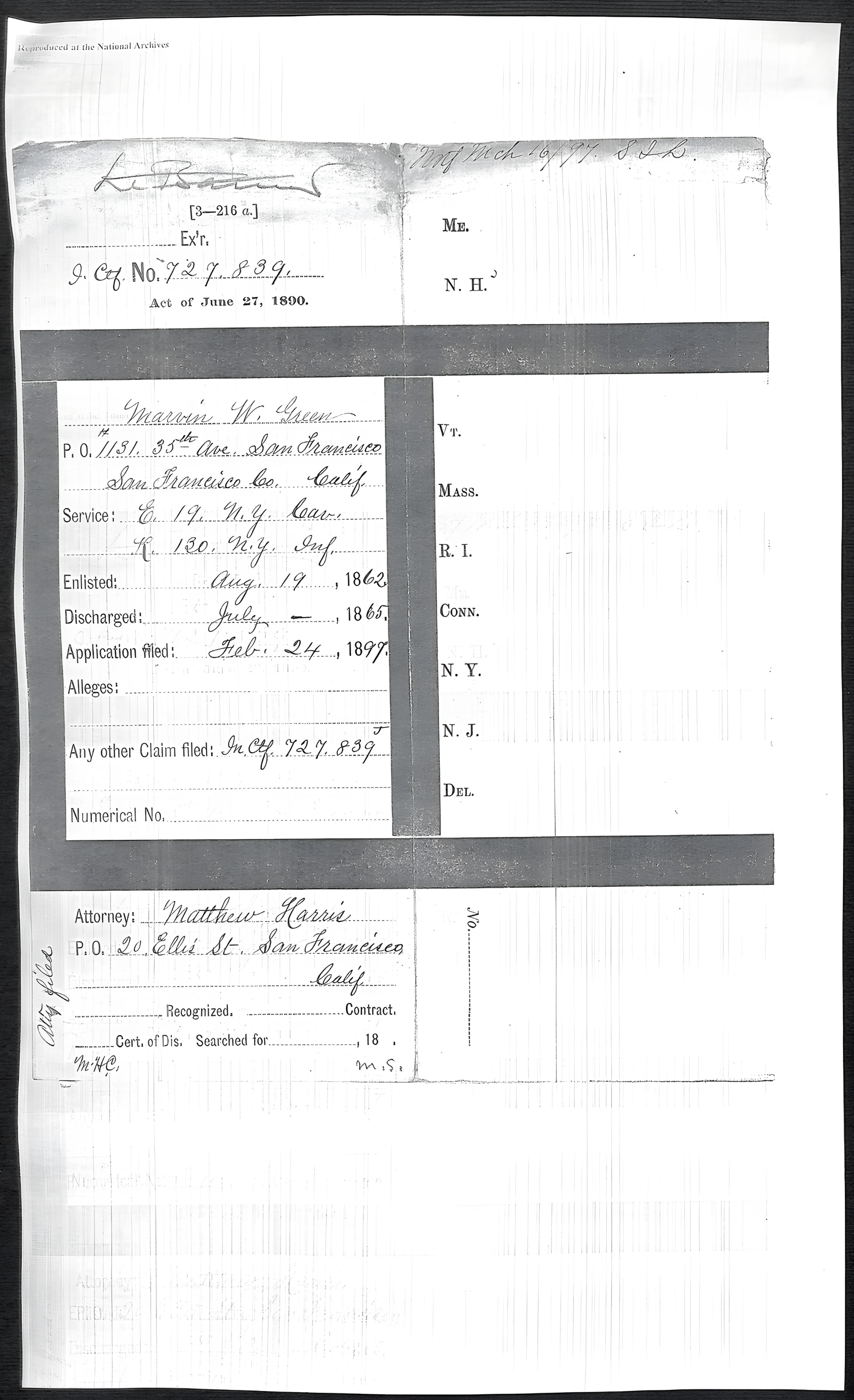
Marvin survived the war that took his brother Levi. Follow his letters, then the pension applications, medical evidence and Elvira’s widow’s claim to see how their family history continues after the fighting.
These connections come from the v172 manuscript and existing subject pages. A pension not connected here may still exist elsewhere. Namesakes and uncertain identities are not silently joined.
Follow the words into the evidence
What caught your attention?
Find a line from your reading, then follow its document and the record around it. Matching words helps locate evidence; checking who wrote them, when, and why helps you understand it.