
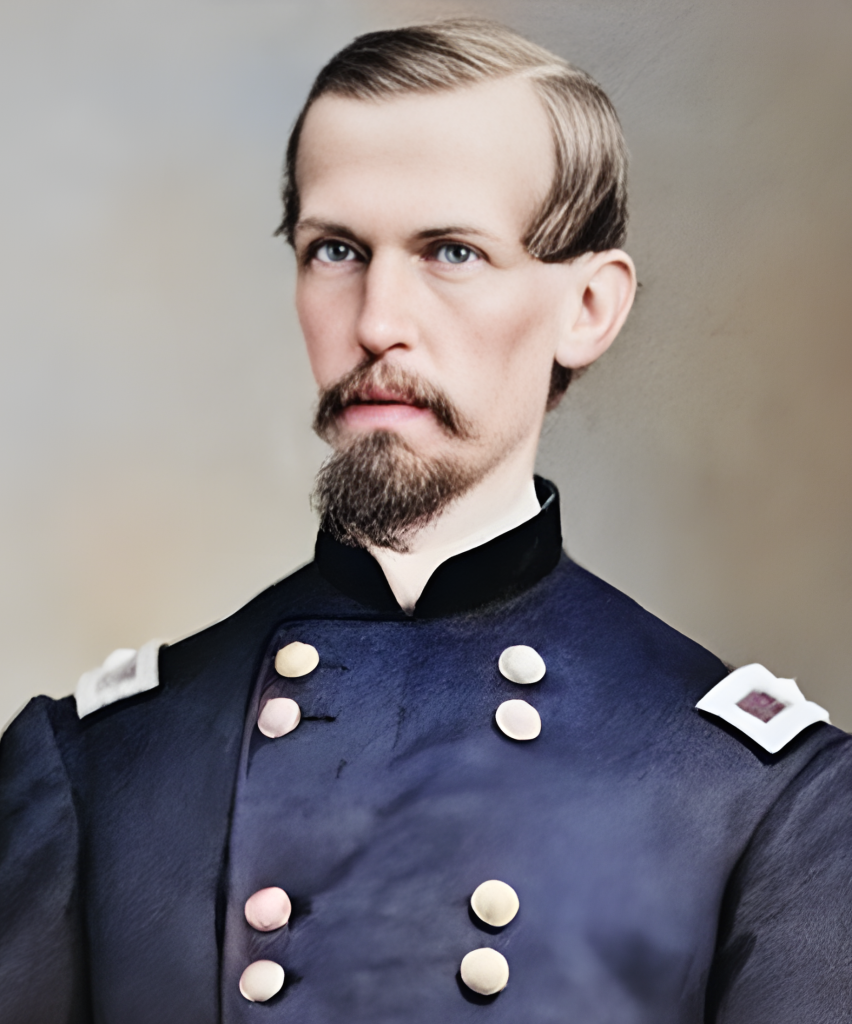
The Regimental History of the First New York Dragoons by Reverend J. R. Bowen offers a gripping account of Colonel Alfred Gibbs, whose leadership, bravery, and care for his men stood out during some of the most challenging moments of the Civil War. One particularly remarkable episode involves a confrontation between Gibbs and General Michael Corcoran, which ultimately led to Gibbs being placed under arrest and having his sword and sidearm taken away. This incident, followed by Gibbs’ defiant actions during a later battle where he led his men into the Confederate lines, offers a fascinating insight into the character of this brave officer.
The Confrontation with General Corcoran
According to Bowen, the confrontation between Colonel Alfred Gibbs and General Michael Corcoran was the result of a disagreement over strategy and the treatment of the soldiers under their command. General Corcoran, known for his somewhat rigid adherence to authority and protocol, had a very different leadership style compared to Gibbs. Gibbs was known for his deep care for his men, always prioritizing their well-being even when it meant challenging orders that he deemed impractical or unfair. It was this very quality—his unwavering commitment to his soldiers—that ultimately led to the confrontation.
The disagreement arose during a critical moment when the regiment was preparing for a reconnaissance mission. General Corcoran had issued an order that Gibbs believed placed his men at undue risk without sufficient strategic advantage. Bowen writes that Gibbs, always a fierce advocate for his men, confronted Corcoran in an attempt to argue for a modification of the orders. However, Corcoran, unwilling to tolerate any questioning of his authority, took offense at Gibbs’ challenge. The argument escalated, and Corcoran, in a display of his rank, ordered Gibbs placed under arrest. Bowen recounts that Corcoran demanded that Gibbs surrender his sword and sidearm—a symbolic stripping of his authority and honor as an officer.
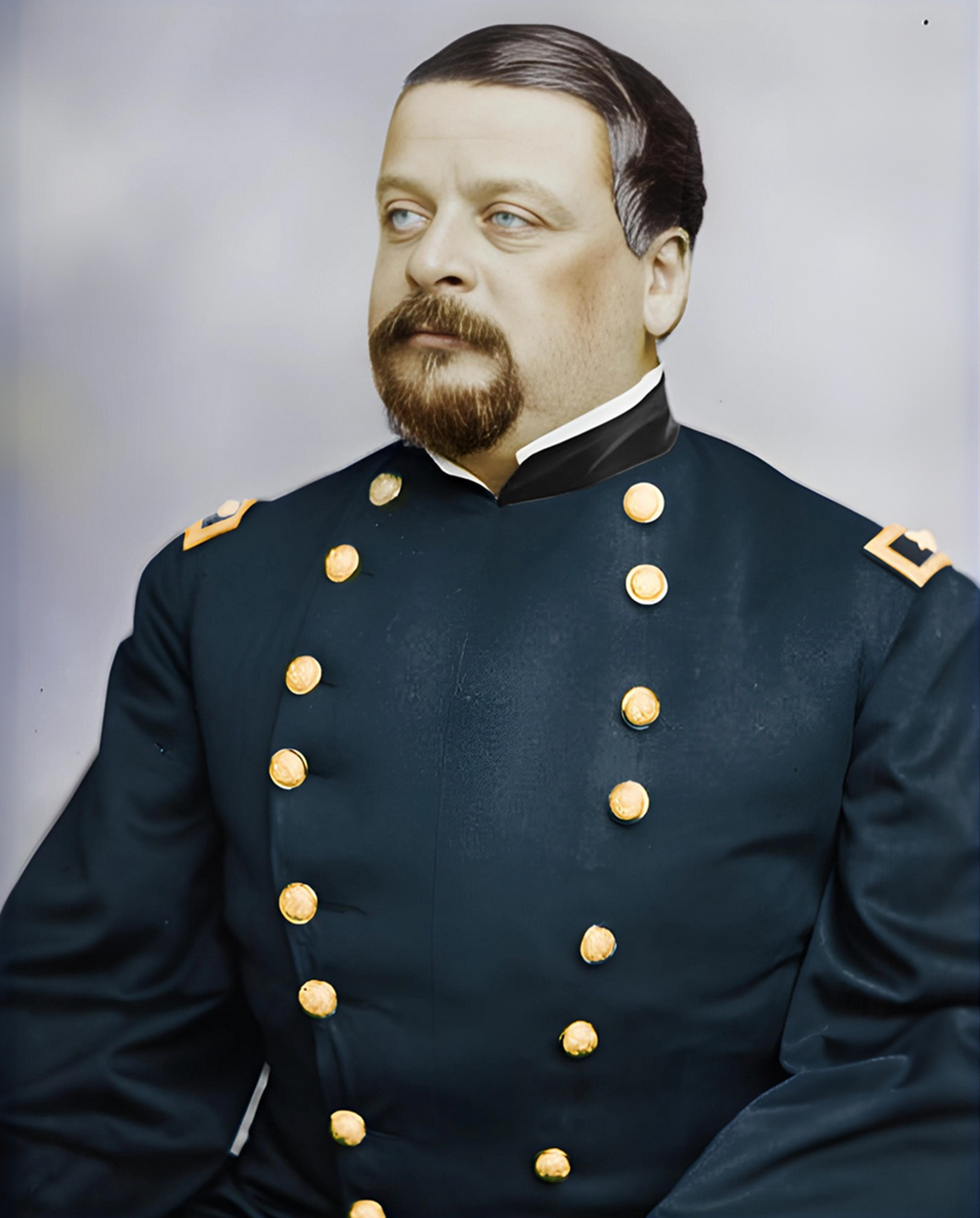
The incident was a significant blow to Gibbs, who took great pride in his role as a leader of the First New York Dragoons. Bowen describes the scene vividly, noting how Gibbs reluctantly handed over his sword, his face betraying a mix of anger and frustration. For a man of Gibbs’ stature—someone who had always led from the front and had earned the respect of his men through his bravery and integrity—being placed under arrest and disarmed was a profound humiliation. However, Bowen also emphasizes that Gibbs’ concern was not for his own pride but for the welfare of his men. He feared that Corcoran’s decision-making would lead to unnecessary casualties, and it was this fear that had driven him to confront the general in the first place.
Gibbs’ Care for His Men
Bowen’s account of the confrontation makes it clear that Gibbs’ actions were motivated by his deep care for the men under his command. Unlike some officers who saw their troops as mere instruments of war, Gibbs viewed the soldiers of the First New York Dragoons as individuals whose lives mattered. He took the time to know his men, understand their strengths and weaknesses, and ensure that they were well-prepared for the challenges they faced. This personal connection with his troops earned him their unwavering loyalty and respect, and it was this same connection that made the confrontation with Corcoran inevitable.
Bowen notes that Gibbs often went above and beyond to provide for his men, ensuring that they had adequate food, clothing, and rest whenever possible. He understood that a well-cared-for soldier was a more effective one, and he was willing to challenge orders and face the consequences if it meant protecting the lives of his troops. This leadership style stood in stark contrast to that of General Corcoran, who was more focused on discipline and the strict execution of orders, regardless of the cost to the men carrying them out. It was this fundamental difference in leadership philosophy that lay at the heart of the confrontation.
The Battle and Gibbs’ Defiance
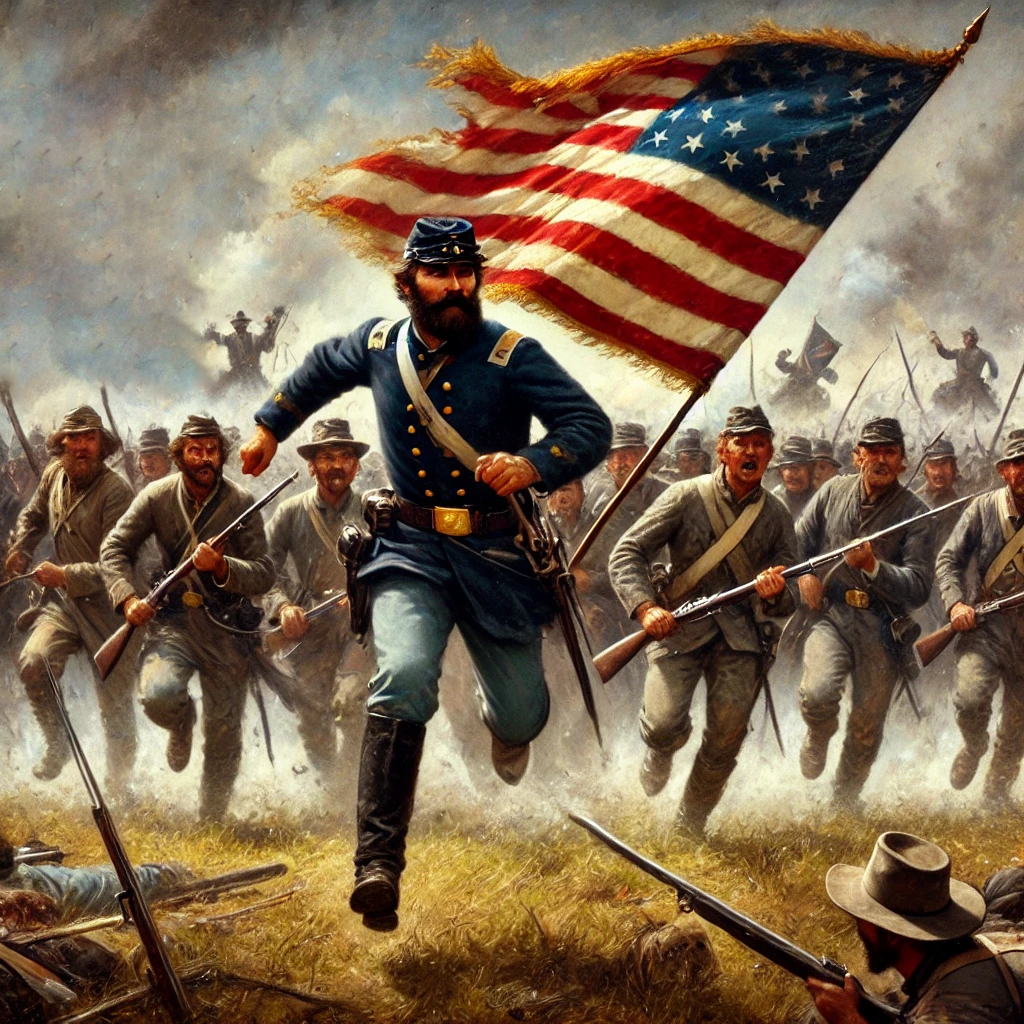
Despite being placed under arrest, Gibbs was not one to be sidelined for long. Bowen recounts that during a subsequent battle, the First New York Dragoons found themselves in a precarious position, facing a fierce Confederate assault. The situation was dire, and the men were in desperate need of strong leadership. Gibbs, though technically still under arrest, could not stand by and watch his men struggle without guidance. In a moment of defiance, Gibbs took matters into his own hands. He retrieved the unit’s flag and colors—symbols of their honor and unity—and rode to the front lines, rallying his men for a counterattack.
Bowen’s description of this moment is nothing short of heroic. With the flag held high, Gibbs led the charge into the Confederate lines, inspiring his men to follow him with renewed determination. The sight of their beloved commander, defying orders and risking his own life to lead them, had a profound effect on the soldiers of the First New York Dragoons. Bowen writes that the men, emboldened by Gibbs’ bravery, surged forward with a ferocity that took the enemy by surprise. The Confederate forces, caught off guard by the sudden and determined attack, began to falter, and the Dragoons were able to push them back, ultimately securing a hard-fought victory.
This act of bravery not only turned the tide of the battle but also solidified Gibbs’ reputation as a leader who was willing to put everything on the line for his men. Bowen emphasizes that Gibbs’ actions were not about seeking glory or defying authority for its own sake; rather, they were a reflection of his deep sense of duty to his men and his belief that true leadership meant being willing to share in the dangers faced by those under his command. Gibbs’ decision to take up the flag and lead the charge was a powerful statement about the kind of leader he was—one who led by example and who never asked his men to do something he was not willing to do himself.
The Aftermath and Legacy
The aftermath of the battle was a complex one for Gibbs. On the one hand, his actions had saved the day and had earned him the admiration and gratitude of his men. On the other hand, he had directly defied General Corcoran’s orders, and there were consequences to be faced. Bowen describes how Gibbs was once again brought before Corcoran, who was furious at the perceived insubordination. However, the outcome of the battle spoke for itself, and there was a growing recognition among the other officers that Gibbs’ actions had been both necessary and effective. The men of the First New York Dragoons stood by their commander, and their loyalty and support made it difficult for Corcoran to take further punitive action against him.
Ultimately, Gibbs was reinstated, and his sword and sidearm were returned to him. Bowen writes that this moment was a poignant one, with Gibbs receiving his weapons not as a defeated officer seeking forgiveness but as a hero whose actions had proven his worth. The respect and admiration of his men were evident as they gathered to witness the reinstatement of their commander. Bowen captures the scene with vivid detail, describing how the men cheered as Gibbs strapped on his sword, their faith in him unwavering. It was a moment that underscored the deep bond between Gibbs and his men—a bond forged through shared hardship, mutual respect, and a willingness to sacrifice for one another.
Gibbs’ confrontation with General Corcoran and his subsequent actions on the battlefield serve as a powerful example of the complexities of leadership during the Civil War. Bowen’s account presents Gibbs as a man who was not afraid to stand up for what he believed was right, even when it meant challenging authority and risking his own career. His actions were driven by a genuine care for the men under his command and a belief that their lives were worth protecting, even if it meant defying orders. This willingness to prioritize the well-being of his soldiers, combined with his bravery and tactical acumen, made Gibbs a beloved and respected leader among the First New York Dragoons.
Final Thoughts
In conclusion, the story of Alfred Gibbs’ confrontation with General Corcoran and his subsequent actions on the battlefield is a testament to the qualities that made him an exceptional leader. His bravery, his care for his men, and his willingness to stand up for what he believed was right, even in the face of personal risk, set him apart as a true leader of the First New York Dragoons. Bowen’s account of these events provides a vivid and compelling portrait of a man who embodied the ideals of courage, integrity, and selflessness. Gibbs’ actions during this period not only turned the tide of battle but also left a lasting legacy of leadership that would be remembered by his men long after the war had ended.
Bowen’s narrative offers readers a powerful reminder of the human side of war—of the individuals who, despite the chaos and uncertainty of battle, remained steadfast in their commitment to their comrades and their cause. Alfred Gibbs’ story is one of leadership in its truest form—leadership that is defined not by rank or authority but by a genuine care for others and a willingness to lead by example, no matter the cost.
References:
Bowen, J. R. (1900). Regimental History of the First New York Dragoons. Lyons, MI: Author. Retrieved from https://archive.org/details/regimentalhistor00bowe (Retrieved June 3, 2023)
Views: 62
Explore the evidence
View this article’s connected sources and media →
About this page
This article was brought over from AlfredGibbs.com. Its preserved text, media and citations remain available for comparison.