What would you like to explore in A Most Vital Start?
Go beyond the book · A Most Vital Start
You are reading Cooper Union · 1862. The guided starting point below explores The New York Infirmary for Women. Evidence for this particular section has not yet been separately assembled; chapter references remain available below.
Follow the women’s work beyond the battlefield
The war also required organized relief, nursing, and supplies. Alfred’s sister Laura’s research page connects this chapter to women whose work crossed the boundary between household and public institution.
New to these records? A little context.
A research account can combine historical documents, later recollections, images, and the author’s interpretation. Start with its source notes and captions. Ask who made each item, when it was made, and what kind of question it can answer.
How did family networks become organized wartime relief?
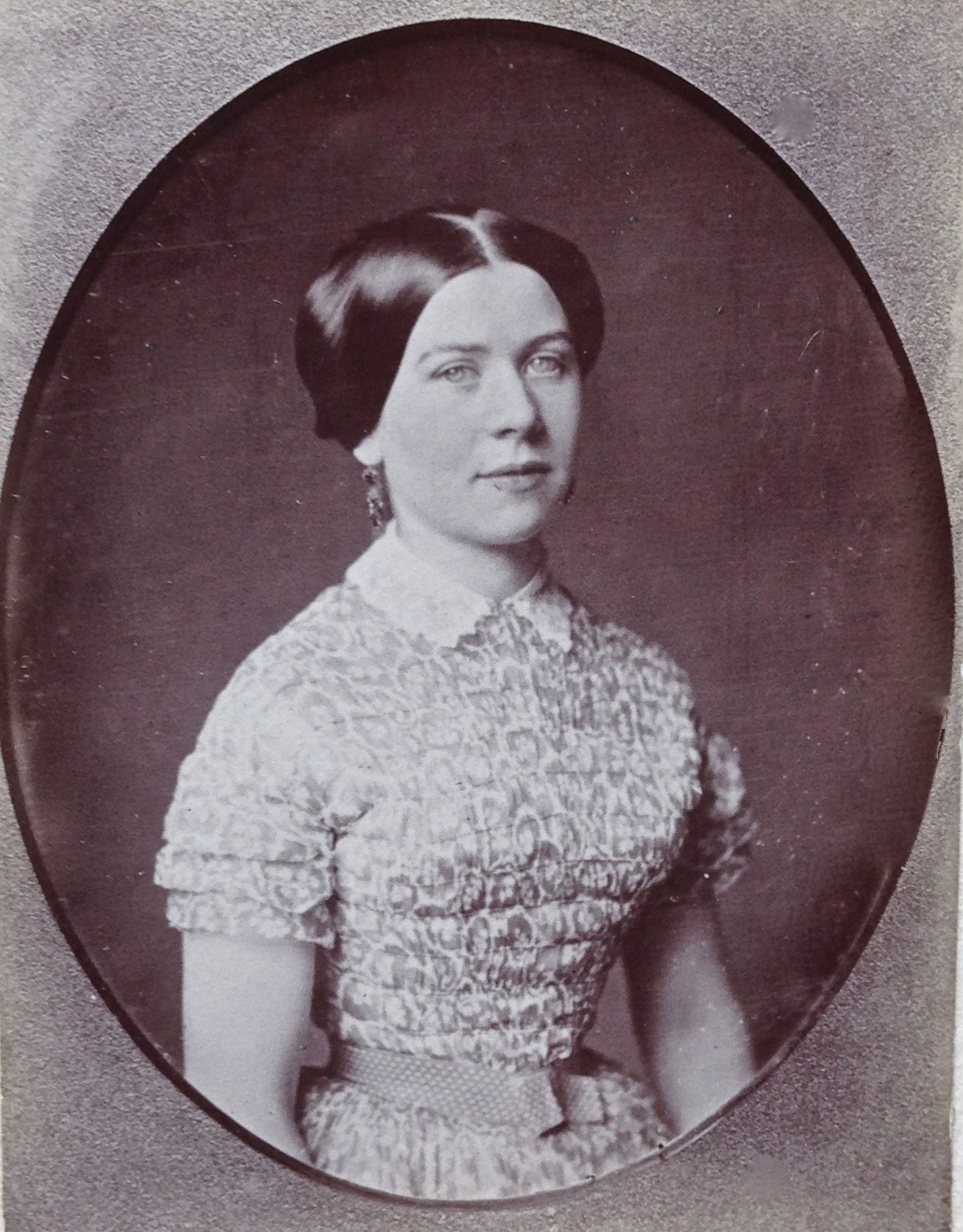
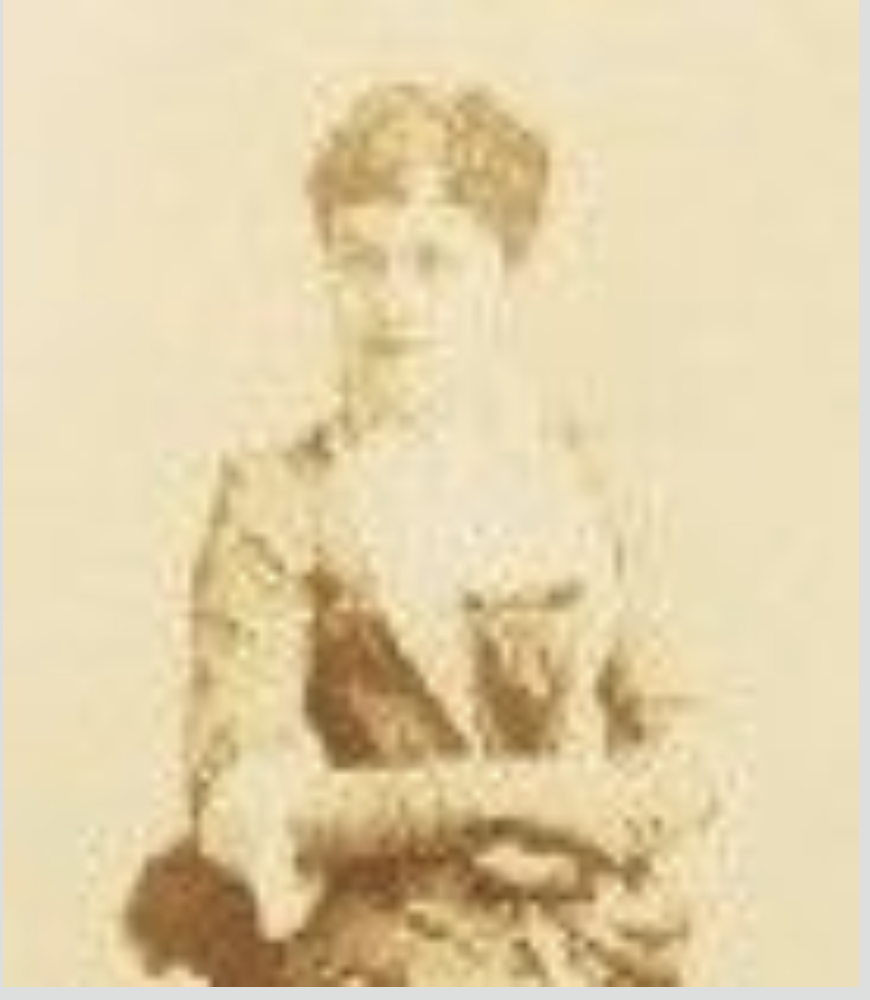
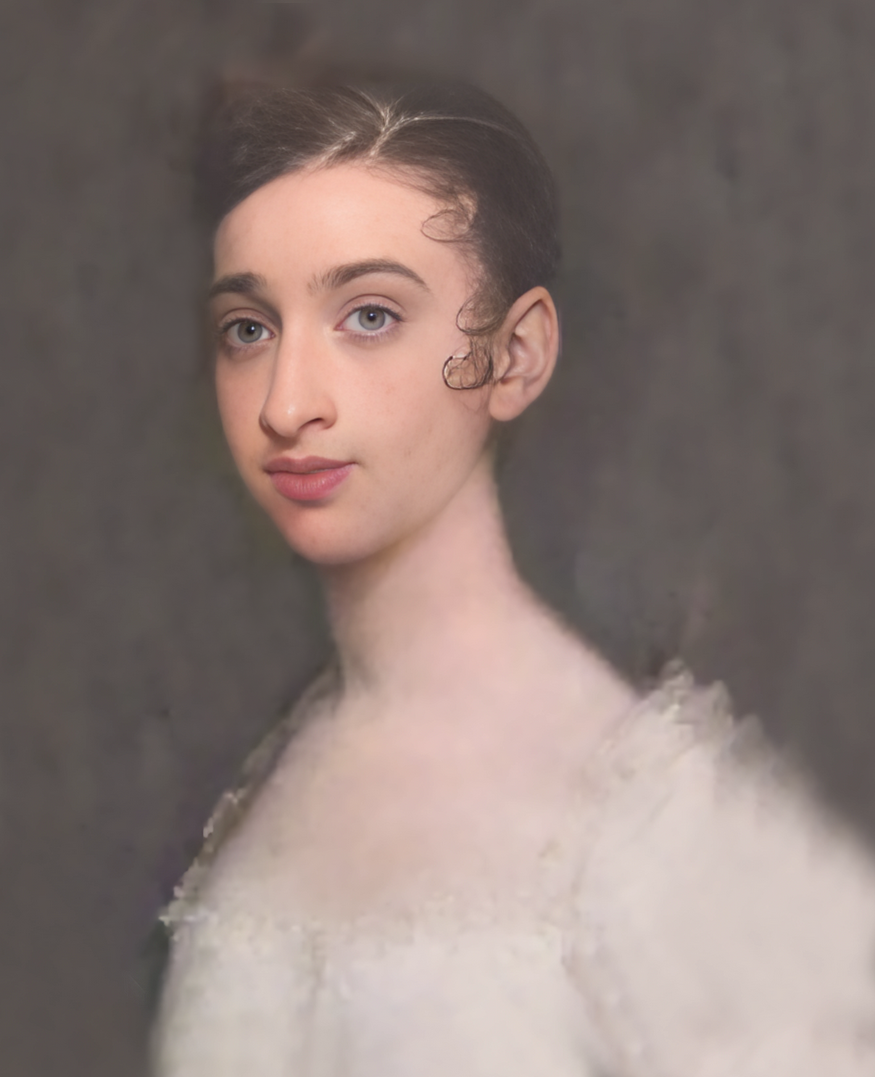
Laura Wolcott Gibbs d'Oremieulx, undated photograph (Newport Historical Society) · From the linked account. Its original credits and image status are preserved there.
Read the source exhibit & its explanation
Laura d’Oremieulx and organized wartime relief
The account identifies Laura d’Oremieulx’s role in the Women’s Central Relief Association and nurse training. It also preserves corrections about the images used to represent her.
What to examine: Find the relief work in the biography and distinguish this Laura from her mother. Compare the photograph’s provenance with the older painting’s attribution note.
Keep this distinction in mind: The family contains repeated names. An appealing portrait is not sufficient identification; the page explicitly rejects an older likeness.
Keep your question in view as you explore. The reading tray retains A Most Vital Start → Cooper Union. Close it to return to this point, or deliberately choose to explore outside the chapter.
Follow a life beyond the page
People you meet here
The book brings you into these lives. Follow a person to the family, service and research records available here. Pension material is identified separately from biography and recollection.
1 connected person in this section · Showing 1 to 1
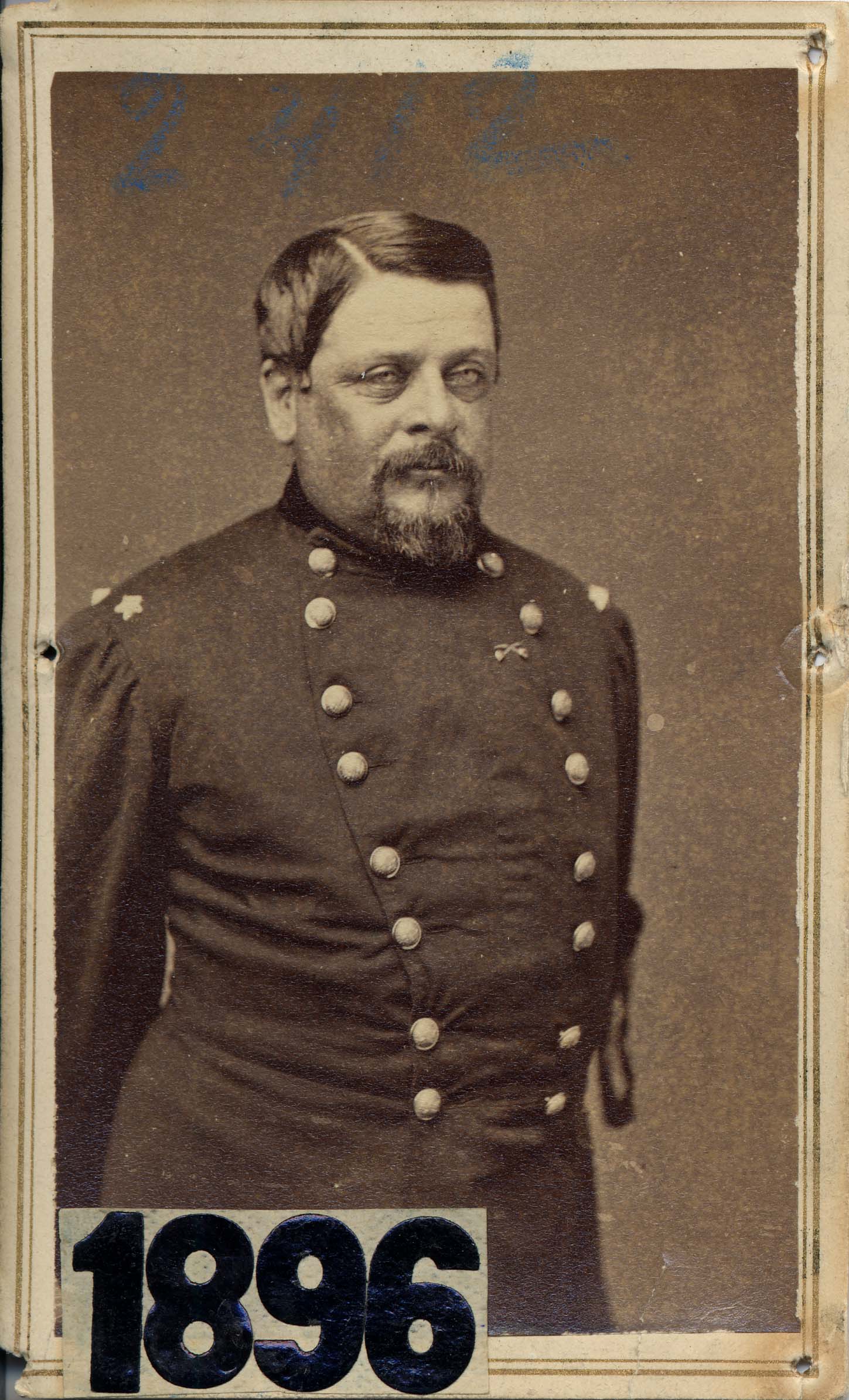
Follow Gibbs through the service and medical records, then Peggy’s petitions after his death. These sources let you distinguish what a doctor observed, what a widow asked for and what an official record actually establishes.
These connections come from the v172 manuscript and existing subject pages. A pension not connected here may still exist elsewhere. Namesakes and uncertain identities are not silently joined.
Follow the words into the evidence
What caught your attention?
Find a line from your reading, then follow its document and the record around it. Matching words helps locate evidence; checking who wrote them, when, and why helps you understand it.
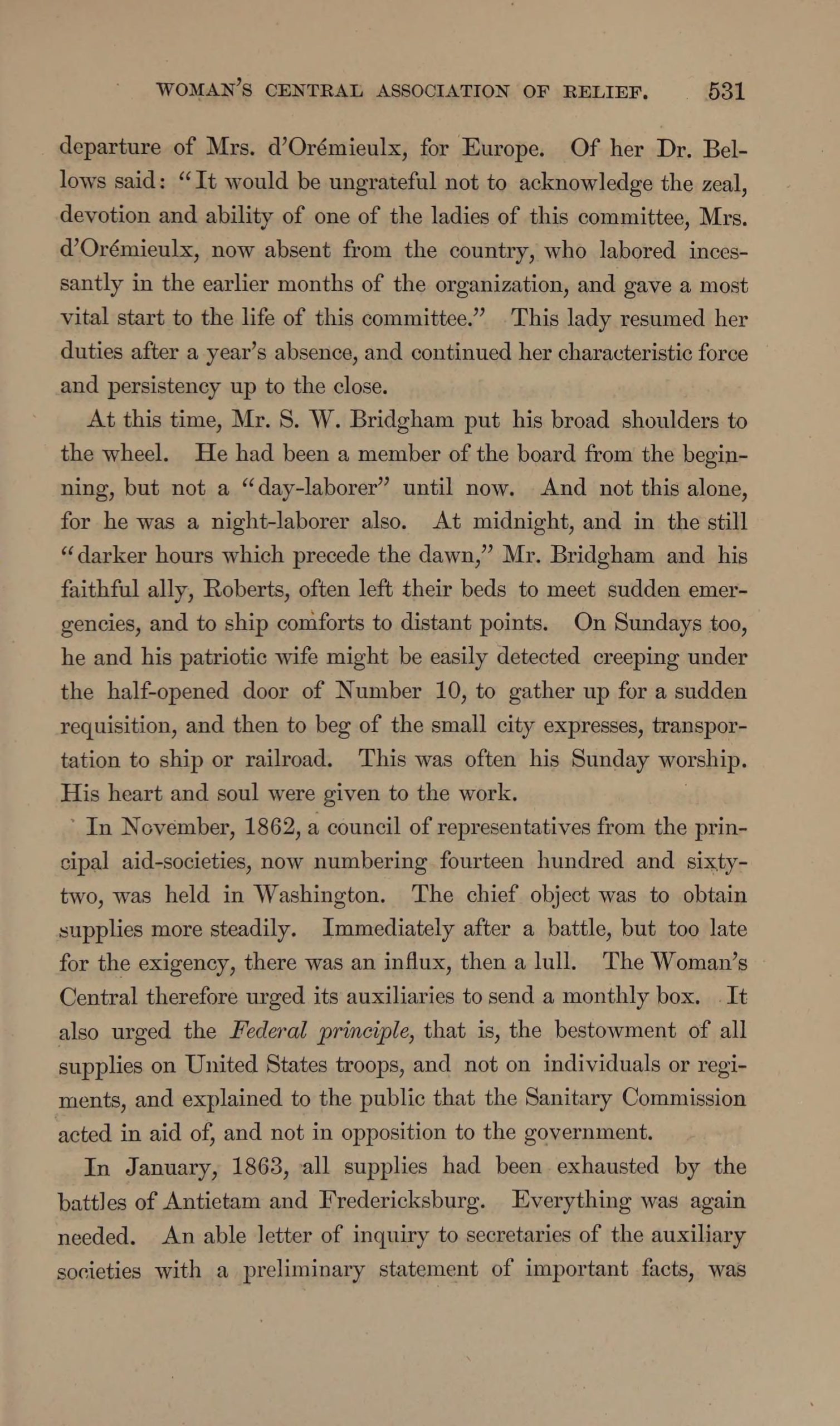
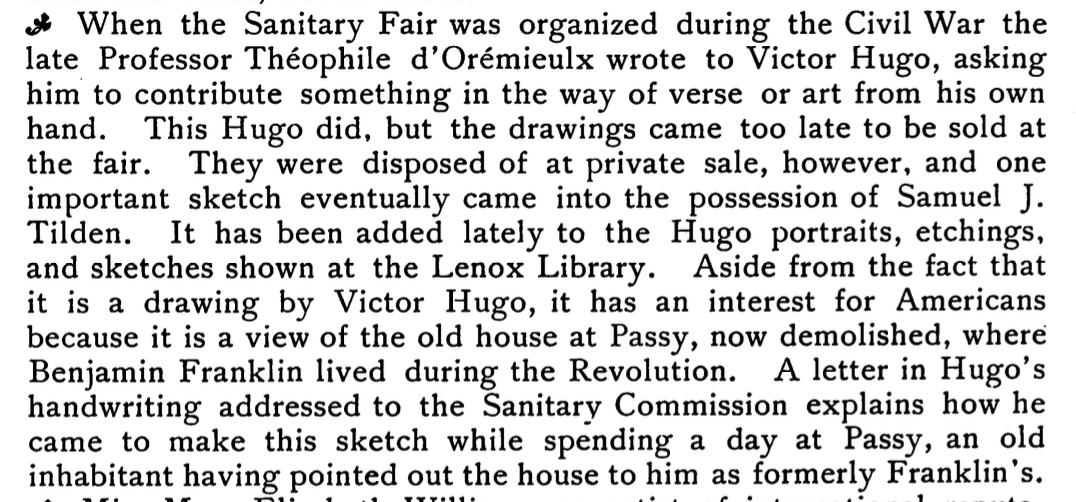
Source identified; supplied locator: page 531 (as numbered in the scan file name) · Review flag: attribution: the scan beside this passage is Brockett, L. P., & Vaughan, M. C. (1867). Woman's work in the Civil War, p. 531, not The Gibbs Family of Rhode Island (1933); the 1933 book may quote it, but the scan is the original to cite
Source identified; supplied locator: page 531 (as numbered in the scan file name) · Review flag: attribution: the scan beside this passage is Brockett, L. P., & Vaughan, M. C. (1867). Woman's work in the Civil War, p. 531, not The Gibbs Family of Rhode Island (1933); the 1933 book may quote it, but the scan is the original to cite
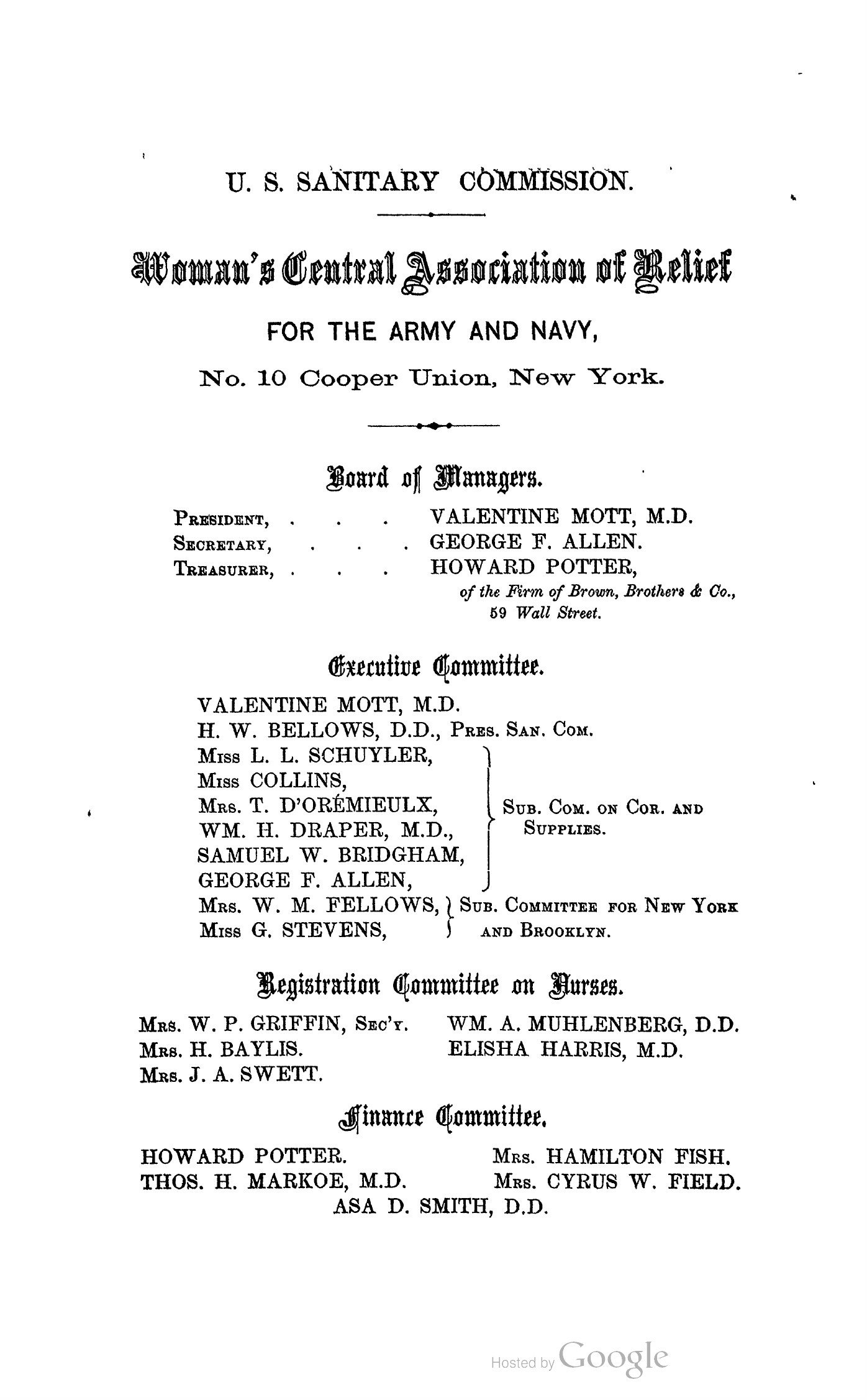
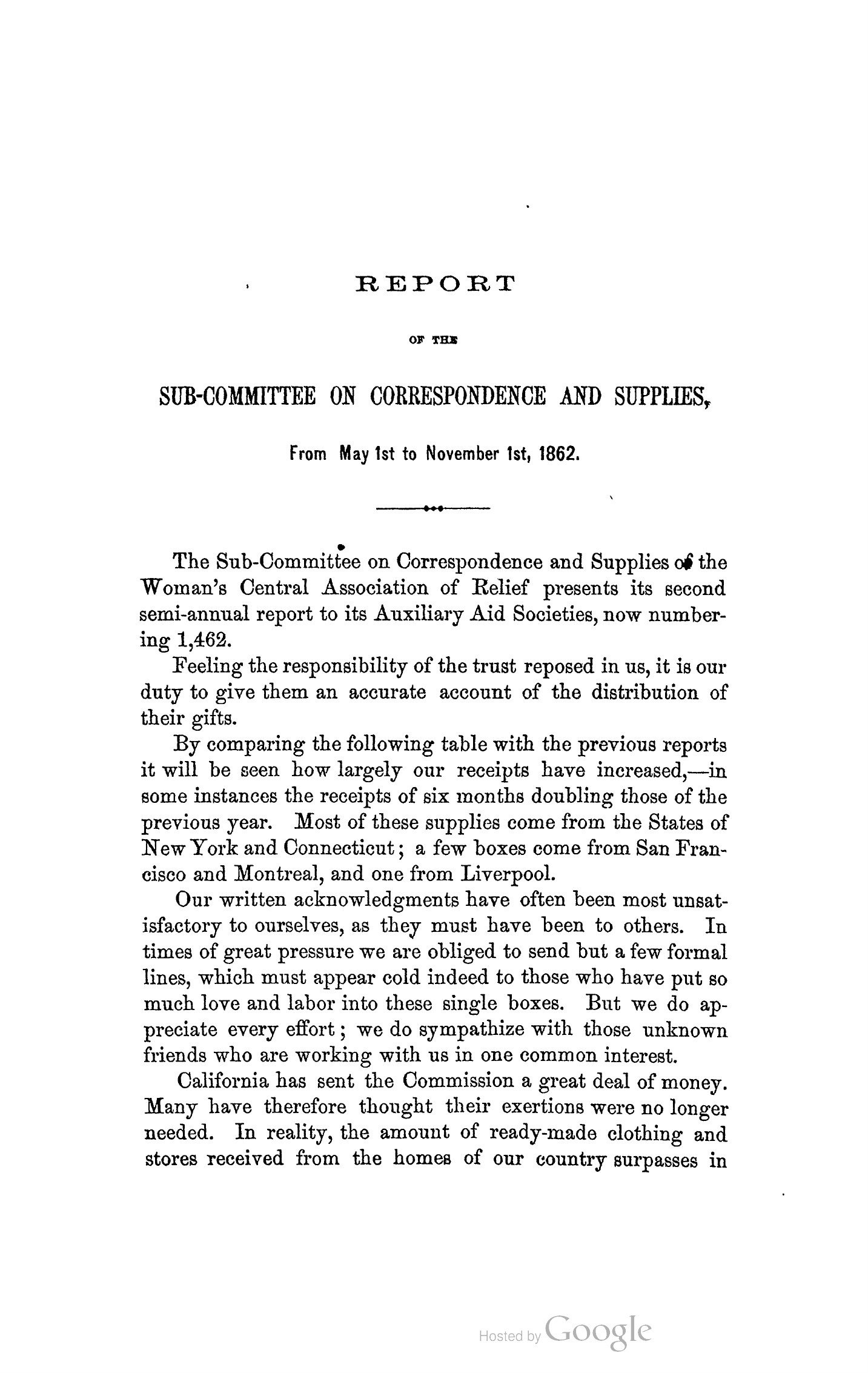
Source identified; supplied locator: scan image on Garland's page · Review flag: attribution: the scan beside this passage is a Woman's Central Association of Relief report (1862), not The Gibbs Family of Rhode Island (1933); the 1933 book may quote it, but the scan is the original to cite
Source identified; supplied locator: scan image on Garland's page · Review flag: attribution: the scan beside this passage is a Woman's Central Association of Relief report (1862), not The Gibbs Family of Rhode Island (1933); the 1933 book may quote it, but the scan is the original to cite
Passage-level sources for this section have not yet been assigned. These are the chapter’s source-note references, provided as starting points rather than proof of this particular section.