
From your reading · 29-028
Follow these words to their source
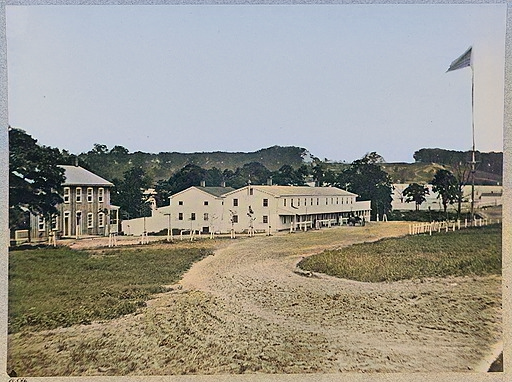
You are exploring Headquarters, Cavalry Reserve Brigade in Gibbs Station. Compare the words used in the book with the source and the context around them.
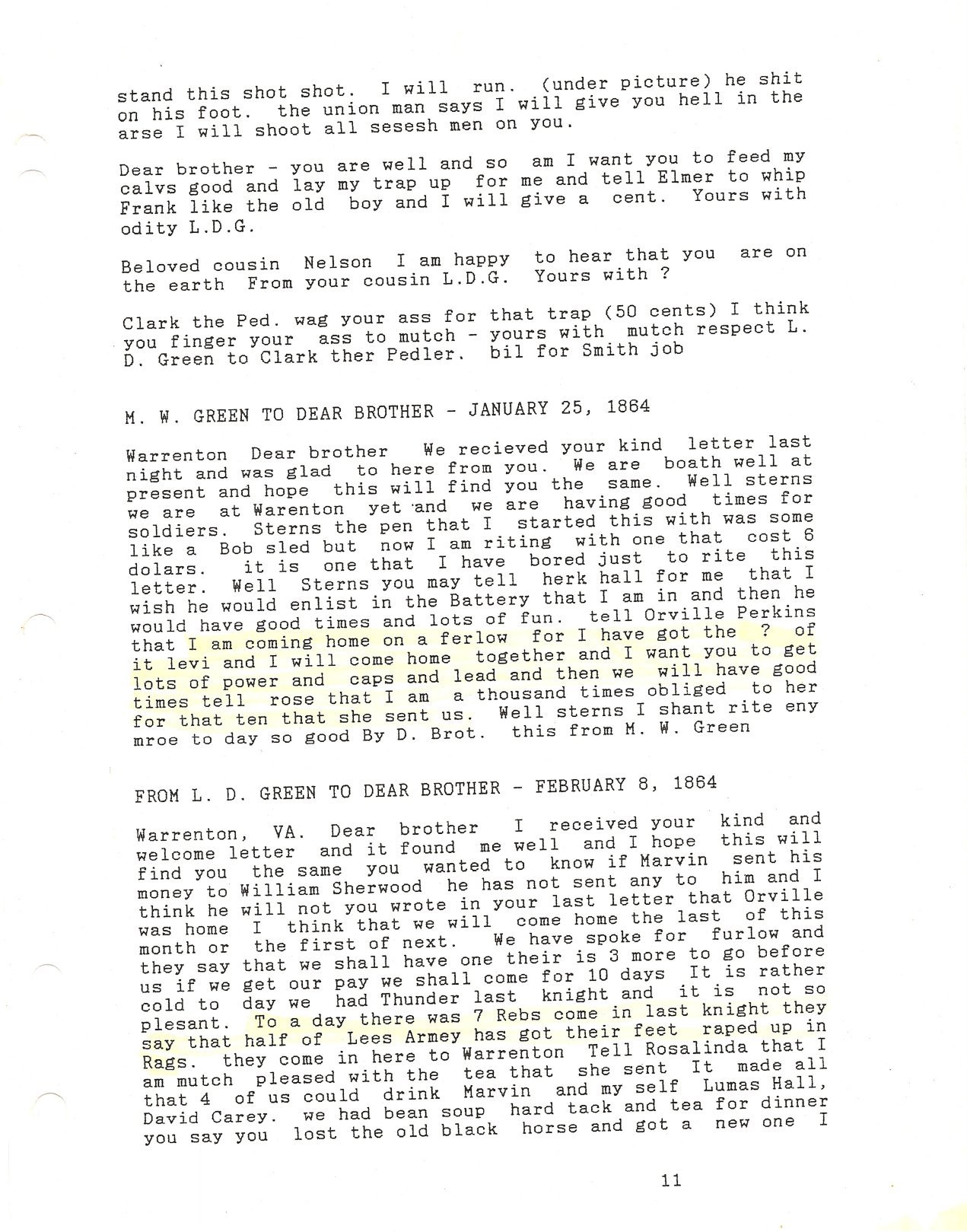
levi and I will come home together.
Source inferred, check against scan
See how the book uses these words
The war did not stop for any of it. On the sixth and seventh of February the Dragoons crossed the Robertson River at Moot's Ford in a demonstration that came to nothing, and lost three men killed and eight wounded. In the camps the men wrote home. Marvin Green, with Levi at Battery K near Warrenton, wrote to his brother John on the twenty-fifth of January that he meant to get a furlough, and "levi
Book context excerpt, up to 400 characters. This is not the full chapter.The connected source
Levi D. Green to Dear Mother, November 25, 1863
Green family letter · Green family letters (transcripts of the originals, which are in family hands)
placed by its position on the page that transcribes it (check against the scan). A text match or page placement does not establish that the scan has been reviewed.
Questions to bring to the source
Who wrote this, and who was meant to read it? Is the writer describing an event they witnessed, reporting news from someone else, or remembering it later? Read the surrounding lines and compare dates, names and uncertain words.
Begin with the source page
Read beside the scan
Scan of the Marjorie Kuski typescript of the Green family letters. The quotation's words were found on this page.
A transcription has not yet been connected to this scan.
Read the research account used for this passage
The book catalog explicitly points to these preserved site pages. Read the account and follow its reproduced documents and citations. A research account is an intermediary, not automatically the original evidence.
The person behind the name
People named in this passage
Follow the lives and existing research connected to names in these words or their book context. These person connections do not establish the source of the quotation.
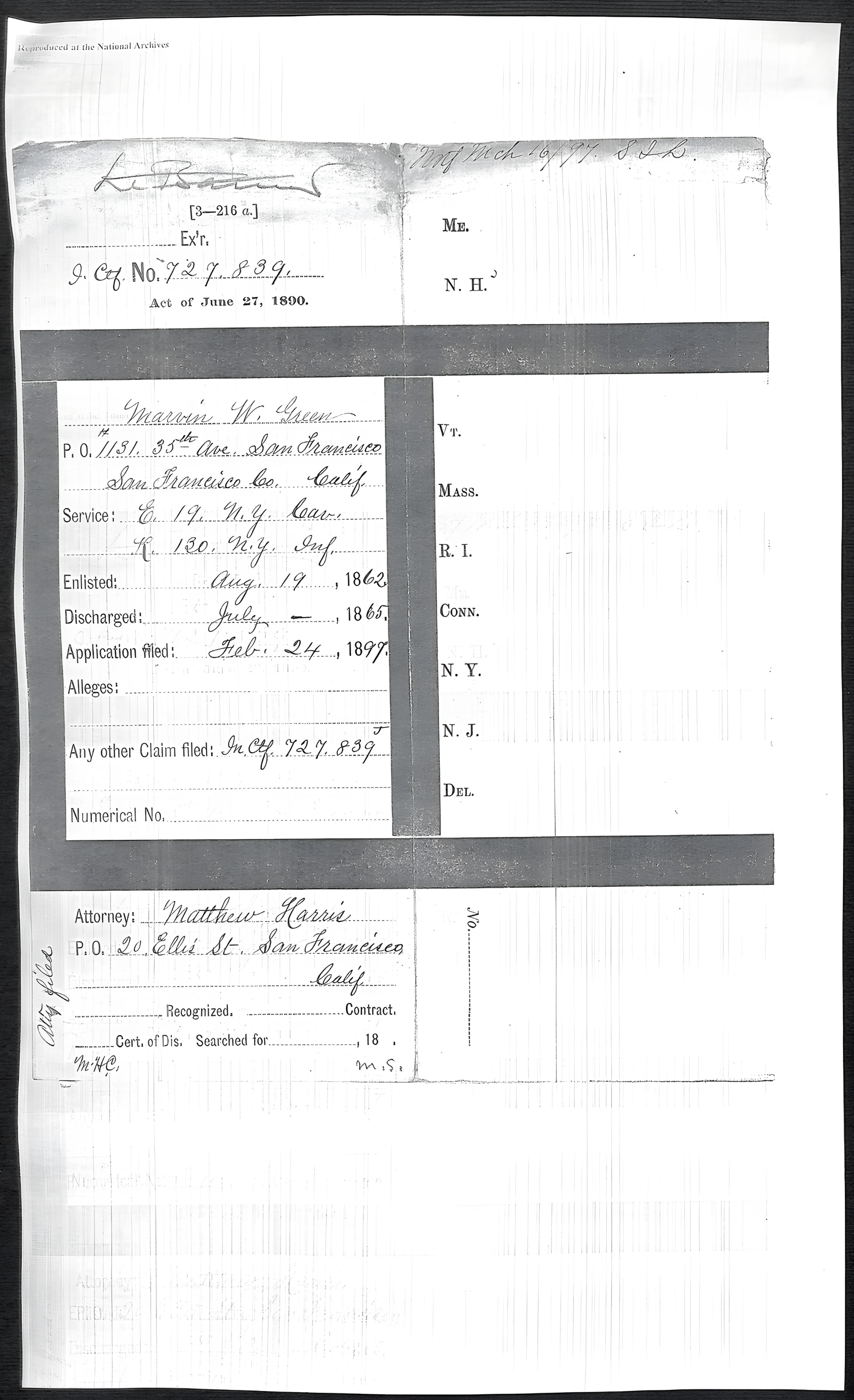
Marvin Wheeler Green
Marvin survived the war that took his brother Levi. Follow his letters, then the pension applications, medical evidence and Elvira’s widow’s claim to see how their family history continues after the fighting.
Follow this person through the research →Continue your learning journey
Explore the sources behind Gibbs Station →
Follow the people in this chapter →