
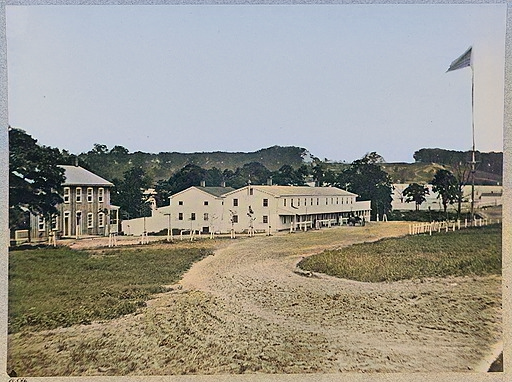
From your reading · 26-097
Follow these words to their source
You are exploring Manassas Junction in Furnish Half the Horses. Compare the words used in the book with the source and the context around them.
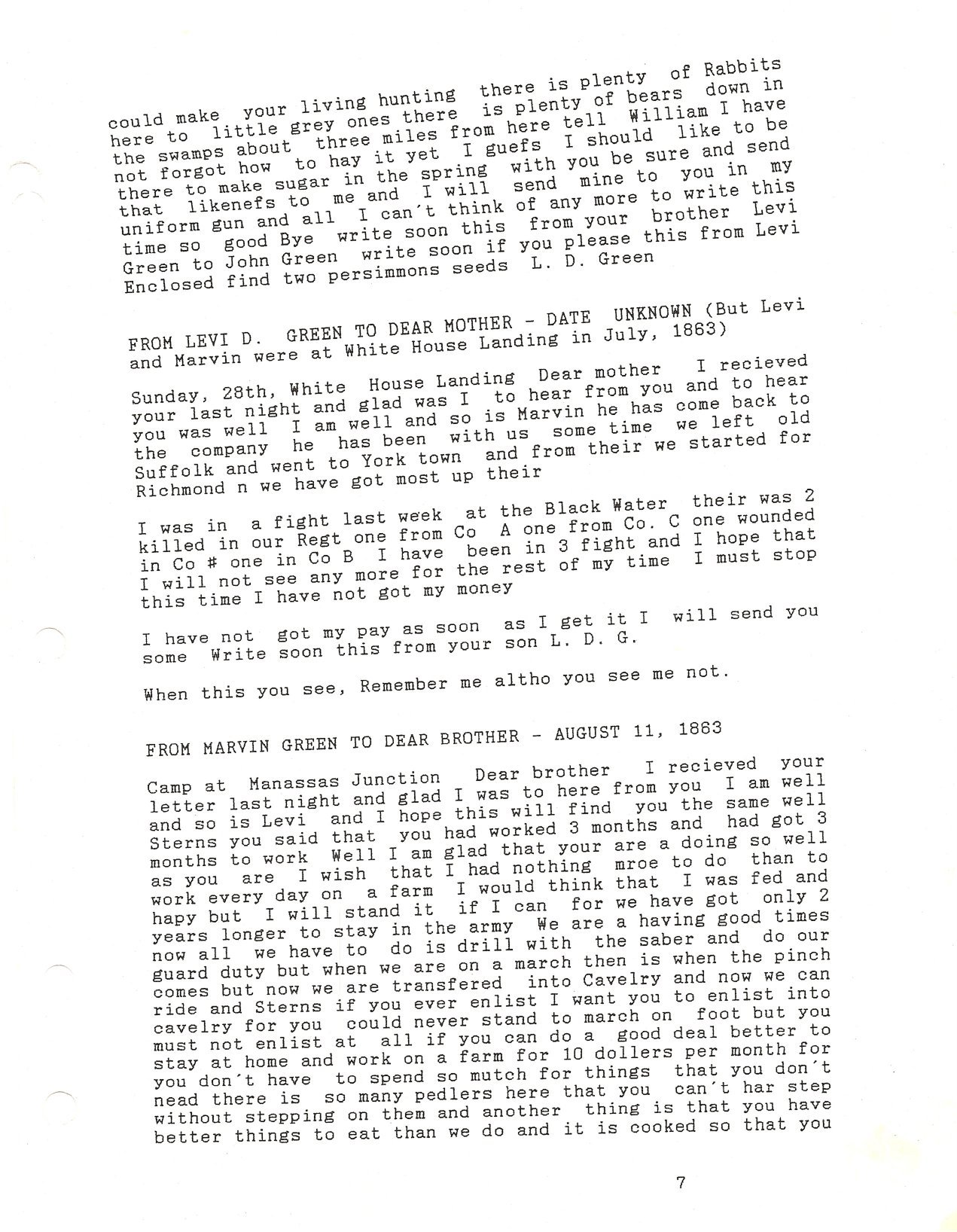
You must not enlist at all if you can do a good deal better to stay at home and work on a farm.
Source inferred, check against scan
See how the book uses these words
Marvin Green, Levi's brother, wrote home the next day to their brother John on the farm. "We are a having good times now all we have to do is drill with the saber and do our guard duty but when we are on a march then is when the pinch comes but now we are
transfered into Cavelry and now we can ride." He told John that if he ever enlisted, it should be in the cavalry, "for you could never stand to
The connected source
Marvin Green to Dear Brother, August 11, 1863
Green family letter · Green family letters (transcripts of the originals, which are in family hands)
placed by its position on the page that transcribes it (check against the scan). A text match or page placement does not establish that the scan has been reviewed.
Questions to bring to the source
Who wrote this, and who was meant to read it? Is the writer describing an event they witnessed, reporting news from someone else, or remembering it later? Read the surrounding lines and compare dates, names and uncertain words.
Begin with the source page
Read beside the scan
Scan of the Marjorie Kuski typescript of the Green family letters. The quotation's words were found on this page.
A transcription has not yet been connected to this scan.
Read the research account used for this passage
The book catalog explicitly points to these preserved site pages. Read the account and follow its reproduced documents and citations. A research account is an intermediary, not automatically the original evidence.
The person behind the name
People named in this passage
Follow the lives and existing research connected to names in these words or their book context. These person connections do not establish the source of the quotation.
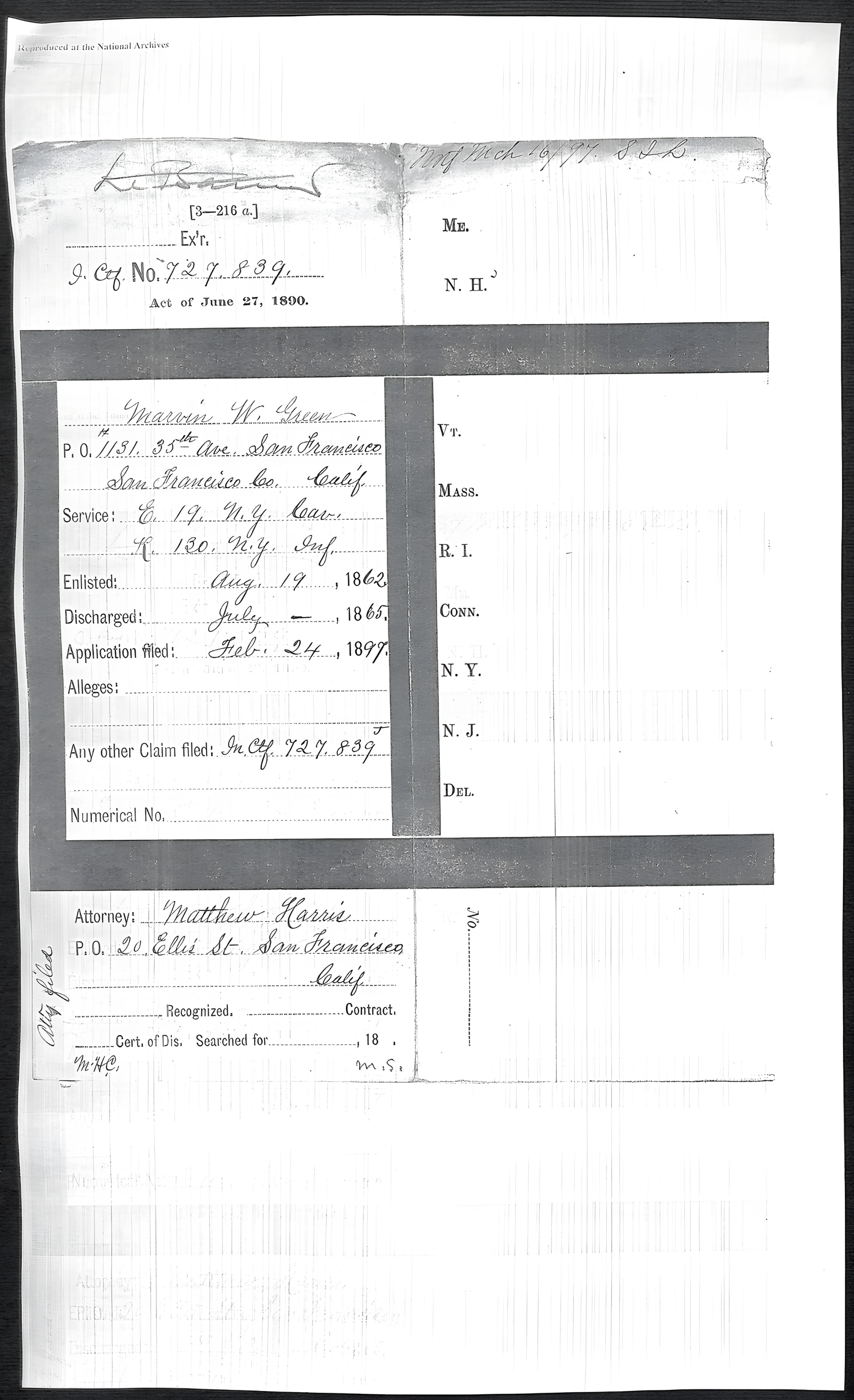
Marvin Wheeler Green
Marvin survived the war that took his brother Levi. Follow his letters, then the pension applications, medical evidence and Elvira’s widow’s claim to see how their family history continues after the fighting.
Follow this person through the research →Continue your learning journey
Explore the sources behind Furnish Half the Horses →
Follow the people in this chapter →
Return to Furnish Half the Horses and its quotation ledger →