The book is finished.GIBBS: The Forgotten Warrior of the First New York Dragoons, by Garland H. Green Jr. How to order is coming soon; you can reserve a copy now. Reserve a copy →
Start with the guided reading below, or search this chapter for a person, quotation or topic. Follow the writing and evidence behind this part of GIBBS.
What would you like to explore in Unfading Laurels?
Go beyond the book · Unfading Laurels
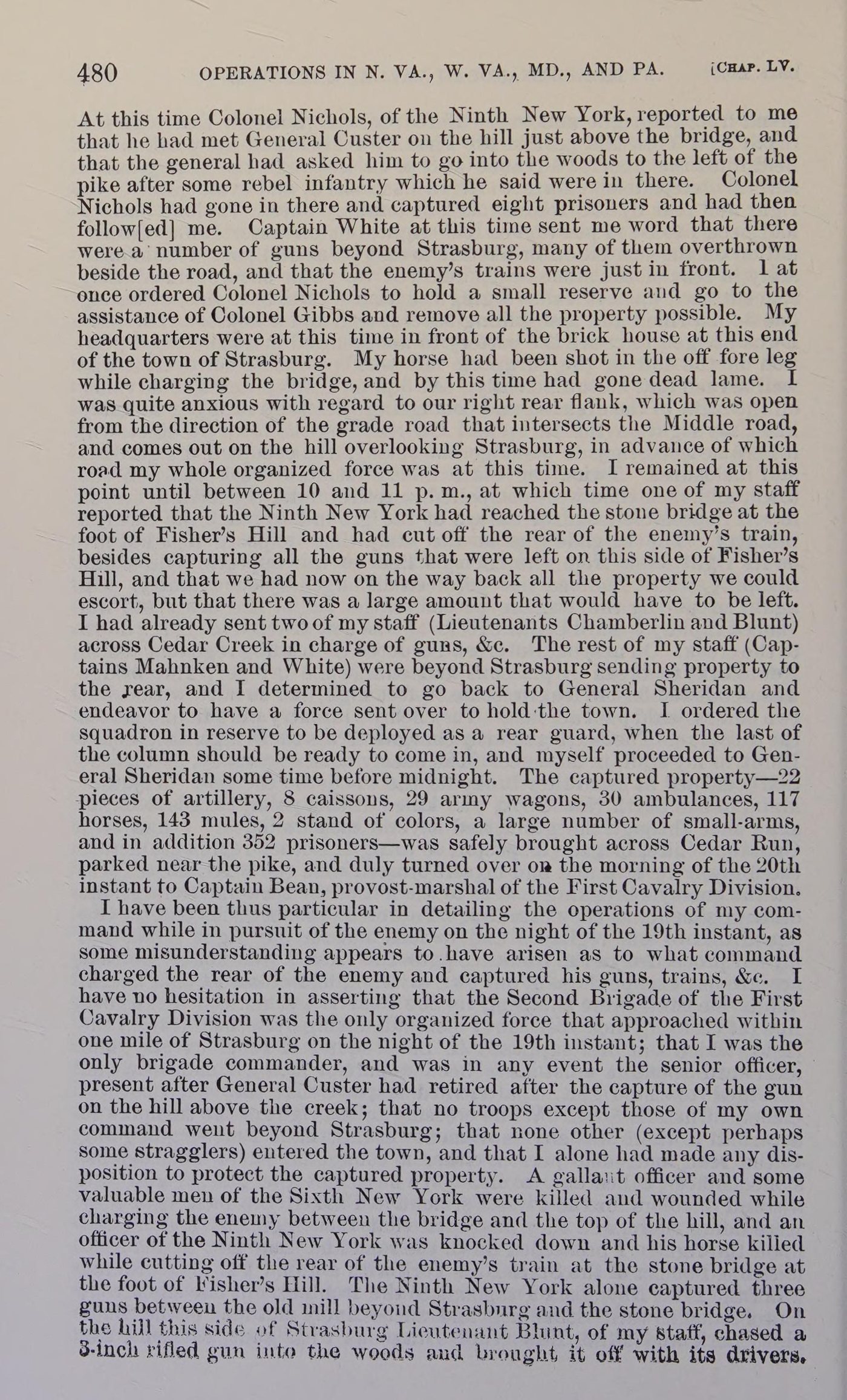
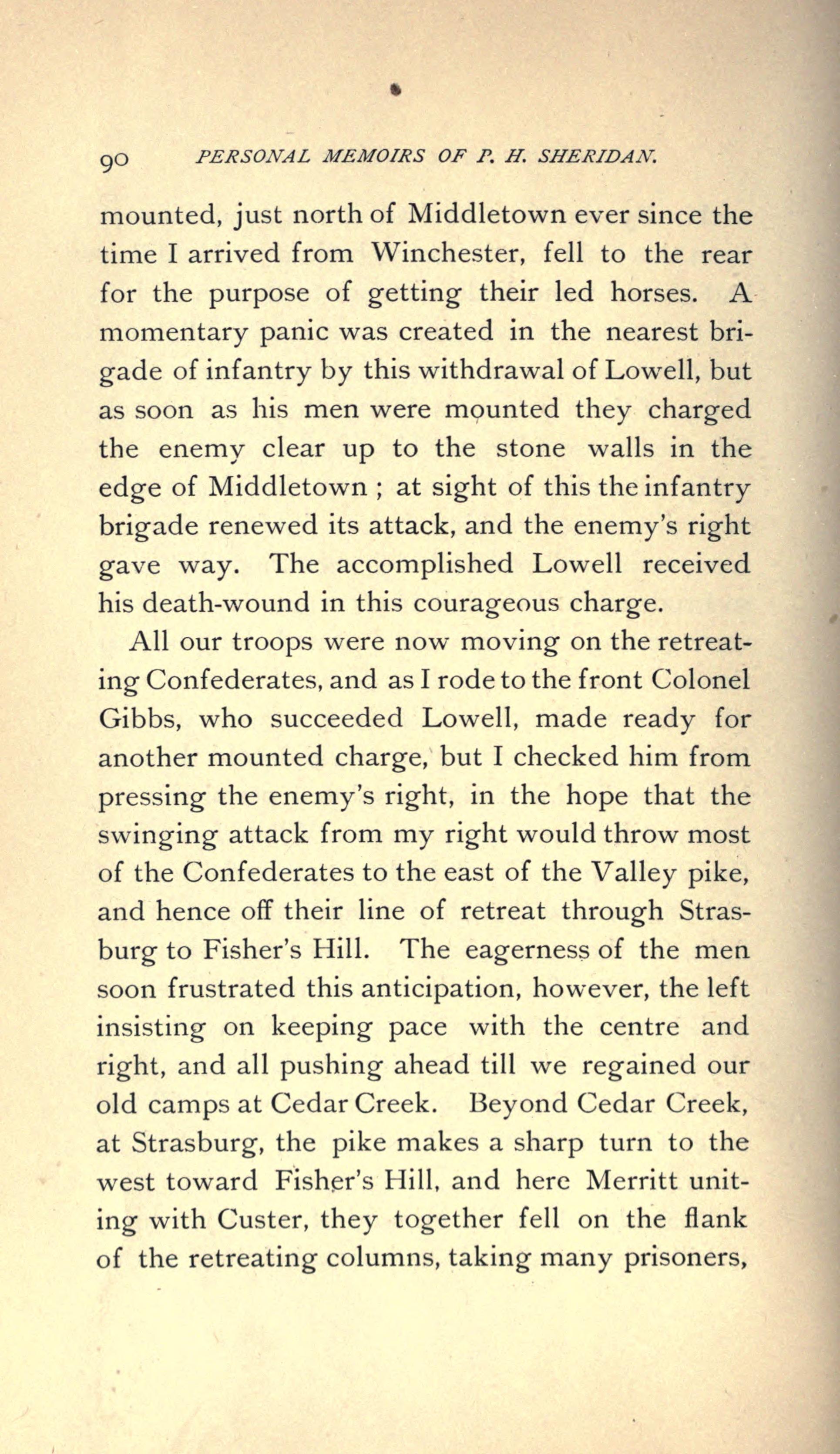
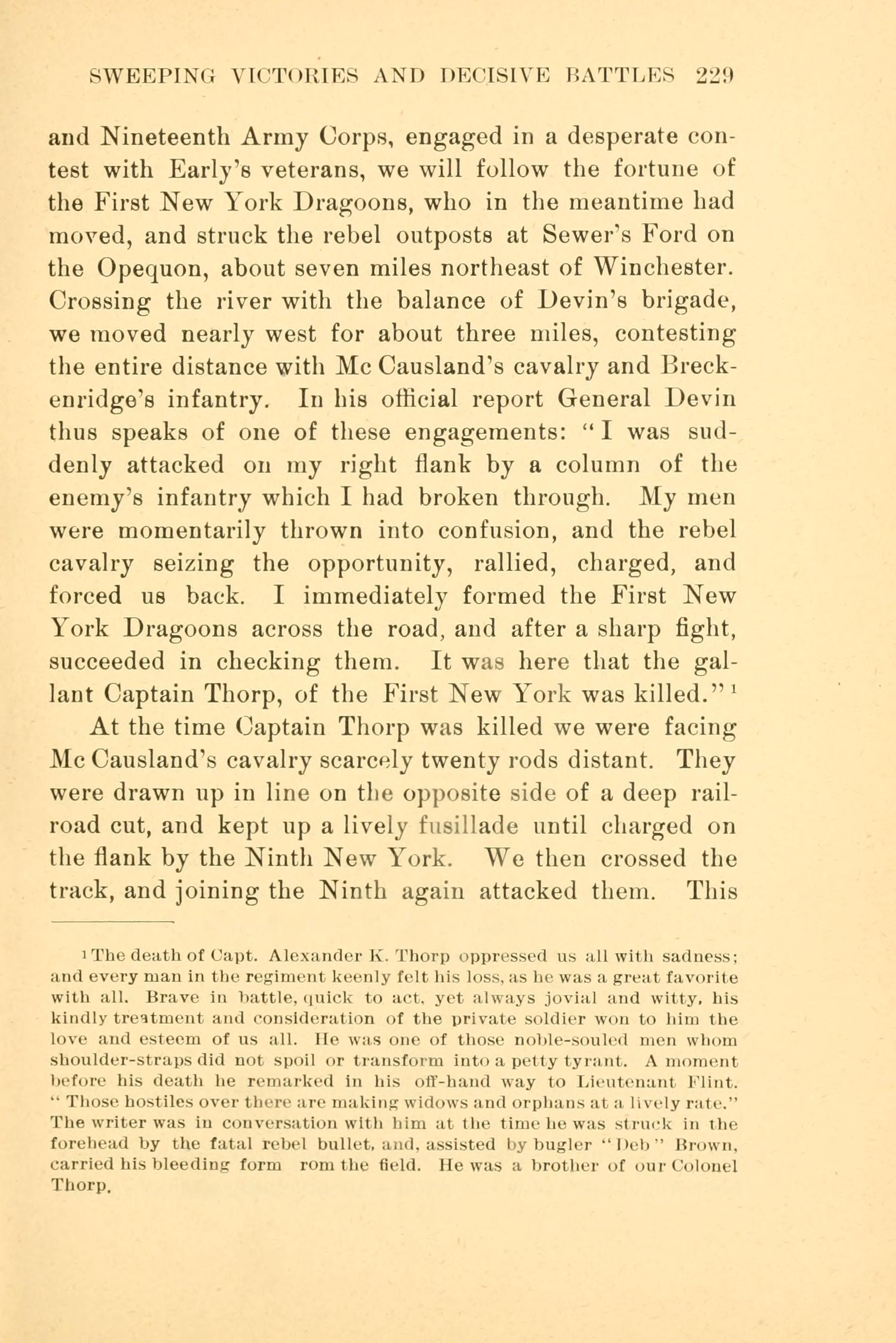
Compare a commander’s report with the remembered charge
The Valley chapter moves through changing commands and several battles. Devin’s report supplies a dated account of Gibbs’s role that can be compared with the regiment’s later memories.
New to these records? A little context.
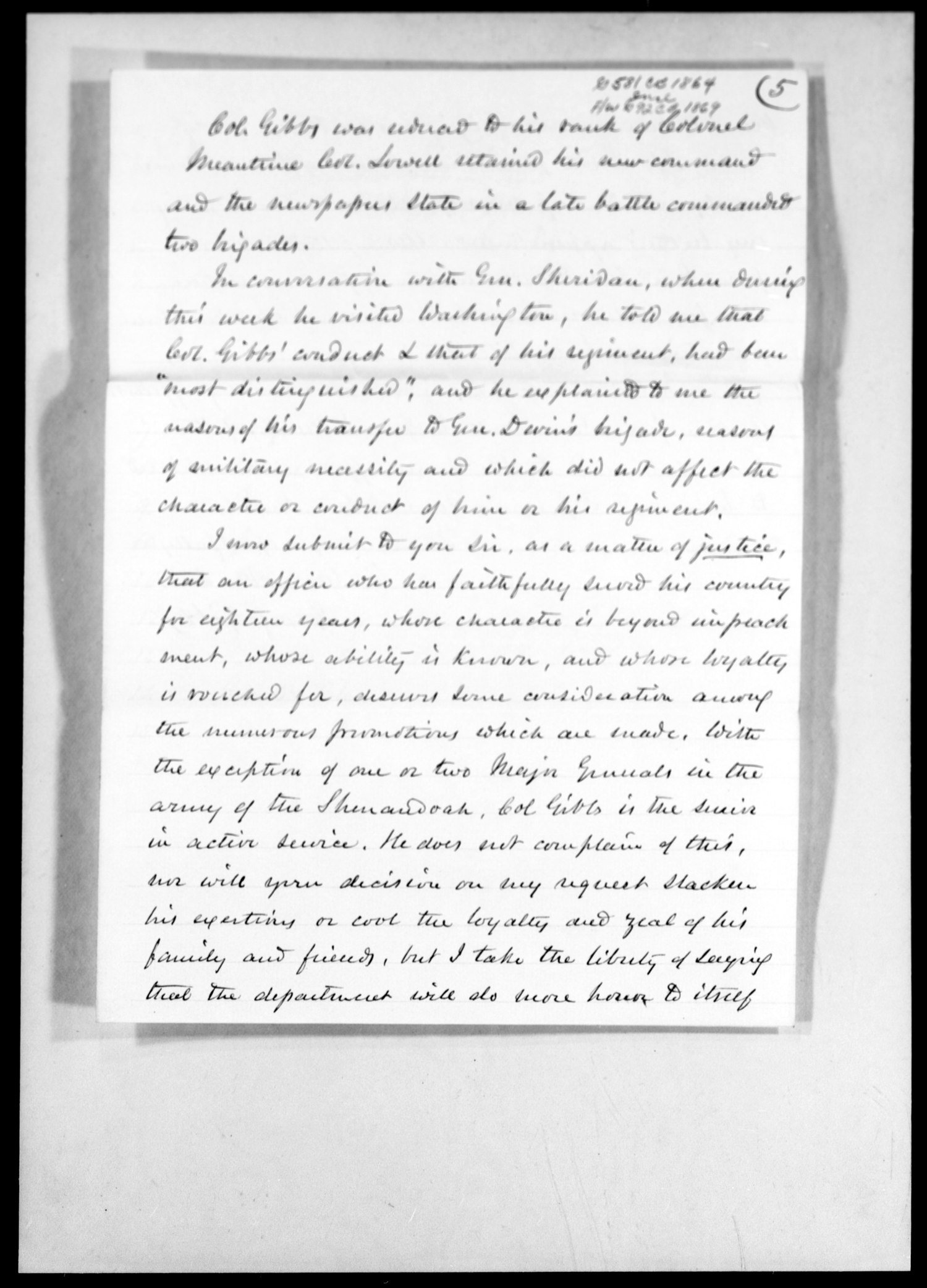
A docket is an office’s summary or filing note; it may be on a wrapper rather than in the letter. An endorsement is another official’s response or forwarding note. Read each voice and date separately. A transcription is a reading of a document, with uncertain words marked where the exhibit provides them.
Who commanded whom, and when?
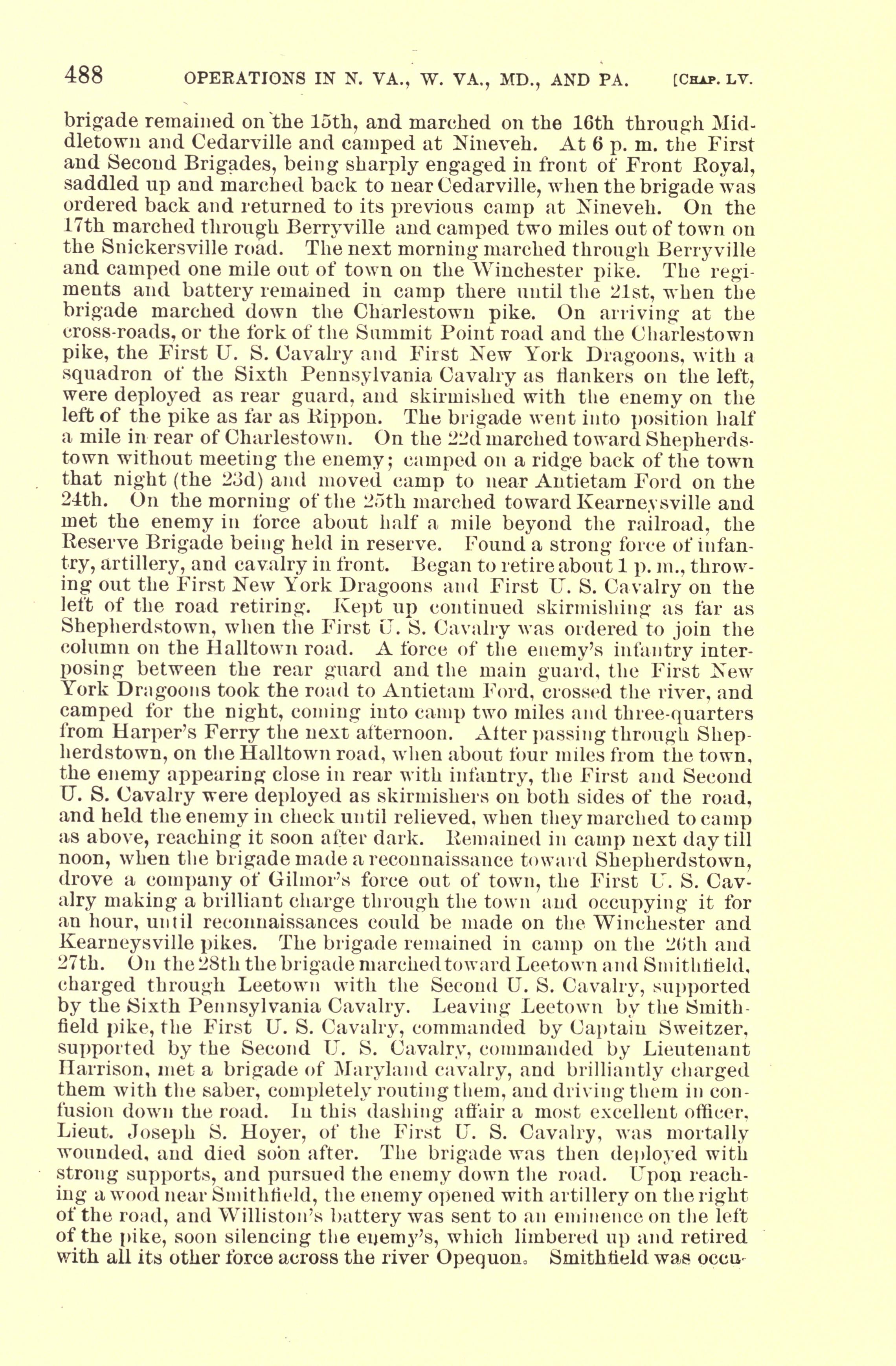
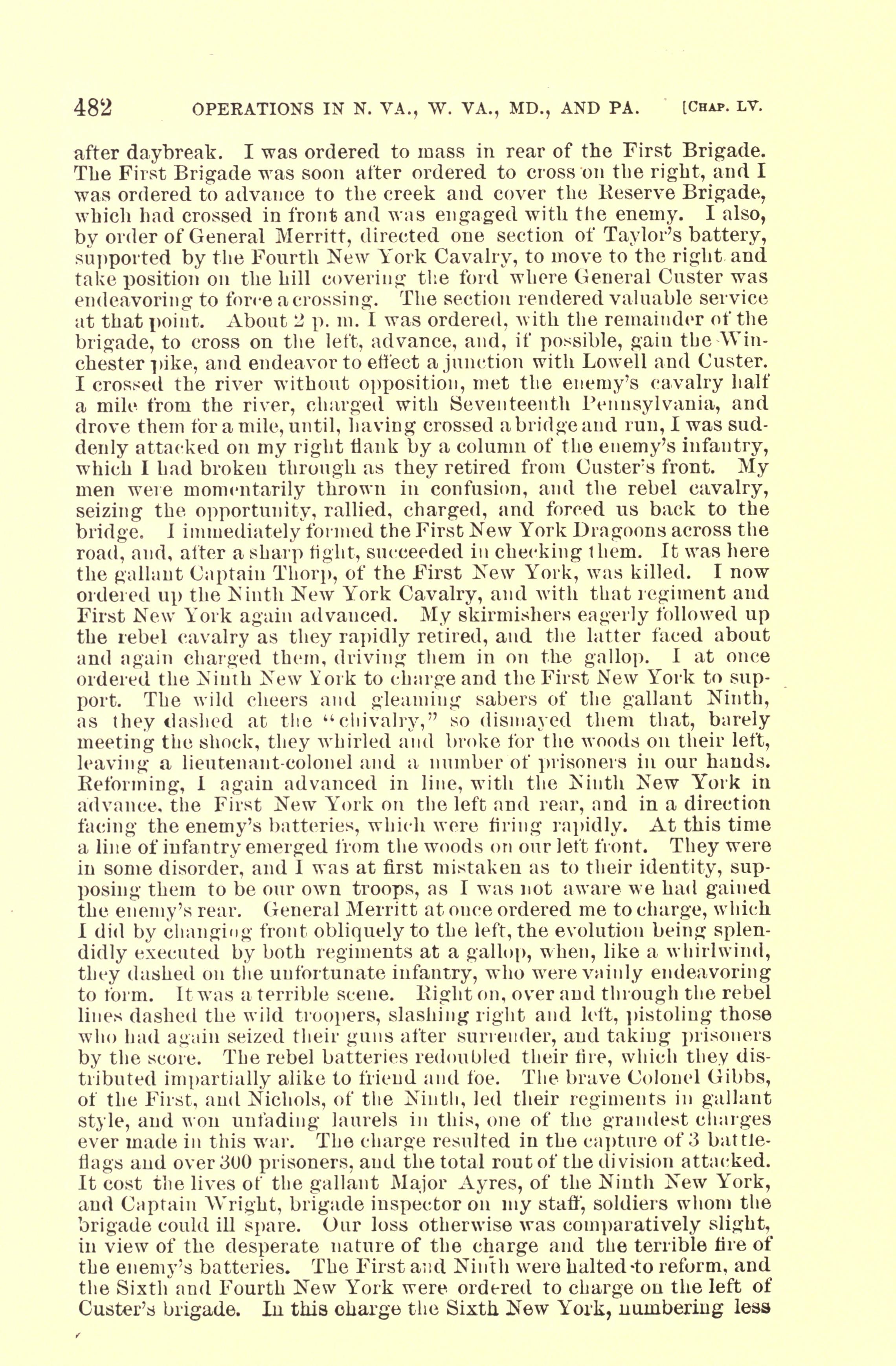
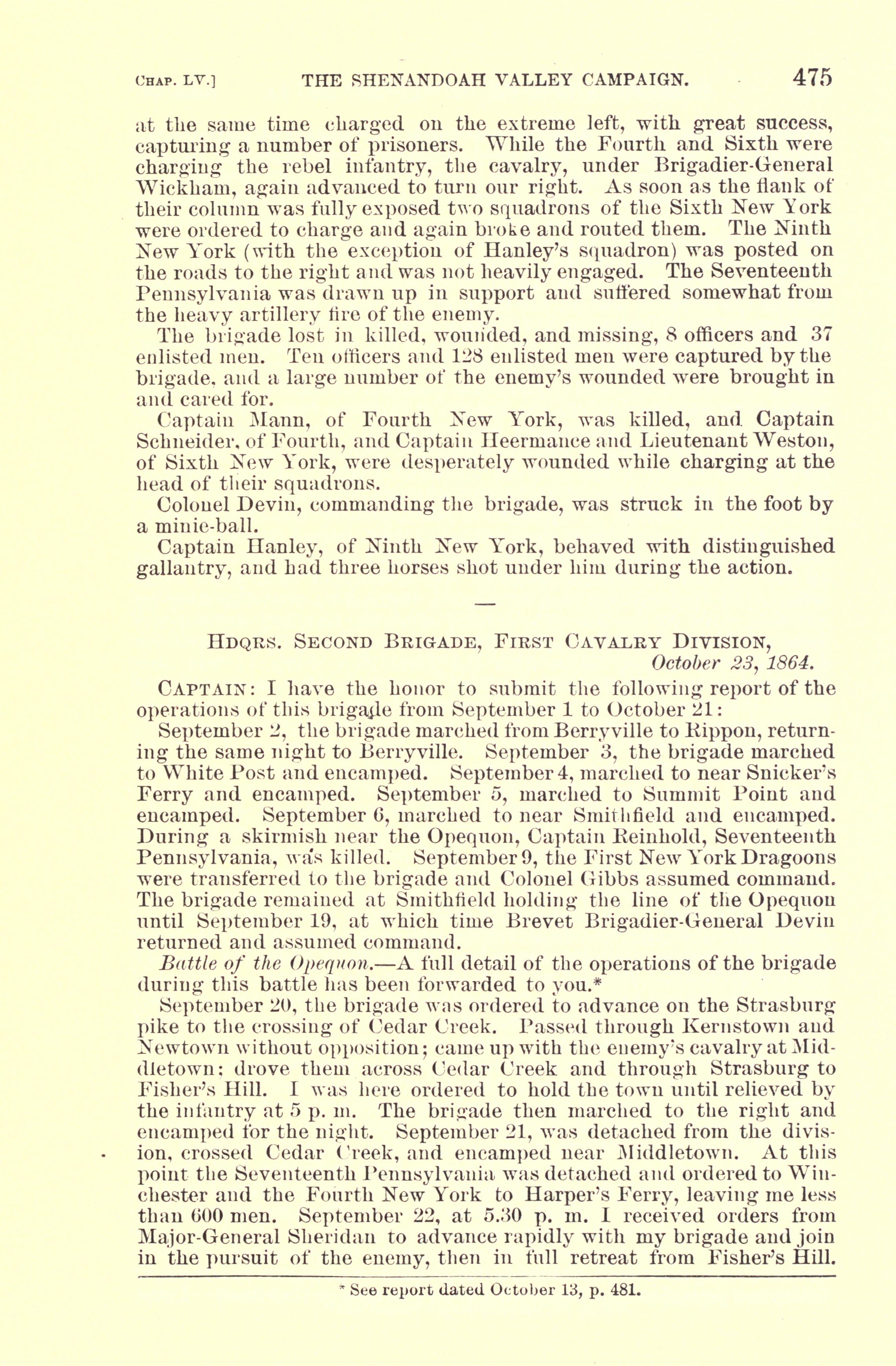
Devin report No.144 Official Records p.480 · From the linked account. Its original credits and image status are preserved there.
Read the source exhibit & its explanation
Devin’s Valley reports and the Dragoons
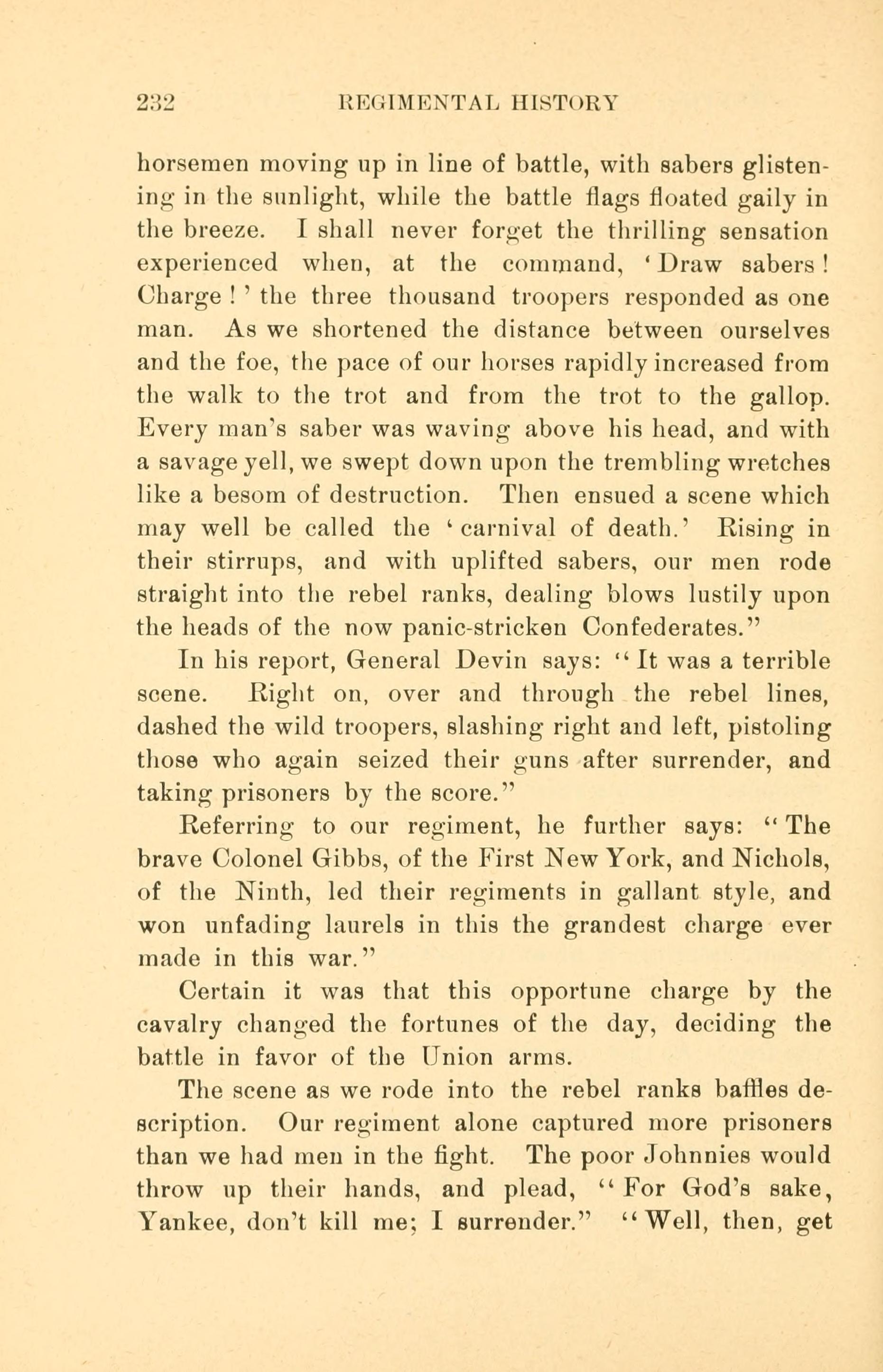
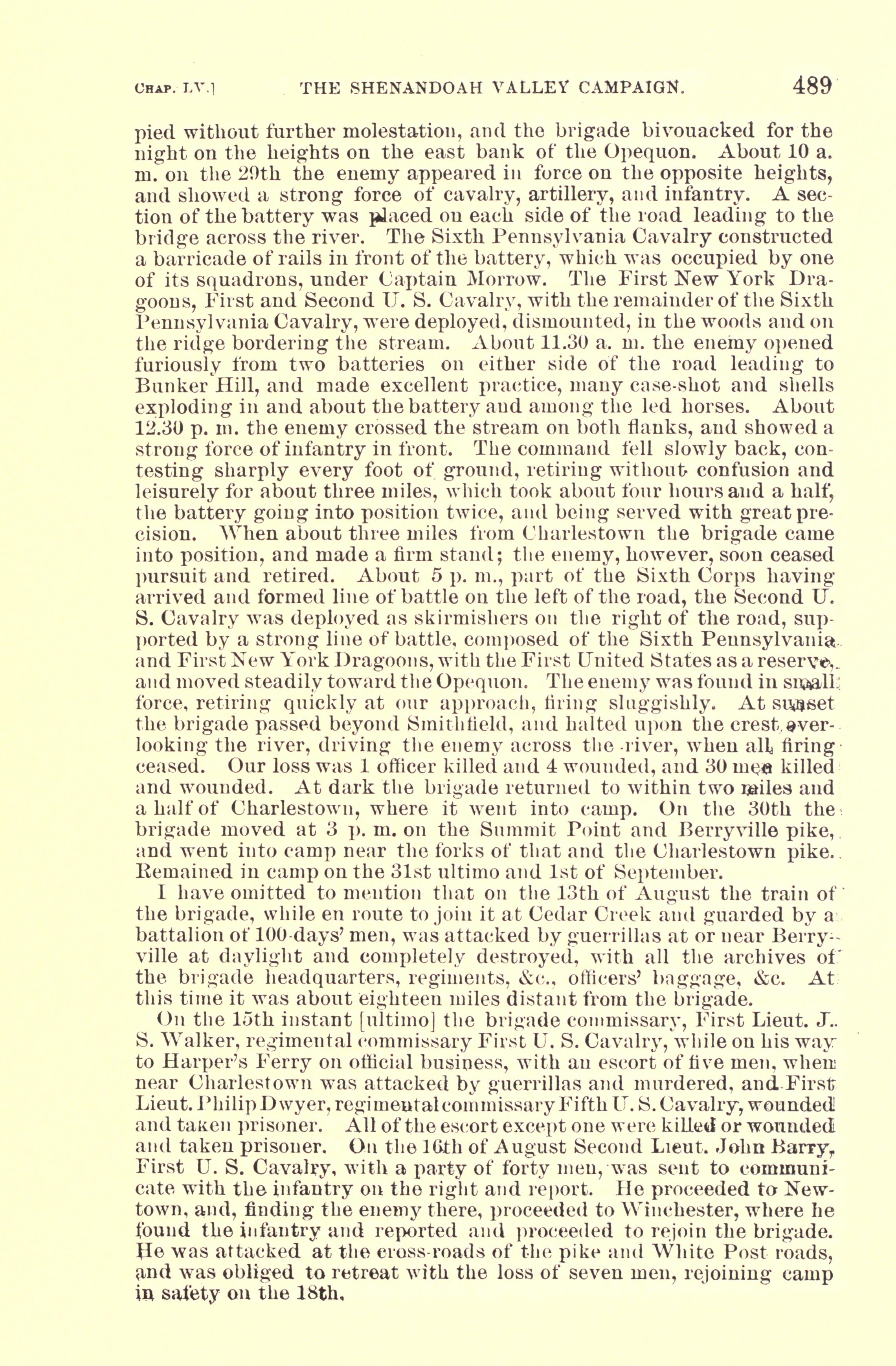
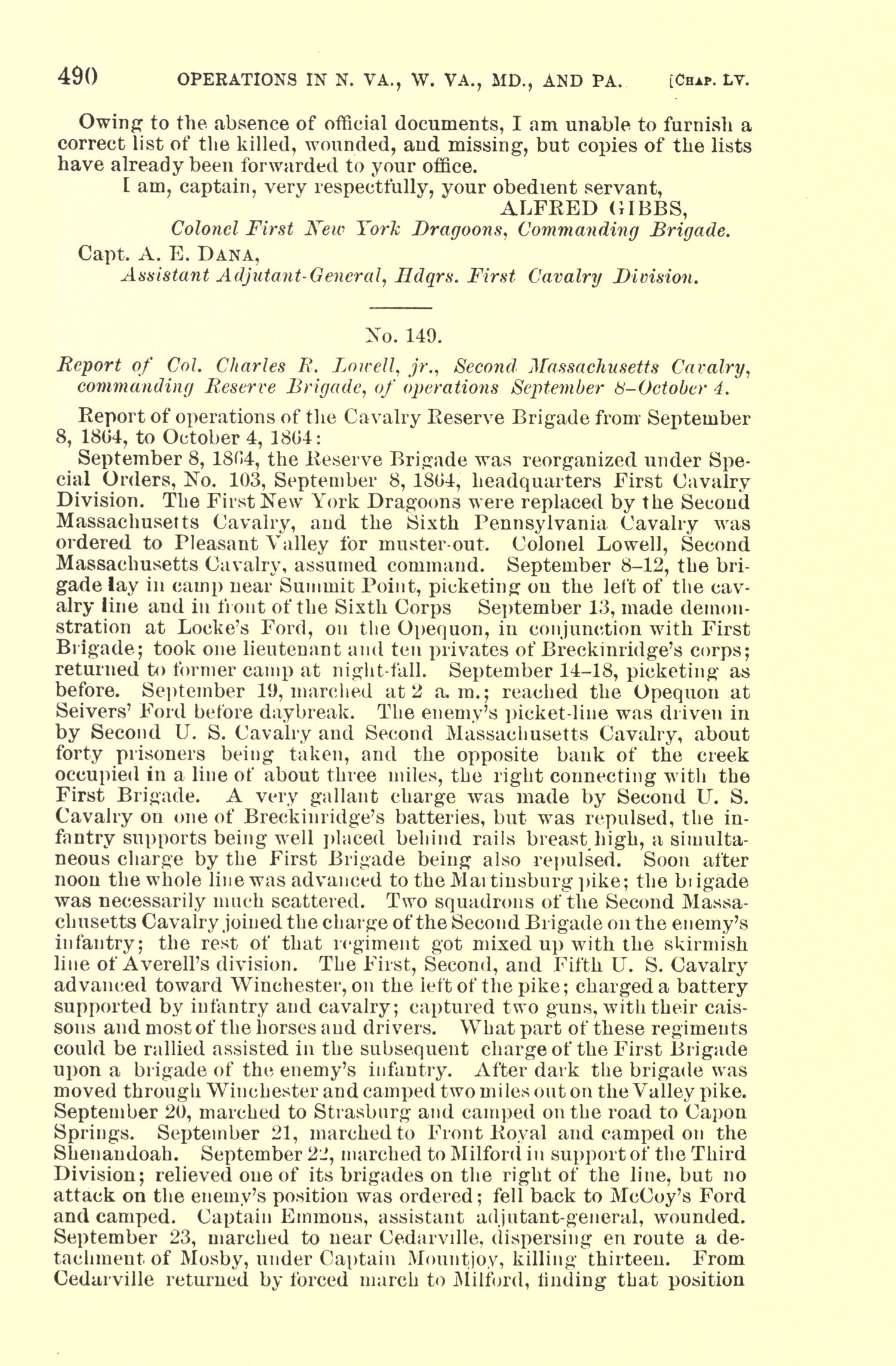
The account quotes Devin on the September 9–19 command interval and on the Dragoons at Third Winchester. It includes the printed report pages behind the chapter’s title.
What to examine: Compare the dated command statement with the Third Winchester passage naming Gibbs and Nichols. Then enter the separate guided comparison of Thorp’s death and Harriet’s pension brief.
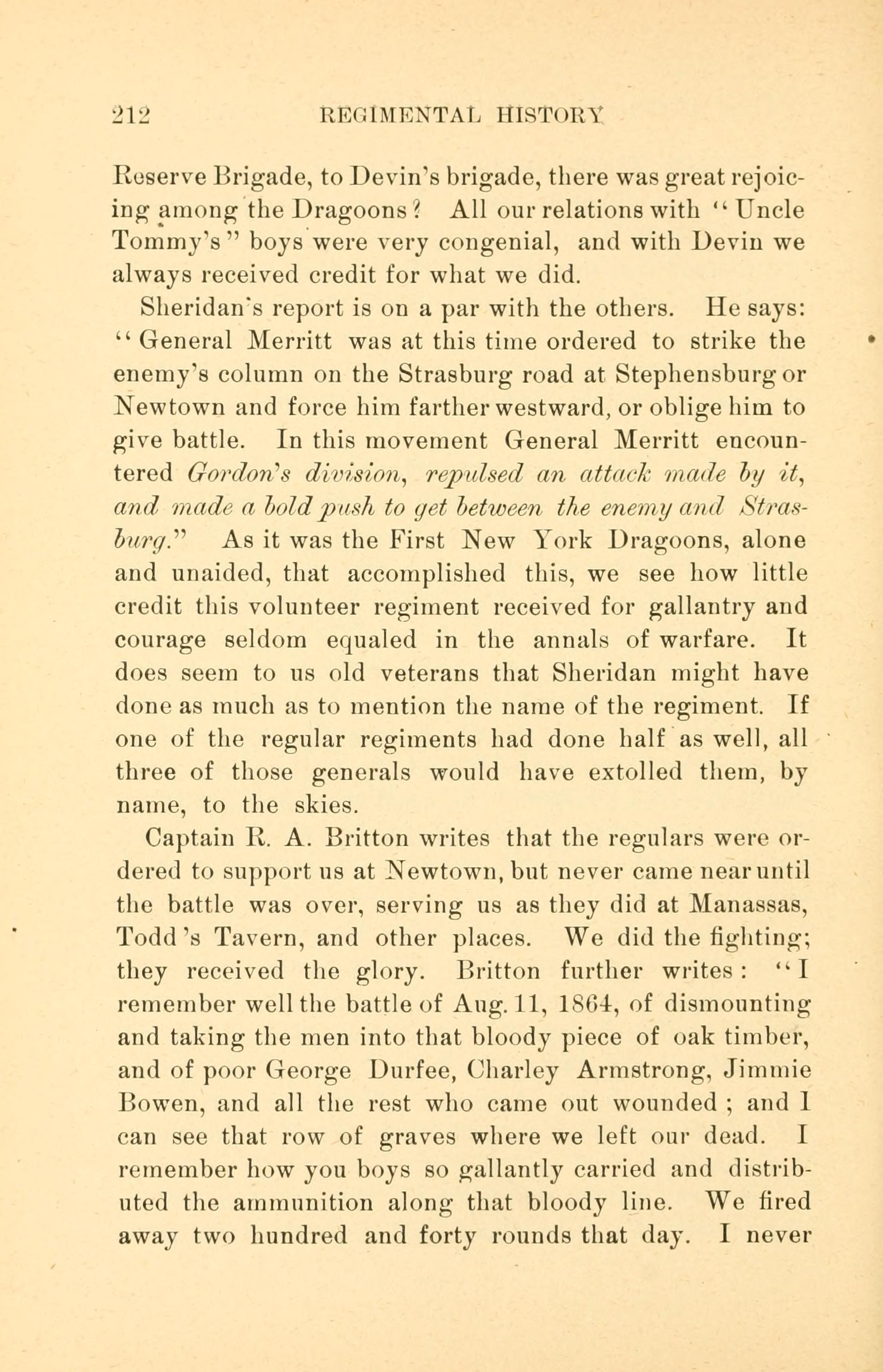
Keep this distinction in mind: A commander’s report and a later regimental history have different perspectives. Praise in a report does not settle every dispute about credit or chronology.
Keep your question in view as you explore. The reading tray retains Unfading Laurels. Close it to return to this point, or deliberately choose to explore outside the chapter.
Follow a life beyond the page
People you meet here
The book brings you into these lives. Follow a person to the family, service and research records available here. Pension material is identified separately from biography and recollection.
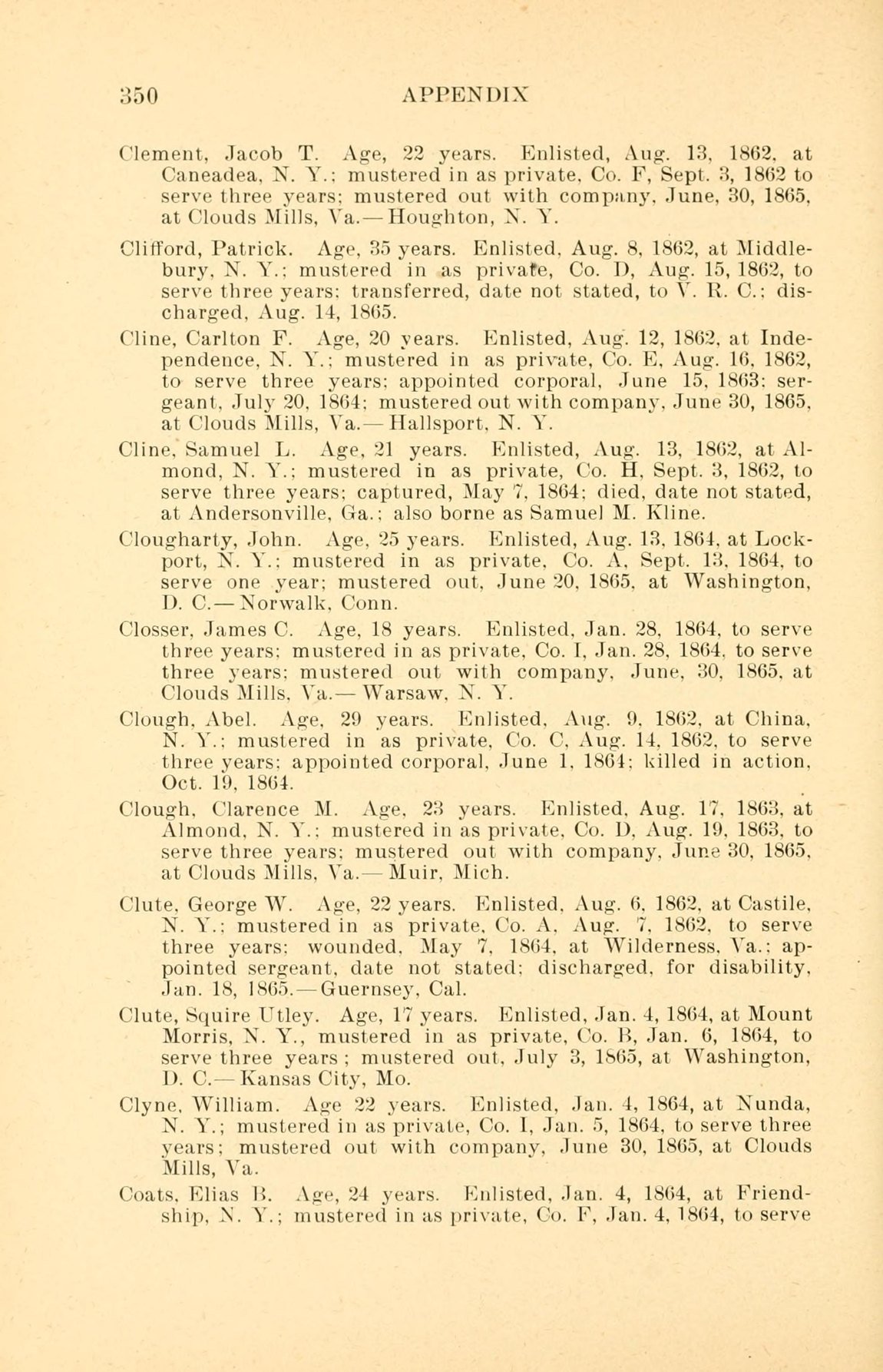
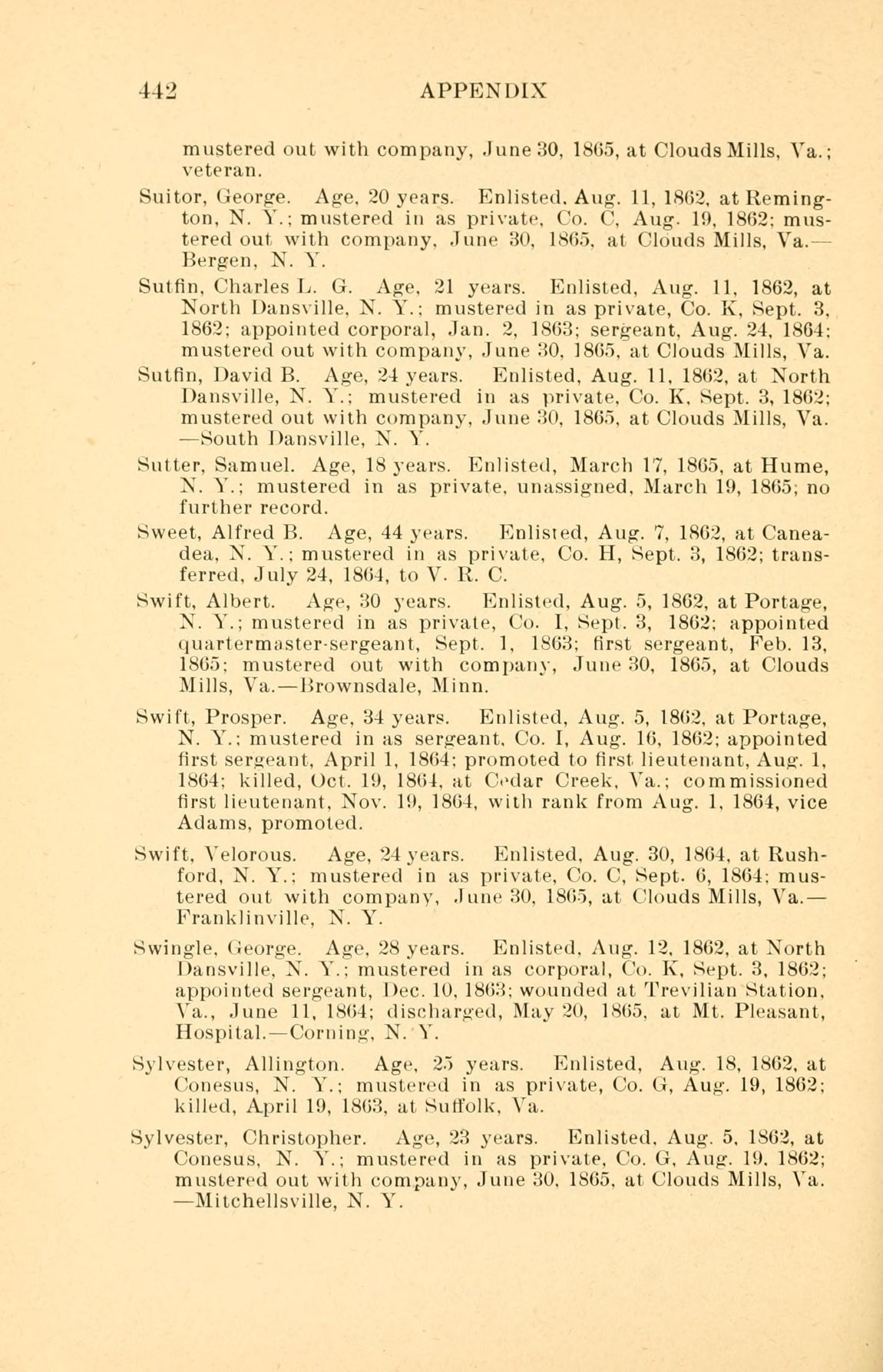
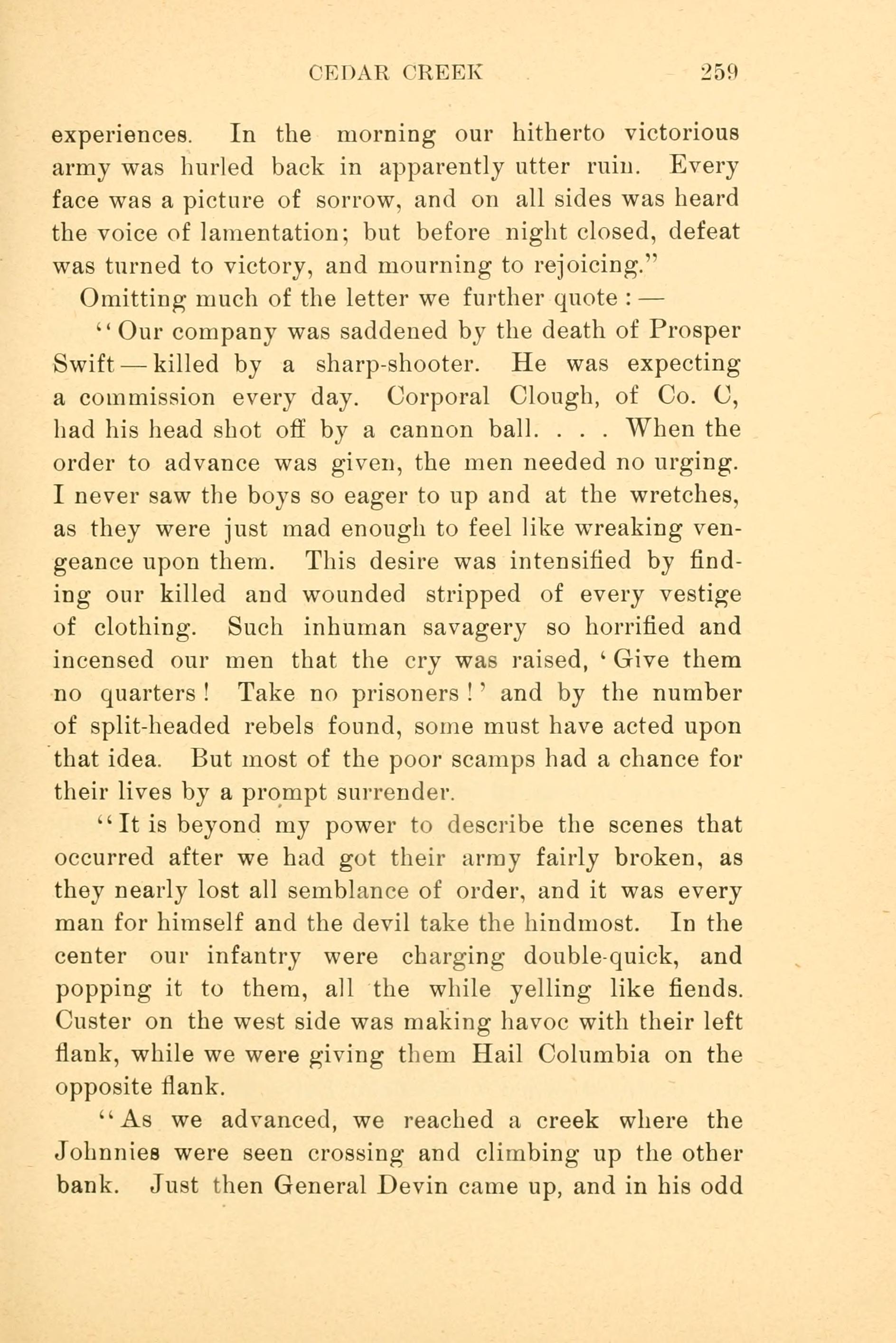
The book names Corporal Clough of Company C among the Cedar Creek dead. His roster identity and service page let you follow that casualty beyond a surname.
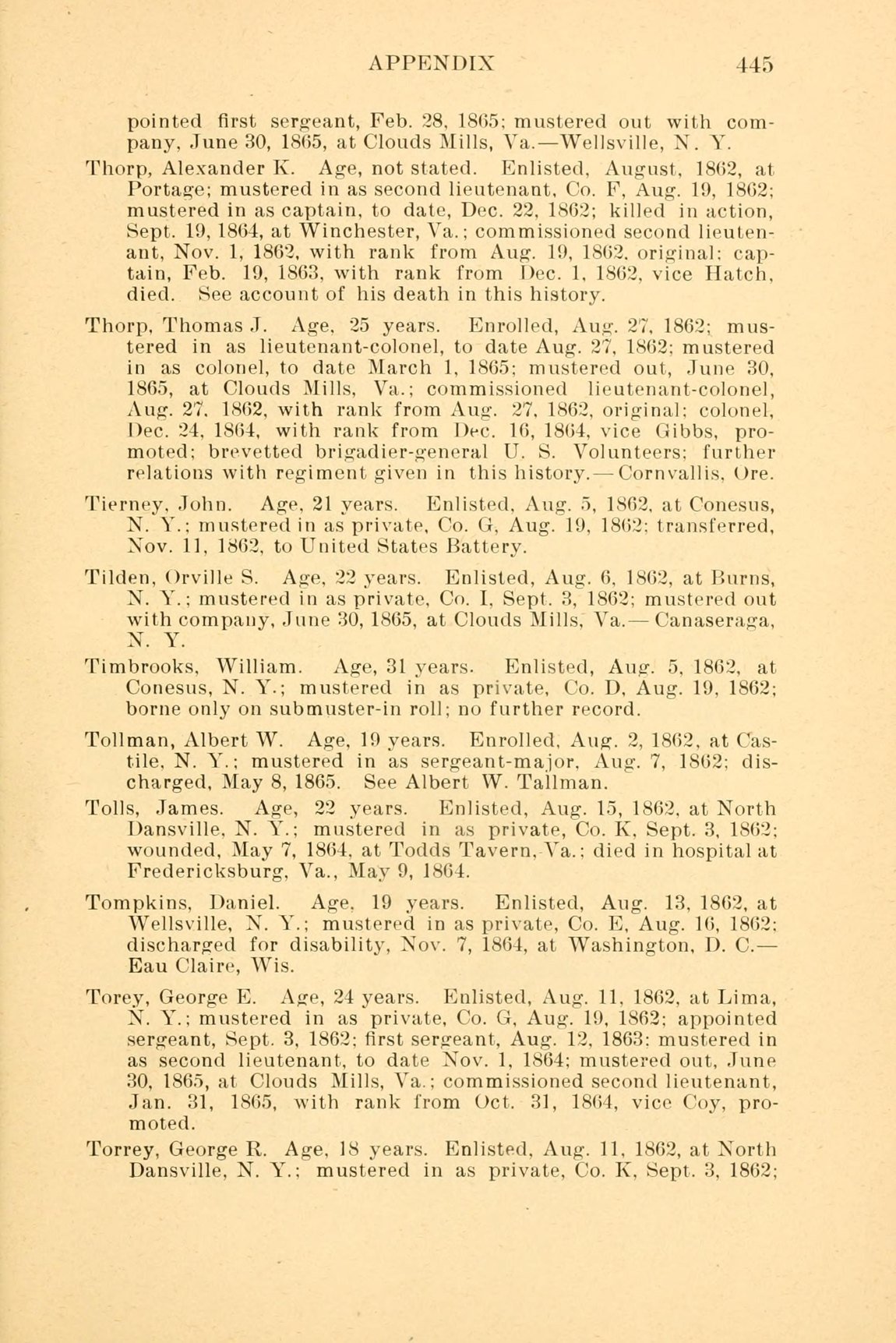
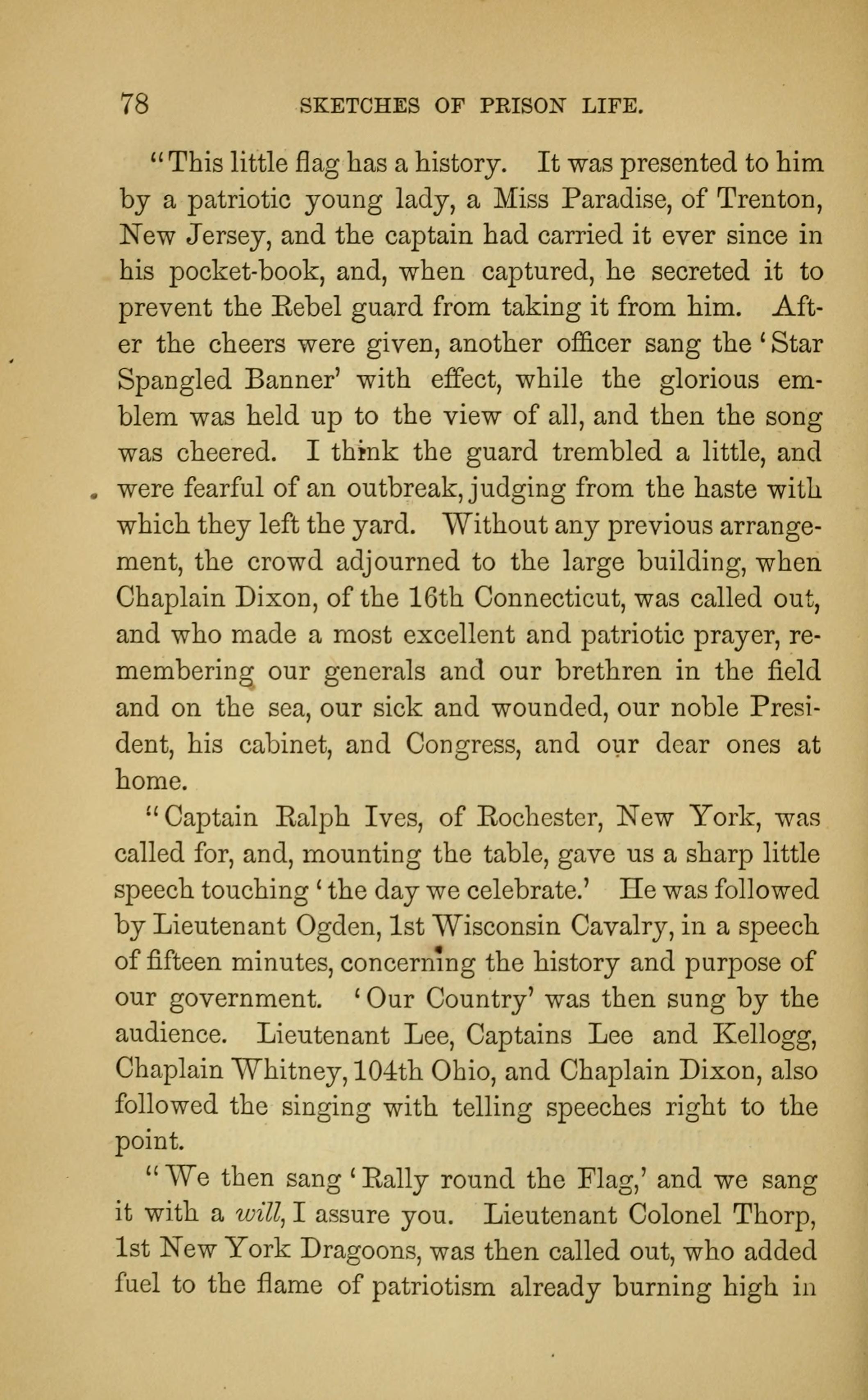
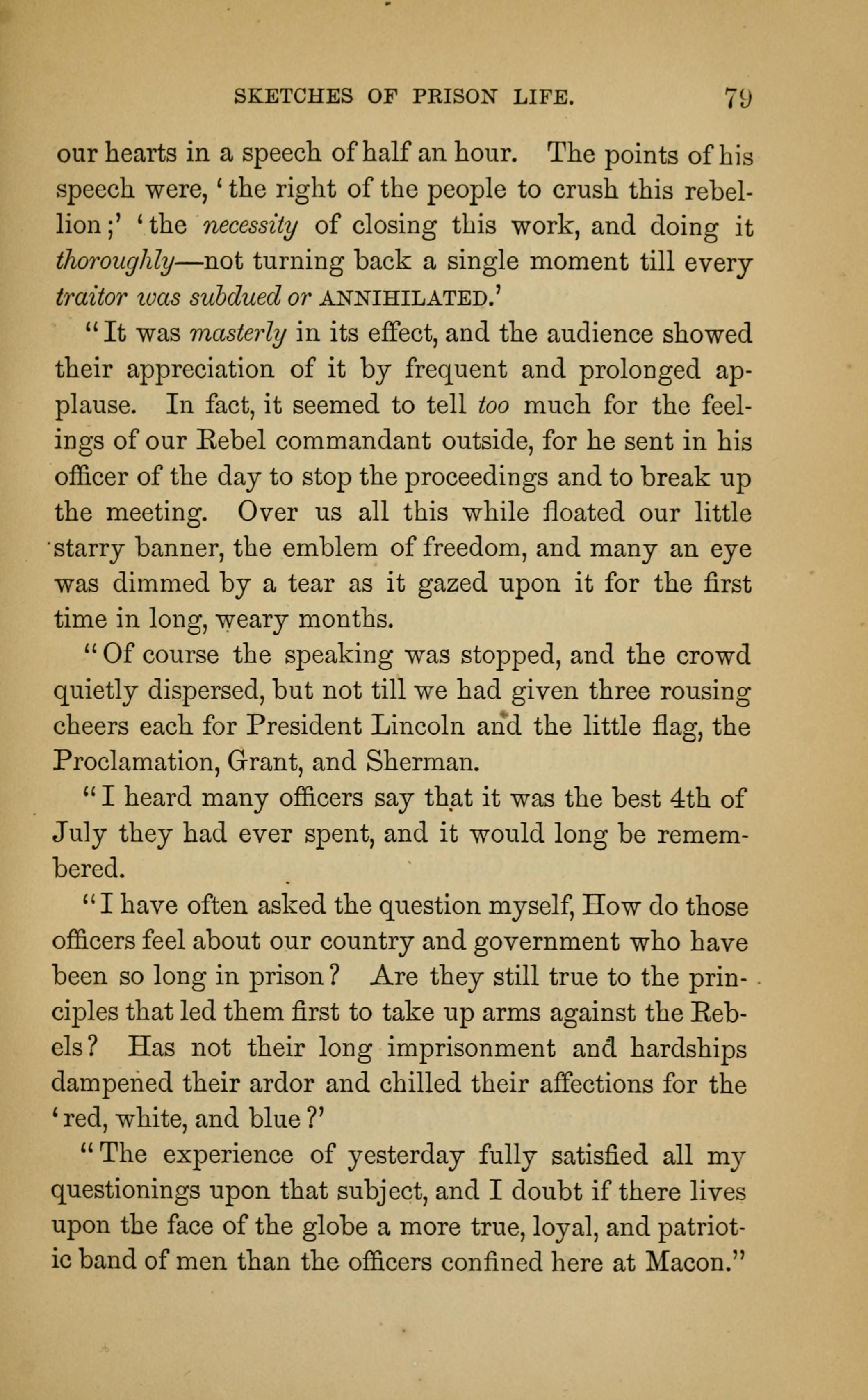
Alexander Thorp was killed at the railroad cut during the Valley fighting. His widow's claim offers a family history beyond the remembered words just before his death. He is not Thomas J. Thorp.
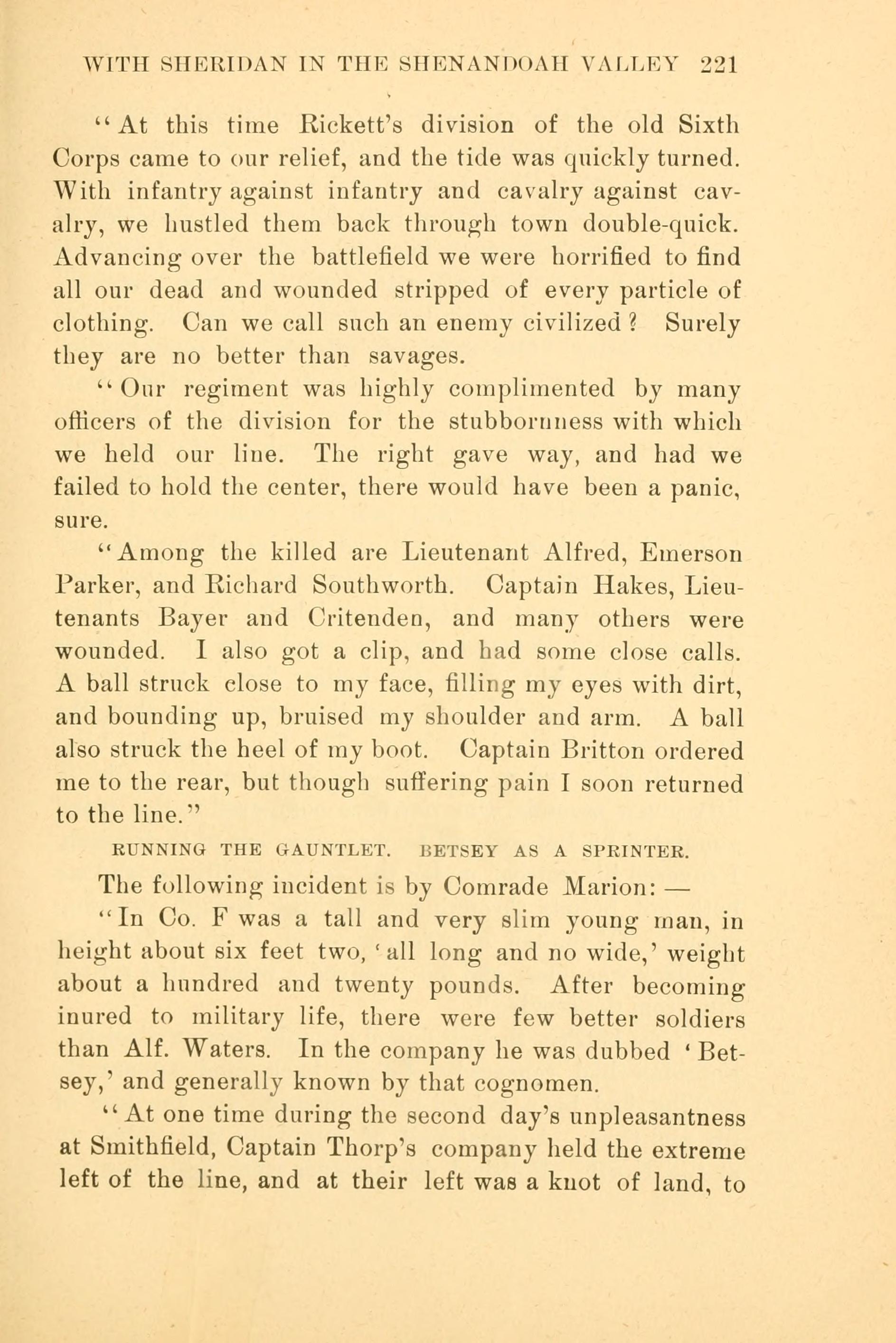
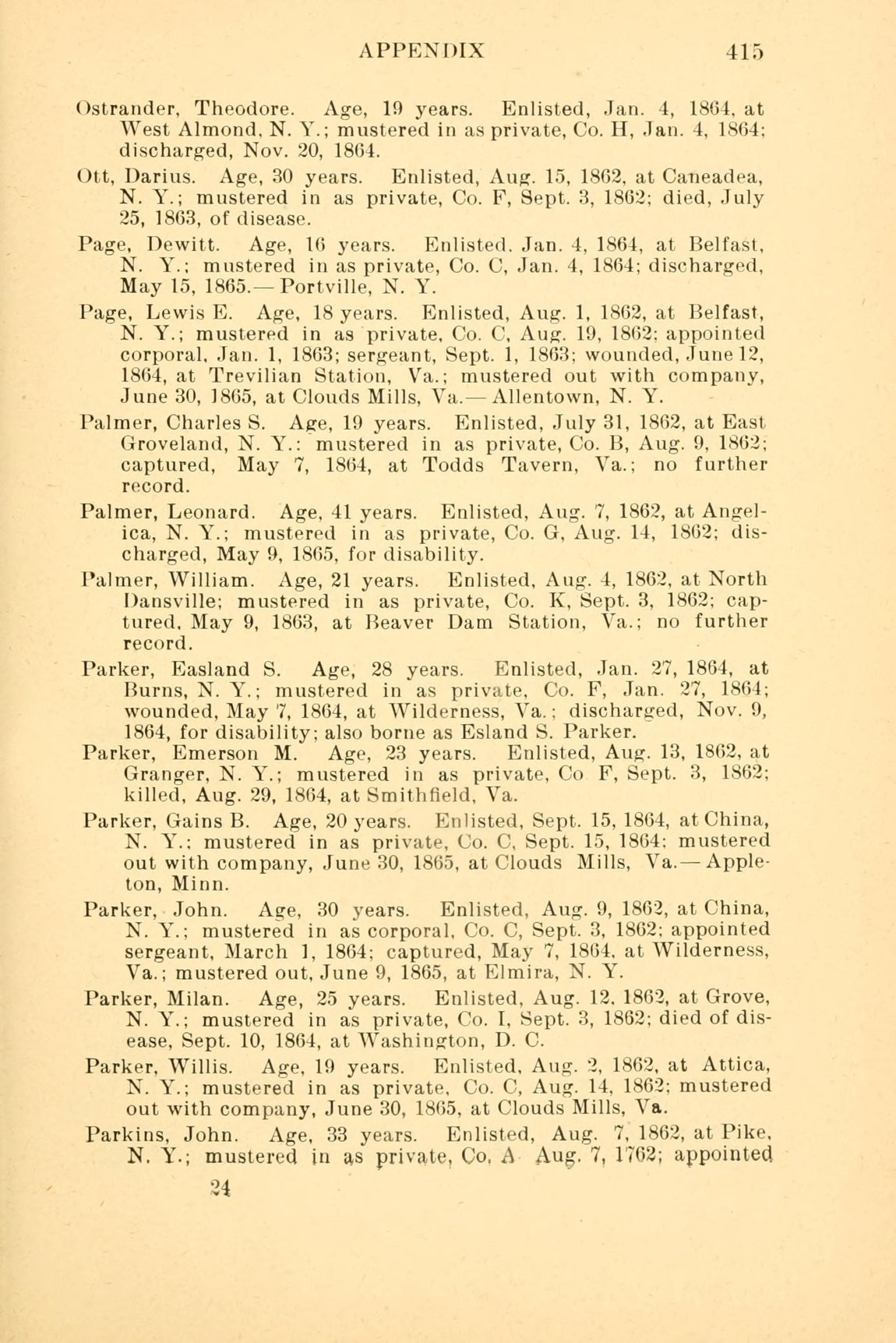
Lieutenant Alford's death is mentioned in the fighting near Smithfield. His service page gives a route from a surname in a battle account to the individual officer.
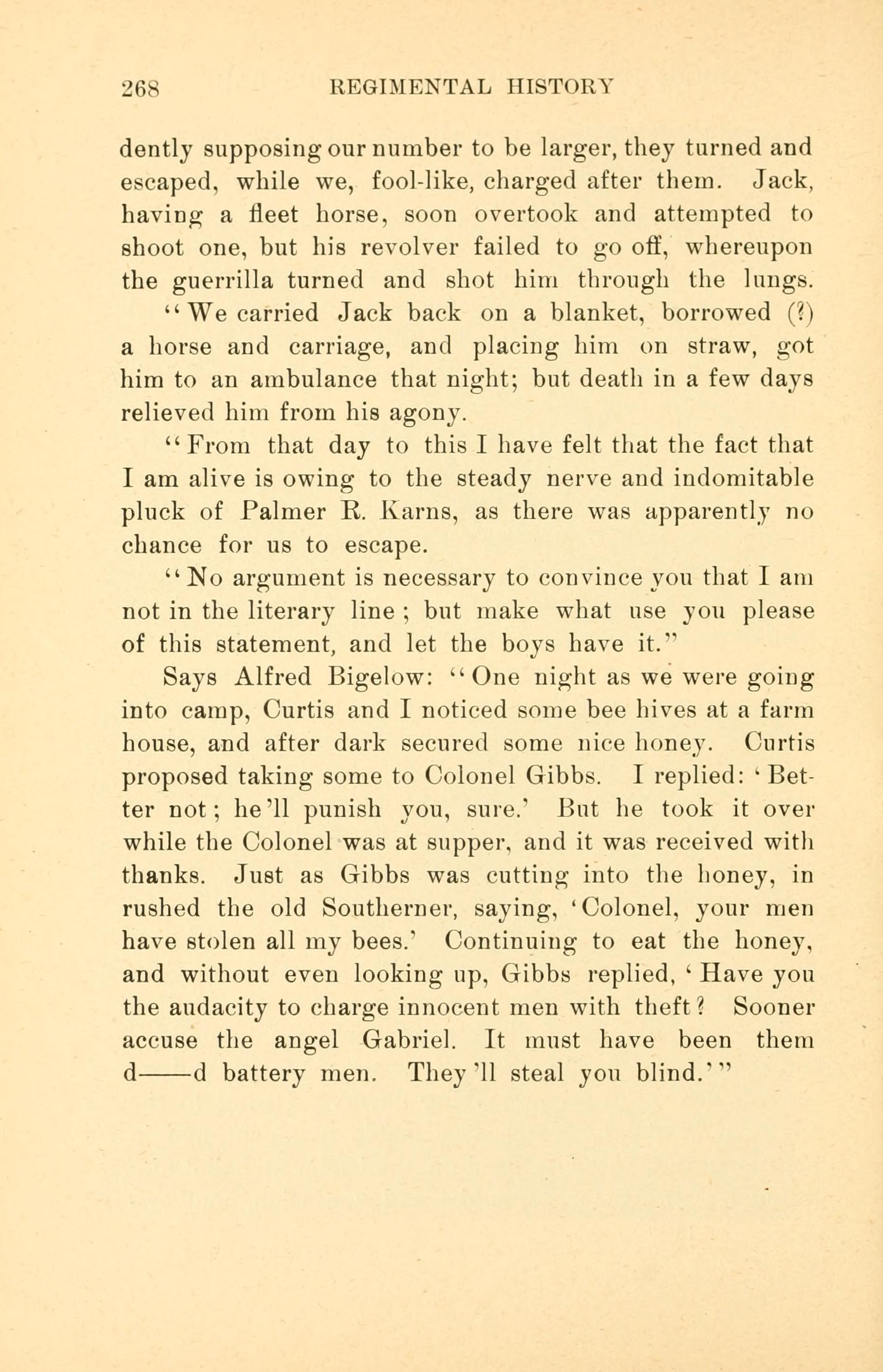
The narrative calls the sergeant Jack Parkins; the roster records John Parkins, wounded in the Loudoun Valley and dead at Winchester. Follow the service record behind that remembered name.
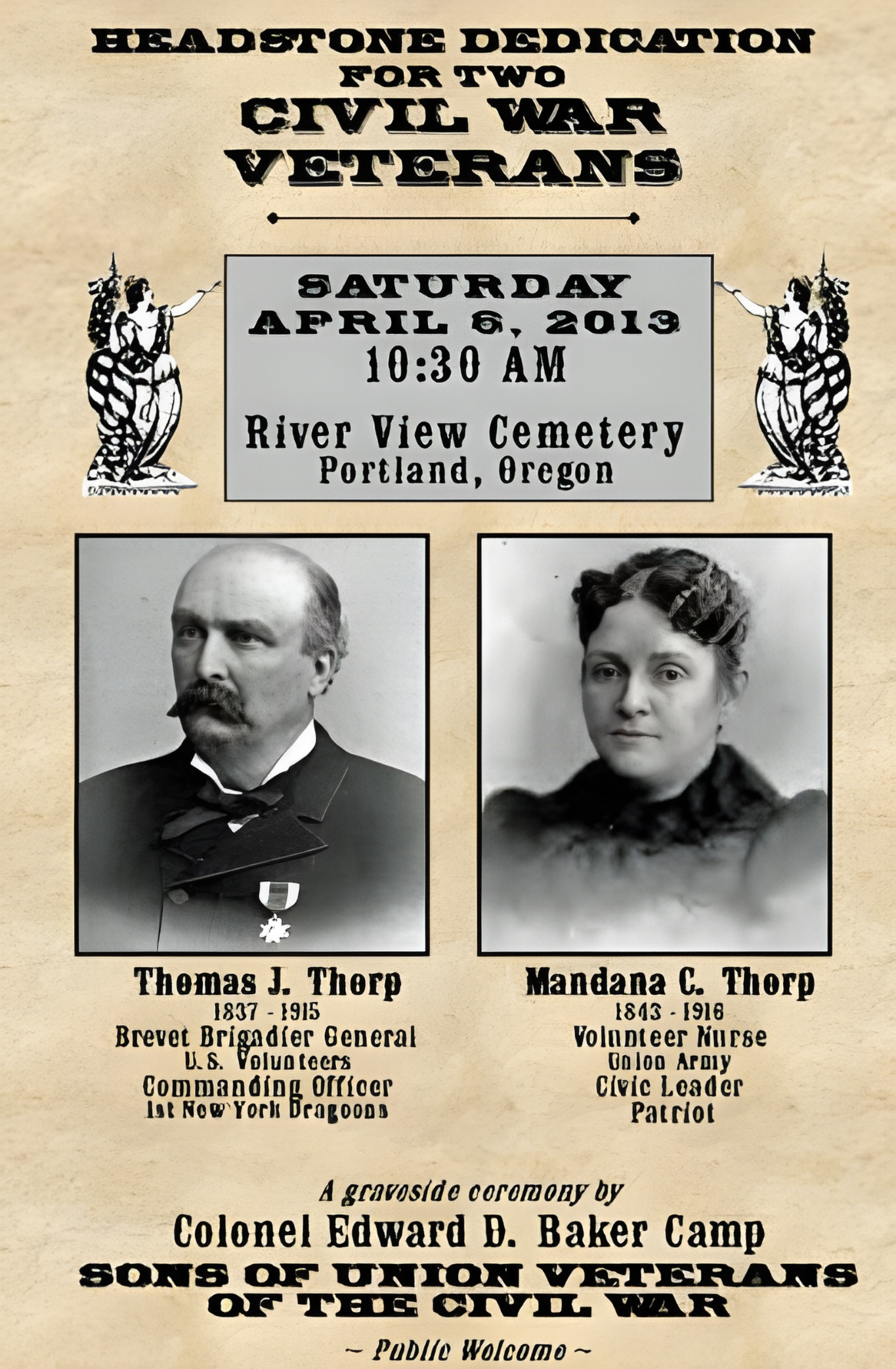
Thorp's command, capture and escape connect several chapters. His biography follows the officer across those episodes and distinguishes him from Captain Alexander K. Thorp.
These connections come from the v172 manuscript and existing subject pages. A pension not connected here may still exist elsewhere. Namesakes and uncertain identities are not silently joined.
Follow the words into the evidence
What caught your attention?
Find a line from your reading, then follow its document and the record around it. Matching words helps locate evidence; checking who wrote them, when, and why helps you understand it.