The book is finished.GIBBS: The Forgotten Warrior of the First New York Dragoons, by Garland H. Green Jr. How to order is coming soon; you can reserve a copy now. Reserve a copy →
Start with the guided reading below, or search this chapter for a person, quotation or topic. Follow the writing and evidence behind this part of GIBBS.
What would you like to explore in Stop That Ducking?
Go beyond the book · Stop That Ducking
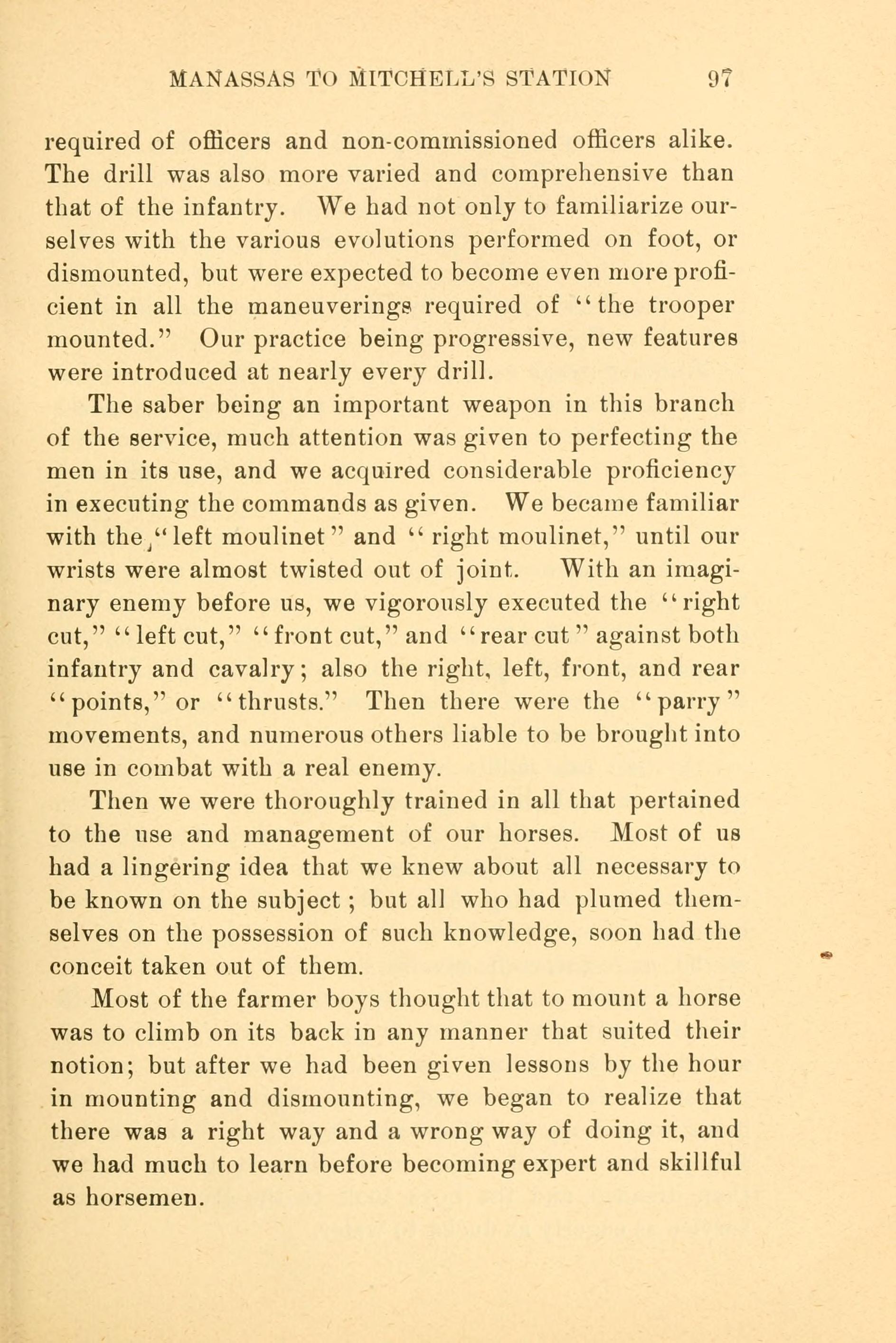
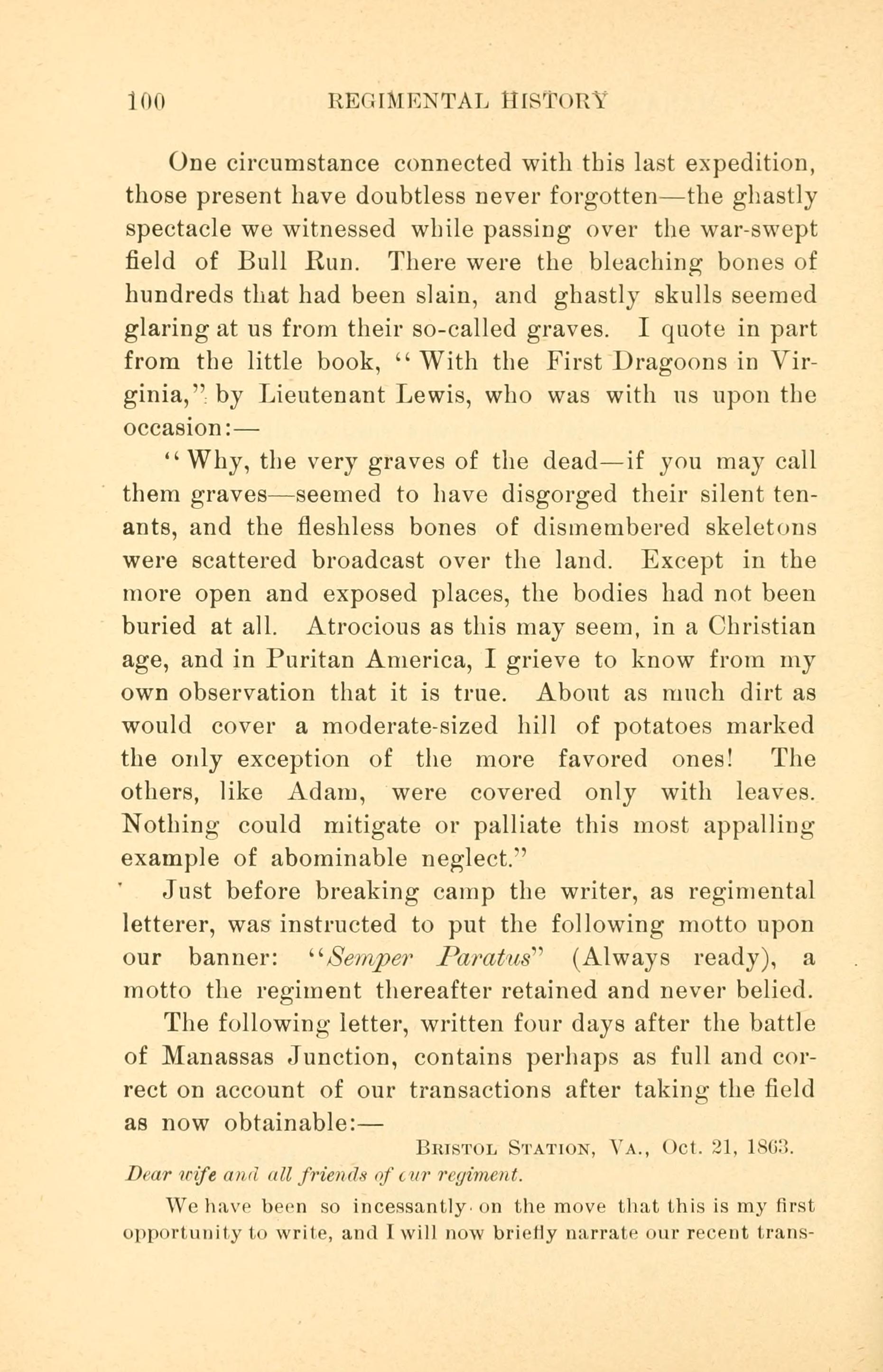
Watch infantrymen learn to be cavalrymen
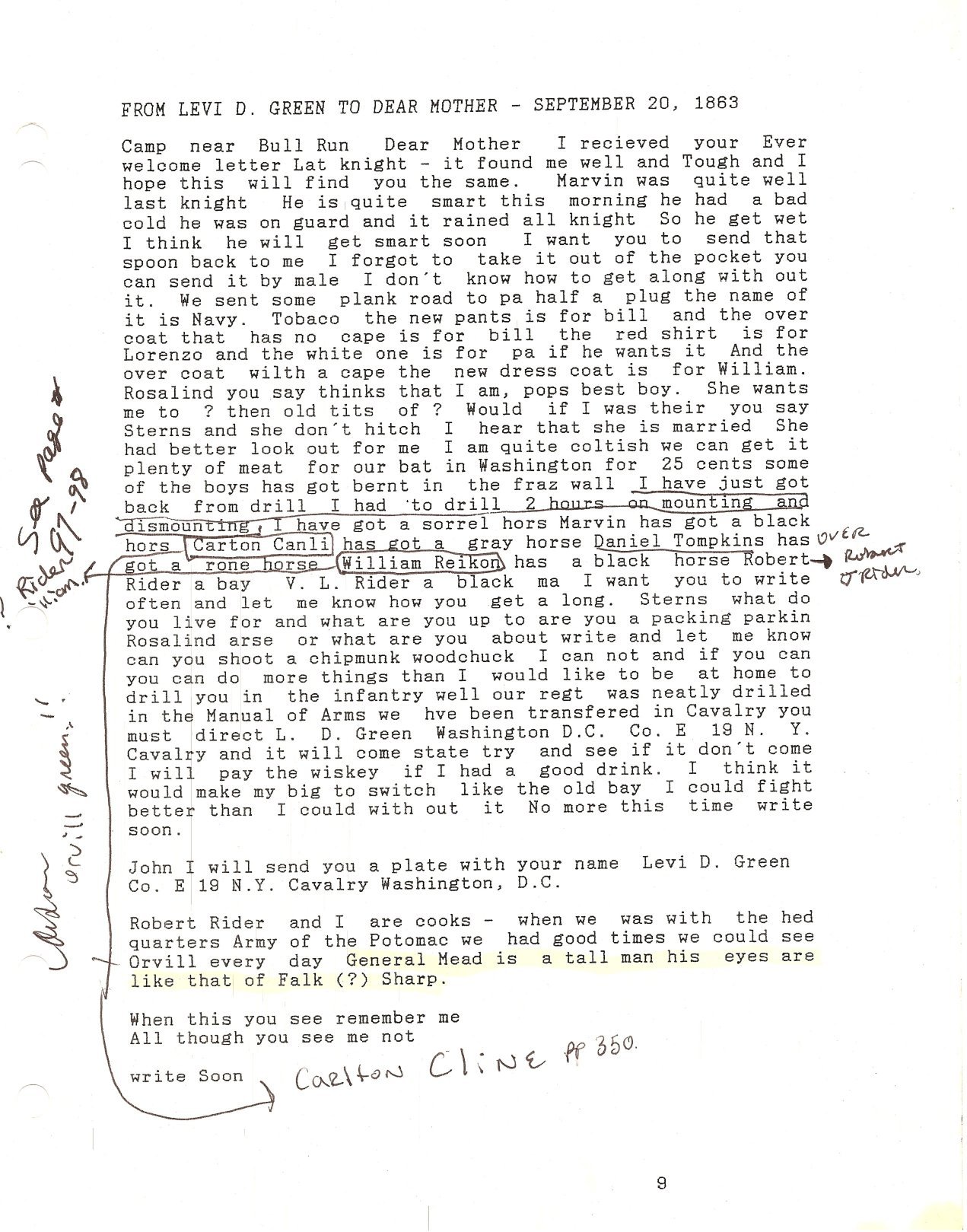
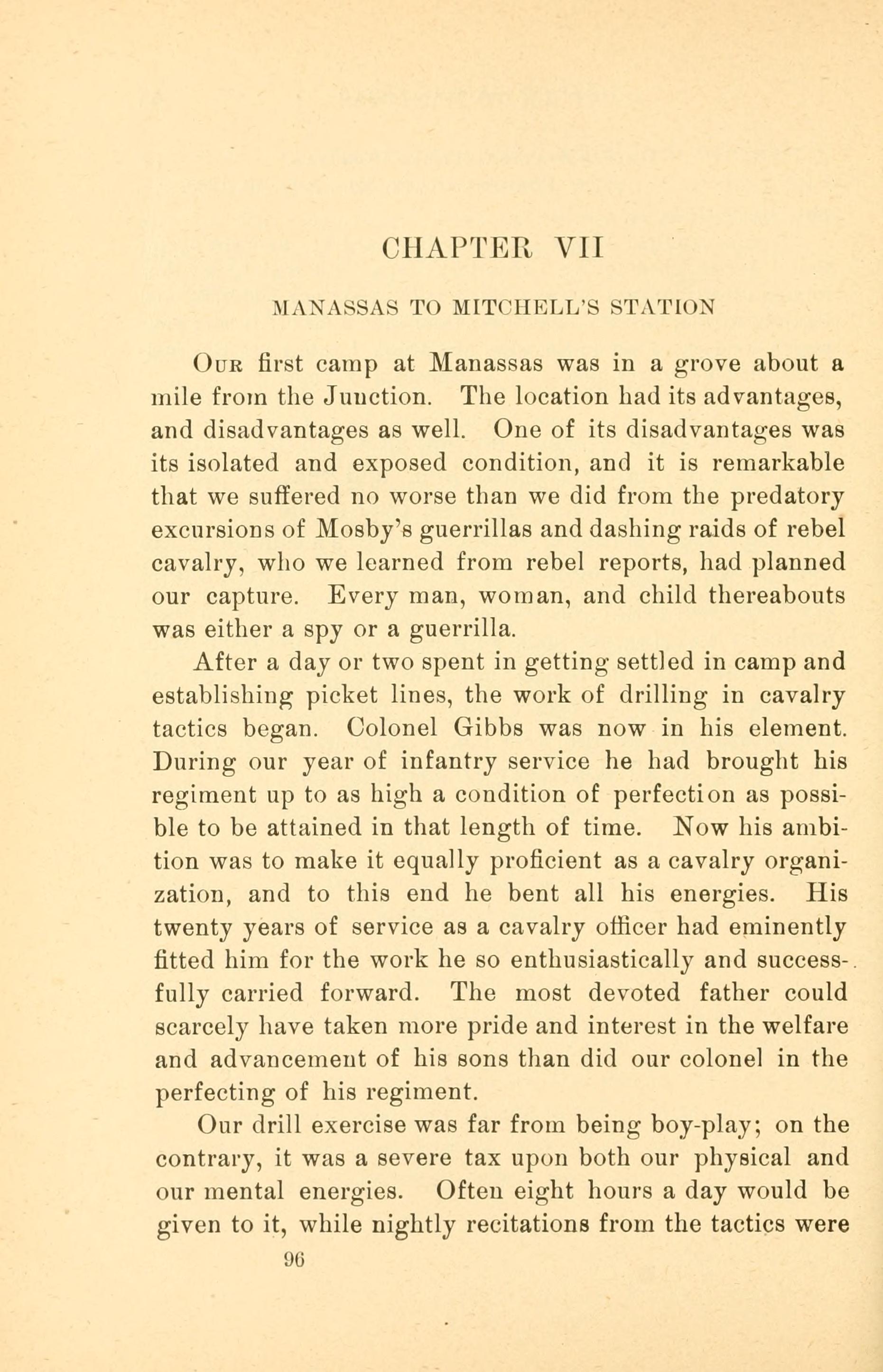
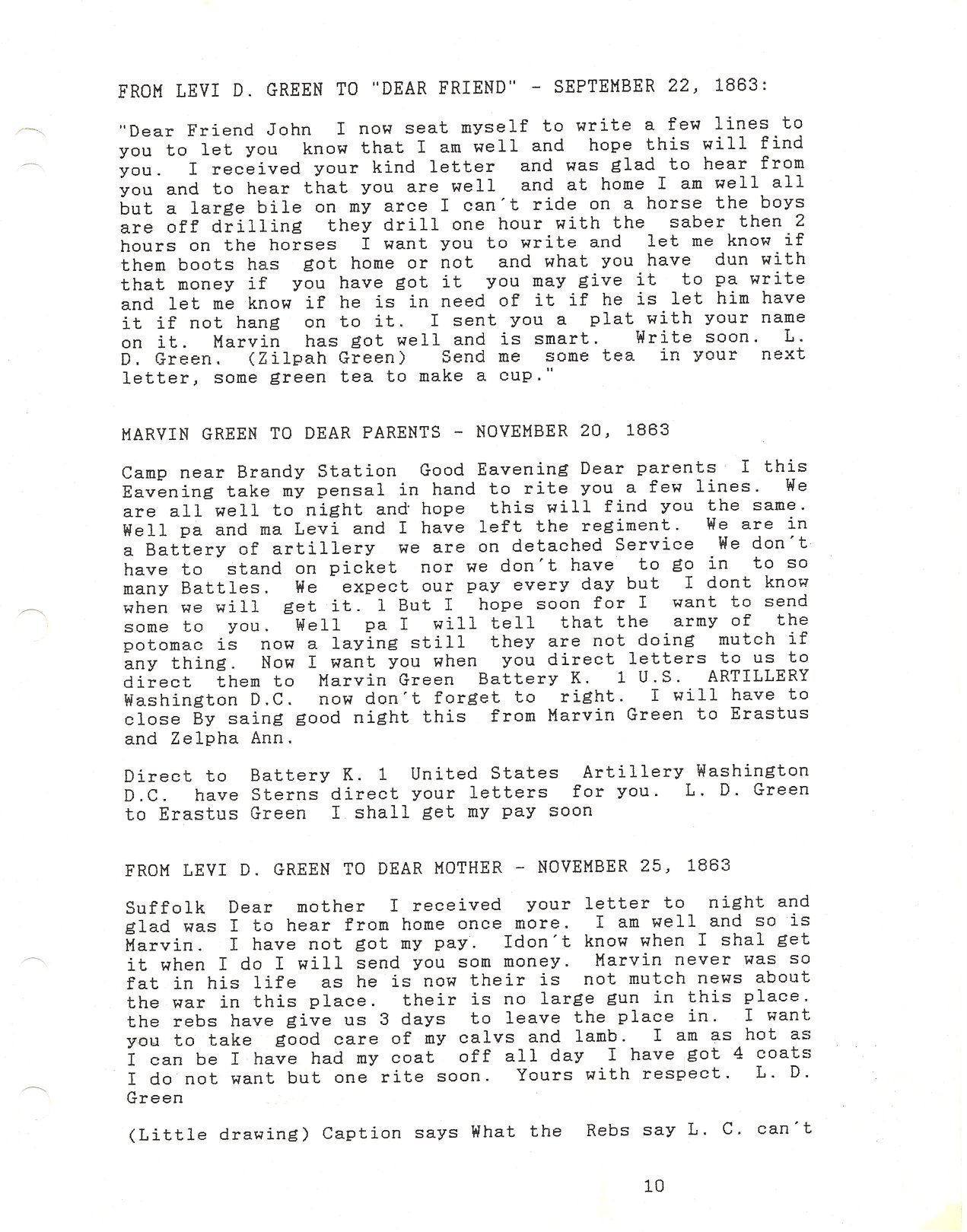
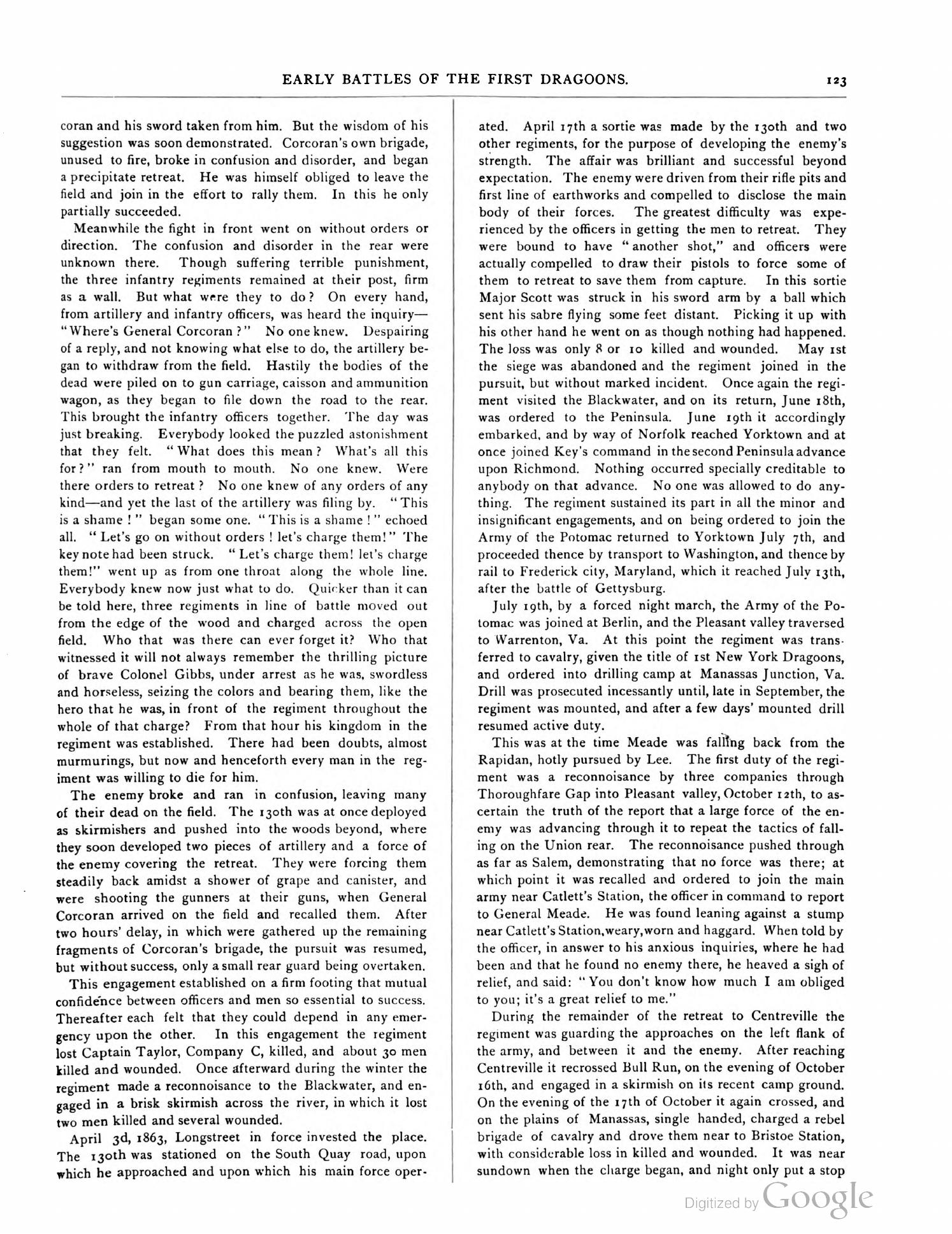
New horses, new equipment, and a changing regimental designation made the transition a daily learning process. Levi’s September letter records it before its outcome was settled.
New to these records? A little context.
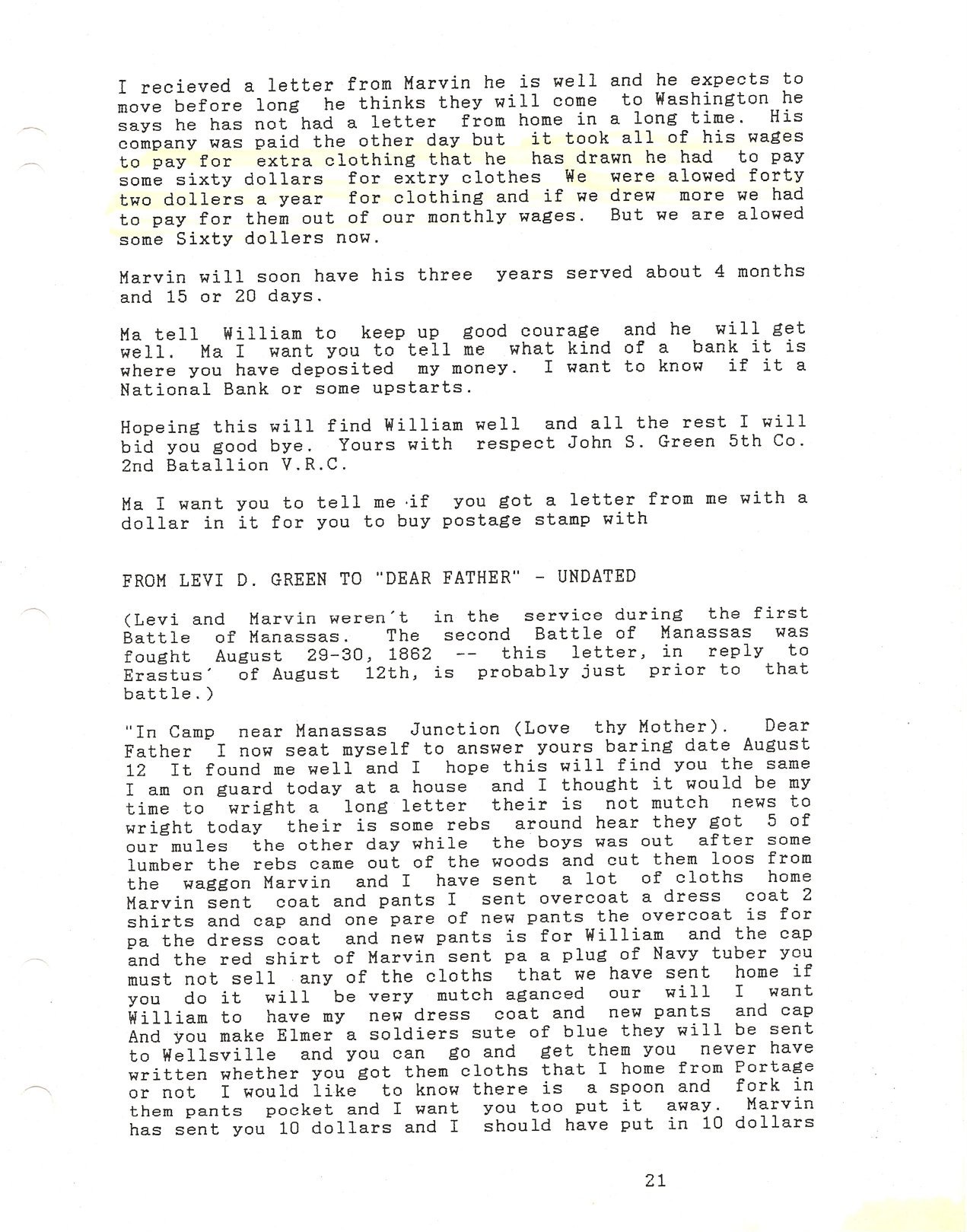
A transcription records the words of a letter. A typescript is a typed copy, which may survive even when the handwritten original is not on display. The linked account identifies the version it preserves; later explanatory paragraphs are not part of the letter.
What did becoming a cavalryman require in daily life?
Green Family Letters, Marjorie Kuski typescript, page 09 · From the linked account. Its original credits and image status are preserved there.
Read the source exhibit & its explanation
Levi to his mother, September 20, 1863
He writes about mounting and dismounting drill, identifies his and Marvin’s horses, and still asks for a spoon left at home. The change becomes practical rather than just organizational.
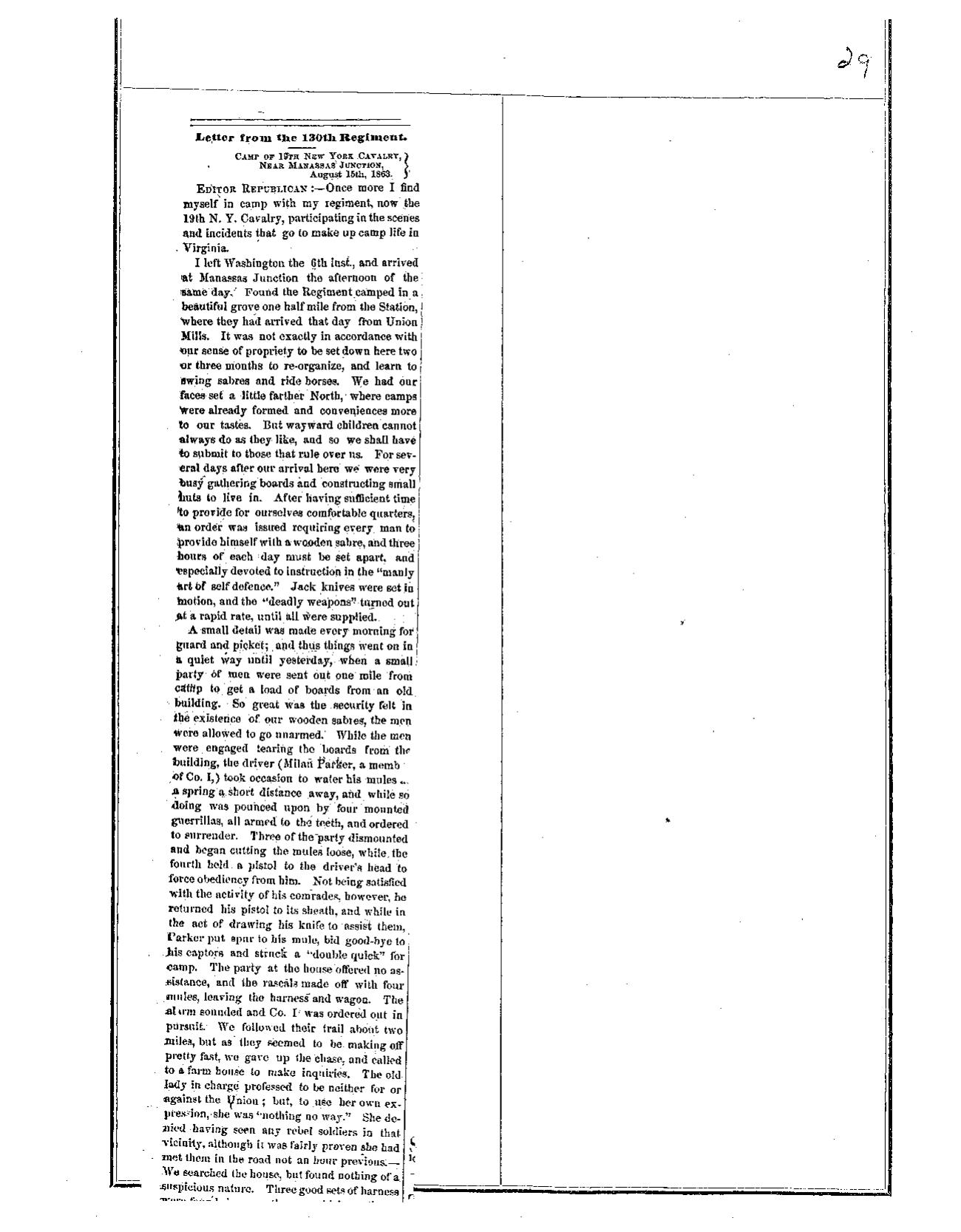
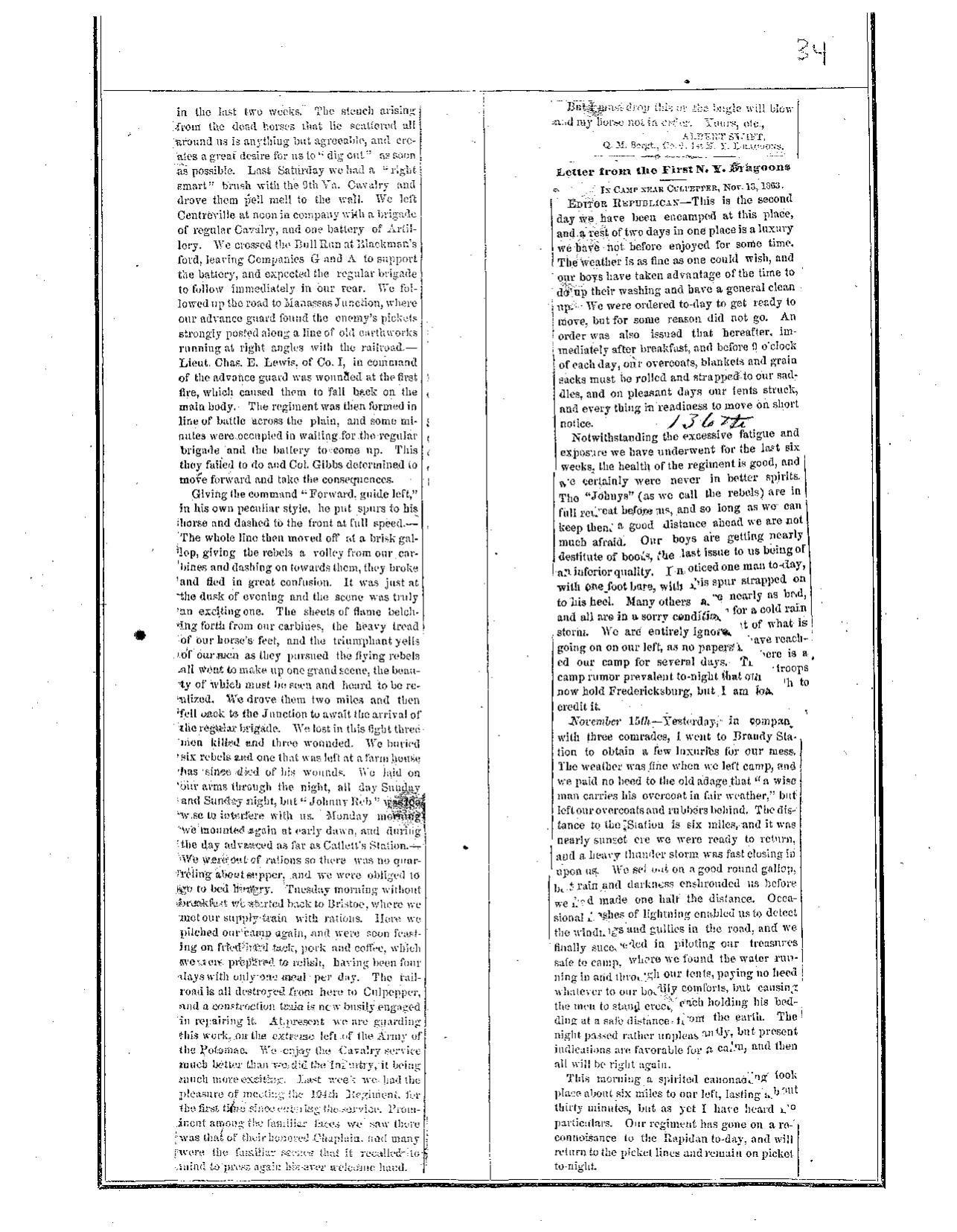
What to examine: Compare the regiment’s name in the letter with the article’s chronology. Look for the hours of drill and the named horses before following the campaign accounts.
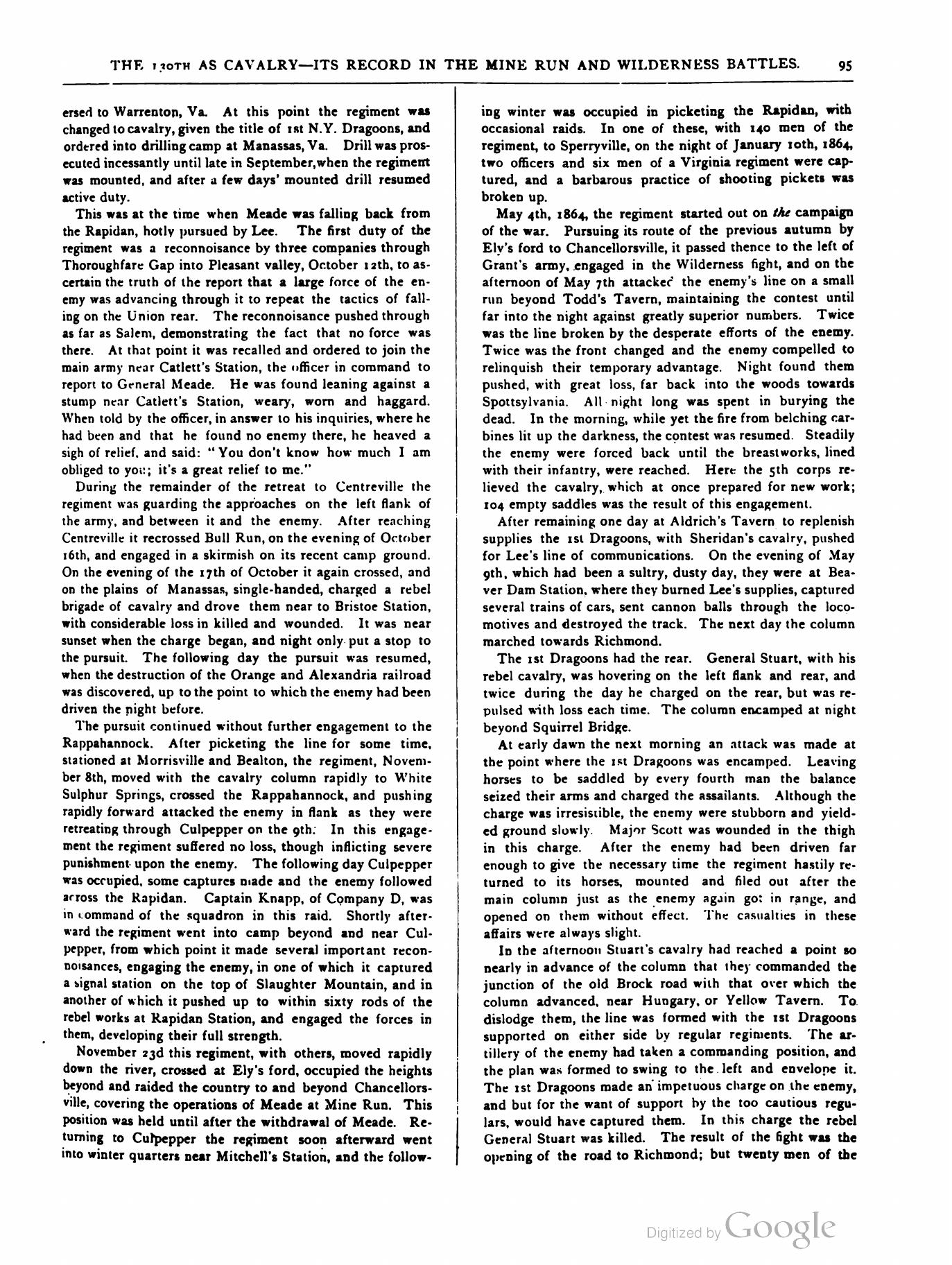
Keep this distinction in mind: The same regiment appears under different designations. A changed number or name does not necessarily identify a different group of men.
Keep your question in view as you explore. The reading tray retains Stop That Ducking. Close it to return to this point, or deliberately choose to explore outside the chapter.
Follow a life beyond the page
People you meet here
The book brings you into these lives. Follow a person to the family, service and research records available here. Pension material is identified separately from biography and recollection.
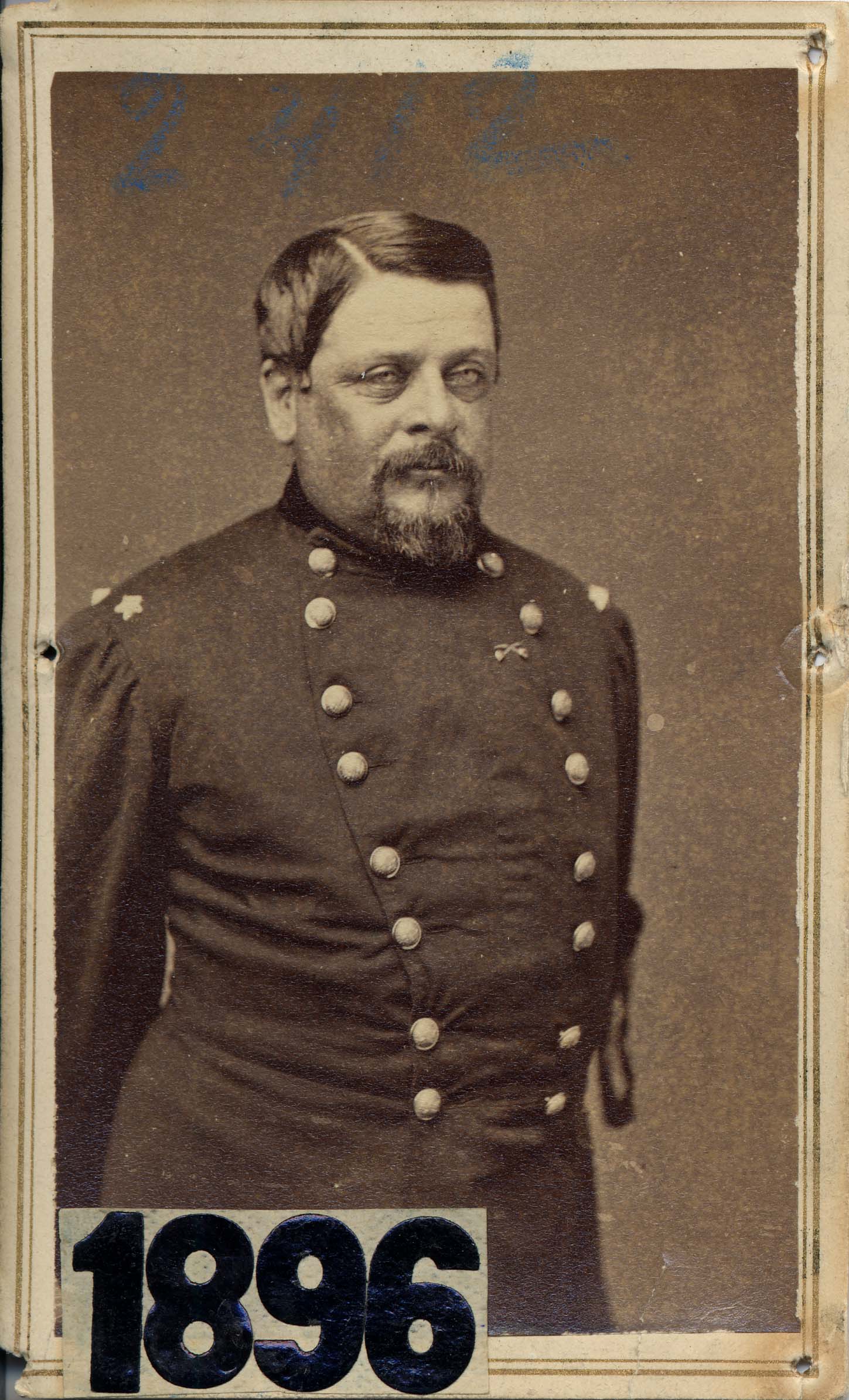
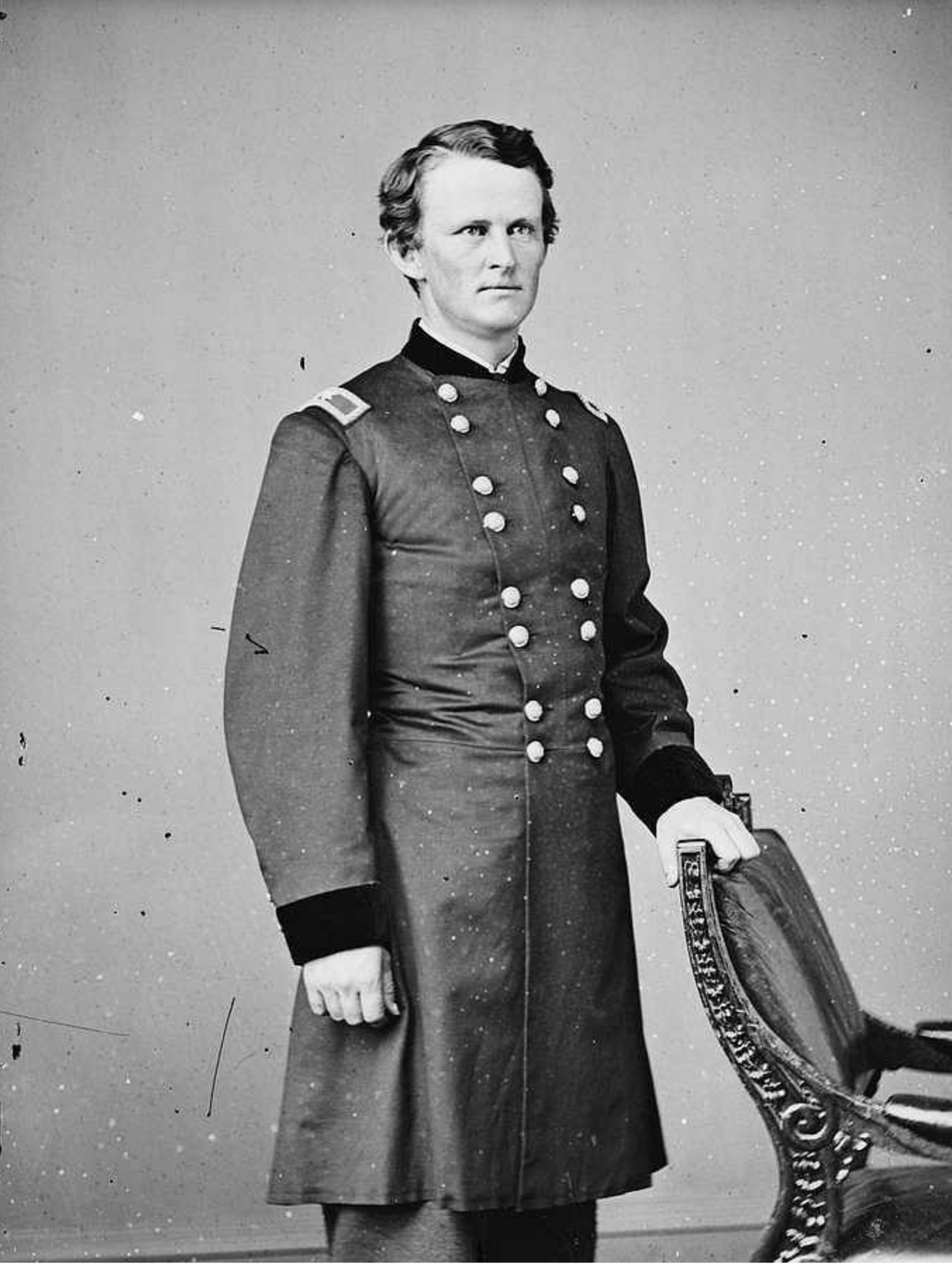
Follow Gibbs through the service and medical records, then Peggy’s petitions after his death. These sources let you distinguish what a doctor observed, what a widow asked for and what an official record actually establishes.
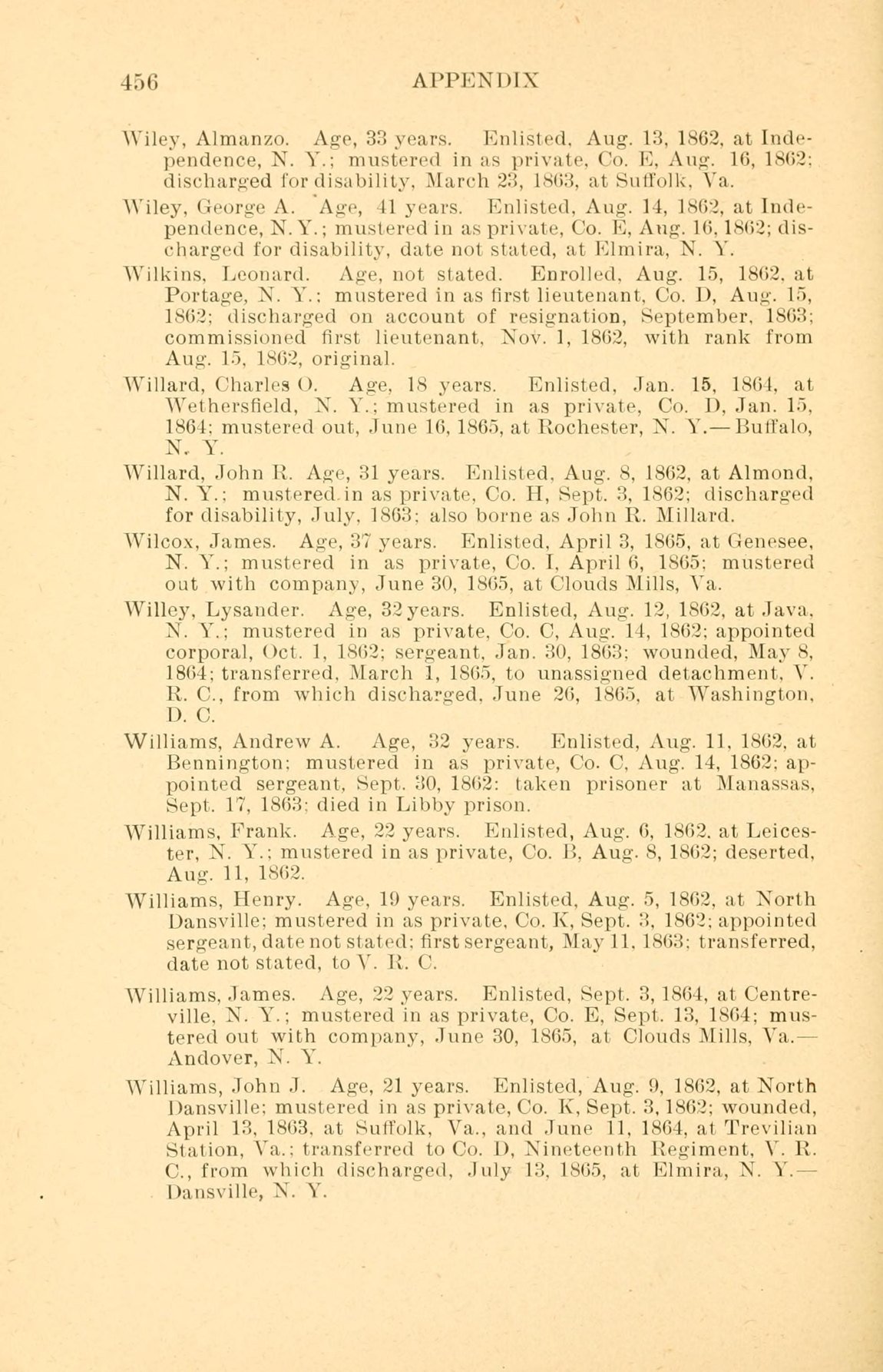
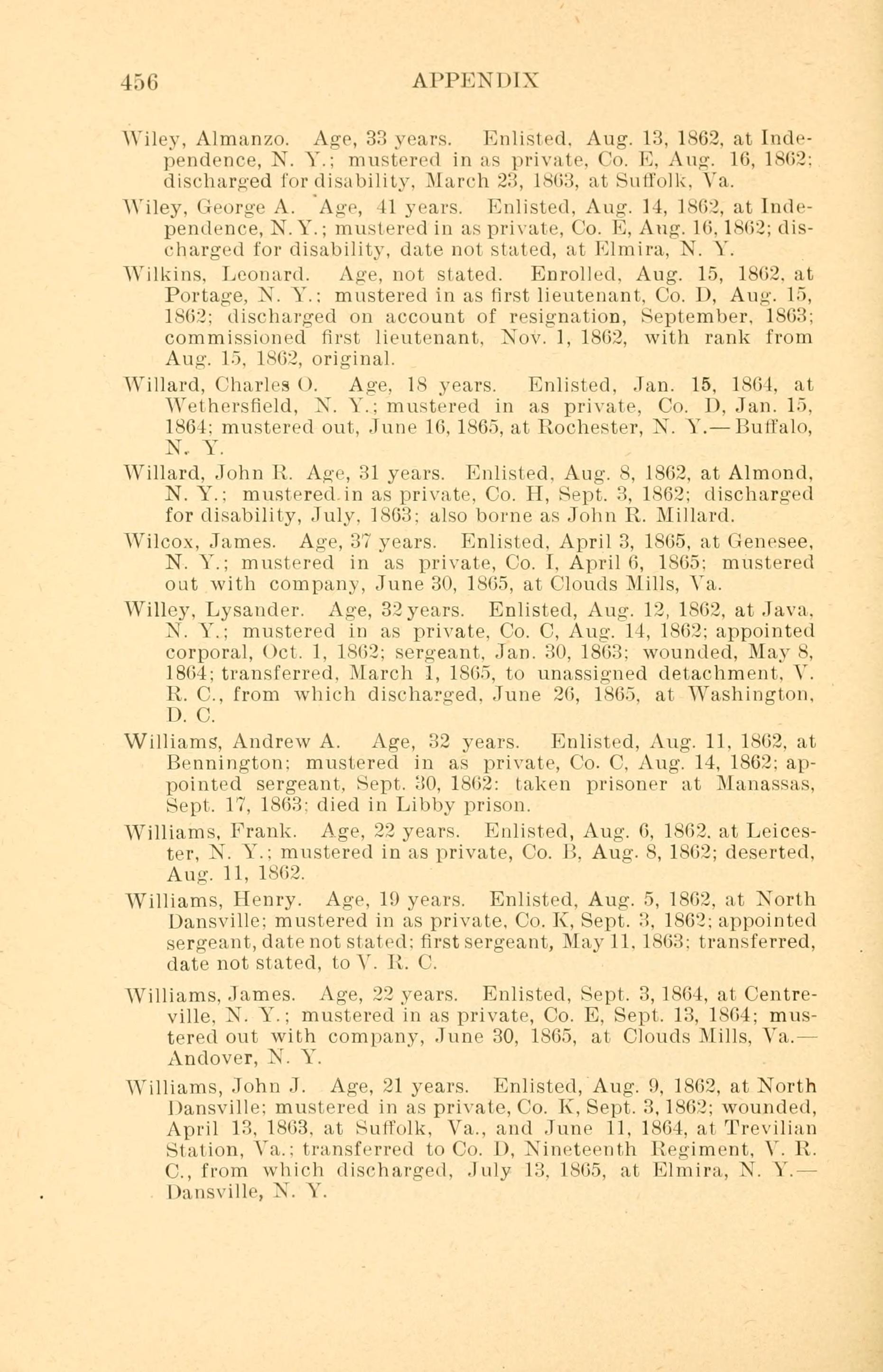
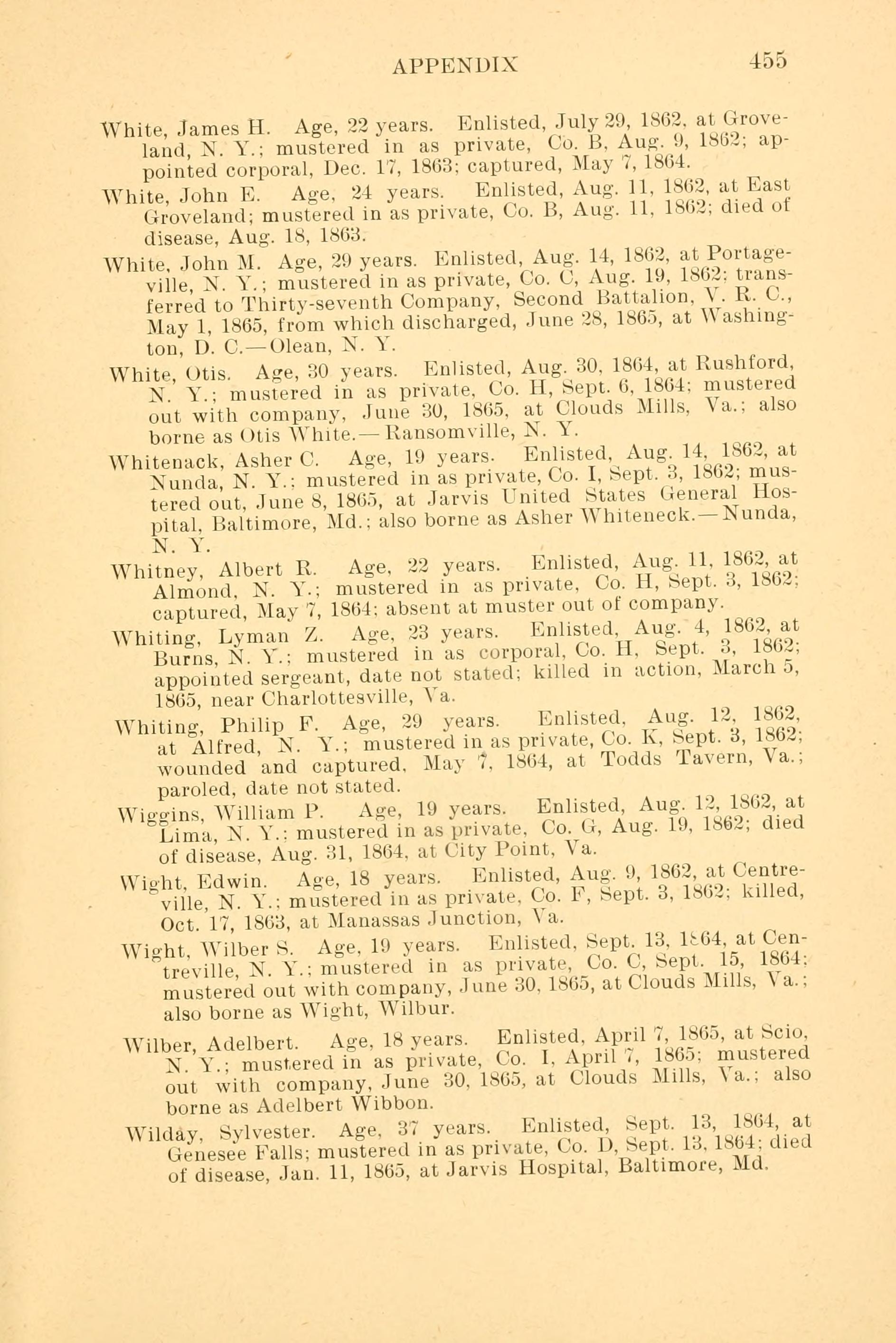
Williams died a prisoner, but the rolls could not fix the day. His widow Sarah's pension research shows how uncertain military information affected a family claim.
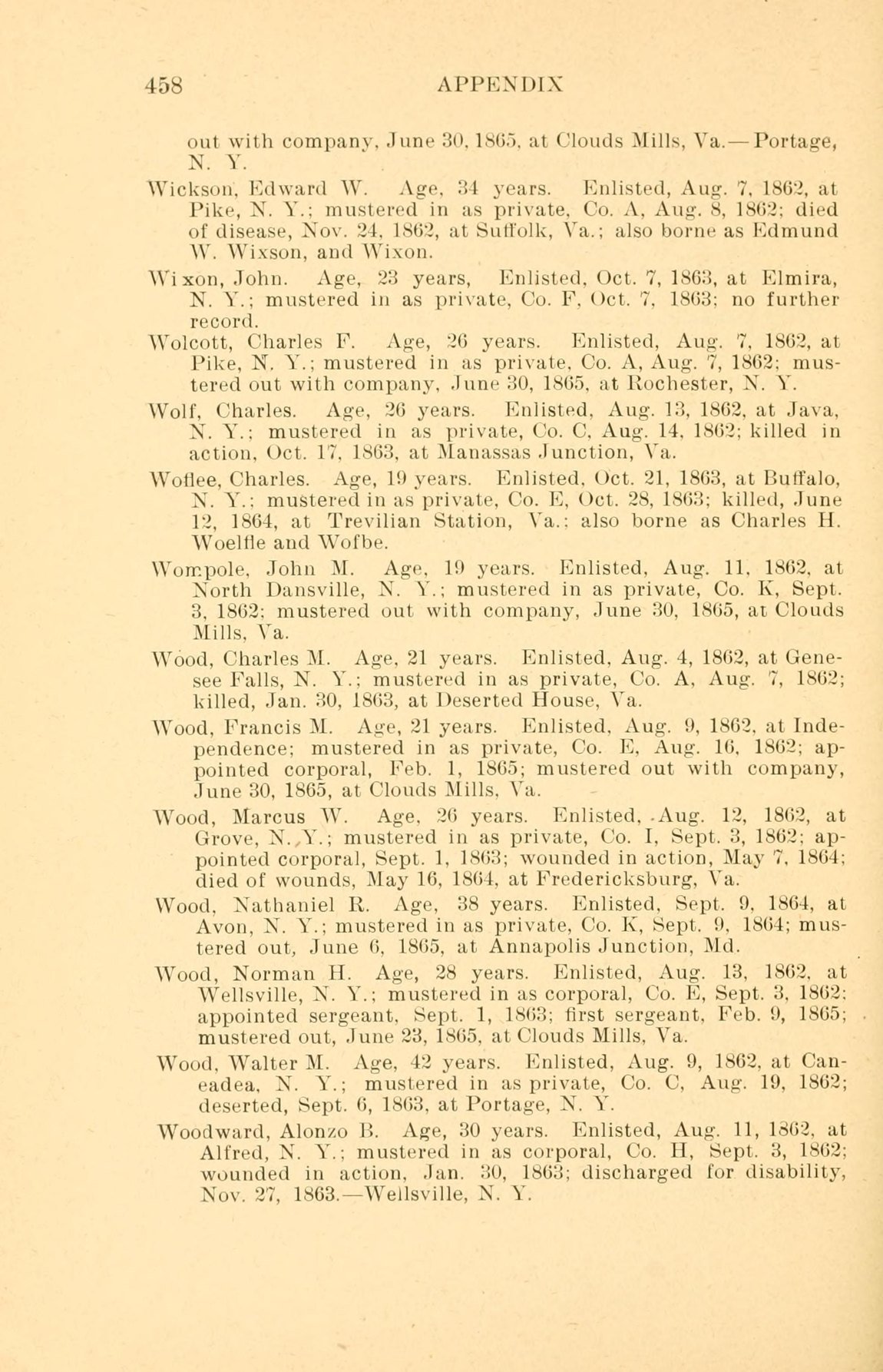
Wolf was killed at Manassas. His family pension file is identified, but the research page explains that the digitized period evidence is a charge-out slip, not the complete pension file.
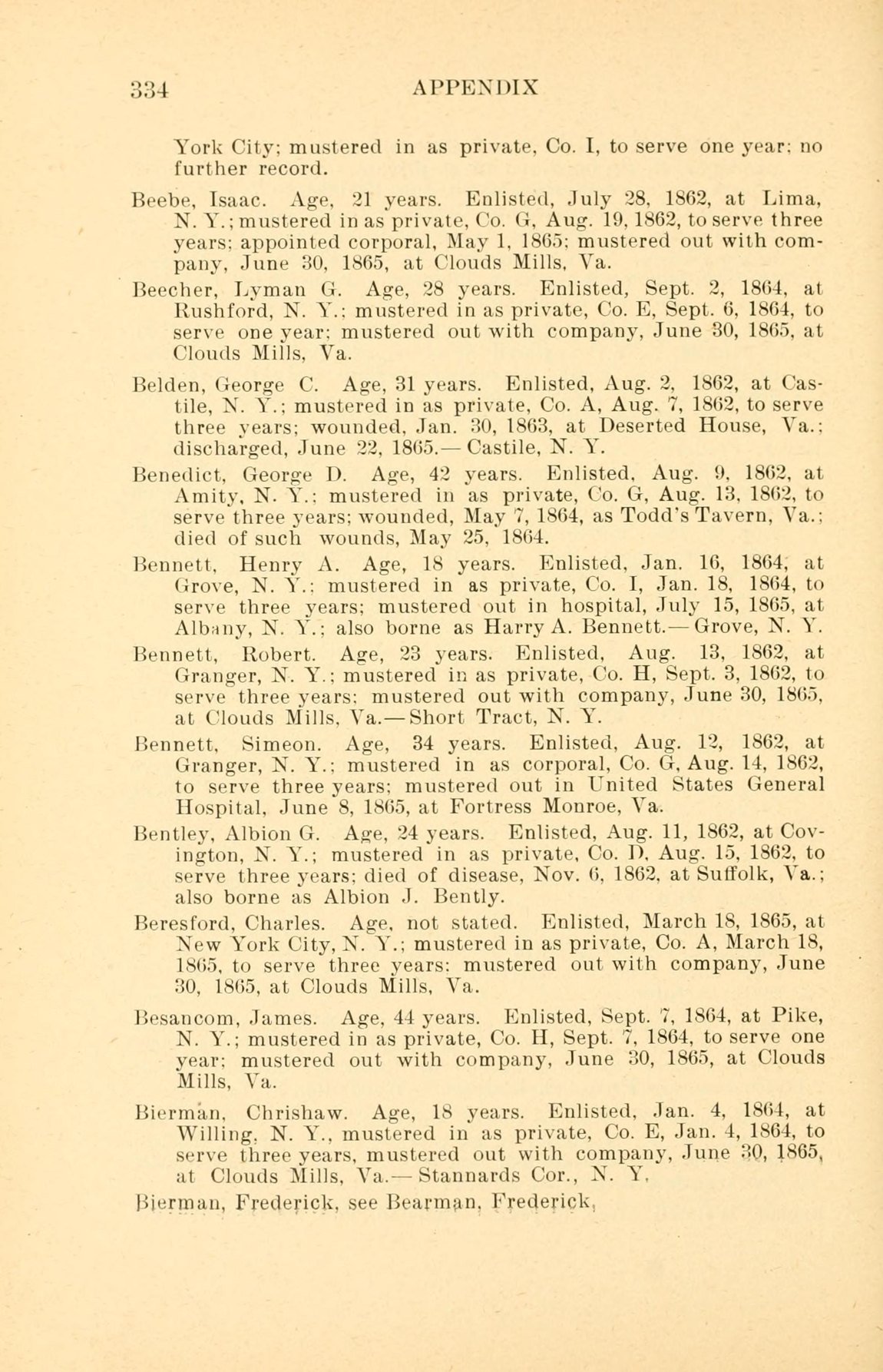
Benedict wrote home to Sarah about cold, horses and fighting before he was wounded. His letters and his widow's pension research let you follow one family across the boundary between military service and bereavement.
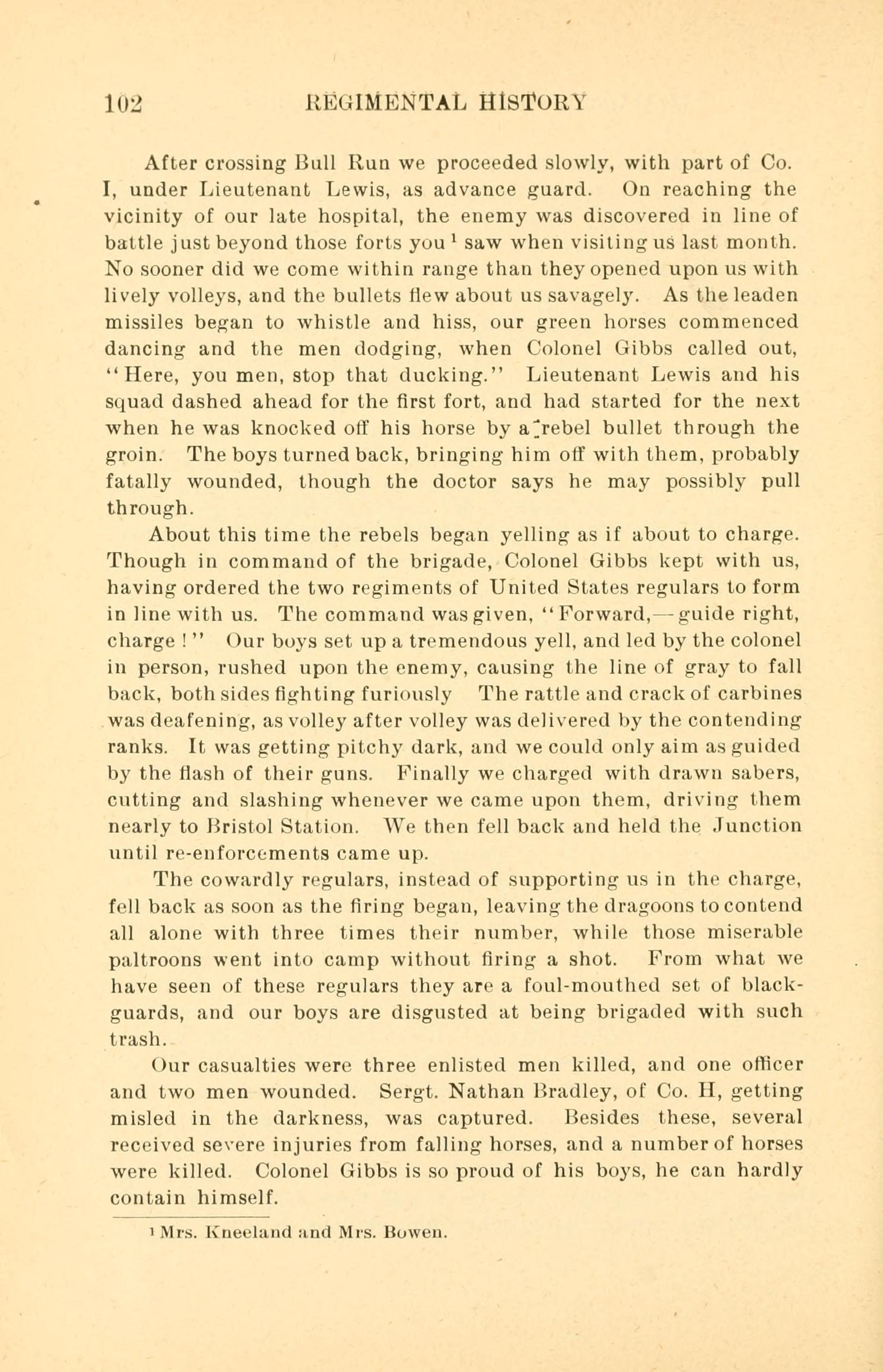
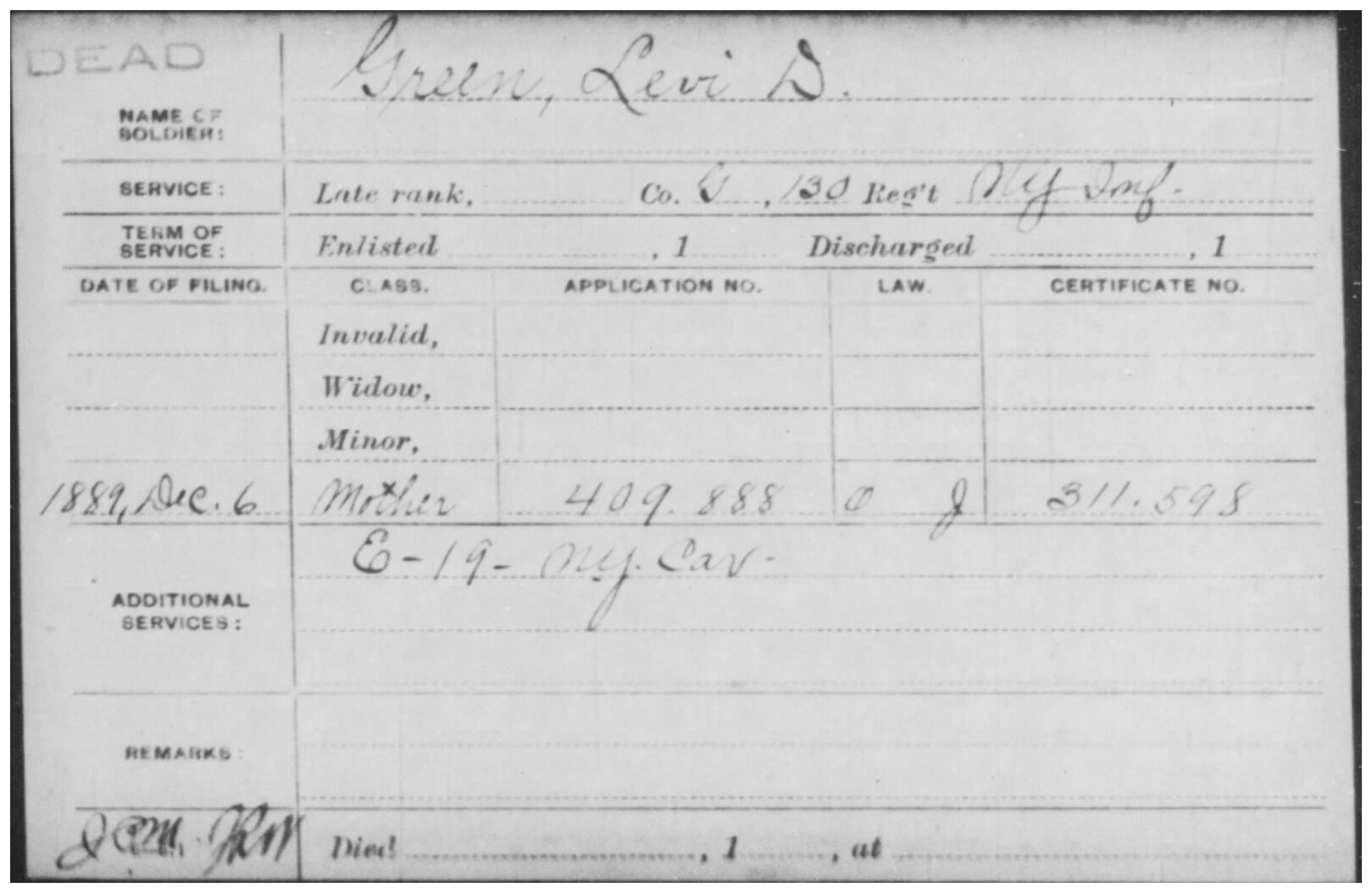
Letters, captivity records and a disputed-looking burial trail reveal different parts of Levi's life. Follow the evidence used to distinguish L. D. Green from another man buried nearby, and the pension records connected to his mother.
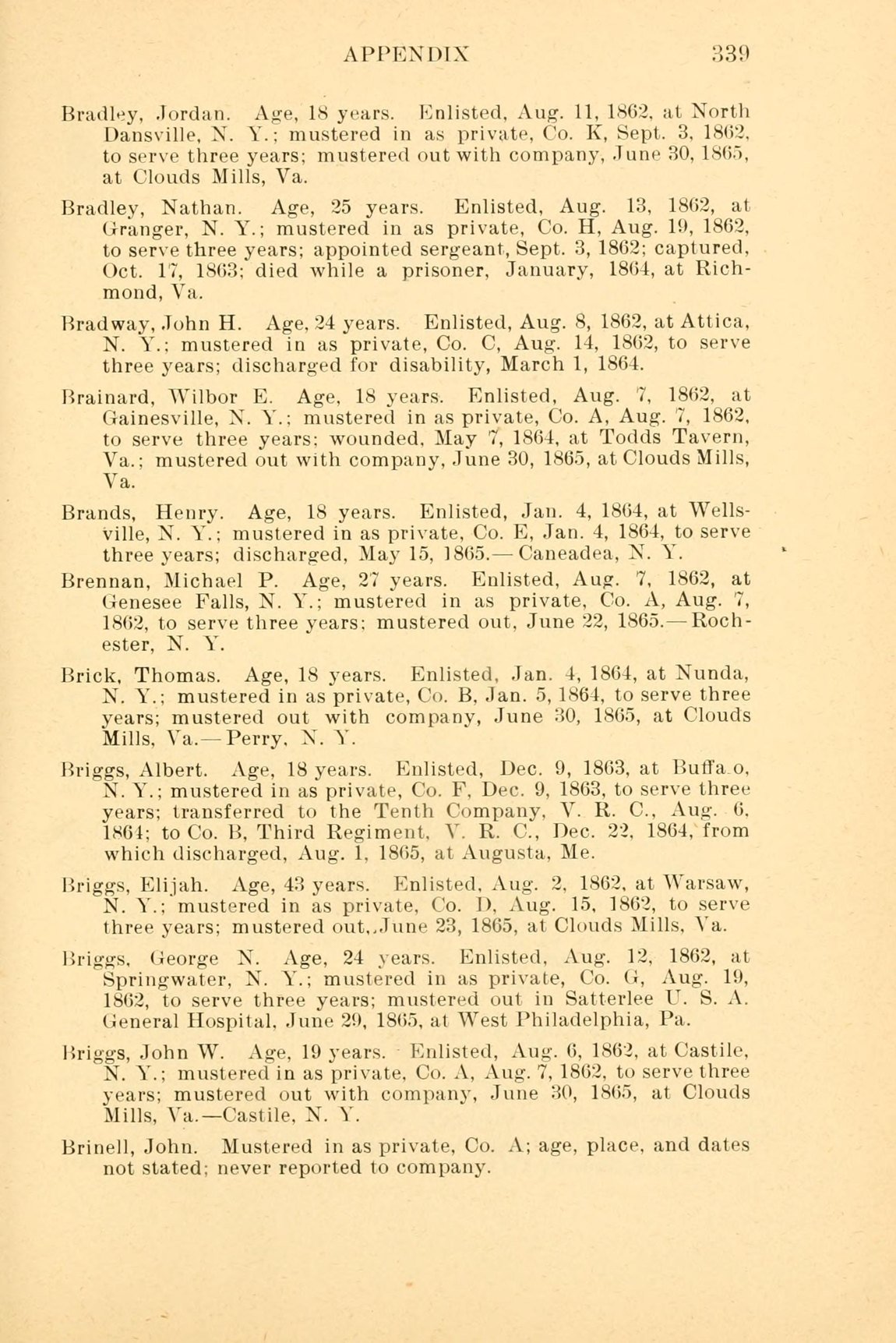
Bradley was captured after the Manassas fighting and died in captivity. His widow's pension research shows how a family claim could proceed when the military record could not fix a death date.
These connections come from the v172 manuscript and existing subject pages. A pension not connected here may still exist elsewhere. Namesakes and uncertain identities are not silently joined.
Follow the words into the evidence
What caught your attention?
Find a line from your reading, then follow its document and the record around it. Matching words helps locate evidence; checking who wrote them, when, and why helps you understand it.