Start with the guided reading below, or search this chapter for a person, quotation or topic. Follow the writing and evidence behind this part of GIBBS.
What would you like to explore in From Bowling Green to Guantanamo?
Go beyond the book · From Bowling Green to Guantanamo
Return to the person who carried a memory
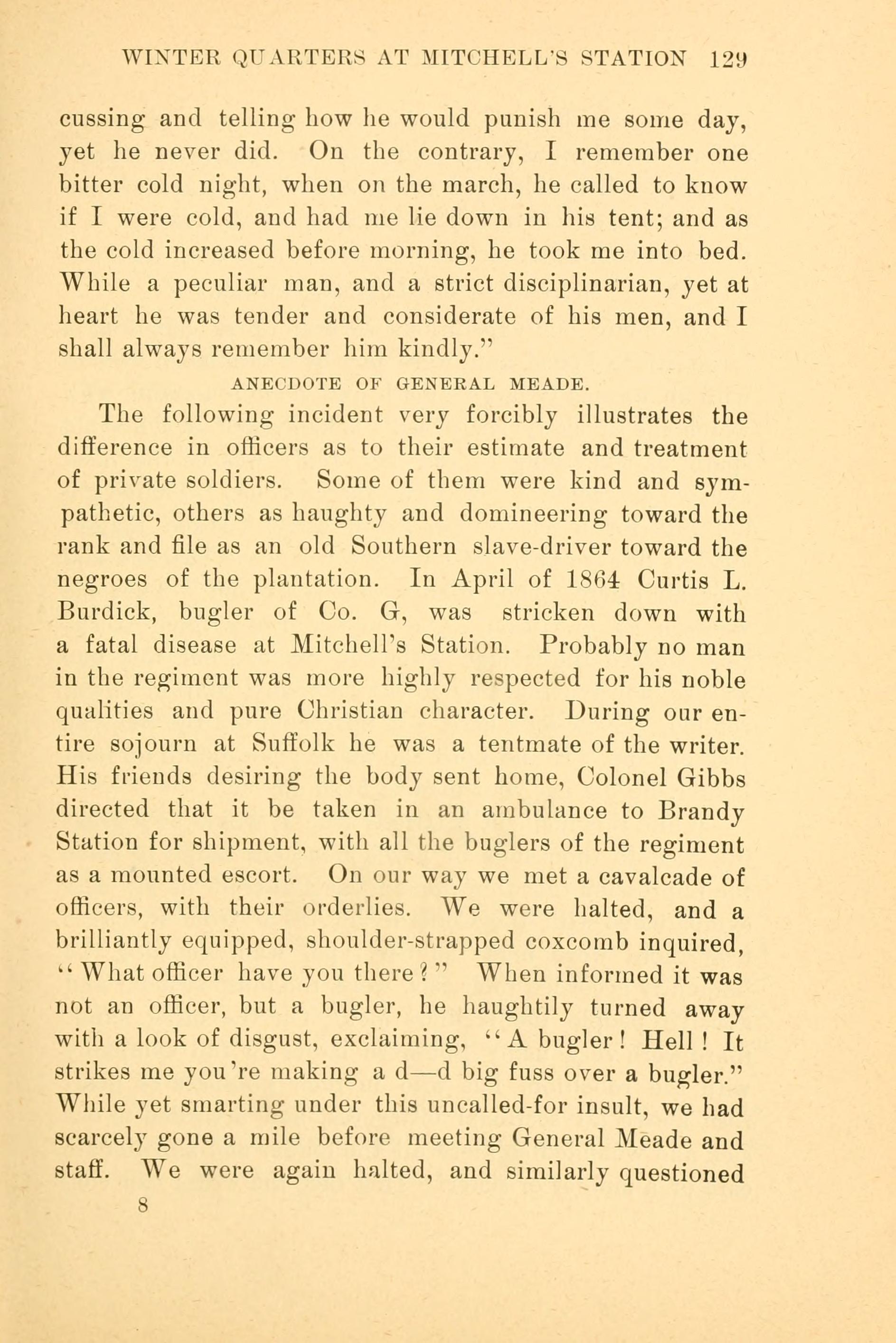
The epilogue returns to a small remembered kindness toward a young bugler. Following Hollenbeck as a named soldier gives that closing memory a research path beyond the final page.
New to these records? A little context.
A research account can combine historical documents, later recollections, images, and the author’s interpretation. Start with its source notes and captions. Ask who made each item, when it was made, and what kind of question it can answer.
How does a personal memory survive into a regimental history?
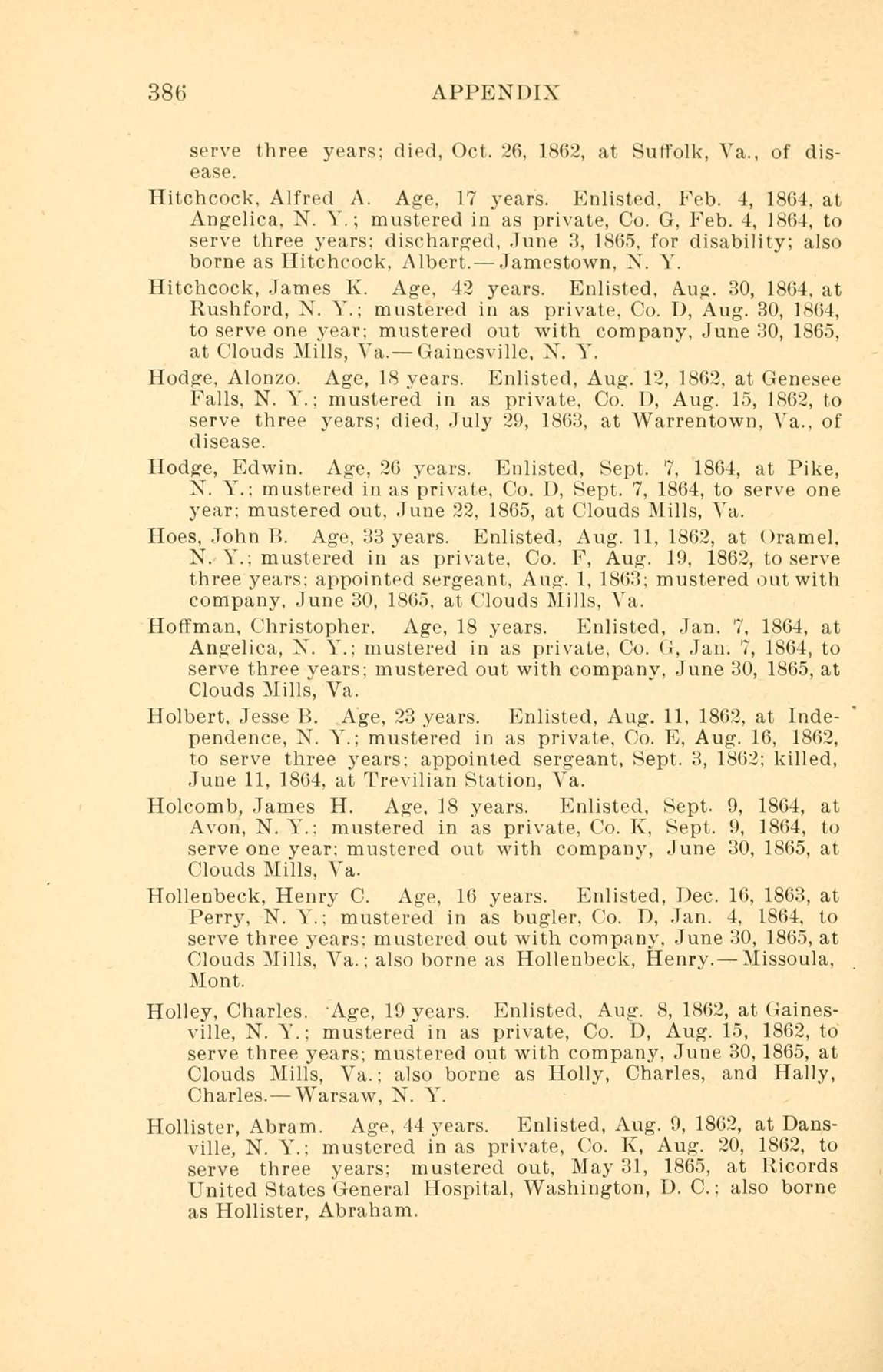
Bowen (1900), Regimental History of the First New York Dragoons — roster appendix, page 386 · From the linked account. Its original credits and image status are preserved there.
Read the source exhibit & its explanation
Henry Hollenbeck: following the remembered witness
Hollenbeck’s person record supplies a roster entry and county-history reference. They establish a route into the man whose later recollection the book quotes.
What to examine: Compare the service entry with the epilogue’s account and Bowen’s pages 128–129 cited in the manuscript. Ask when each was written and what each source can establish.
Keep this distinction in mind: The roster supports identity and service, not the kindness anecdote by itself. The recollection must be evaluated as a later account rather than as a wartime diary entry.
Keep your question in view as you explore. The reading tray retains From Bowling Green to Guantanamo. Close it to return to this point, or deliberately choose to explore outside the chapter.
Follow a life beyond the page
People you meet here
The book brings you into these lives. Follow a person to the family, service and research records available here. Pension material is identified separately from biography and recollection.
Follow Gibbs through the service and medical records, then Peggy’s petitions after his death. These sources let you distinguish what a doctor observed, what a widow asked for and what an official record actually establishes.
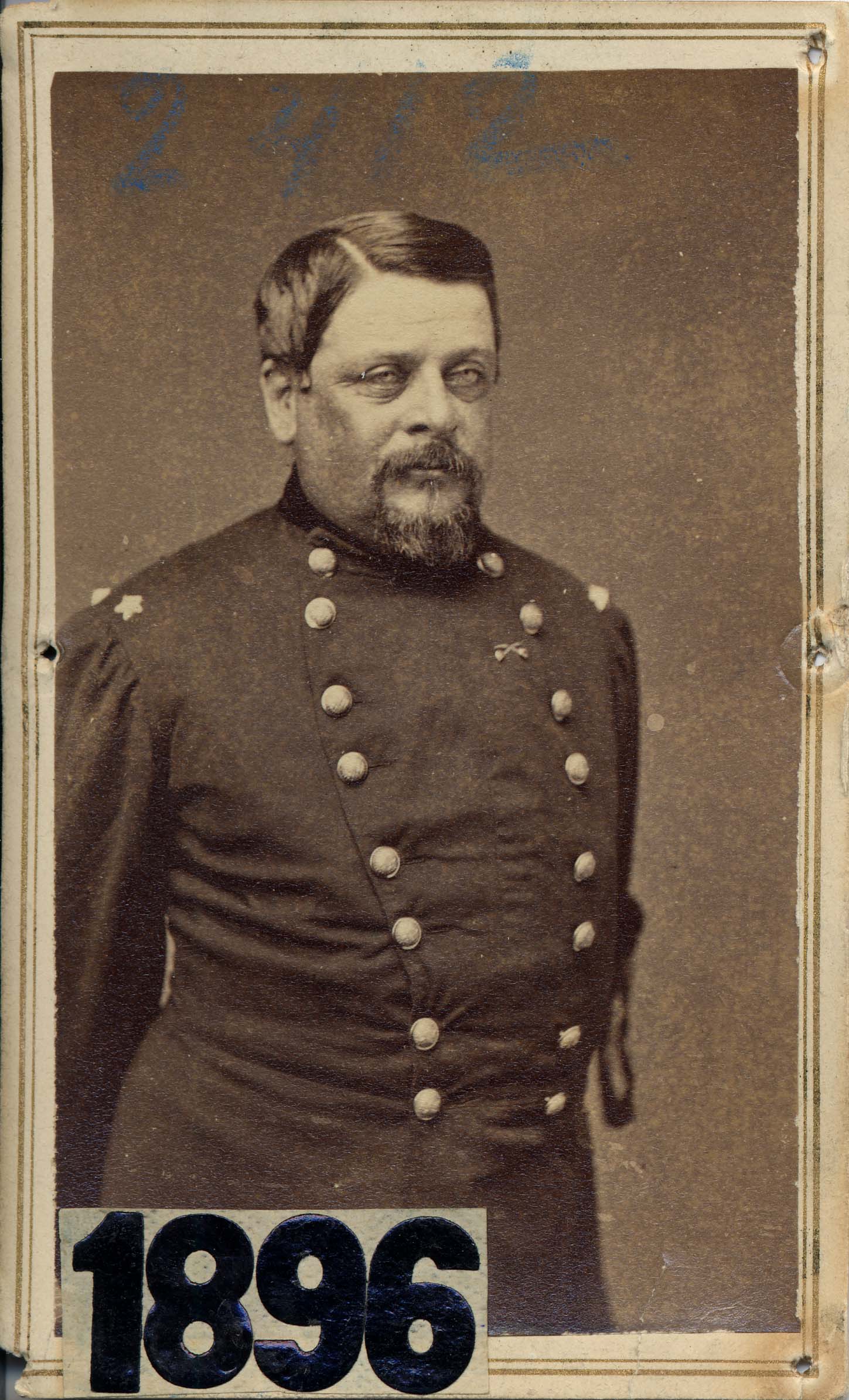
The young bugler's memories reveal an informal side of Gibbs. Compare the personal recollection with the service details and portrait on his research page.
These connections come from the v172 manuscript and existing subject pages. A pension not connected here may still exist elsewhere. Namesakes and uncertain identities are not silently joined.
Browse the chapter’s additional references
Research for this chapter
These pages are identified in the manuscript’s source notes. Their support for individual passages still needs editorial review.