Start with the guided reading below, or search this chapter for a person, quotation or topic. Follow the writing and evidence behind this part of GIBBS.
What would you like to explore in The Widow's Forty Years?
Go beyond the book · The Widow's Forty Years
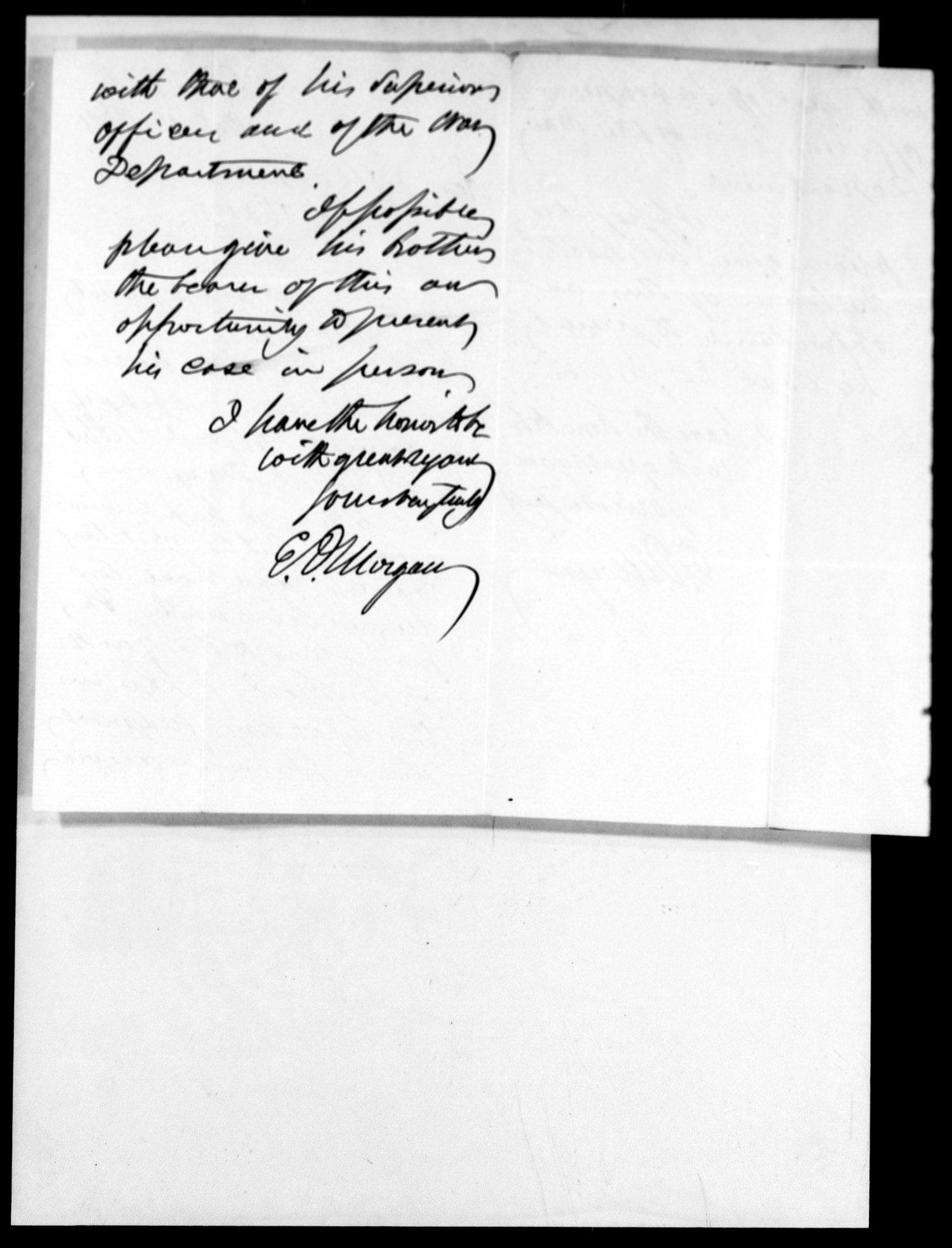
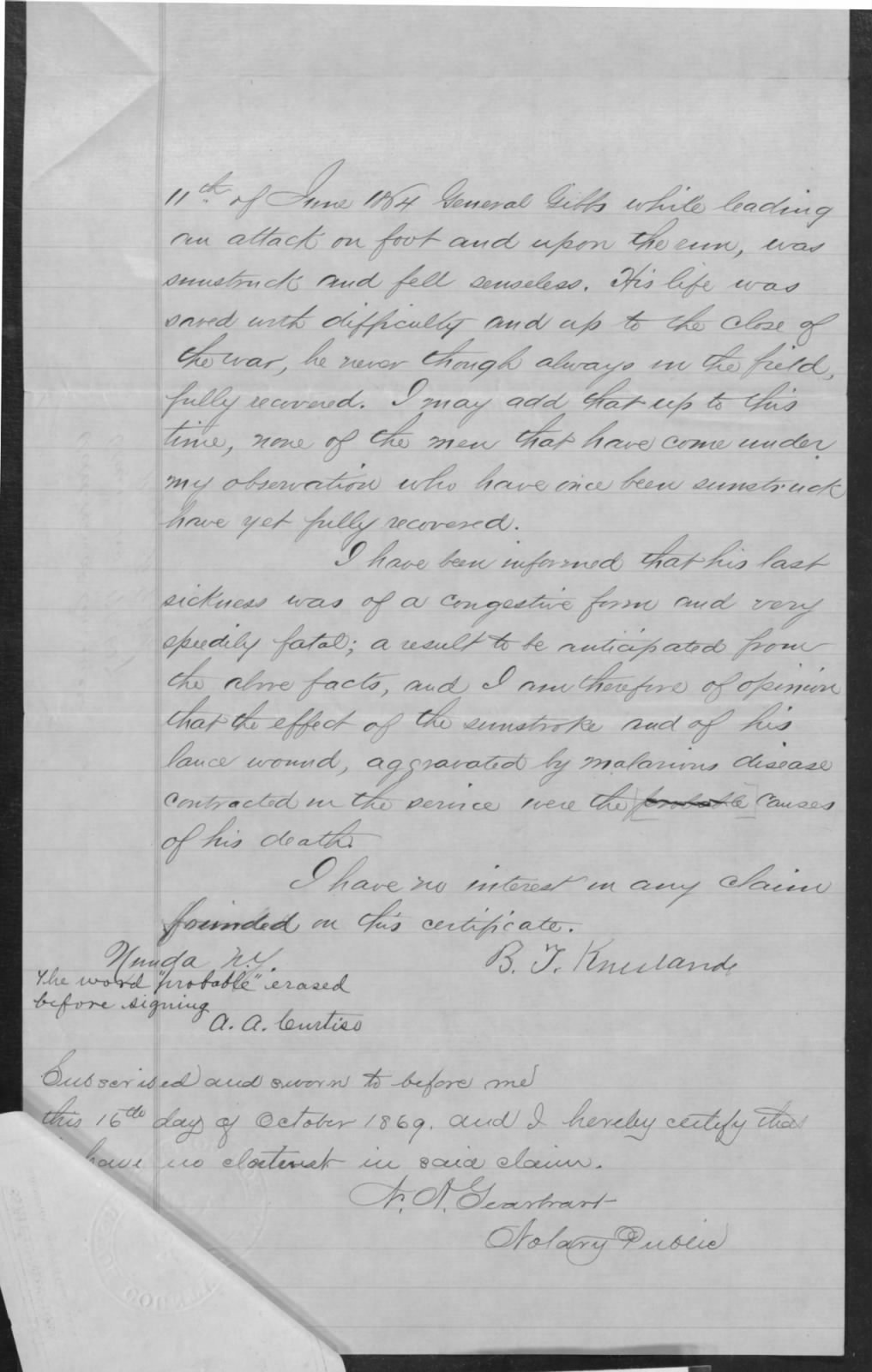
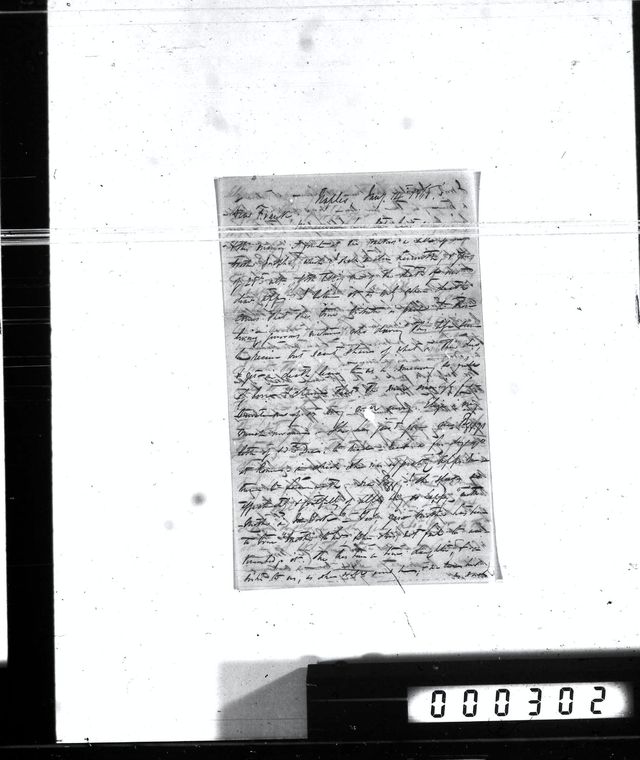
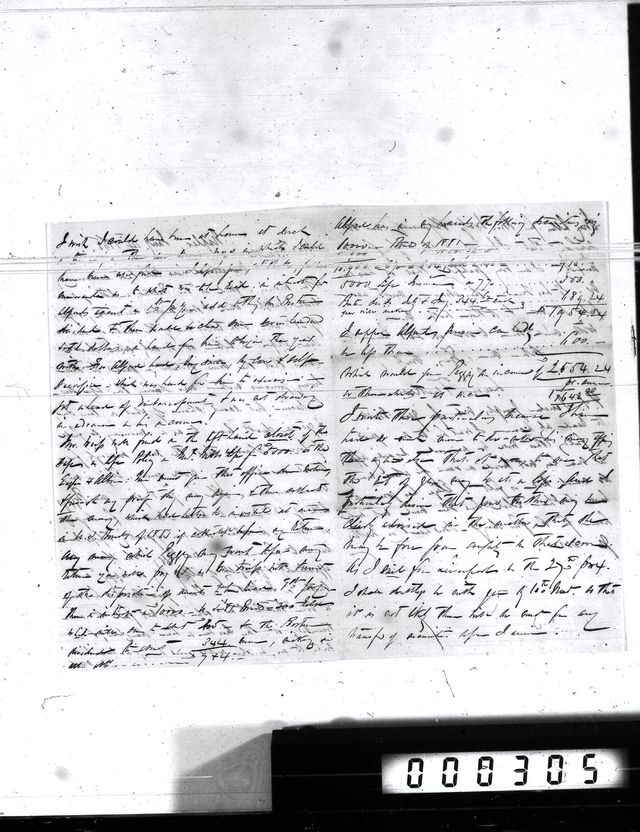
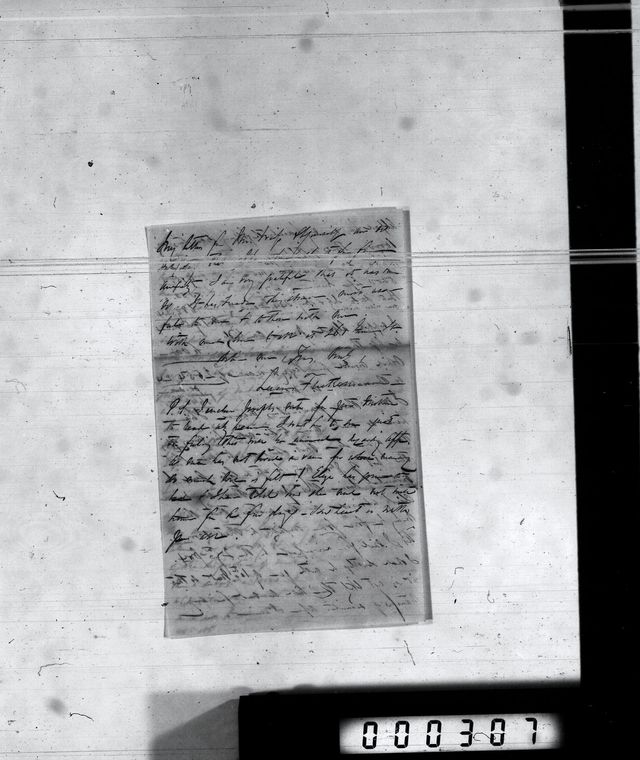
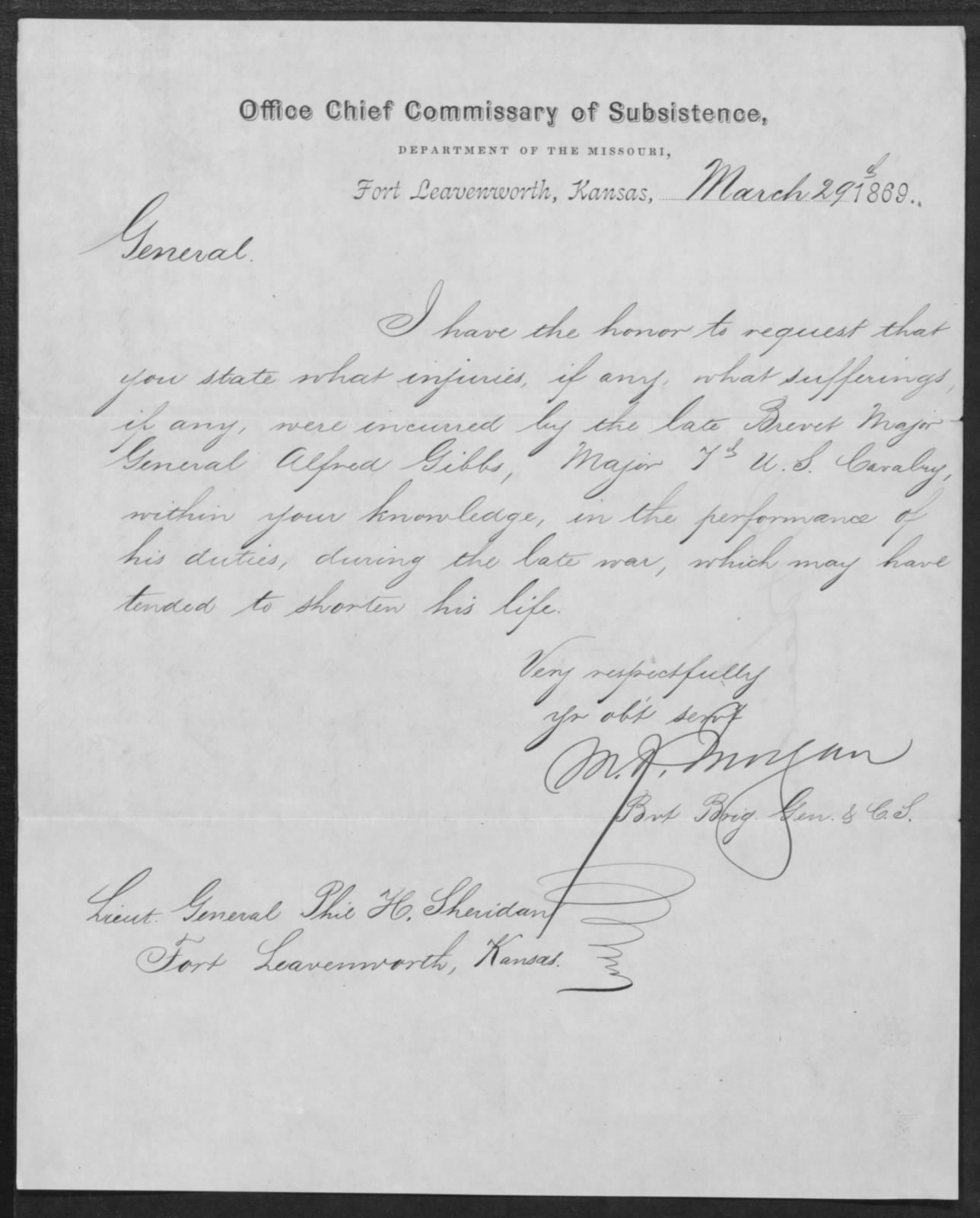
Follow Peggy’s claim in her own legal record
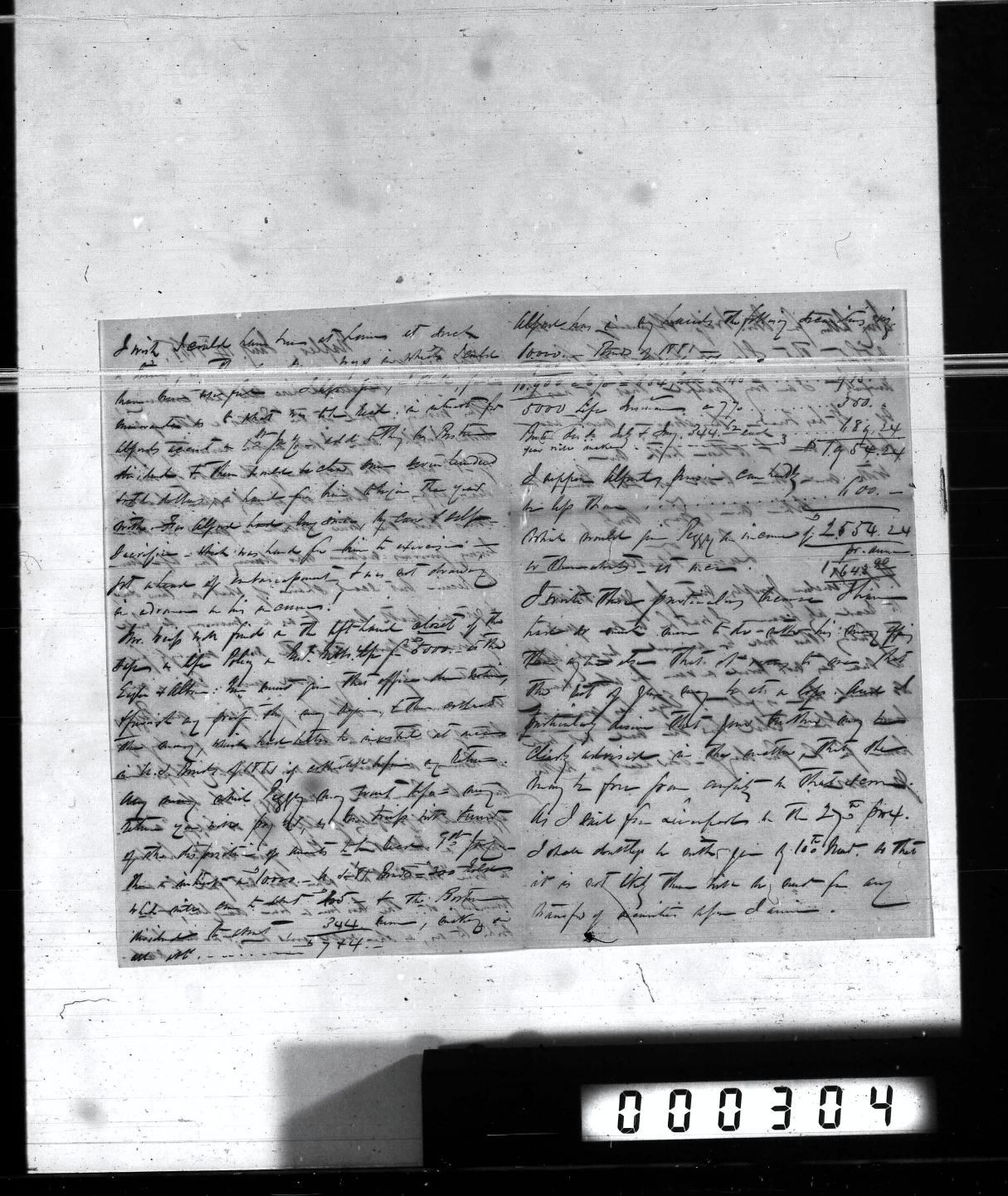
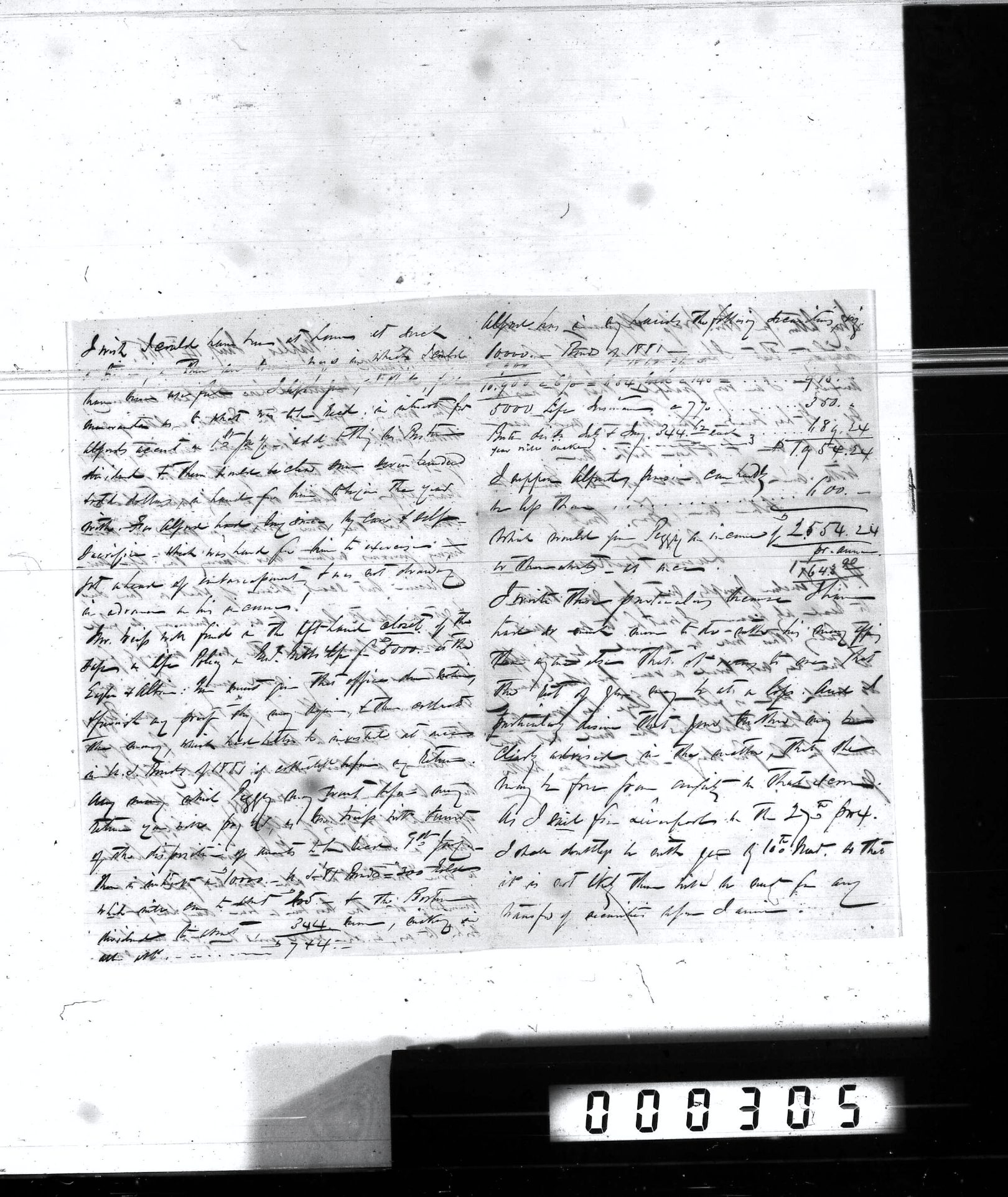
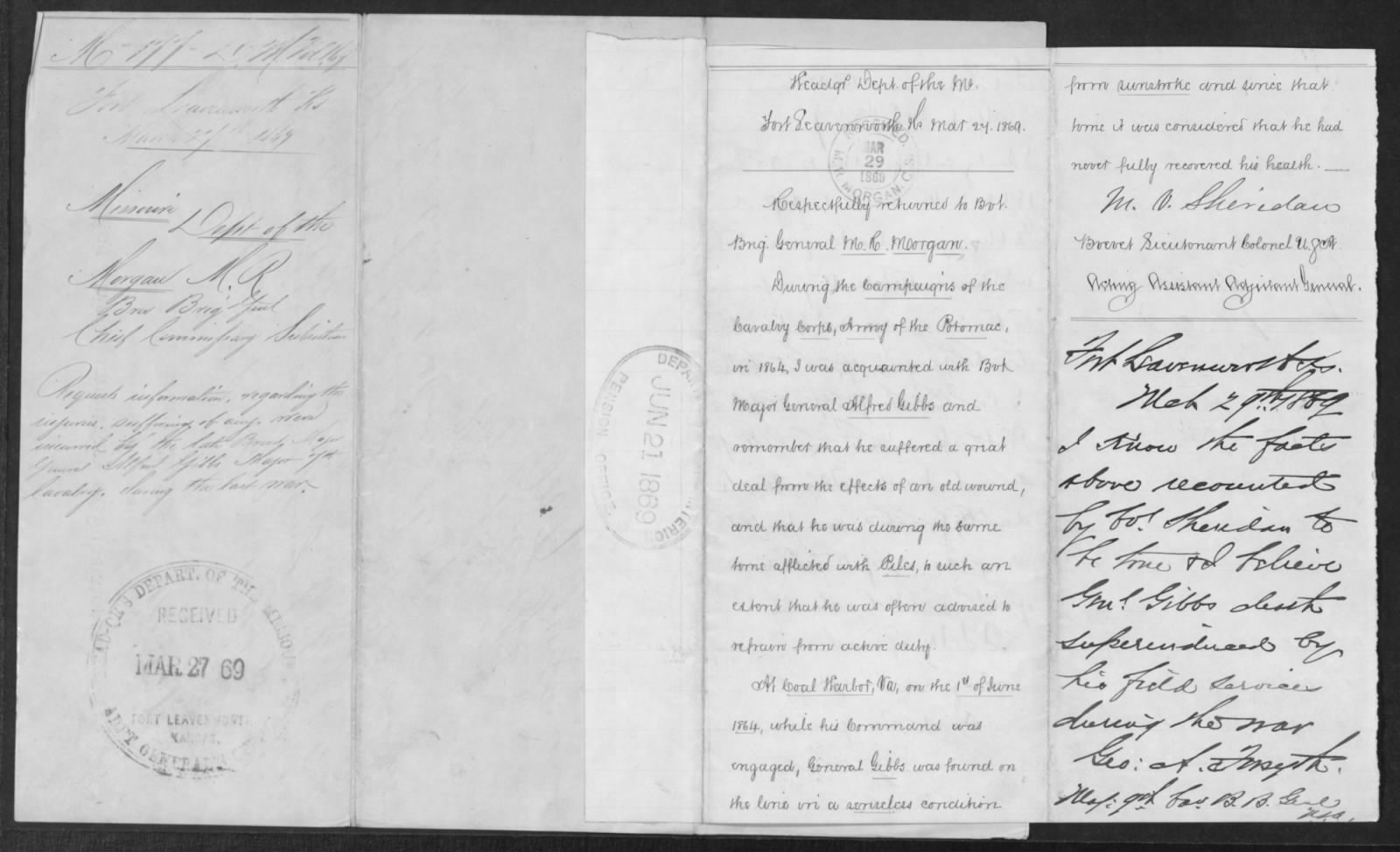
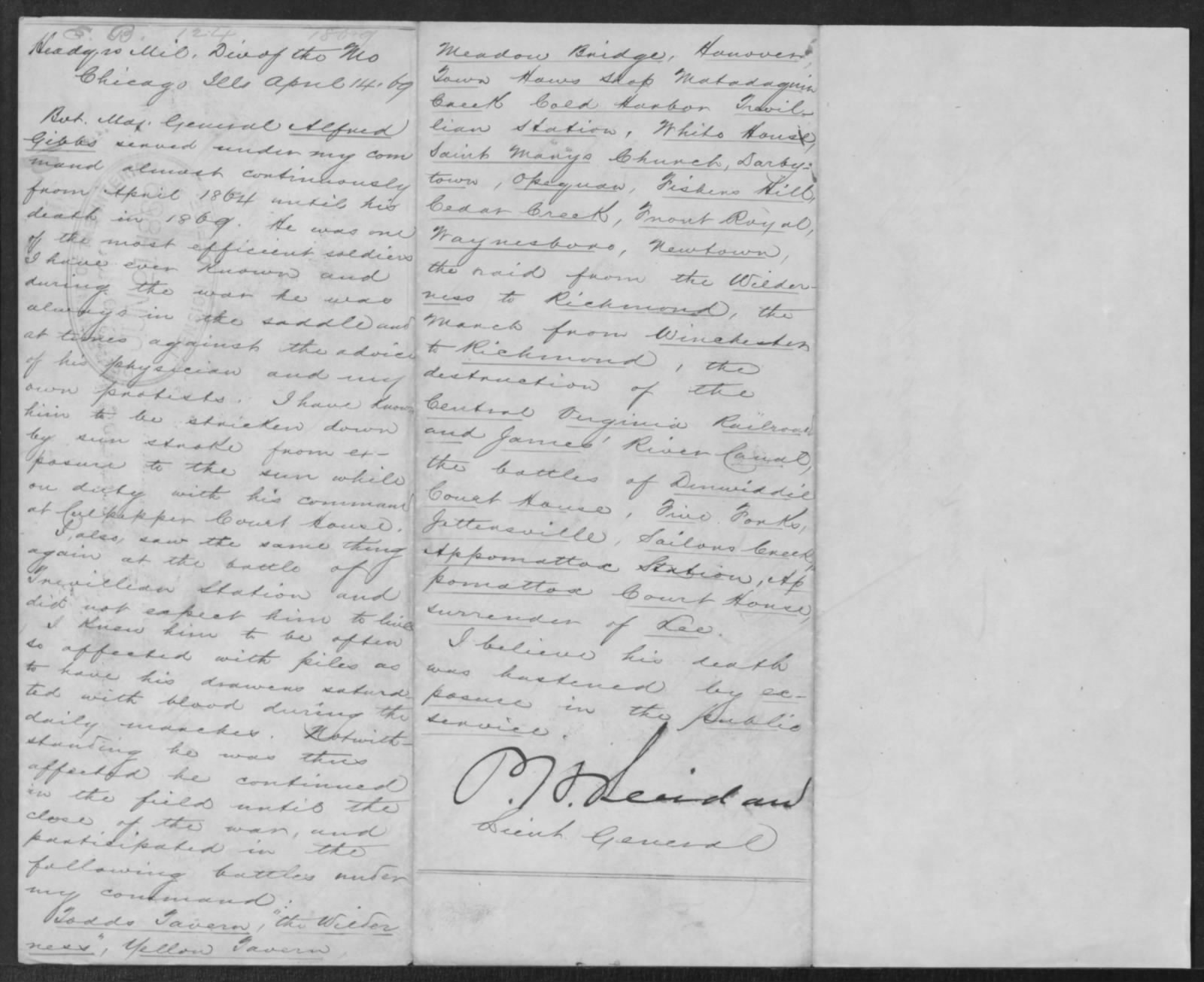
After Alfred’s death, Peggy’s story continued through pension declarations, witnesses, petitions, and family obligations. These papers make the widow an active claimant rather than an ending in a soldier’s biography.
New to these records? A little context.
A pension file records a claim and the evidence gathered to decide it. A burial list records an interment or the information copied from a marker. These records can contain mistakes, and each has a different purpose from a later family history.
What did Peggy have to establish to obtain support?
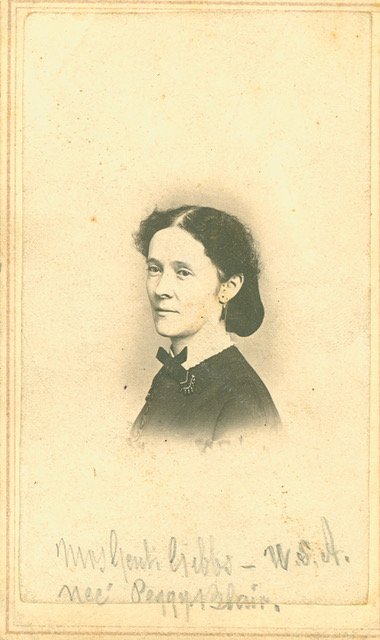
Peggy Foushee Blair Gibbs — original carte de visite · From the linked account. Its original credits and image status are preserved there.
Read the source exhibit & its explanation
Peggy’s family and pension research
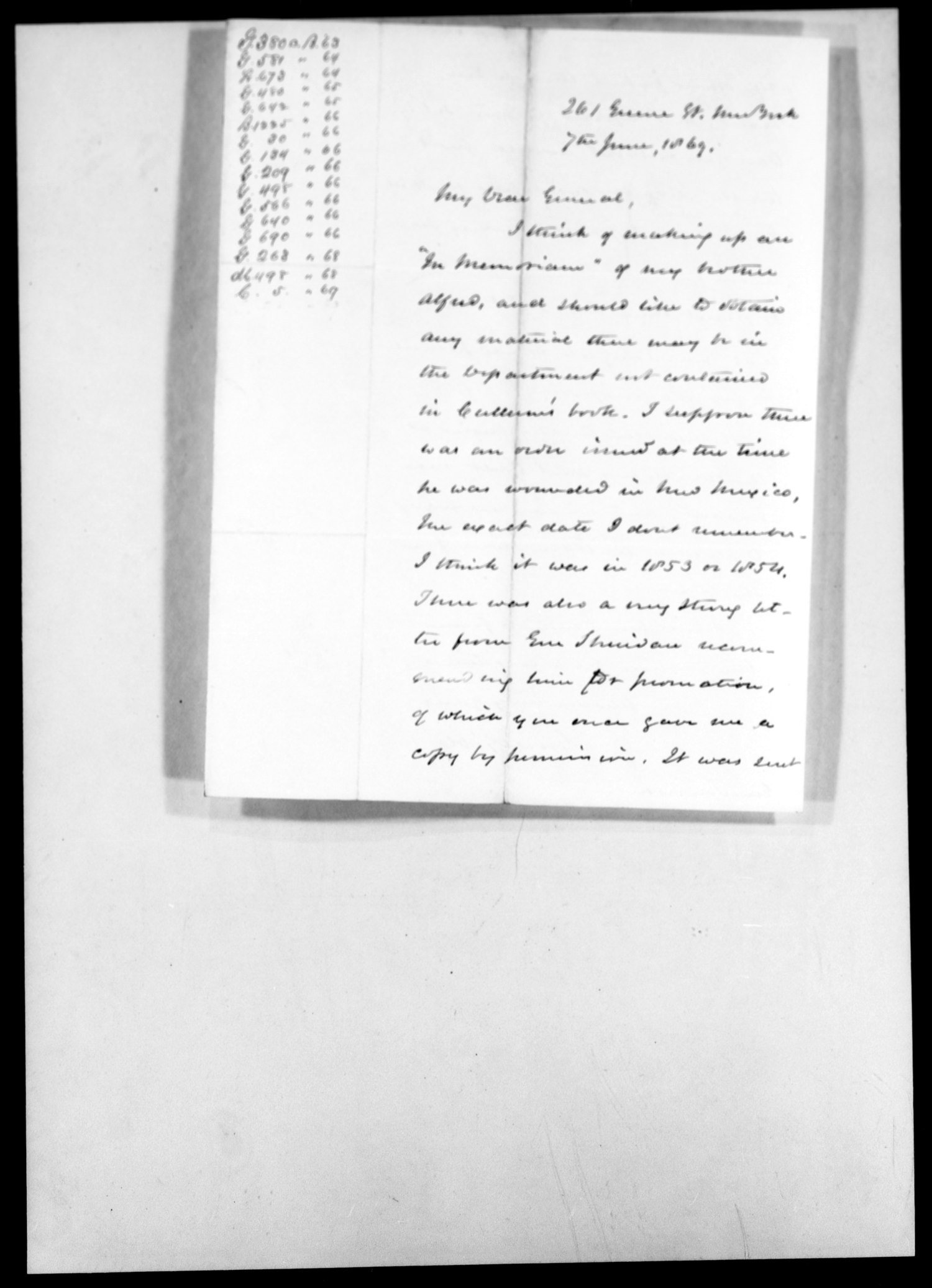
Her research page brings pension material together with family records and later notices. It provides the named documents behind the chapter’s account of the long claim.
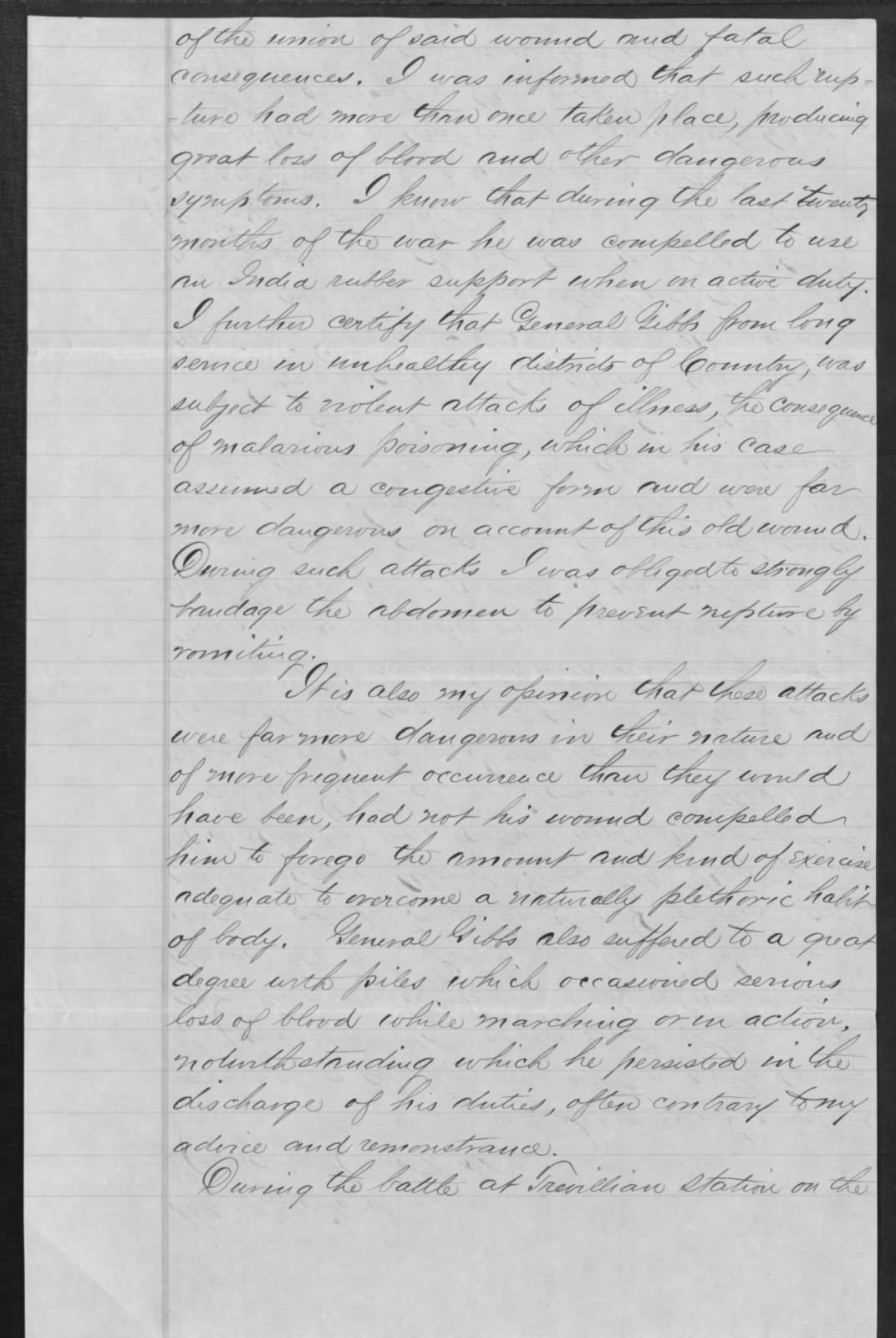
What to examine: Find the declarations and witness statements, then compare them with the award and petition dates. Ask what each witness actually observed and what Peggy requested.
Keep this distinction in mind: A witness’s medical opinion and an administrative pension decision are distinct evidence. Do not treat an award as proof of every causal claim made in support of it.
Keep your question in view as you explore. The reading tray retains The Widow's Forty Years. Close it to return to this point, or deliberately choose to explore outside the chapter.
Follow a life beyond the page
People you meet here
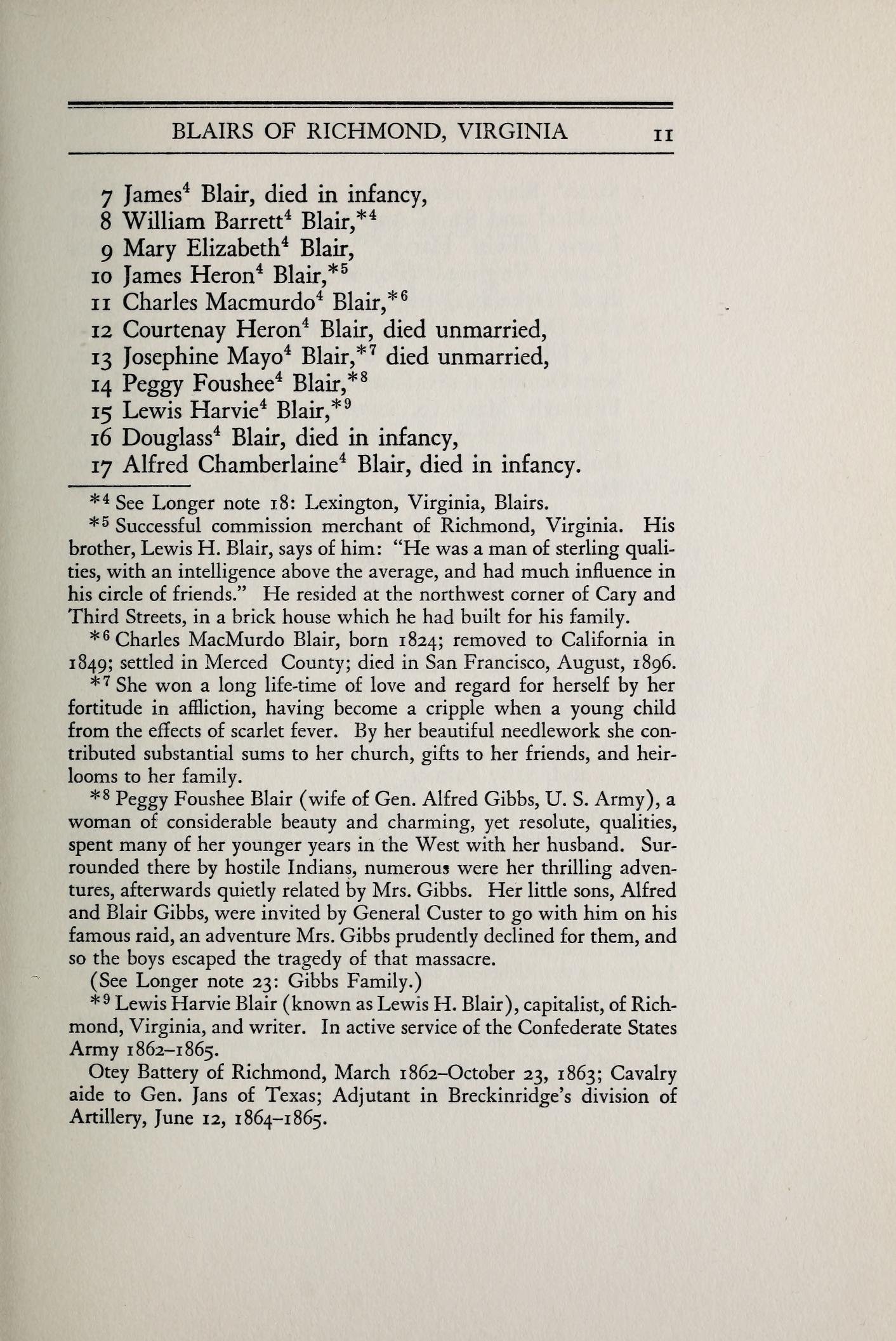
The book brings you into these lives. Follow a person to the family, service and research records available here. Pension material is identified separately from biography and recollection.
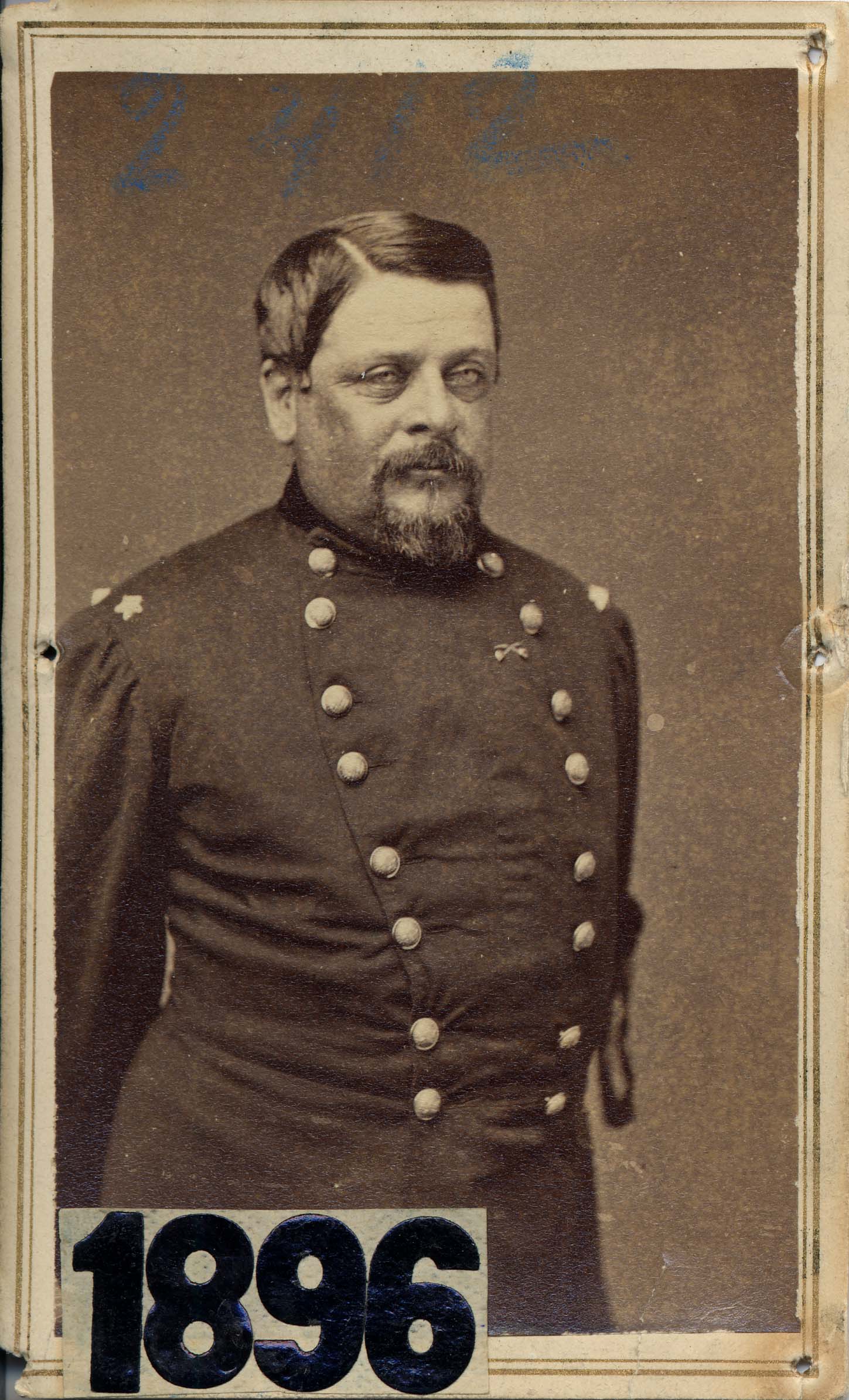
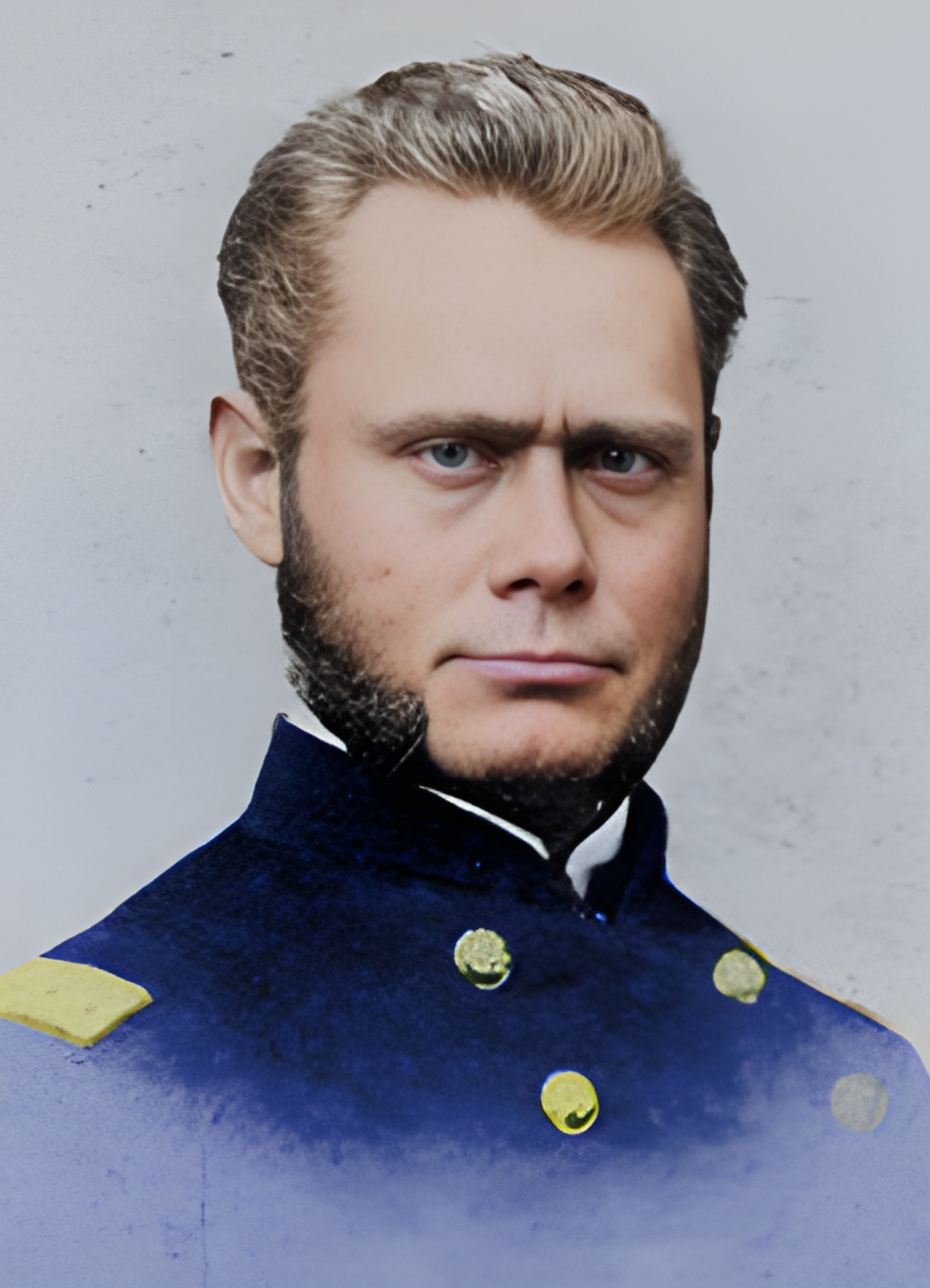
Follow Gibbs through the service and medical records, then Peggy’s petitions after his death. These sources let you distinguish what a doctor observed, what a widow asked for and what an official record actually establishes.
The surgeon examined recruits, managed the hospital and later testified about Gibbs's health. His position matters when deciding what he could observe directly and what was a medical opinion.
Custer's career crosses Gibbs's through cavalry command and the postwar army. Follow Garland's research on their relationship rather than assuming a famous name supplies all the context a reader needs.
McClellan was Gibbs's West Point classmate before he became a Union commander. Garland's connected essays and letters let you explore those relationships beyond the familiar public reputation.
Phil Sheridan is the cavalry commander. The manuscript also names his brother, Colonel Michael Sheridan. Michael escorted Gibbs’s remains and supplied testimony about his health. Those actions must not be attributed to Phil; use this profile to distinguish the commander from the witness.
Scott recommended Alfred for West Point and later commanded the army in Mexico. Follow the recommendation and the campaign as distinct kinds of evidence about their relationship.
These connections come from the v172 manuscript and existing subject pages. A pension not connected here may still exist elsewhere. Namesakes and uncertain identities are not silently joined.
Follow the words into the evidence
What caught your attention?
Find a line from your reading, then follow its document and the record around it. Matching words helps locate evidence; checking who wrote them, when, and why helps you understand it.