Start with the guided reading below, or search this chapter for a person, quotation or topic. Follow the writing and evidence behind this part of GIBBS.
What would you like to explore in Sheridan's Cavalry?
Go beyond the book · Sheridan's Cavalry
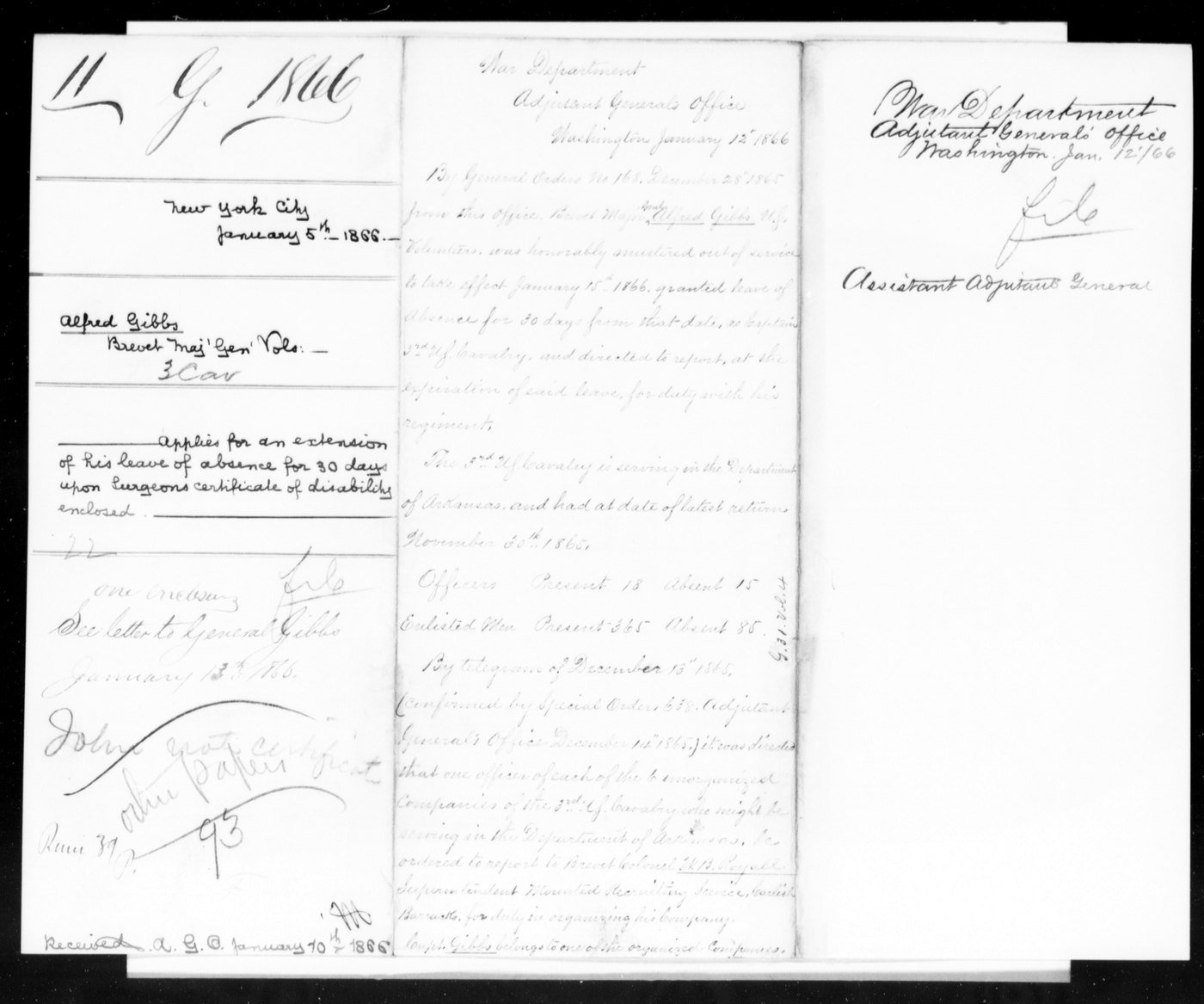
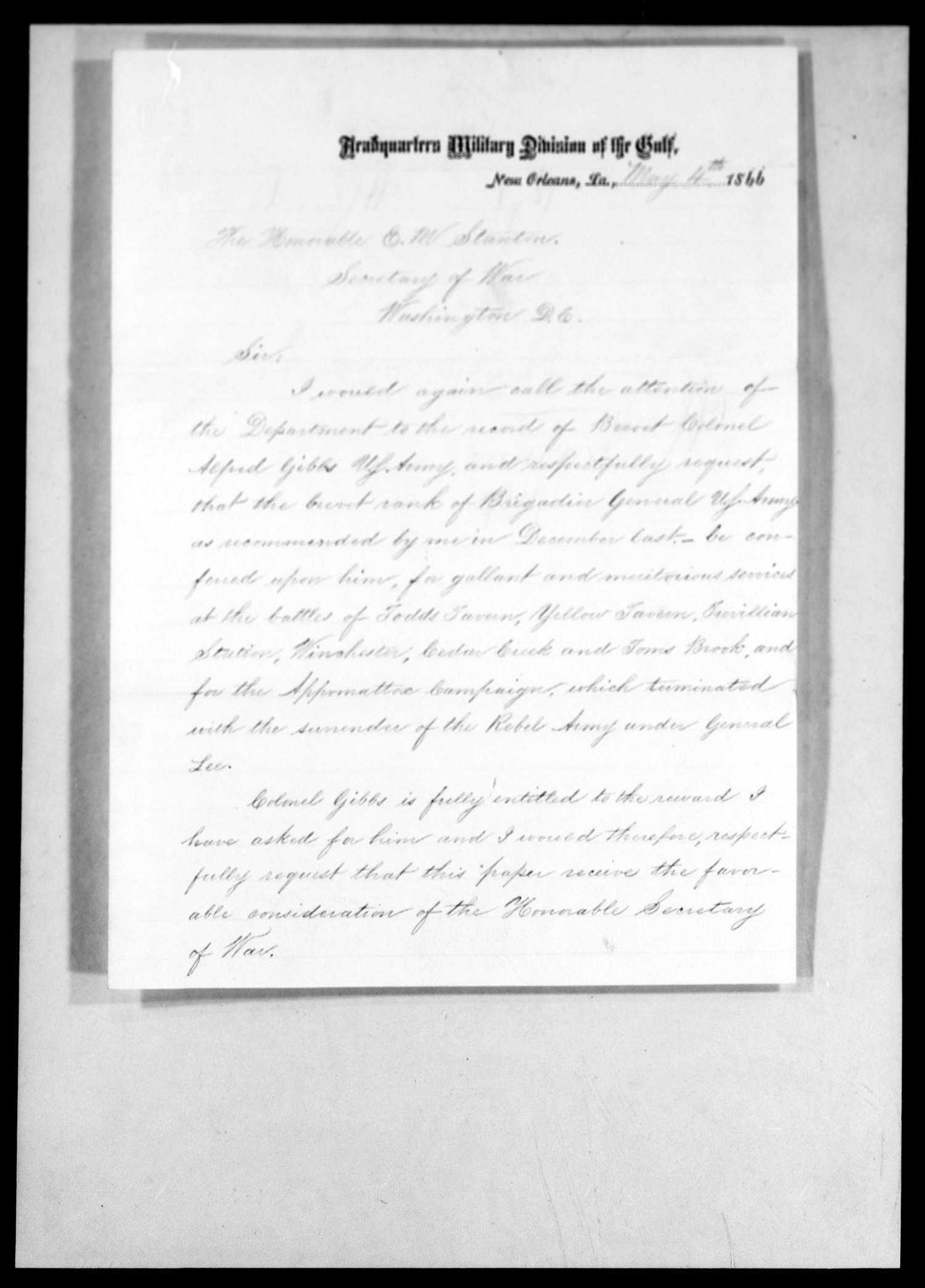
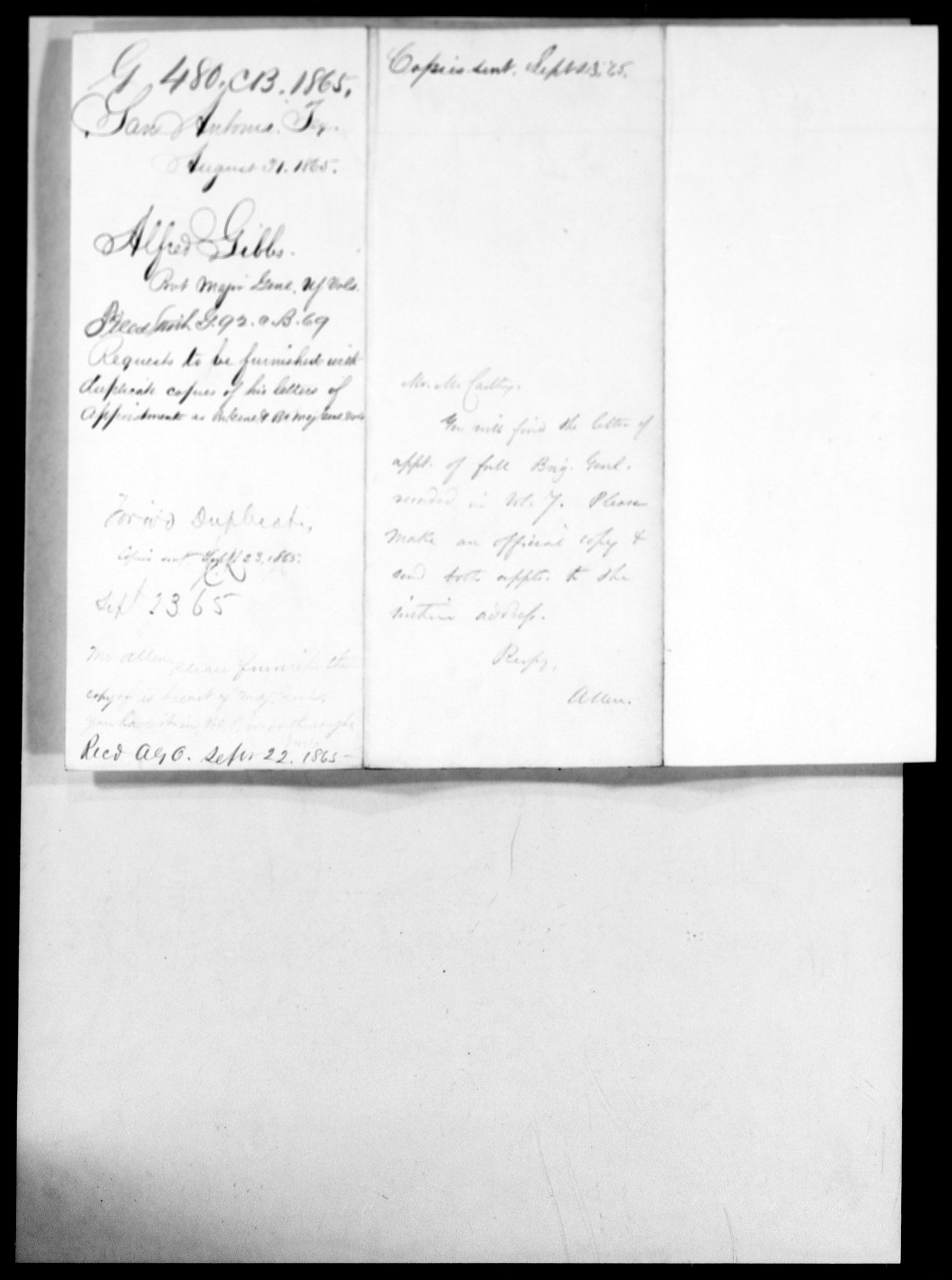
Read the paperwork of recovery after victory
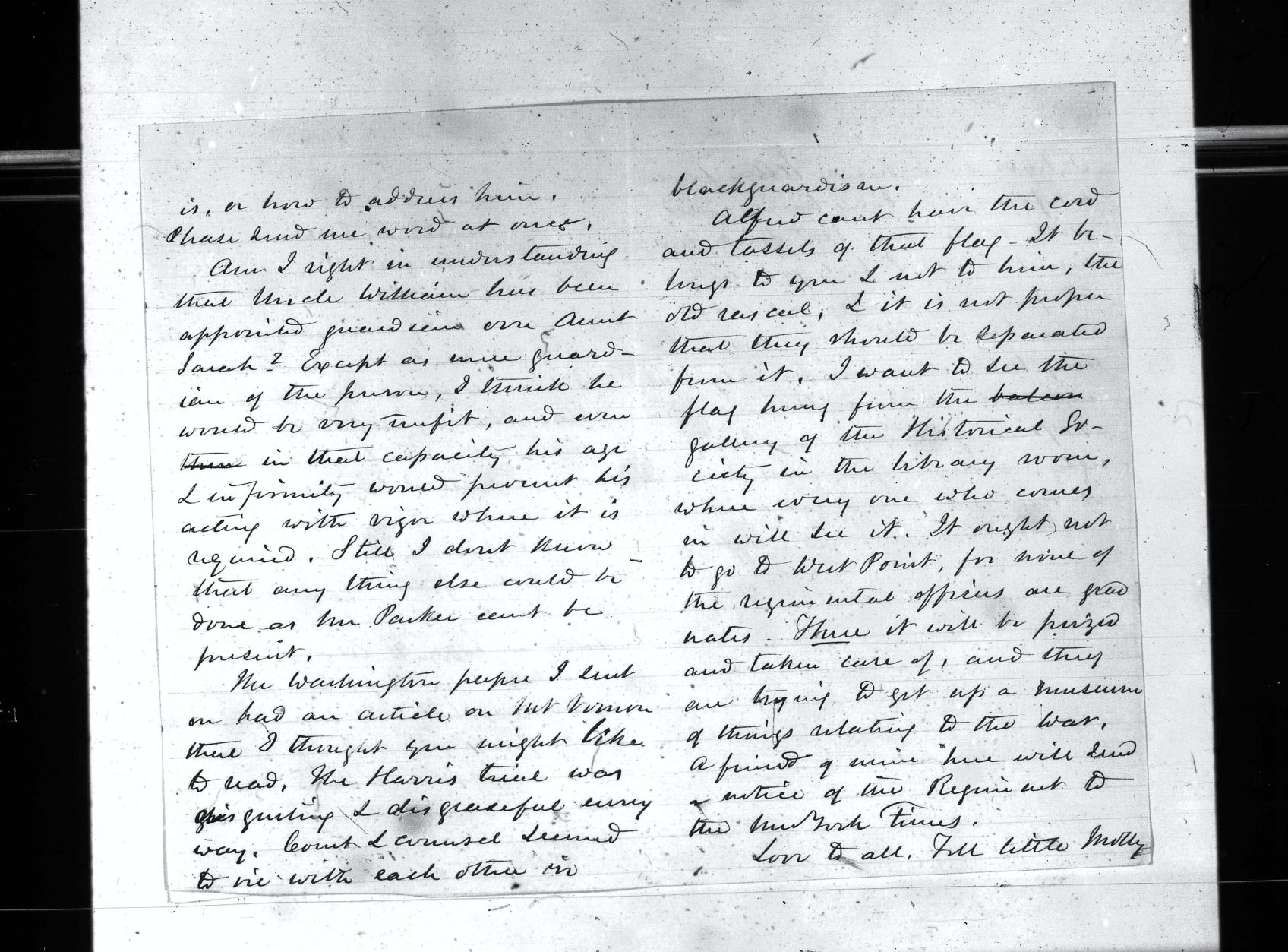
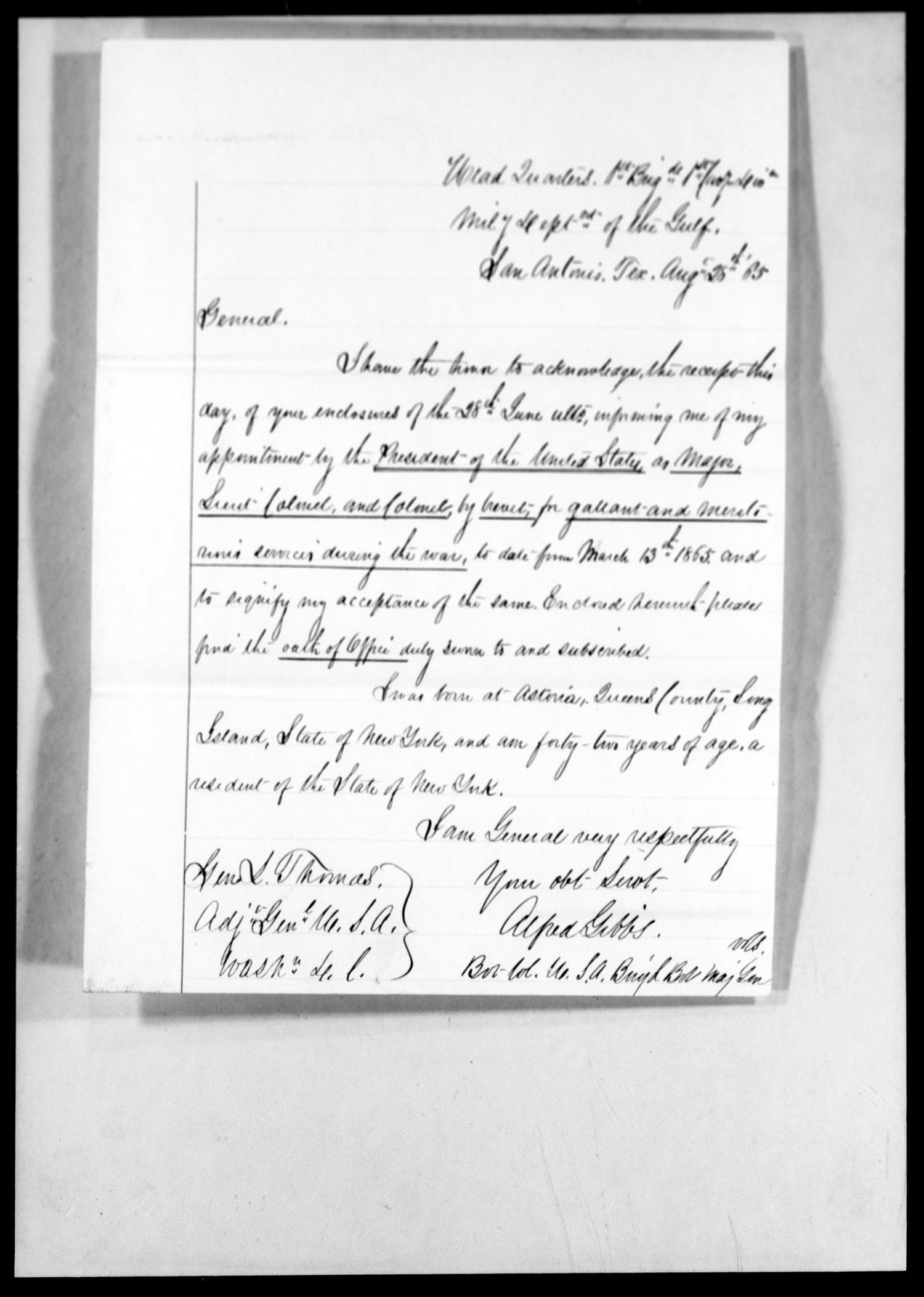
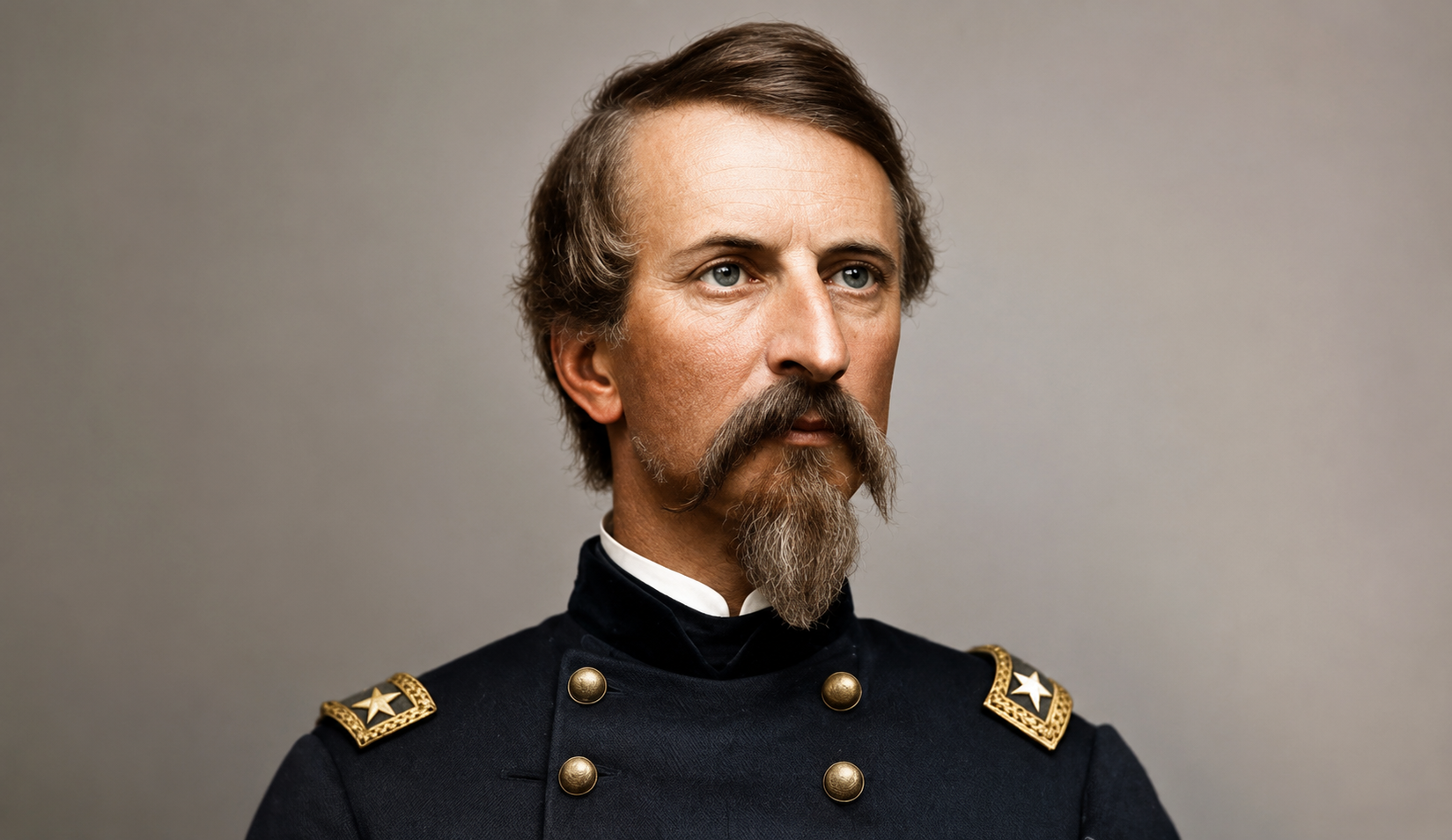
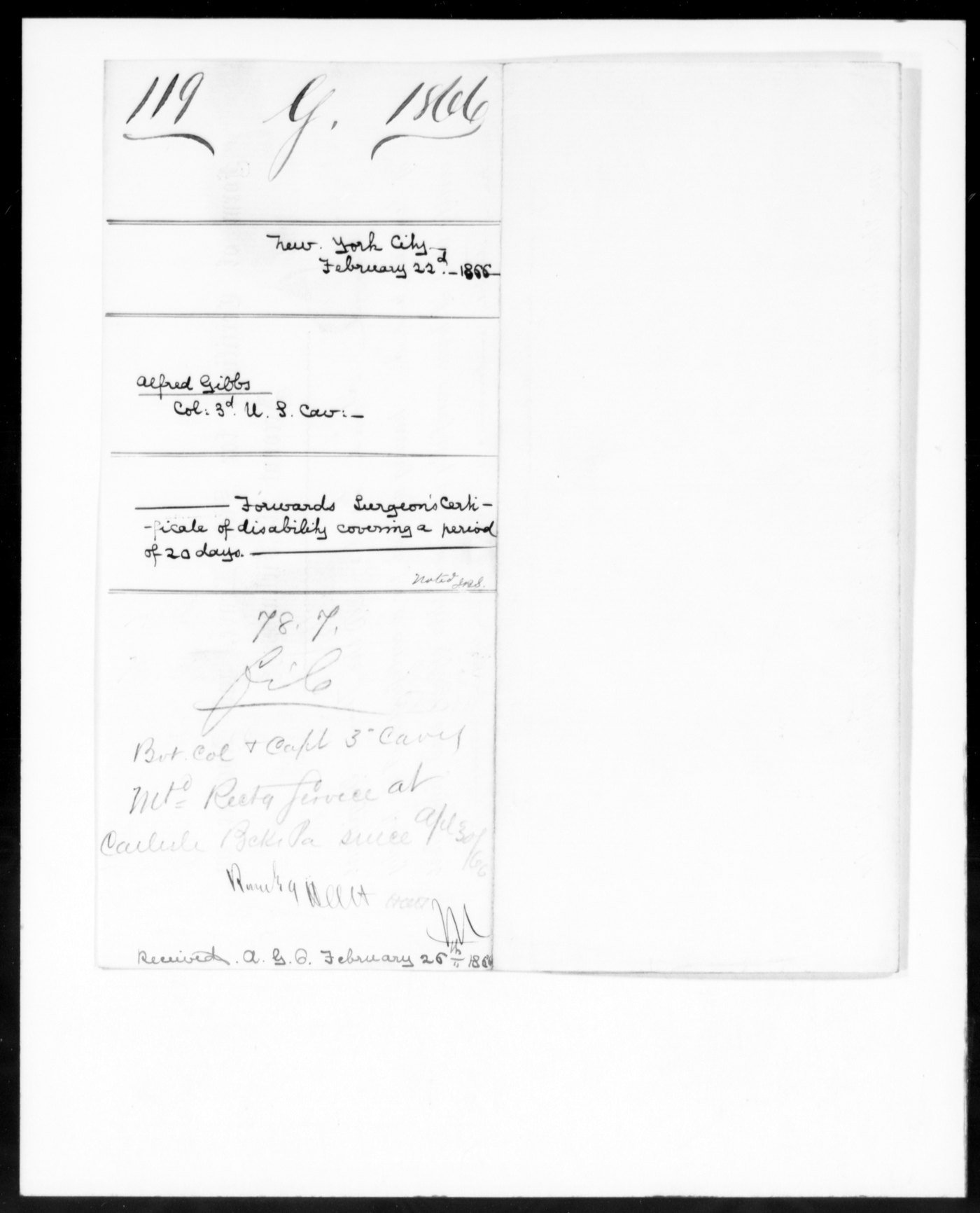
After the war, Gibbs’s service continued while illness interrupted his duties. His leave-extension packet connects the chapter’s Texas service to the physical demands that followed it.
New to these records? A little context.
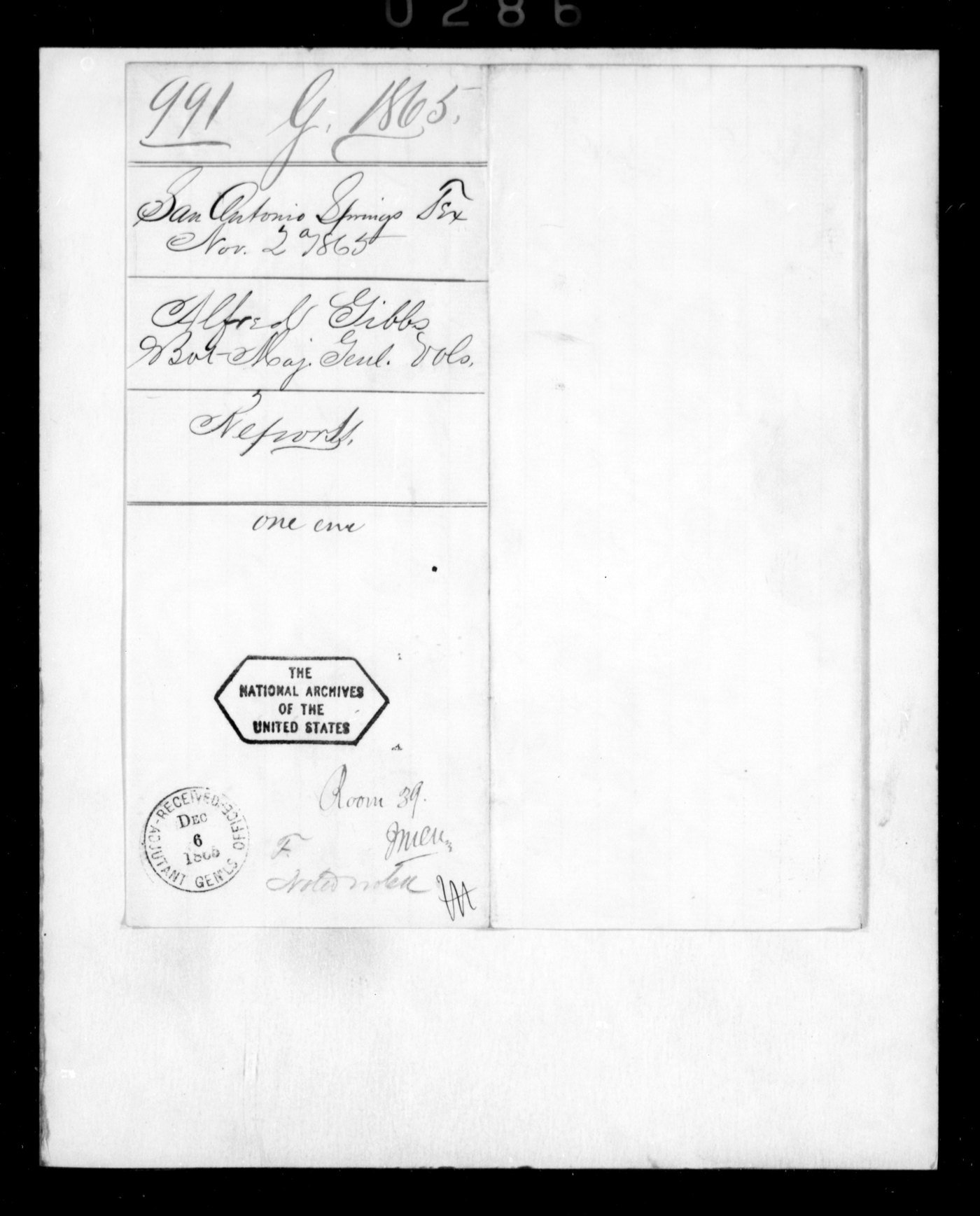
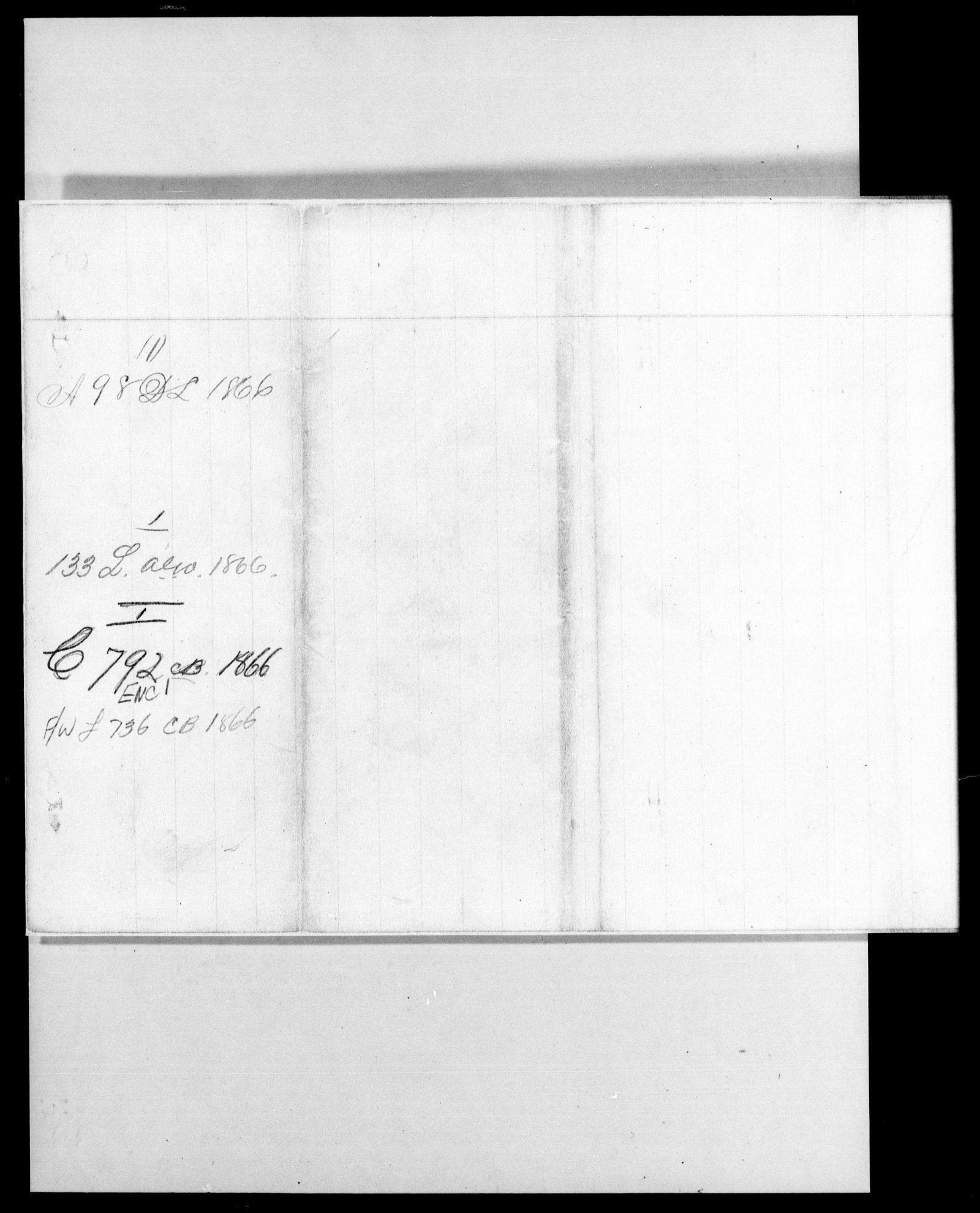
A docket is an office’s summary or filing note; it may be on a wrapper rather than in the letter. An endorsement is another official’s response or forwarding note. Read each voice and date separately. A transcription is a reading of a document, with uncertain words marked where the exhibit provides them.
What does a medical leave file reveal that a battle history does not?
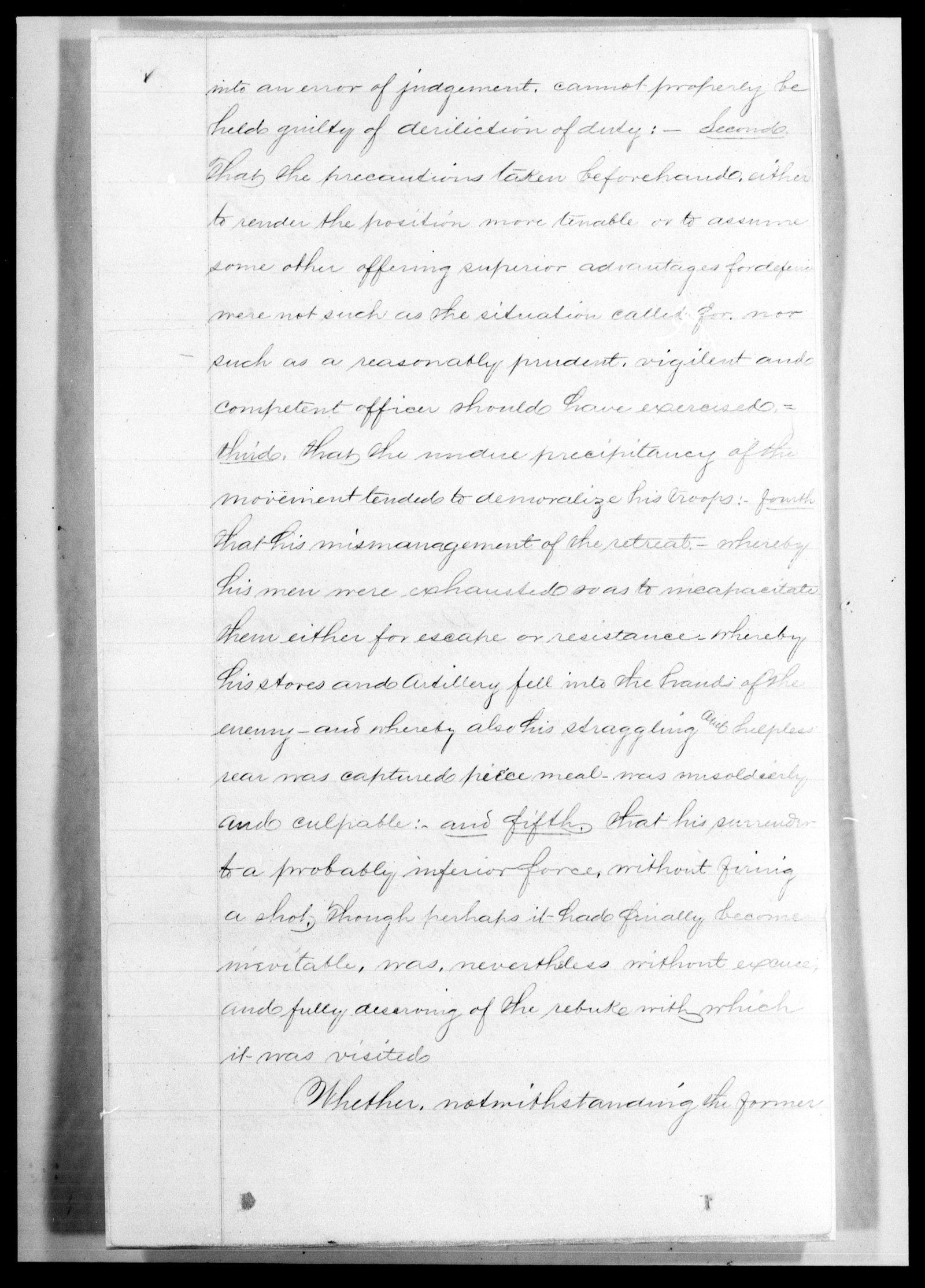
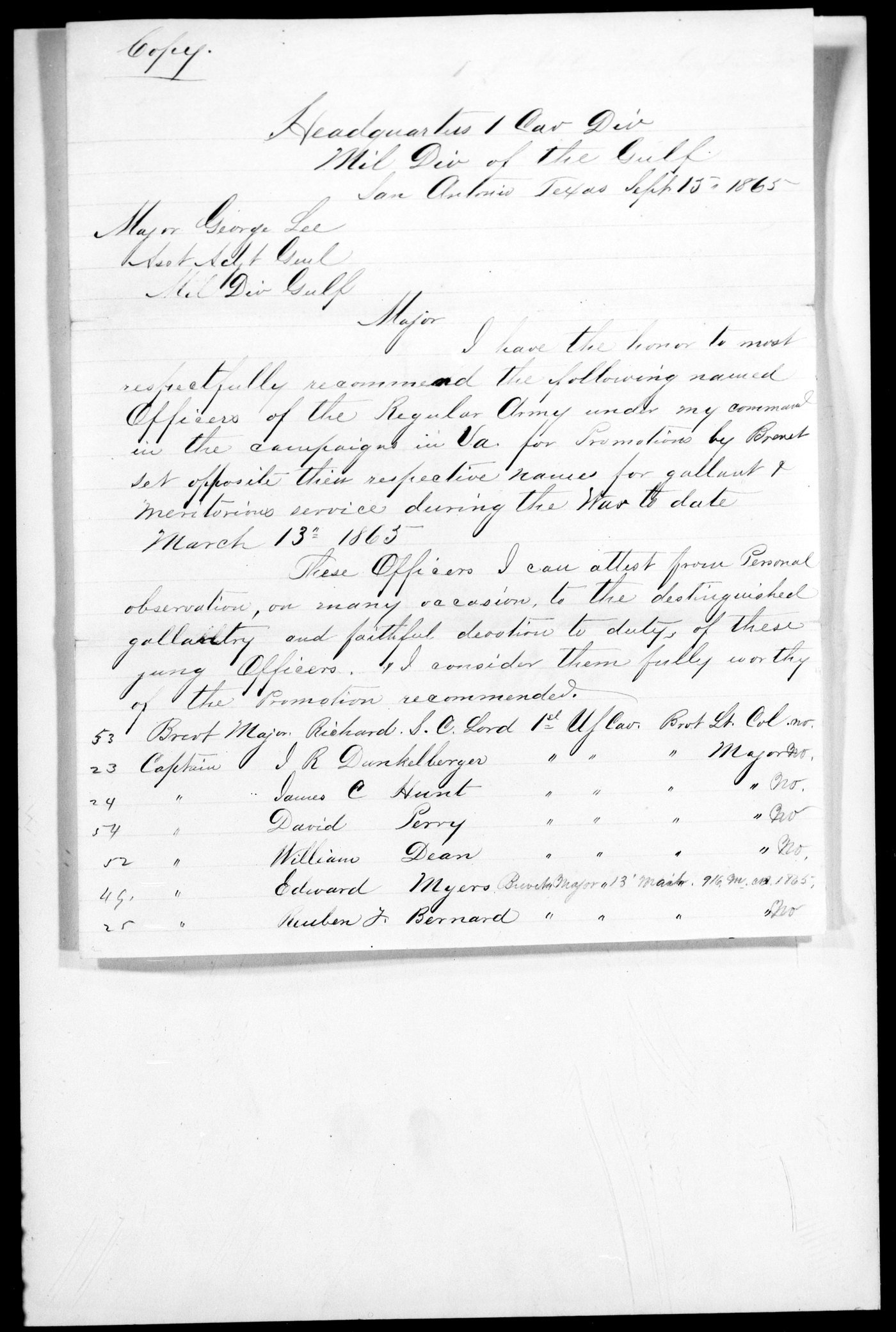
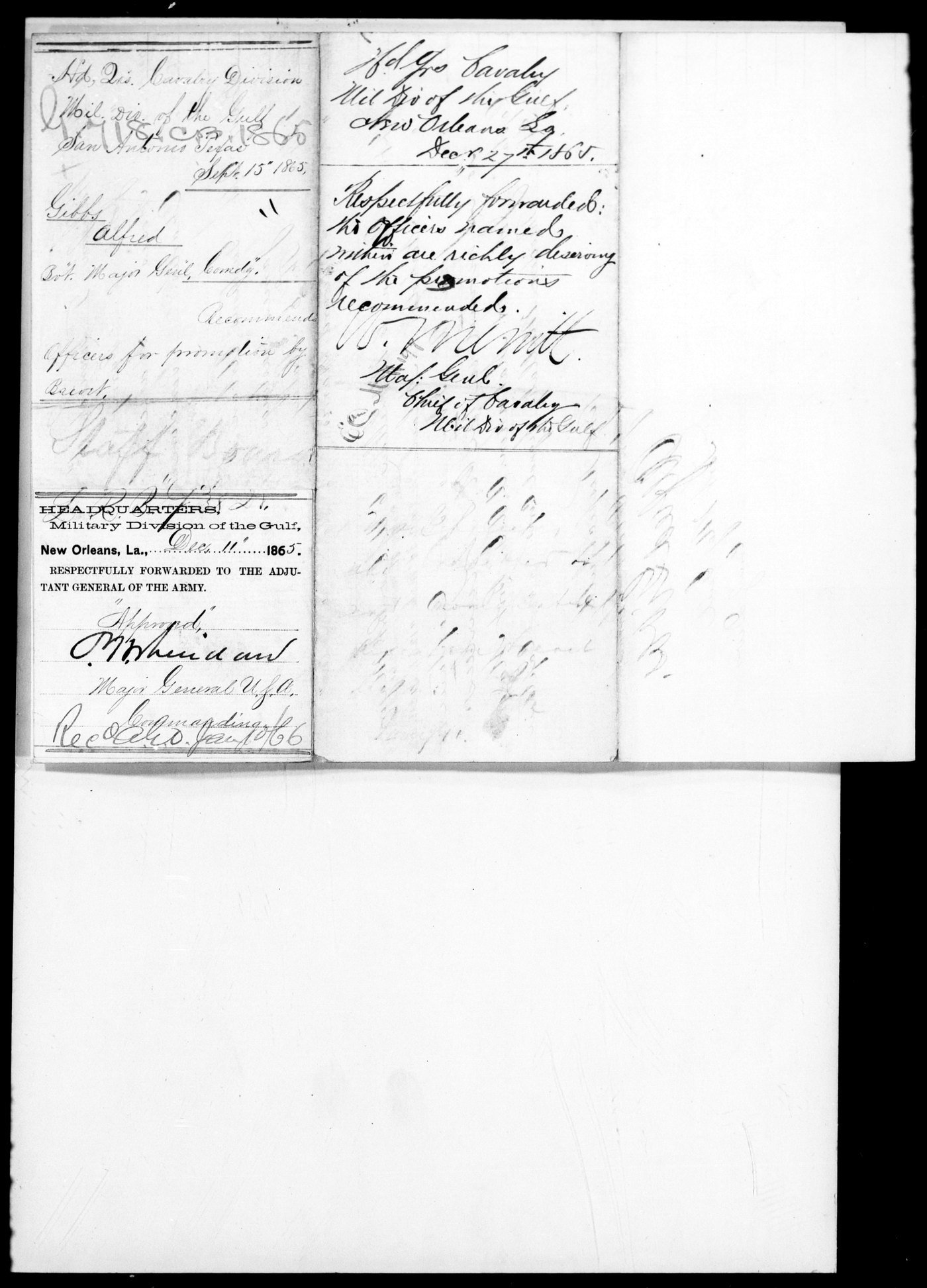
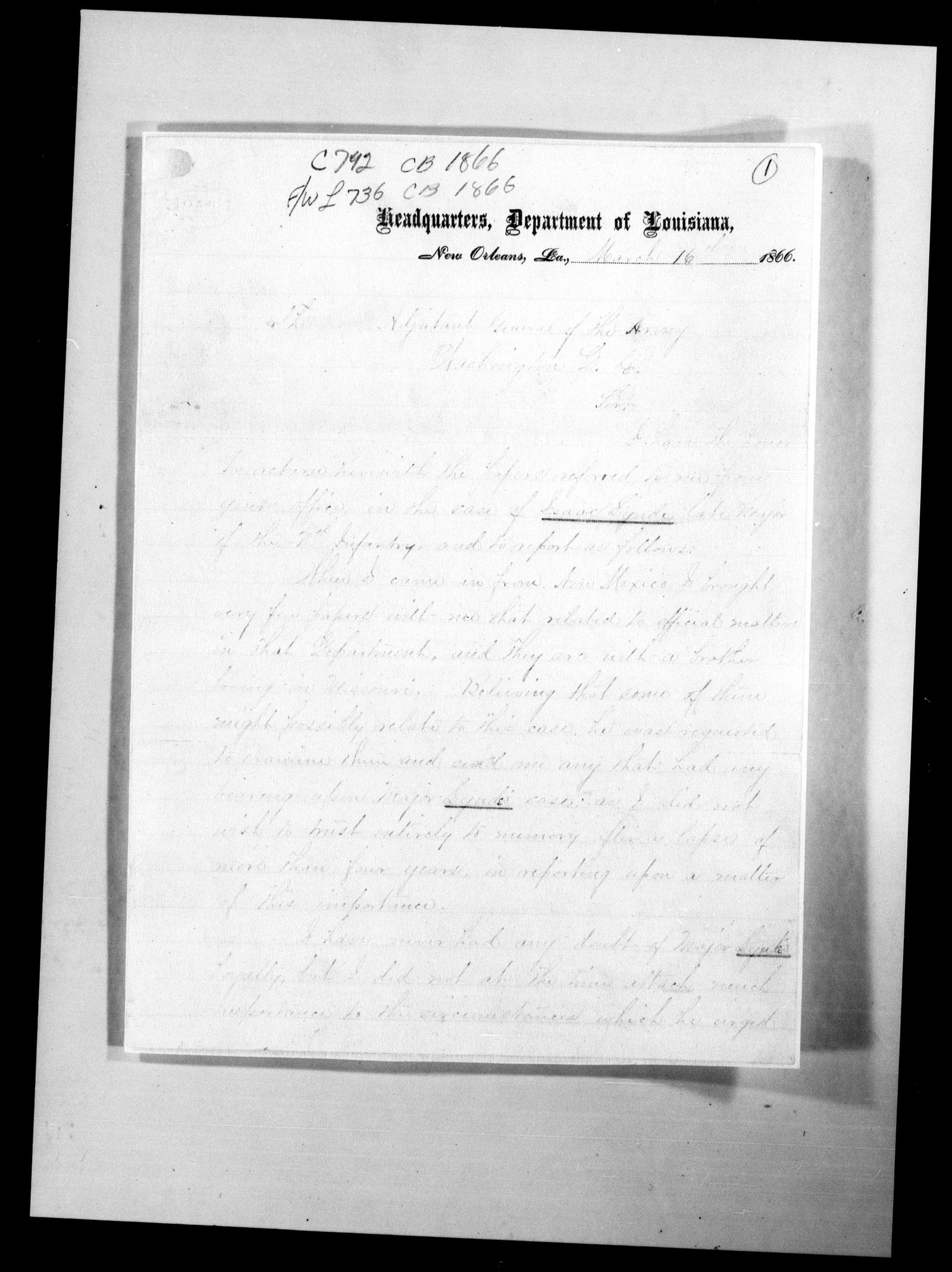
Alfred Gibbs AGO letter 76935178 76935178_001.jpg · From the linked account. Its original credits and image status are preserved there.
Read the source exhibit & its explanation
Medical leave and the January 1866 packet
The January 1866 packet contains a request, a surgeon’s certificate, and administrative endorsements. It distinguishes an officer’s disability from the office’s decisions about duty.
What to examine: Read the medical certificate and compare it with the requested extension and the endorsement about his volunteer and regular-army status. Keep the dates of illness, request, and decision separate.
Keep this distinction in mind: A historical diagnosis should not be silently replaced by a modern one. This packet concerns a particular period of recovery, not a complete medical history.
Keep your question in view as you explore. The reading tray retains Sheridan's Cavalry. Close it to return to this point, or deliberately choose to explore outside the chapter.
Follow a life beyond the page
People you meet here
The book brings you into these lives. Follow a person to the family, service and research records available here. Pension material is identified separately from biography and recollection.
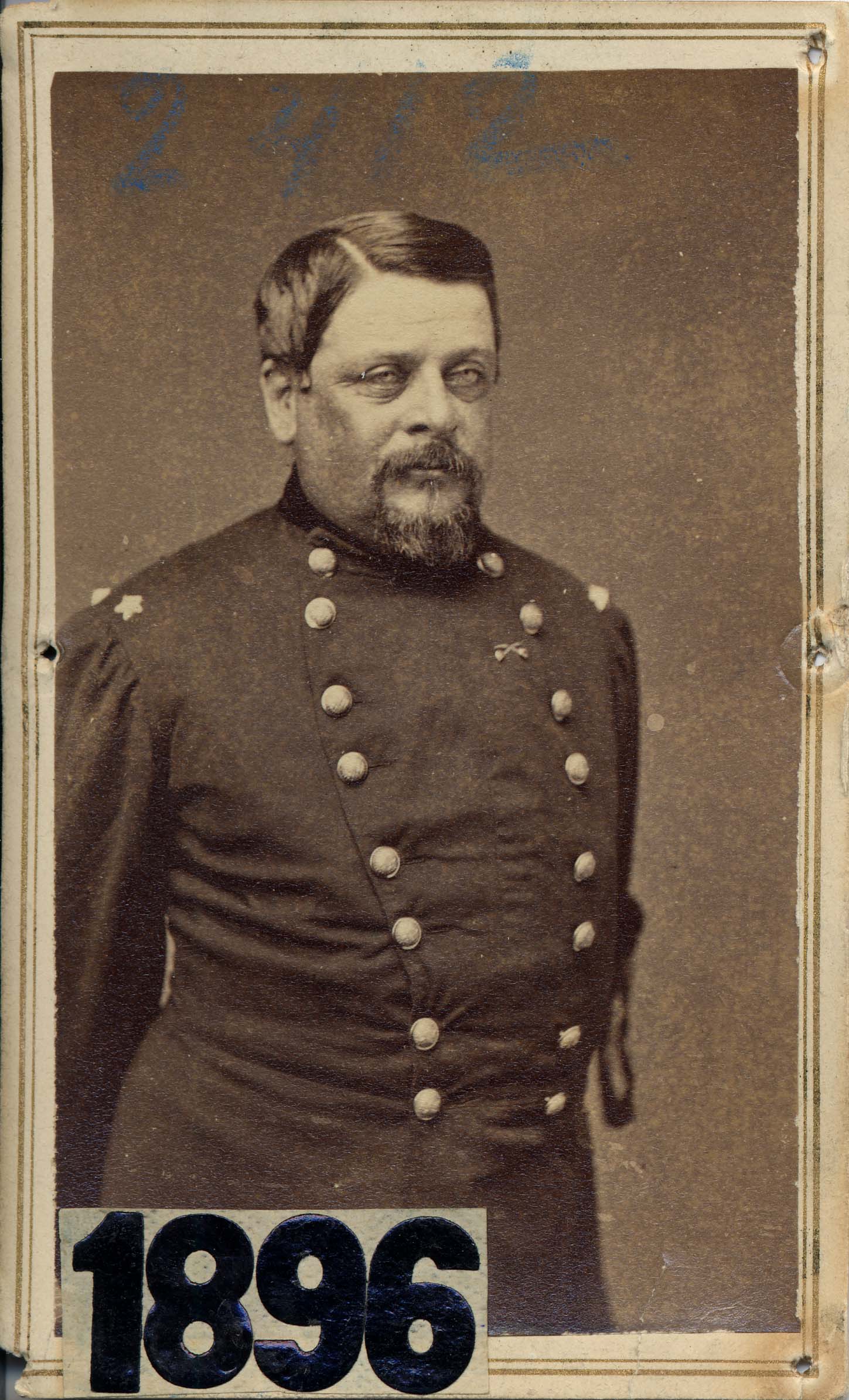
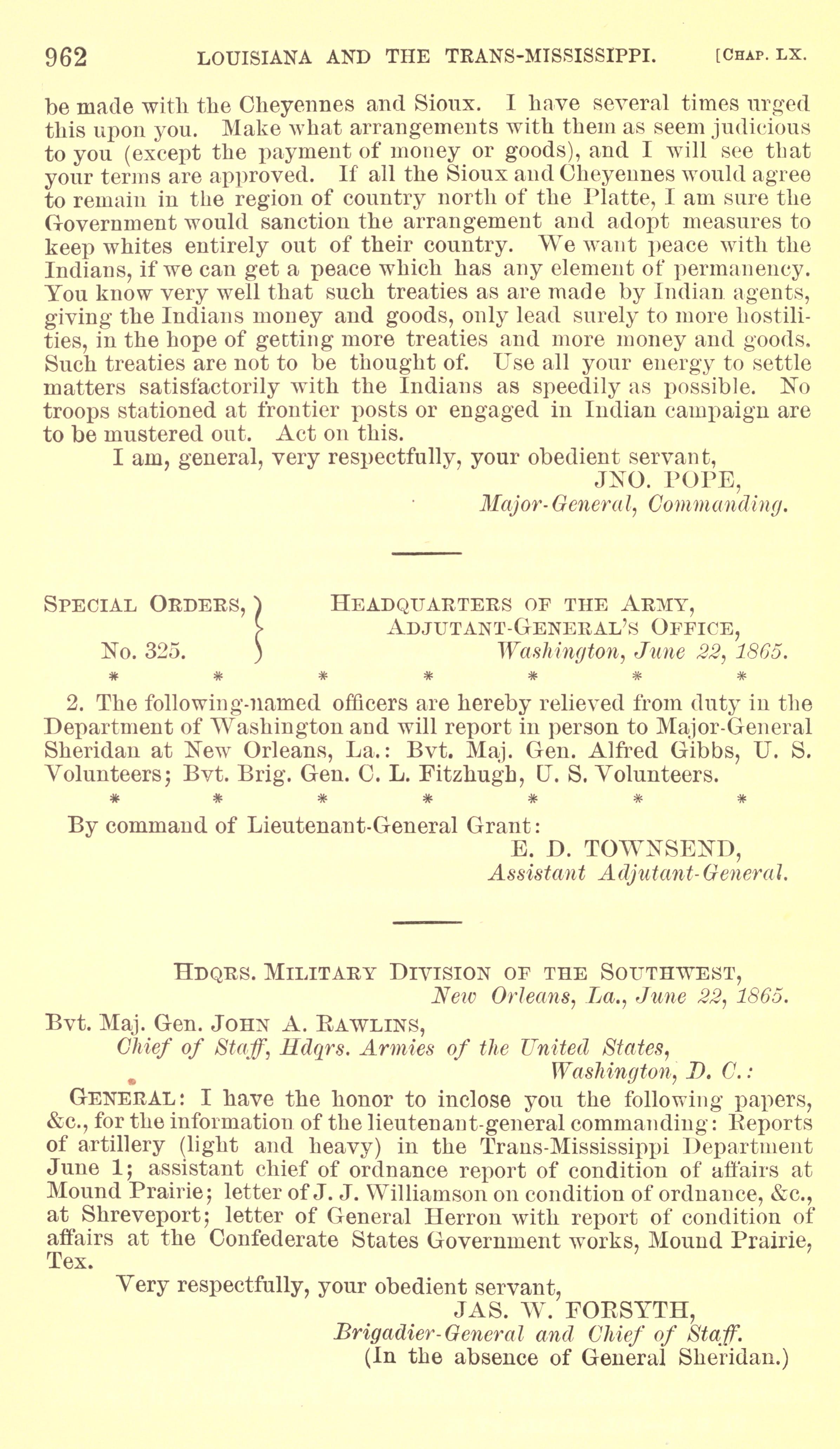
Follow Gibbs through the service and medical records, then Peggy’s petitions after his death. These sources let you distinguish what a doctor observed, what a widow asked for and what an official record actually establishes.
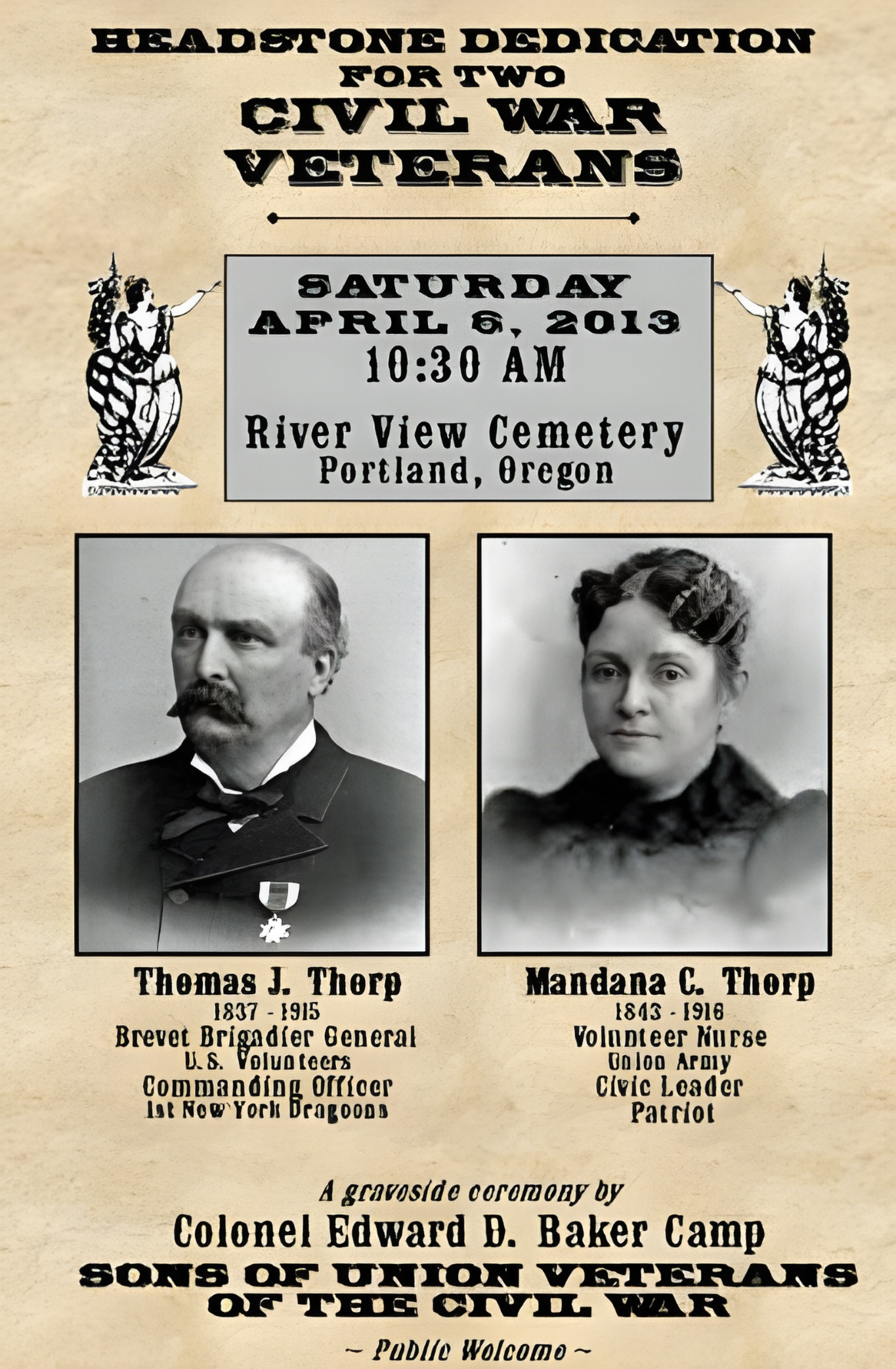
Thorp's command, capture and escape connect several chapters. His biography follows the officer across those episodes and distinguishes him from Captain Alexander K. Thorp.
Canby's orders form part of the Fort Fillmore story. Garland's longer Canby page also follows his later career and death. That later account broadens the person's history; it is not evidence for every event at Fort Fillmore.
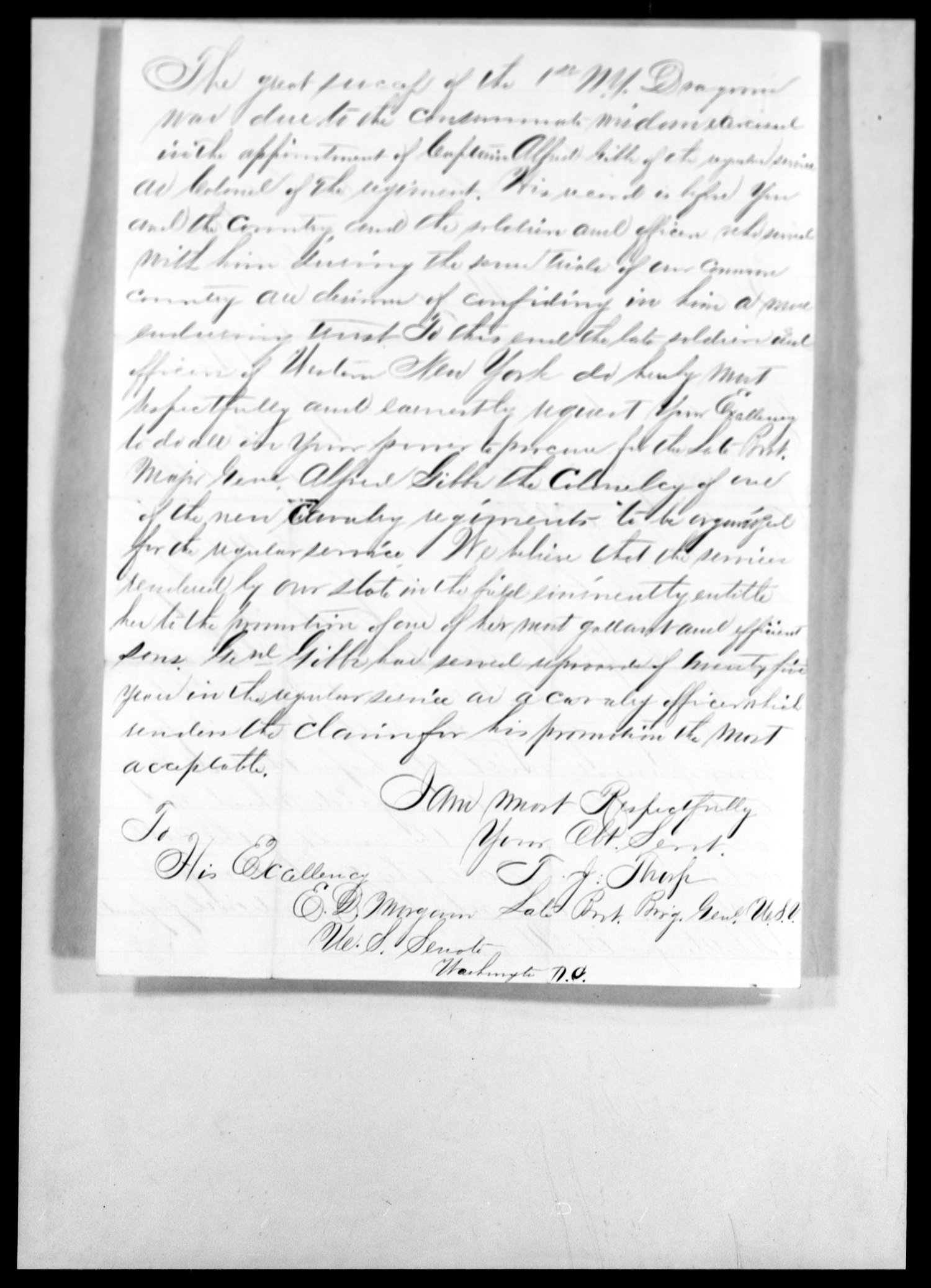
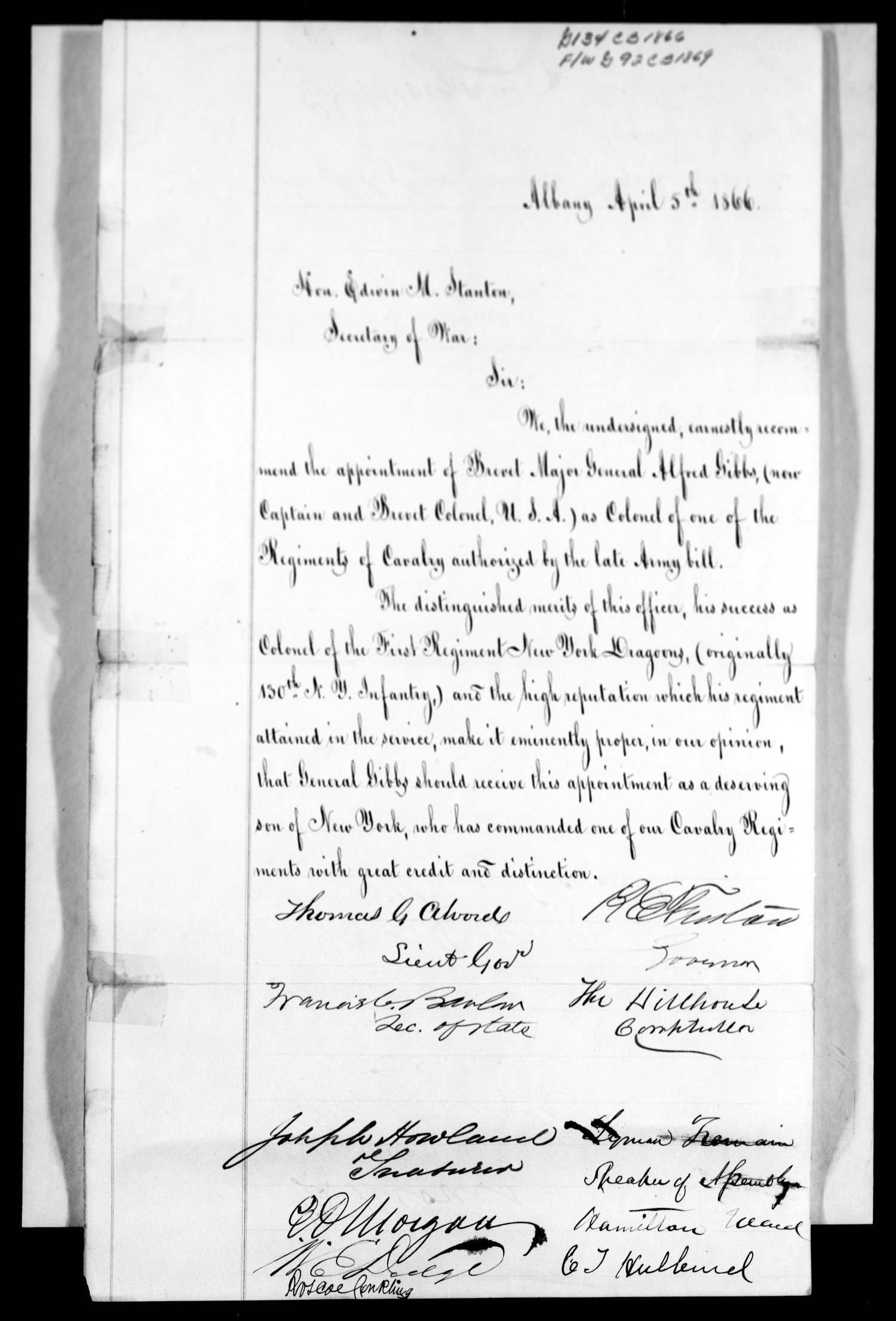
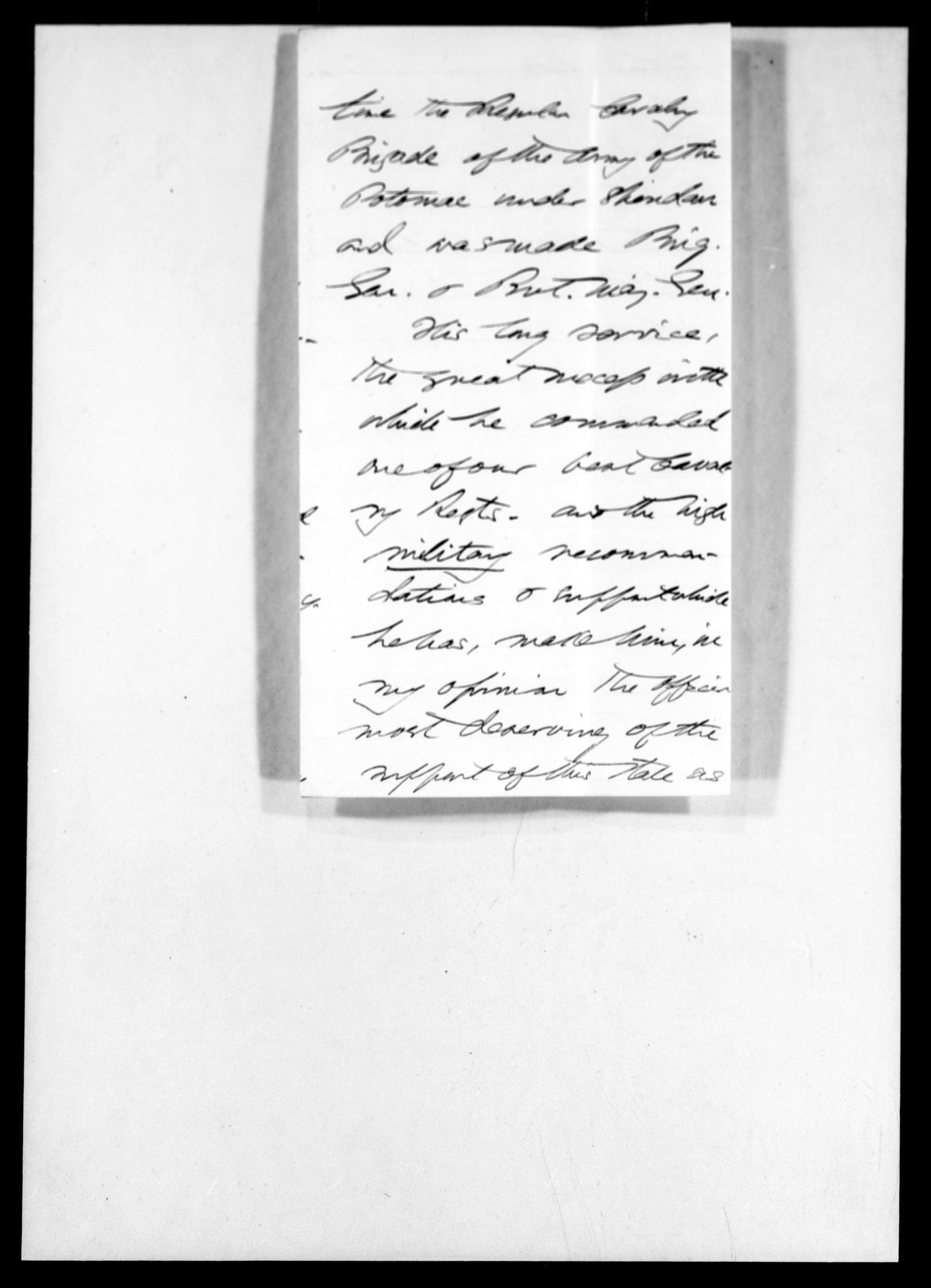
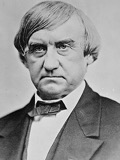
New York's Secretary of State joined the effort to obtain a regular-army command for Gibbs. This connection opens a question about how political support and military service met in an officer's career.
Holt appears in Laura Gibbs's political opinions and the later military paperwork. Follow the office and date attached to each appearance rather than treating every mention as field command.
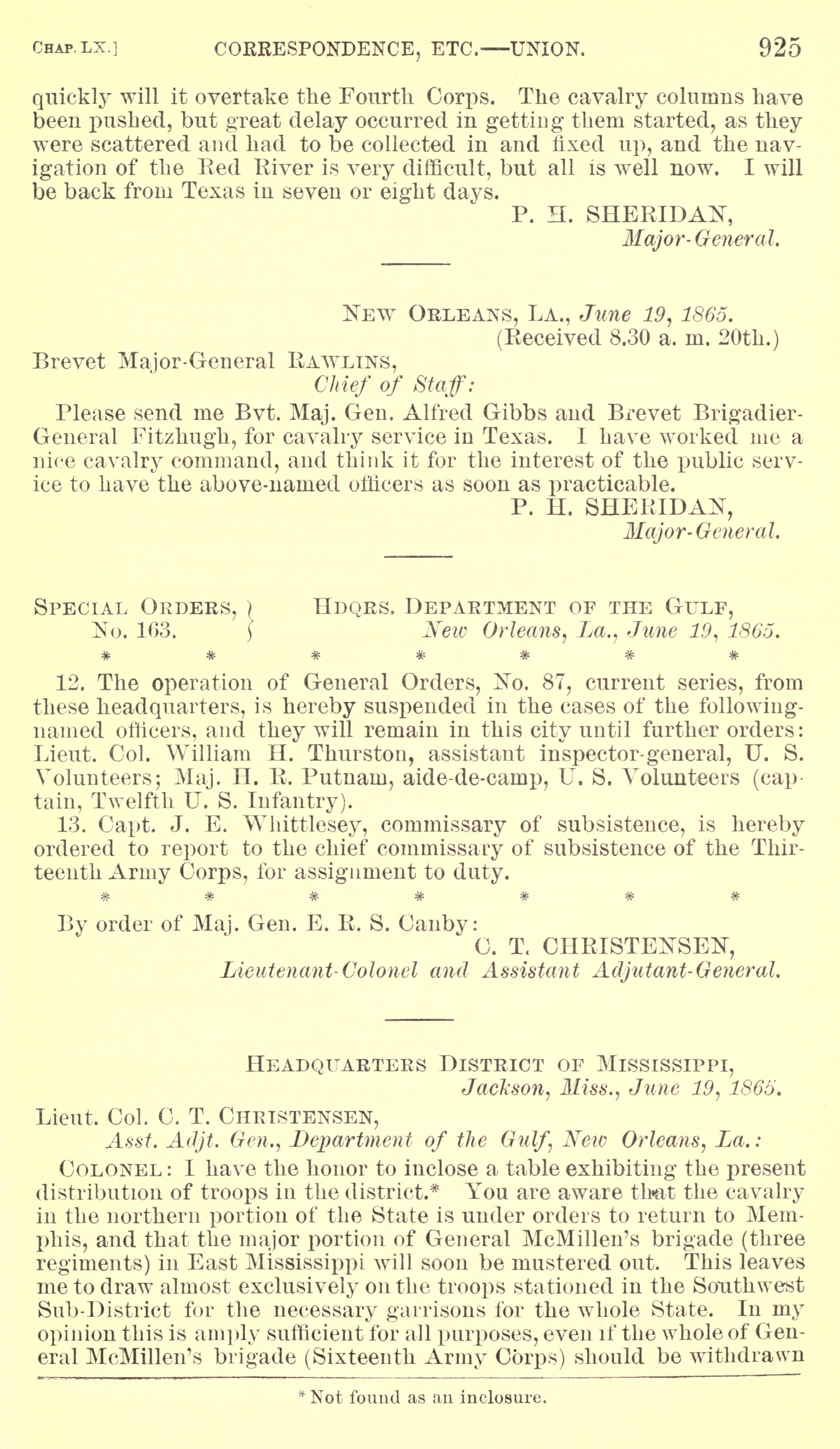
Sheridan connects the Academy's personal relationships with later cavalry command. Follow the people, recommendations and battle accounts rather than relying on a single famous image of the commander.
These connections come from the v172 manuscript and existing subject pages. A pension not connected here may still exist elsewhere. Namesakes and uncertain identities are not silently joined.
Follow the words into the evidence
What caught your attention?
Find a line from your reading, then follow its document and the record around it. Matching words helps locate evidence; checking who wrote them, when, and why helps you understand it.