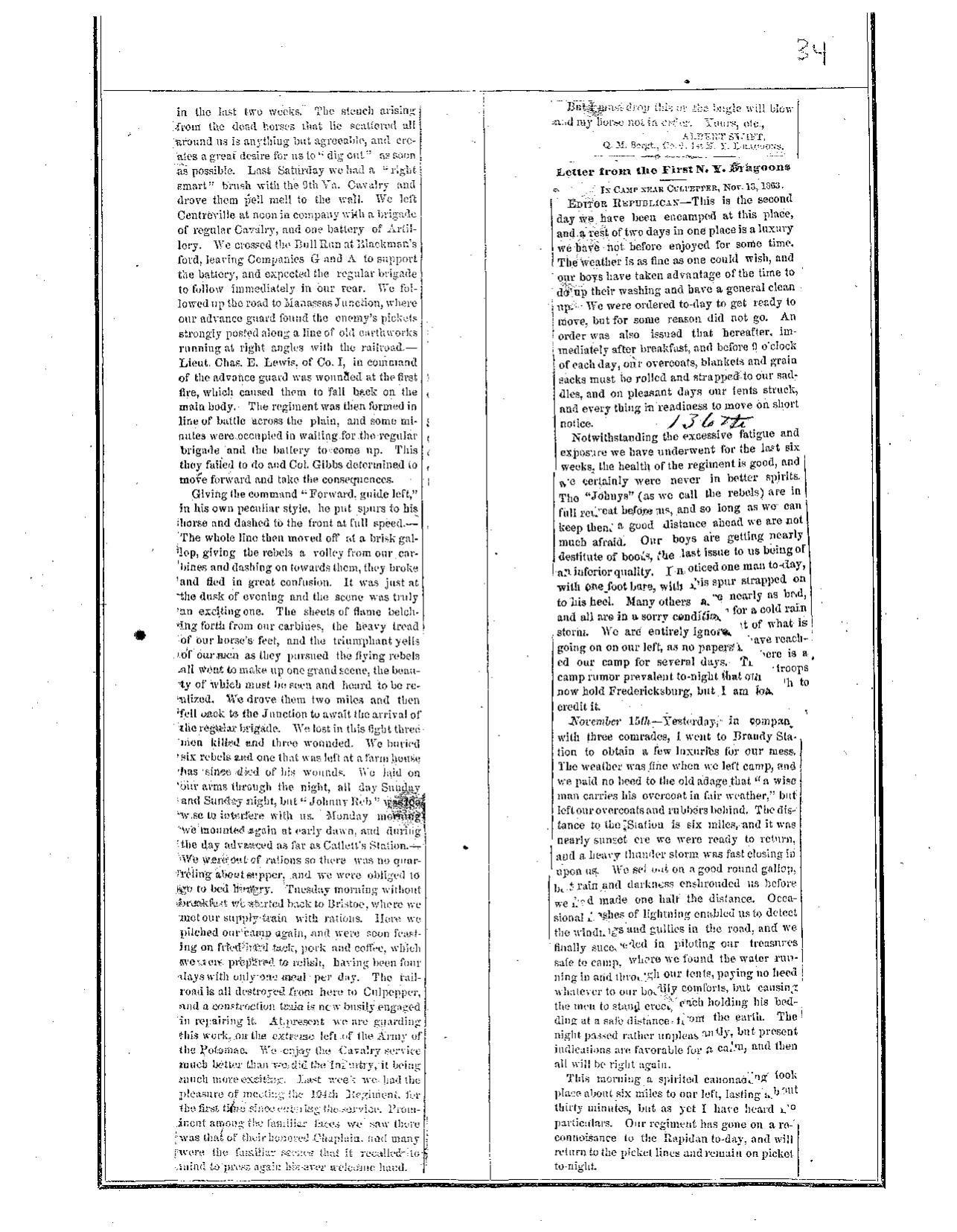
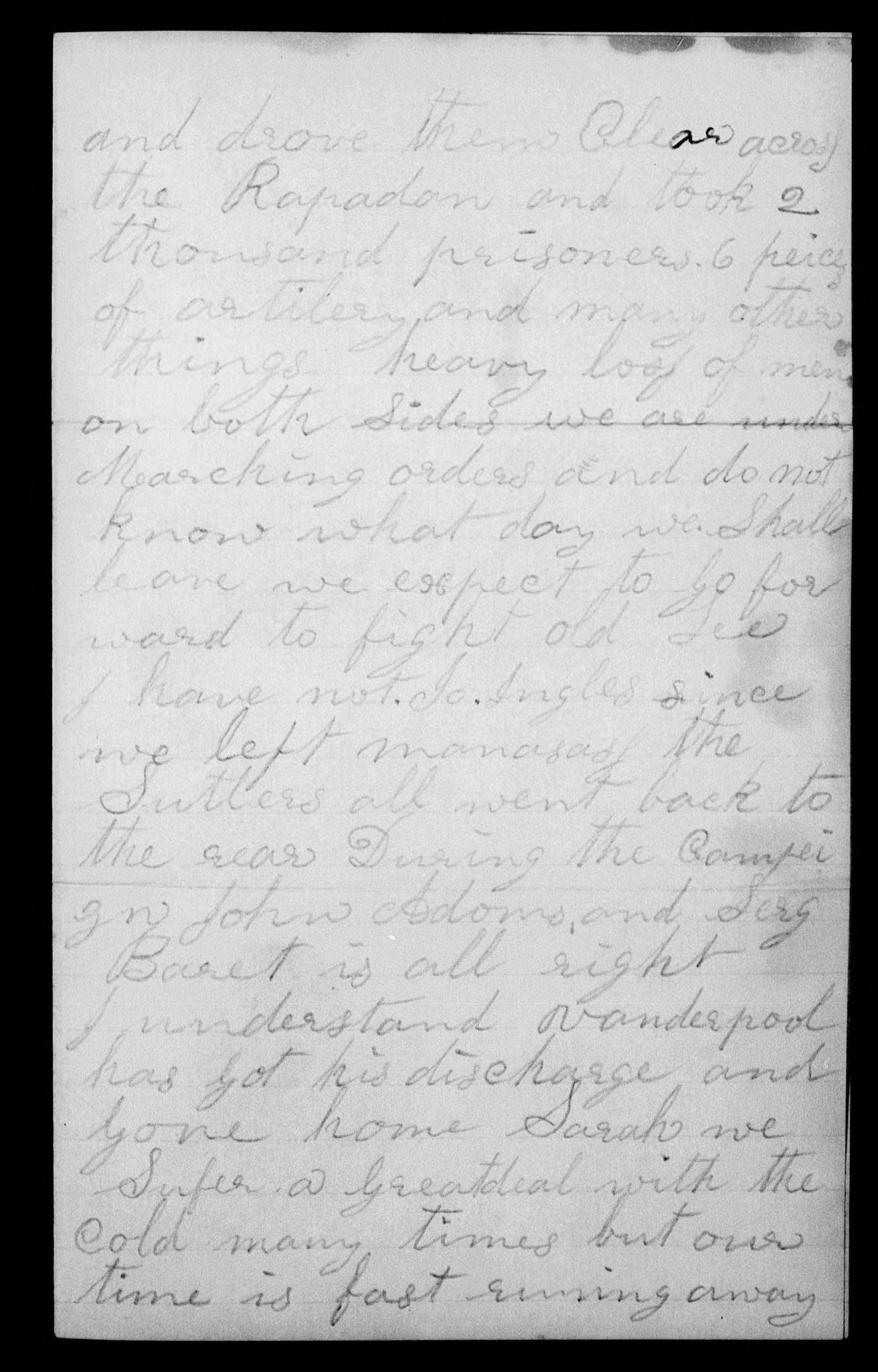
Start with the guided reading below, or search this chapter for a person, quotation or topic. Follow the writing and evidence behind this part of GIBBS.
What would you like to explore in Far His Juniors?
Go beyond the book · Far His Juniors
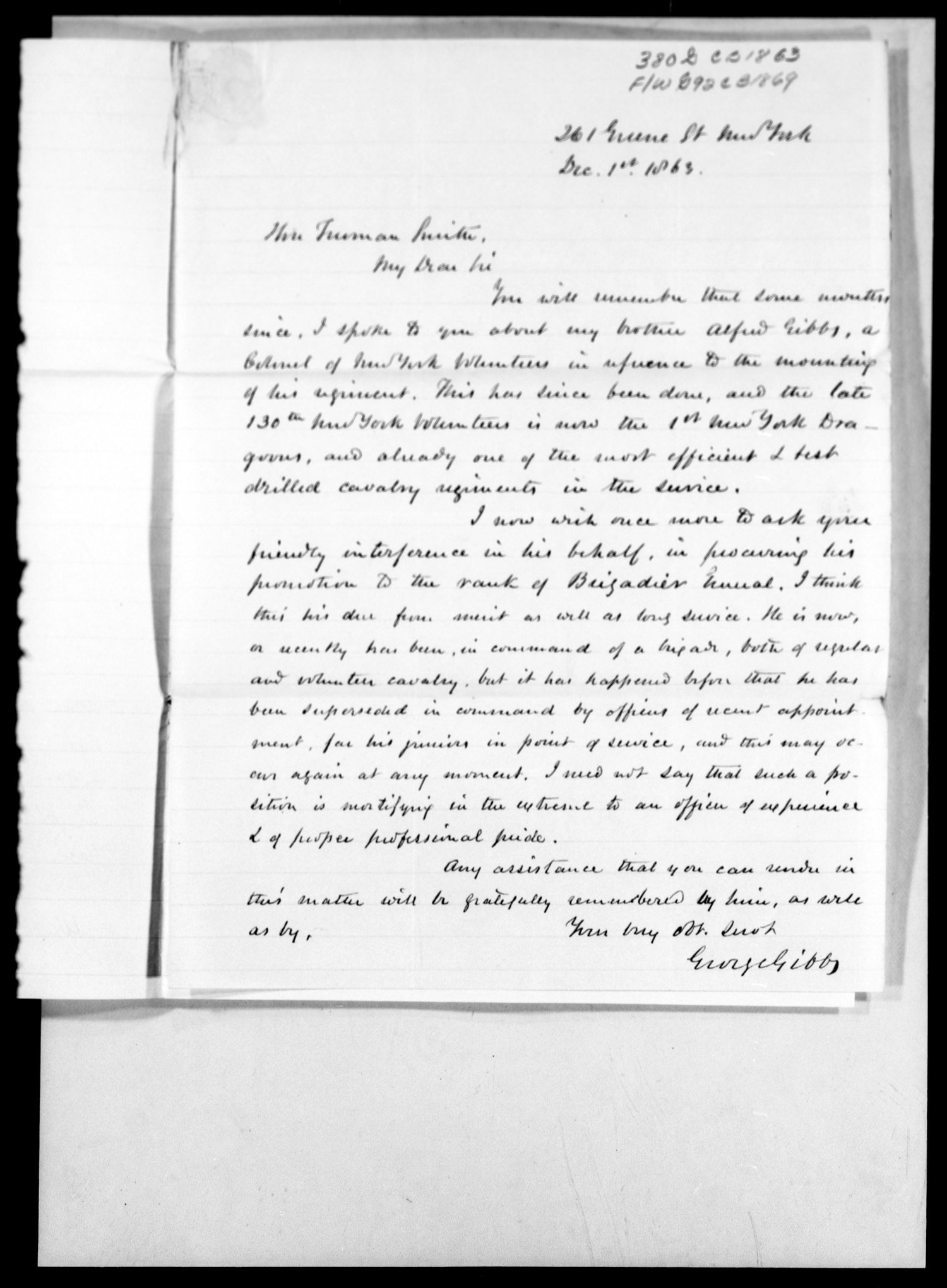
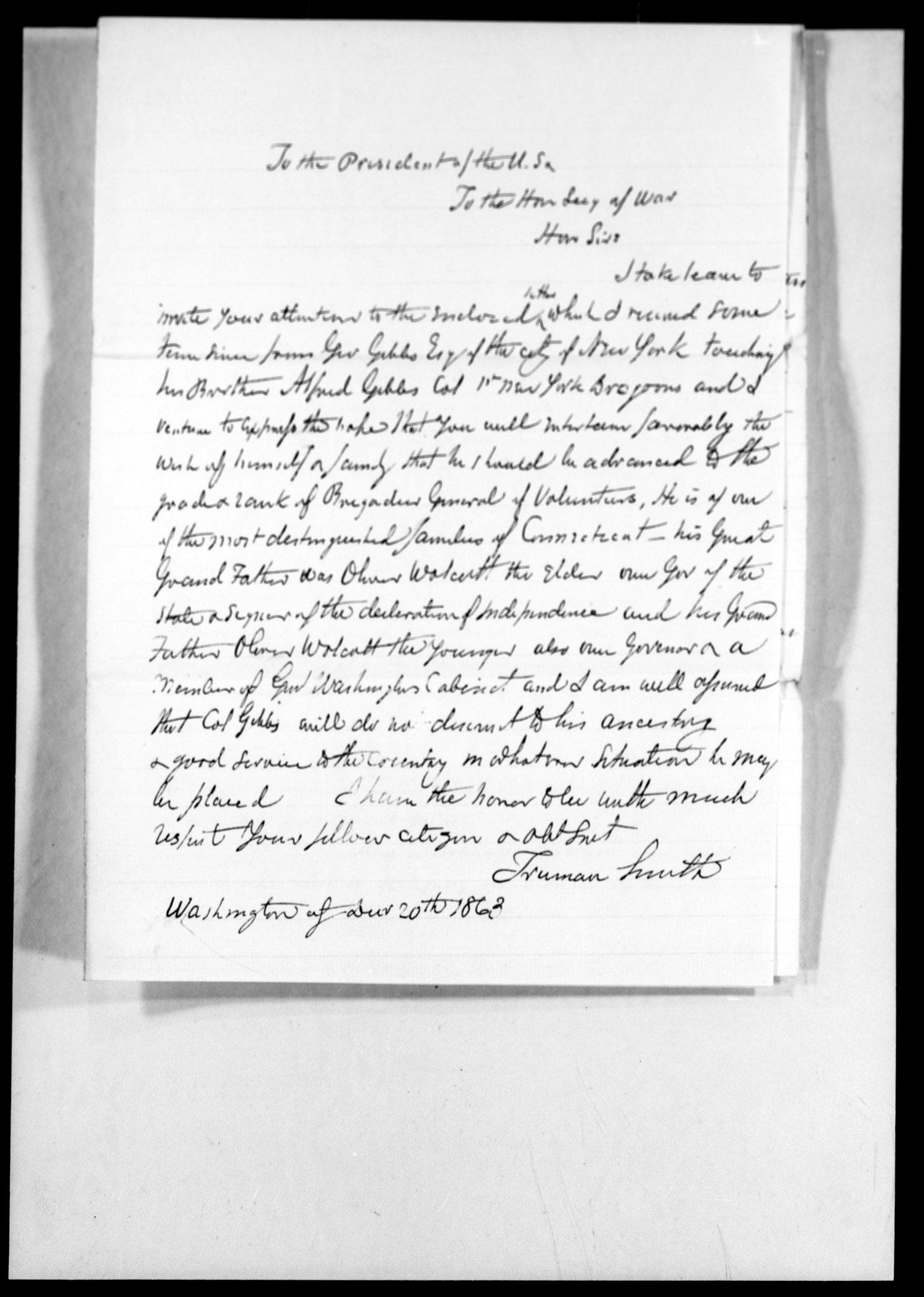
Hear a brother make the case for promotion
Gibbs’s rank did not always match the duties he performed. George’s December 1863 appeal offers a way to examine frustration and patronage without treating them as invisible forces.
New to these records? A little context.
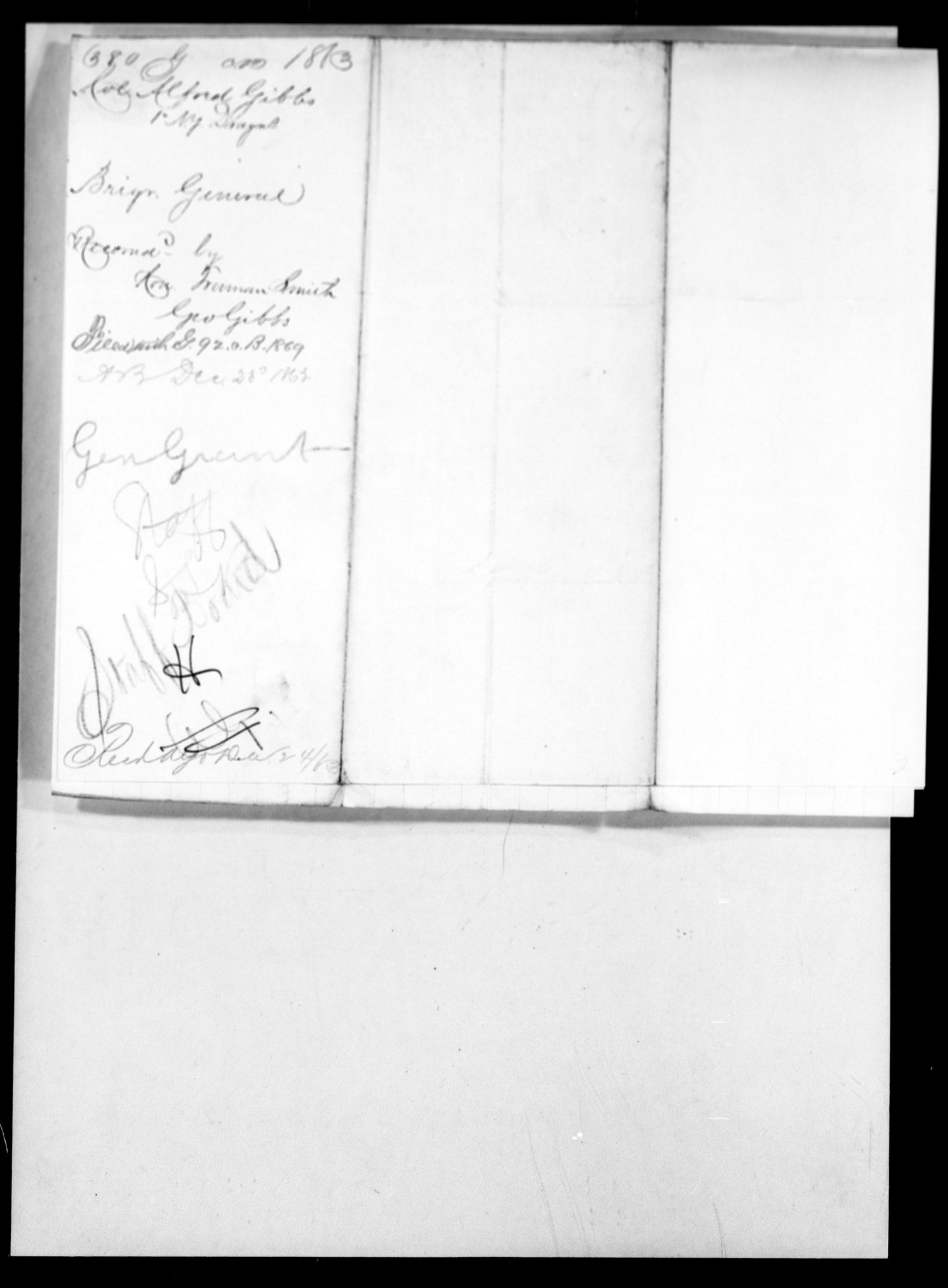
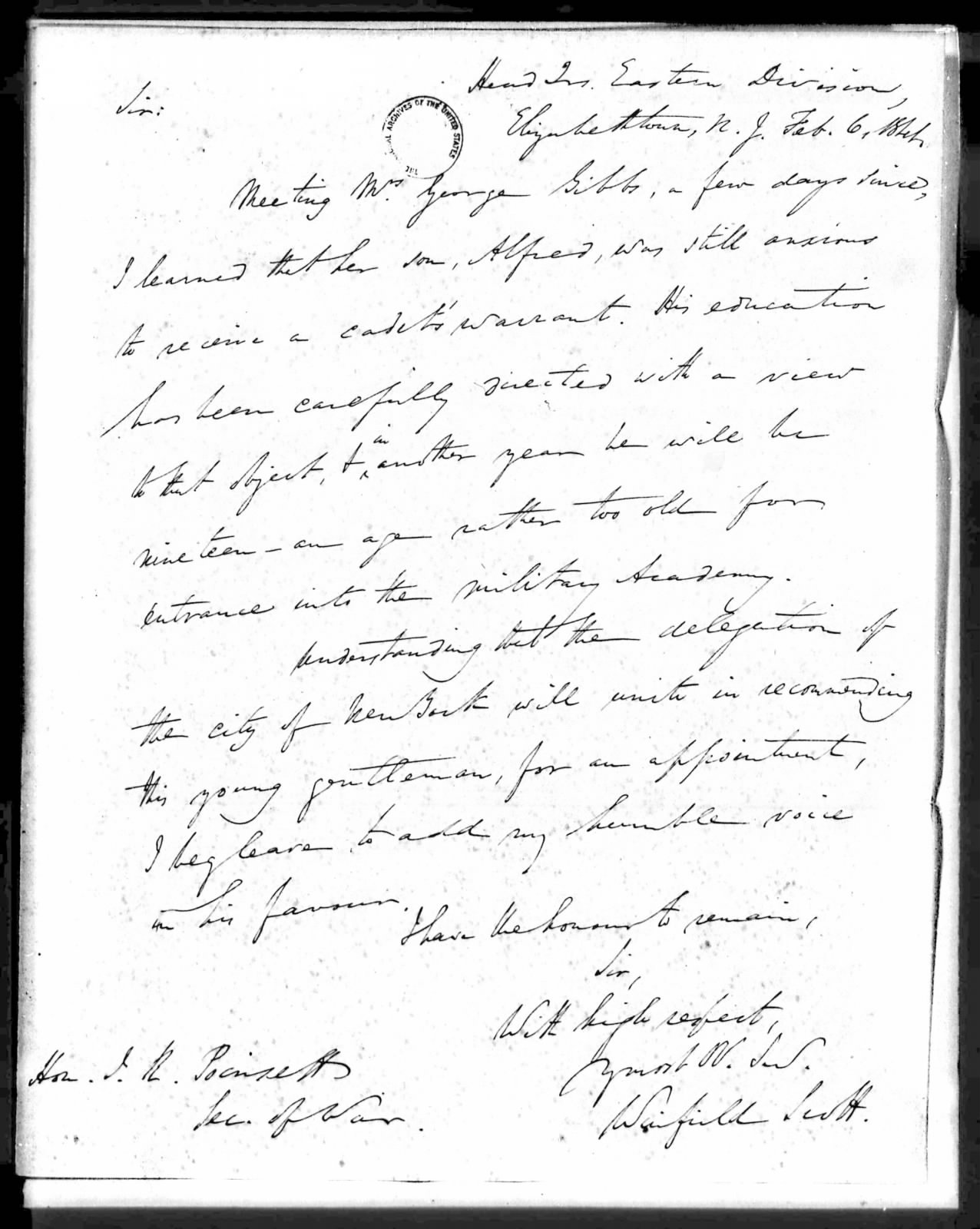
A docket is an office’s summary or filing note; it may be on a wrapper rather than in the letter. An endorsement is another official’s response or forwarding note. Read each voice and date separately. A transcription is a reading of a document, with uncertain words marked where the exhibit provides them.
How did a family member argue that an officer had been passed over?
George Gibbs to Truman Smith, seeking help for his brother's promotion (enclosure) (G009) · From the linked account. Its original credits and image status are preserved there.
Read the source exhibit & its explanation
George’s appeal to Truman Smith, December 1, 1863
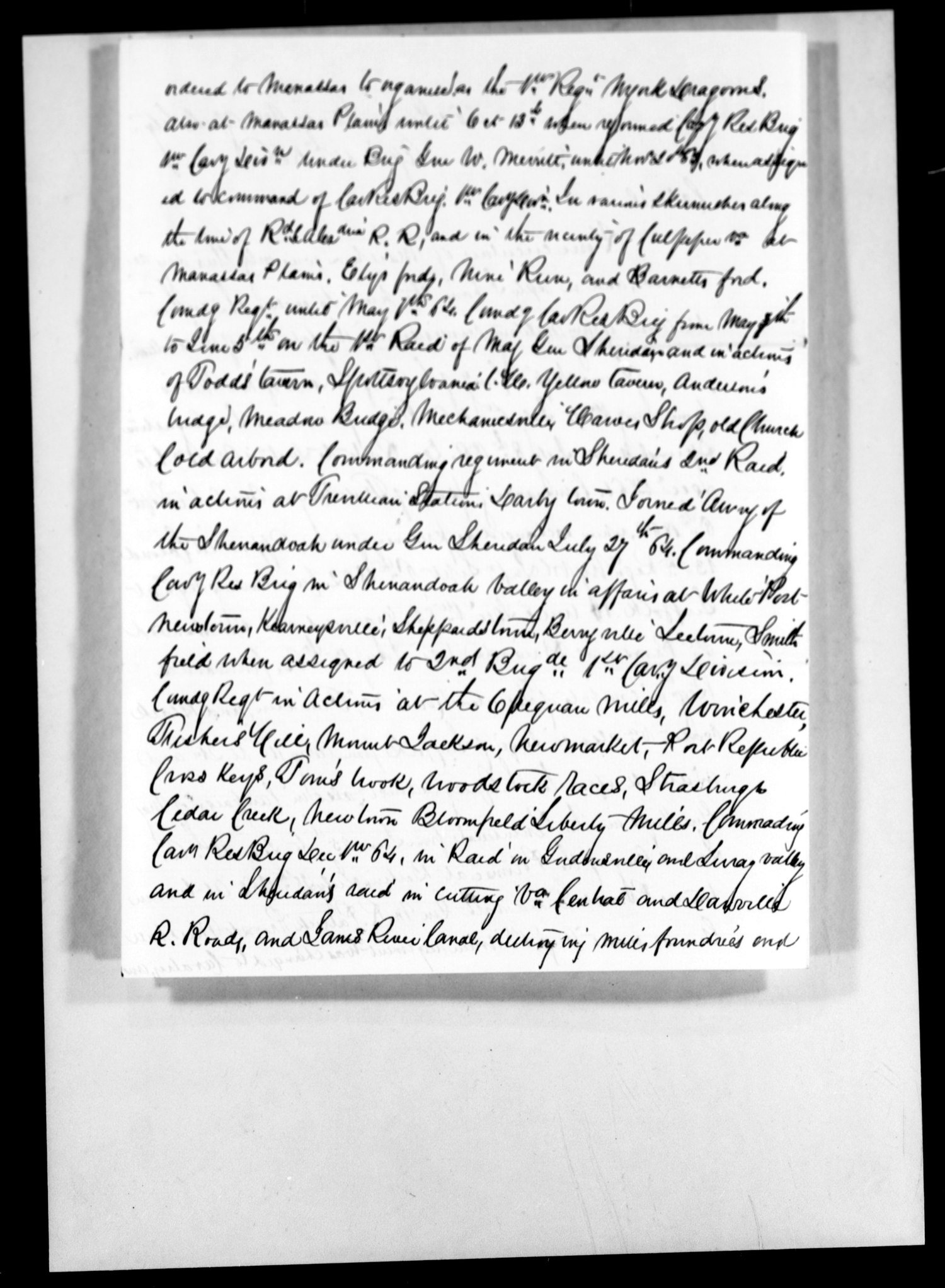
The letter to Truman Smith asks for help securing a brigadier general’s appointment and complains that junior officers had superseded Alfred. It is advocacy in George’s own words.
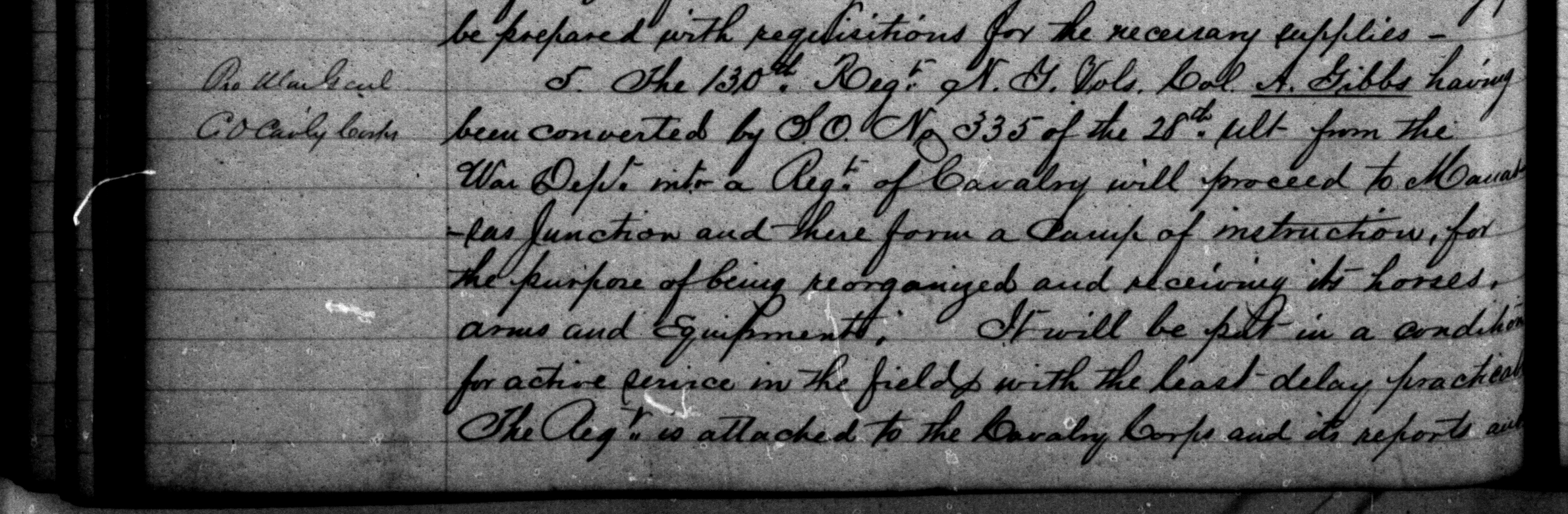
What to examine: Find the requested action and George’s account of the regiment’s conversion. Separate his praise and judgments from details that can be checked against appointments and orders.
Keep this distinction in mind: An advocate is not a neutral evaluator. The letter establishes the argument George made; it does not alone measure every officer’s relative merit.
Keep your question in view as you explore. The reading tray retains Far His Juniors. Close it to return to this point, or deliberately choose to explore outside the chapter.
Follow a life beyond the page
People you meet here
The book brings you into these lives. Follow a person to the family, service and research records available here. Pension material is identified separately from biography and recollection.
Custer's career crosses Gibbs's through cavalry command and the postwar army. Follow Garland's research on their relationship rather than assuming a famous name supplies all the context a reader needs.
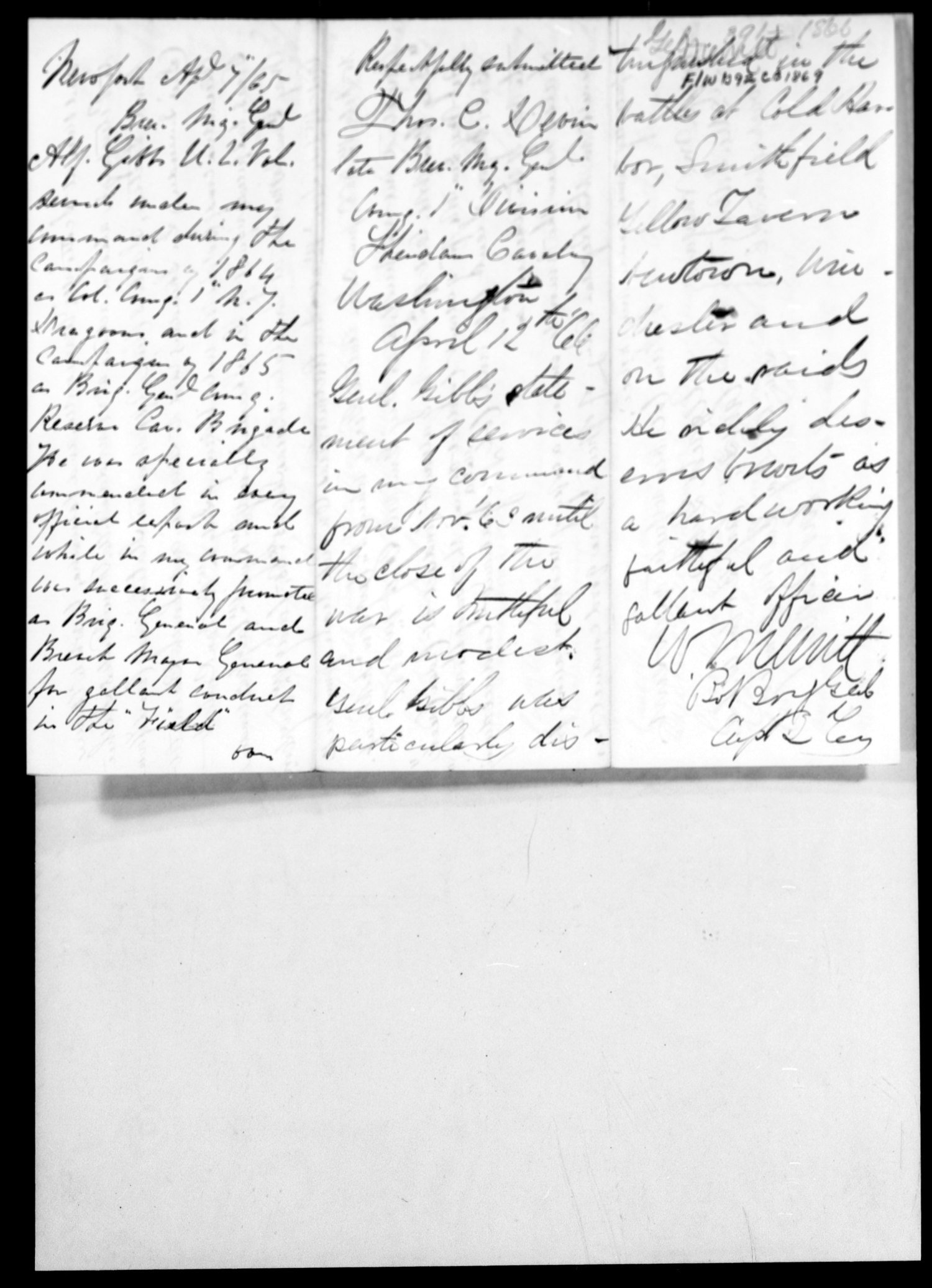
Buford commanded the division into which the Dragoons entered. His illness and death changed the chain of command above them. Follow that change to understand why familiar officers moved between brigade and division.
Merritt commanded above the Dragoons and moved between brigade and division. His decisions offer another perspective on the same movements the enlisted men described from below.
These connections come from the v172 manuscript and existing subject pages. A pension not connected here may still exist elsewhere. Namesakes and uncertain identities are not silently joined.
Follow the words into the evidence
What caught your attention?
Find a line from your reading, then follow its document and the record around it. Matching words helps locate evidence; checking who wrote them, when, and why helps you understand it.