Start with the guided reading below, or search this chapter for a person, quotation or topic. Follow the writing and evidence behind this part of GIBBS.
What would you like to explore in Stop That Ducking?
Go beyond the book · Stop That Ducking
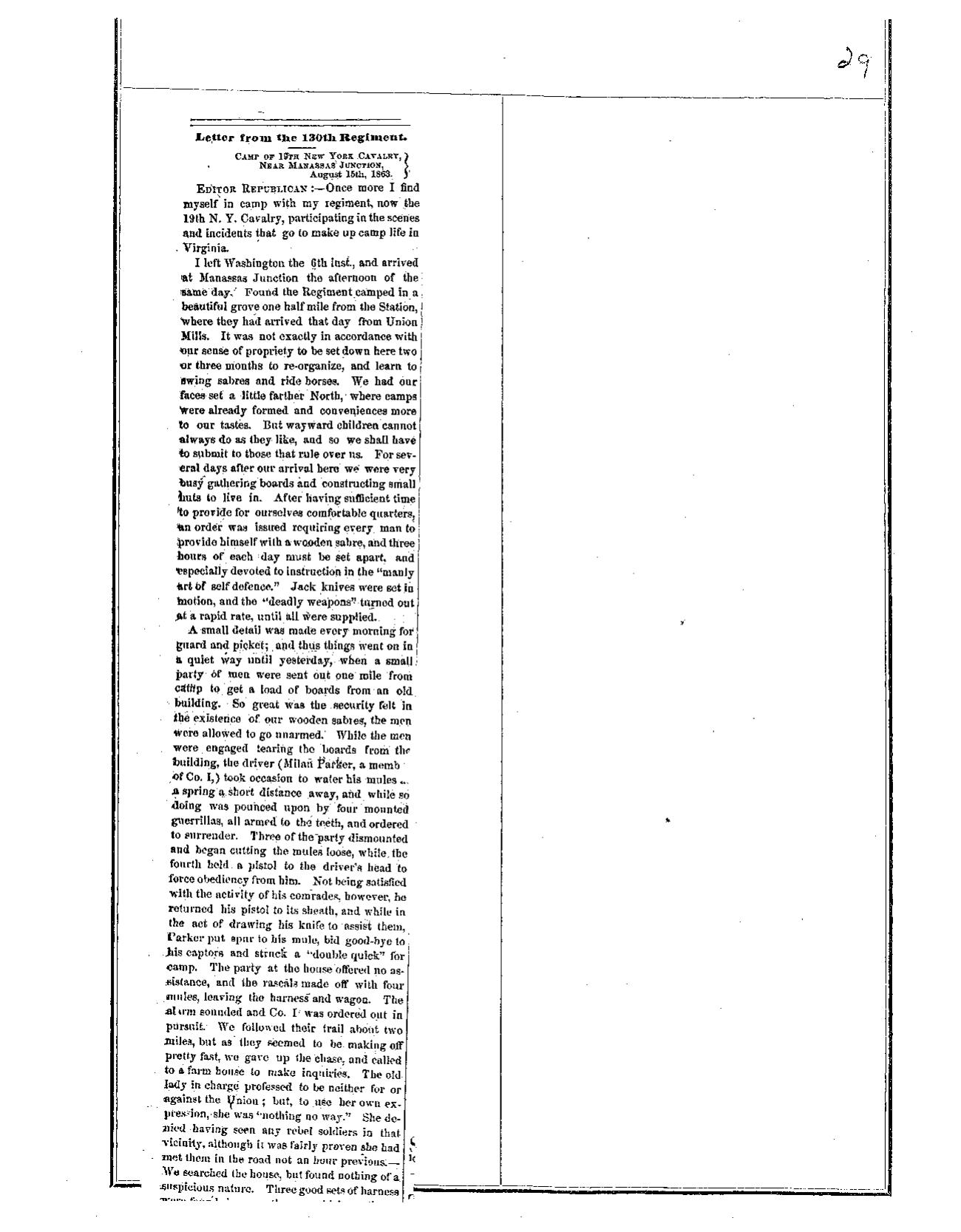
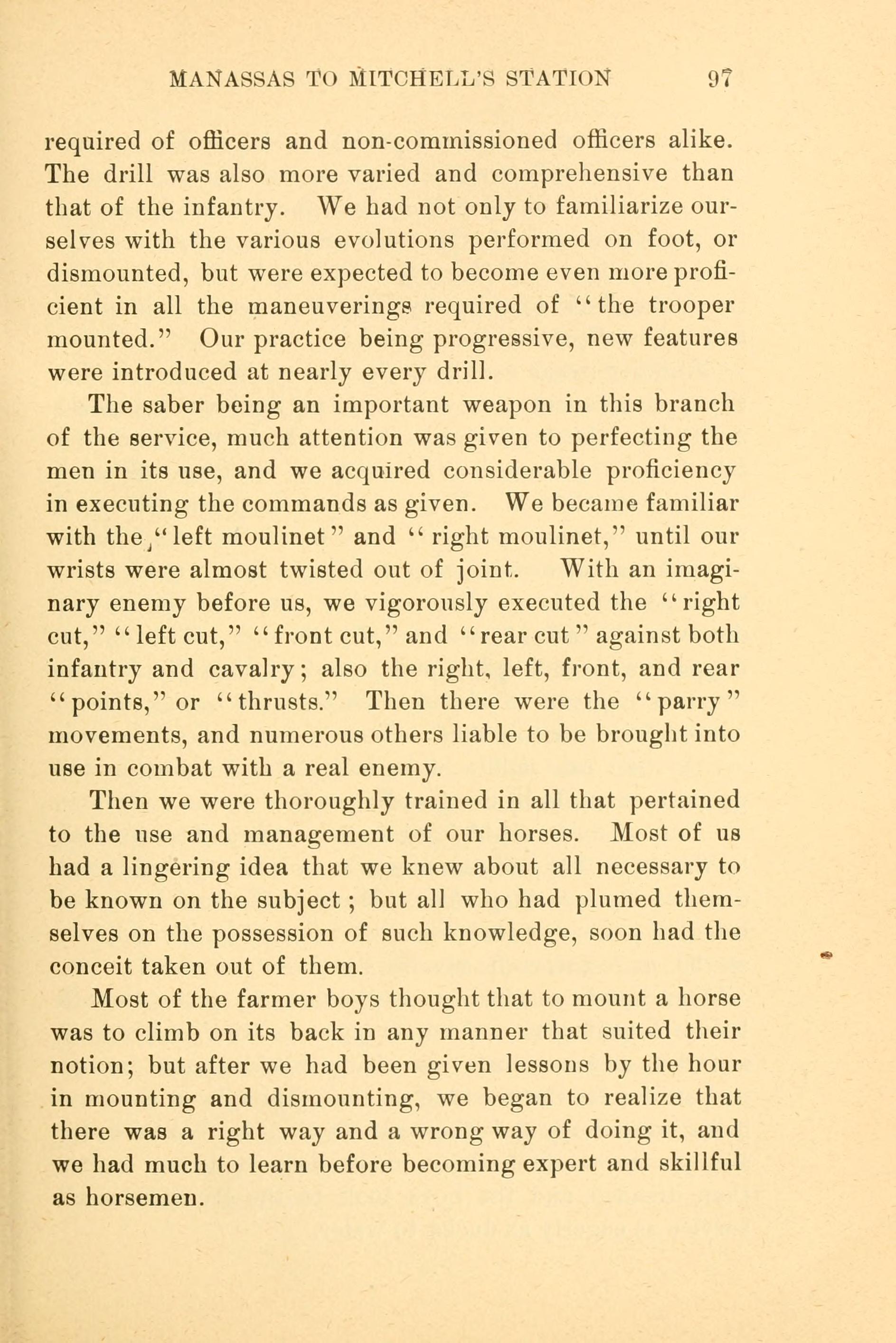
Watch infantrymen learn to be cavalrymen
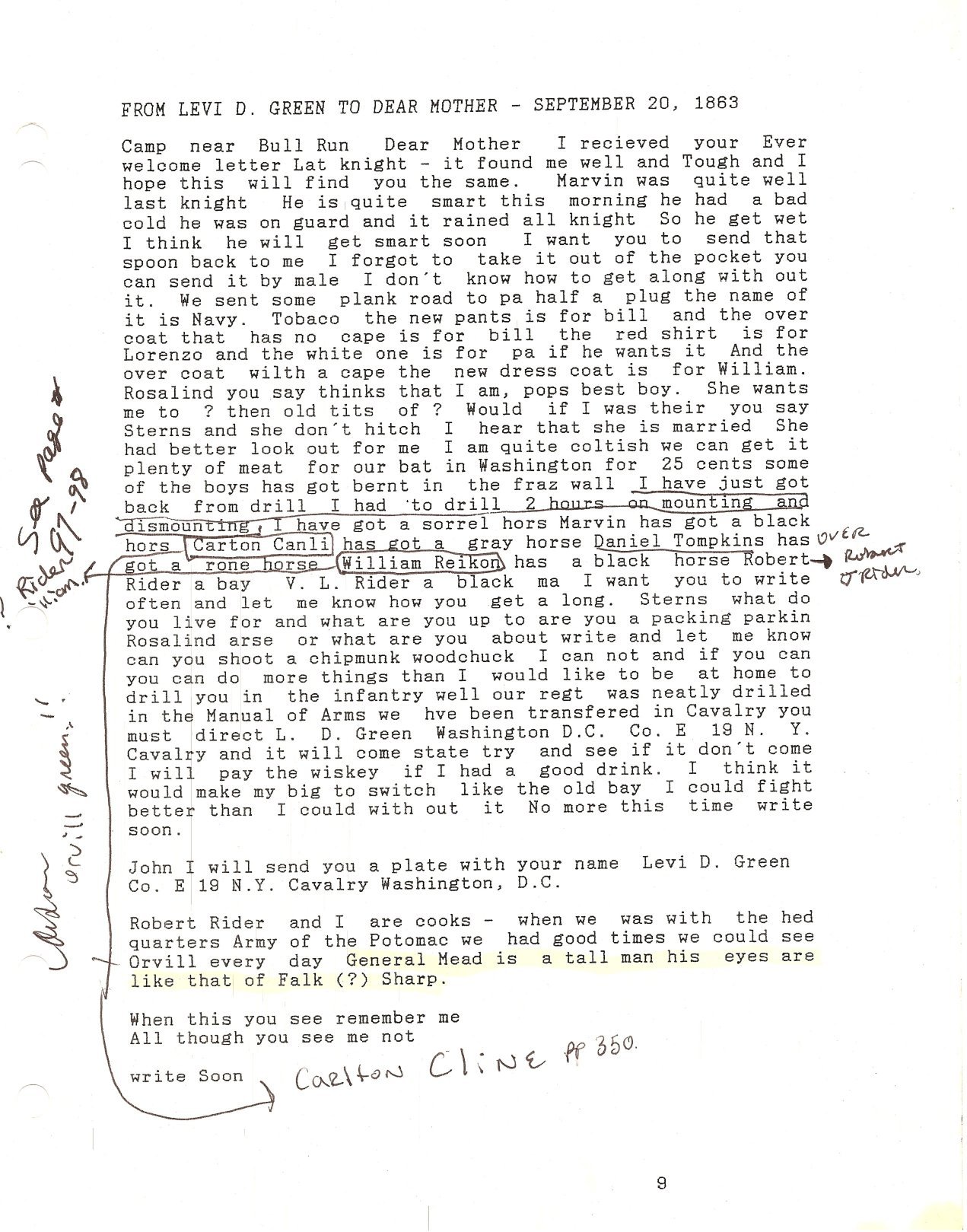
New horses, new equipment, and a changing regimental designation made the transition a daily learning process. Levi’s September letter records it before its outcome was settled.
New to these records? A little context.
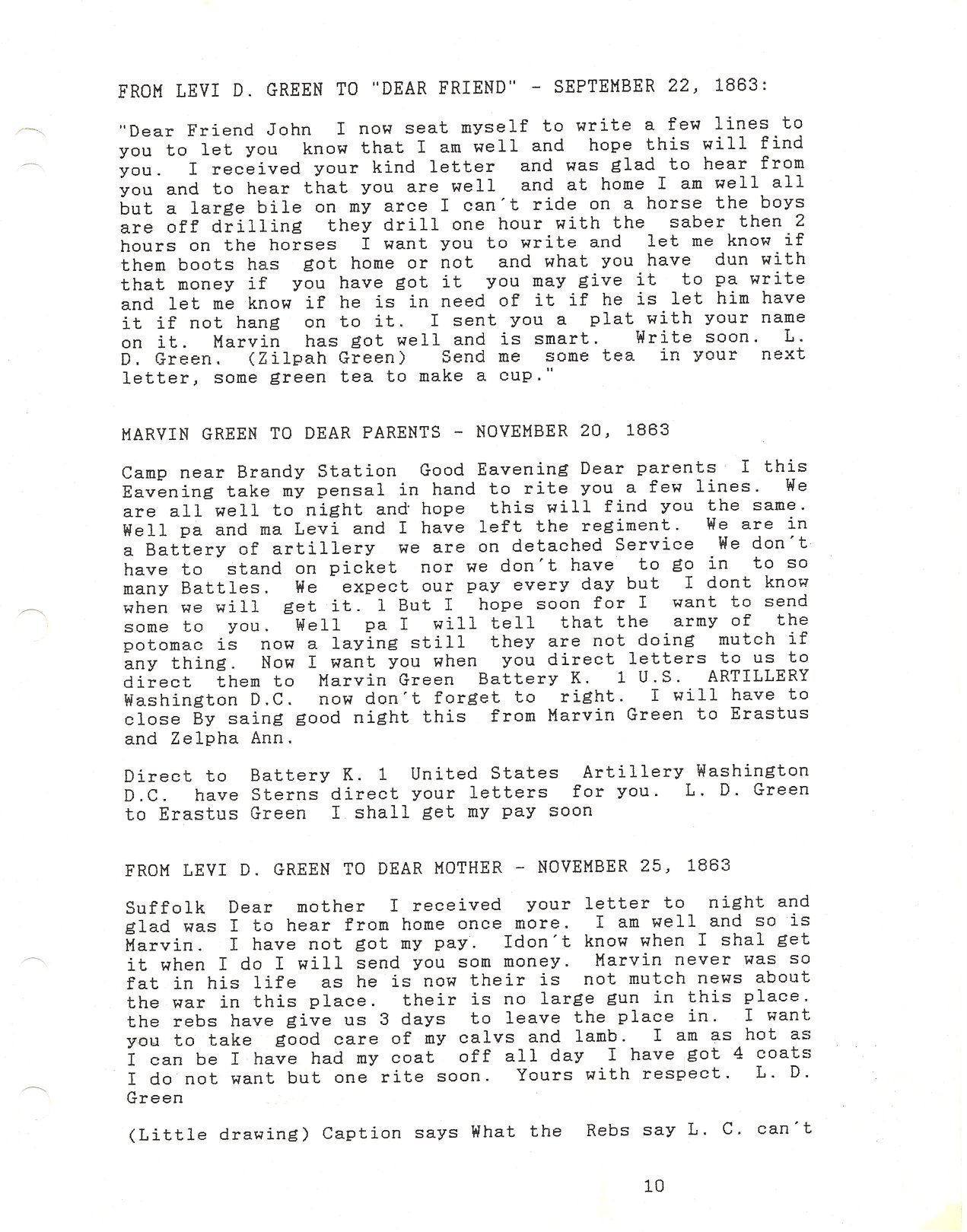
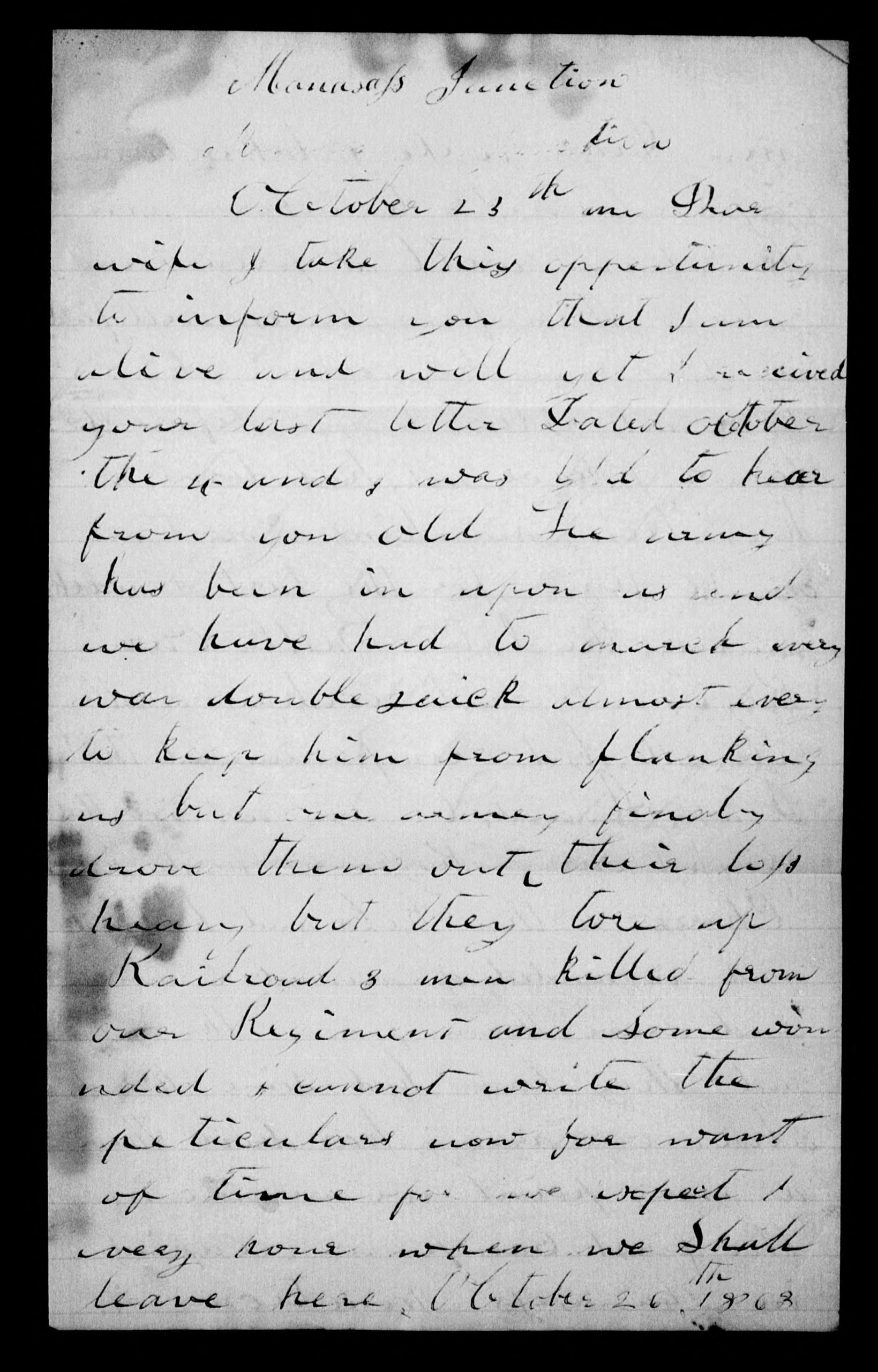
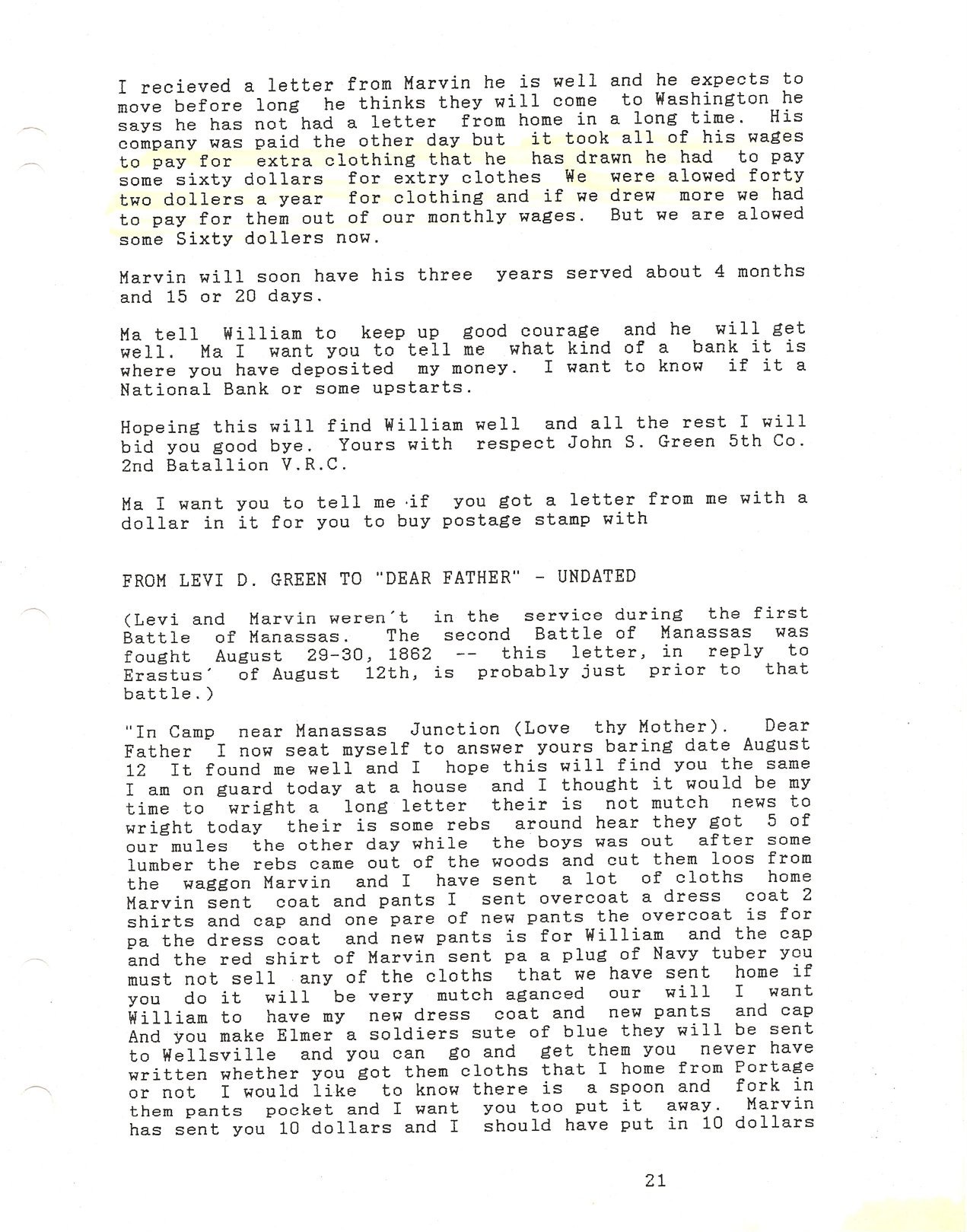
A transcription records the words of a letter. A typescript is a typed copy, which may survive even when the handwritten original is not on display. The linked account identifies the version it preserves; later explanatory paragraphs are not part of the letter.
What did becoming a cavalryman require in daily life?
Green Family Letters, Marjorie Kuski typescript, page 09 · From the linked account. Its original credits and image status are preserved there.
Read the source exhibit & its explanation
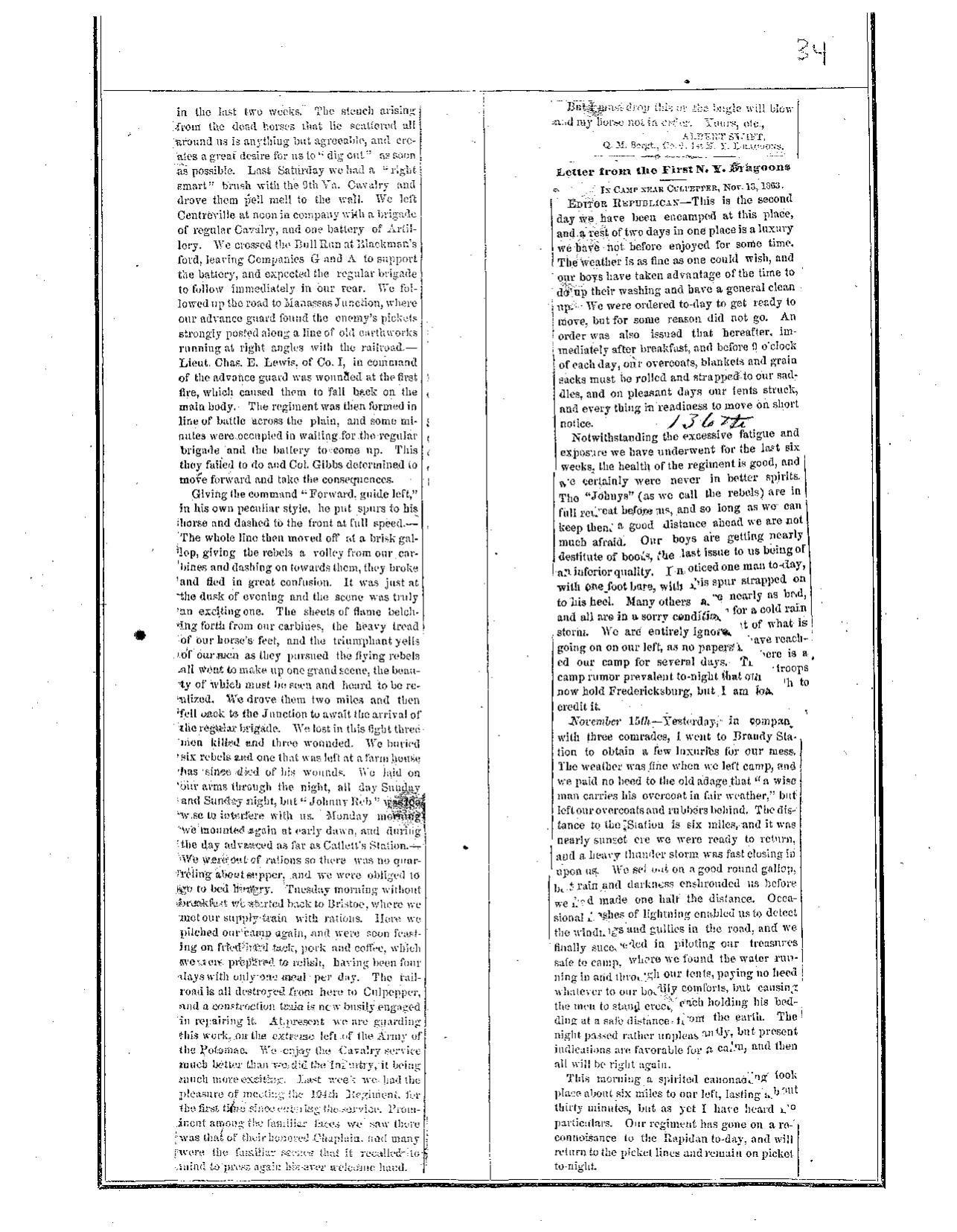
Levi to his mother, September 20, 1863
He writes about mounting and dismounting drill, identifies his and Marvin’s horses, and still asks for a spoon left at home. The change becomes practical rather than just organizational.
What to examine: Compare the regiment’s name in the letter with the article’s chronology. Look for the hours of drill and the named horses before following the campaign accounts.
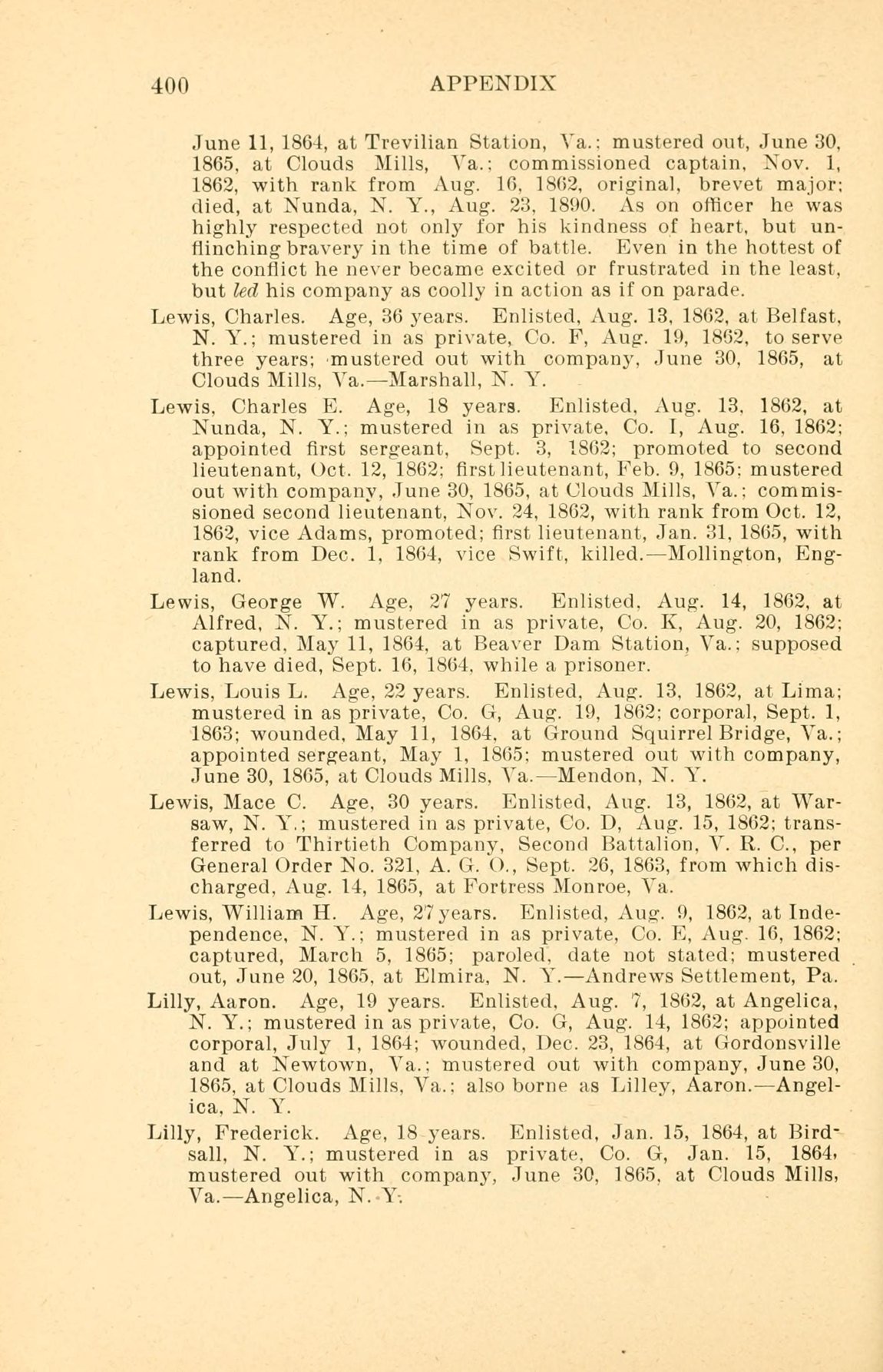
Keep this distinction in mind: The same regiment appears under different designations. A changed number or name does not necessarily identify a different group of men.
Keep your question in view as you explore. The reading tray retains Stop That Ducking. Close it to return to this point, or deliberately choose to explore outside the chapter.
Follow a life beyond the page
People you meet here
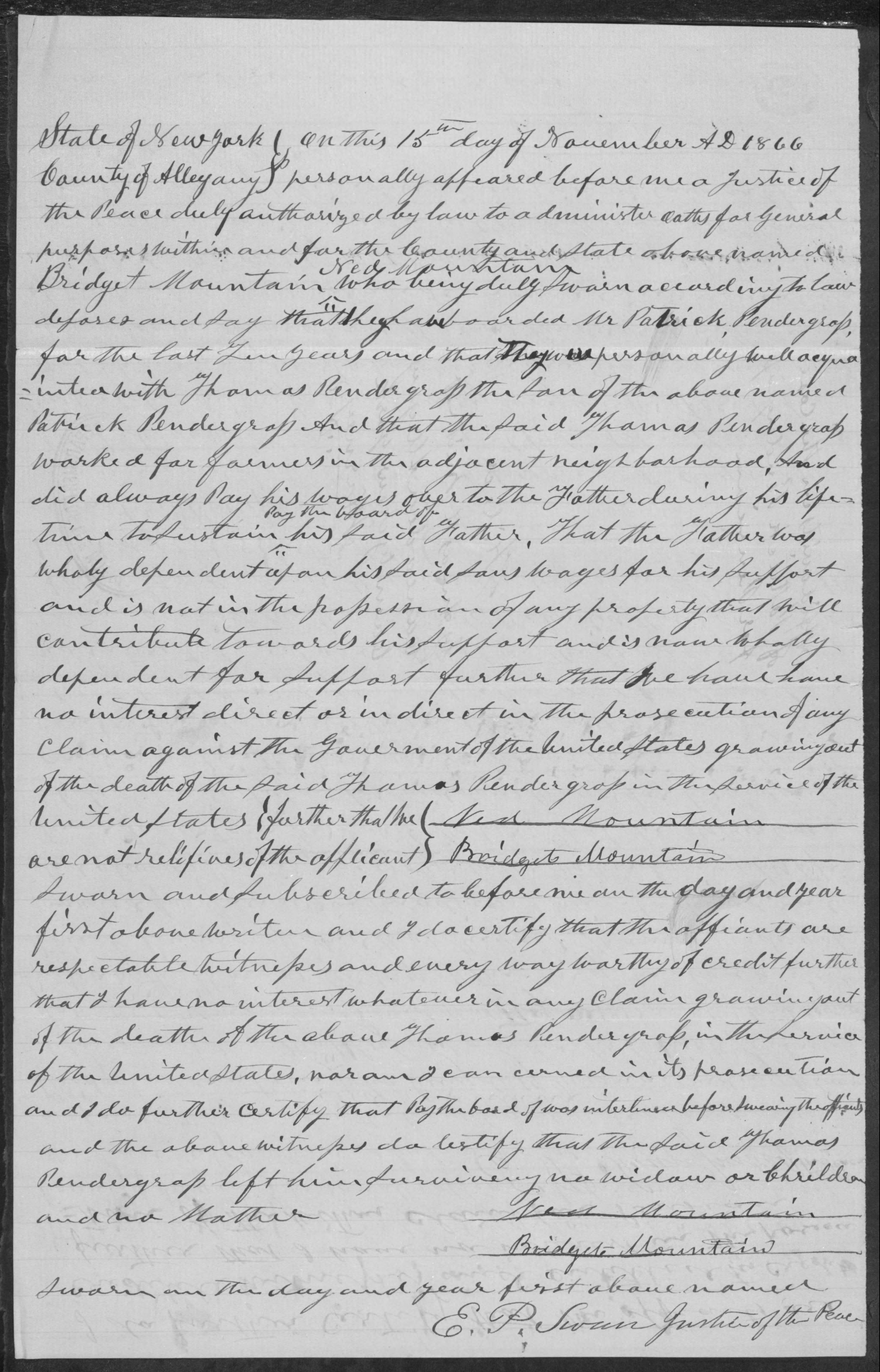
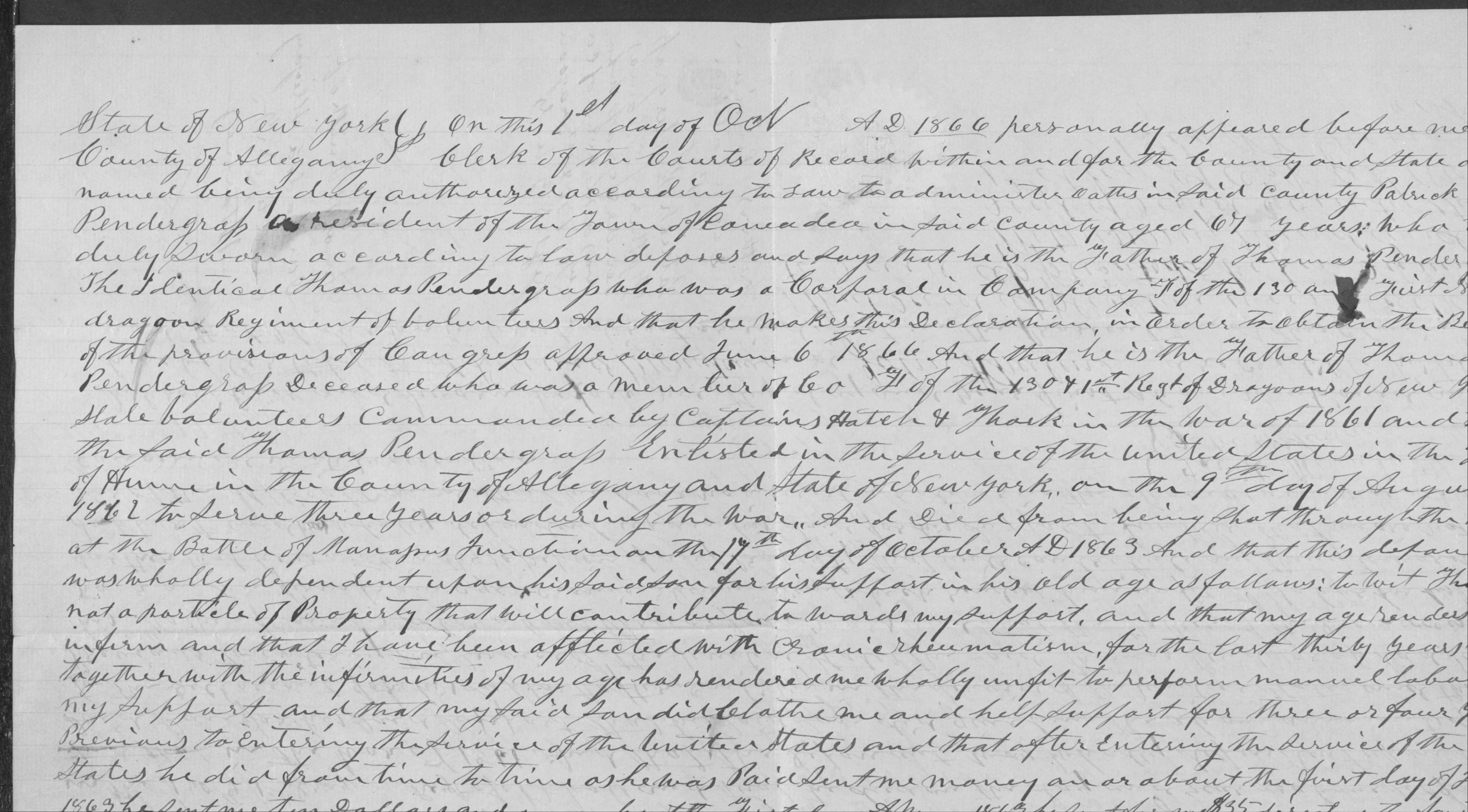
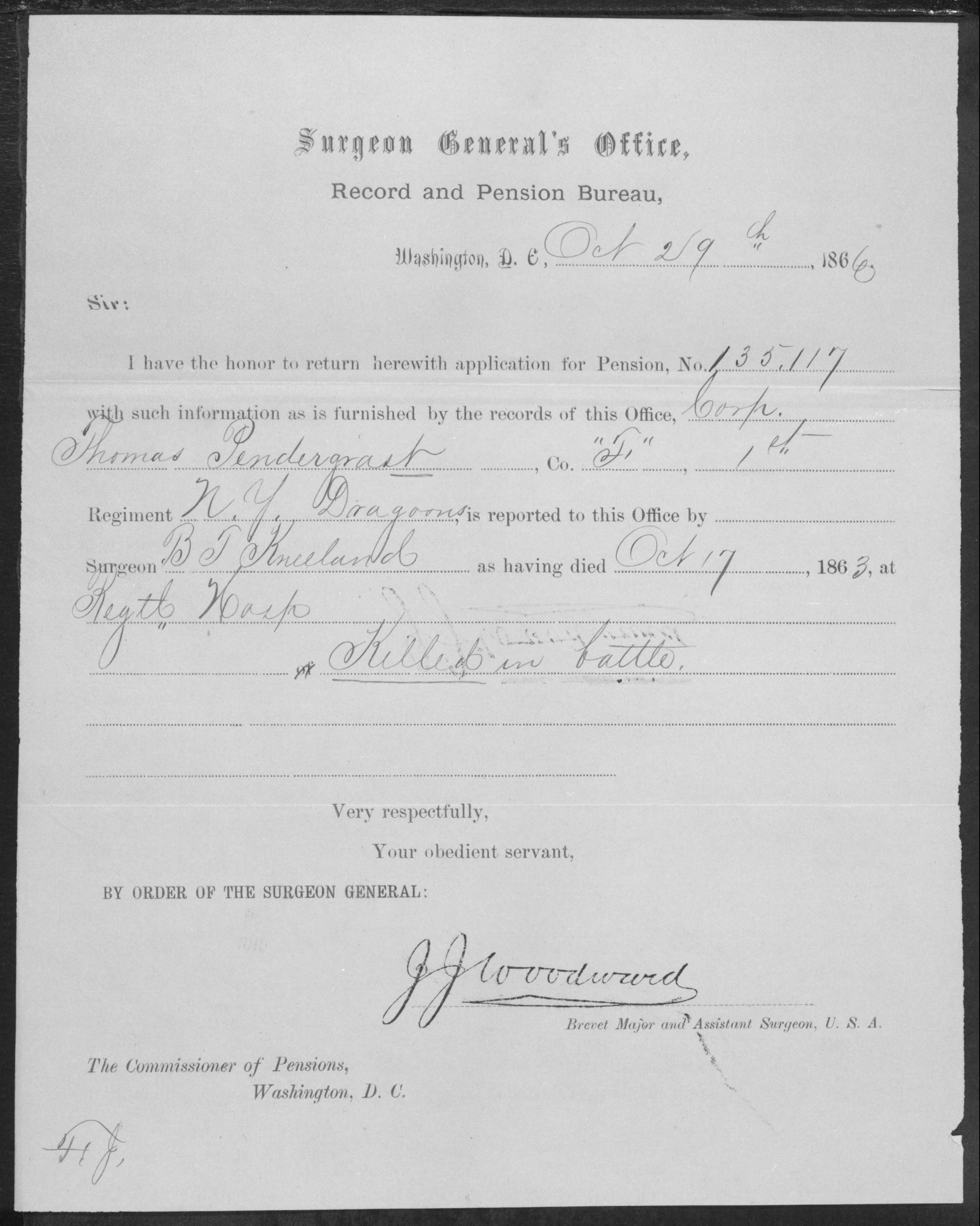
The book brings you into these lives. Follow a person to the family, service and research records available here. Pension material is identified separately from biography and recollection.
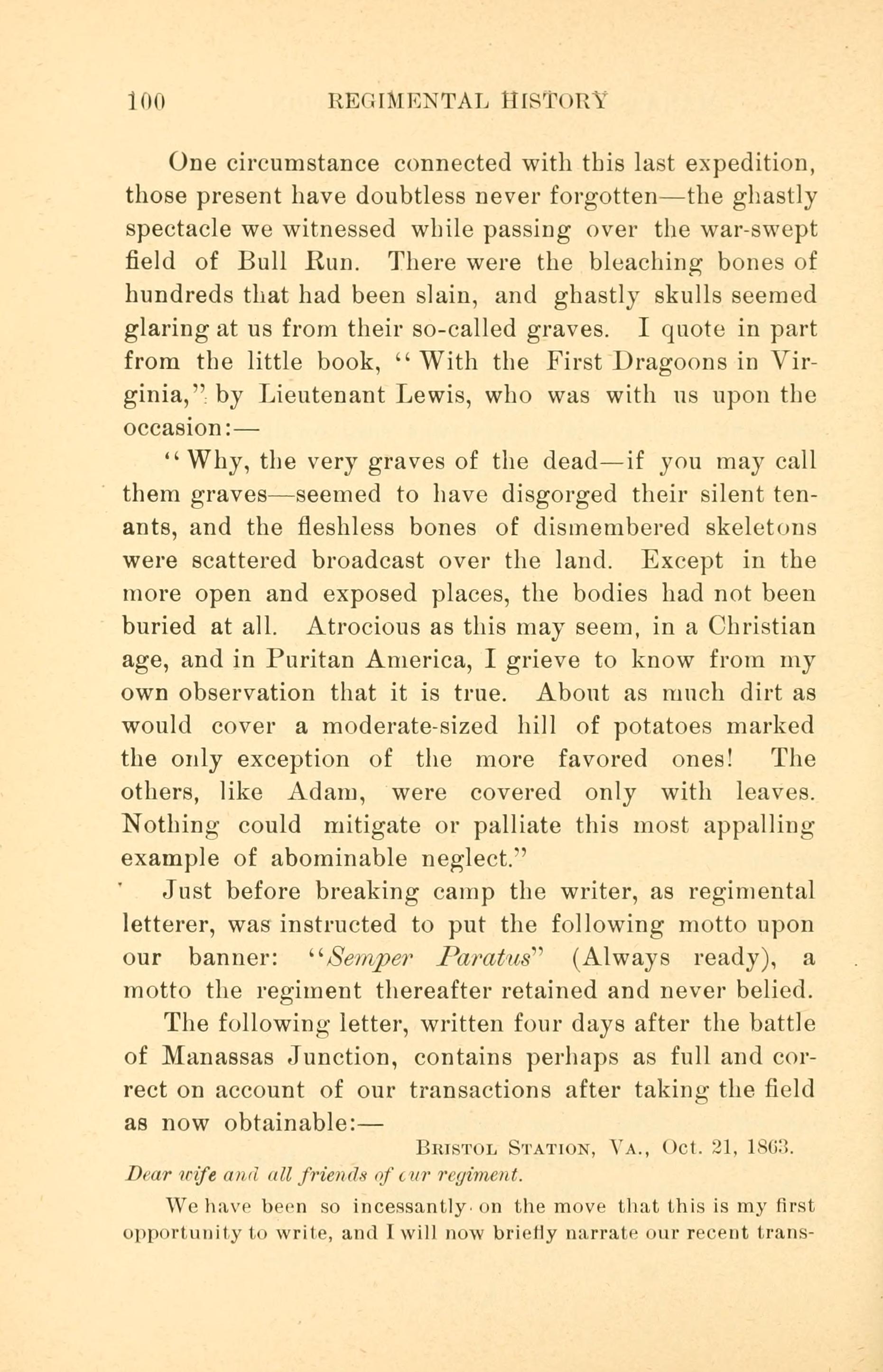
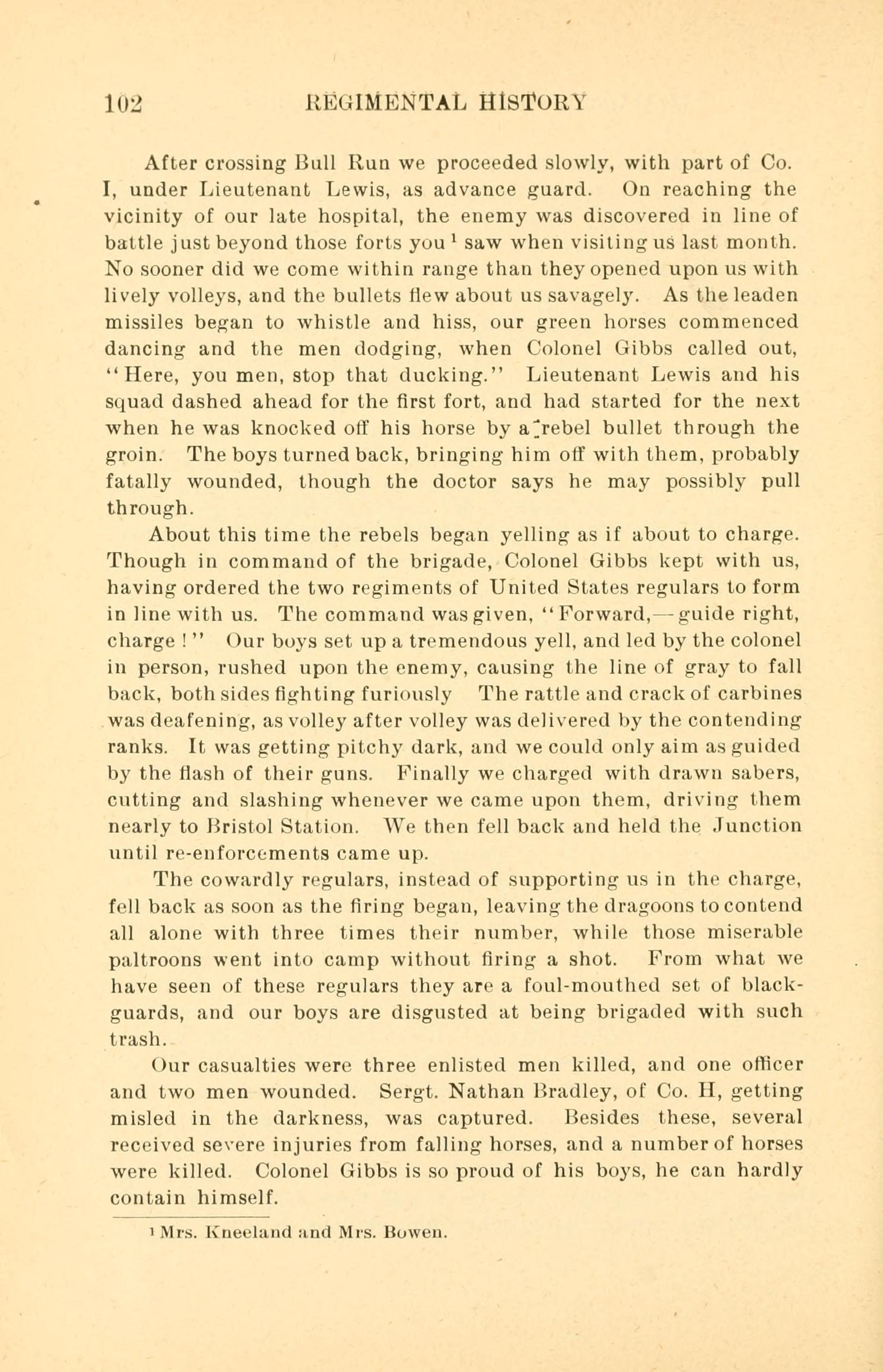
Lewis described the neglected battlefield at Manassas and later faced arrest for allowing contact across the lines. Follow his service and his own writing rather than treating him only as a quoted name.
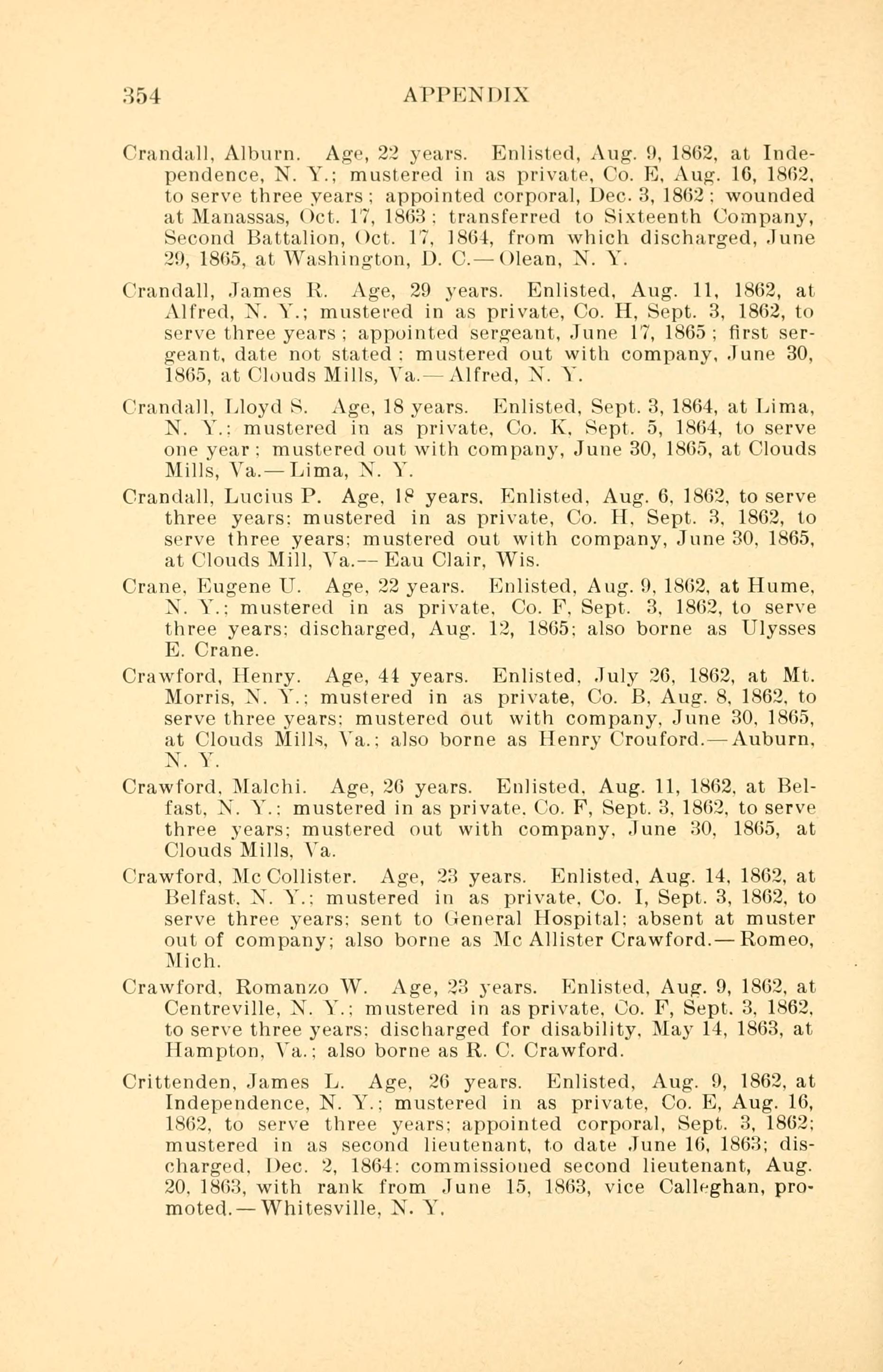
Levi Green named Tompkins and his horse while describing cavalry training. His service page puts the soldier in that informal letter beside the regiment's own record.
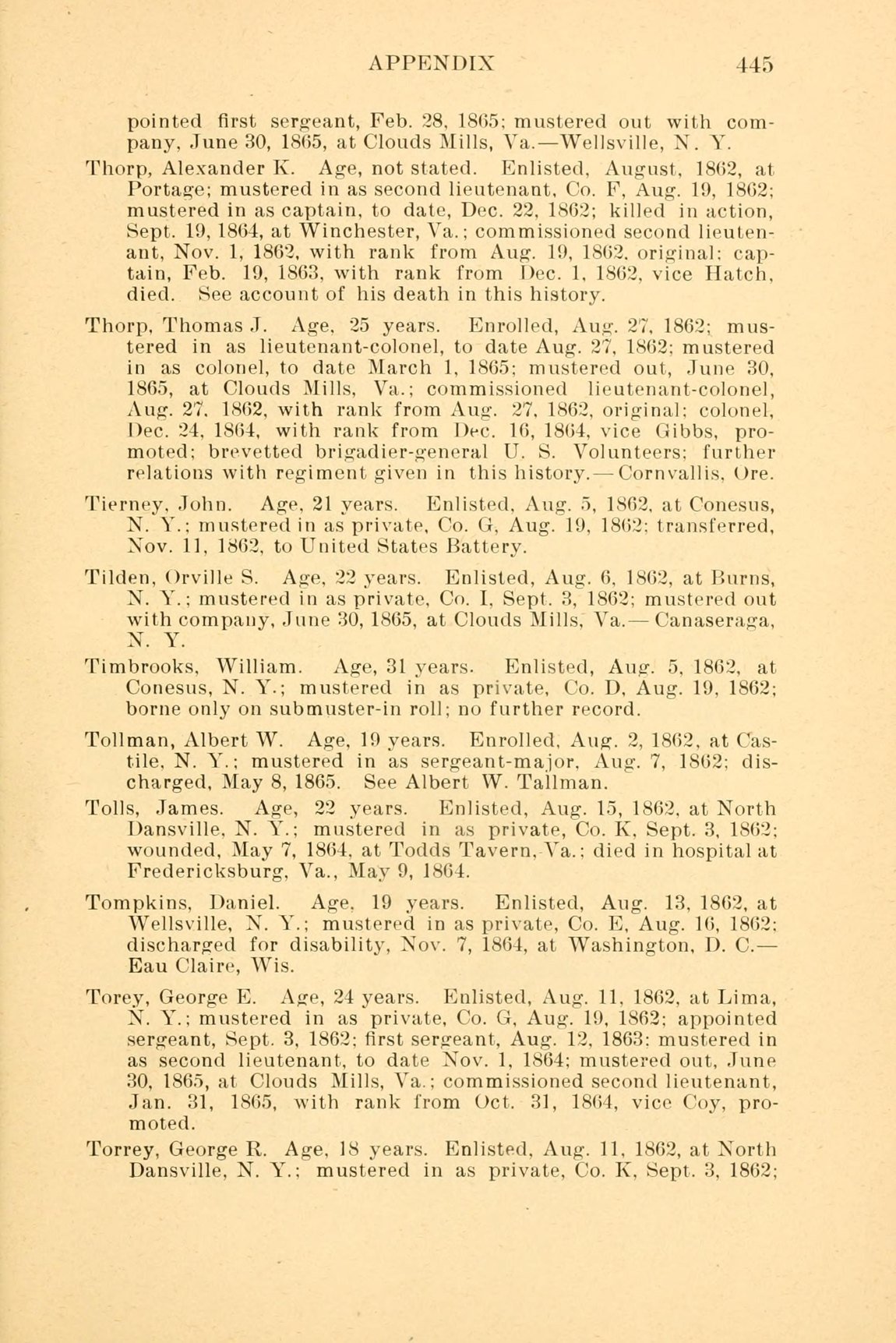
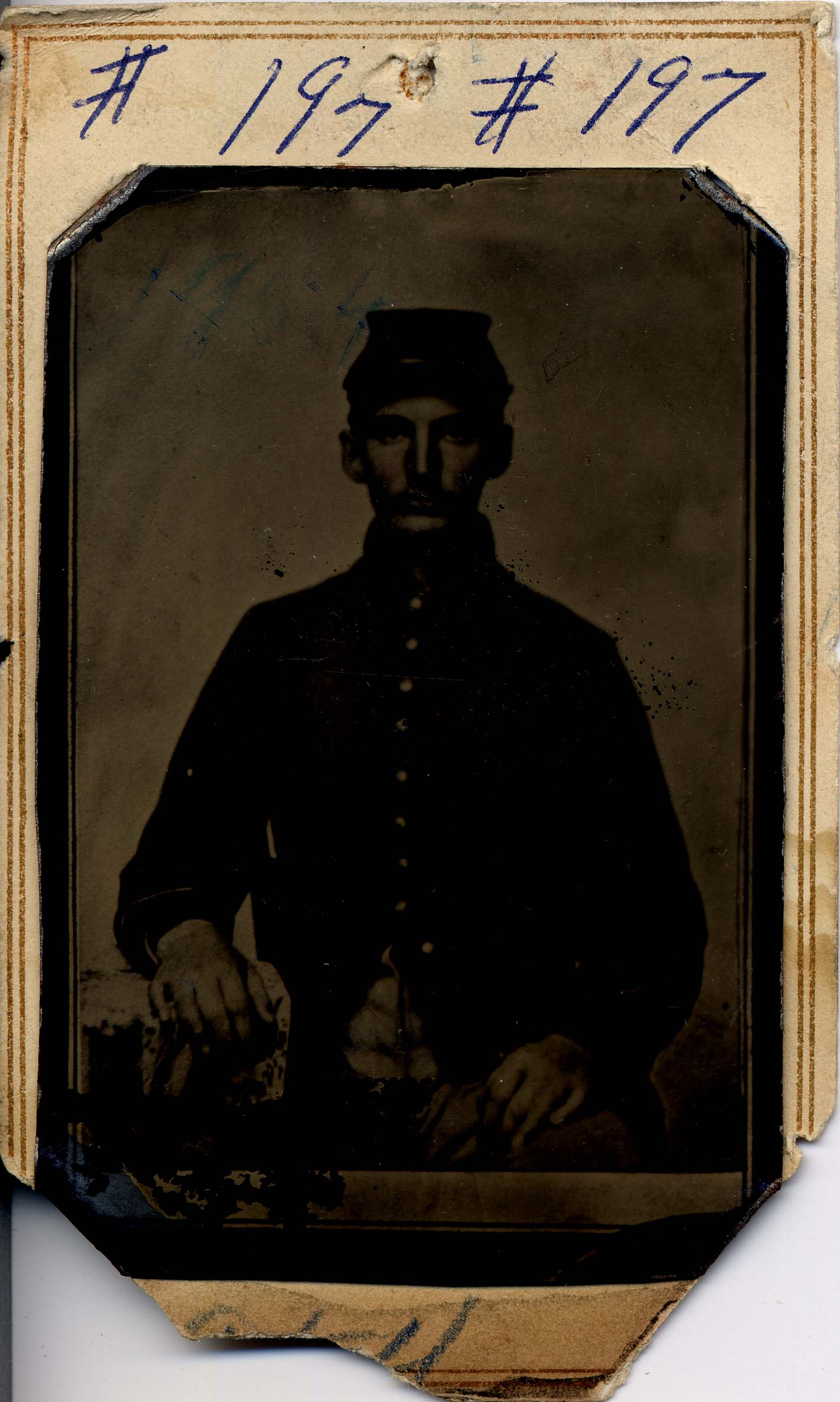
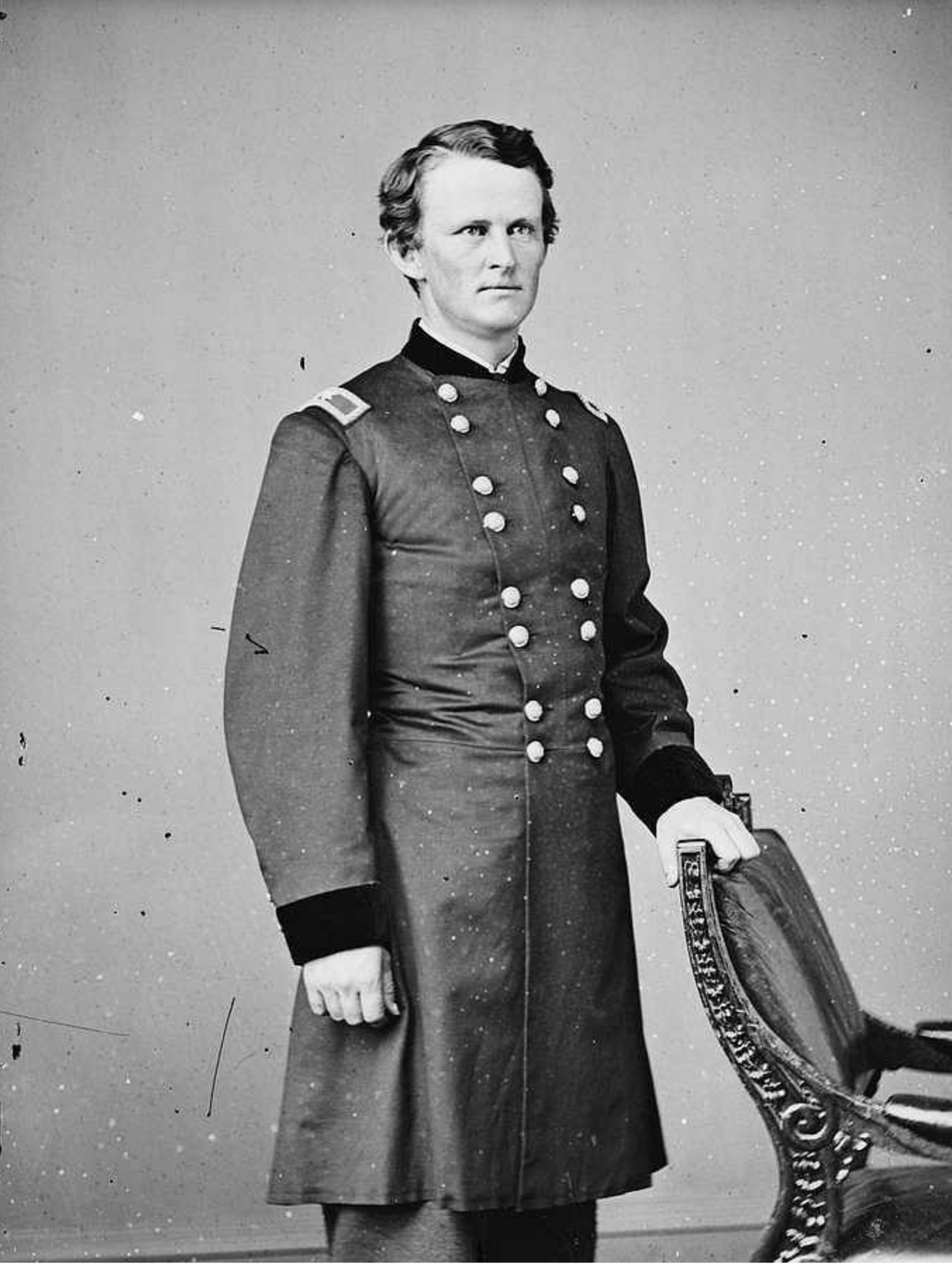
The roster spells his name Wight while the portrait record uses Wright. Follow the portrait and service evidence that help identify one of the men killed at Manassas.
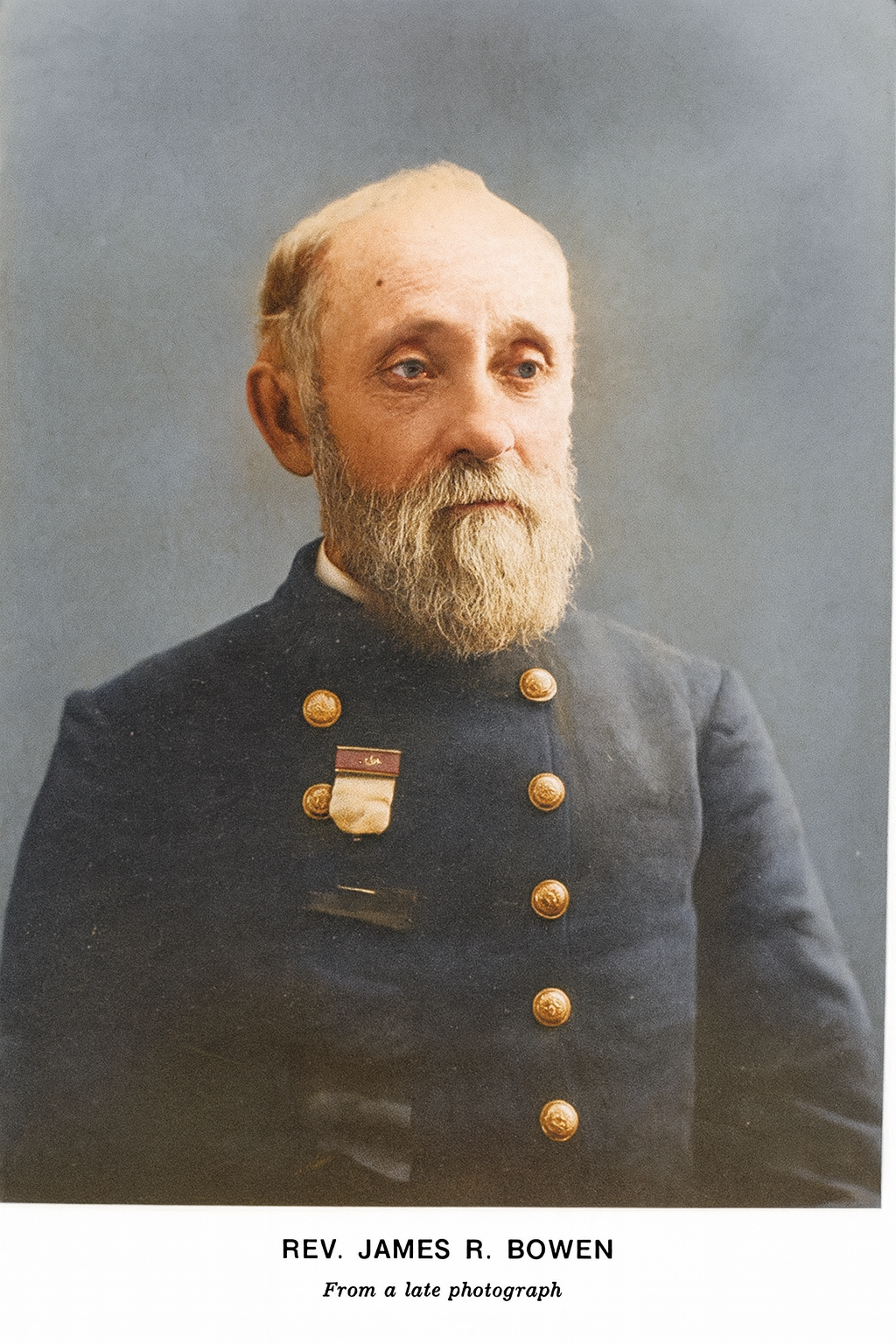
Bowen was a soldier, drummer and the regiment's later historian. Knowing who produced an account helps you weigh what he saw himself, what other veterans told him and what he wrote many years later.
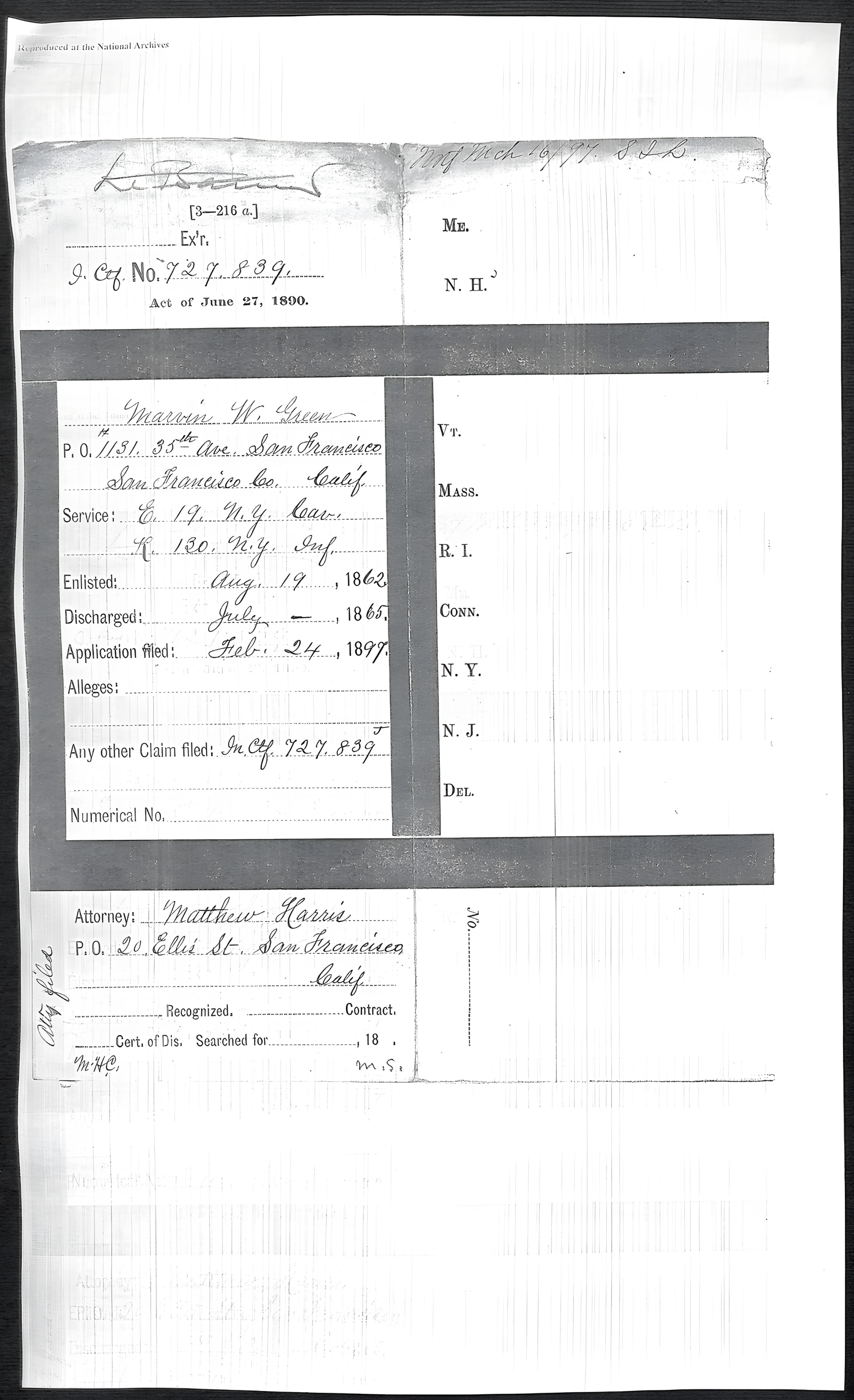
Marvin survived the war that took his brother Levi. Follow his letters, then the pension applications, medical evidence and Elvira’s widow’s claim to see how their family history continues after the fighting.
These connections come from the v172 manuscript and existing subject pages. A pension not connected here may still exist elsewhere. Namesakes and uncertain identities are not silently joined.
Follow the words into the evidence
What caught your attention?
Find a line from your reading, then follow its document and the record around it. Matching words helps locate evidence; checking who wrote them, when, and why helps you understand it.