Start with the guided reading below, or search this chapter for a person, quotation or topic. Follow the writing and evidence behind this part of GIBBS.
What would you like to explore in San Augustine Springs?
Go beyond the book · San Augustine Springs
Separate the surrender from accounts of responsibility
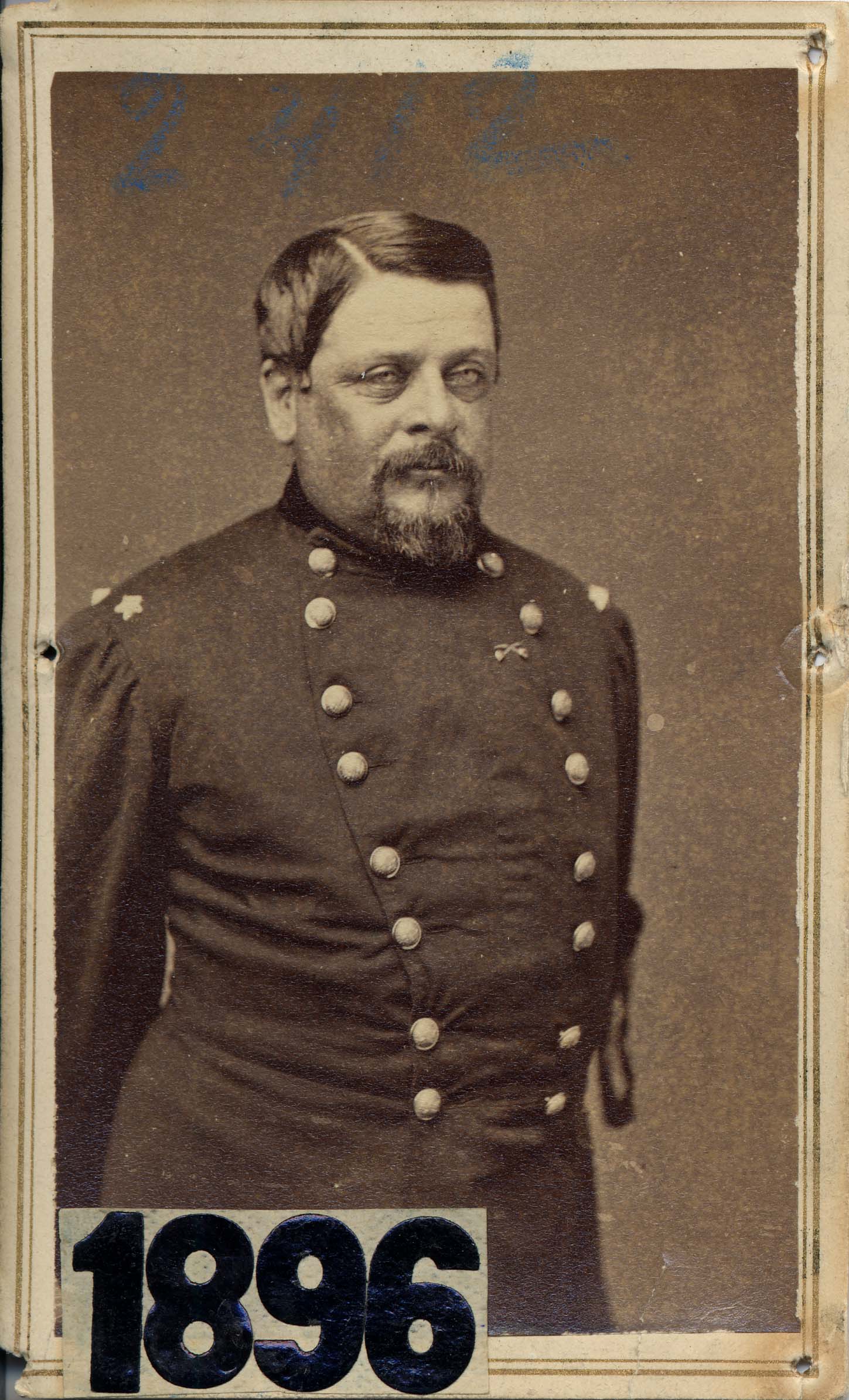
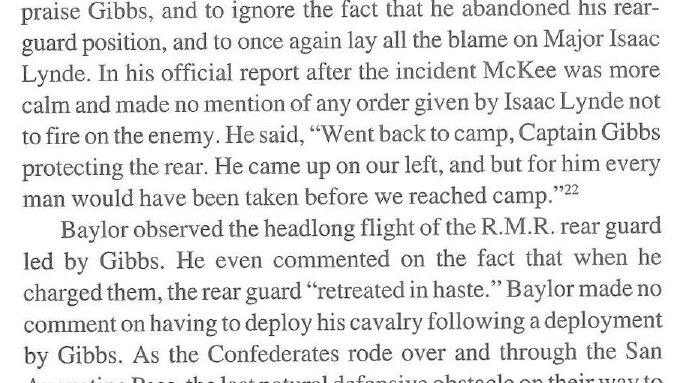
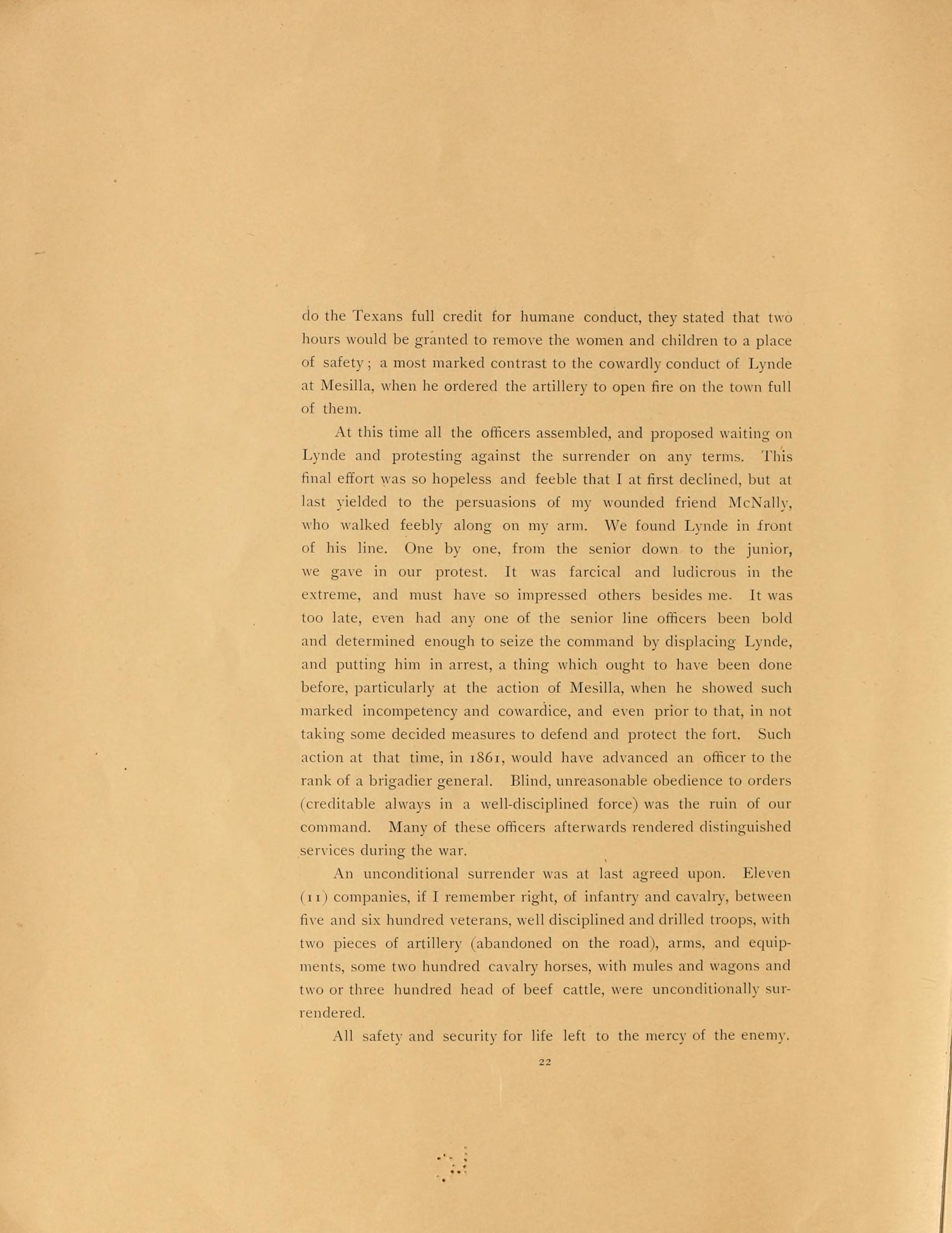
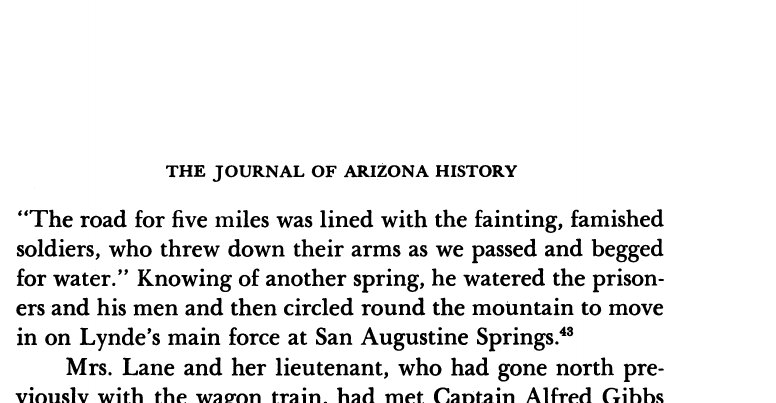
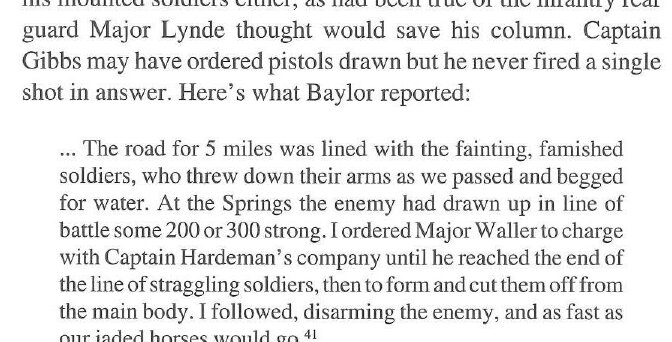
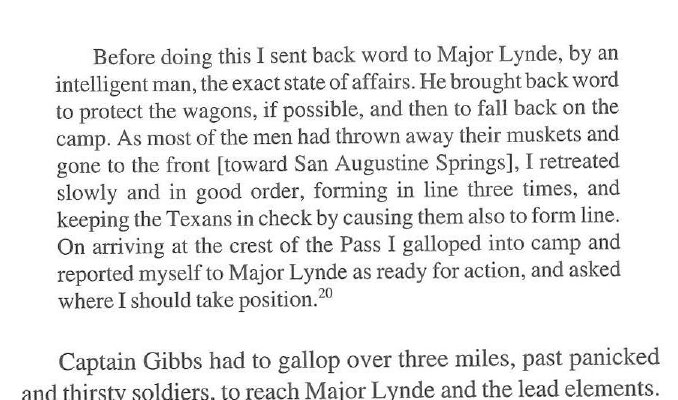
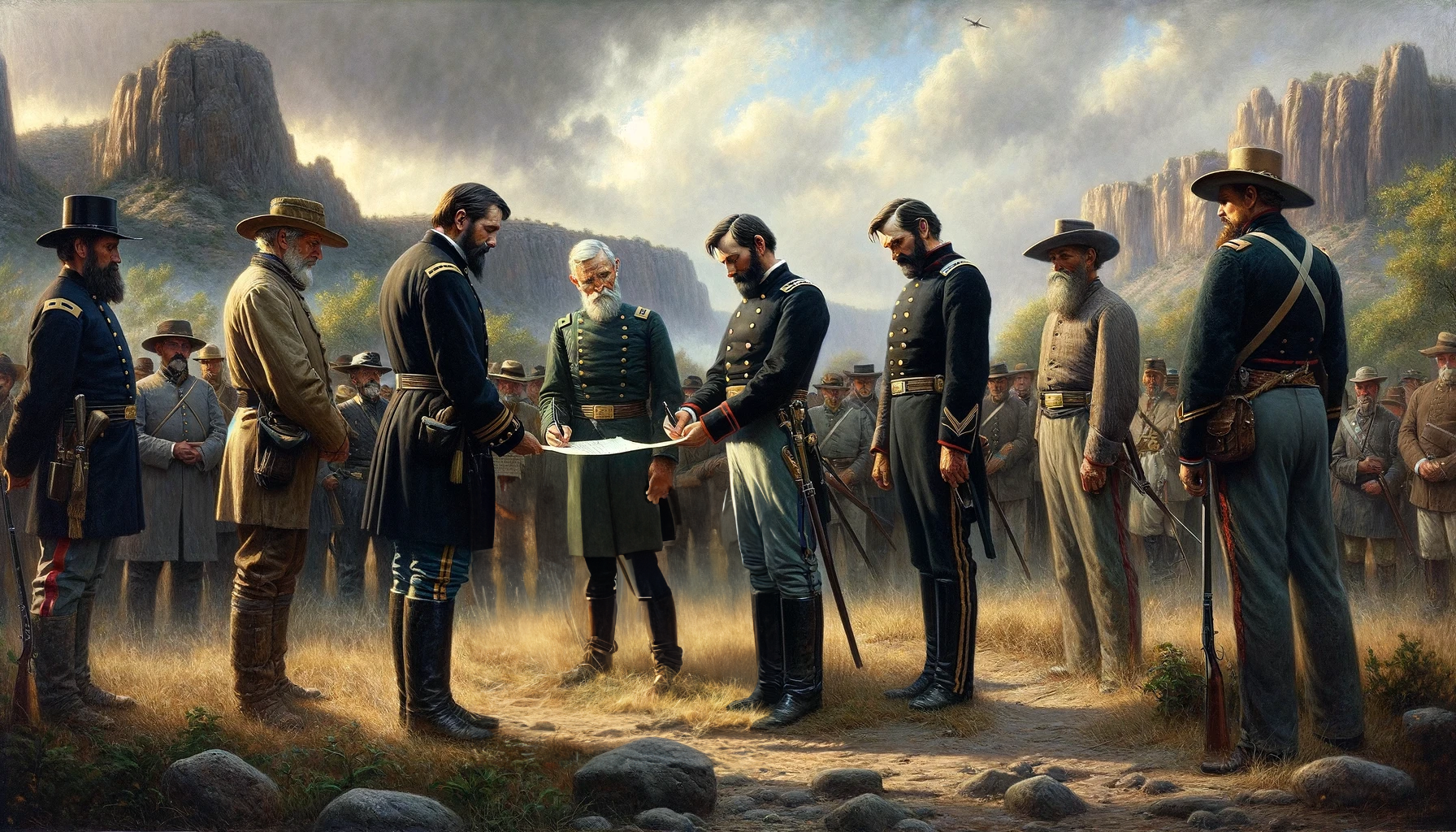
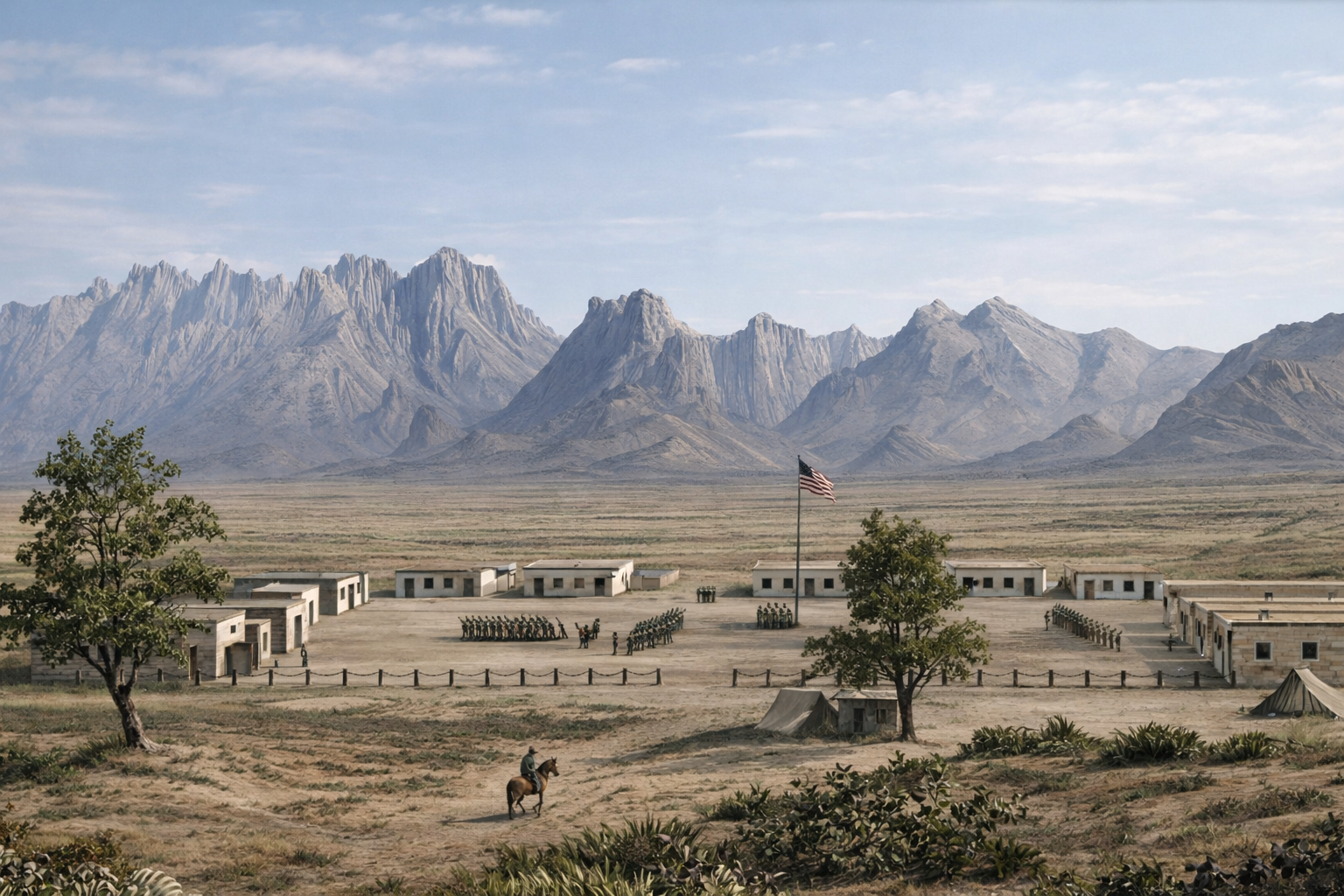
San Augustine Springs left officers explaining what they had done and who had ordered it. Gibbs’s reports and request for inquiry let readers examine his account in his own formal words.
New to these records? A little context.
A docket is an office’s summary or filing note; it may be on a wrapper rather than in the letter. An endorsement is another official’s response or forwarding note. Read each voice and date separately. A transcription is a reading of a document, with uncertain words marked where the exhibit provides them.
How did Gibbs ask his conduct to be examined?
How did Gibbs ask his conduct to be examined?
Research preview · An invitation into the written account, not a reproduction of an original document.
Read the source exhibit & its explanation
Gibbs’s reports and request for inquiry
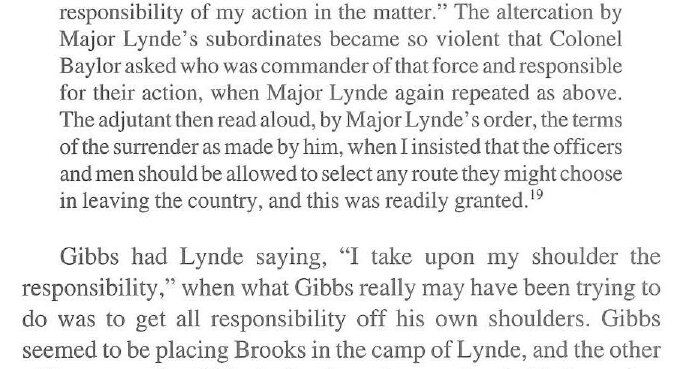
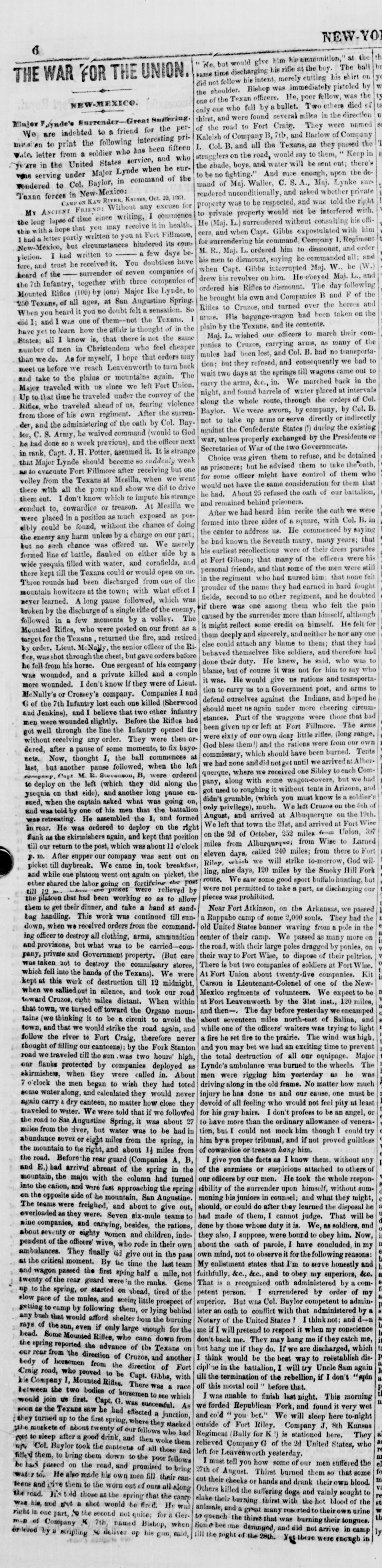
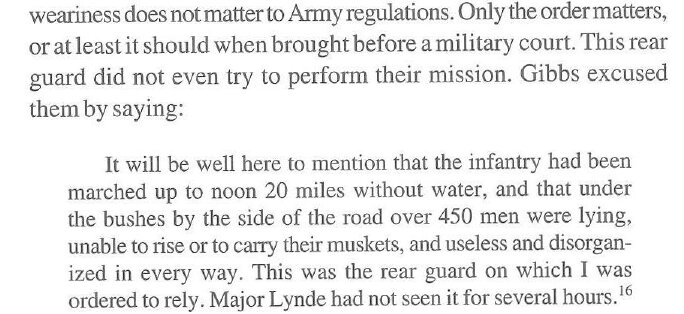
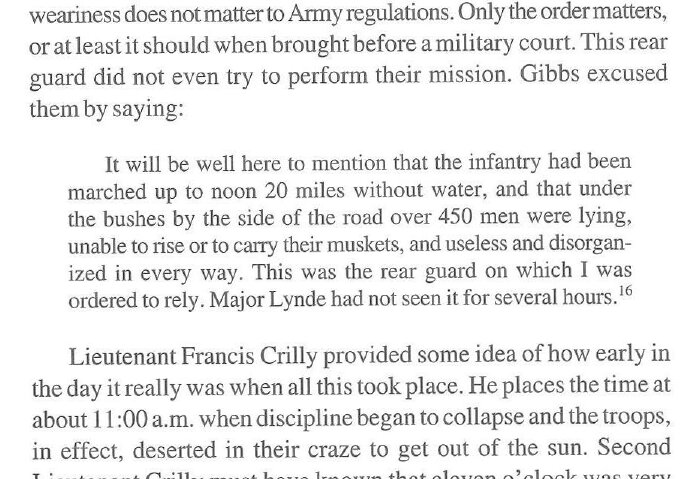
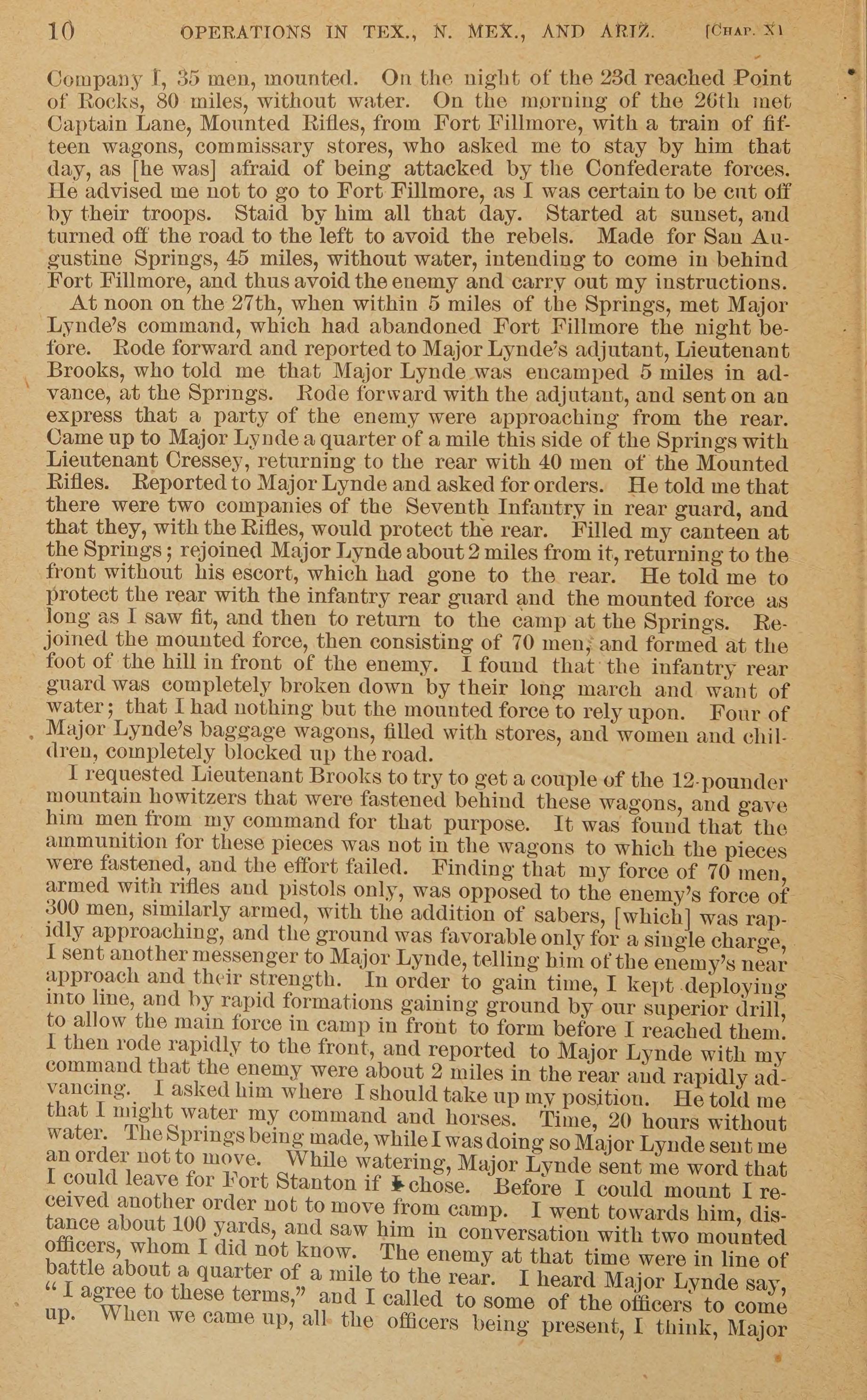
The exhibit presents reports and a sworn statement printed in the Official Records. It identifies his charges against Lynde and his later request for a court of inquiry.
What to examine: Read the August report before the later statement and inquiry request. Track which events Gibbs says he saw, which orders he received, and what relief he requested.
Keep this distinction in mind: An officer’s report is evidence of his account, not automatic adjudication of every dispute. Compare it with other witnesses rather than treating its formal format as a verdict.
Keep your question in view as you explore. The reading tray retains San Augustine Springs. Close it to return to this point, or deliberately choose to explore outside the chapter.
Follow a life beyond the page
People you meet here
The book brings you into these lives. Follow a person to the family, service and research records available here. Pension material is identified separately from biography and recollection.
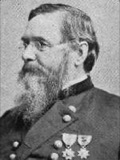
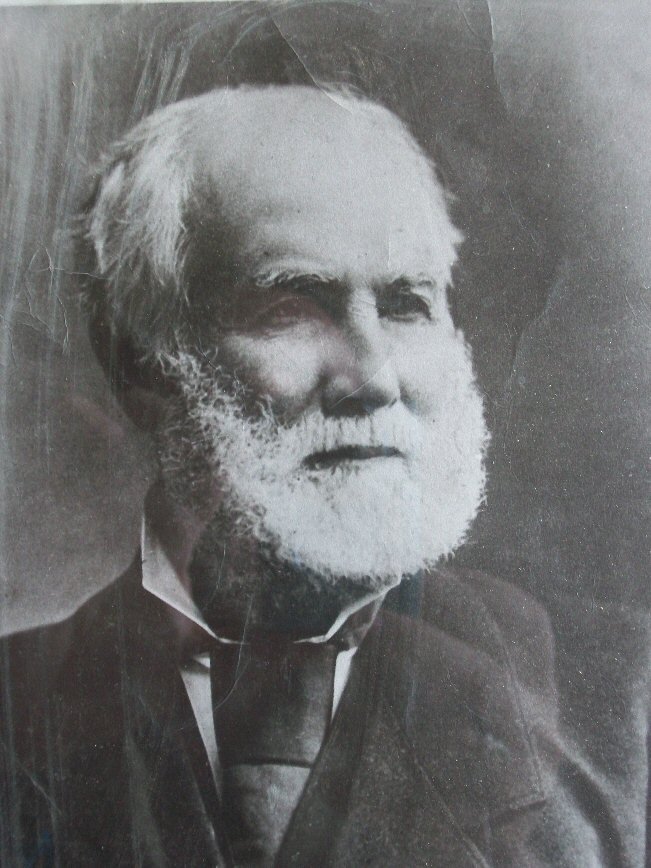
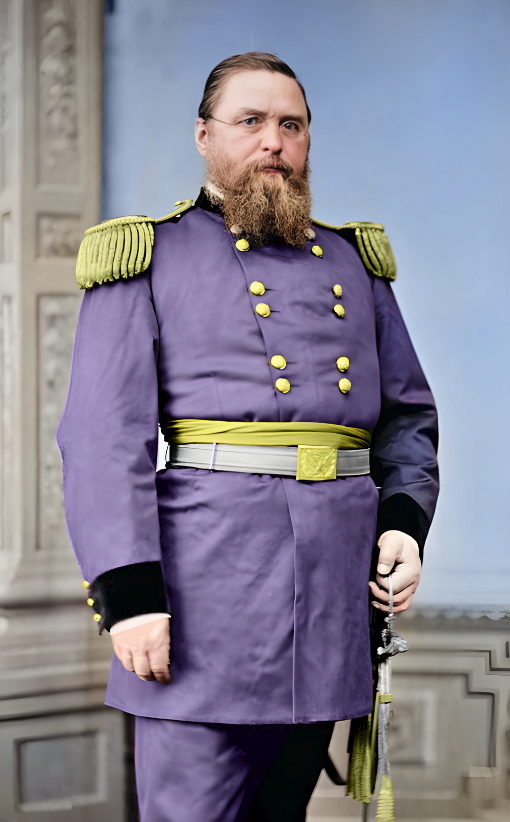
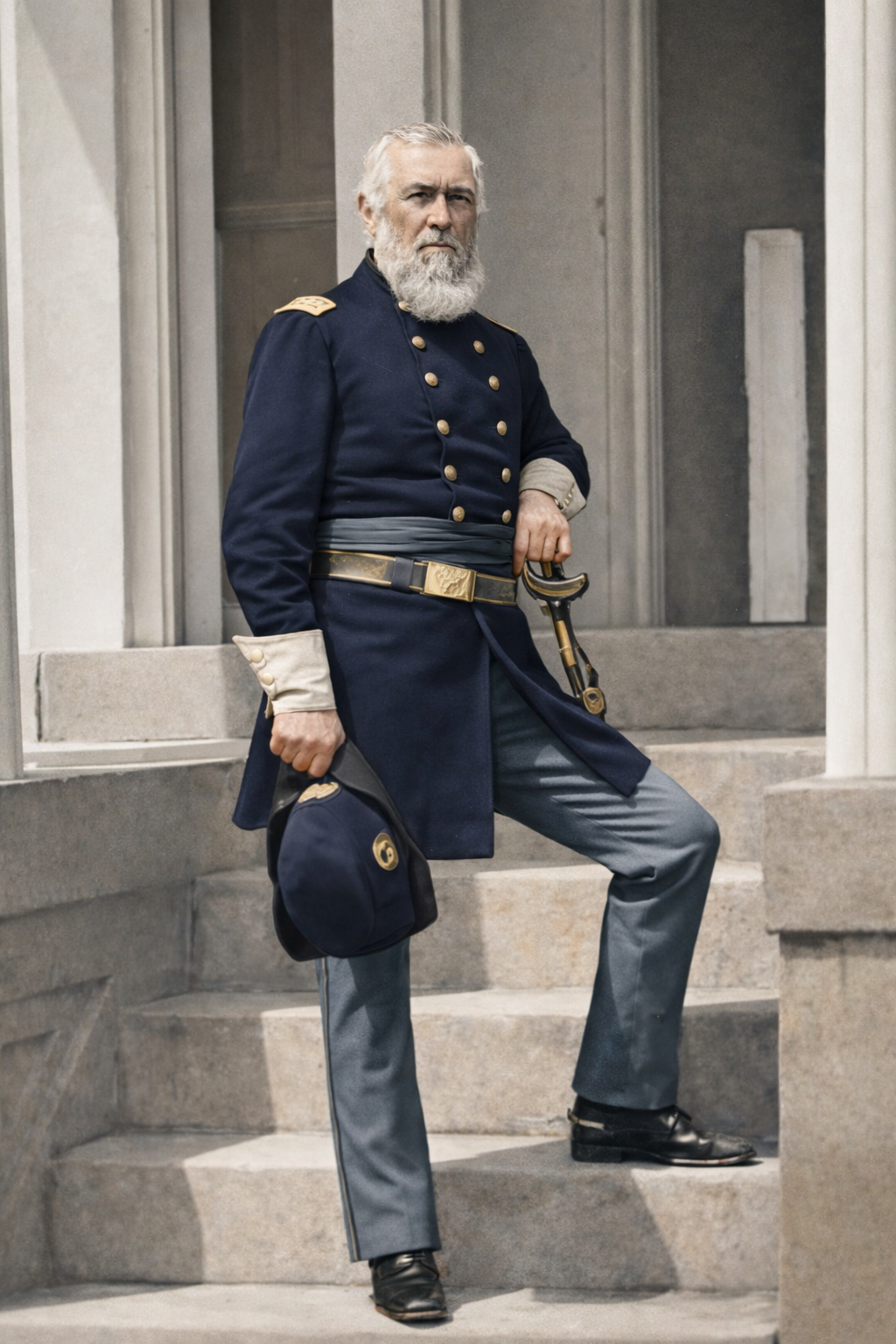
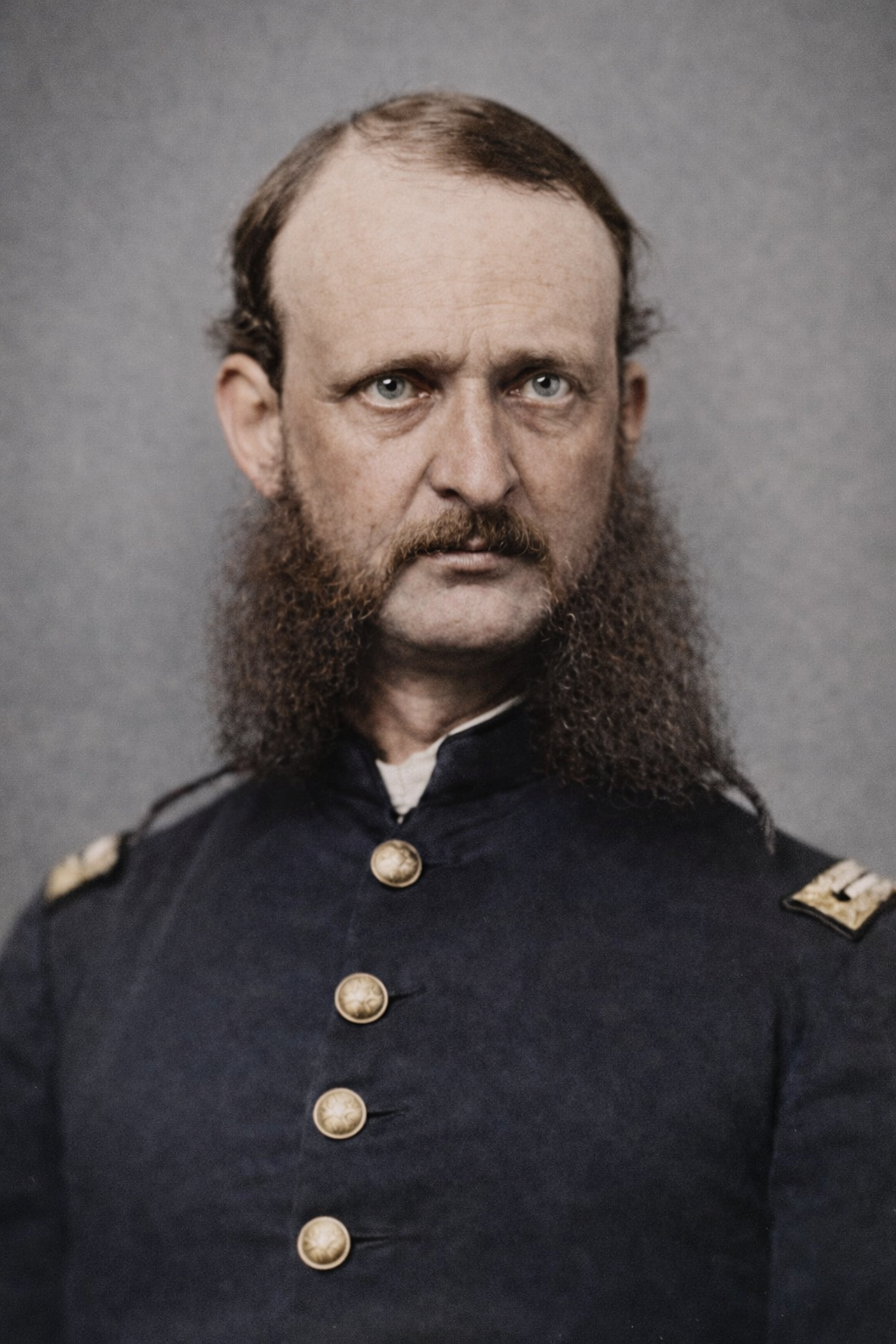
Follow Gibbs through the service and medical records, then Peggy’s petitions after his death. These sources let you distinguish what a doctor observed, what a widow asked for and what an official record actually establishes.
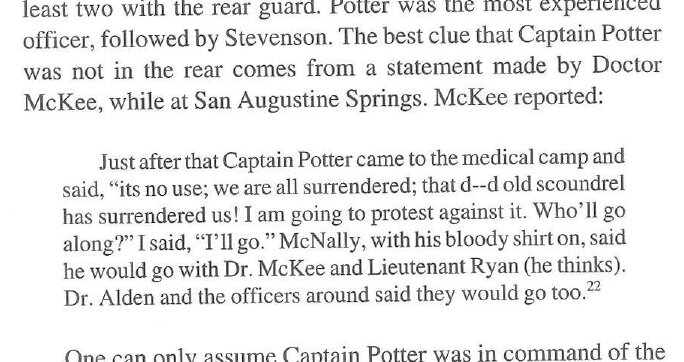
Potter's career offers another route through the same antebellum army and Civil War. Garland's service-record research lets you pursue that officer beyond the brief appearance in Gibbs's story.
These connections come from the v172 manuscript and existing subject pages. A pension not connected here may still exist elsewhere. Namesakes and uncertain identities are not silently joined.
Follow the words into the evidence
What caught your attention?
Find a line from your reading, then follow its document and the record around it. Matching words helps locate evidence; checking who wrote them, when, and why helps you understand it.