What would you like to explore in The Class of 1846?
Go beyond the book · The Class of 1846
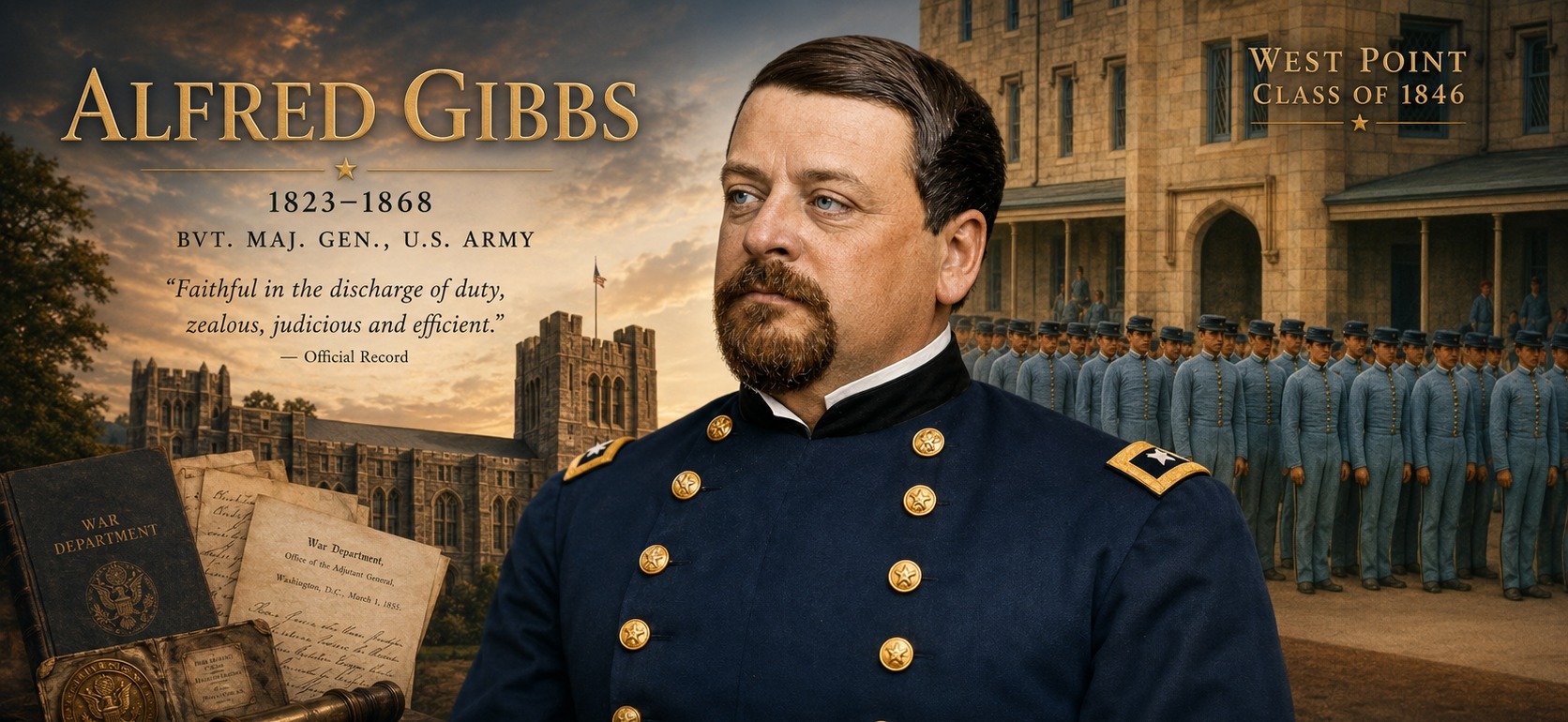
You are reading West Point · June 1843. The guided starting point below explores West Point, New York. Evidence for this particular section has not yet been separately assembled; chapter references remain available below.
Read a cadet’s record without knowing his future
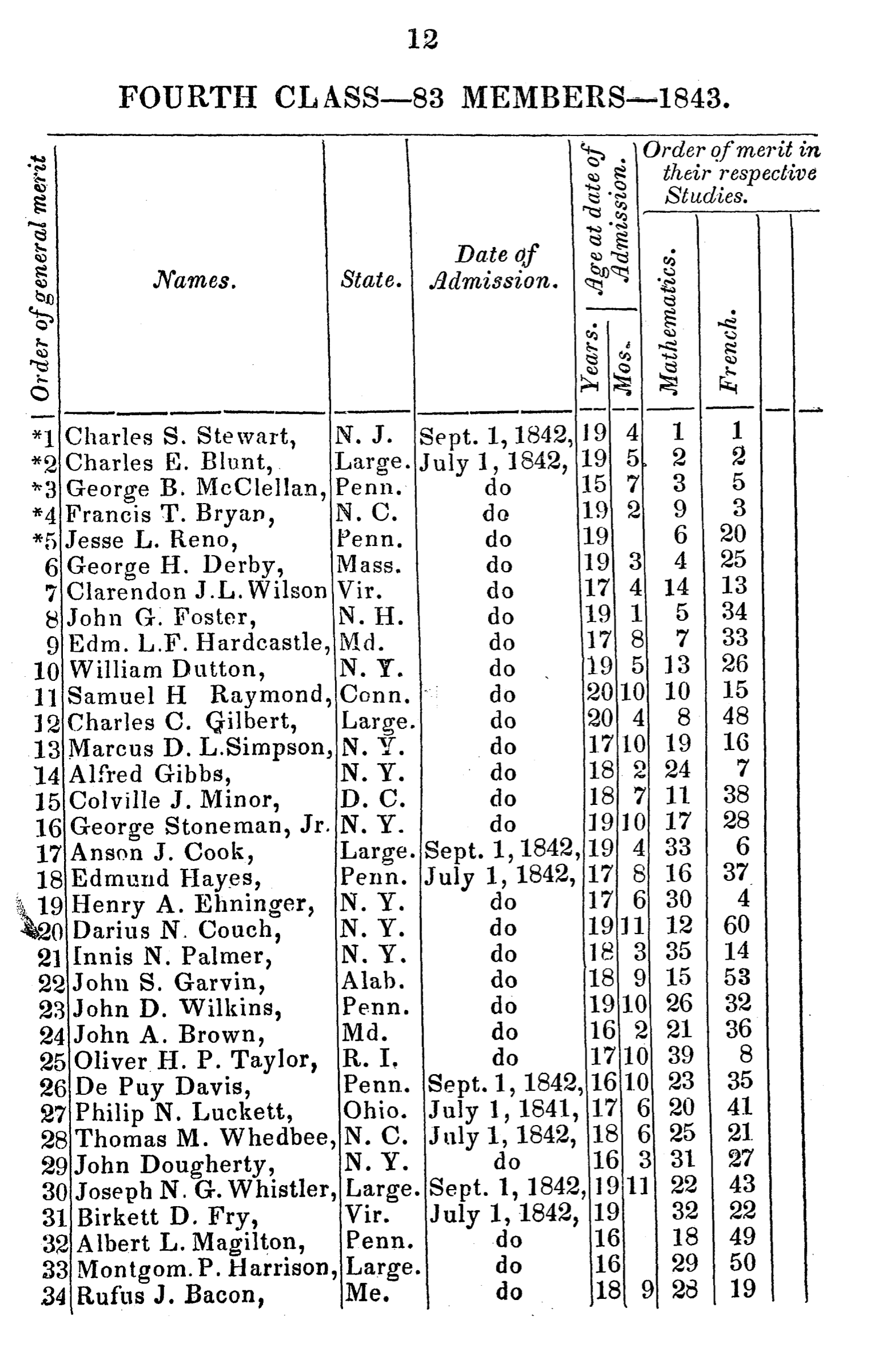
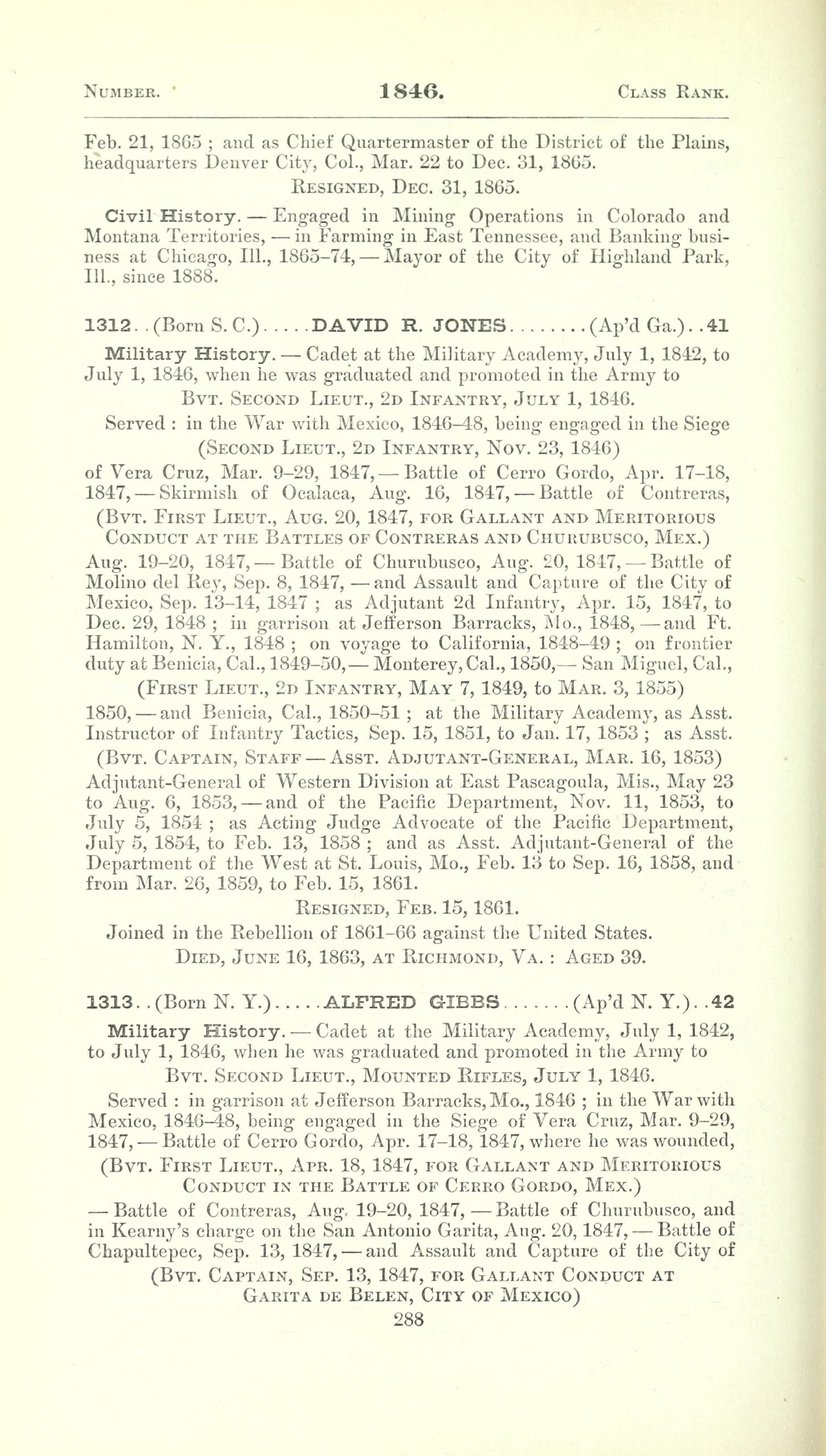
Before Gibbs and his classmates became famous officers, the Academy ranked them by subject and conduct. The registers allow comparisons without assuming later military reputations were already visible.
New to these records? A little context.
The Academy’s annual register lists cadets and their standings. Order of merit is a ranking; demerits record conduct. Compare like columns, and check which year and class the table describes.
What did West Point actually measure?
Official Register 1843, page 12: Fourth Class order of merit · From the linked account. Its original credits and image status are preserved there.
Read the source exhibit & its explanation
Class standings and conduct rolls, 1843–1846
Deborah Anthony Dodge’s compilation is presented alongside register scans and a correction to a comparison figure. It distinguishes general standing, subject standing, and demerits.
What to examine: Choose one year and compare the same column across cadets. Then check that row against the original register rather than mixing academic position with the conduct roll.
Keep this distinction in mind: Lower academic rank numbers mean higher standing; demerits measure something different. A school ranking is not a prediction of battlefield leadership.
Keep your question in view as you explore. The reading tray retains The Class of 1846 → West Point. Close it to return to this point, or deliberately choose to explore outside the chapter.
Follow a life beyond the page
People you meet here
The book brings you into these lives. Follow a person to the family, service and research records available here. Pension material is identified separately from biography and recollection.
6 connected people in this section · Showing 1 to 6
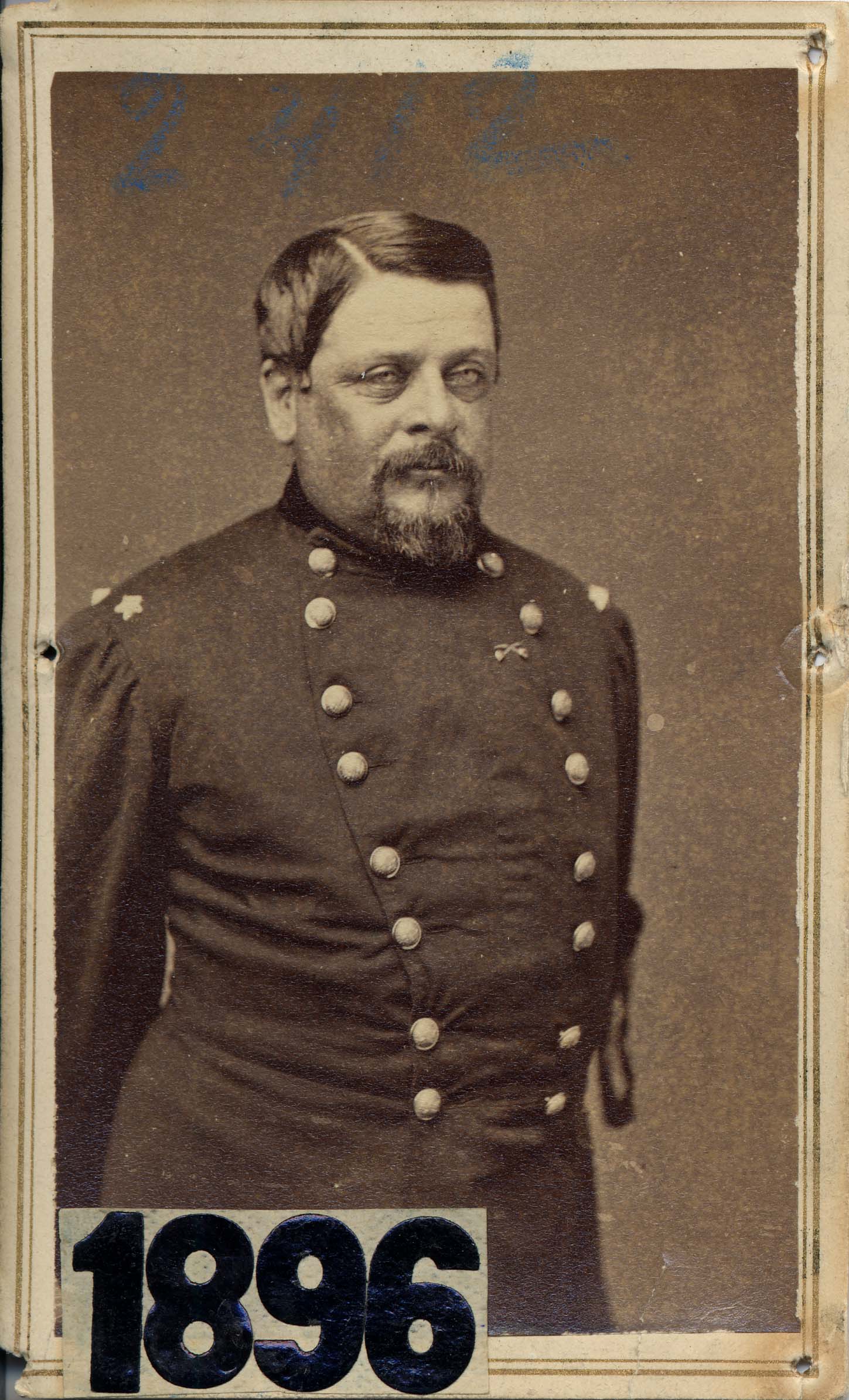
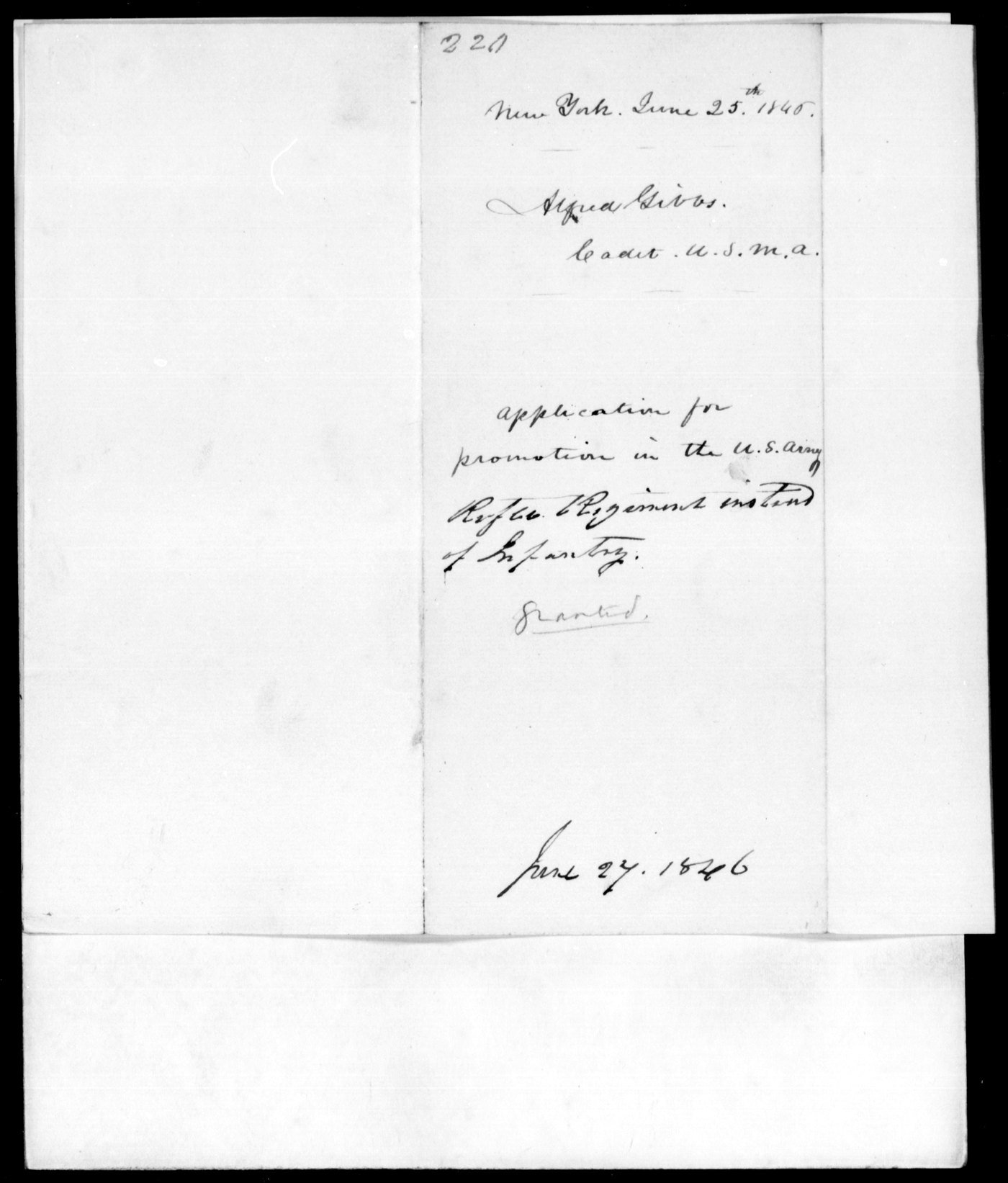
Follow Gibbs through the service and medical records, then Peggy’s petitions after his death. These sources let you distinguish what a doctor observed, what a widow asked for and what an official record actually establishes.
Hill was a member of Gibbs's Academy world before becoming a Confederate commander. The account of illness and delayed graduation helps explain why class affiliation and graduation year can differ.
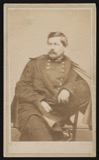
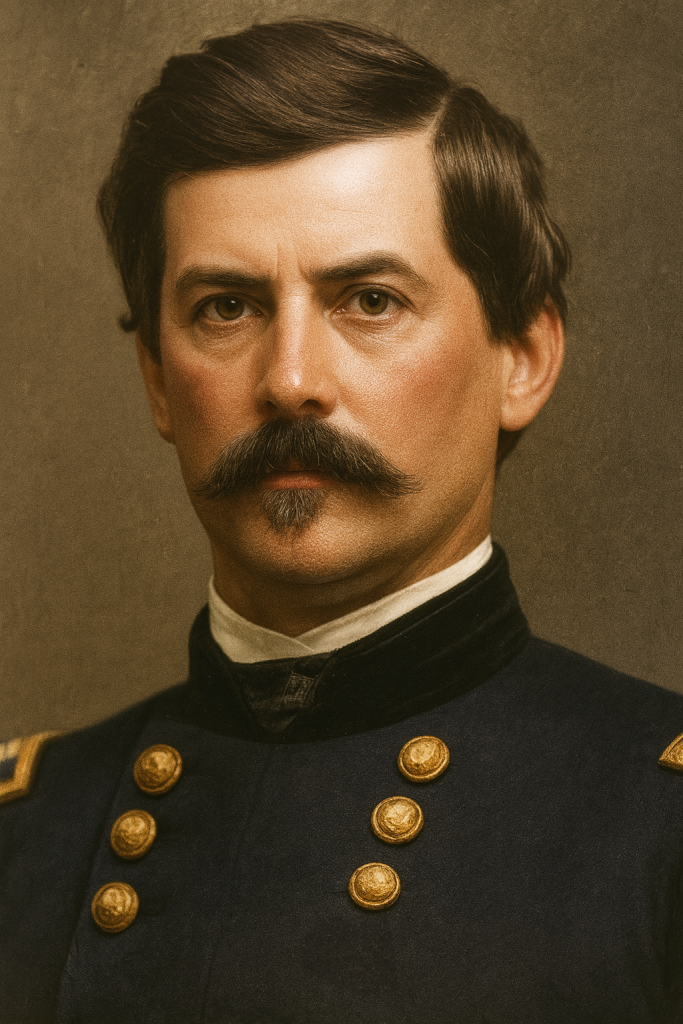
McClellan was Gibbs's West Point classmate before he became a Union commander. Garland's connected essays and letters let you explore those relationships beyond the familiar public reputation.
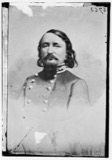
Pickett was Gibbs's classmate long before Gettysburg. Following his Academy setting broadens the person beyond the single battle most readers associate with his name.
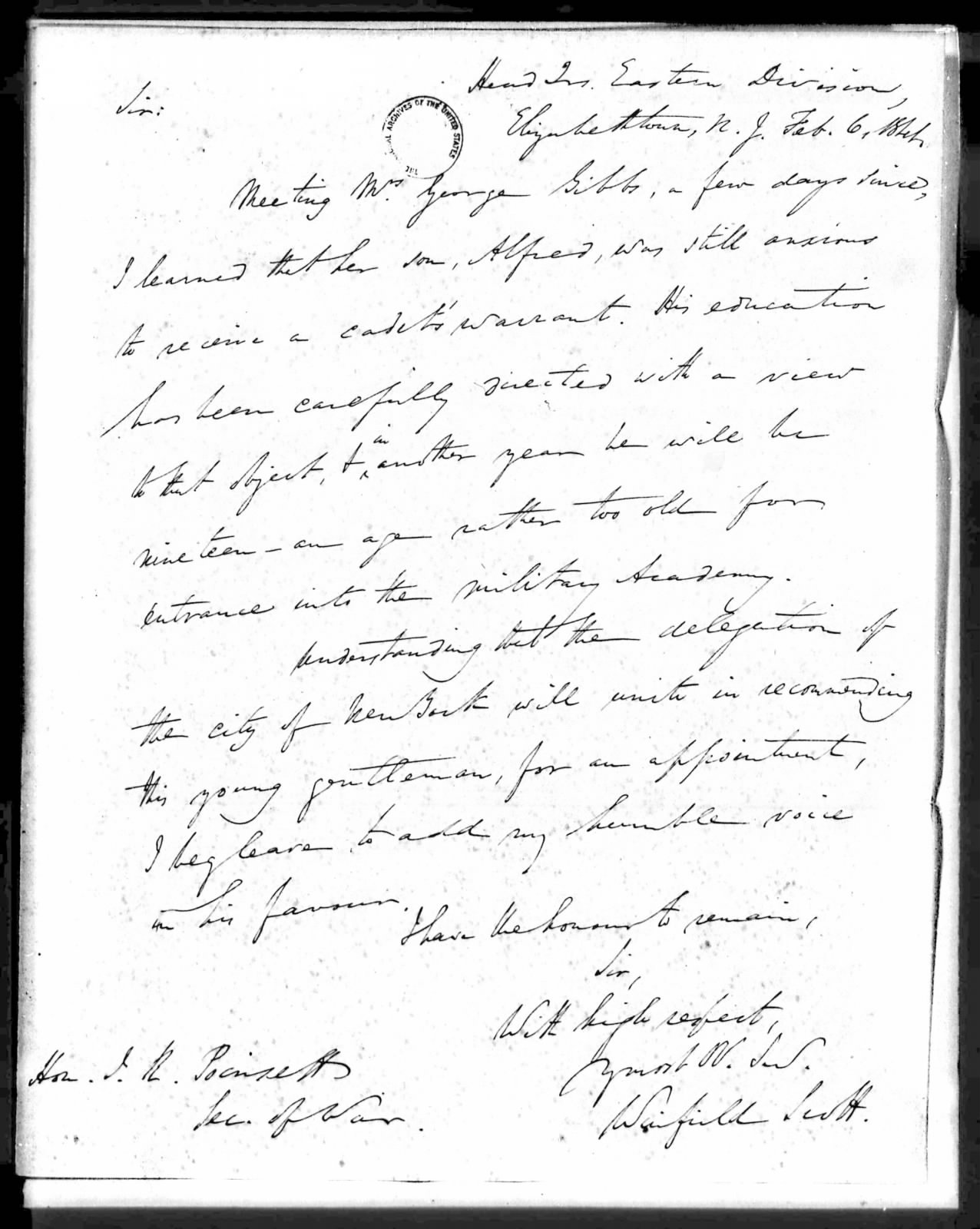
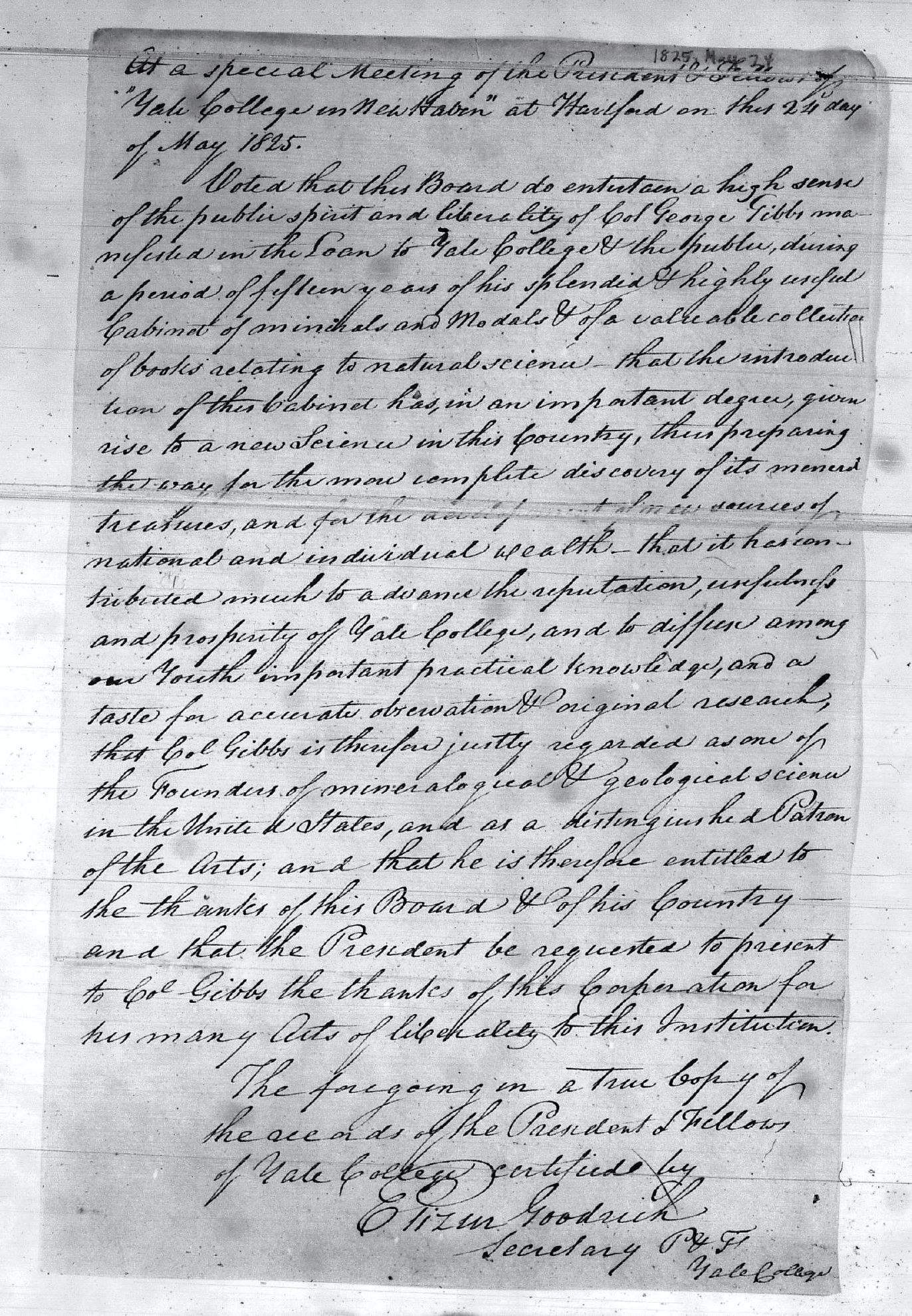
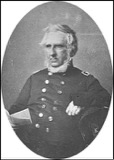
Delafield connects the Academy with the Gibbs family's earlier New York world. His role as superintendent provides context for the institution Alfred entered.
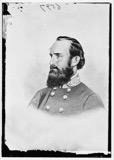
Thomas Jonathan Jackson was Gibbs’s West Point classmate before becoming the Confederate commander known as Stonewall. Follow the cadet and the later officer as parts of the same life, keeping their dates and opposing service clear.
These connections come from the v172 manuscript and existing subject pages. A pension not connected here may still exist elsewhere. Namesakes and uncertain identities are not silently joined.
Follow the words into the evidence
What caught your attention?
Find a line from your reading, then follow its document and the record around it. Matching words helps locate evidence; checking who wrote them, when, and why helps you understand it.
Passage-level sources for this section have not yet been assigned. These are the chapter’s source-note references, provided as starting points rather than proof of this particular section.