Start with the guided reading below, or search this chapter for a person, quotation or topic. Follow the writing and evidence behind this part of GIBBS.
What would you like to explore in The Class of 1846?
Go beyond the book · The Class of 1846
Read a cadet’s record without knowing his future
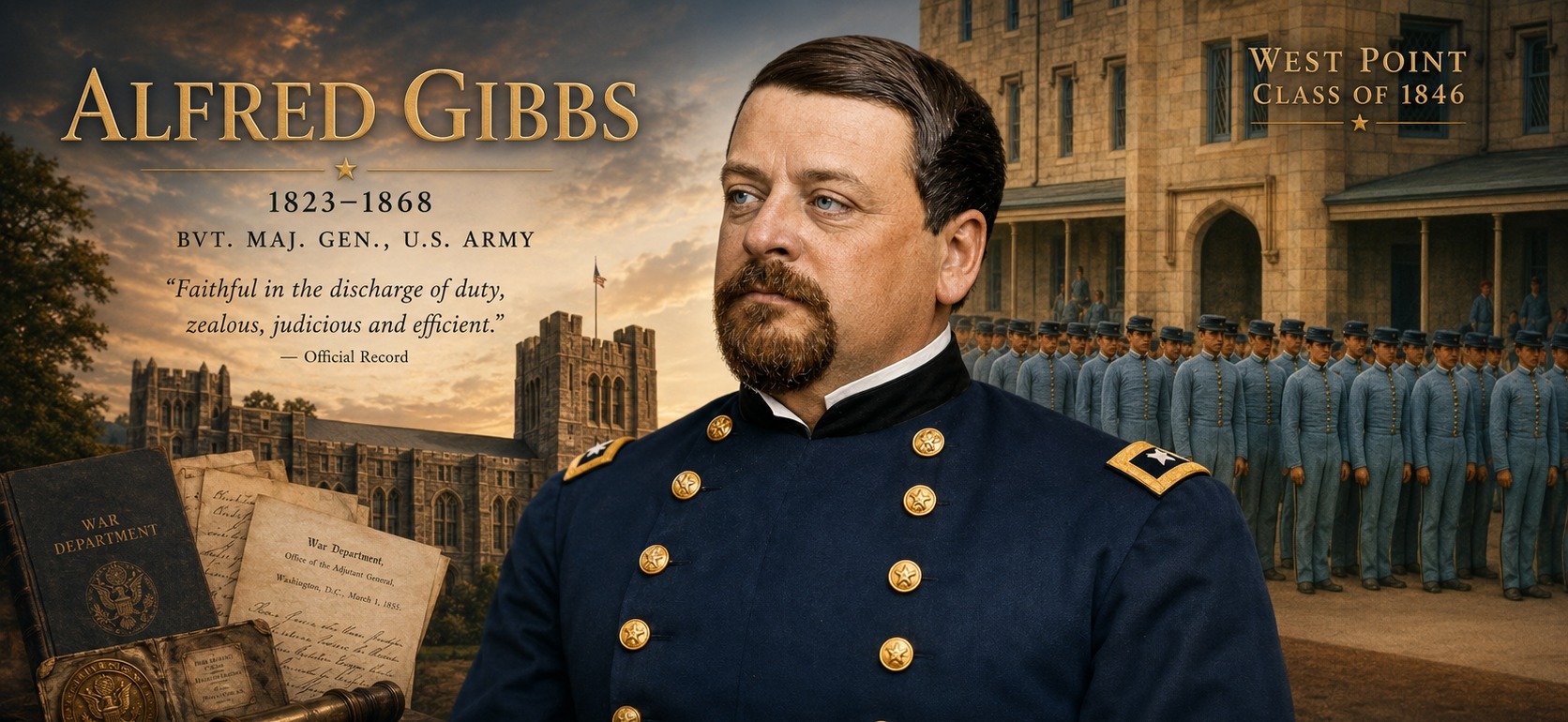
Before Gibbs and his classmates became famous officers, the Academy ranked them by subject and conduct. The registers allow comparisons without assuming later military reputations were already visible.
New to these records? A little context.
The Academy’s annual register lists cadets and their standings. Order of merit is a ranking; demerits record conduct. Compare like columns, and check which year and class the table describes.
What did West Point actually measure?
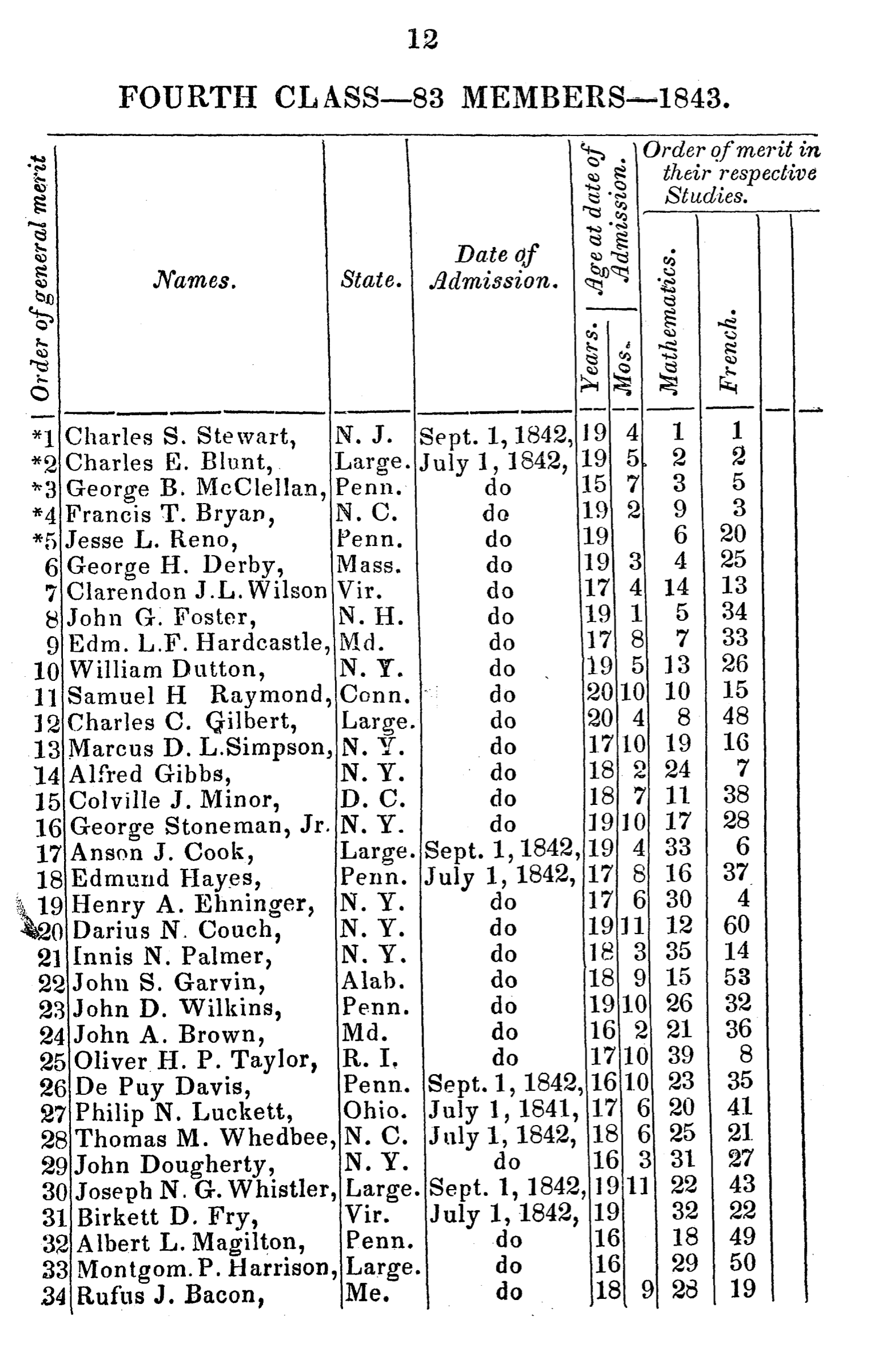
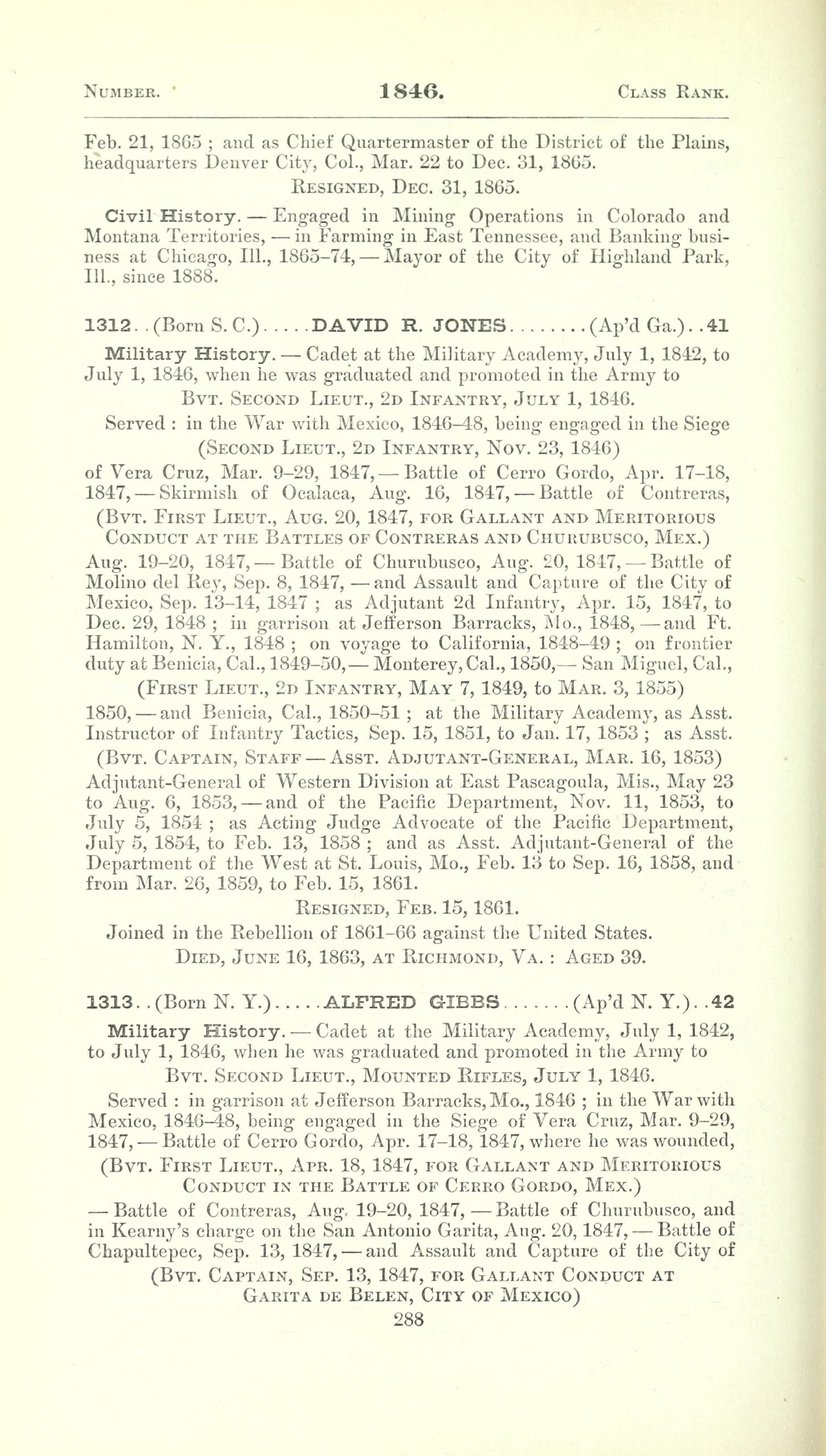
Official Register 1843, page 12: Fourth Class order of merit · From the linked account. Its original credits and image status are preserved there.
Read the source exhibit & its explanation
Class standings and conduct rolls, 1843–1846
Deborah Anthony Dodge’s compilation is presented alongside register scans and a correction to a comparison figure. It distinguishes general standing, subject standing, and demerits.
What to examine: Choose one year and compare the same column across cadets. Then check that row against the original register rather than mixing academic position with the conduct roll.
Keep this distinction in mind: Lower academic rank numbers mean higher standing; demerits measure something different. A school ranking is not a prediction of battlefield leadership.
Keep your question in view as you explore. The reading tray retains The Class of 1846. Close it to return to this point, or deliberately choose to explore outside the chapter.
Follow a life beyond the page
People you meet here
The book brings you into these lives. Follow a person to the family, service and research records available here. Pension material is identified separately from biography and recollection.
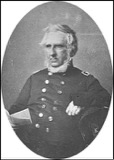
Delafield connects the Academy with the Gibbs family's earlier New York world. His role as superintendent provides context for the institution Alfred entered.
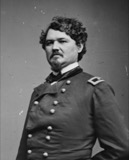
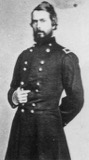
Gibbs's Academy class included men who later became generals on opposing sides. Follow Samuel Davis Sturgis as an individual classmate, not simply as a name in a later roll of generals.
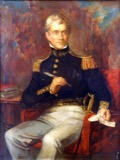
Thayer's system shaped the Academy Gibbs entered. His appearance helps explain daily recitations, competitive marks and the institutional pressures on a cadet.
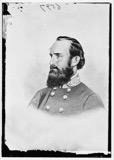
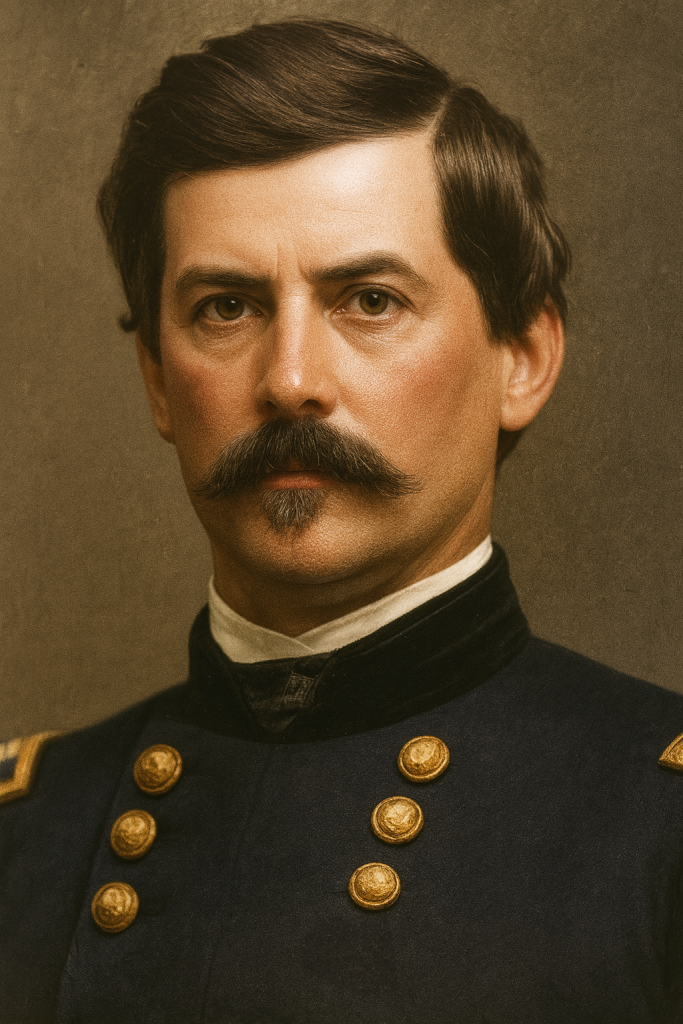
Thomas Jonathan Jackson was Gibbs’s West Point classmate before becoming the Confederate commander known as Stonewall. Follow the cadet and the later officer as parts of the same life, keeping their dates and opposing service clear.
Gibbs's Academy class included men who later became generals on opposing sides. Follow Truman Seymour as an individual classmate, not simply as a name in a later roll of generals.
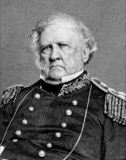
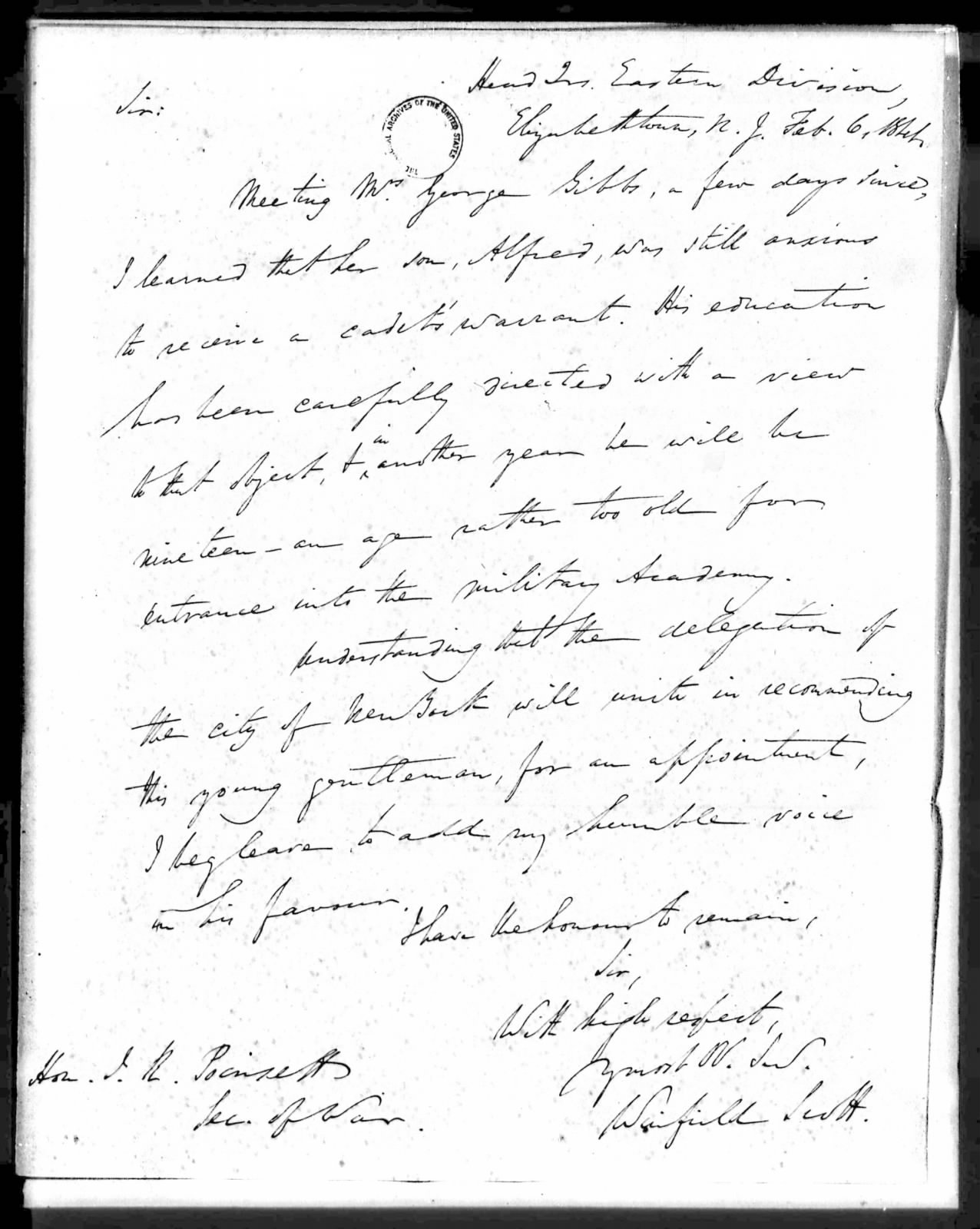
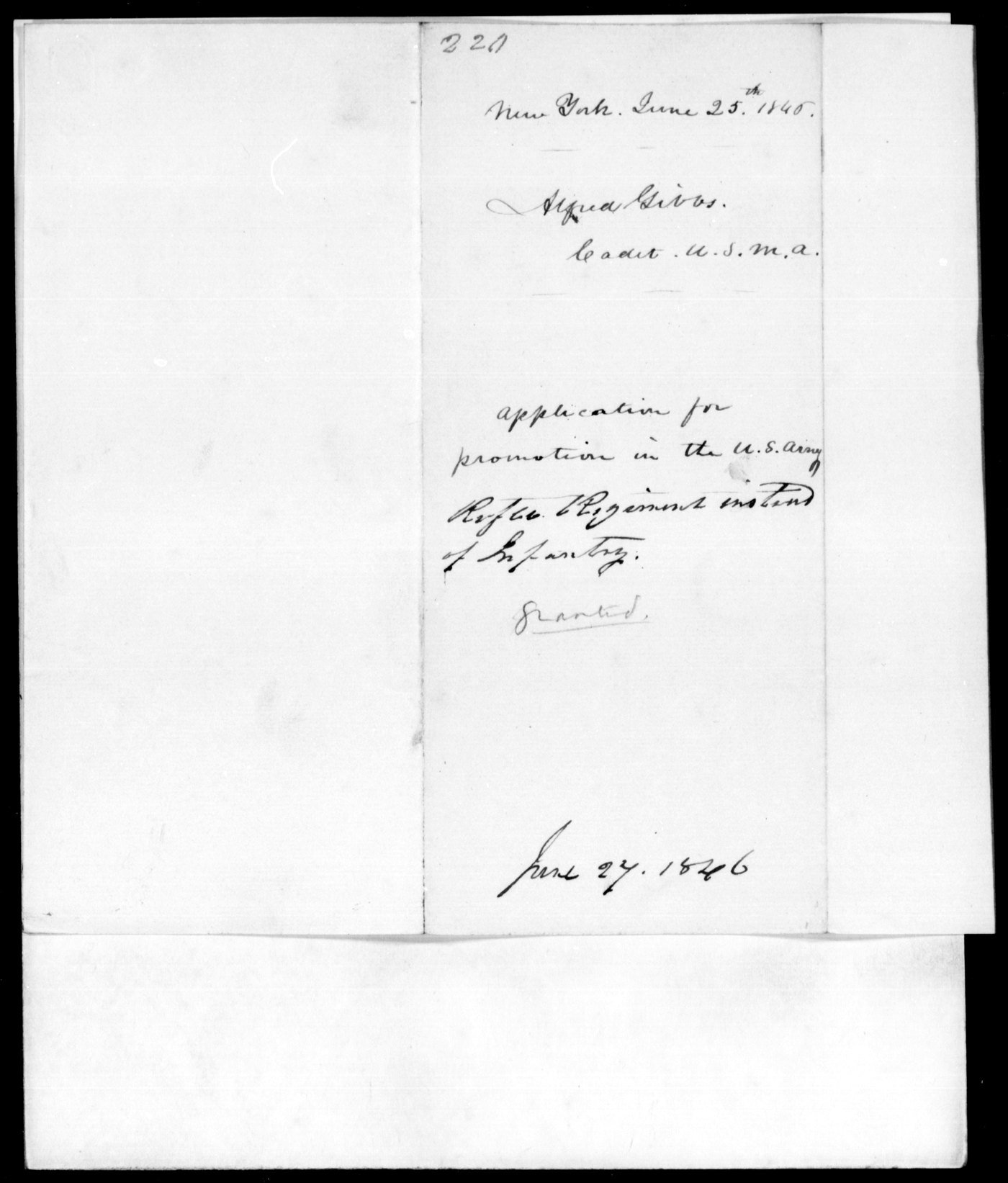
Scott recommended Alfred for West Point and later commanded the army in Mexico. Follow the recommendation and the campaign as distinct kinds of evidence about their relationship.
These connections come from the v172 manuscript and existing subject pages. A pension not connected here may still exist elsewhere. Namesakes and uncertain identities are not silently joined.
Follow the words into the evidence
What caught your attention?
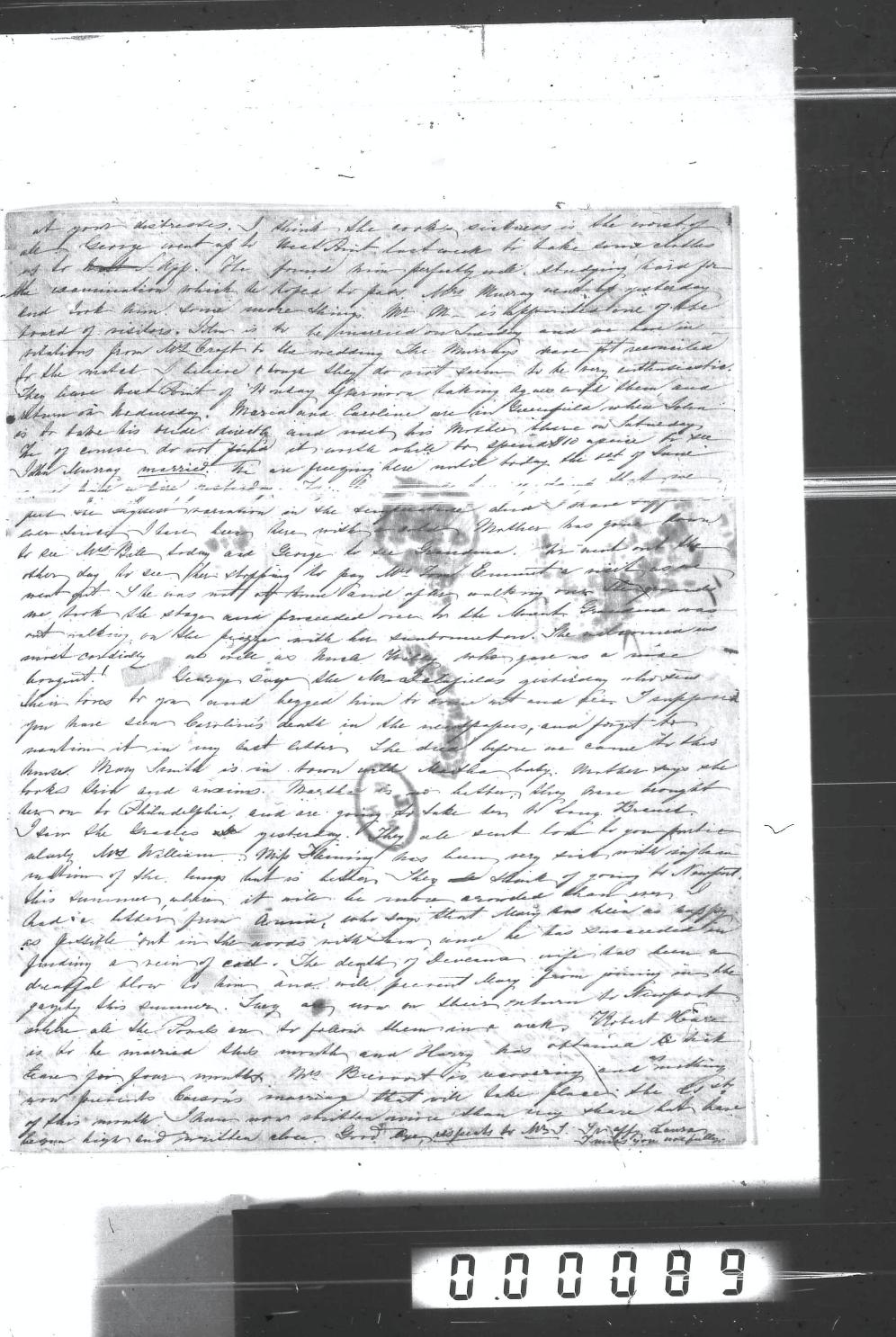
Find a line from your reading, then follow its document and the record around it. Matching words helps locate evidence; checking who wrote them, when, and why helps you understand it.