Start with the guided reading below, or search this chapter for a person, quotation or topic. Follow the writing and evidence behind this part of GIBBS.
What would you like to explore in A War upon Women and Boys?
Go beyond the book · A War upon Women and Boys
Turn an appeal into a paper trail
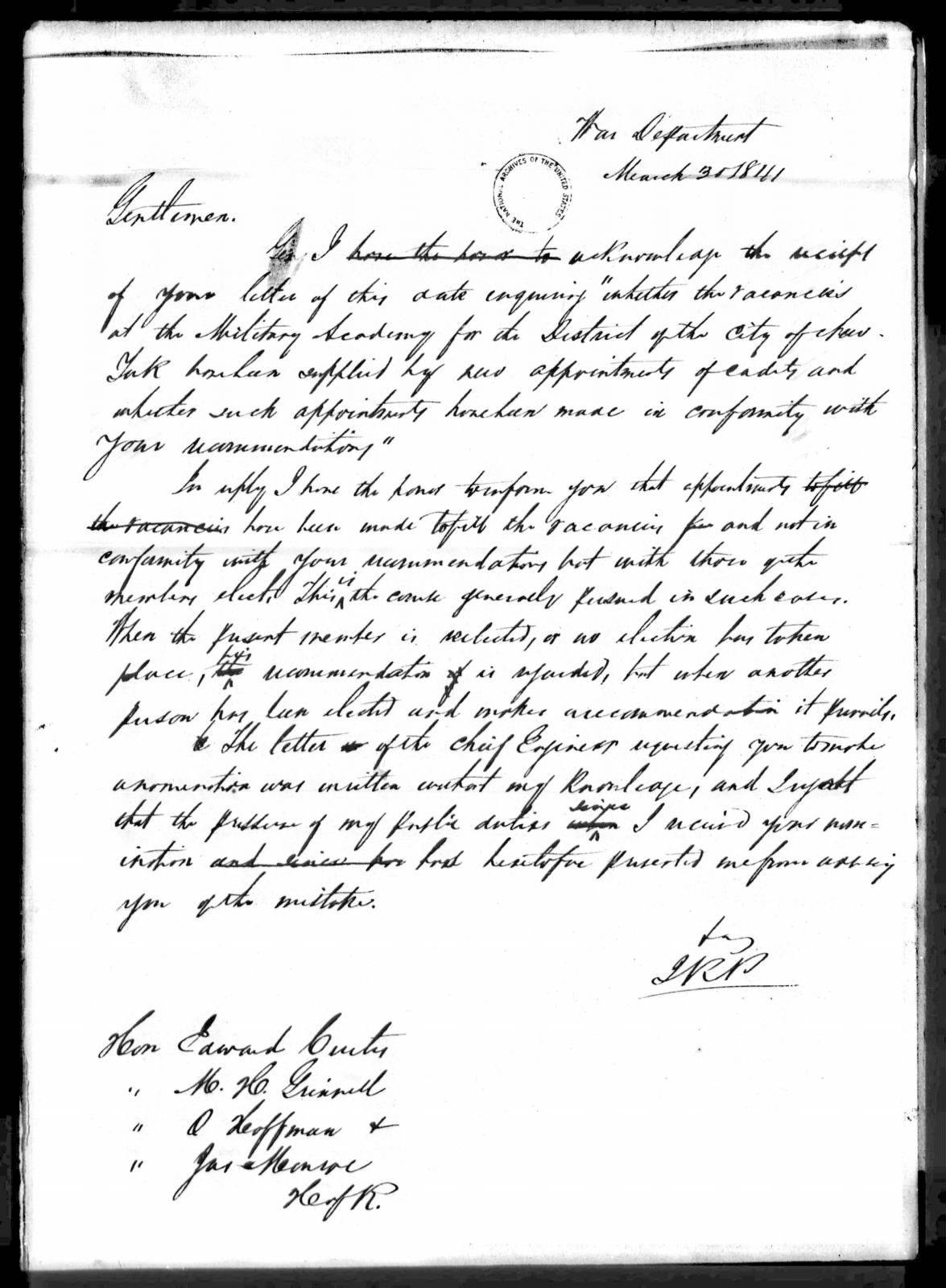
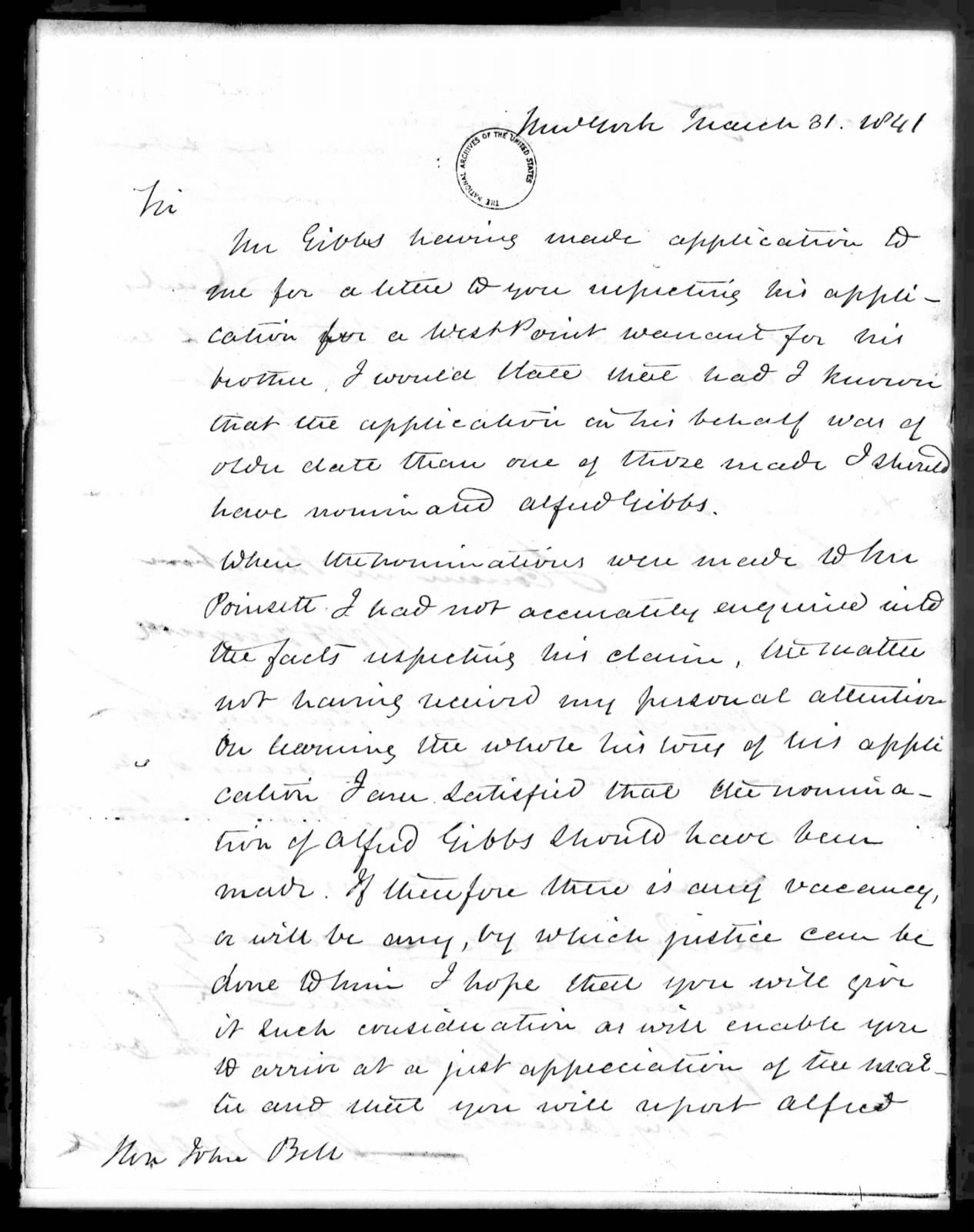
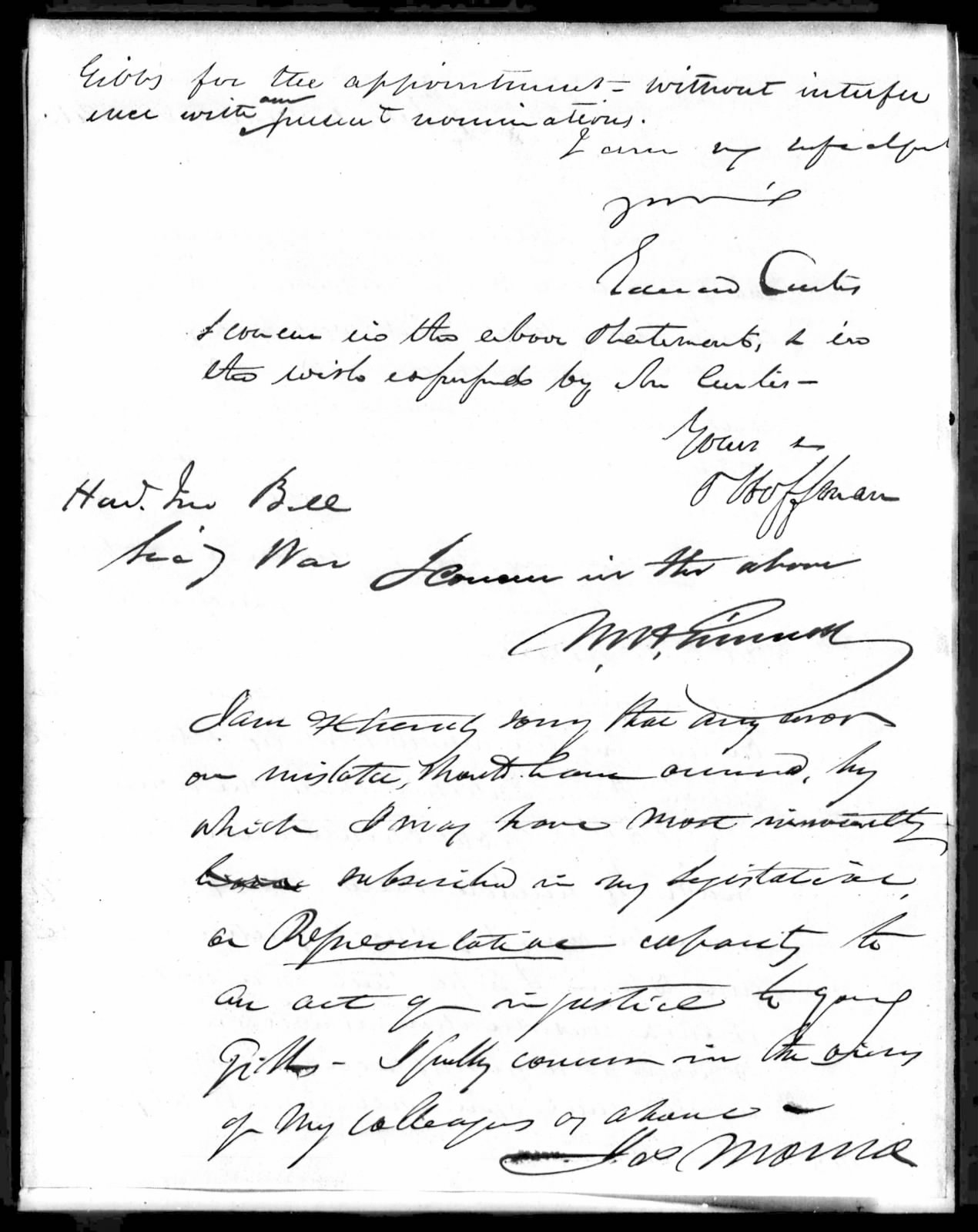
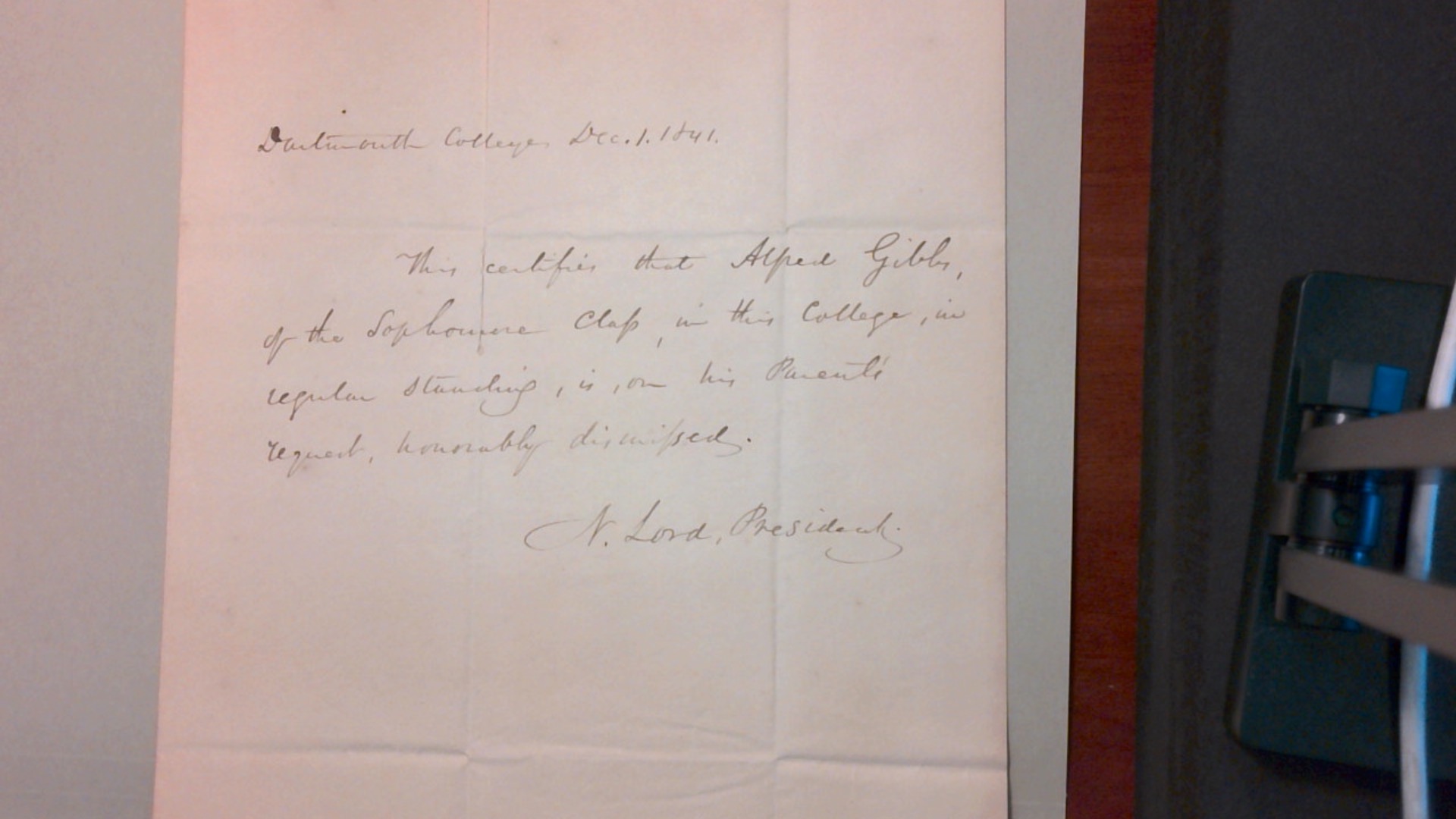
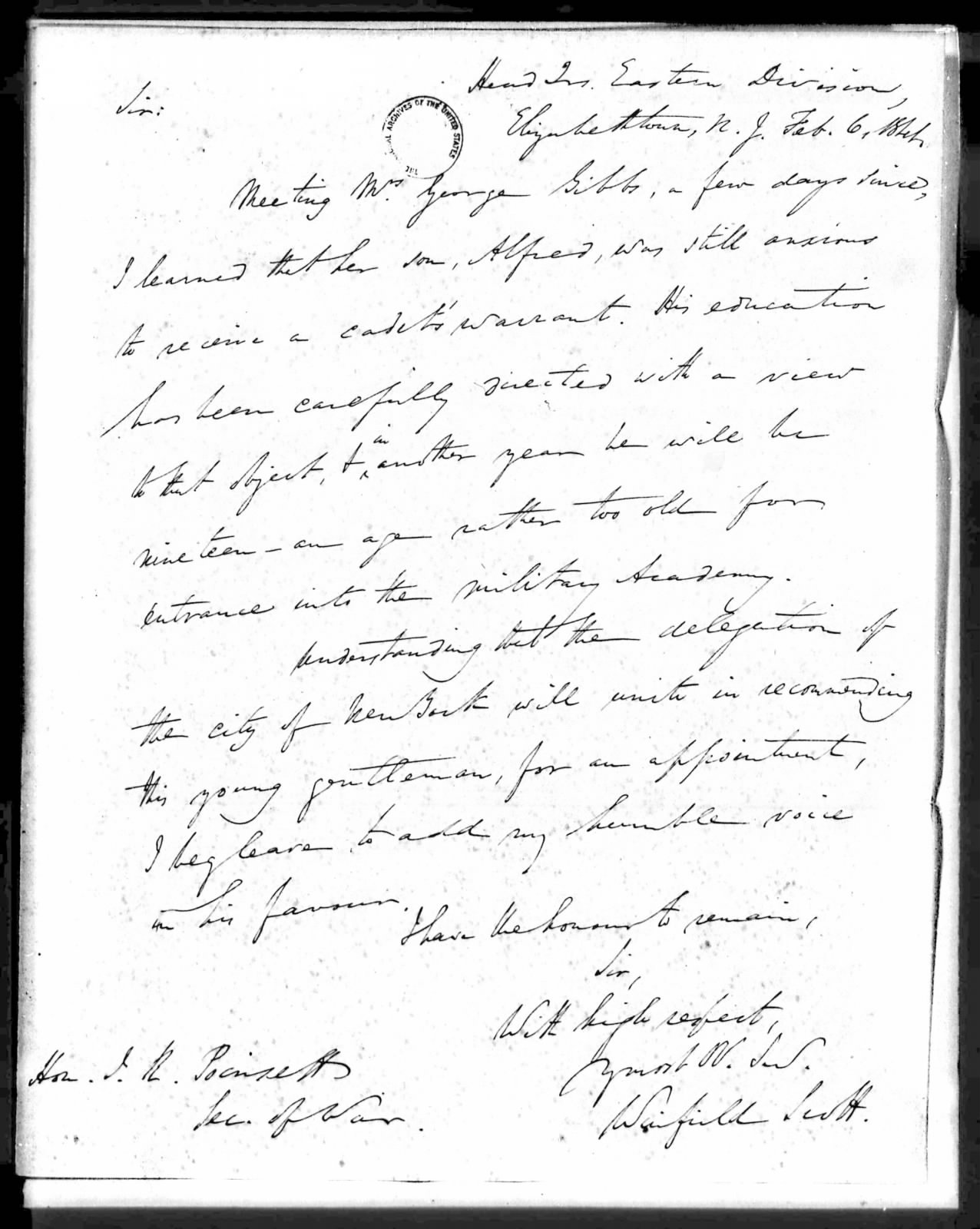
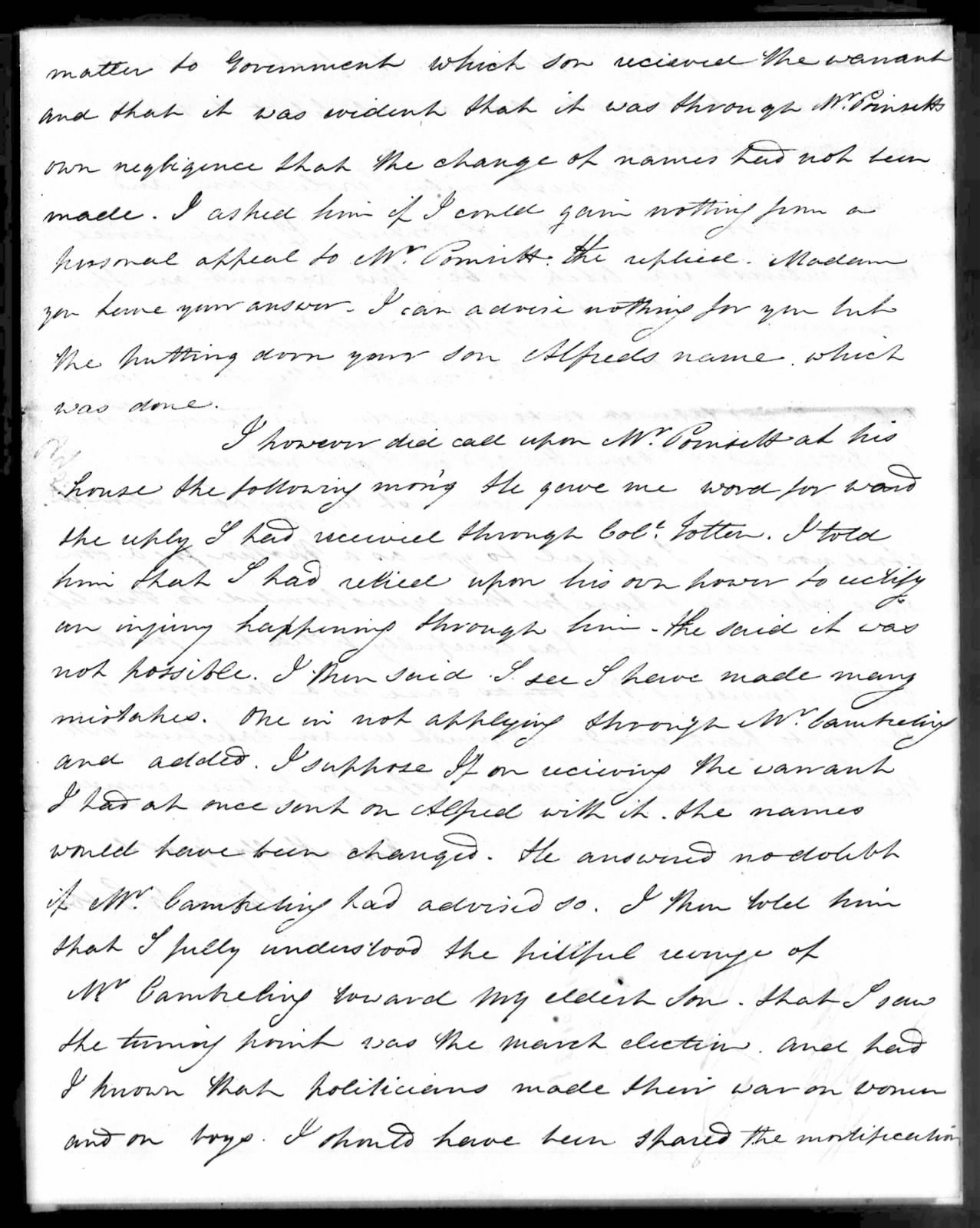
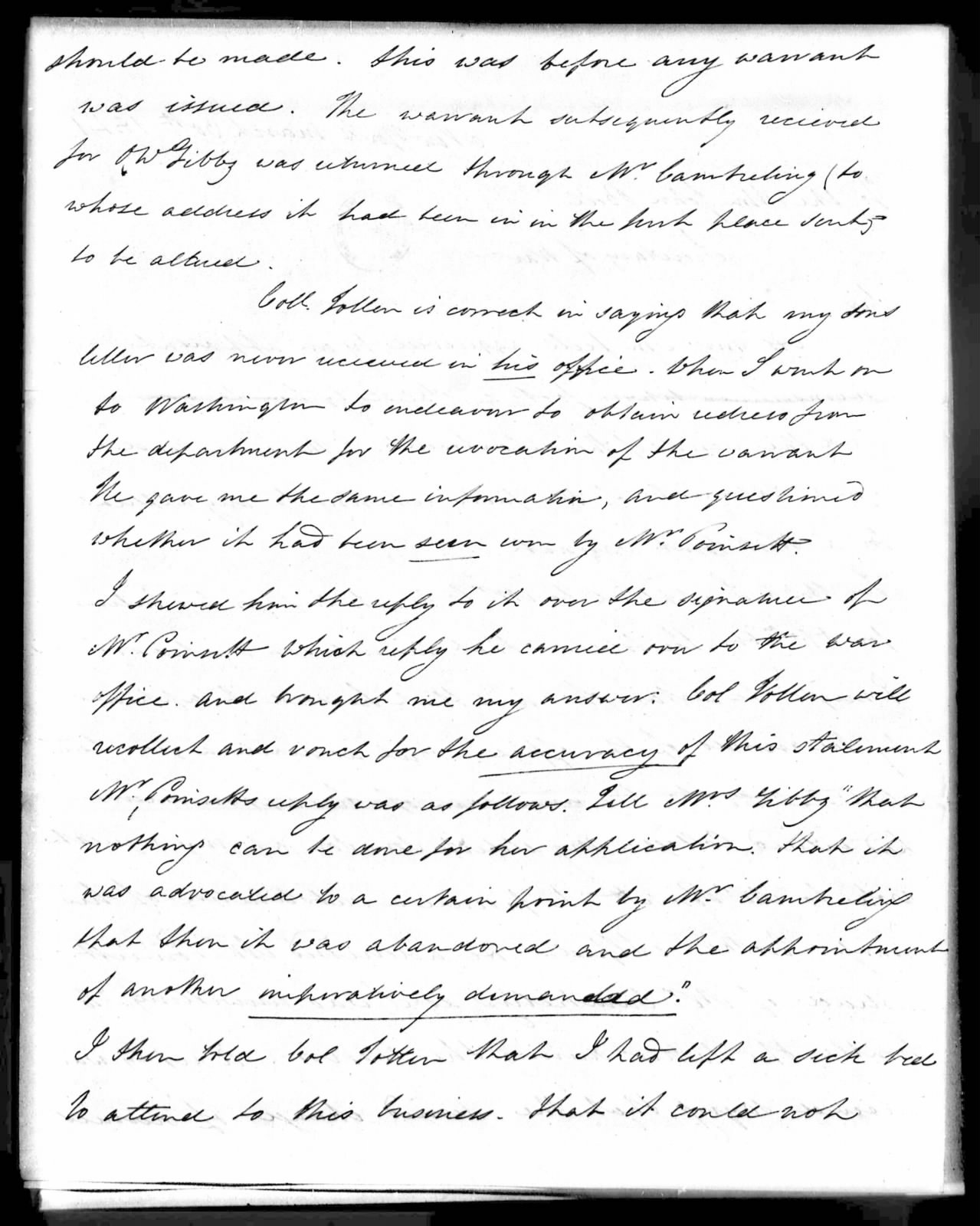
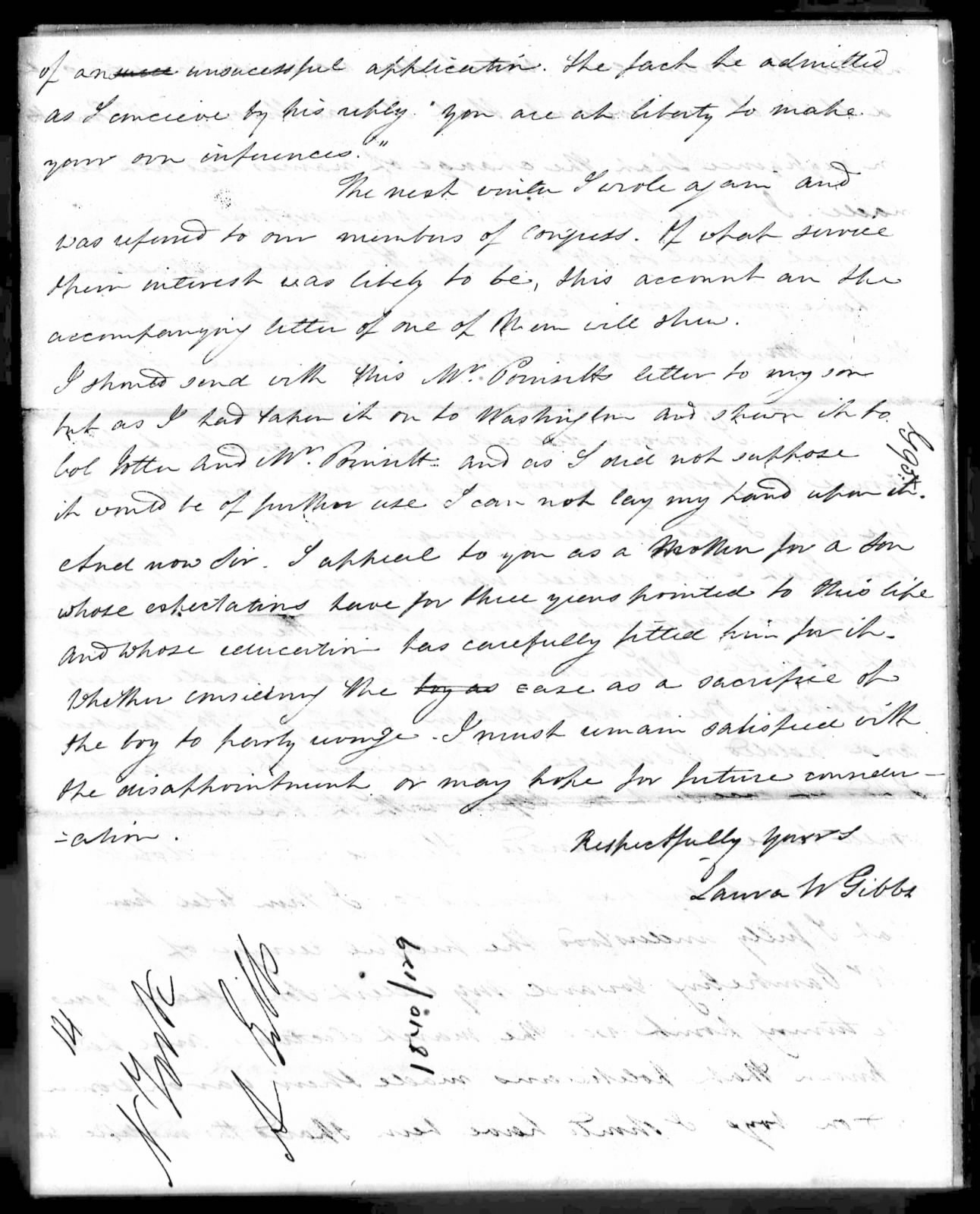
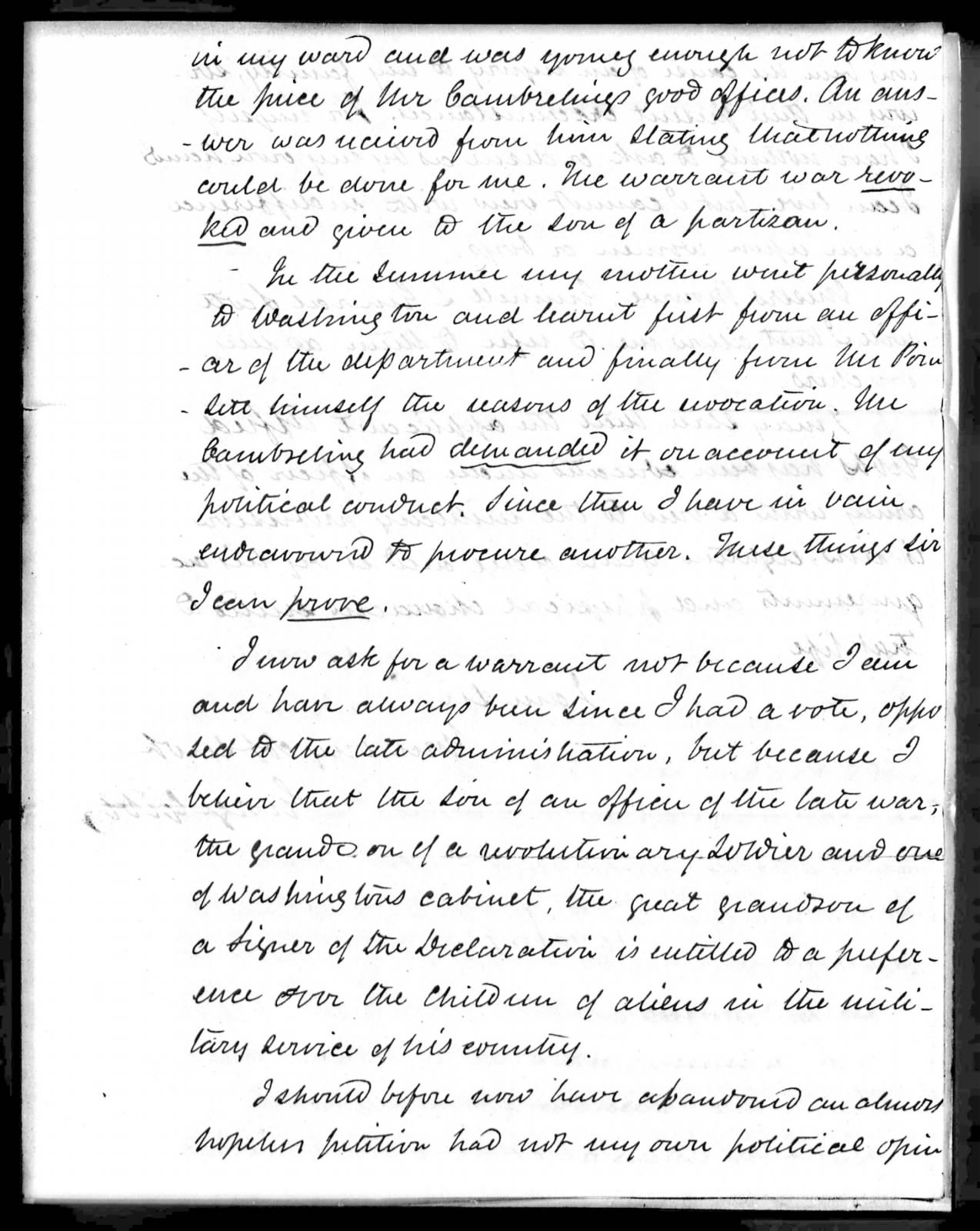
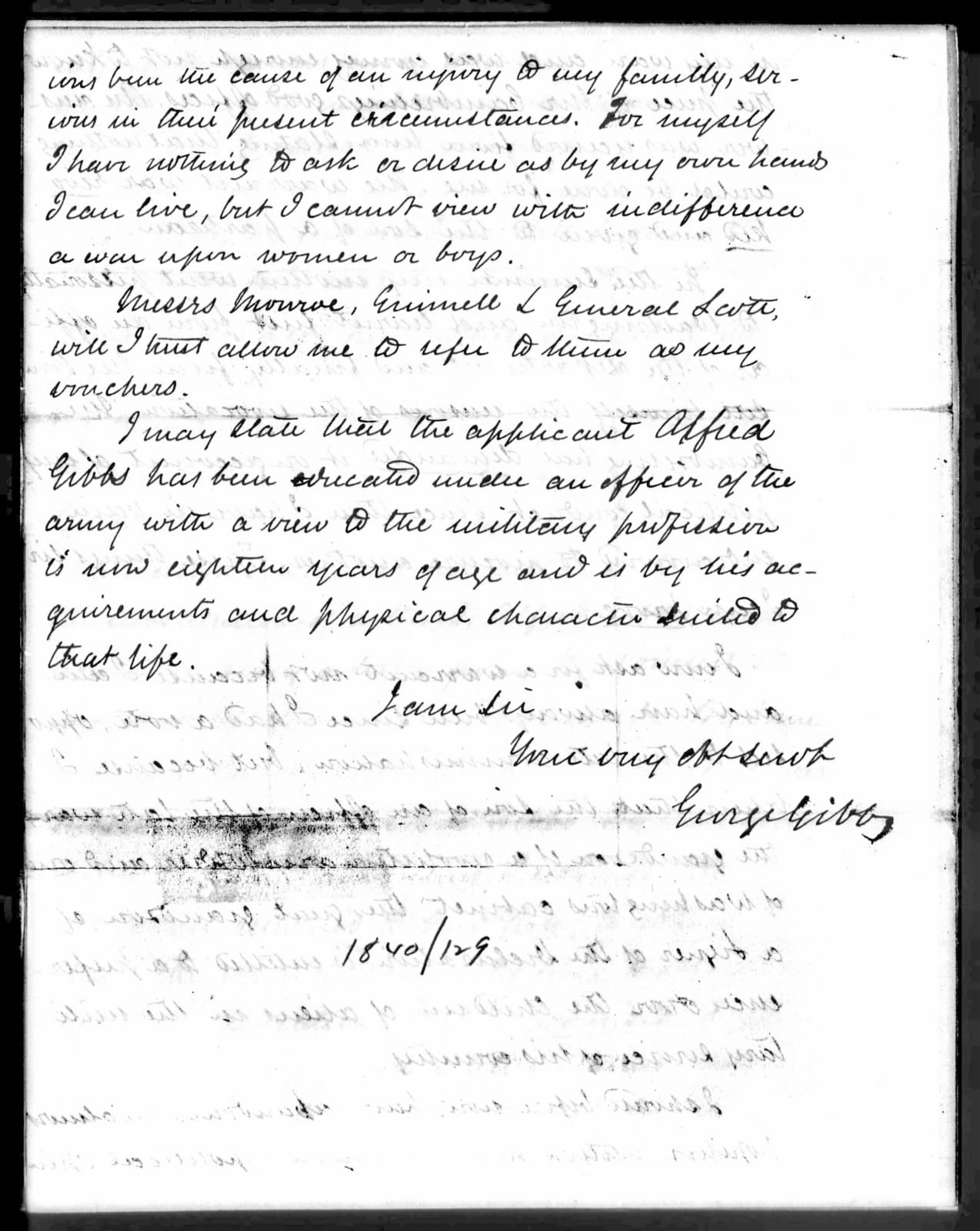
Scott’s intervention and the family’s persistence belong to a multi-year effort to get Alfred into West Point. The final notice can be read alongside the earlier resistance.
New to these records? A little context.
A docket is an office’s summary or filing note; it may be on a wrapper rather than in the letter. An endorsement is another official’s response or forwarding note. Read each voice and date separately. A transcription is a reading of a document, with uncertain words marked where the exhibit provides them.
What changed between the appeals and the appointment?
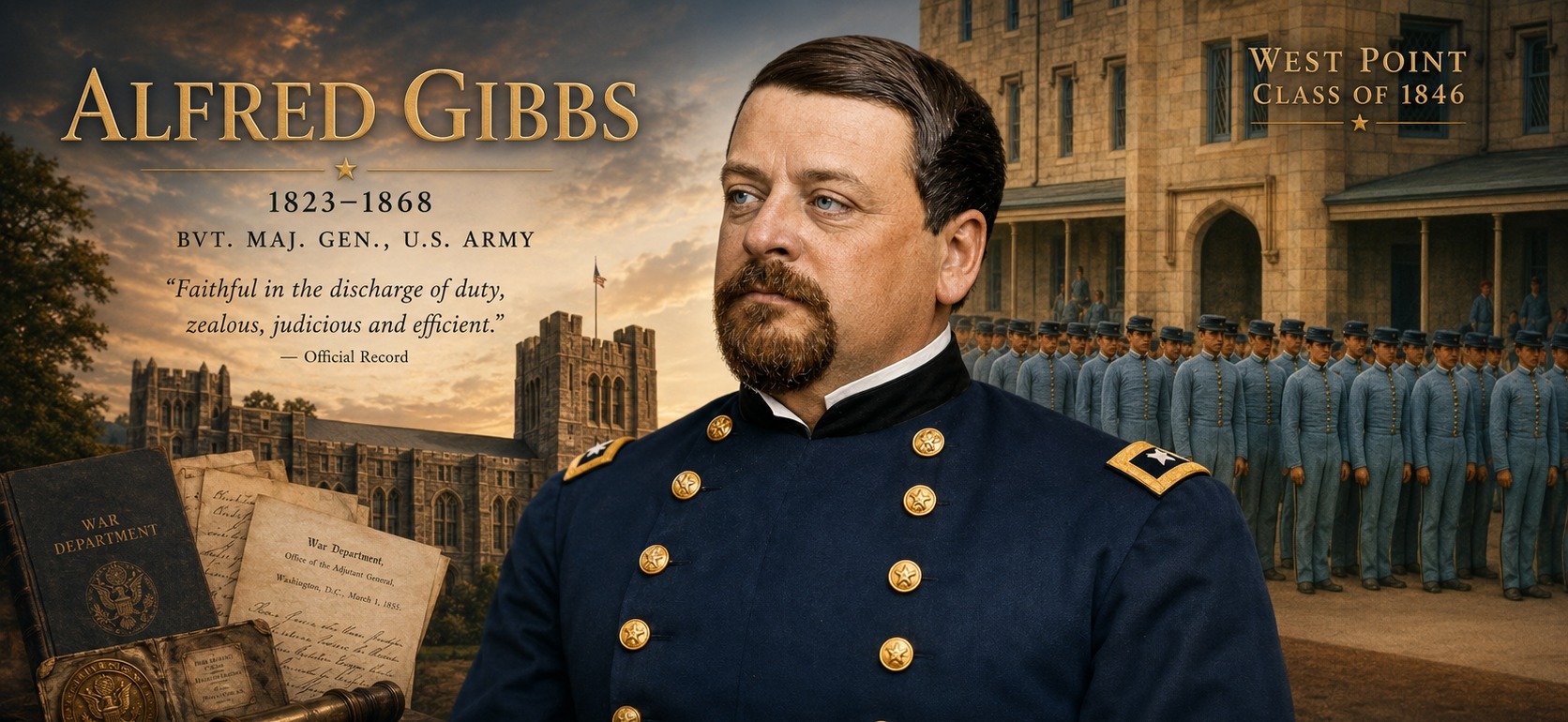
gibbs-cadet-file-hero-header · From the linked account. Its original credits and image status are preserved there.
Read the source exhibit & its explanation
The cadet file: appeals and the final appointment
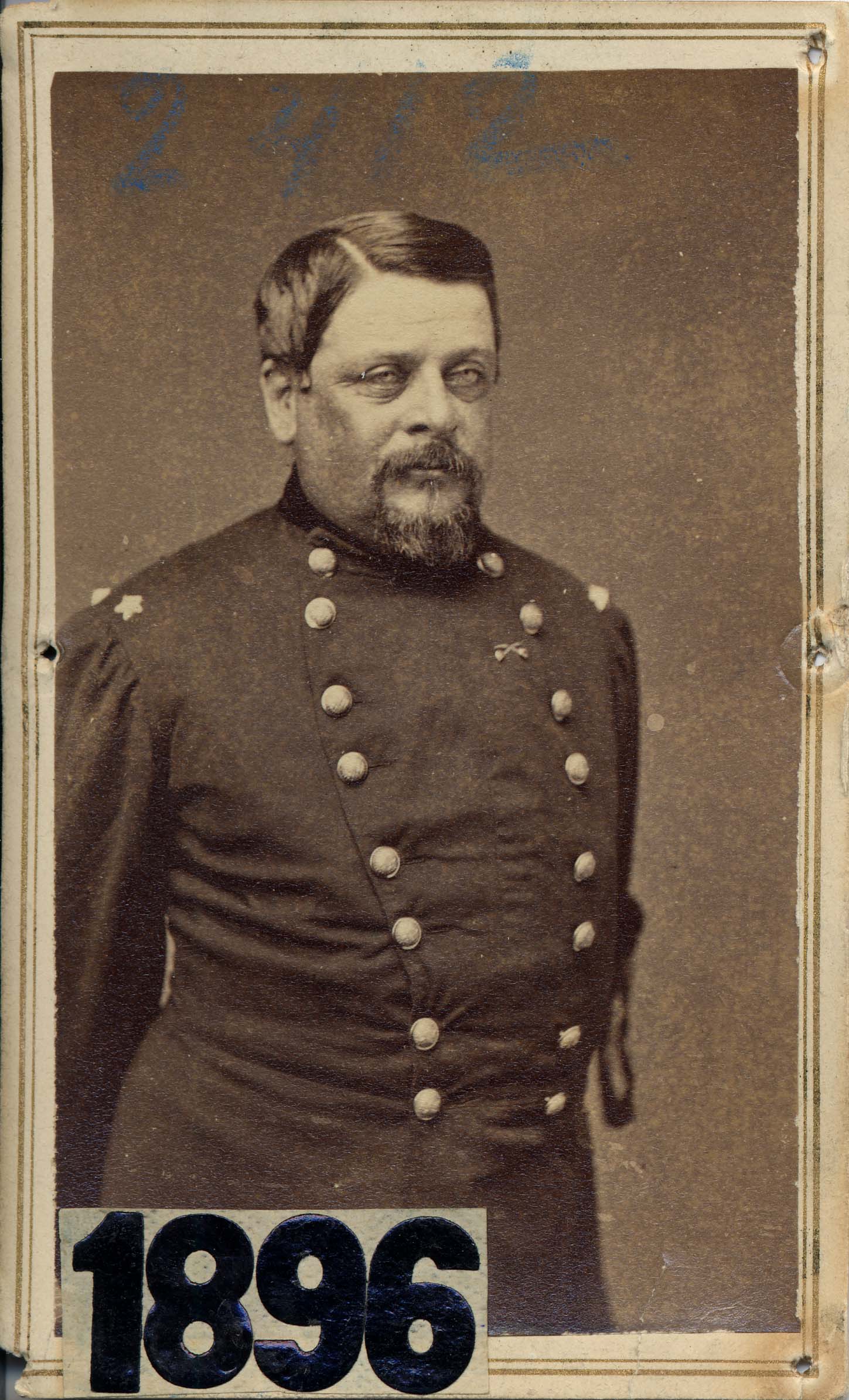
The cadet-file exhibit supplies recommendations, family correspondence, and the final presidential appointment. Together they show a process rather than the action of one supposed sponsor.
What to examine: Compare Scott’s recommendation with the April 1842 notification and Alfred’s acknowledgment. Identify the office responsible for each step.
Keep this distinction in mind: The final appointment does not prove which single appeal caused it. Advocacy and the documented decision should be kept distinct.
Keep your question in view as you explore. The reading tray retains A War upon Women and Boys. Close it to return to this point, or deliberately choose to explore outside the chapter.
Follow a life beyond the page
People you meet here
The book brings you into these lives. Follow a person to the family, service and research records available here. Pension material is identified separately from biography and recollection.
Follow Gibbs through the service and medical records, then Peggy’s petitions after his death. These sources let you distinguish what a doctor observed, what a widow asked for and what an official record actually establishes.
McClellan was Gibbs's West Point classmate before he became a Union commander. Garland's connected essays and letters let you explore those relationships beyond the familiar public reputation.
Judah received the Academy opportunity that Laura had sought for Alfred. His appointment helps explain why Gibbs entered West Point later than his family first hoped.
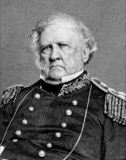
Scott recommended Alfred for West Point and later commanded the army in Mexico. Follow the recommendation and the campaign as distinct kinds of evidence about their relationship.
These connections come from the v172 manuscript and existing subject pages. A pension not connected here may still exist elsewhere. Namesakes and uncertain identities are not silently joined.
Follow the words into the evidence
What caught your attention?
Find a line from your reading, then follow its document and the record around it. Matching words helps locate evidence; checking who wrote them, when, and why helps you understand it.
Source identified; supplied locator: Cadet application file 1840/129, page 12 · Review flag: the scan names a more specific record; use doc_id_record for the scan