The book is finished.GIBBS: The Forgotten Warrior of the First New York Dragoons, by Garland H. Green Jr. How to order is coming soon; you can reserve a copy now. Reserve a copy →
The evidence behind your reading · No One to Present His Case
Read the records behind this chapter
Follow a letter, report, recollection or family record beyond the passage in the book. Each source below shows where the chapter uses it and what to examine. Open it here, compare its pages, and return without losing your chapter.
Begin with a question: How did private advocacy become an official appointment?
Go beyond the book · No One to Present His Case
Trace the campaign for a general’s star
Battlefield service did not automatically produce an appointment. The chapter follows George’s effort to put Alfred’s case before the officials who could act on it.
New to these records? A little context.
A docket is an office’s summary or filing note; it may be on a wrapper rather than in the letter. An endorsement is another official’s response or forwarding note. Read each voice and date separately. A transcription is a reading of a document, with uncertain words marked where the exhibit provides them.
How did private advocacy become an official appointment?
gibbs-1864-campaign-gibbs-enclosure-list · From the linked account. Its original credits and image status are preserved there.
Read the source exhibit & its explanation
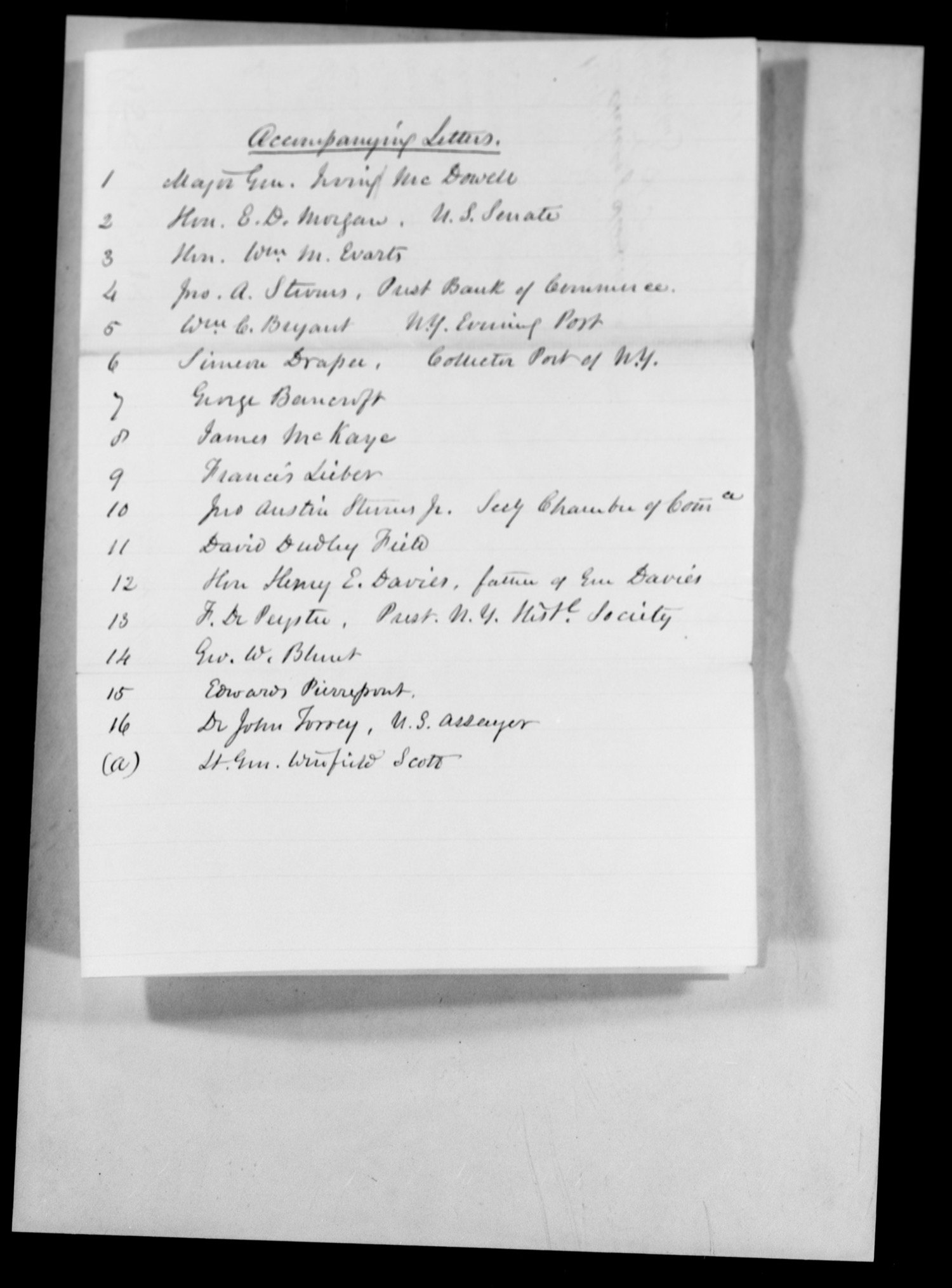
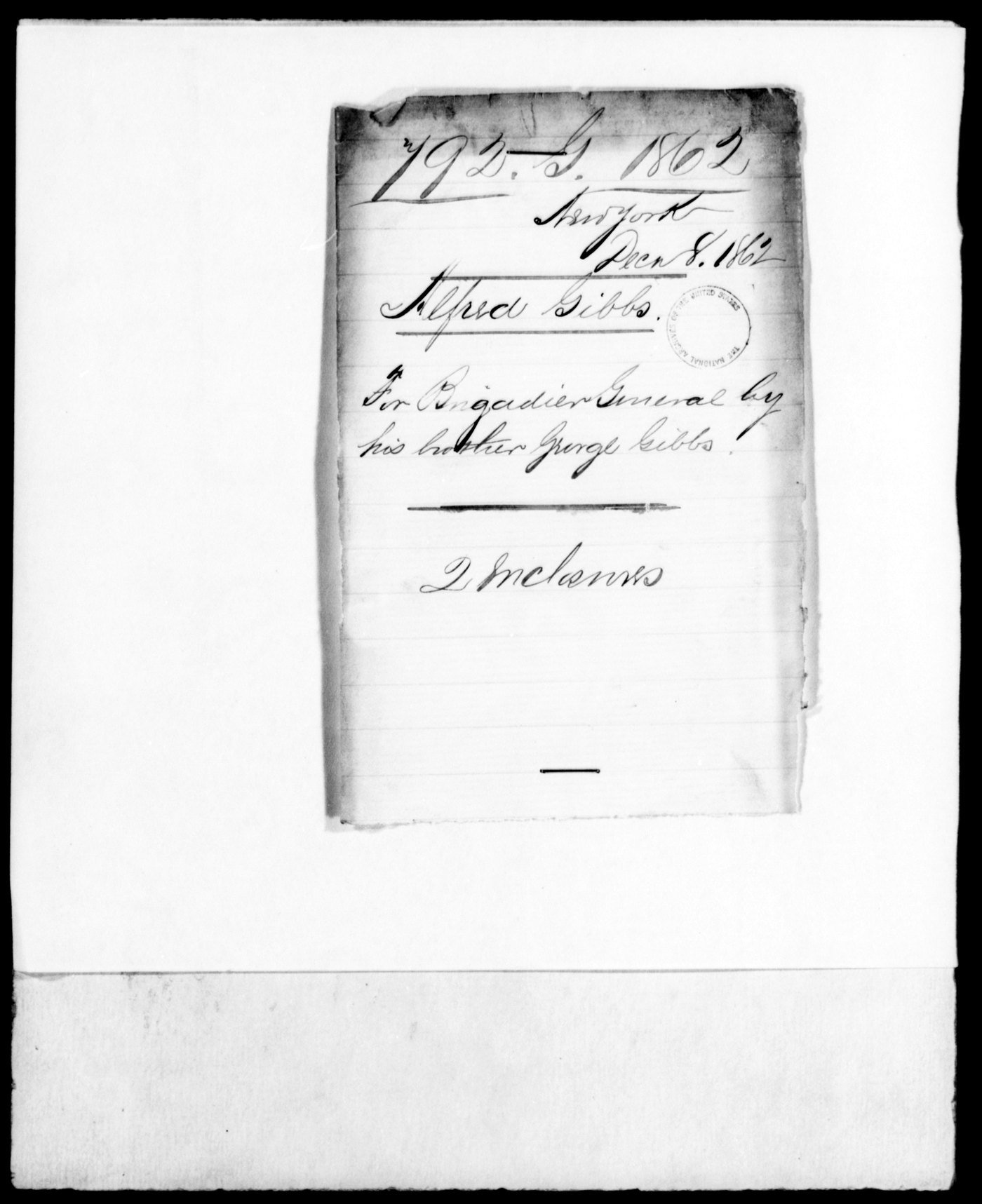
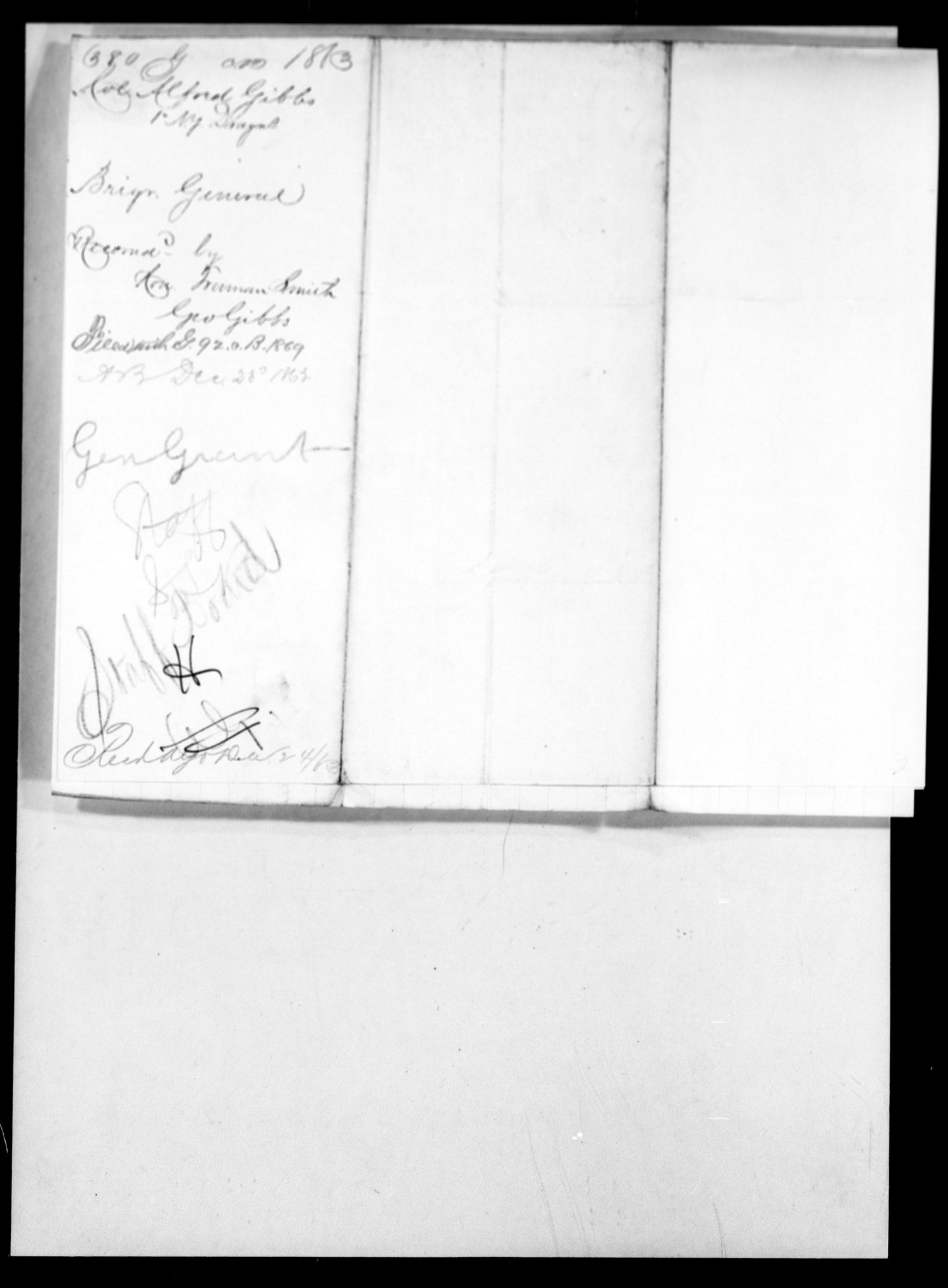
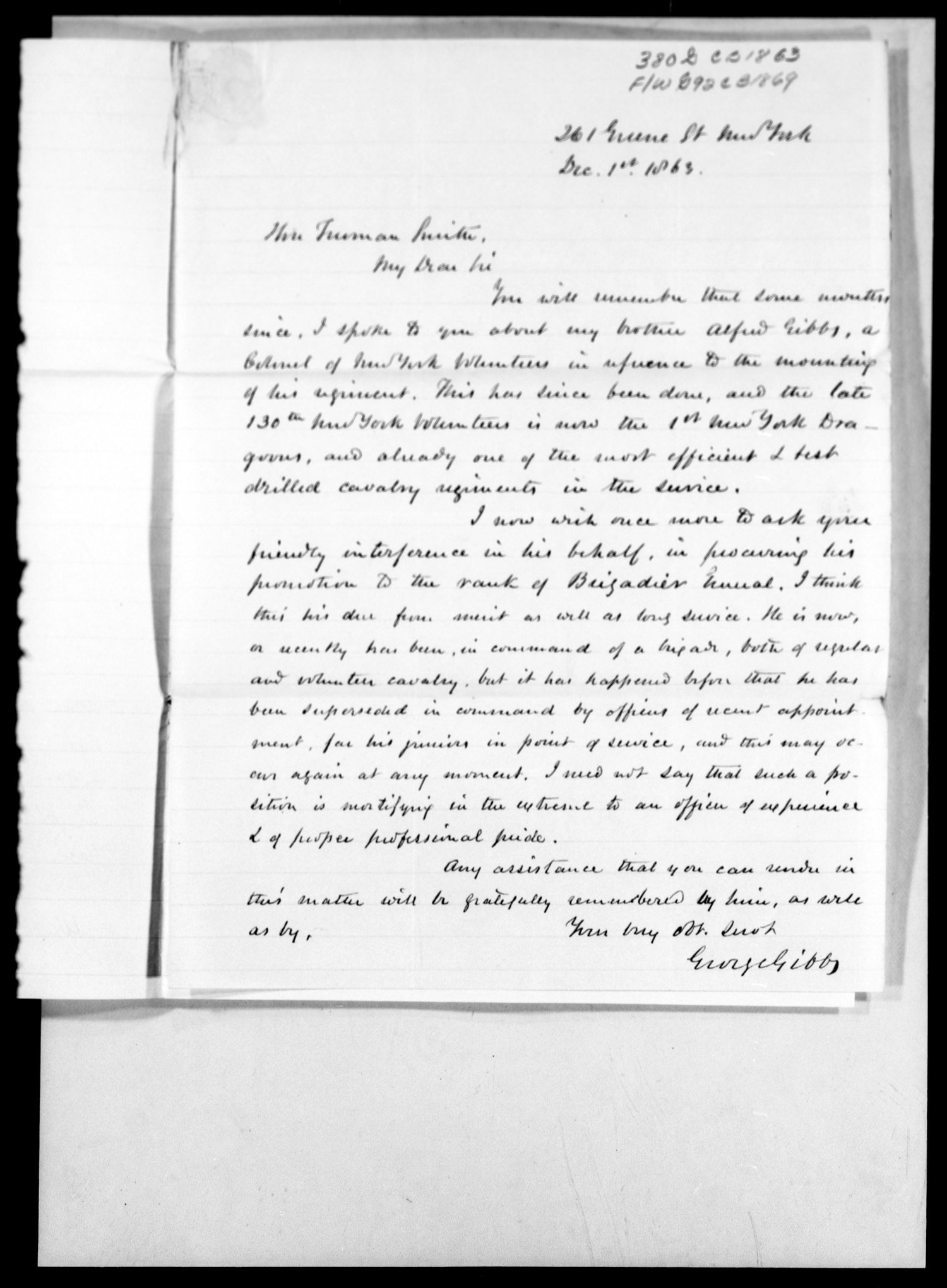
The promotion campaign: letters and enclosure list
The investigation assembles George’s enclosure list and the letters it names, with original pages and transcriptions. Readers can trace who recommended, introduced, or decided.
What to examine: Choose one recommendation and compare it with the list of enclosures. Track its date and addressee, then distinguish that appeal from the acceptance and oath.
Keep this distinction in mind: Several recommendations in one packet are not several appointments. Distinguish family advocacy, professional testimony, and the final administrative act.
Keep your question in view as you explore. The reading tray retains No One to Present His Case. Close it to return to this point, or deliberately choose to explore outside the chapter.
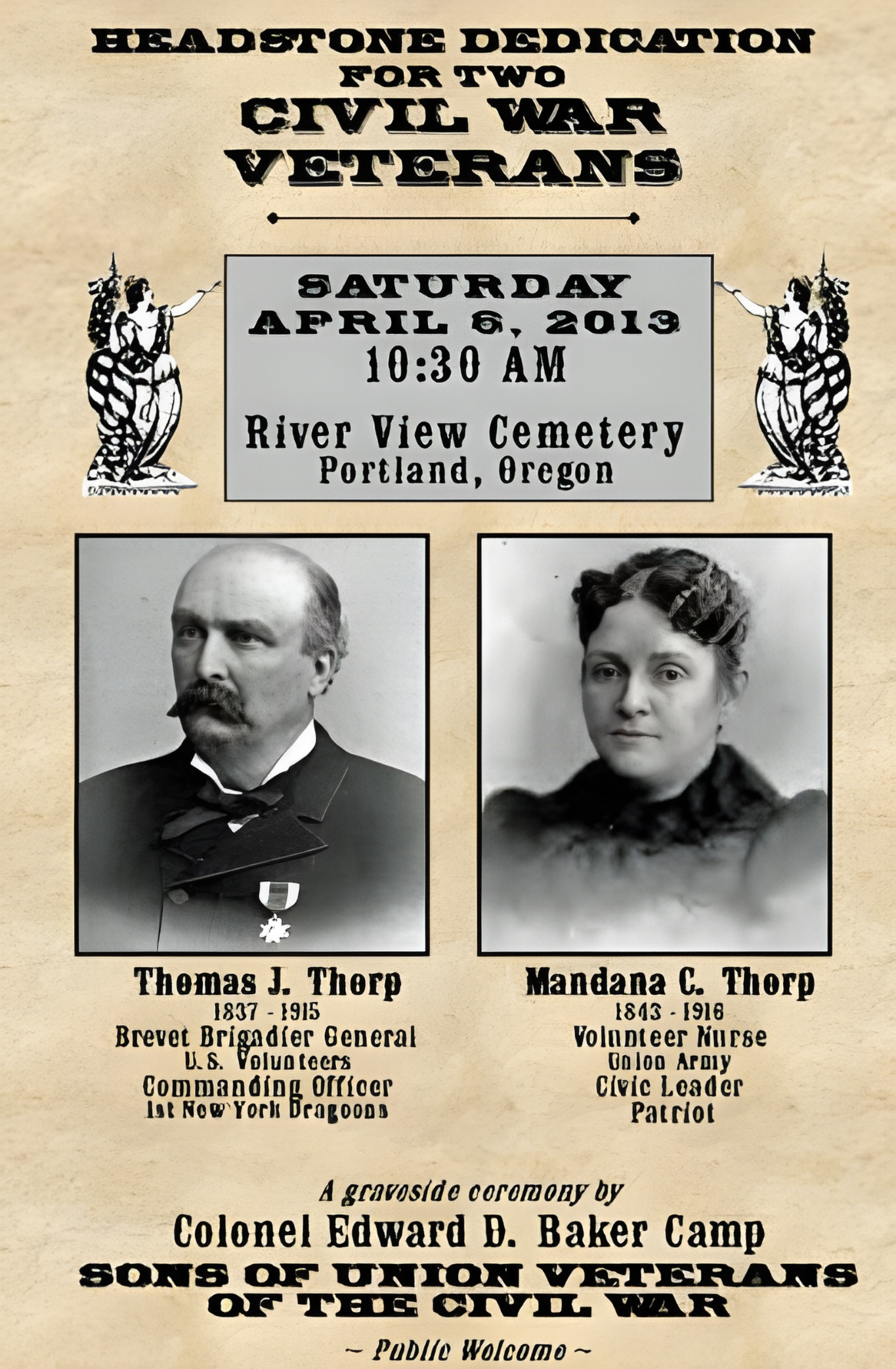
A Life of Valor: Brigadier General Thomas J. Thorp
Read Garland’s account and follow the documents it reproduces. Distinguish the account’s interpretation from the original record. Page inclusion comes from the manuscript notes; support for individual statements still needs review.
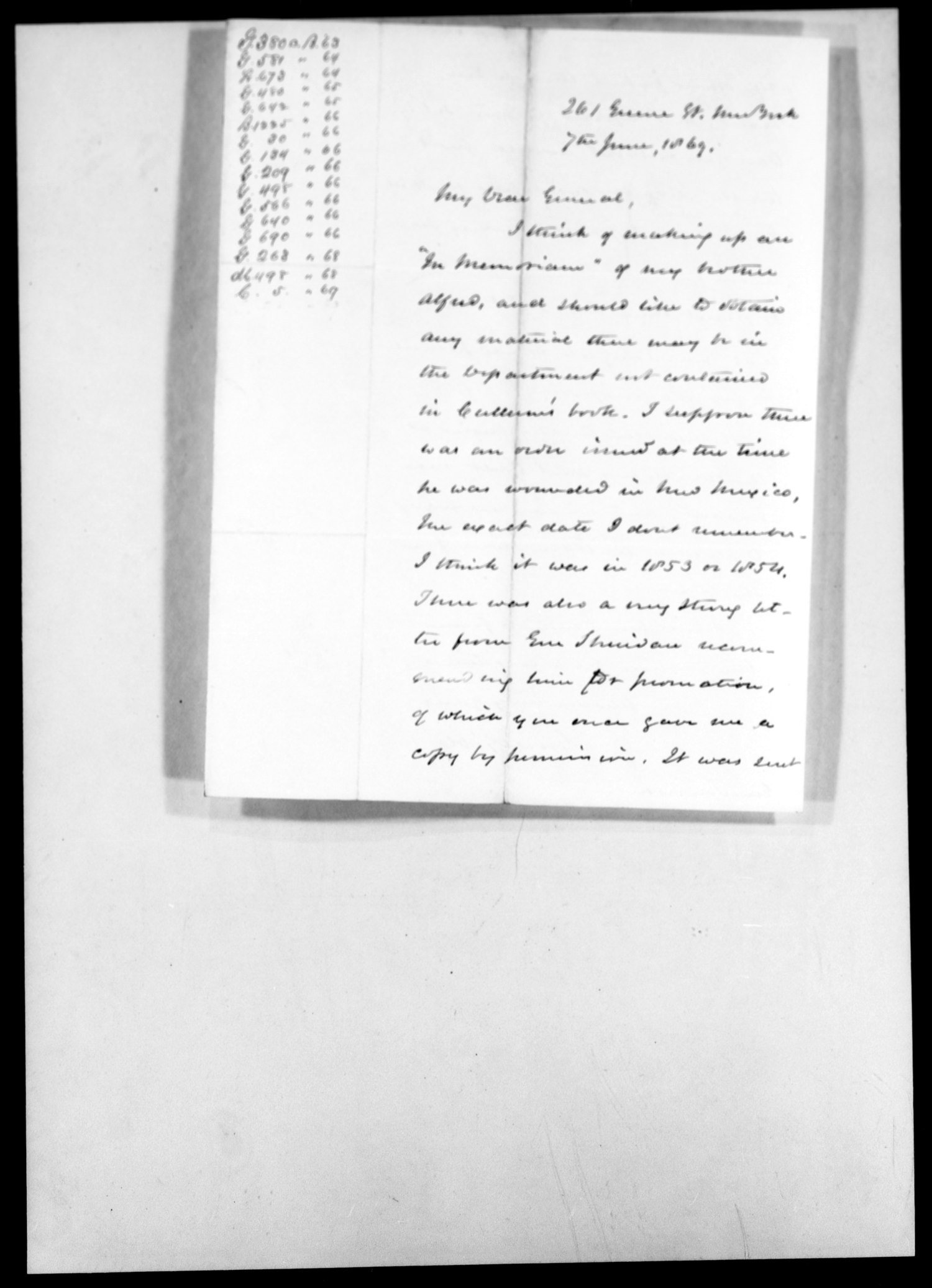
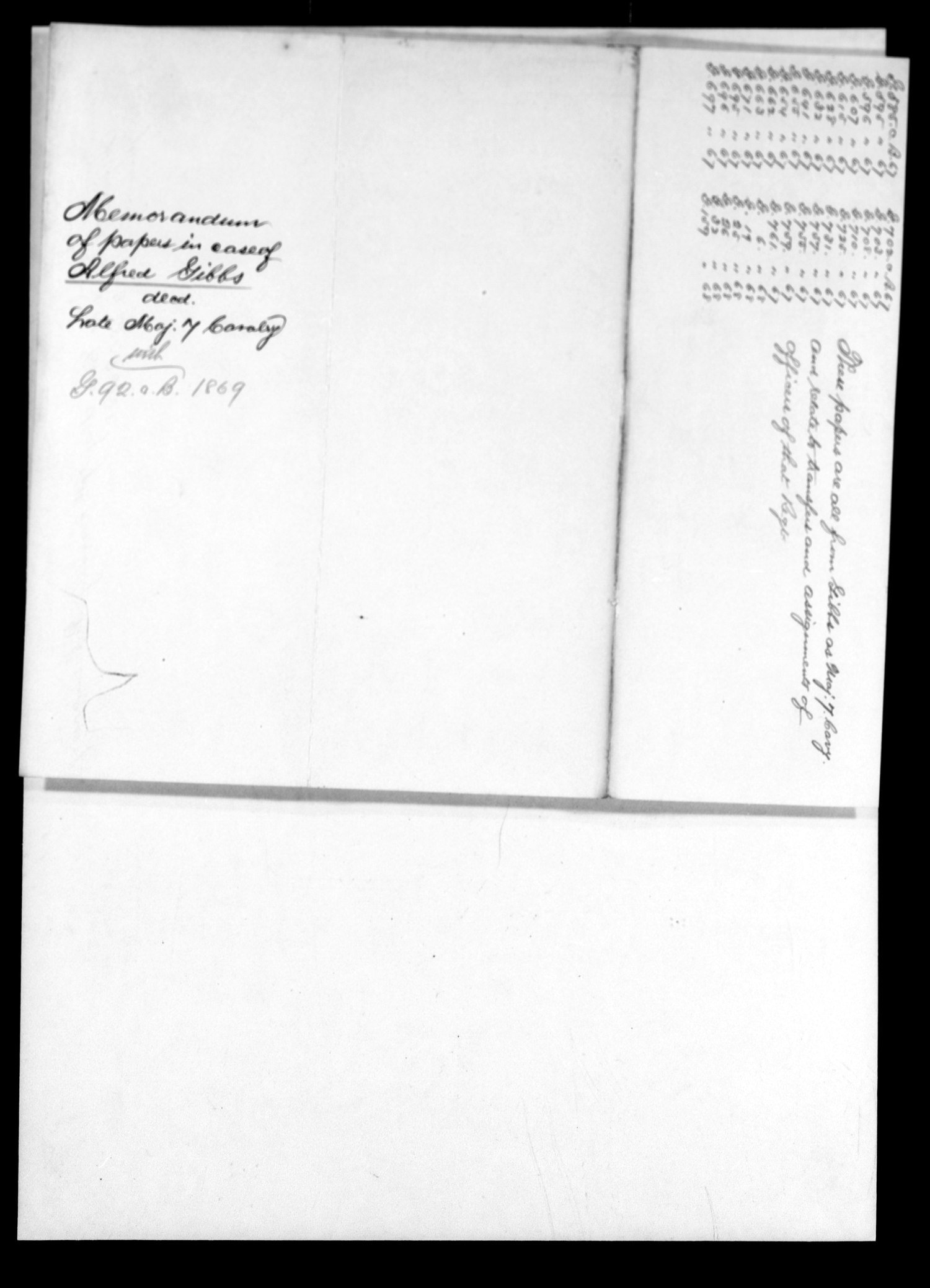
Alfred Gibbs, in His Own File: Six Documents from the Record
Read Garland’s account and follow the documents it reproduces. Distinguish the account’s interpretation from the original record. Page inclusion comes from the manuscript notes; support for individual statements still needs review.
Read Garland’s account and follow the documents it reproduces. Distinguish the account’s interpretation from the original record. Page inclusion comes from the manuscript notes; support for individual statements still needs review.
George recommends brother Col Alfred Gibbs for Brigadier General
Read Garland’s account and follow the documents it reproduces. Distinguish the account’s interpretation from the original record. Page inclusion comes from the manuscript notes; support for individual statements still needs review.
Gibbs File Doc 04: Truman Smith to the President and Secretary of War, recommending Col.
Read Garland’s account and follow the documents it reproduces. Distinguish the account’s interpretation from the original record. Page inclusion comes from the manuscript notes; support for individual statements still needs review.
Gibbs File Doc 05: George Gibbs to Truman Smith, seeking help for his brother's promotion
Read Garland’s account and follow the documents it reproduces. Distinguish the account’s interpretation from the original record. Page inclusion comes from the manuscript notes; support for individual statements still needs review.