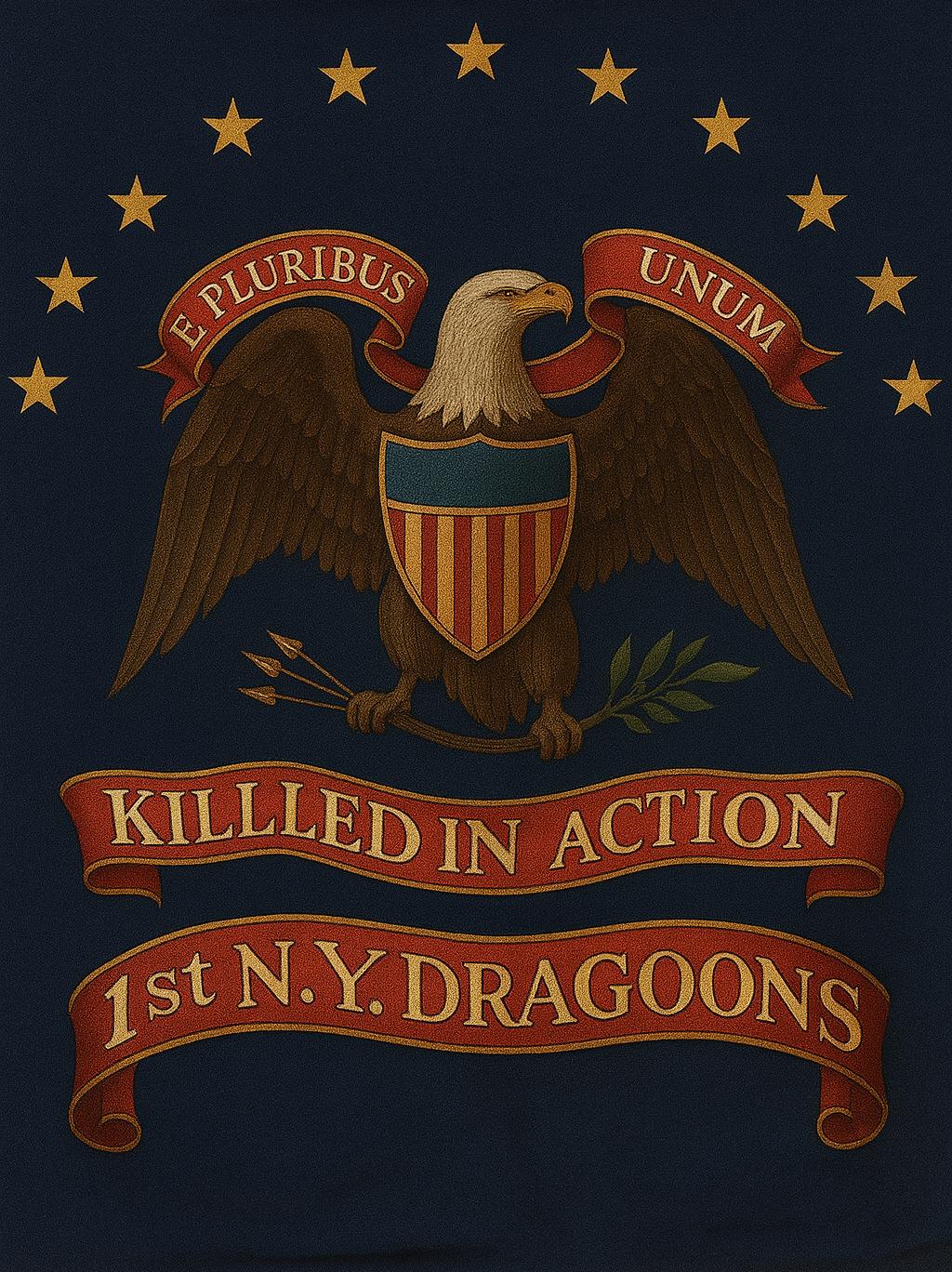
The book is finished.GIBBS: The Forgotten Warrior of the First New York Dragoons, by Garland H. Green Jr. How to order is coming soon; you can reserve a copy now. Reserve a copy →
Your book journey: Fredericksburg · May 9 to 29, 1864.
What would you like to explore in I Knew They Wouldn't?
Go beyond the book · I Knew They Wouldn't
Read the campaign before its outcome was known
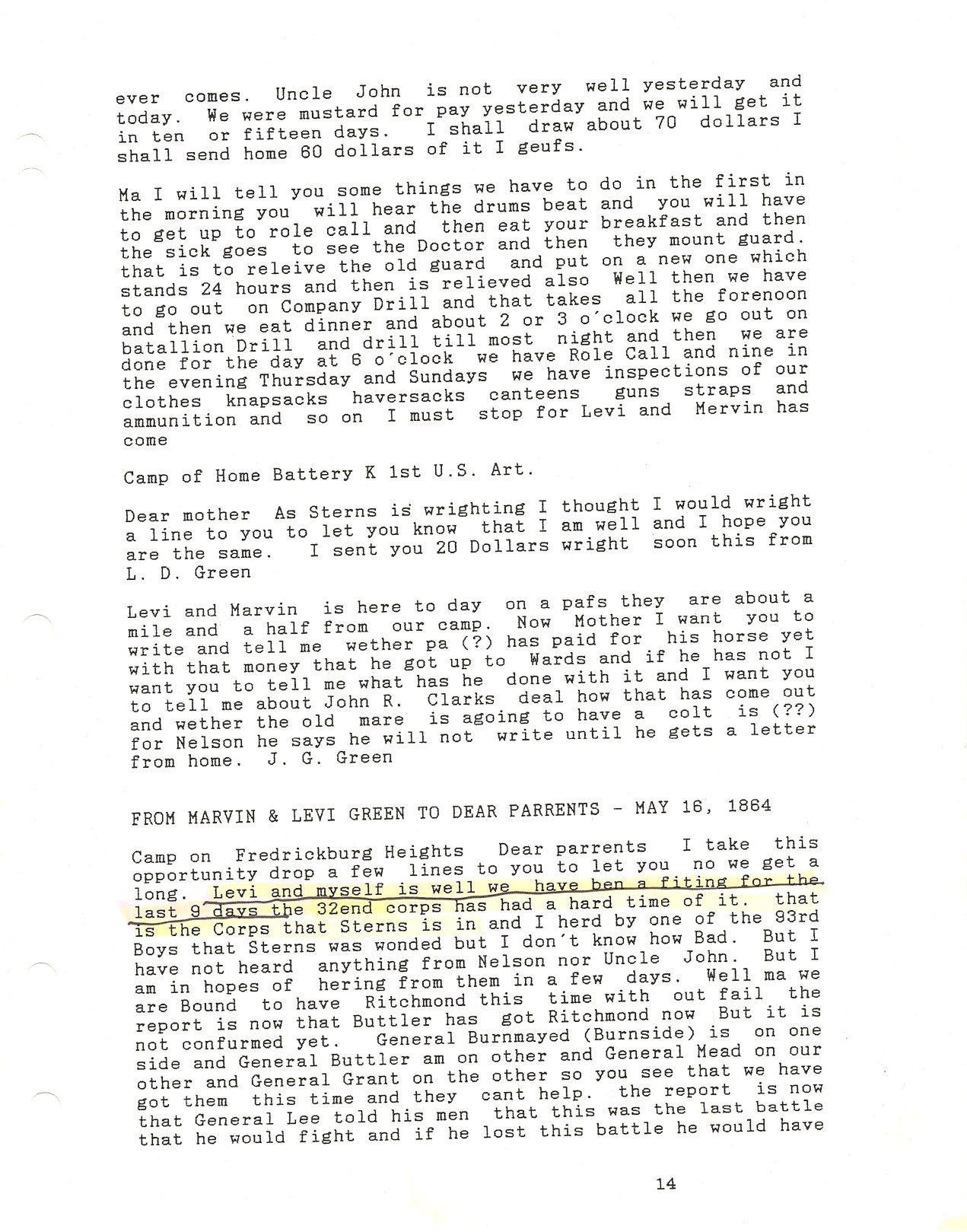
In May 1864, Levi and Marvin wrote home from the Fredericksburg heights after days of fighting. Their letter preserves confidence, rumors, and worry about their brother.
New to these records? A little context.
A transcription records the words of a letter. A typescript is a typed copy, which may survive even when the handwritten original is not on display. The linked account identifies the version it preserves; later explanatory paragraphs are not part of the letter.
What could soldiers know in the middle of a campaign?
Green Family Letters, Marjorie Kuski typescript, page 14 · From the linked account. Its original credits and image status are preserved there.
Read the source exhibit & its explanation
Marvin and Levi’s joint letter, May 16, 1864
The joint letter reports that they are well and describes recent fighting, while relaying uncertain news about John Sterns Green. It makes the limits of wartime information visible.
What to examine: Find the statements about their own condition, the rumor concerning John, and predictions about Richmond. Sort direct experience, hearsay, and expectation.
Keep this distinction in mind: A hopeful prediction is evidence of belief at the time, not of the campaign’s actual outcome. Read the later context without erasing that uncertainty.
Keep your question in view as you explore. The reading tray retains I Knew They Wouldn't → Fredericksburg. Close it to return to this point, or deliberately choose to explore outside the chapter.
Follow a life beyond the page
People you meet here
The book brings you into these lives. Follow a person to the family, service and research records available here. Pension material is identified separately from biography and recollection.
5 connected people in this section · Showing 1 to 5
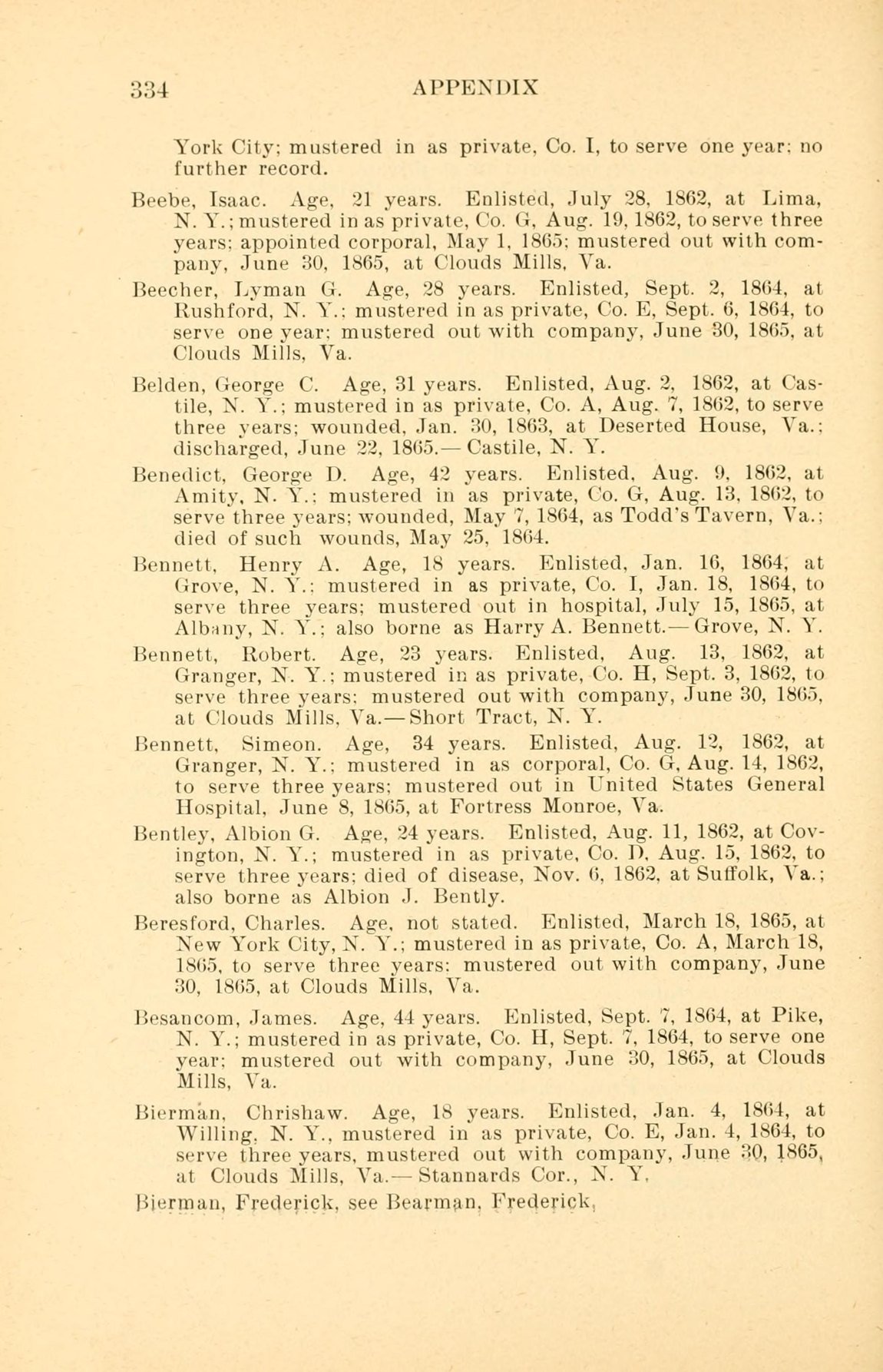
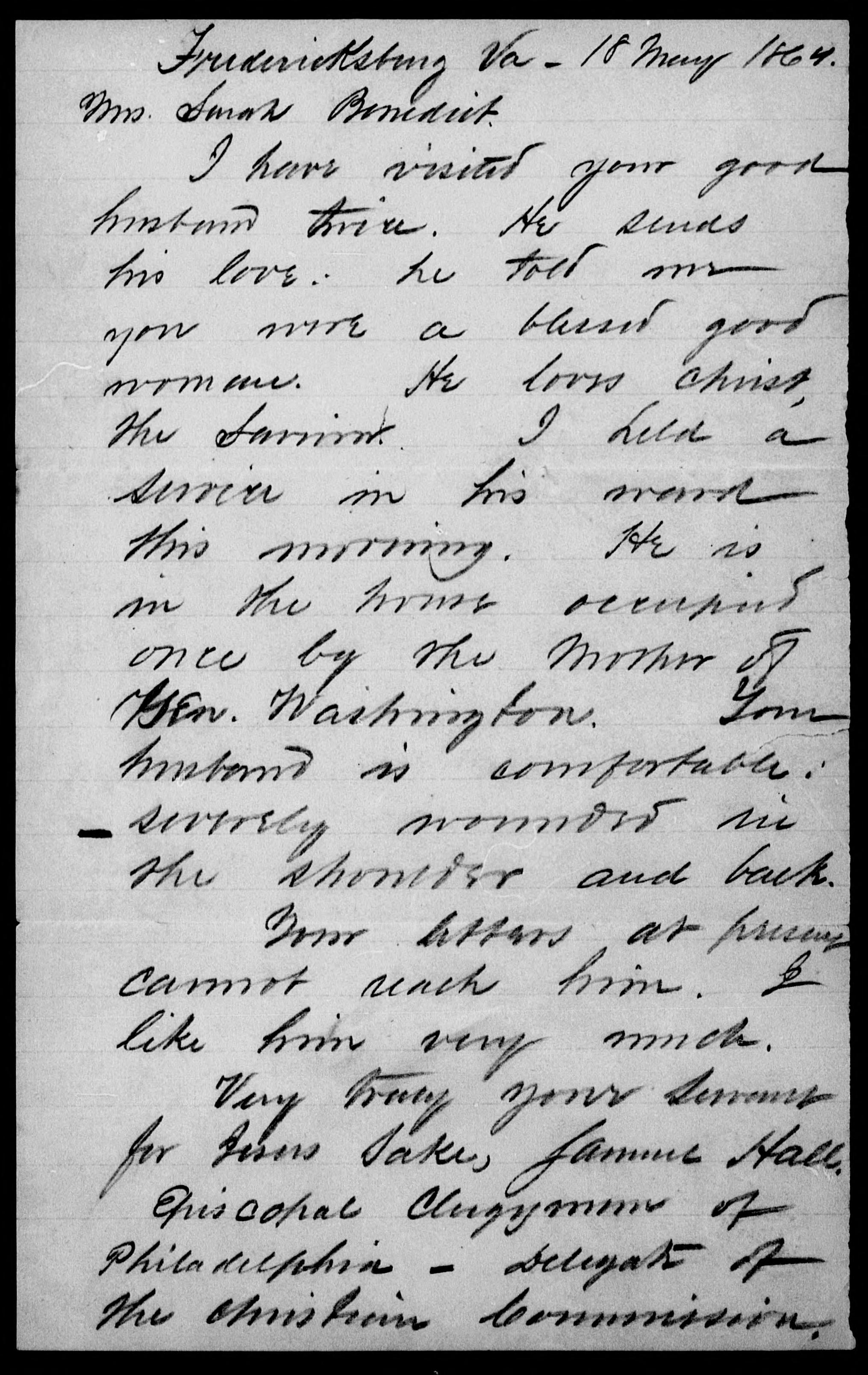
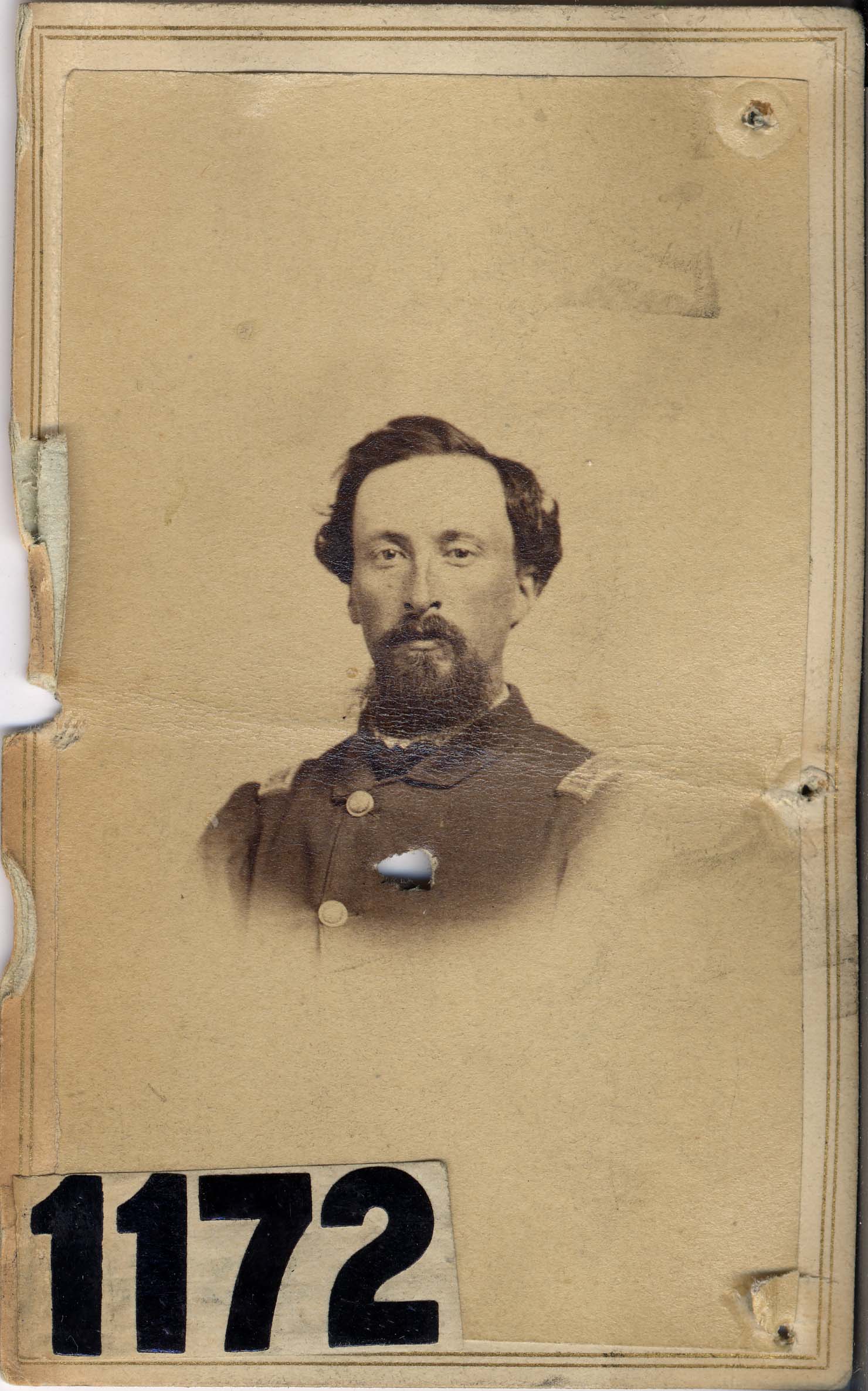
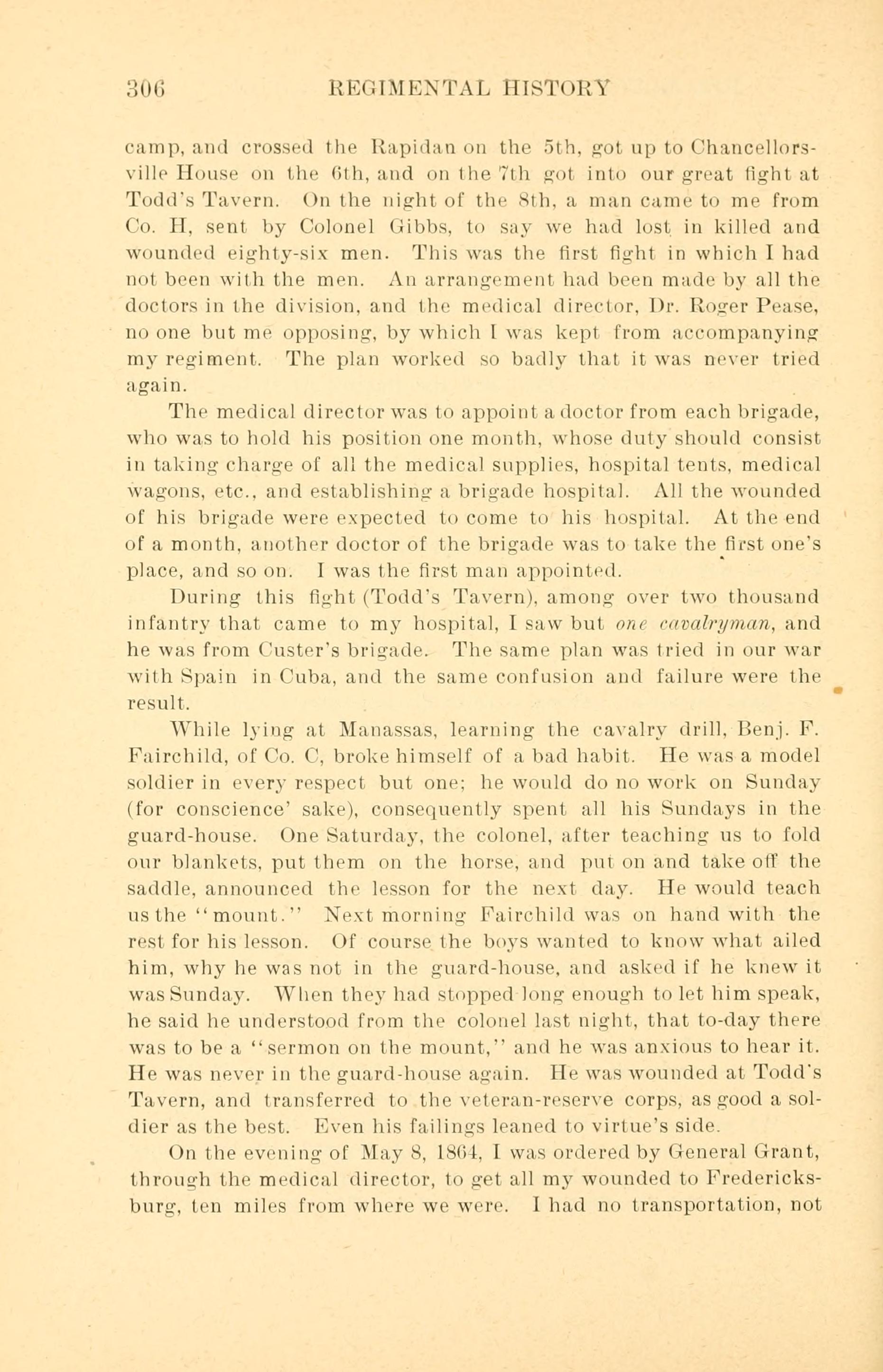
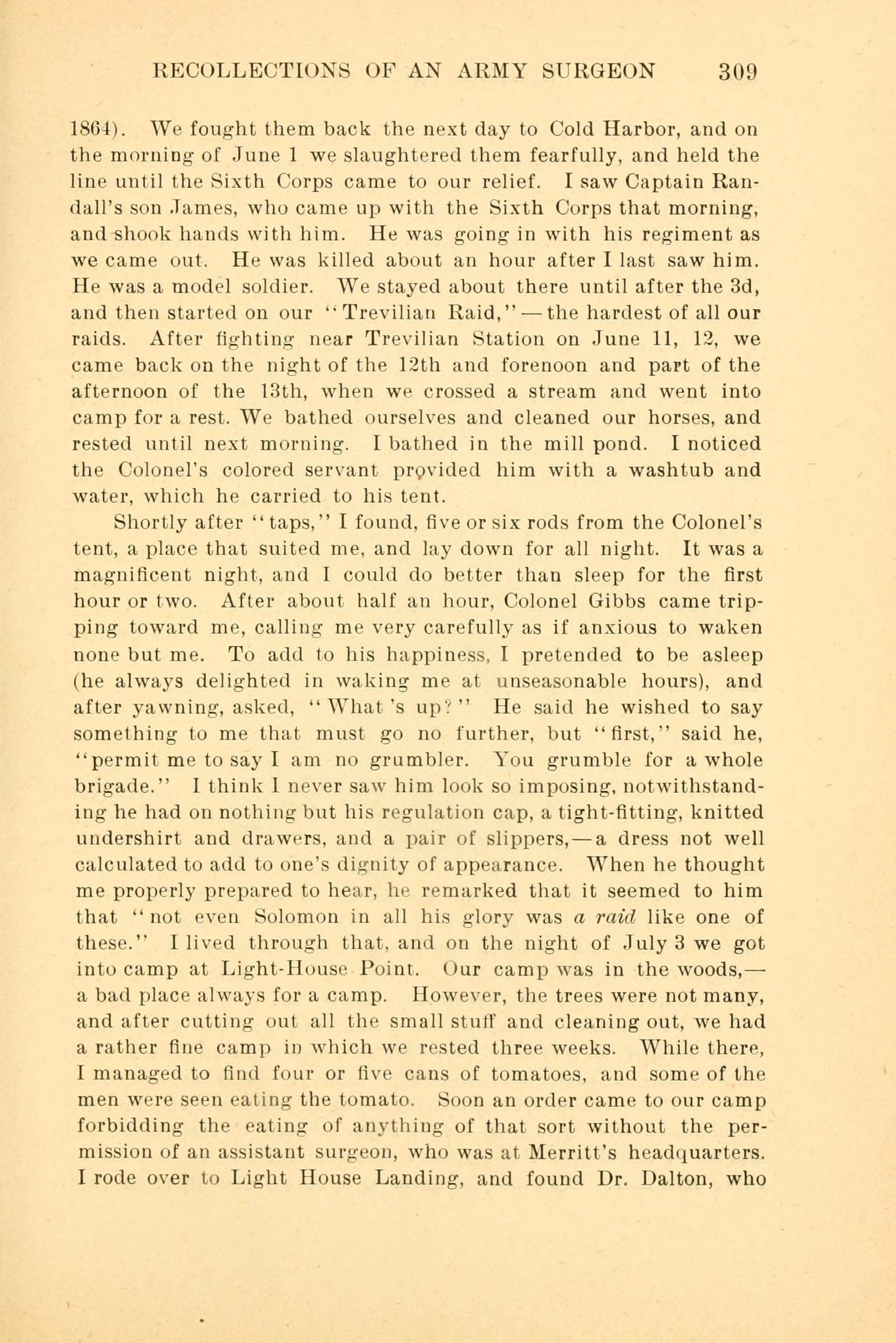
Benedict wrote home to Sarah about cold, horses and fighting before he was wounded. His letters and his widow's pension research let you follow one family across the boundary between military service and bereavement.
Leach's order to destroy Davenport Bridge exposes the practical uncertainty inside a campaign. His account lets you ask what a subordinate could know when given an order.
Hare's record gives a brief account of his death at Fredericksburg. Garland's page also contains an explicitly imagined bedside scene. Read the documented record and reconstruction as different kinds of writing.
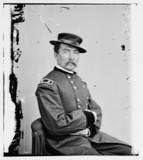
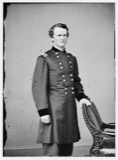
Sheridan connects the Academy's personal relationships with later cavalry command. Follow the people, recommendations and battle accounts rather than relying on a single famous image of the commander.
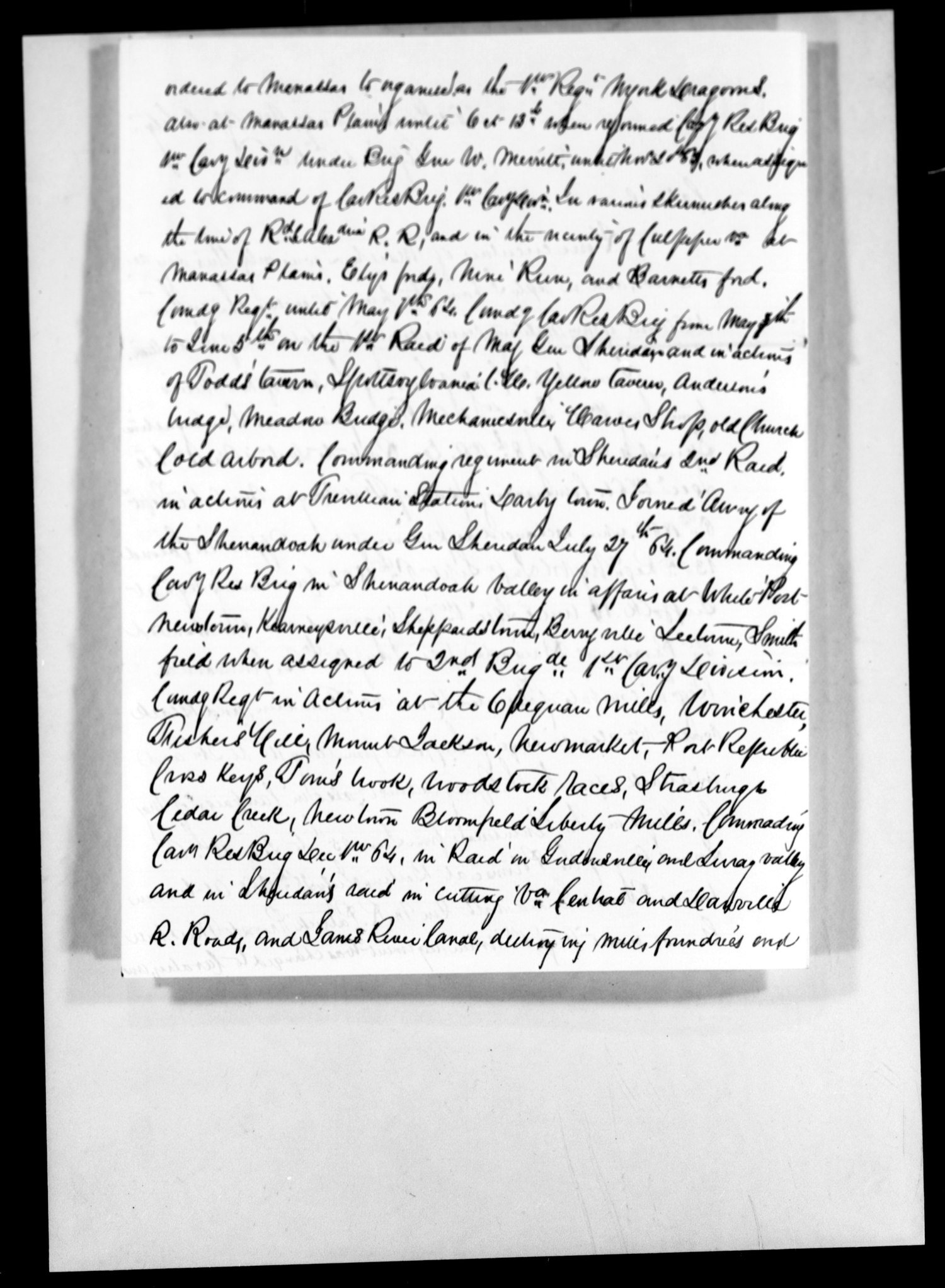
Merritt commanded above the Dragoons and moved between brigade and division. His decisions offer another perspective on the same movements the enlisted men described from below.
These connections come from the v172 manuscript and existing subject pages. A pension not connected here may still exist elsewhere. Namesakes and uncertain identities are not silently joined.
Follow the words into the evidence
What caught your attention?
Find a line from your reading, then follow its document and the record around it. Matching words helps locate evidence; checking who wrote them, when, and why helps you understand it.