The book is finished.GIBBS: The Forgotten Warrior of the First New York Dragoons, by Garland H. Green Jr. How to order is coming soon; you can reserve a copy now. Reserve a copy →
Your book journey: Catlett's Station · October 12 and 13, 1863.
What would you like to explore in Stop That Ducking?
Go beyond the book · Stop That Ducking
You are reading Catlett's Station · October 12 and 13, 1863. The guided starting point below explores The camp of instruction, Manassas Junction. Evidence for this particular section has not yet been separately assembled; chapter references remain available below.
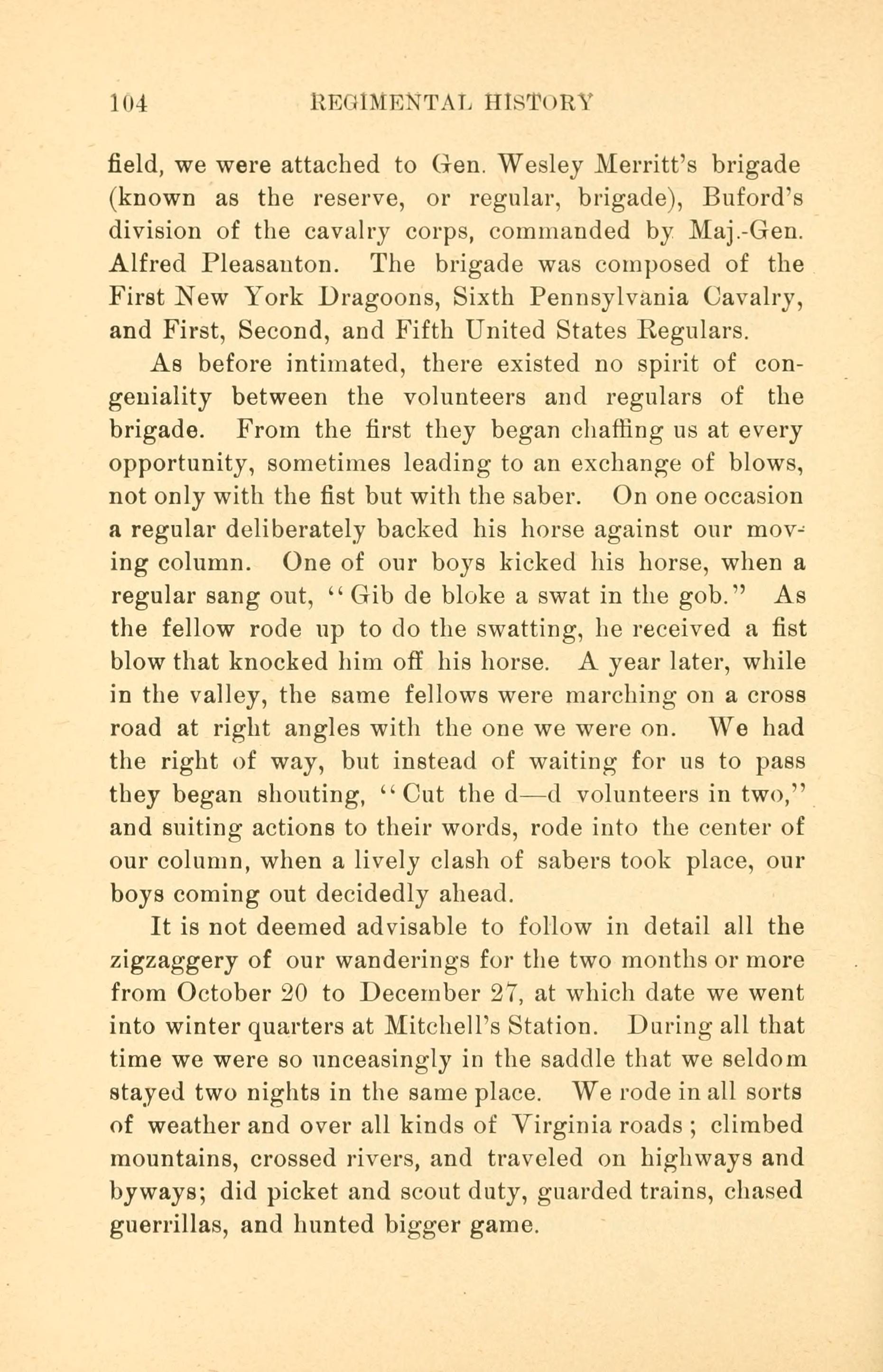
Watch infantrymen learn to be cavalrymen
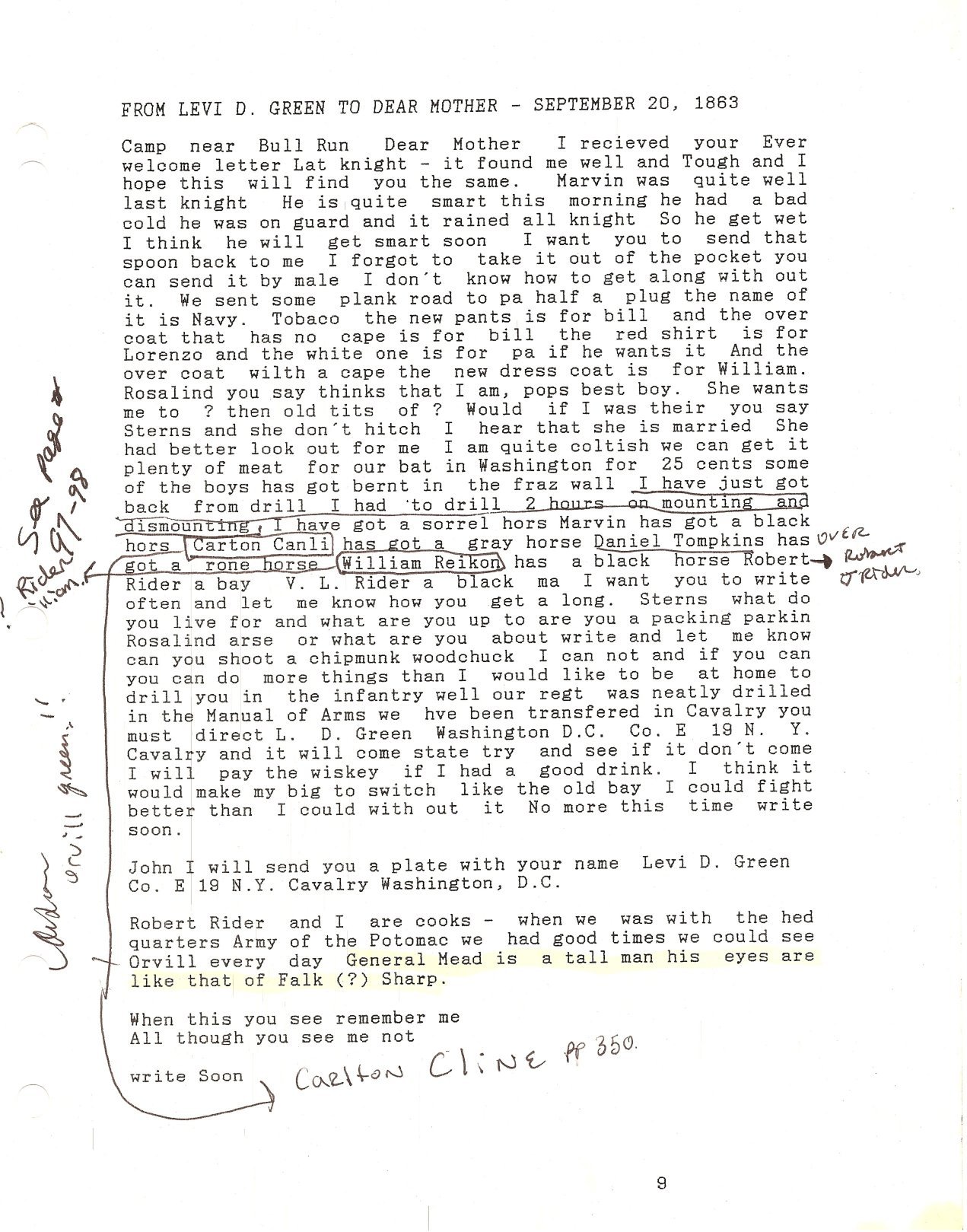
New horses, new equipment, and a changing regimental designation made the transition a daily learning process. Levi’s September letter records it before its outcome was settled.
New to these records? A little context.
A transcription records the words of a letter. A typescript is a typed copy, which may survive even when the handwritten original is not on display. The linked account identifies the version it preserves; later explanatory paragraphs are not part of the letter.
What did becoming a cavalryman require in daily life?
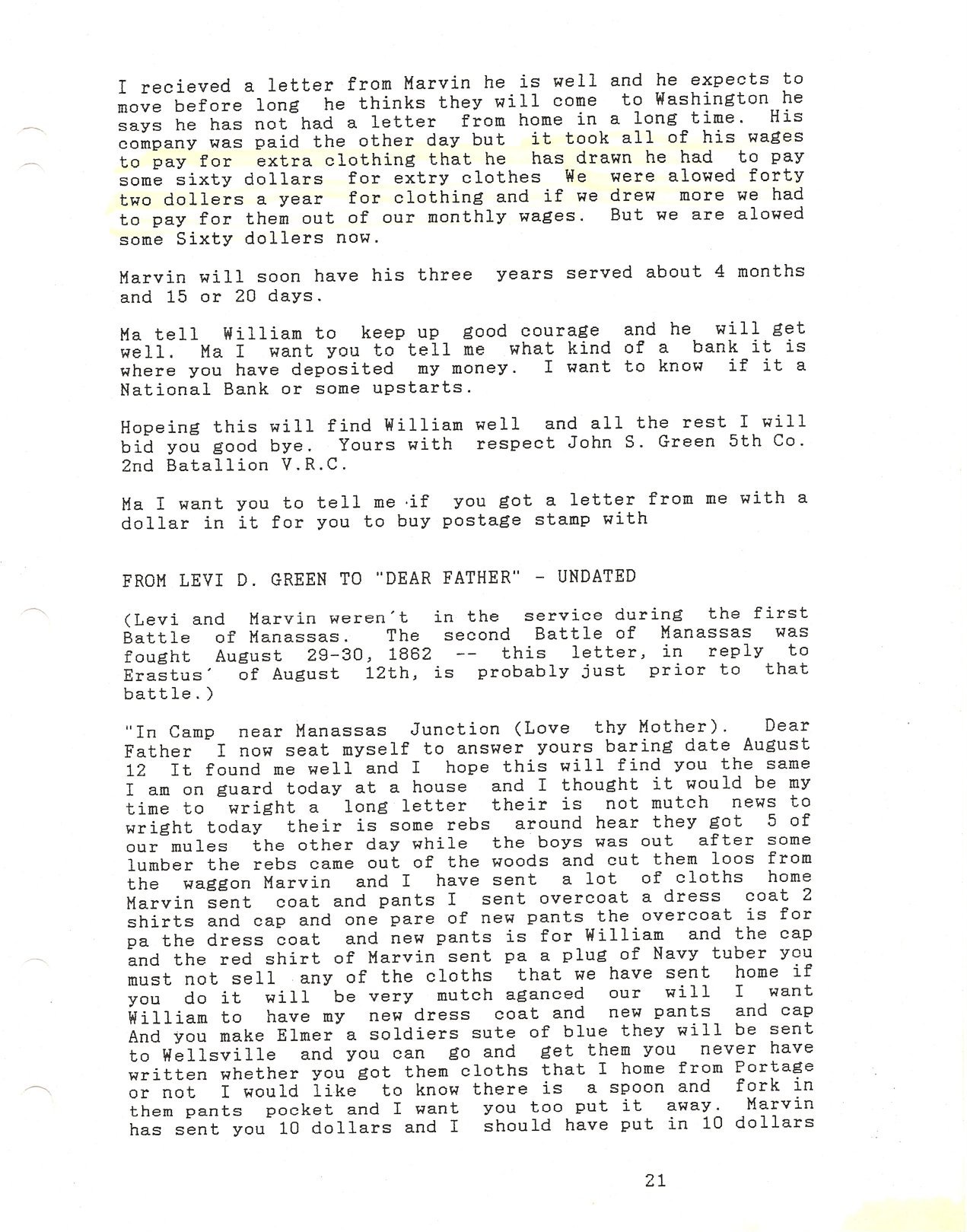
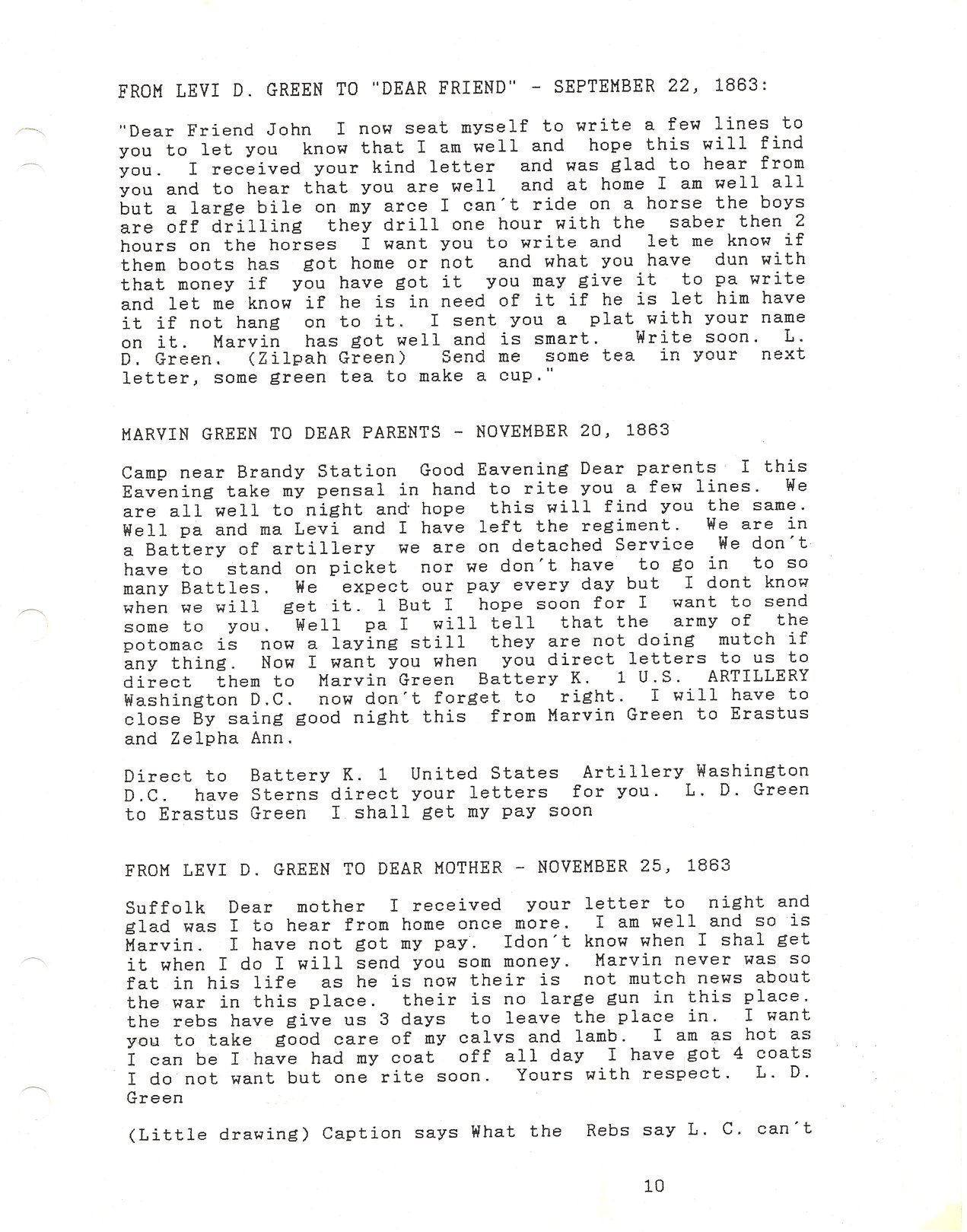
Green Family Letters, Marjorie Kuski typescript, page 09 · From the linked account. Its original credits and image status are preserved there.
Read the source exhibit & its explanation
Levi to his mother, September 20, 1863
He writes about mounting and dismounting drill, identifies his and Marvin’s horses, and still asks for a spoon left at home. The change becomes practical rather than just organizational.
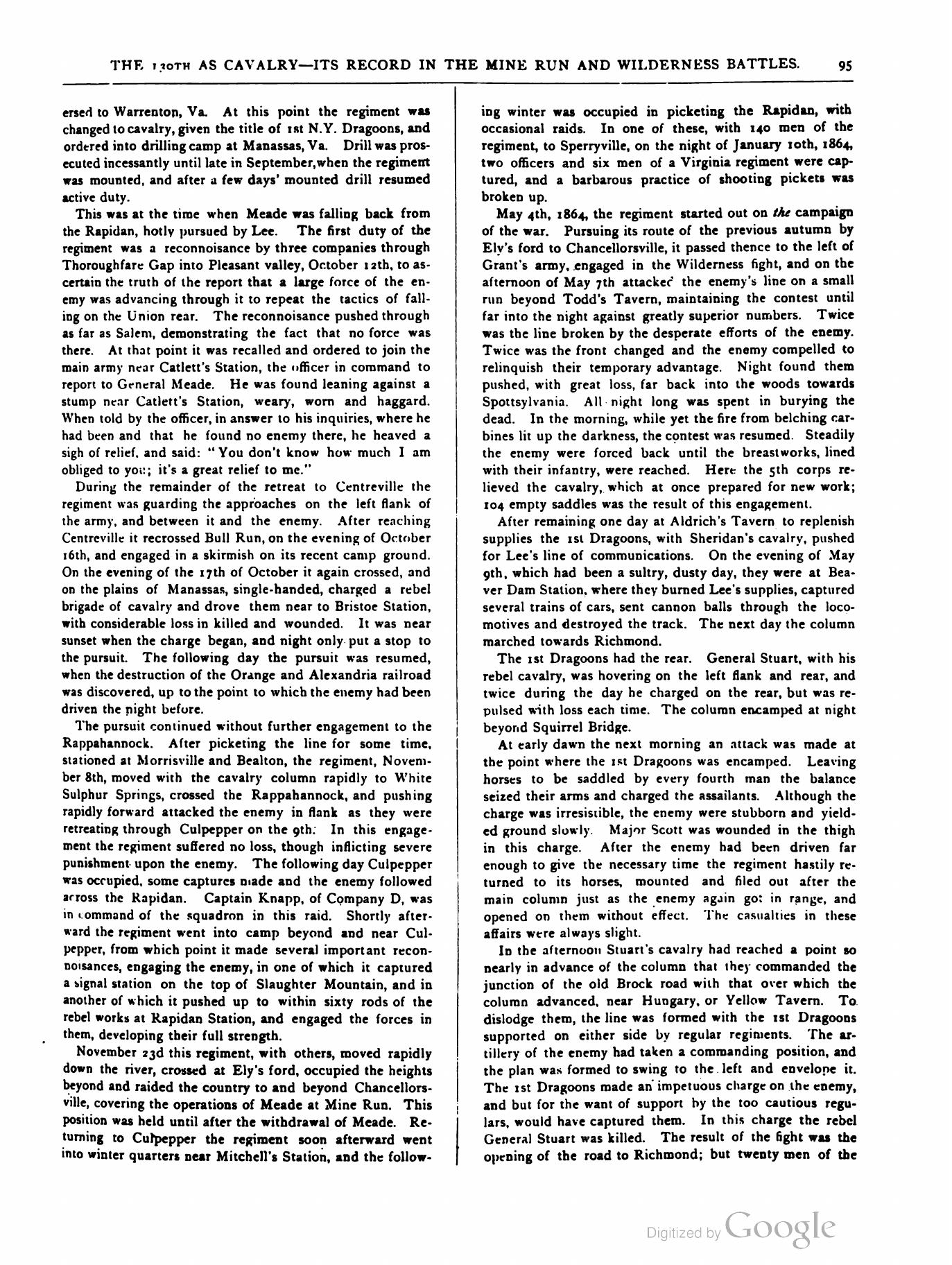
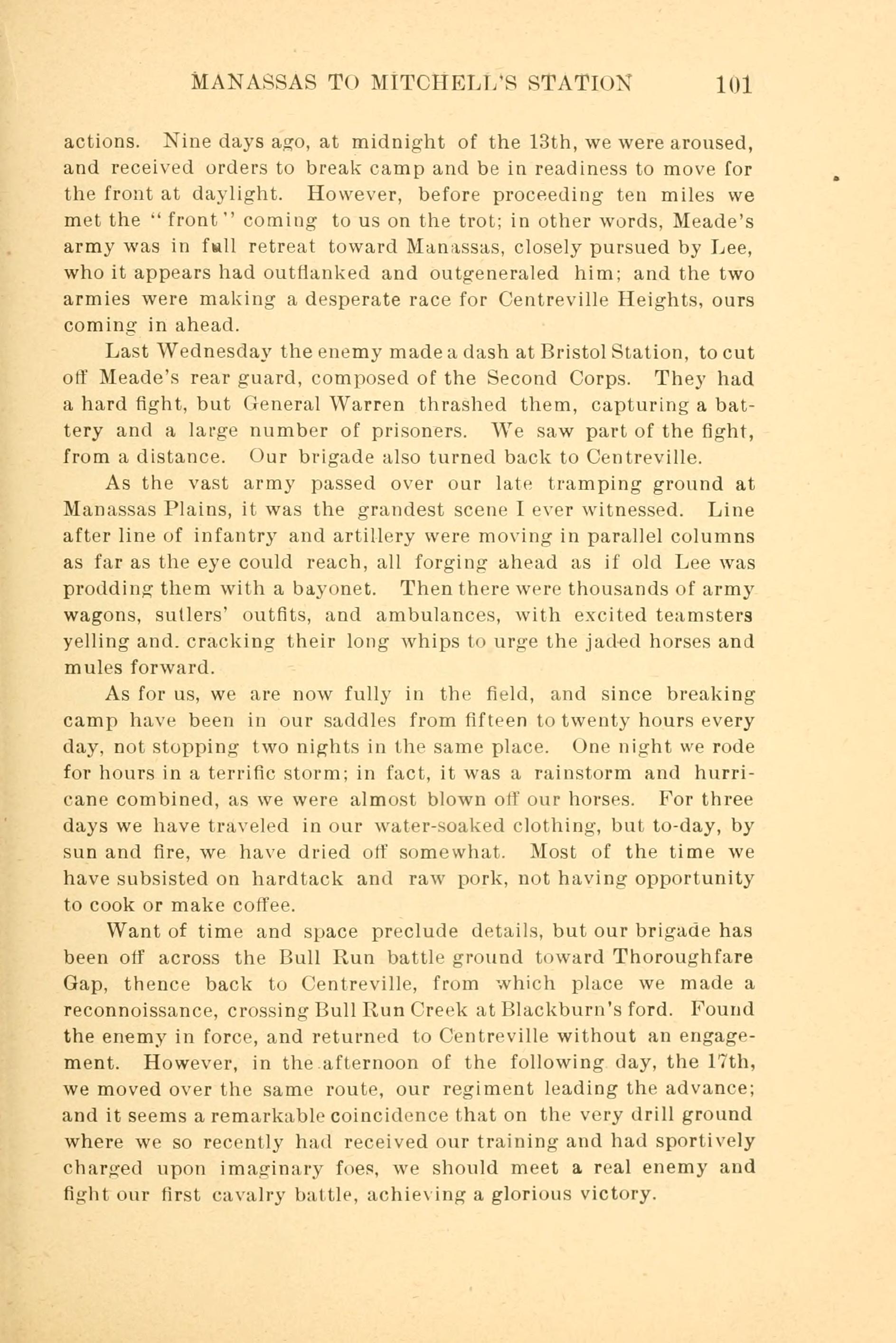
What to examine: Compare the regiment’s name in the letter with the article’s chronology. Look for the hours of drill and the named horses before following the campaign accounts.
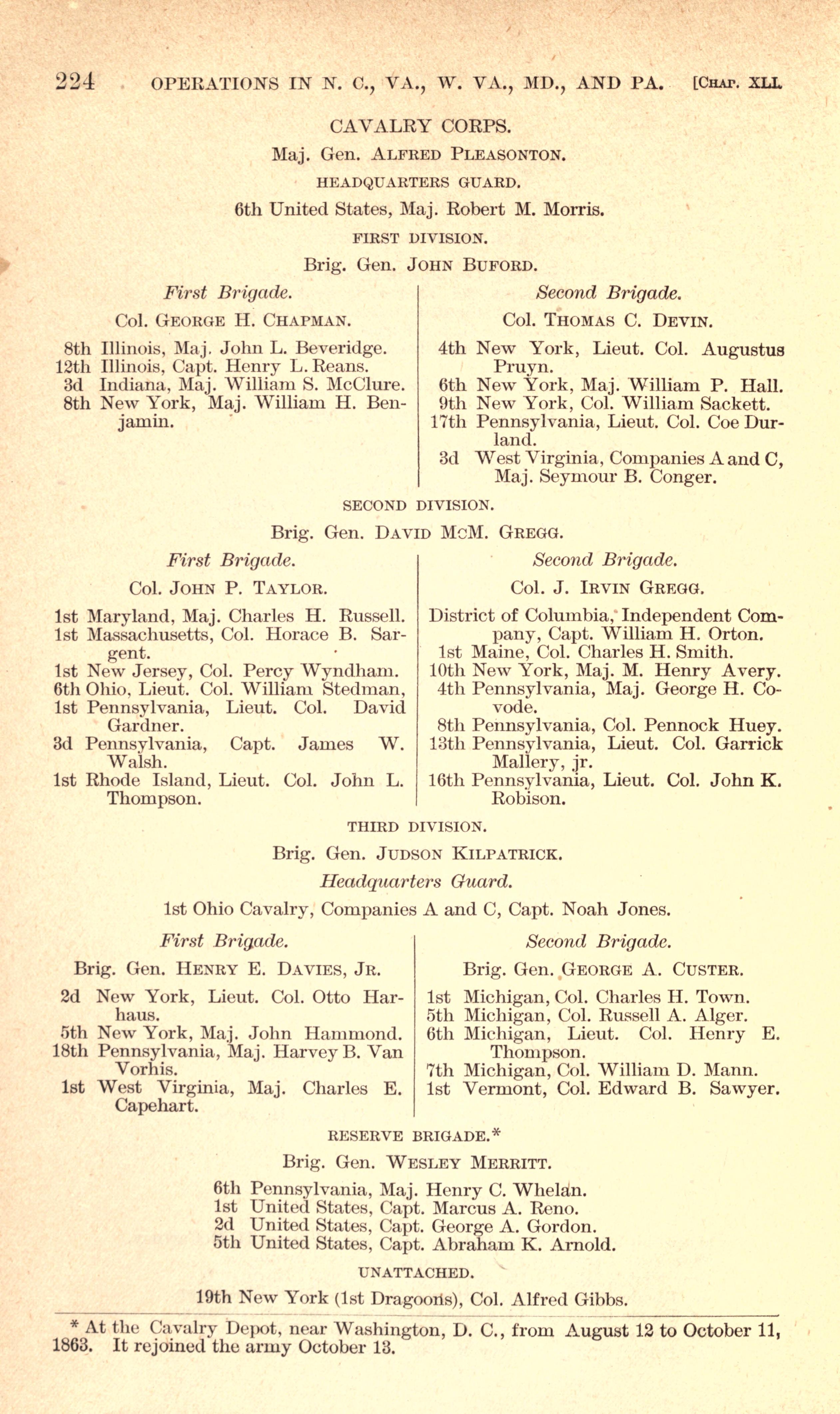
Keep this distinction in mind: The same regiment appears under different designations. A changed number or name does not necessarily identify a different group of men.
Keep your question in view as you explore. The reading tray retains Stop That Ducking → Catlett's Station. Close it to return to this point, or deliberately choose to explore outside the chapter.
Follow the words into the evidence
What caught your attention?
Find a line from your reading, then follow its document and the record around it. Matching words helps locate evidence; checking who wrote them, when, and why helps you understand it.
Source identified; supplied locator: page 95 (as numbered in the scan file name) · Review flag: page taken from the scan's file name or position; confirm against the scan
Passage-level sources for this section have not yet been assigned. These are the chapter’s source-note references, provided as starting points rather than proof of this particular section.