The book is finished.GIBBS: The Forgotten Warrior of the First New York Dragoons, by Garland H. Green Jr. How to order is coming soon; you can reserve a copy now. Reserve a copy →
Follow a letter, report, recollection or family record beyond the passage in the book. Each source below shows where the chapter uses it and what to examine. Open it here, compare its pages, and return without losing your chapter.
Begin with a question: Why did Laura sell Sunswick?
Go beyond the book · Laura's War
You are reading New York and New Haven · Autumn 1834. The guided starting point below explores Sunswick. Evidence for this particular section has not yet been separately assembled; chapter references remain available below.
A widow’s decision, visible in the letters
After George Gibbs III died, Laura faced the costs of raising her children and keeping Sunswick. The chapter’s move to New York can be explored as a sequence of financial decisions rather than a single biographical sentence.
New to these records? A little context.
A research account can combine historical documents, later recollections, images, and the author’s interpretation. Start with its source notes and captions. Ask who made each item, when it was made, and what kind of question it can answer.
Why did Laura sell Sunswick?
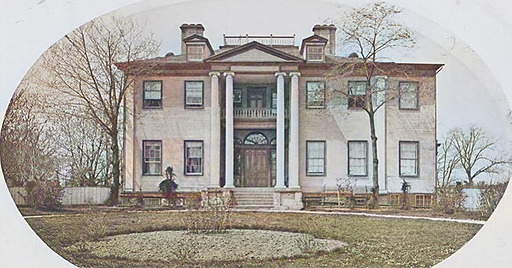
sunswick house colored · From the linked account. Its original credits and image status are preserved there.
Read the source exhibit & its explanation
The sale of Sunswick, through family letters
The account follows the family correspondence about school expenses, the mortgaged estate, and the trustee’s figures. It shows what evidence lies beneath the familiar statement that she moved for her children’s education.
What to examine: Read the November 2, 1833 letter and the trustee’s response. Identify who owes or pays each sum, and distinguish a proposal from a completed sale.
Keep this distinction in mind: Letters show what their writers knew and wanted at the time; a later outcome should not be read backward into every proposal.
Keep your question in view as you explore. The reading tray retains Laura's War → New York and New Haven. Close it to return to this point, or deliberately choose to explore outside the chapter.
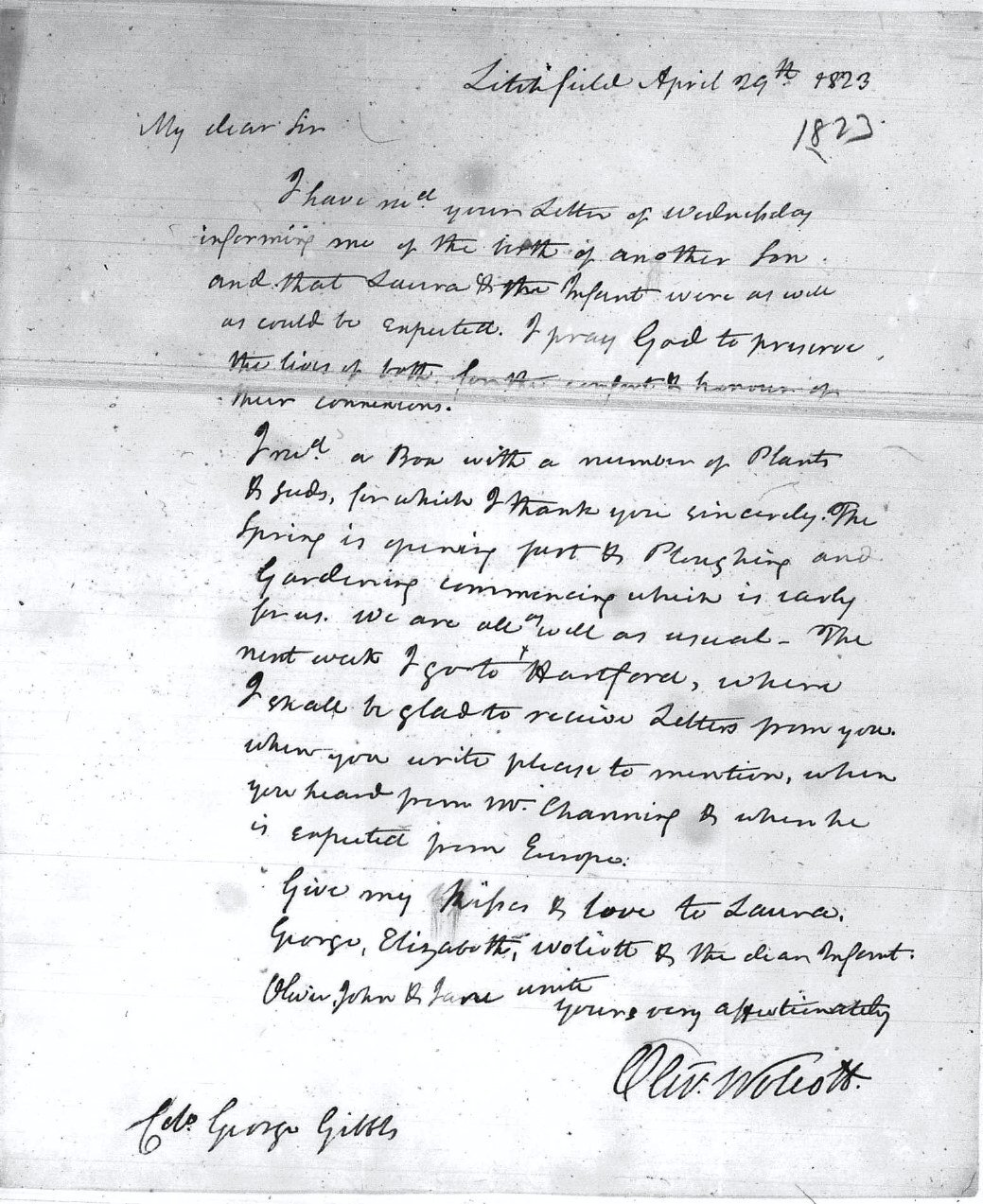
Oliver Wolcott Jr. to Col. George Gibbs on the birth of Alfred, April 29, 1823 (Reel 1, scan 488)
Open this item for a closer view. For its meaning, citation and any transcription, read the research page that reproduces it. This collection can contain portraits, maps and enhancements as well as original records.
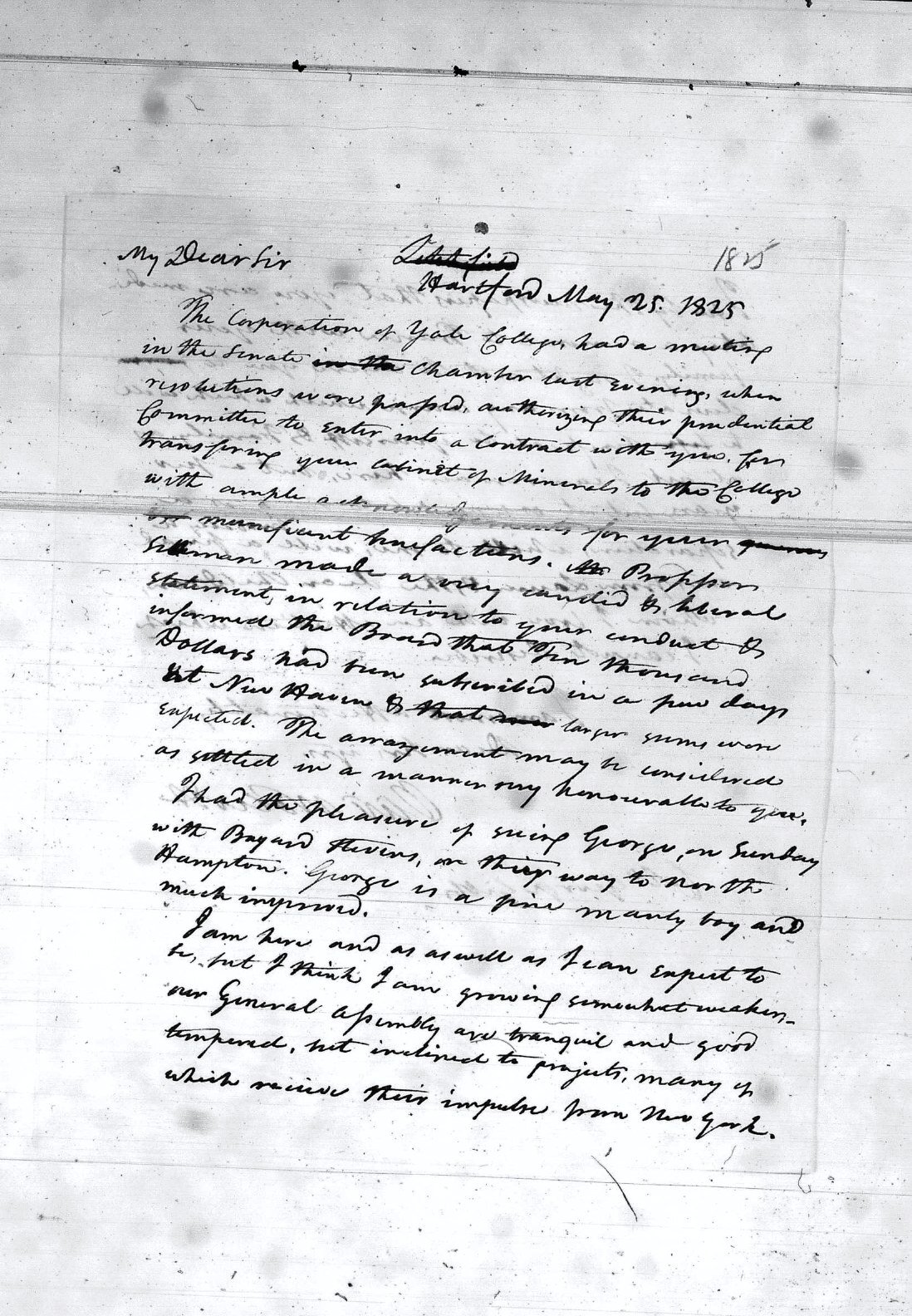
Oliver Wolcott Jr. to Col. George Gibbs, May 25, 1825, page 1 (Reel 1, scan 560)
Open this item for a closer view. For its meaning, citation and any transcription, read the research page that reproduces it. This collection can contain portraits, maps and enhancements as well as original records.
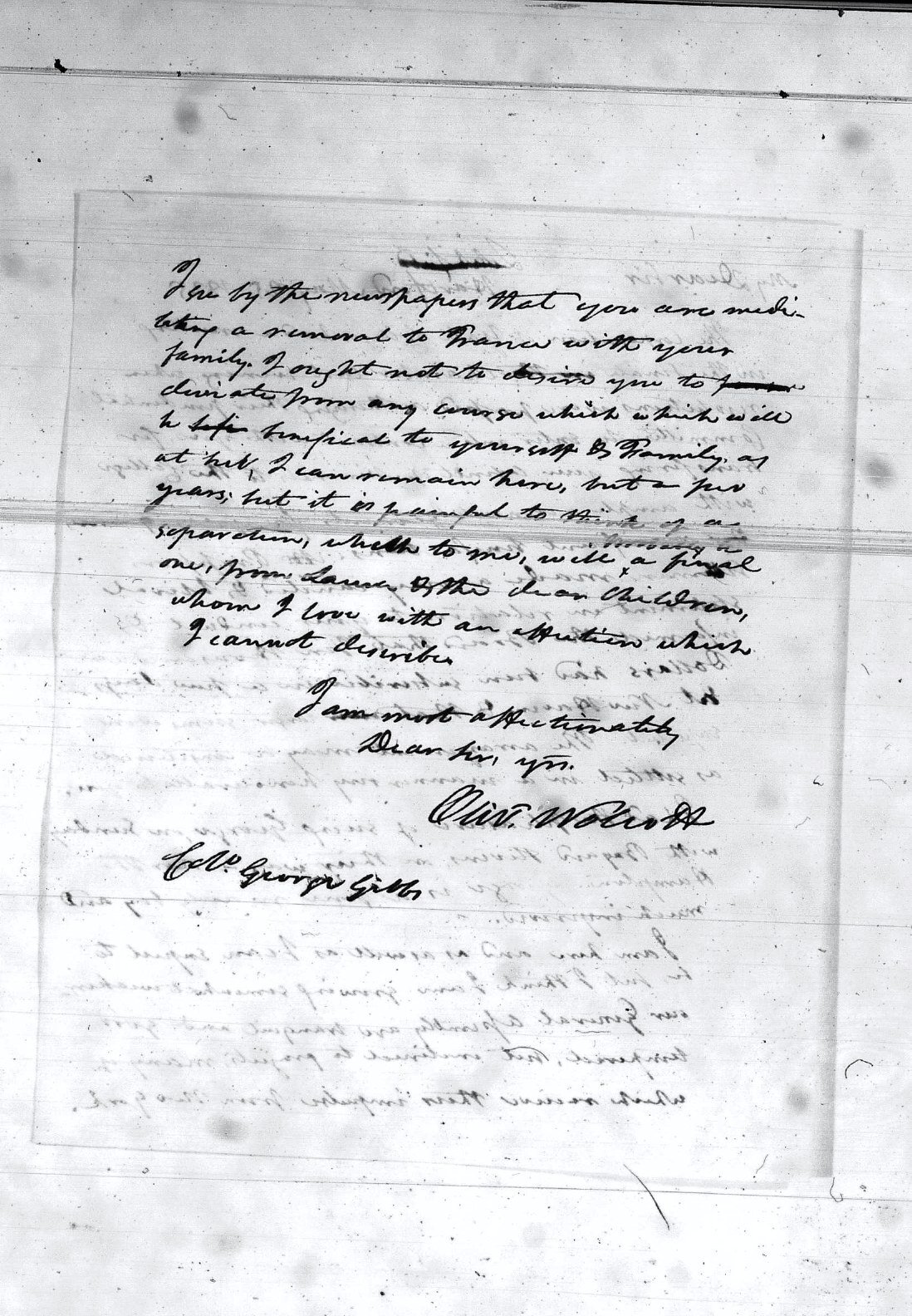
Oliver Wolcott Jr. to Col. George Gibbs, May 25, 1825, page 2 (Reel 1, scan 561)
Open this item for a closer view. For its meaning, citation and any transcription, read the research page that reproduces it. This collection can contain portraits, maps and enhancements as well as original records.
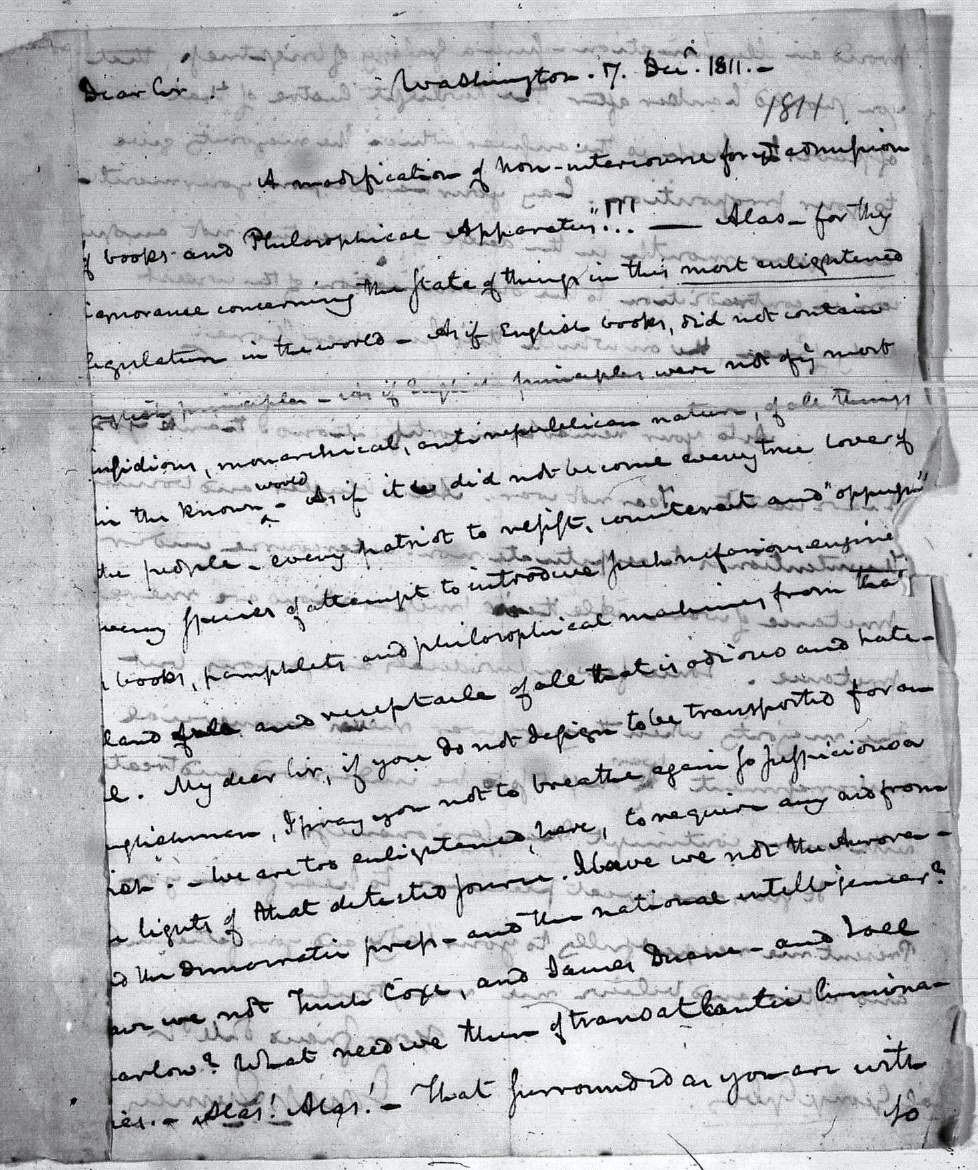
Quincy Satire 1811 P1 (Gibbs Family Papers, Reel 1)
Open this item for a closer view. For its meaning, citation and any transcription, read the research page that reproduces it. This collection can contain portraits, maps and enhancements as well as original records.
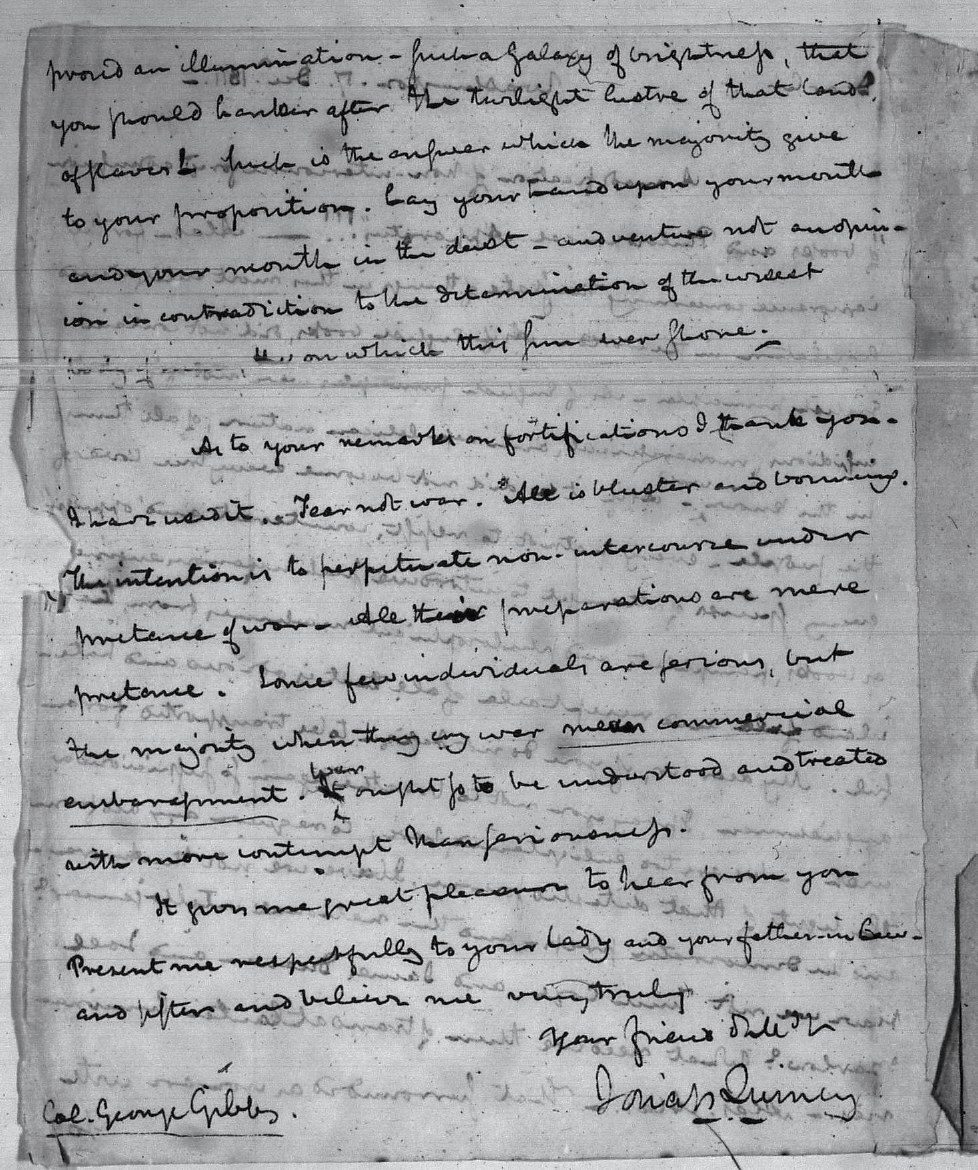
Quincy Satire 1811 P2 (Gibbs Family Papers, Reel 1)
Open this item for a closer view. For its meaning, citation and any transcription, read the research page that reproduces it. This collection can contain portraits, maps and enhancements as well as original records.
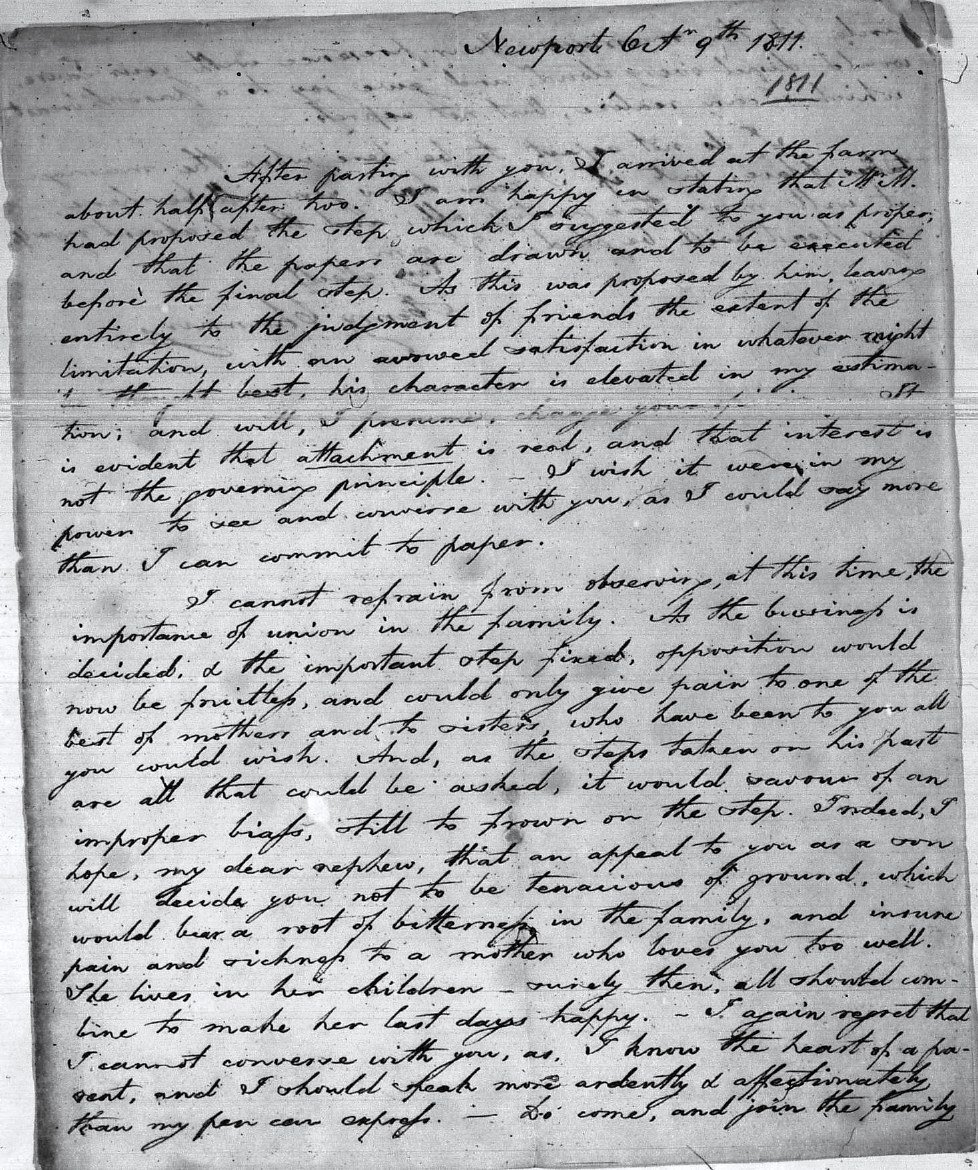
Rev. Henry Channing to Col. George Gibbs, October 9, 1811, page one (Reel 1, scan 276)
Open this item for a closer view. For its meaning, citation and any transcription, read the research page that reproduces it. This collection can contain portraits, maps and enhancements as well as original records.