
On April 17, 1863, the regiment that would become the First New York Dragoons — then still the 130th New York Volunteer Infantry under Col. Alfred Gibbs — was holding the trenches before Suffolk, Virginia, where Lt. Gen. James Longstreet had laid siege to the Union garrison. That morning the Confederate rifle pits across the river fell strangely silent, and the regiment was chosen to find out why. The reconnaissance that followed was a brief, sharp affair on the ground astride the South Quay road: the men accomplished what they were sent to do, then retired within their lines, leaving one comrade dead and five wounded behind them.
Longstreet Closes on Suffolk
By the second week of April 1863, Lt. Gen. James Longstreet had pushed three heavy columns up to the works around Suffolk, hoping a sudden dash would carry the place. He found Maj. Gen. John J. Peck ready at every point — forts and rifle pits all around, gunboats in the Nansemond — and settled instead into a regular siege. The regiment, brigaded under Gen. Alfred H. Terry on the western front where its camp stood, watched on the afternoon of April 11 as its pickets were driven in and “the long lines of rebel infantry… came up and filed off to the right and the left of the South Quay road.” The brigade took its place in the trenches, where it remained through the siege, trading a constant fusillade with rebel sharpshooters dug in just across the river.
The Reconnaissance of April 17
For the One Hundred and Thirtieth, Bowen wrote, April 17 “was an eventful day.” For the first time the rebels in the rifle pits remained quiet, their trenches to all appearances deserted. Wanting to learn the condition of things, General Terry sent out a reconnoitering force of six companies of the 130th New York, two companies of the Ninety-ninth New York, and one of the New York State Sharpshooters, all under Lt.-Col. Thomas J. Thorp and Major Rufus Scott. The drum corps went along with stretchers, and had plenty to do. As the line advanced an occasional shot came from the Johnnies; then, when the men drew nearer, the Confederates “suddenly rose up by the hundred, and poured a galling fire upon us, which was returned.” A large body of enemy reserves came up at the double-quick, and the Union forts opened a terrific fire, the shells passing over the regiment’s heads to burst in the rebel ranks. Their object accomplished, the men retired within their lines.
“To the One Hundred and Thirtieth, April 17 was an eventful day. For the first time the rebels in the rifle pits remained quiet, and to all appearances their trenches were deserted. … As the line advanced, an occasional shot came from the Johnnies; but when nearer, they suddenly rose up by the hundred, and poured a galling fire upon us, which was returned. … Having accomplished our object, we retired within our lines, suffering a loss in our regiment of one killed and five wounded.”— James R. Bowen, Regimental History of the First New York Dragoons, ch. V, “Siege of Suffolk.”
The Cost
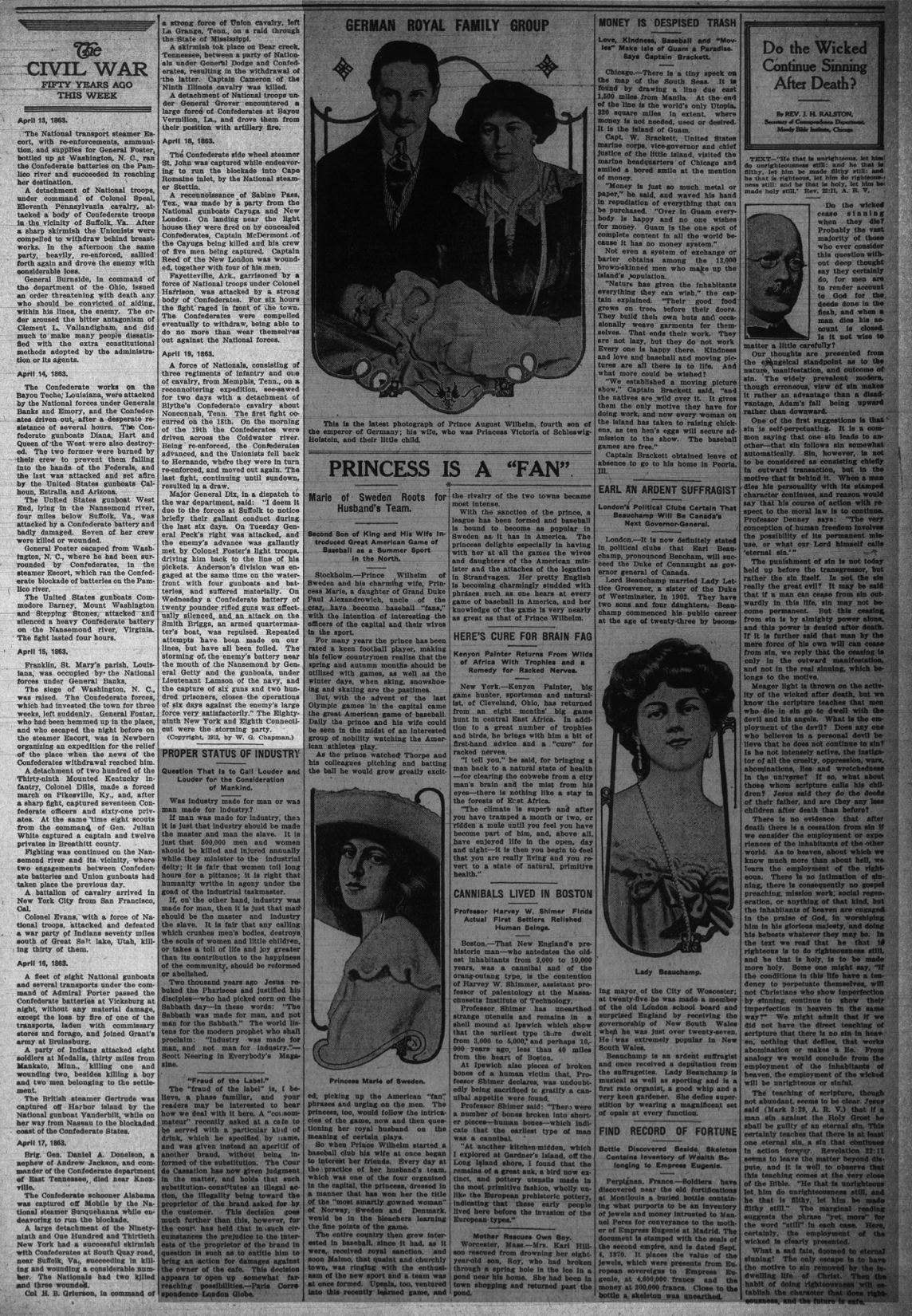
The regiment came back having lost one killed and five wounded. The man killed was Private Lyman Mead of Company C, hit as the line fell back; unable to be carried off, he was, Bowen recorded, repeatedly shot by the infuriated enemy who rushed out over their works. Five others of the regiment were wounded in the affair — Corporals Chauncy S. Pettibone and George H. Smith and Privates Mathias Rafter and Austin M. Drock, all of Company C, and Private Nathaniel Marr of Company I, who carried his injuries until his death two years later. Two weeks afterward the Ninety-ninth New York crossed the same ground and met a like experience, only with greater loss. Longstreet abandoned the siege early in May and fell back toward the Blackwater.
Roll of Loss — South Quay Road, April 17, 1863
Casualties of the 130th New York compiled from Bowen’s narrative and the regiment’s muster rolls — one killed and five wounded, the loss Bowen records for the reconnaissance. (Private Marr, wounded here, died of his injuries June 3, 1865.)
| Type | Name | Company | Rank |
|---|---|---|---|
| Killed | Lyman Mead | C | Private |
| Wounded | Chauncy S. Pettibone | C | Corporal |
| Wounded | George H. Smith | C | Corporal |
| Wounded | Mathias Rafter | C | Private |
| Wounded | Austin M. Drock | C | Private |
| Wounded | Nathaniel Marr | I | Private |
Sources & Further Reading
- Primary James R. Bowen, Regimental History of the First New York Dragoons (originally the 130th N.Y. Vol. Infantry) (1900), ch. V, “Siege of Suffolk” (the account of the April 17 reconnaissance), with the casualty details drawn from the regimental roster in the Appendix — the regiment’s own historian, an eyewitness who served with the drum corps. Full text: archive.org/details/regimentalhistor00bowe.
- Primary U.S. War Dept., The War of the Rebellion: Official Records of the Union and Confederate Armies, Series I, Vol. 18 — operations in southeastern Virginia and North Carolina, including the Siege of Suffolk (April–May 1863) and the reports of Gens. Peck and Longstreet.
- Steven A. Cormier, The Siege of Suffolk: The Forgotten Campaign, April 11 – May 4, 1863 (Lynchburg, Va.: H. E. Howard, 1989) — the standard modern study of the campaign.
Trevilian Station · The Shenandoah Valley Campaign · The Audiobook
Views: 56
Explore the evidence
View this article’s connected sources and media →
About this page
This article was brought over from AlfredGibbs.com. Its preserved text, media and citations remain available for comparison.