
When Longstreet abandoned the siege of Suffolk in early May 1863, the One Hundred and Thirtieth New York — Colonel Alfred Gibbs’s regiment, not yet converted to cavalry — remained in camp another forty-seven days. The one notable episode of that interval was a six-days’ reconnaissance on the Blackwater. The column marched out of Suffolk on June 12, 1863, and the regiment’s share in it opened at the river landing of South Quay, where, put in the advance, it deployed and drove the Confederates across the water before burning the property of two rebel officers and carrying off a captured mail.
After the Siege
The siege of Suffolk closed on May 4, 1863, when Longstreet drew off across the Blackwater. The One Hundred and Thirtieth New York stayed on at Suffolk for another forty-seven days. “Nothing of special importance occurred,” Bowen wrote, “except a six-days’ reconnoisance on the Blackwater, where we participated in several lively skirmishes.” That expedition, marching under Brig. Gen. Michael Corcoran of the Suffolk garrison, set out on June 12, 1863, by way of Holland’s Corners, and the regiment’s first work fell at South Quay, a landing on the Blackwater above Franklin.
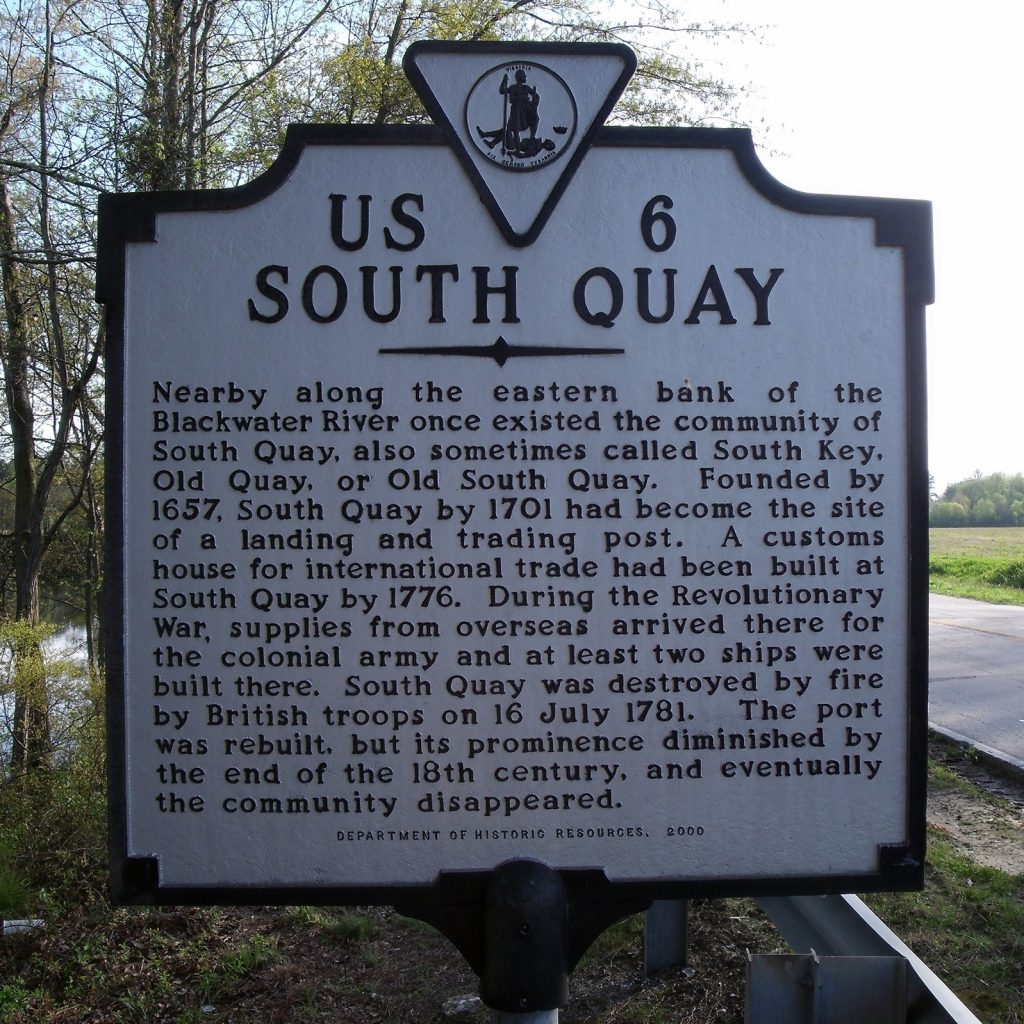
Driving the River Line
At South Quay the One Hundred and Thirtieth was put in the advance, deployed as skirmishers, and drove the enemy across the river. Near the bank stood two large residences belonging to Confederate officers; in them the regiment seized a large rebel mail — among the letters were many that had been smuggled out of Suffolk through the Union picket lines by “innocent-appearing old farmers.” After taking what they wanted, the men burned the houses and several thousand pounds of pork. The column then pushed on by Carrsville toward Franklin, where the reconnaissance continued, before the regiment made its hot twenty-mile march back to Suffolk.
“This expedition marched from Suffolk, June 12, via Holland’s Corners, reaching South Quay next morning. The One Hundred and Thirtieth was put in advance, deployed, and drove the enemy across the river. Near the bank were two large residences owned by rebel officers, where we captured a large rebel mail. … After confiscating everything we desired, the houses, together with several thousand pounds of pork, were burned.”— J. R. Bowen, Regimental History of the First New York Dragoons (1900), ch. V, “Siege of Suffolk,” p. 81.
Roll of Loss — South Quay, June 12, 1863
Named wounded of the 130th New York compiled from regimental casualty rolls for this action. Bowen does not itemize the casualties of South Quay; he records the loss of the whole six-day Blackwater expedition (June 12–17) as two killed and three wounded.
| Type | Name | Company | Rank |
|---|---|---|---|
| Wounded | Sylvester A. Rhodes | H | Private |
| Wounded | William H. Goodwin | E | Private |
Update, July 14, 2026: the Official Records citation below was corrected from Vol. 18 to Vol. 27, Part 2 — Vol. 18 closes on June 3, 1863, nine days before this expedition marched — and the reports themselves are now exhibited on the Franklin page. This action’s sequels are Franklin, June 13 and the Blackwater, June 16–17.
Sources & Further Reading
- Primary James R. Bowen, Regimental History of the First New York Dragoons (originally the 130th N.Y. Vol. Infantry) (Battle Creek, Mich., 1900), ch. V, “Siege of Suffolk,” p. 81, and the regiment’s chronology and battle list, pp. 290–292 — the source of the account and the verbatim quotation. Read the chapter in full on this site; the roll is reproduced on the Dragoons’ List of Engagements.
- Primary U.S. War Dept., The War of the Rebellion: Official Records of the Union and Confederate Armies, Series I, Vol. 27, Part 2, pp. 789–790 — the two printed reports of this expedition (Col. McEvily’s Union itinerary and Gen. D. H. Hill’s Confederate dispatch), both scanned and transcribed in full on the Franklin page. Vol. 18 covers the Suffolk Campaign itself, closing June 3, 1863.
Trevilian Station · The Shenandoah Valley Campaign · The Audiobook
Views: 106
Explore the evidence
View this article’s connected sources and media →
About this page
This article was brought over from AlfredGibbs.com. Its preserved text, media and citations remain available for comparison.