
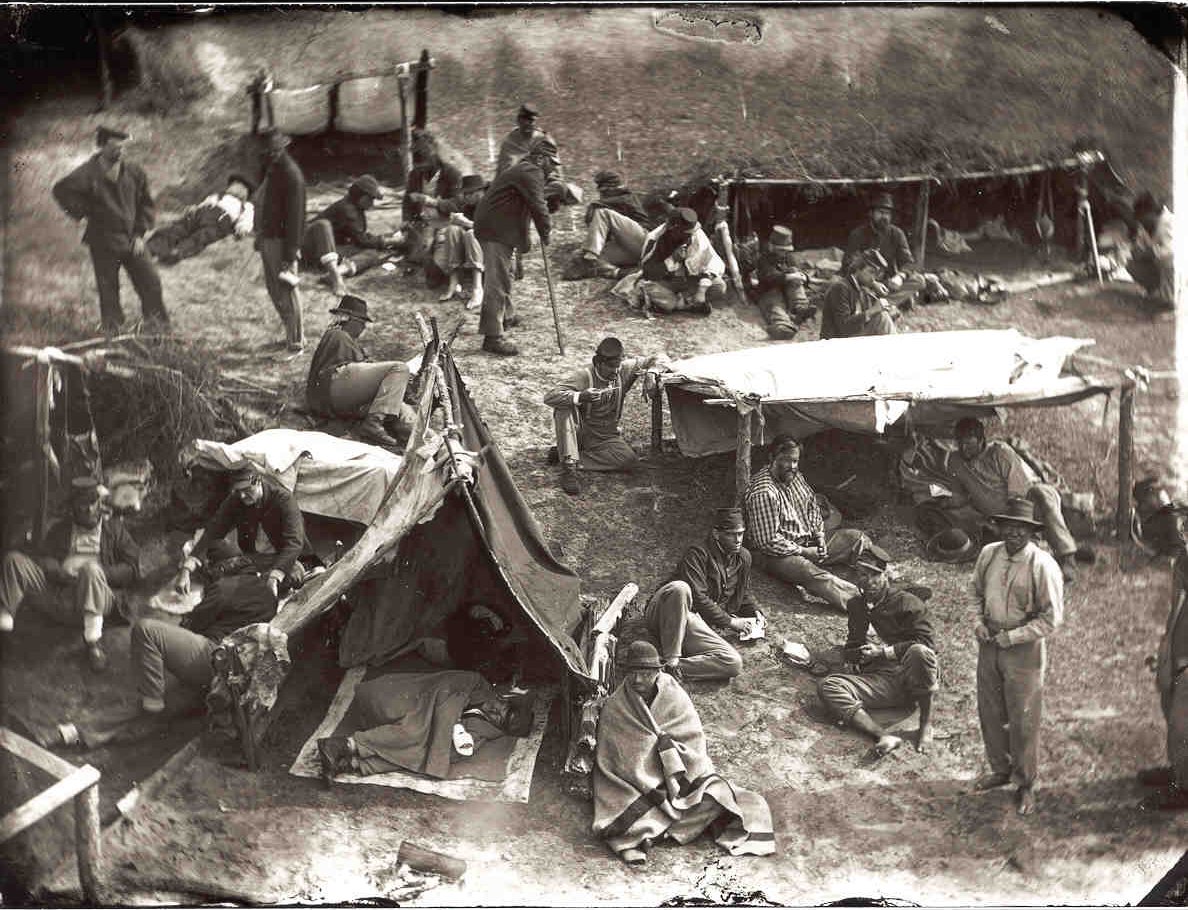
A Chronicle of Suffering, Resilience, and Legacy
The story of Andersonville Prison Camp, officially known as Camp Sumter, is one of the most tragic chapters in American history. Situated in rural Georgia, this Confederate prison housed over 45,000 Union soldiers during its operation from February 1864 to April 1865. Nearly 13,000 of these prisoners perished due to overcrowding, disease, starvation, and a lack of adequate medical care. Through three detailed reports, this series explores the foundational aspects of the camp, the day-to-day horrors endured by the prisoners, and the lasting legacy of Andersonville in American memory.
The first report, Foundations of Horror, examines the establishment of Andersonville. It explores the Confederate leadership’s decision to construct the prison in rural Georgia, analyzing the logistical challenges and resource constraints that plagued its creation. This report highlights the systemic failures and administrative missteps that set the stage for the suffering that would follow. By delving into the decisions of Confederate officials like General John H. Winder, it contextualizes how Andersonville became a symbol of desperation and neglect.
The second report, Life Behind the Gates, dives into the daily realities faced by Andersonville’s prisoners. Overcrowding quickly overwhelmed the camp, with more than 30,000 inmates crammed into a space designed for 10,000. The lack of shelter, contaminated water, and insufficient rations turned survival into a grim struggle. This report explores the spread of disease, including dysentery and scurvy, which claimed thousands of lives, and delves into the psychological and social dynamics within the prison. Amid the suffering, stories of camaraderie and resilience emerge, showcasing the human spirit’s ability to endure even in the darkest times.
The third report, Legacy of Andersonville, reflects on the aftermath of the camp and its place in history. It recounts the trial and execution of Captain Henry Wirz, Andersonville’s commandant, and the ethical debates surrounding his culpability. This report also examines the efforts to preserve Andersonville as a site of remembrance, highlighting the roles of Clara Barton and the Woman’s Relief Corps. Finally, it considers the broader historical and ethical implications of Andersonville, exploring its lessons about war, accountability, and humanity.
Together, these reports offer a comprehensive exploration of Andersonville Prison Camp, from its tragic beginnings to its enduring legacy. They challenge readers to reflect on the human cost of war and the importance of remembering the past to inform the future. Each report provides a unique perspective, allowing readers to piece together a fuller understanding of this dark yet significant chapter in American history.
| Report Title | URL | Description |
|---|---|---|
| Part 1: Foundations of Horror | Visit Report | Explores the establishment of Andersonville, focusing on its design, construction, and early systemic failures. |
| Part 2: Life Behind the Gates | Visit Report | Examines the day-to-day struggles of prisoners, including overcrowding, disease, and survival strategies. |
| Part 3: Legacy of Camp Sumter | Visit Report | Reflects on Andersonville’s postwar legacy, including the trial of Captain Wirz and the camp’s preservation as a historic site. |
Views: 18
Explore the evidence
View this article’s connected sources and media →
About this page
This article was brought over from AlfredGibbs.com. Its preserved text, media and citations remain available for comparison.