
Union · From the existing generals database
Ulysses S. Grant
Loading portrait…
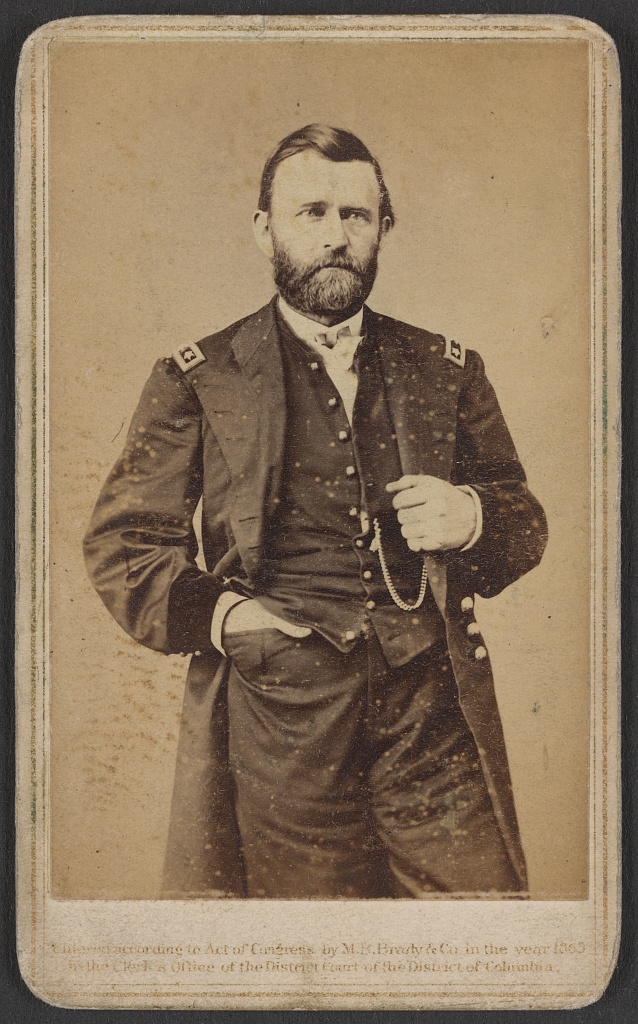
The source image could not be loaded. Use the source reference below.
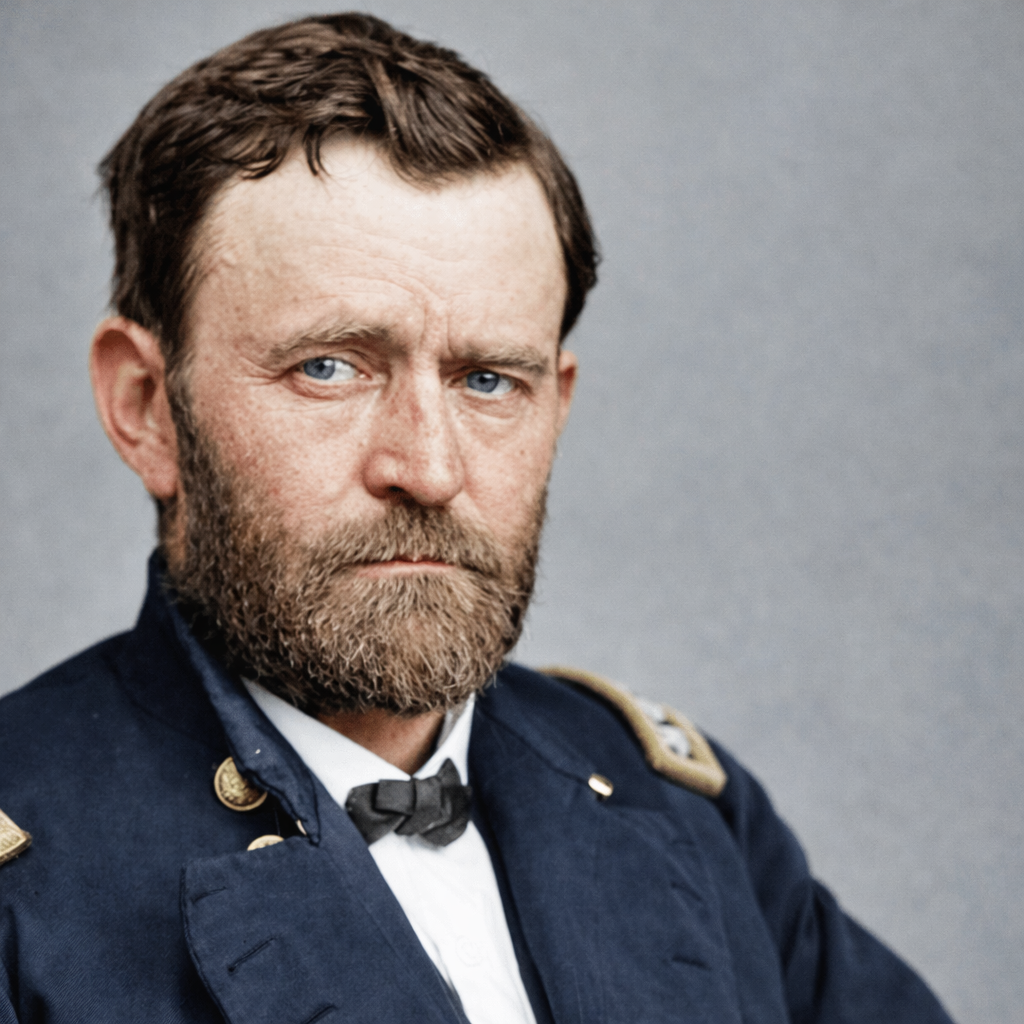
See the project's colorized portrait
Follow this person through GIBBS
Grant appears in the wartime story after Fort Donelson. Follow his military context separately from the book's explicitly hypothetical suggestion that Gibbs might have entered an earlier West Point class.
Explore the connected chapters and research →- Highest Substantive Rank
- Lieutenant General
- Branch
- USA
- West Point
- Yes
- USMA Class
- 1843
- Notes
- USMA, 1843; Received the Thanks of Congress (December 17, 1863); Received the Congressional Gold Medal (December 17, 1863); First full-grade Lieutenant General since George Washington; First General since George Washington (July 25, 1866); General-in-Chief (1864–1869); 18th President of the United States (1869–1877)
Biographical overview
Imported from the existing database. This summary has not received a new editorial review and is not primary evidence.
Ulysses S. Grant (1822–1885) graduated from West Point in 1843 and served in the Mexican War before leaving the army and drifting through a string of civilian failures. The Civil War remade him. Given a volunteer command in 1861, he captured Forts Henry and Donelson, weathered the bloody surprise at Shiloh, and in July 1863 took Vicksburg, splitting the Confederacy along the Mississippi and making himself the North's most successful general.
Promoted to lieutenant general in 1864 — a rank not held since Washington — Grant came east to confront Robert E. Lee directly, grinding through the Overland Campaign and the siege of Petersburg until Lee surrendered at Appomattox in April 1865. His insistence on generous surrender terms helped bind the nation's wounds. He went on to serve two terms as the eighteenth President of the United States and, dying of cancer, finished his acclaimed memoirs days before his death.