Start with the guided reading below, or search this chapter for a person, quotation or topic. Follow the writing and evidence behind this part of GIBBS.
What would you like to explore in No One to Present His Case?
Go beyond the book · No One to Present His Case
Trace the campaign for a general’s star
Battlefield service did not automatically produce an appointment. The chapter follows George’s effort to put Alfred’s case before the officials who could act on it.
New to these records? A little context.
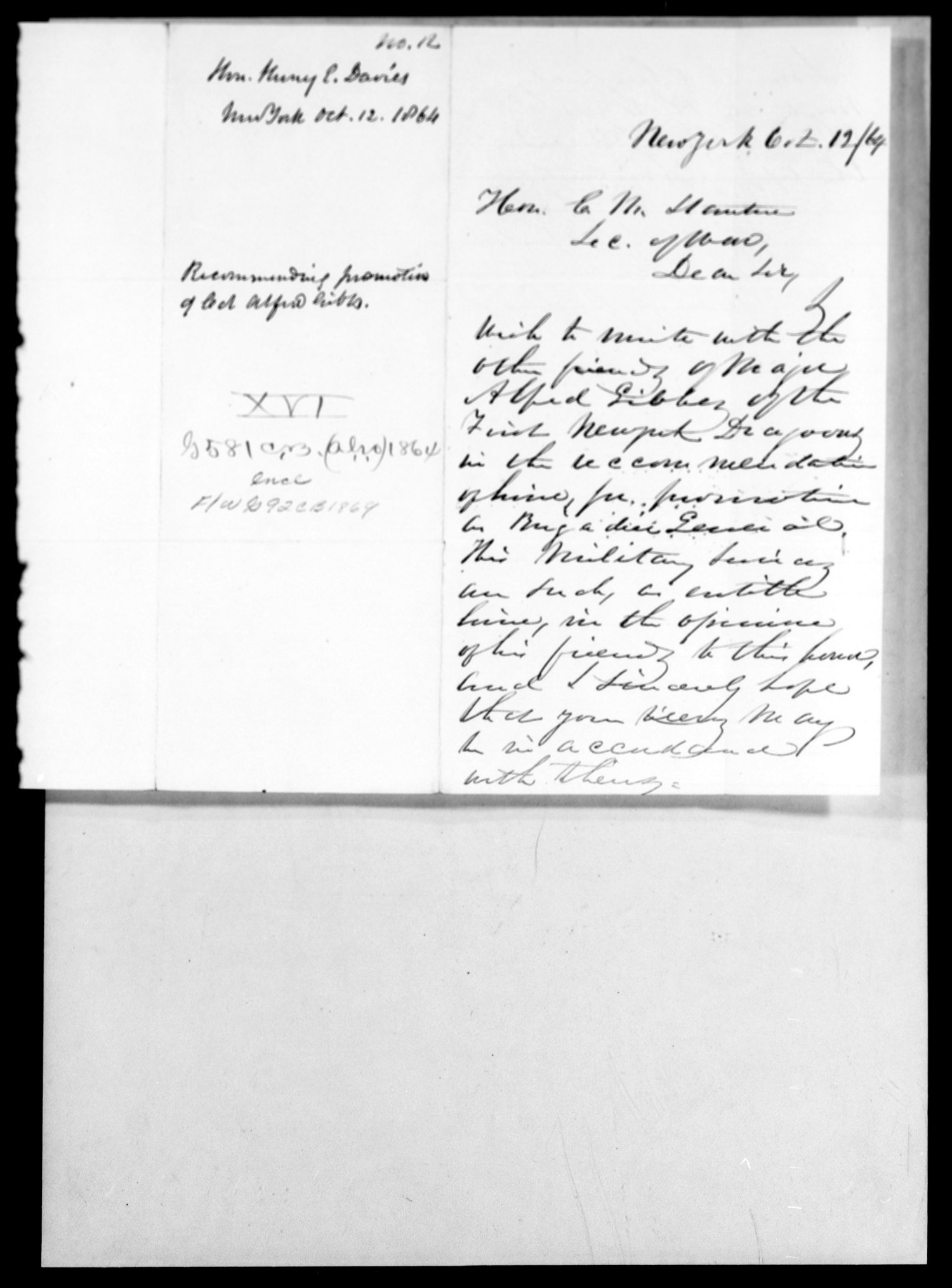
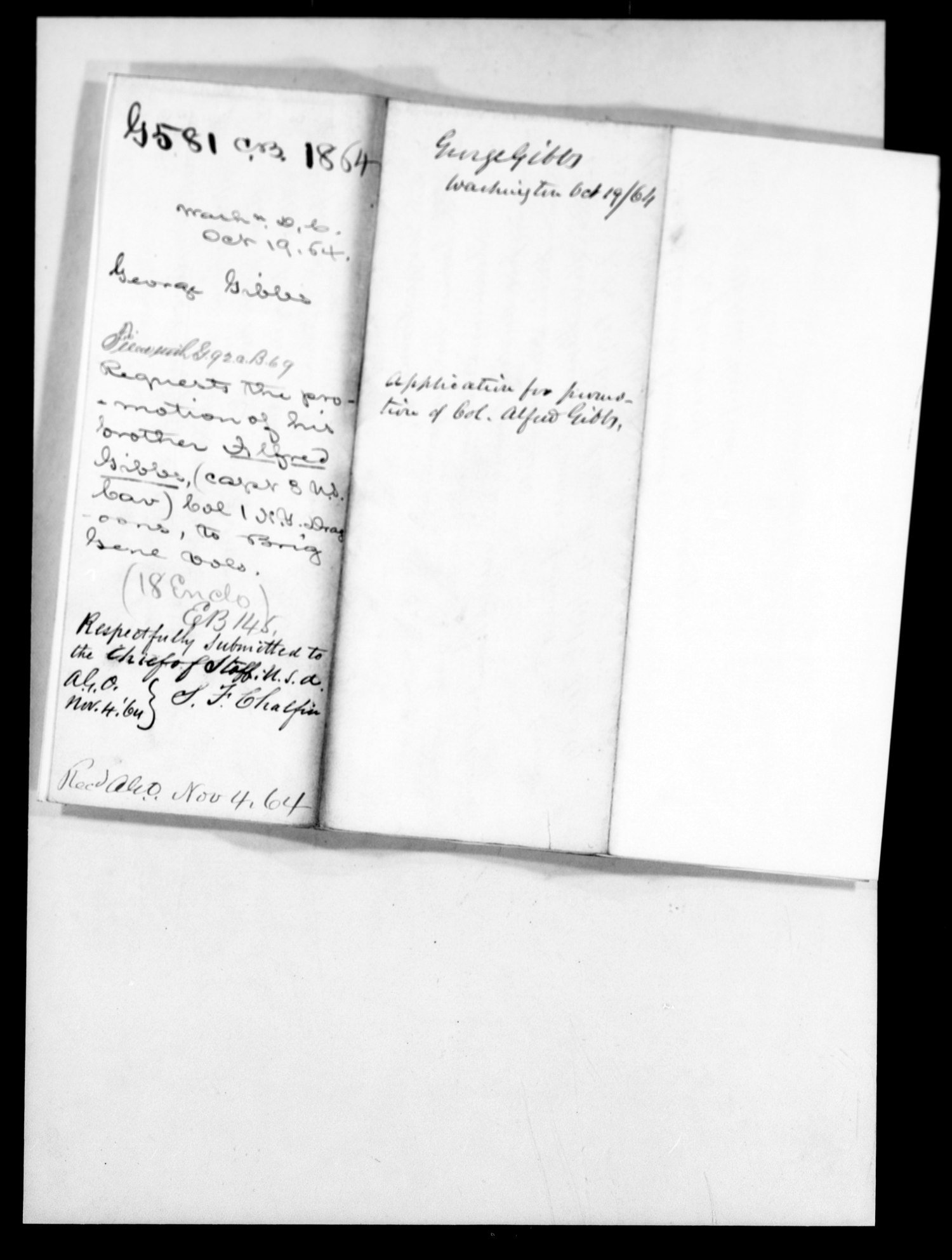
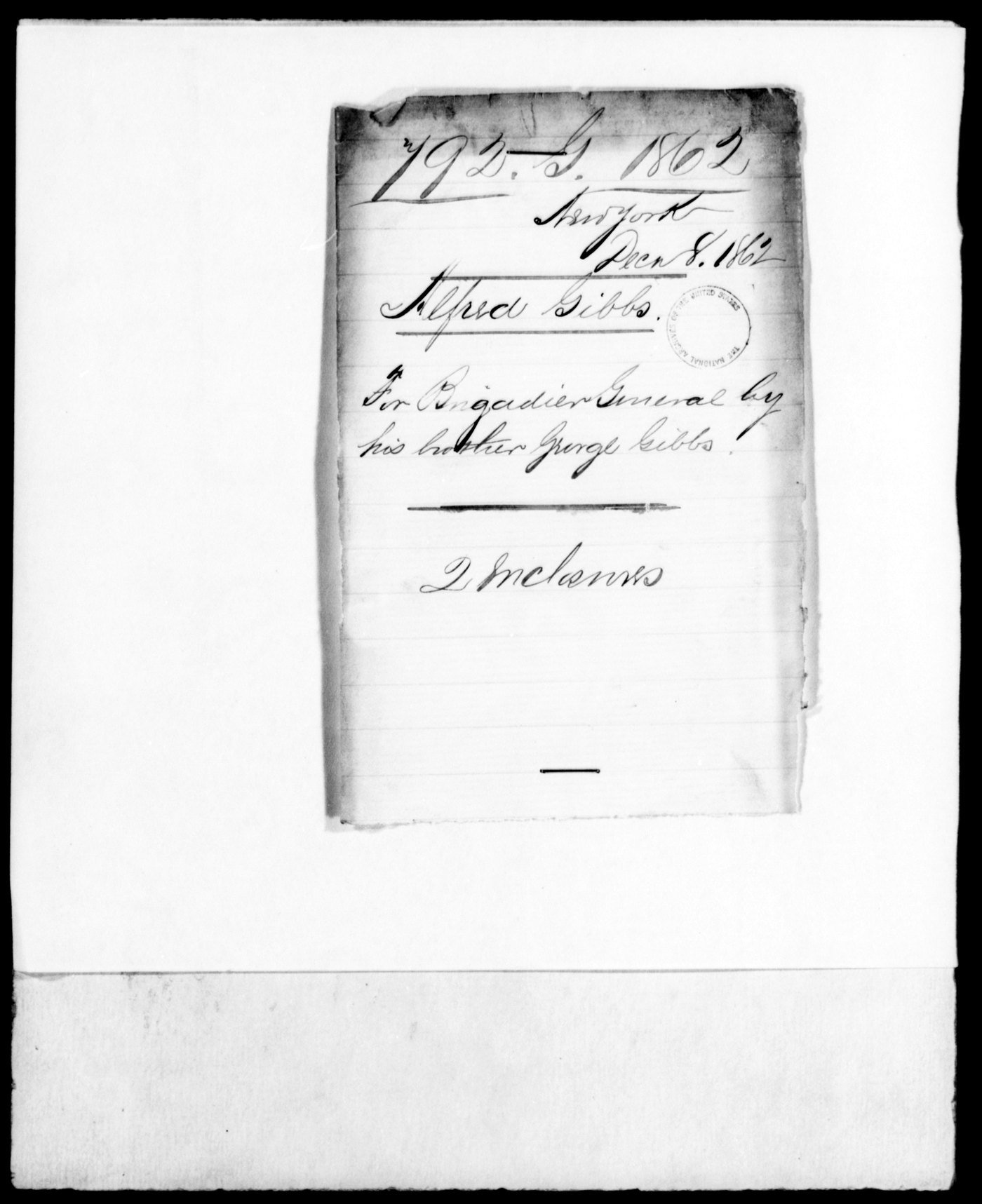
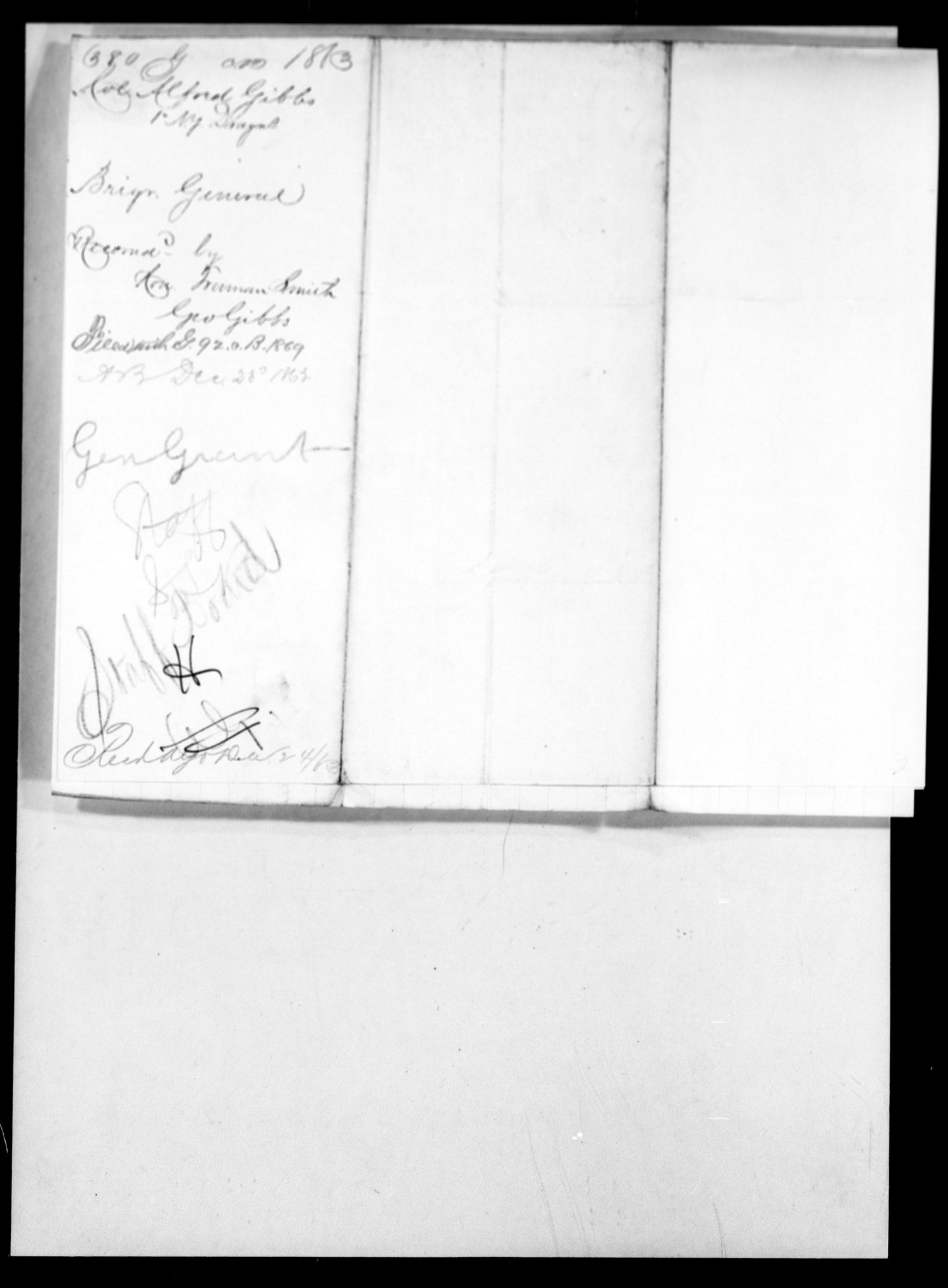
A docket is an office’s summary or filing note; it may be on a wrapper rather than in the letter. An endorsement is another official’s response or forwarding note. Read each voice and date separately. A transcription is a reading of a document, with uncertain words marked where the exhibit provides them.
How did private advocacy become an official appointment?
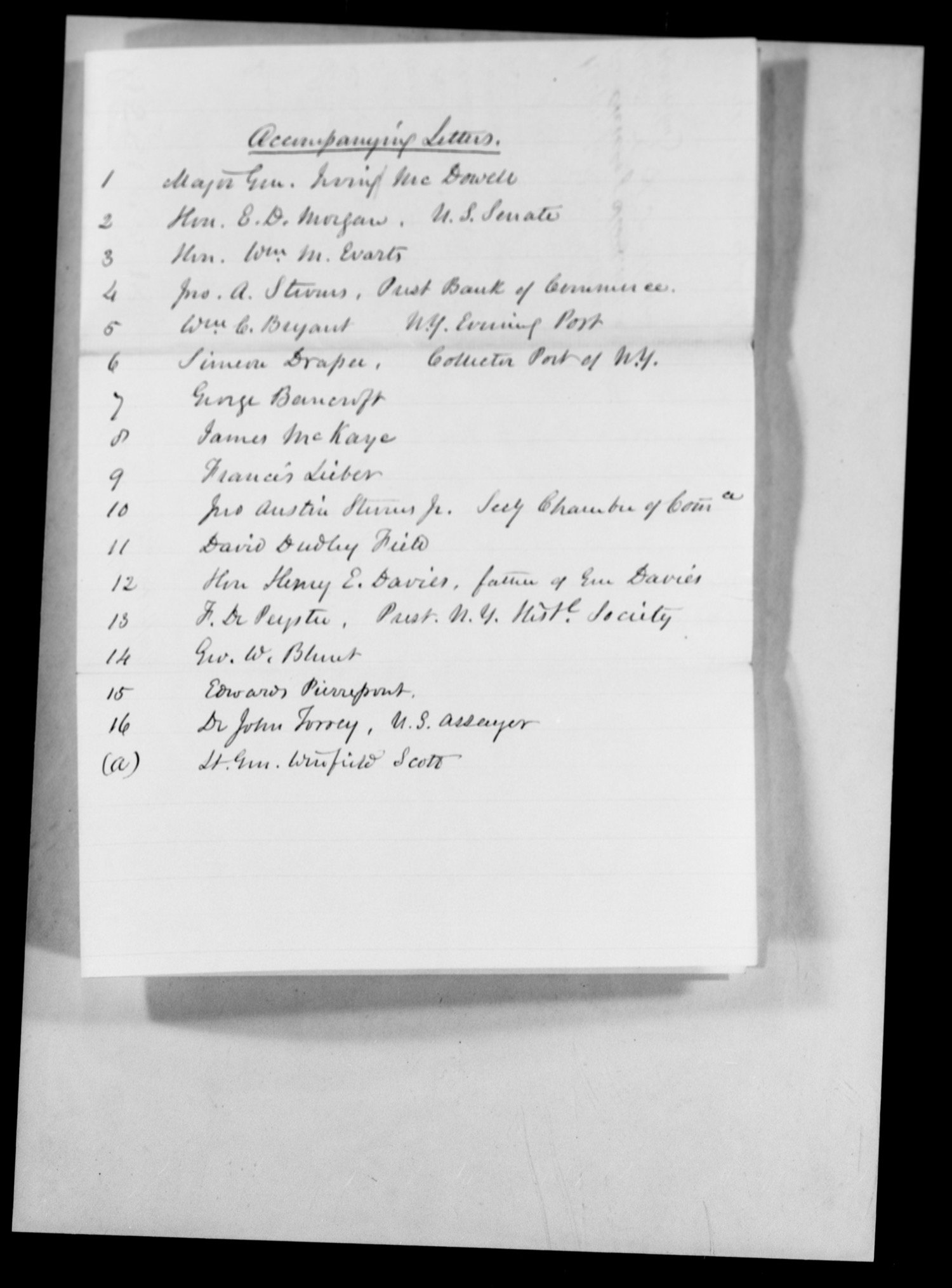
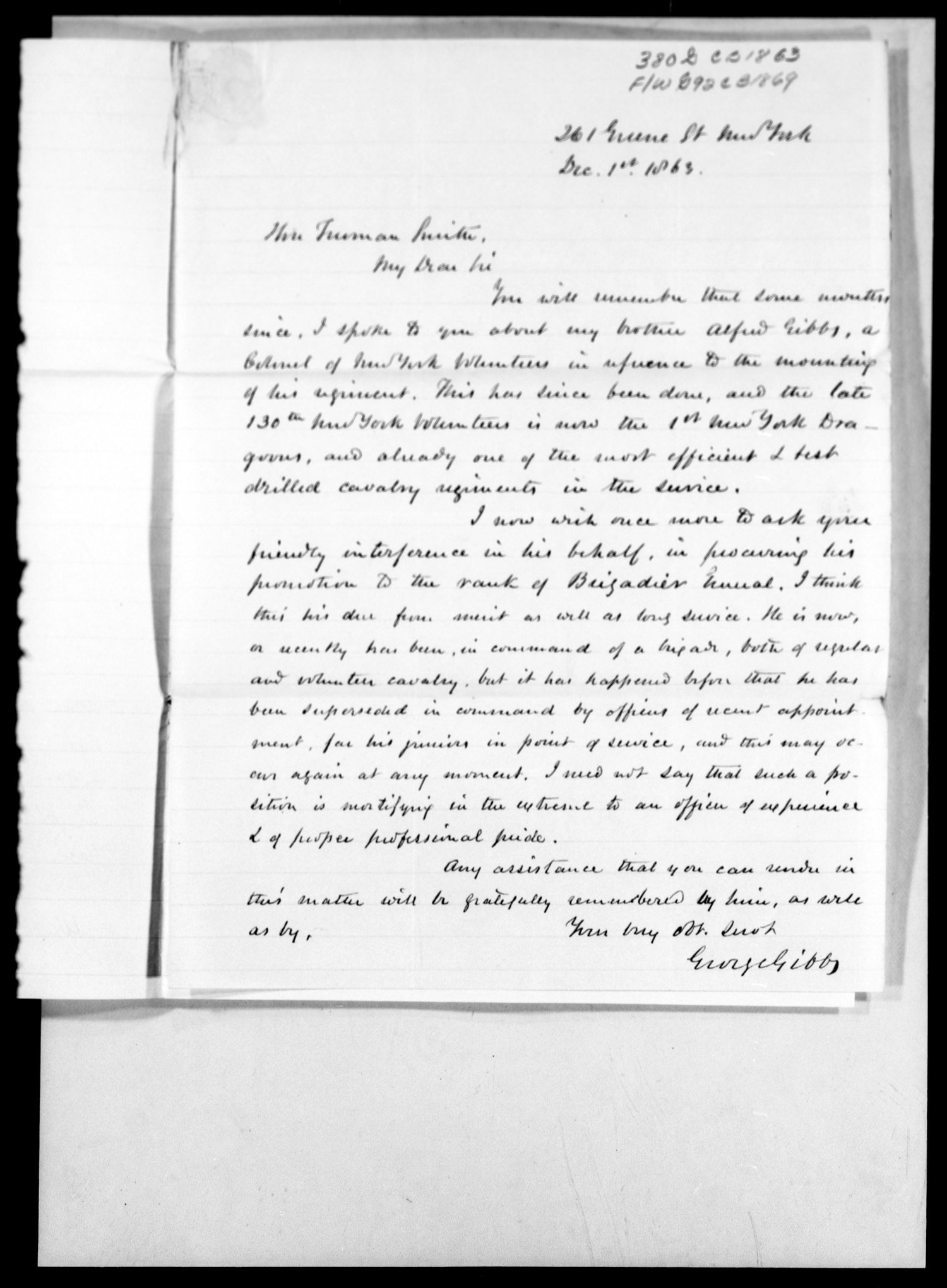
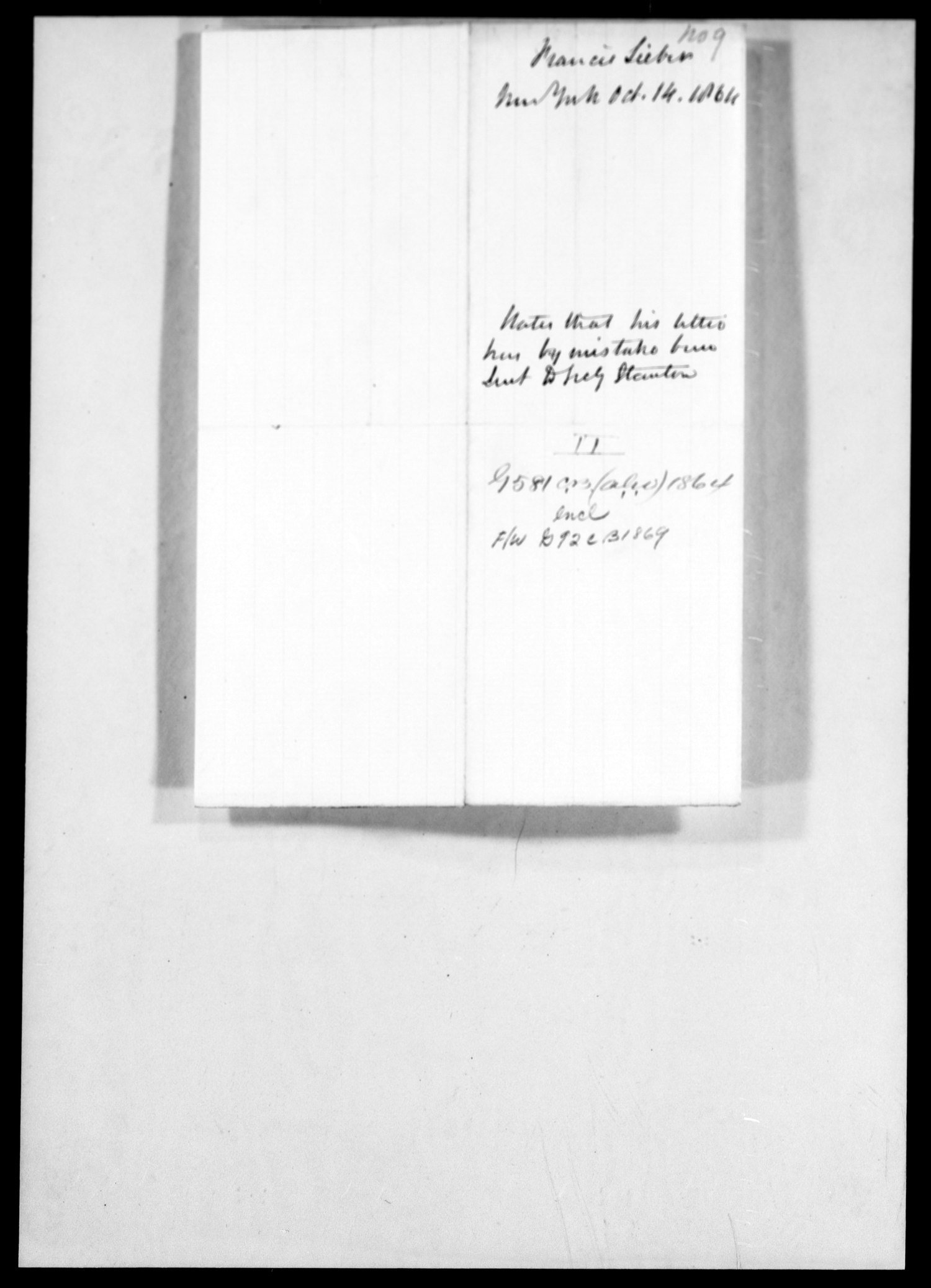
gibbs-1864-campaign-gibbs-enclosure-list · From the linked account. Its original credits and image status are preserved there.
Read the source exhibit & its explanation
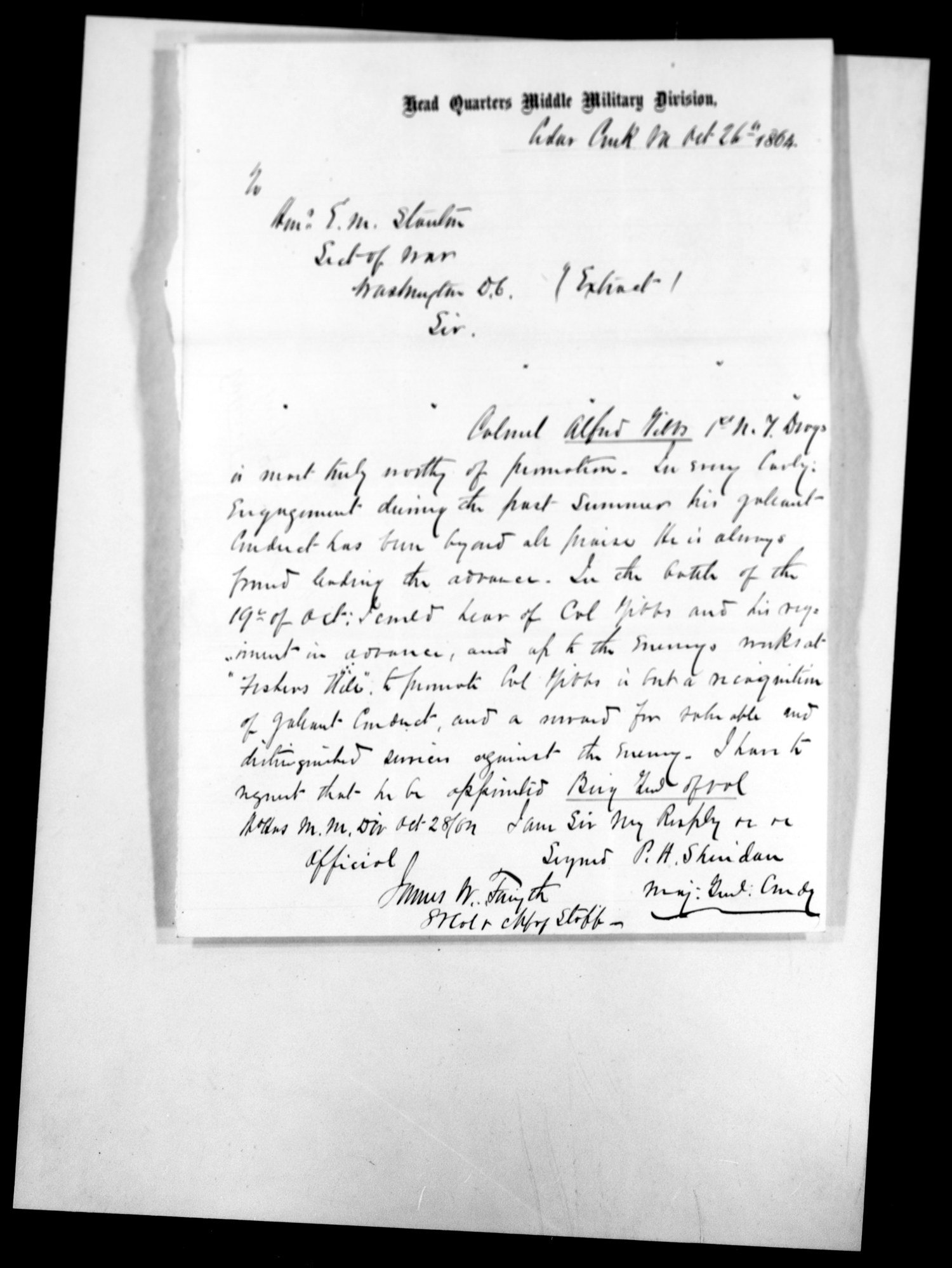
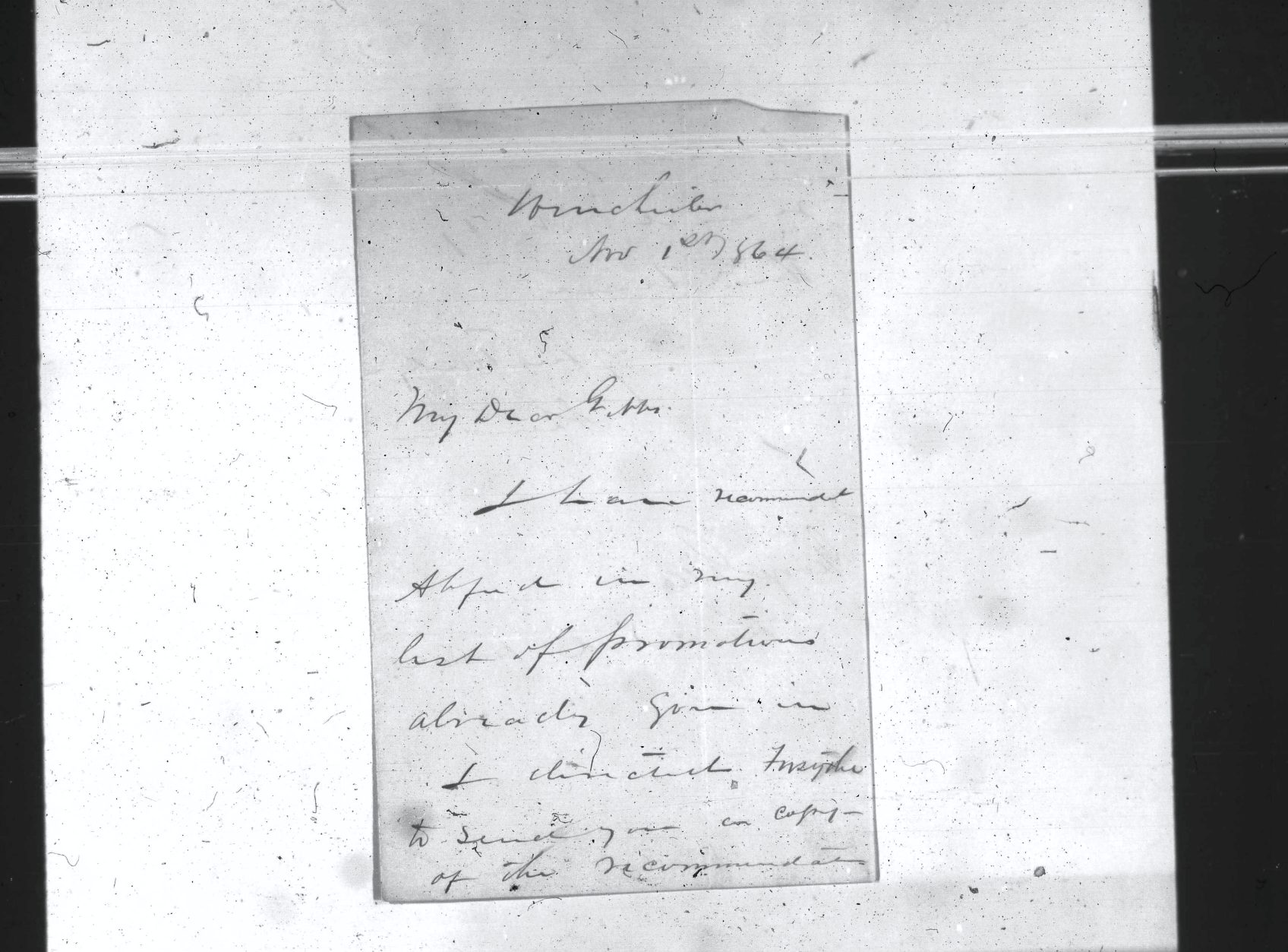
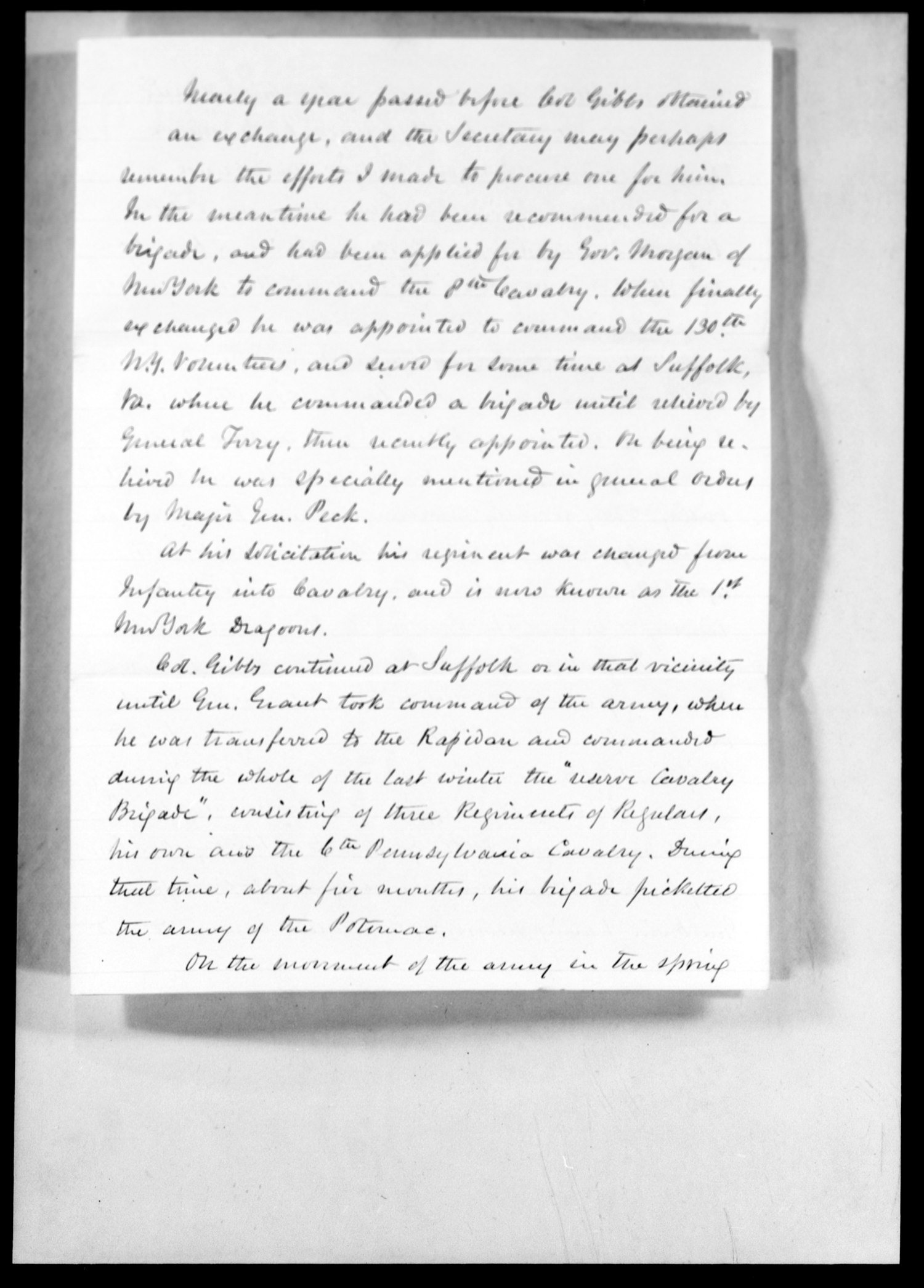
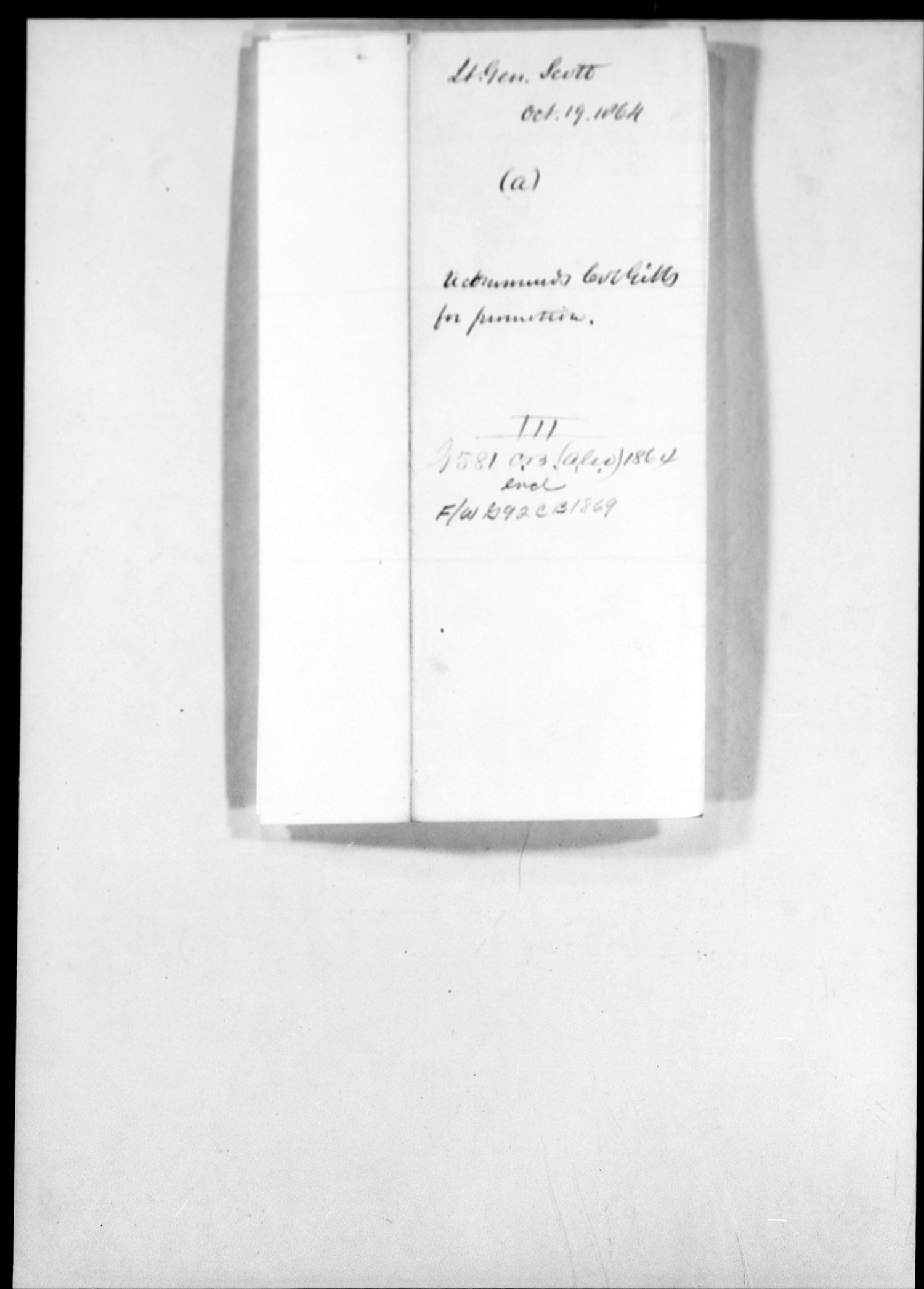
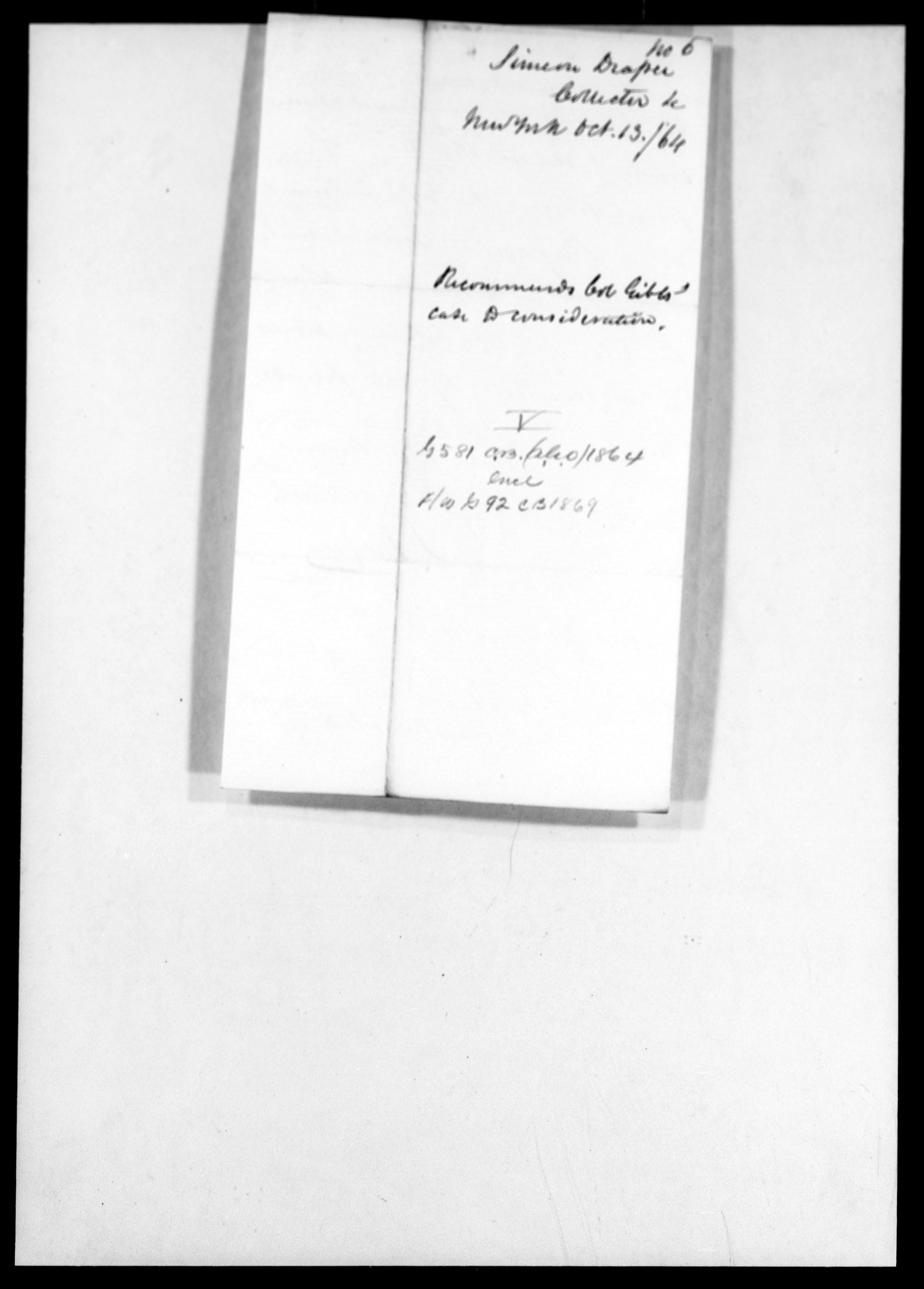
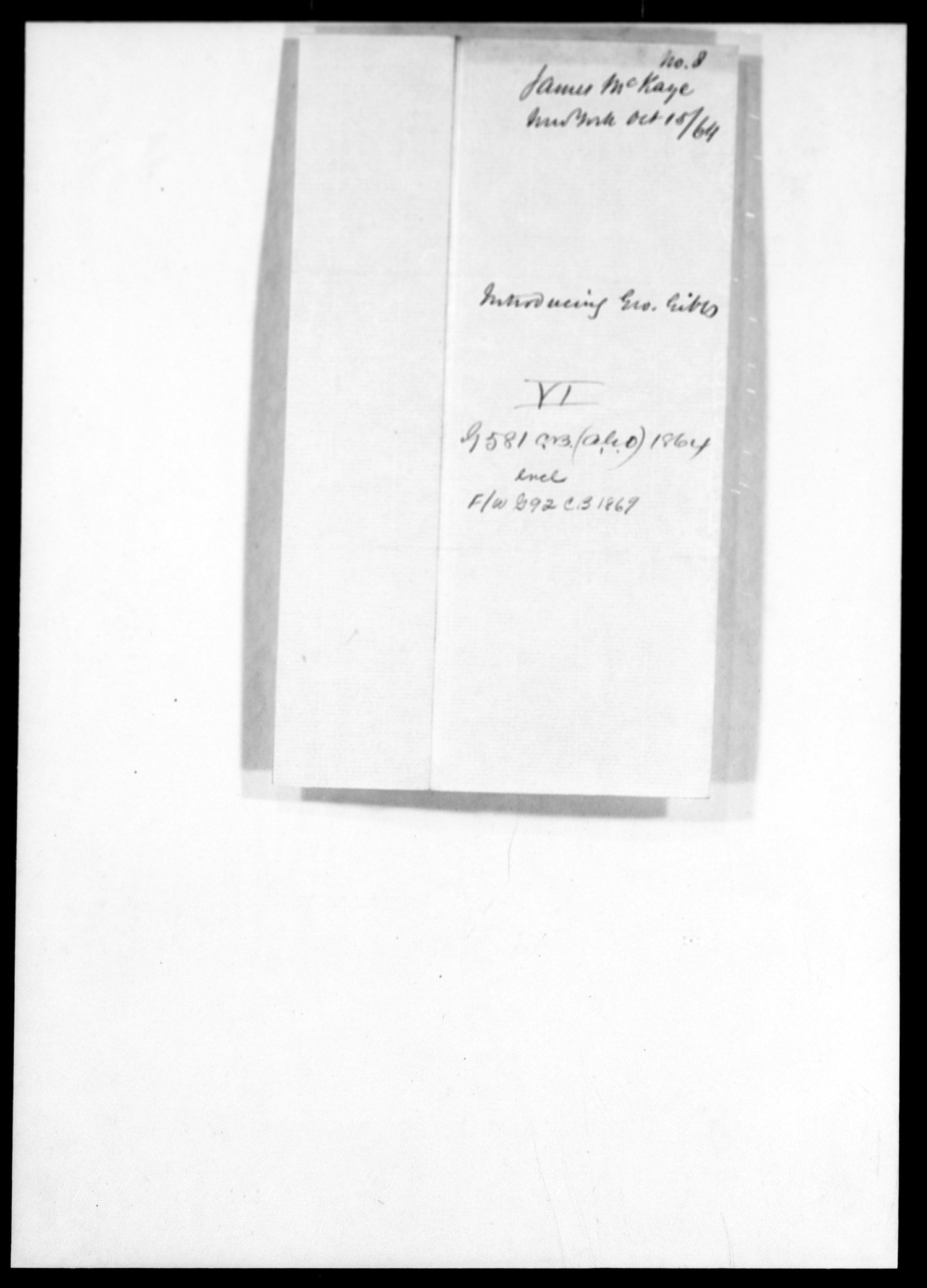
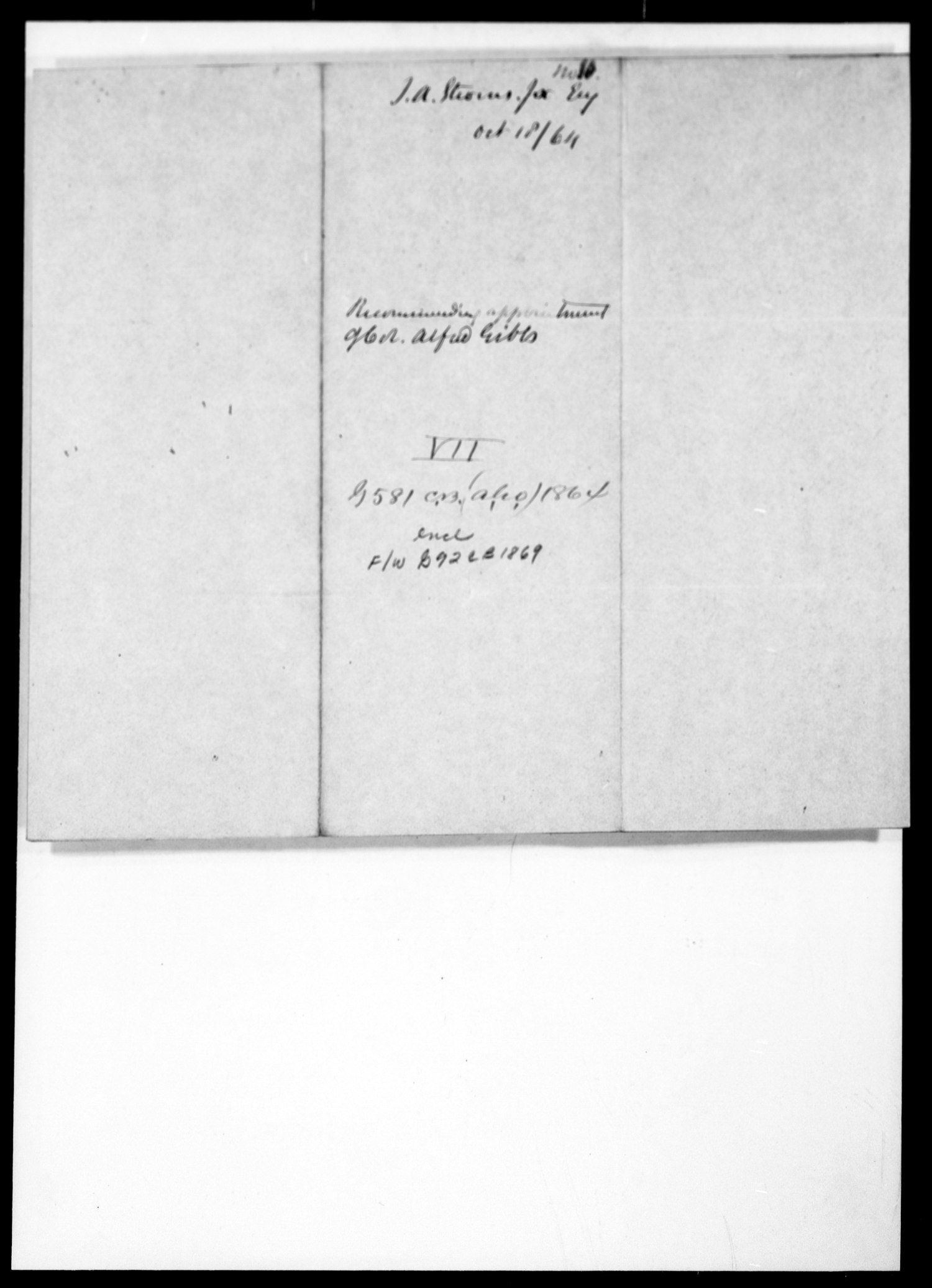
The promotion campaign: letters and enclosure list
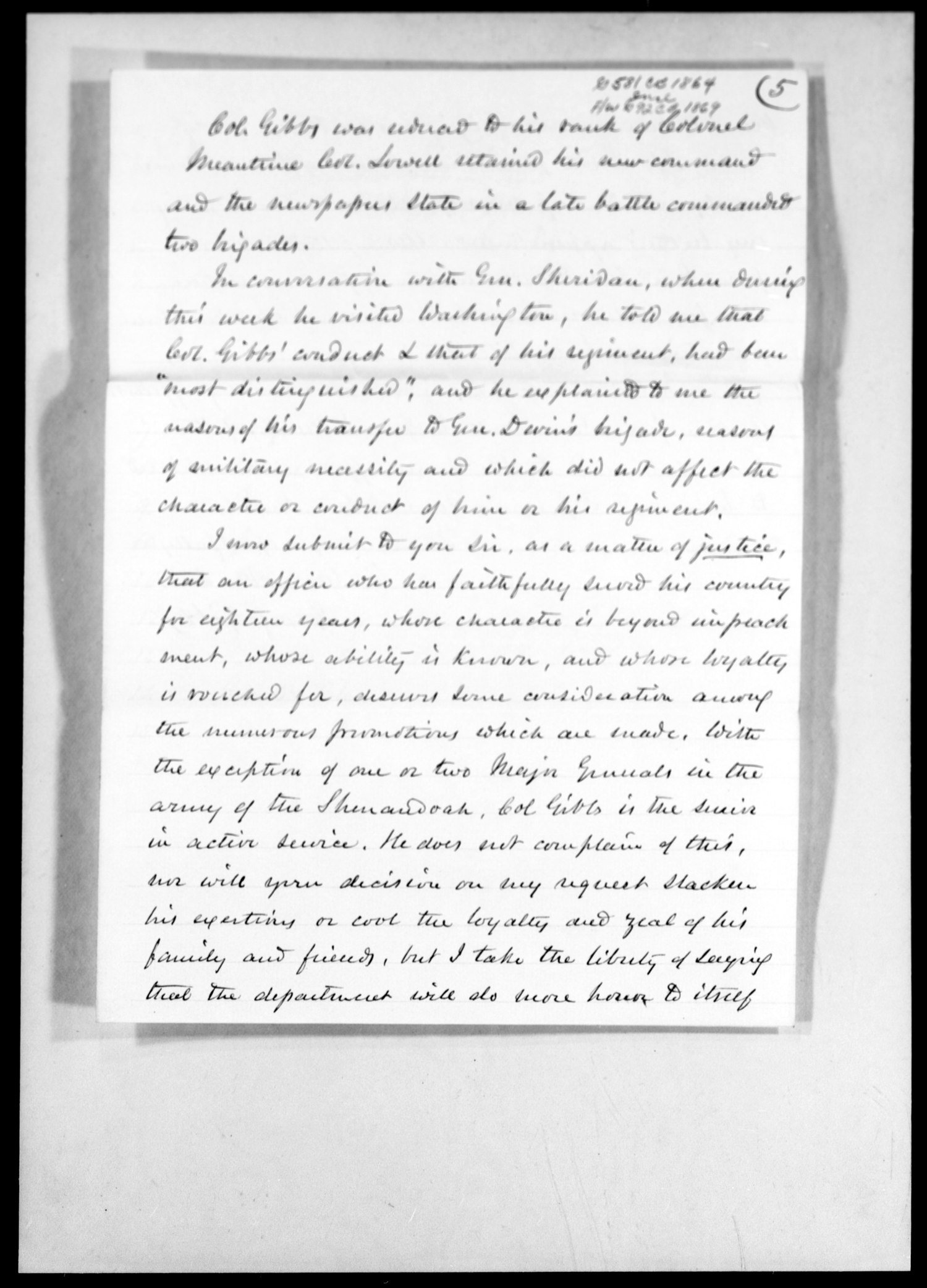
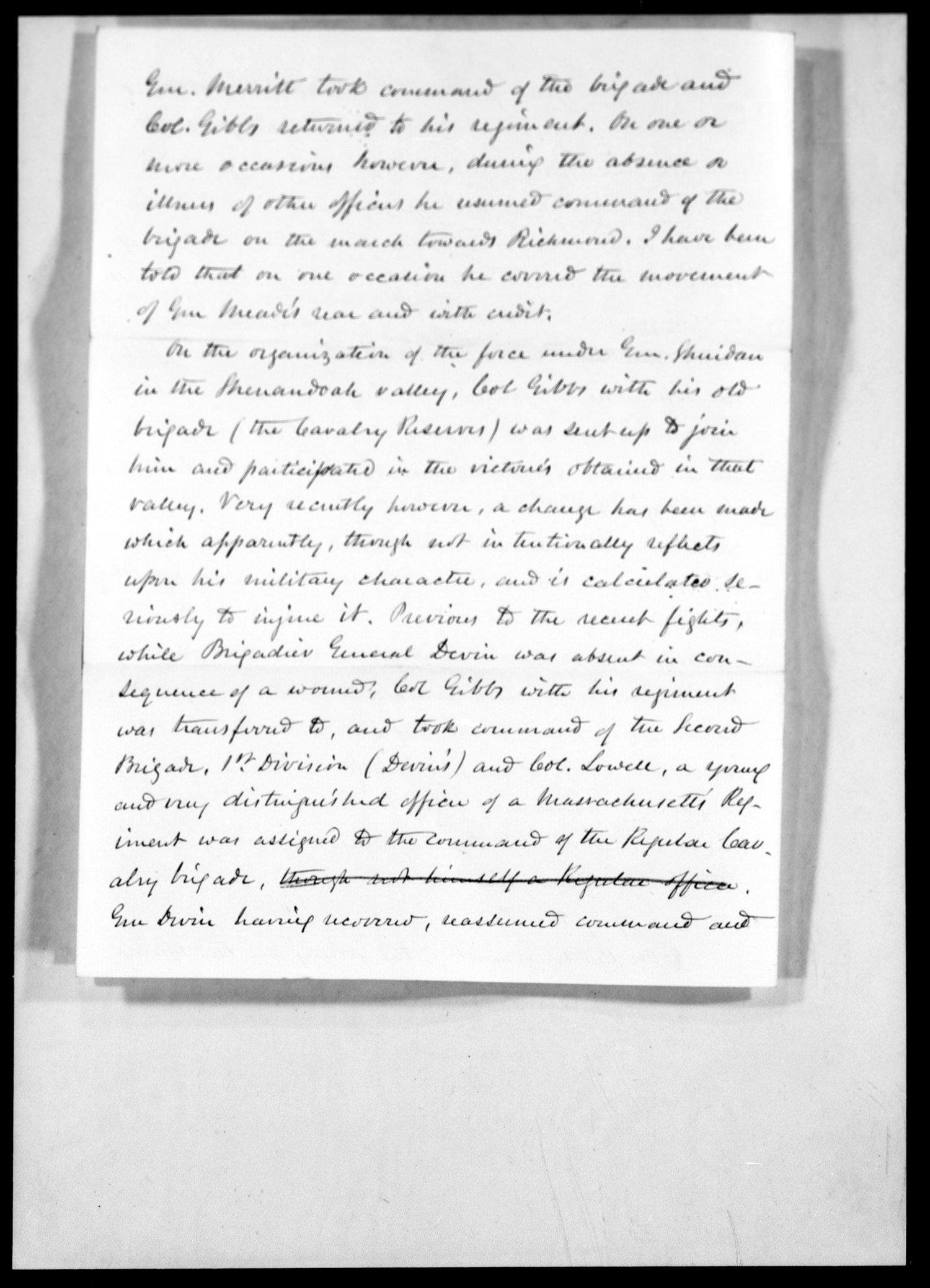
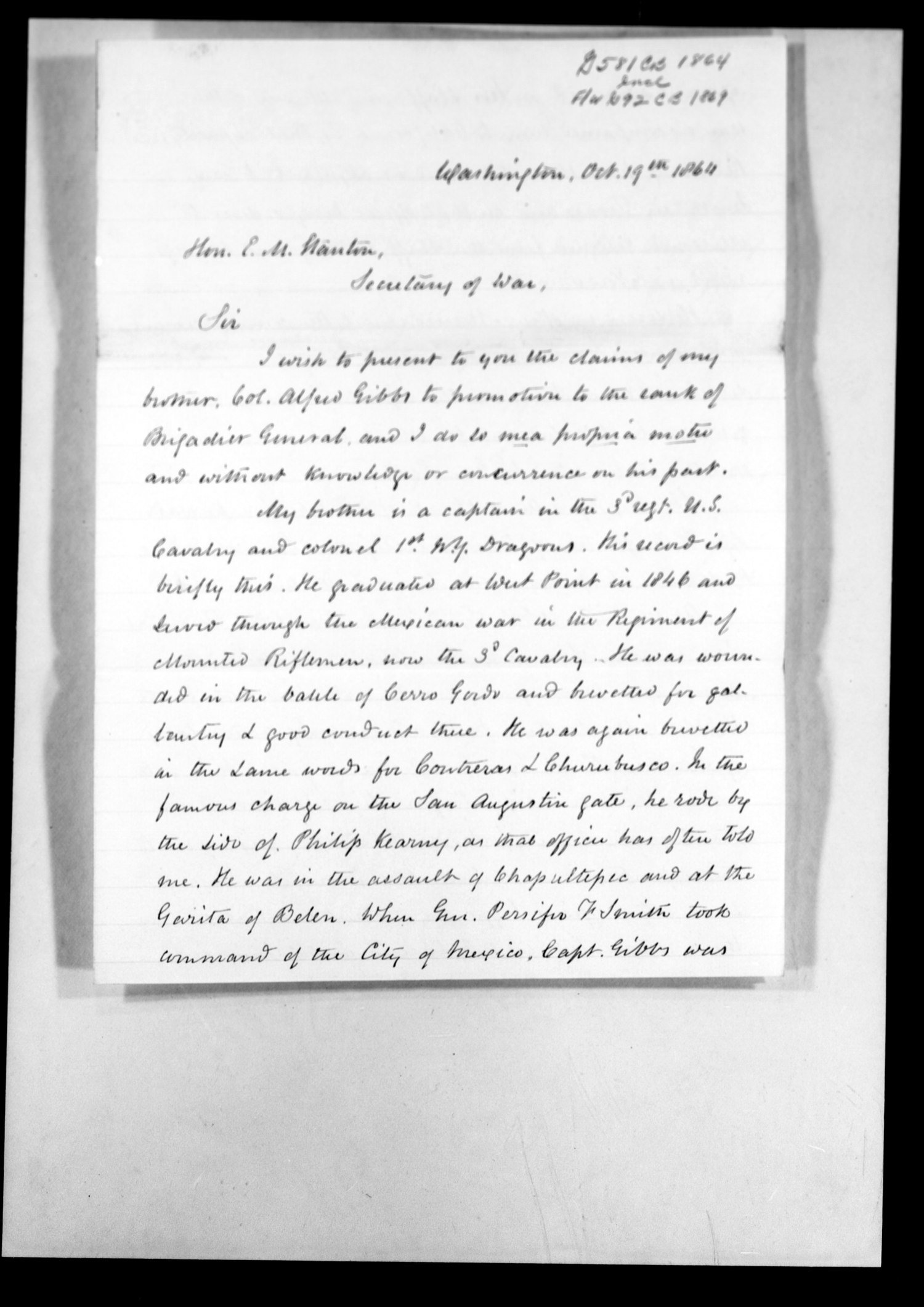
The investigation assembles George’s enclosure list and the letters it names, with original pages and transcriptions. Readers can trace who recommended, introduced, or decided.
What to examine: Choose one recommendation and compare it with the list of enclosures. Track its date and addressee, then distinguish that appeal from the acceptance and oath.
Keep this distinction in mind: Several recommendations in one packet are not several appointments. Distinguish family advocacy, professional testimony, and the final administrative act.
Keep your question in view as you explore. The reading tray retains No One to Present His Case. Close it to return to this point, or deliberately choose to explore outside the chapter.
Follow a life beyond the page
People you meet here
The book brings you into these lives. Follow a person to the family, service and research records available here. Pension material is identified separately from biography and recollection.
This is the cavalry general, the son of Judge Henry E. Davies. The judge supported Gibbs’s promotion; the letter discussed in this chapter belongs to the father, not the general. Keeping the two men separate is essential to following that recommendation.
Forsyth certified a copy of Sheridan's recommendation for Gibbs. An endorsement or certified copy can reveal how a document traveled, even when its signer is not the subject of the recommendation.
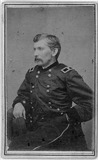
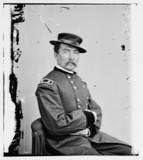
Sheridan connects the Academy's personal relationships with later cavalry command. Follow the people, recommendations and battle accounts rather than relying on a single famous image of the commander.
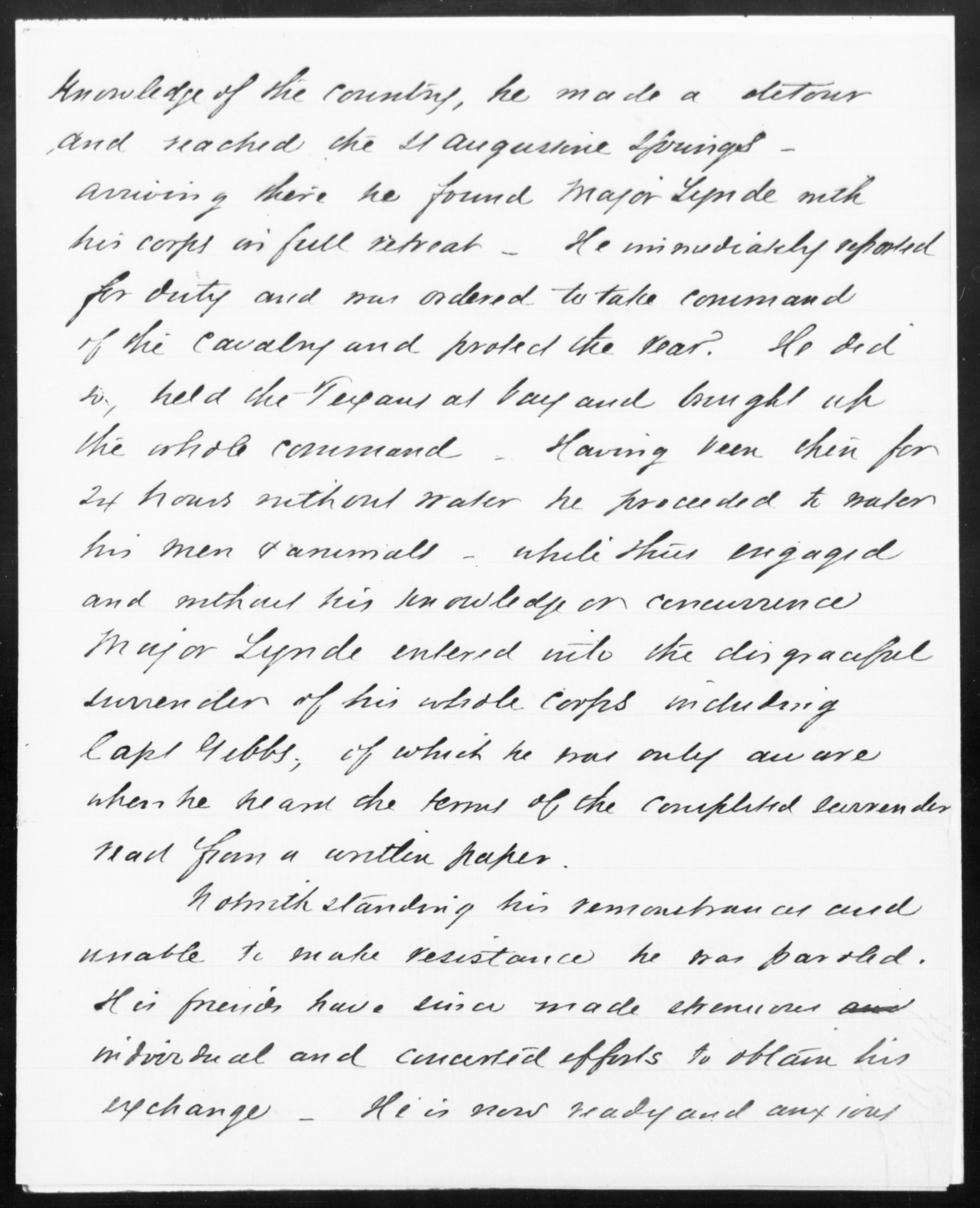
Kearny's charge in Mexico provides a parallel to the young Gibbs's wartime experience. Follow the officer's identity before comparing their later Civil War reputations.
Devin commanded the brigade into which the Dragoons moved during the Valley campaign. His role helps locate the regiment within the changing command structure above it.
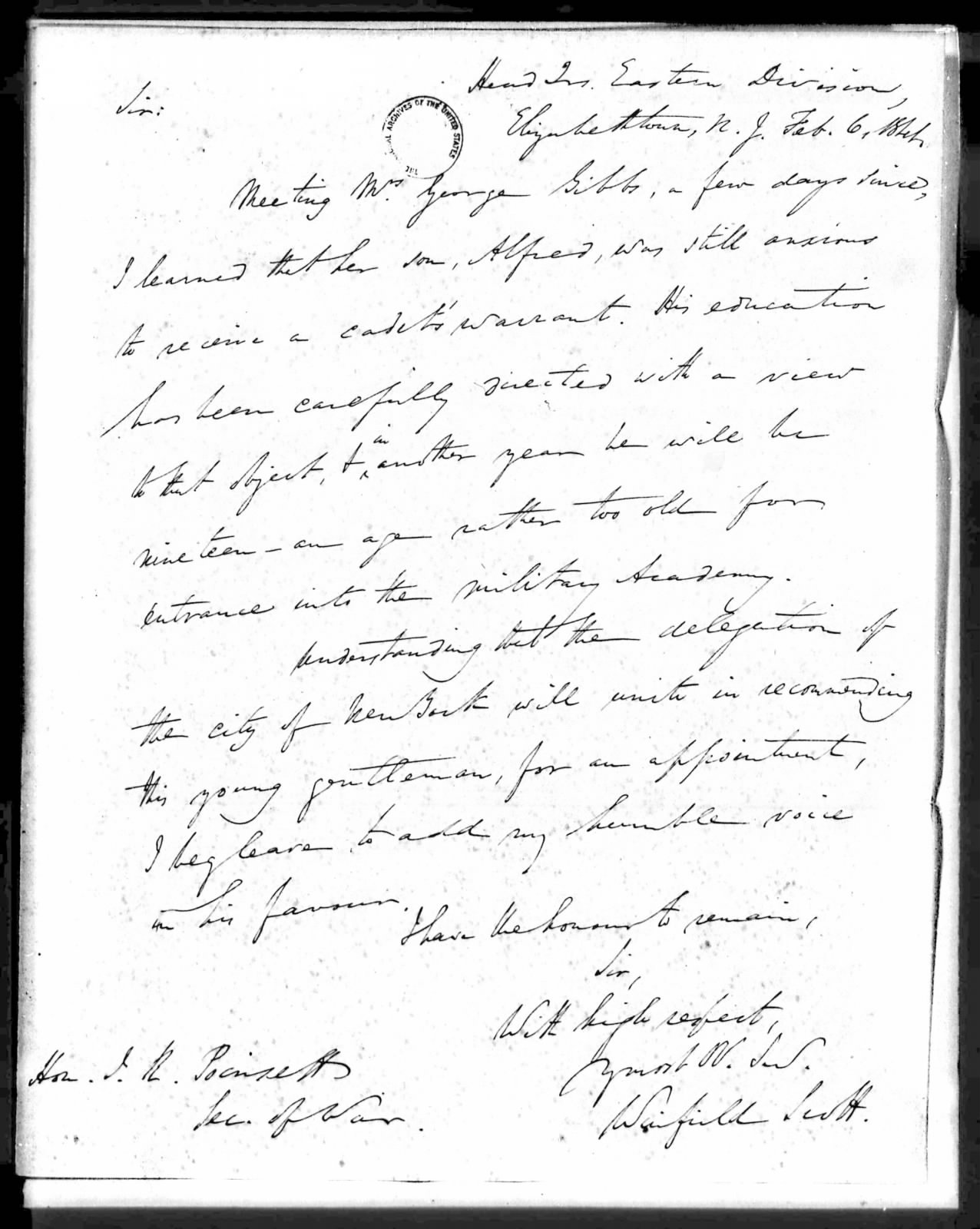
Scott recommended Alfred for West Point and later commanded the army in Mexico. Follow the recommendation and the campaign as distinct kinds of evidence about their relationship.
These connections come from the v172 manuscript and existing subject pages. A pension not connected here may still exist elsewhere. Namesakes and uncertain identities are not silently joined.
Follow the words into the evidence
What caught your attention?
Find a line from your reading, then follow its document and the record around it. Matching words helps locate evidence; checking who wrote them, when, and why helps you understand it.