Your book journey: Yorktown and the Peninsula · June 20 to July 10, 1863.
What would you like to explore in Furnish Half the Horses?
Go beyond the book · Furnish Half the Horses
Test a regimental tradition with wartime letters
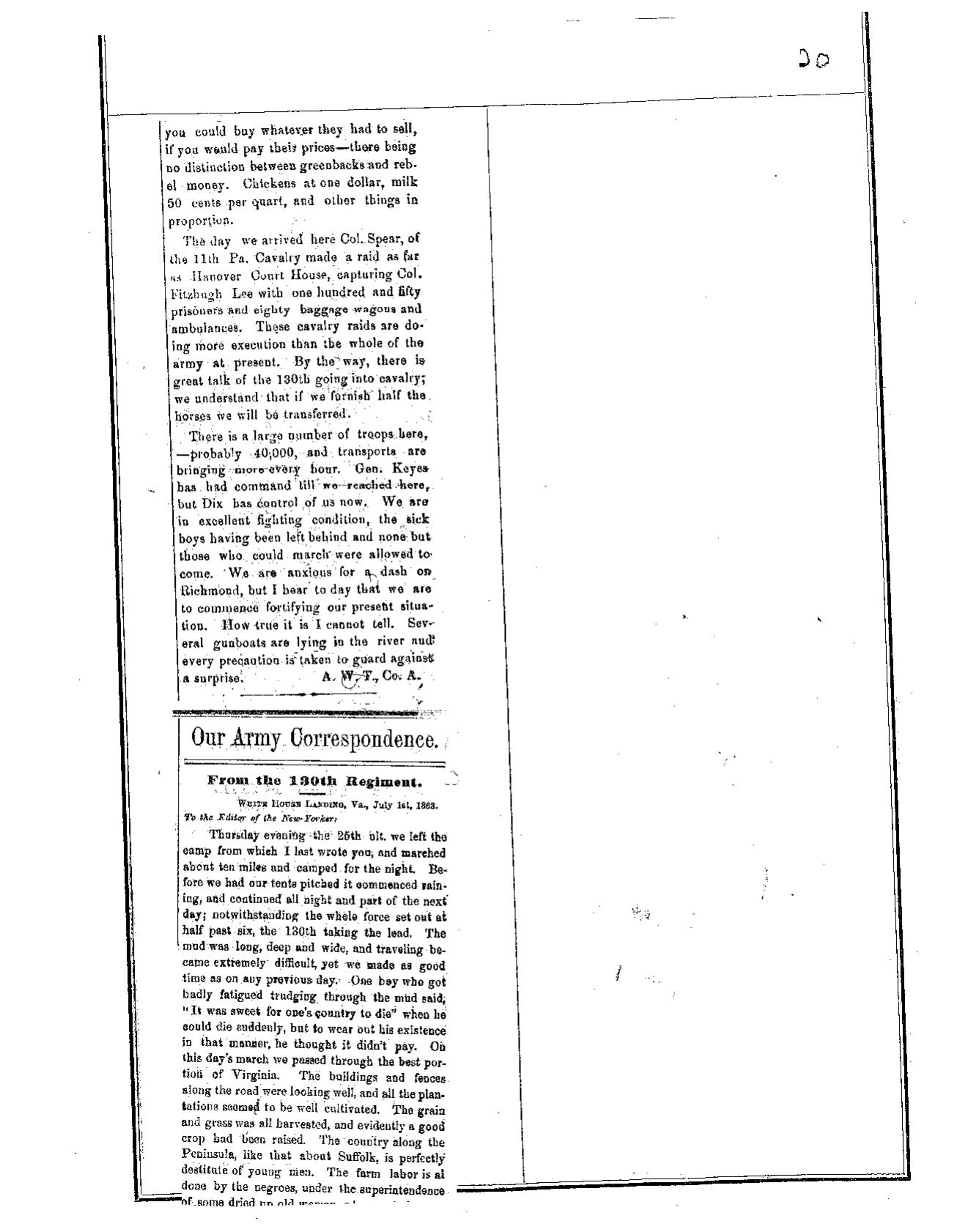
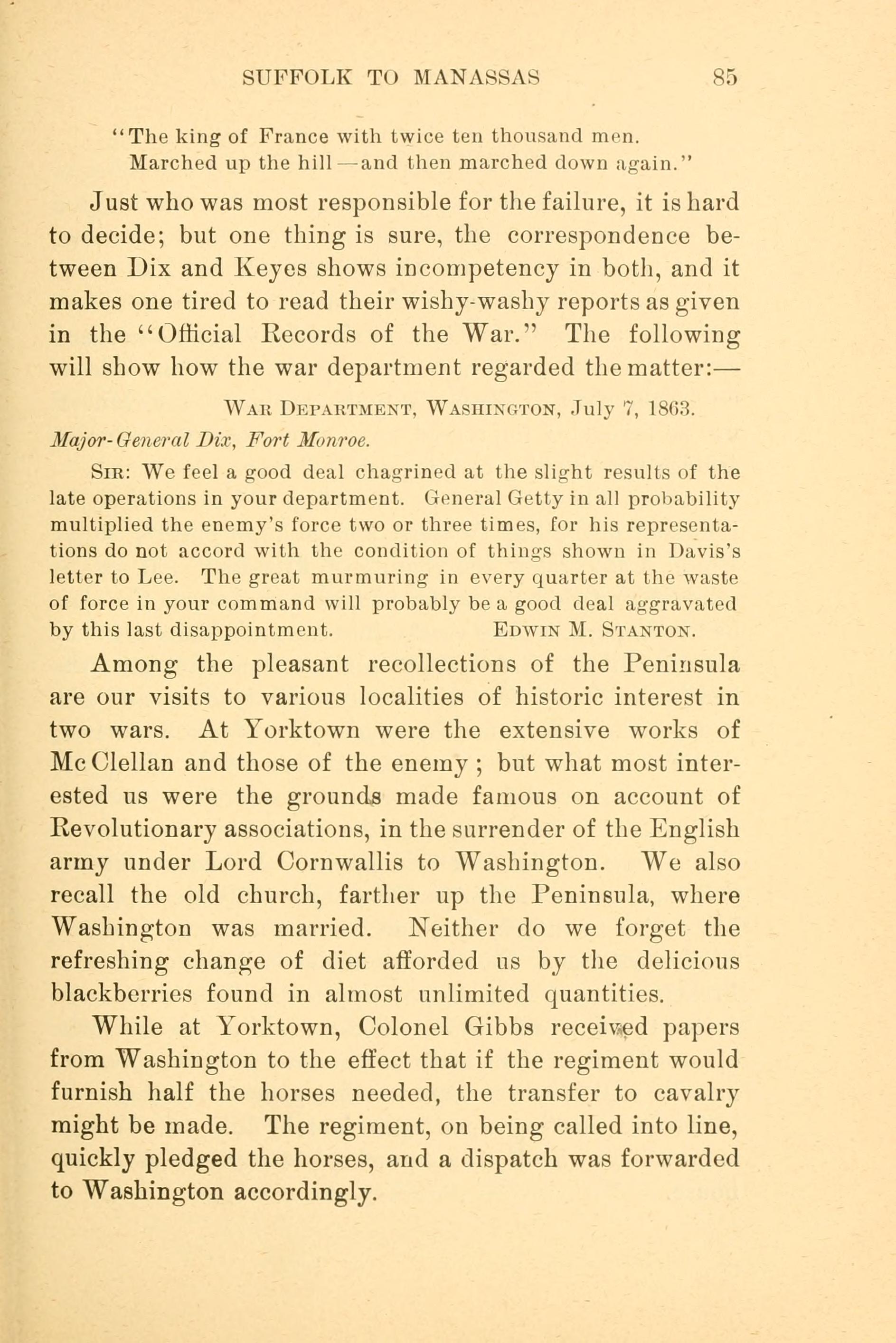
The move from infantry to cavalry needed horses as well as a new name. A claim in Bowen’s later history can be examined alongside letters written while the change was happening.
New to these records? A little context.
A research account can combine historical documents, later recollections, images, and the author’s interpretation. Start with its source notes and captions. Ask who made each item, when it was made, and what kind of question it can answer.
Did the regiment really have to furnish half its horses?
Furnish Half the Horses video poster · From the linked account. Its original credits and image status are preserved there.
Read the source exhibit & its explanation
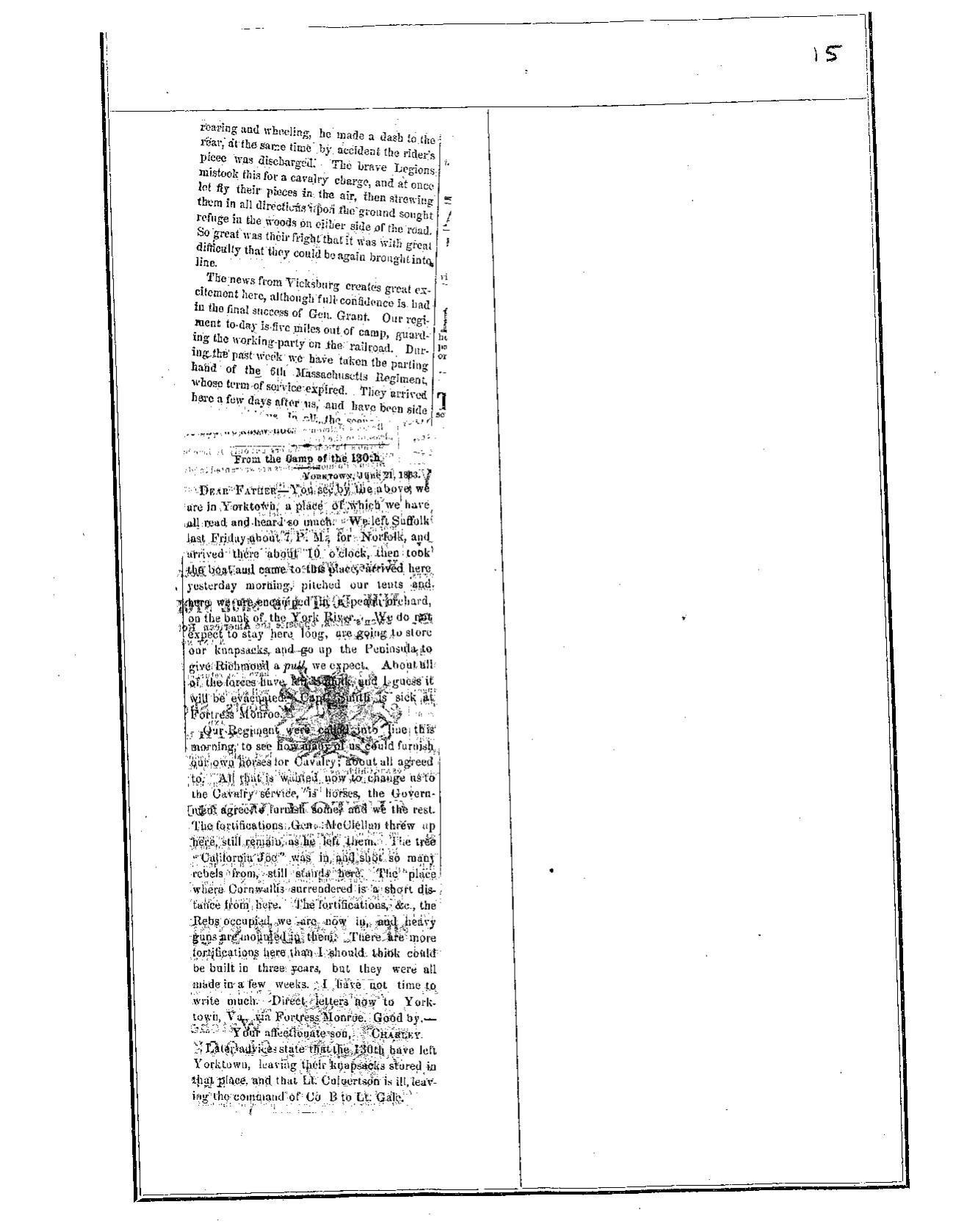
The horse bargain: later history and wartime letters
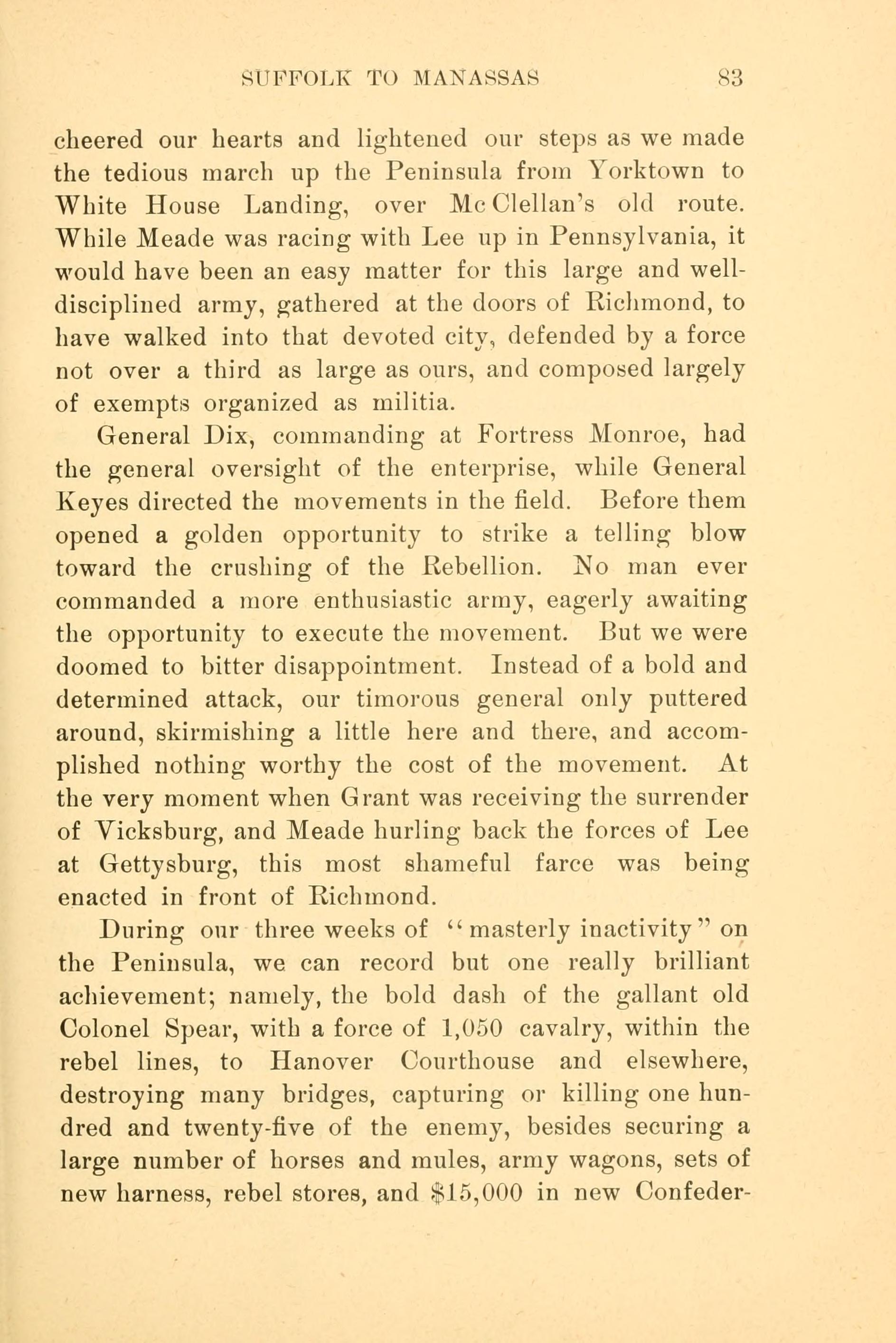
The investigation compares Bowen’s account with contemporary newspaper letters and private correspondence identifying the men sent to buy animals. It demonstrates how research can strengthen or challenge an inherited story.
What to examine: Start with the condition in Bowen, then compare the dates and wording of the wartime letters. Identify which claims are independently repeated and which concern a different part of the process.
Keep this distinction in mind: A repeated claim is not automatically independent corroboration. Check whether one writer could be copying another before counting separate witnesses.
Keep your question in view as you explore. The reading tray retains Furnish Half the Horses → Yorktown and the Peninsula. Close it to return to this point, or deliberately choose to explore outside the chapter.
Follow a life beyond the page
People you meet here
The book brings you into these lives. Follow a person to the family, service and research records available here. Pension material is identified separately from biography and recollection.
5 connected people in this section · Showing 1 to 5
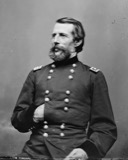
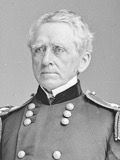
Keyes commanded during the expedition toward Richmond that disappointed the regiment. Compare a soldier's judgment of that operation with the command responsibilities above him.
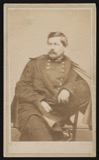
McClellan was Gibbs's West Point classmate before he became a Union commander. Garland's connected essays and letters let you explore those relationships beyond the familiar public reputation.
Dix appears in political discussion and in the military reporting above Suffolk. The role he holds at the moment of a letter matters more than the title a later biography gives him.
Lee appears first within the small professional and social world of the prewar army. Keep the date in view when following relationships that later crossed opposing sides.
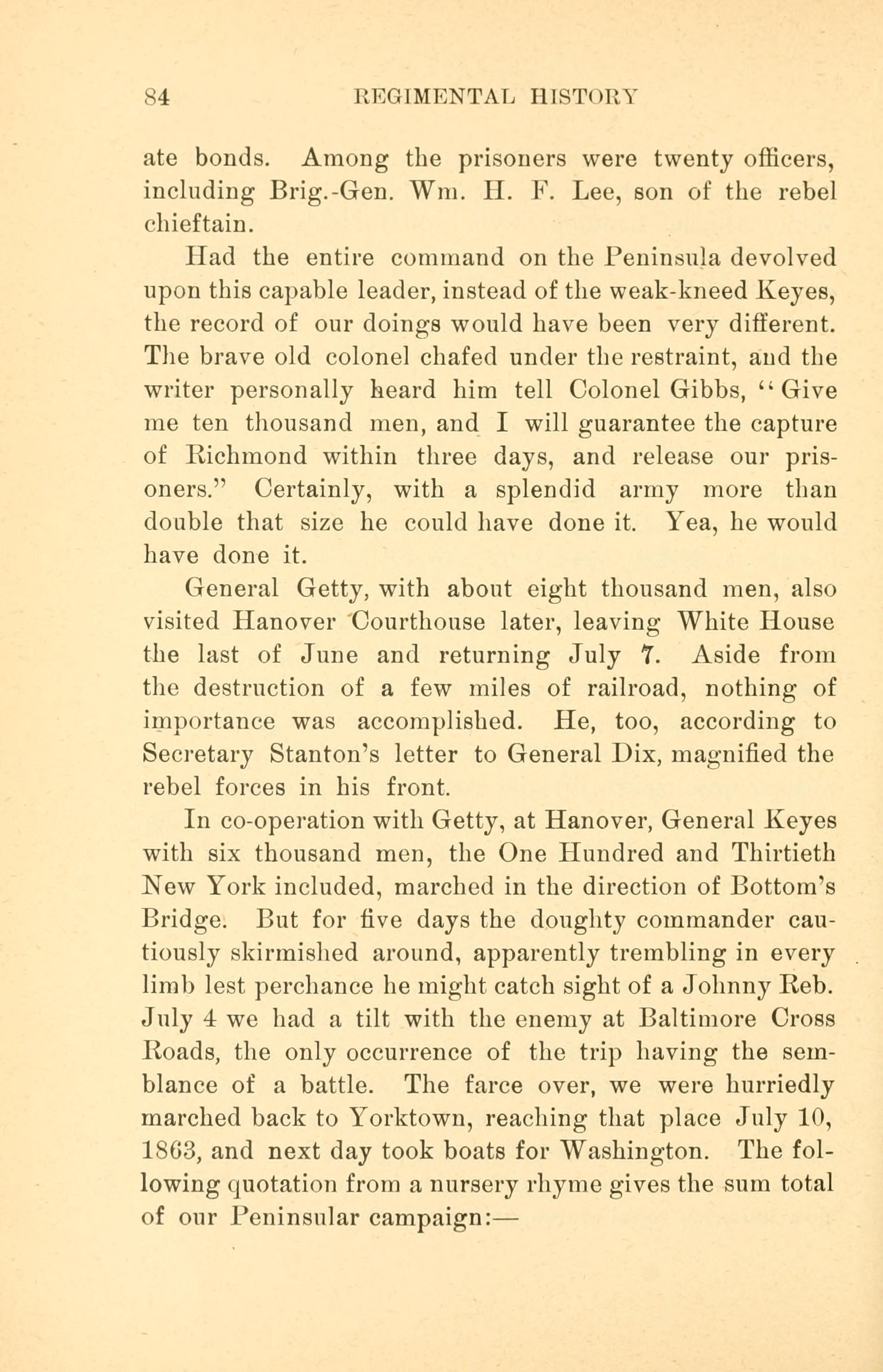
William Henry Fitzhugh Lee was captured during the cavalry raid described in this part of the book. He is Robert E. Lee's son, a separate officer with his own service record.
These connections come from the v172 manuscript and existing subject pages. A pension not connected here may still exist elsewhere. Namesakes and uncertain identities are not silently joined.
Follow the words into the evidence
What caught your attention?
Find a line from your reading, then follow its document and the record around it. Matching words helps locate evidence; checking who wrote them, when, and why helps you understand it.
Yorktown and the Peninsula · 11 entries · Page 1 of 2