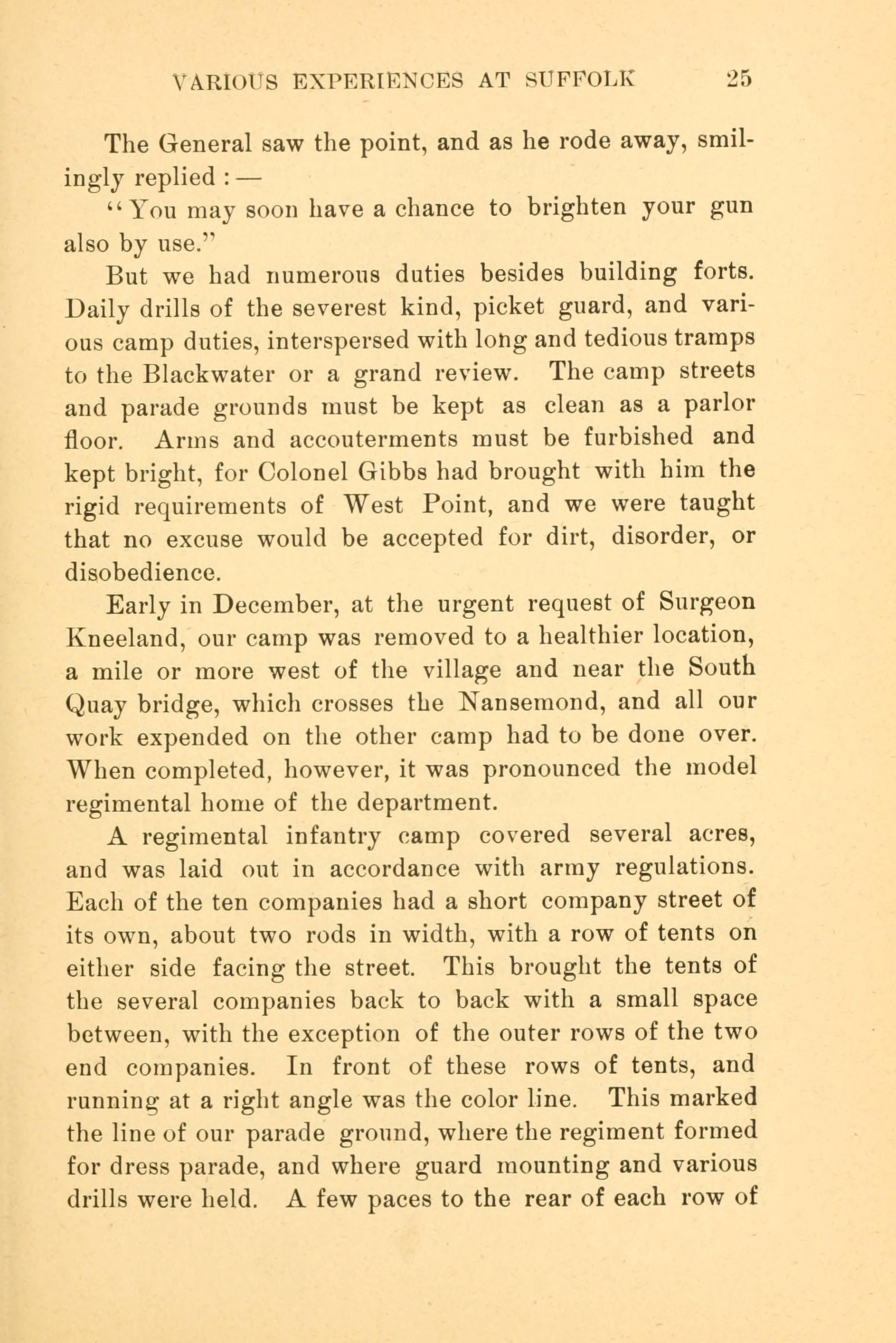
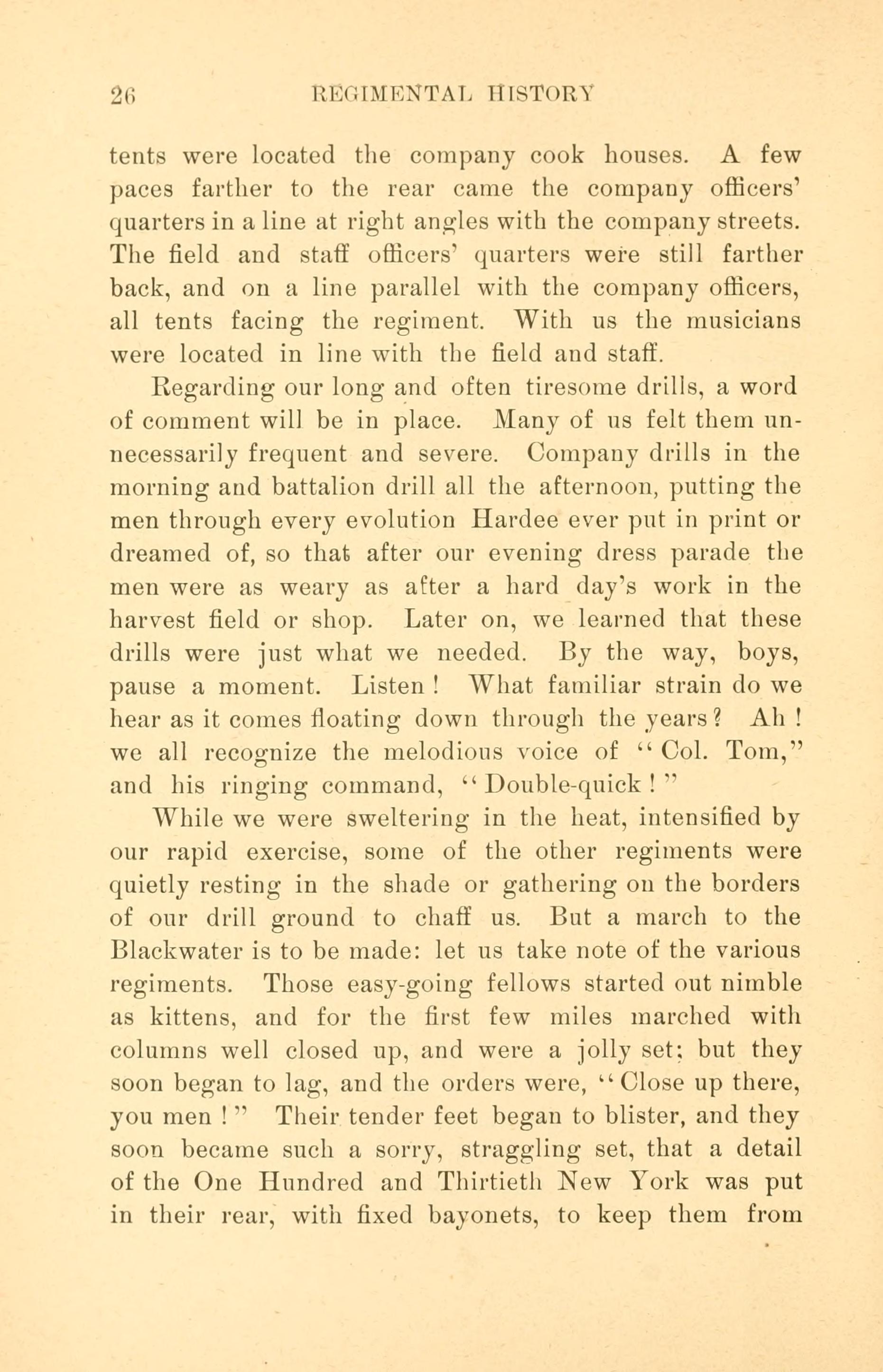
Start with the guided reading below, or search this chapter for a person, quotation or topic. Follow the writing and evidence behind this part of GIBBS.
What would you like to explore in The Men of Allegany?
Go beyond the book · The Men of Allegany
Let a new soldier introduce the regiment
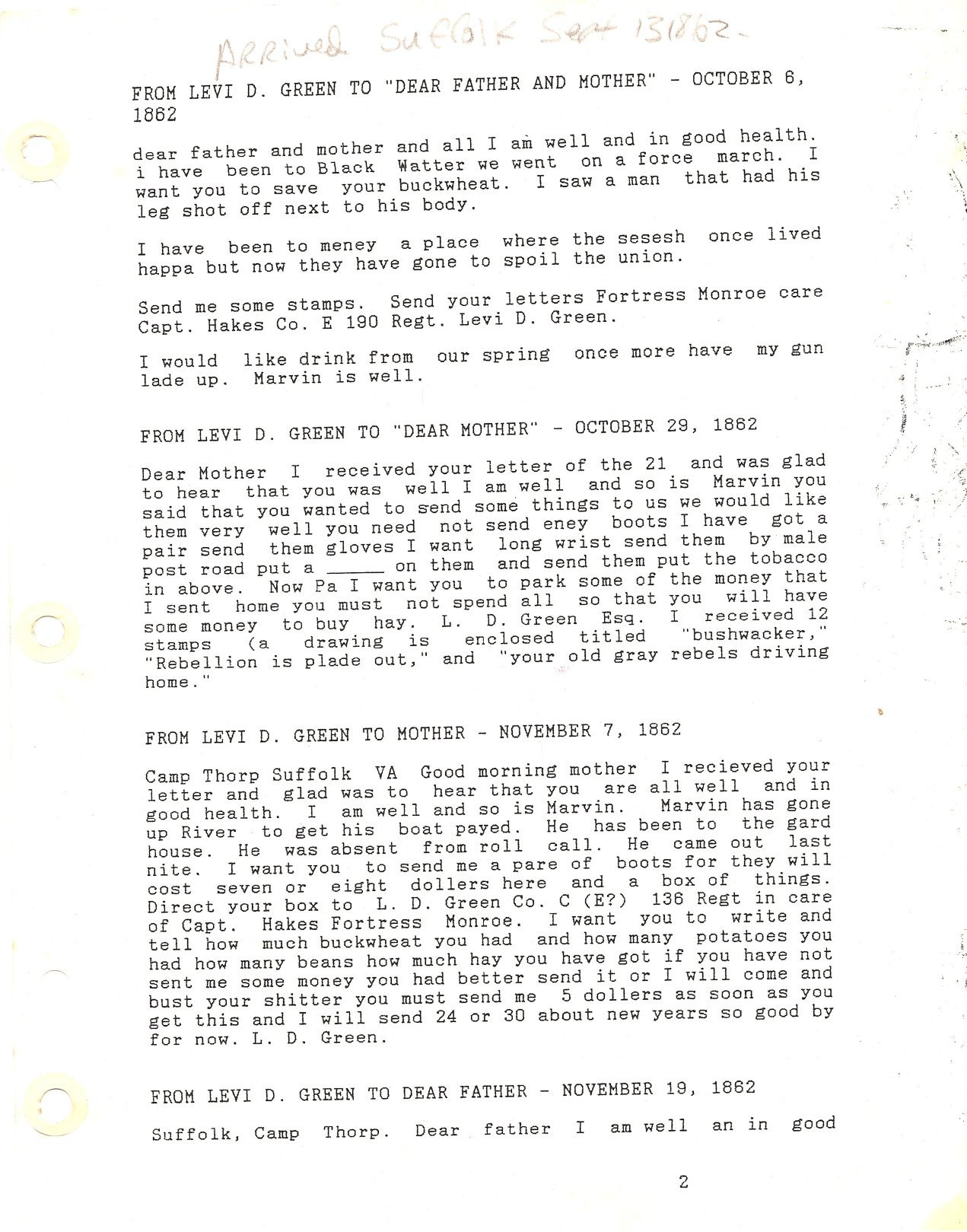
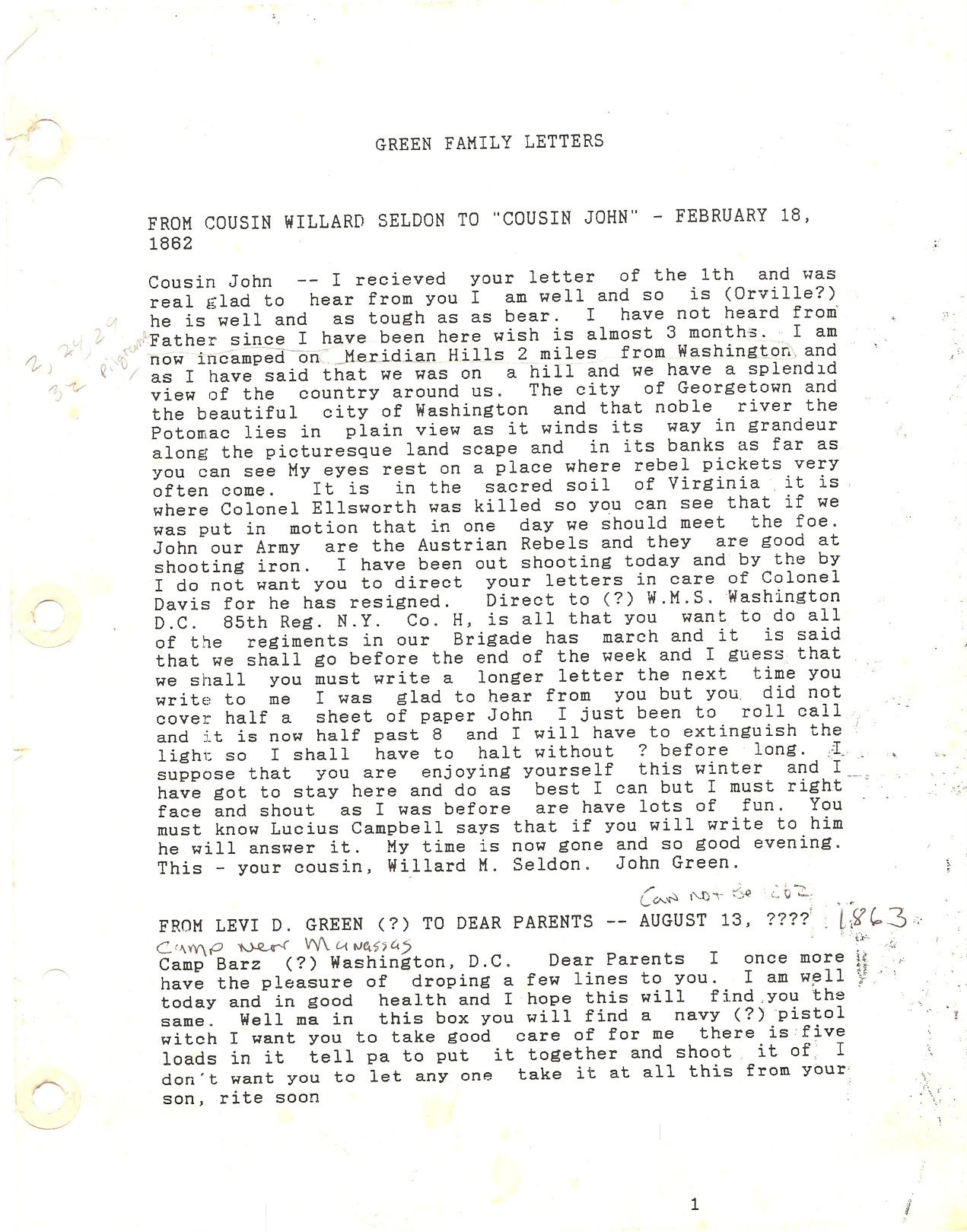
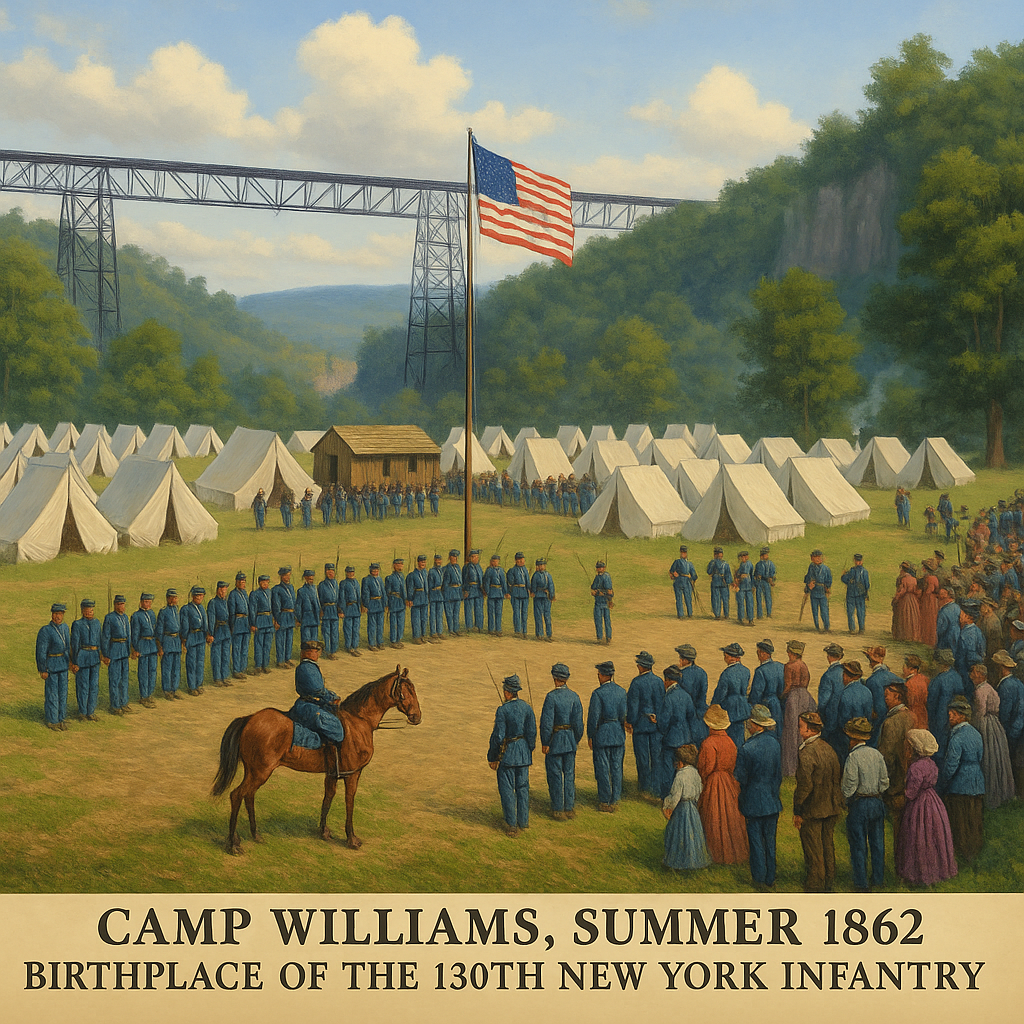
The men who left western New York were more than entries on a roster. Levi Green’s October 1862 letter brings a family reader into a recruit’s first weeks around Suffolk.
New to these records? A little context.
A transcription records the words of a letter. A typescript is a typed copy, which may survive even when the handwritten original is not on display. The linked account identifies the version it preserves; later explanatory paragraphs are not part of the letter.
What did going to war look like in a letter home?
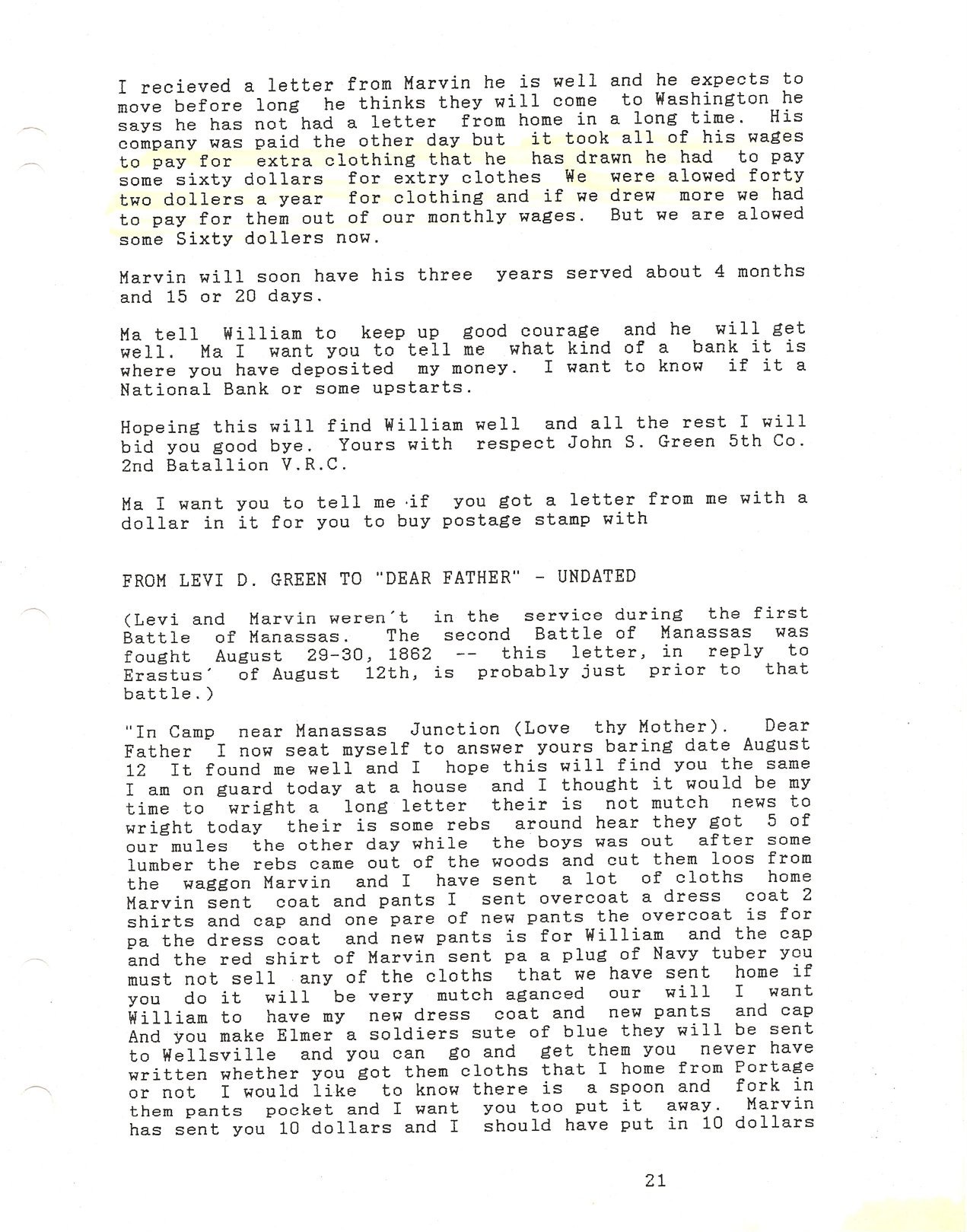
Green Family Letters, Marjorie Kuski typescript, page 02 · From the linked account. Its original credits and image status are preserved there.
Read the source exhibit & its explanation
Levi to his parents, October 6, 1862
The letter combines a forced march and a badly wounded man with food, stamps, and a longing for the family spring. It makes the chapter’s departure personal.
What to examine: Read the letter itself alongside its introduction. Identify the details Levi witnessed, the requests he made of his parents, and the people he named.
Keep this distinction in mind: The displayed original is Marjorie Kuski’s family typescript, not Levi’s handwritten sheet. Keep that transmission history with the text.
Keep your question in view as you explore. The reading tray retains The Men of Allegany. Close it to return to this point, or deliberately choose to explore outside the chapter.
Follow a life beyond the page
People you meet here
The book brings you into these lives. Follow a person to the family, service and research records available here. Pension material is identified separately from biography and recollection.
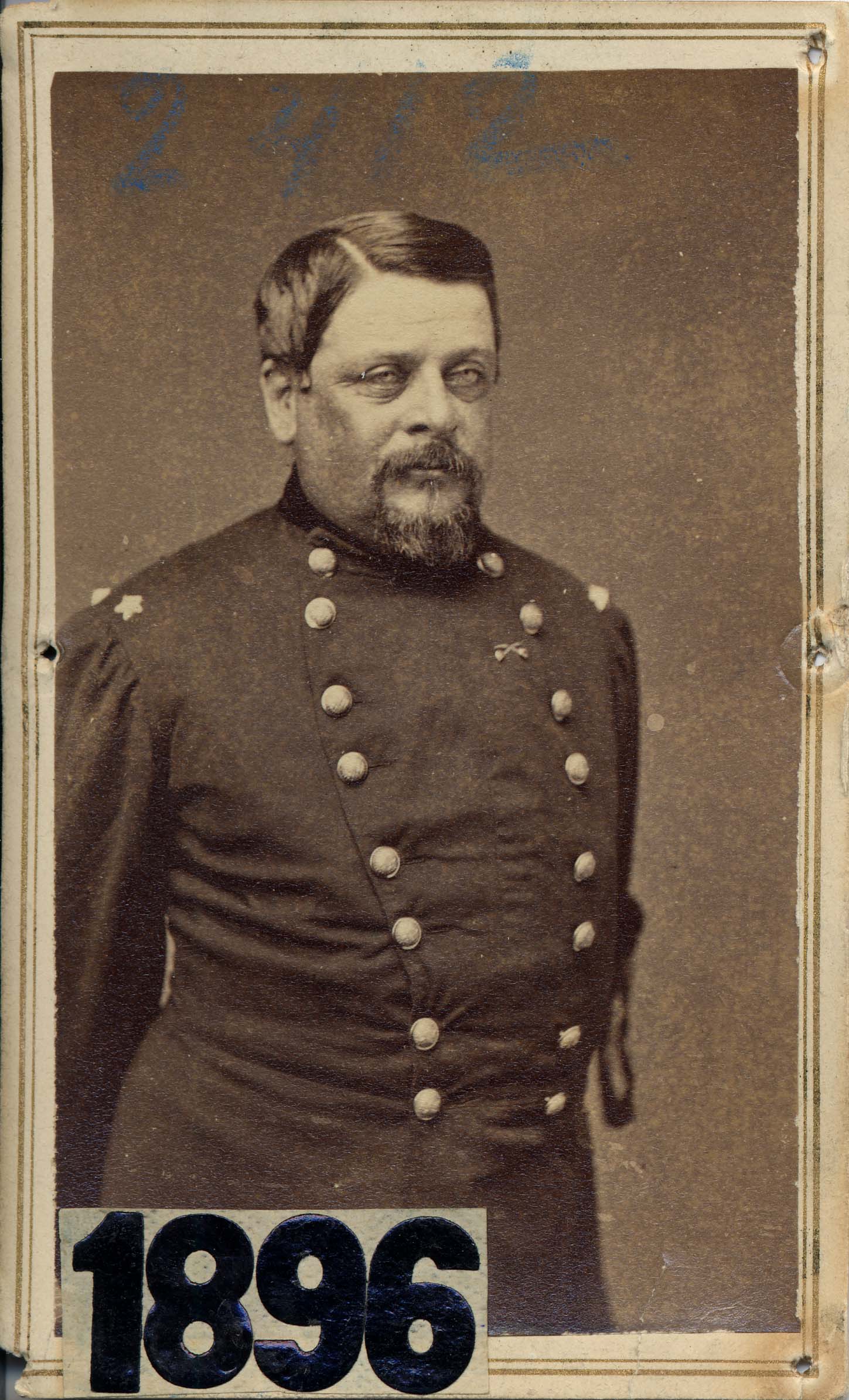
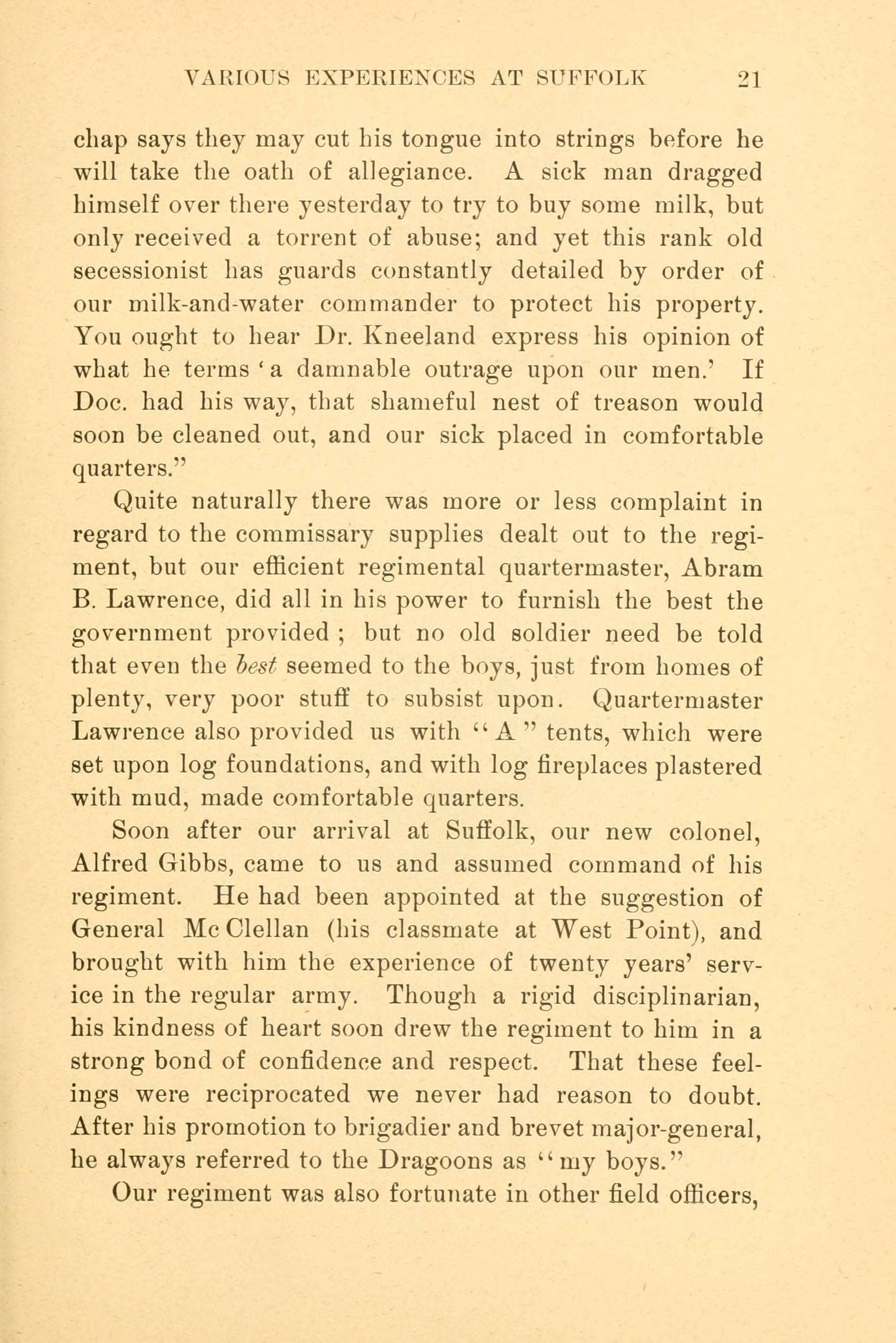
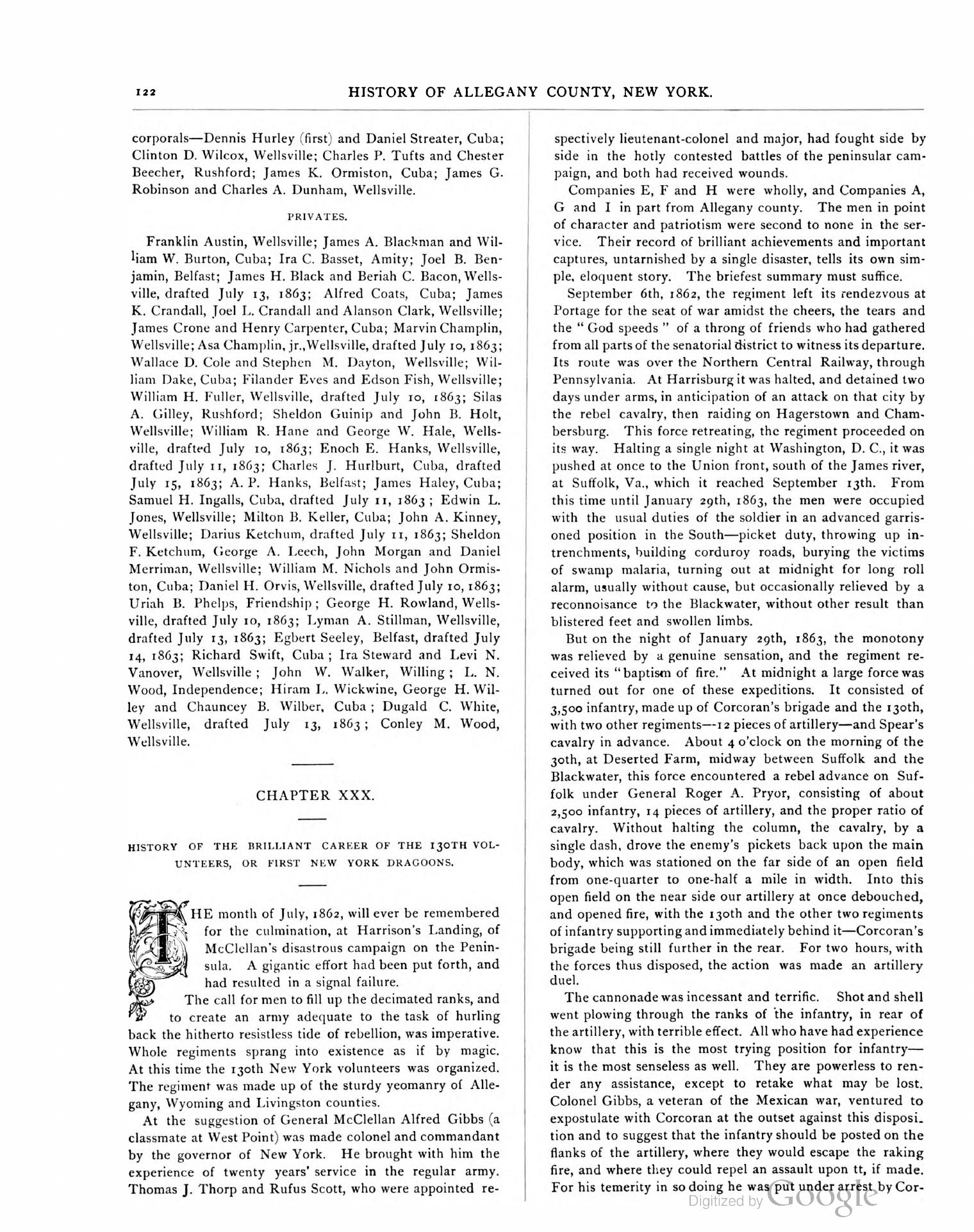
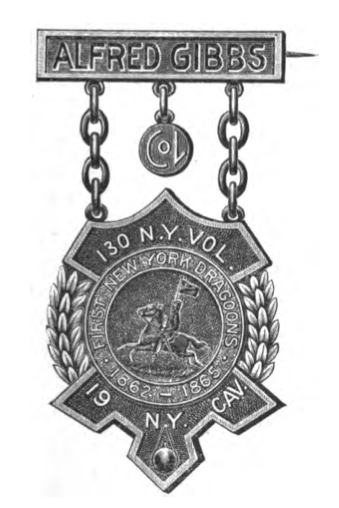
Follow Gibbs through the service and medical records, then Peggy’s petitions after his death. These sources let you distinguish what a doctor observed, what a widow asked for and what an official record actually establishes.
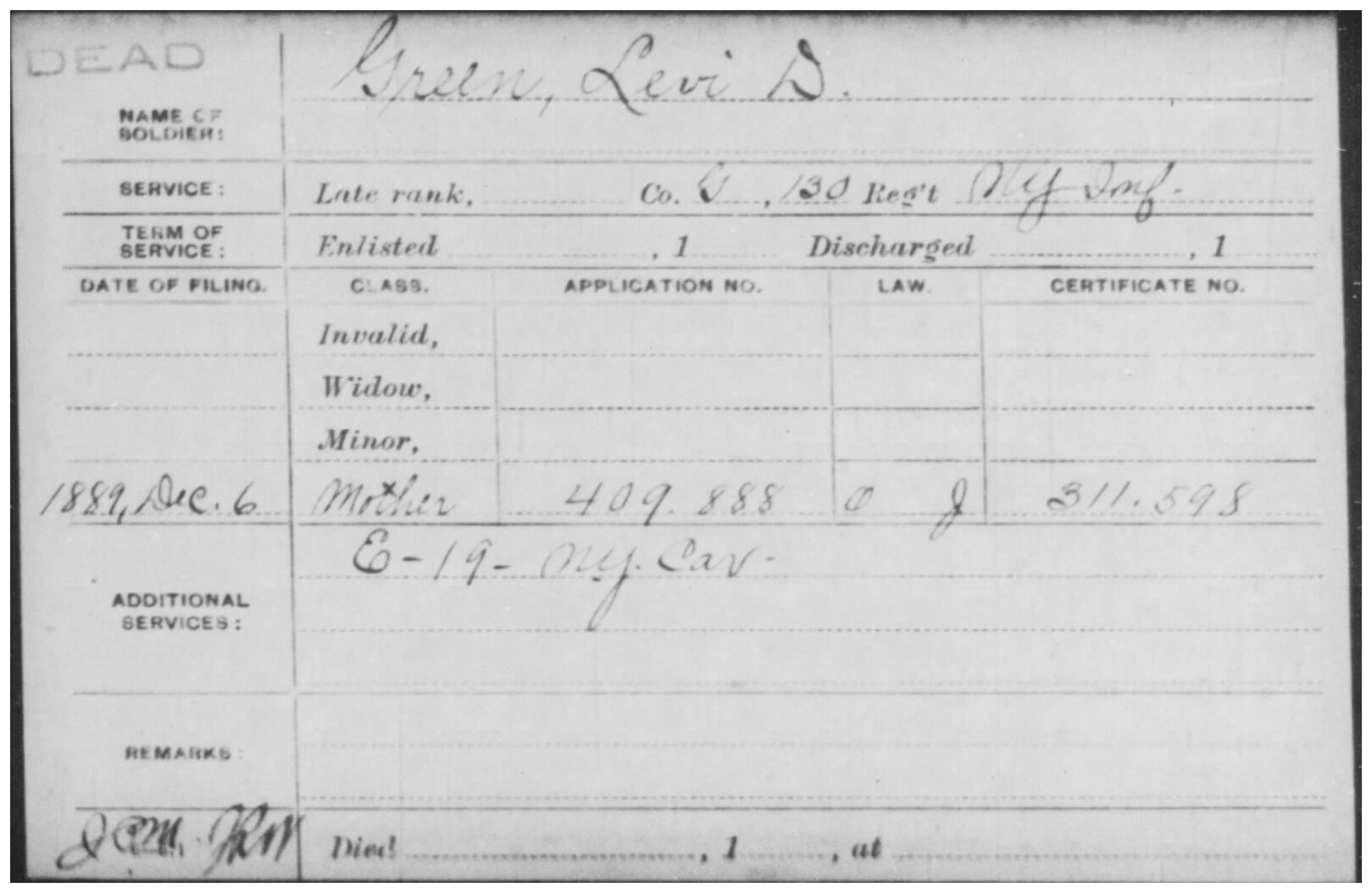
Letters, captivity records and a disputed-looking burial trail reveal different parts of Levi's life. Follow the evidence used to distinguish L. D. Green from another man buried nearby, and the pension records connected to his mother.
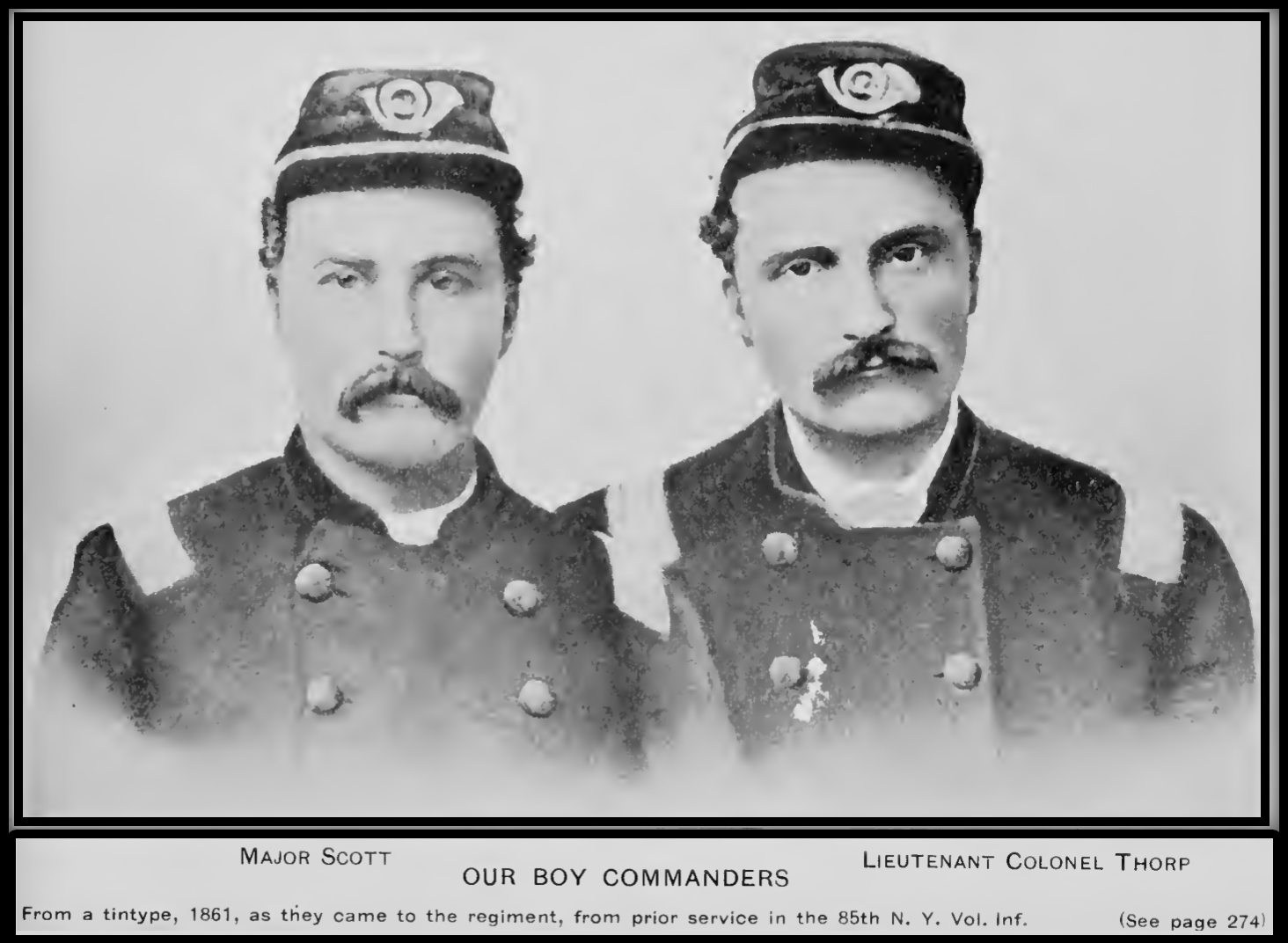
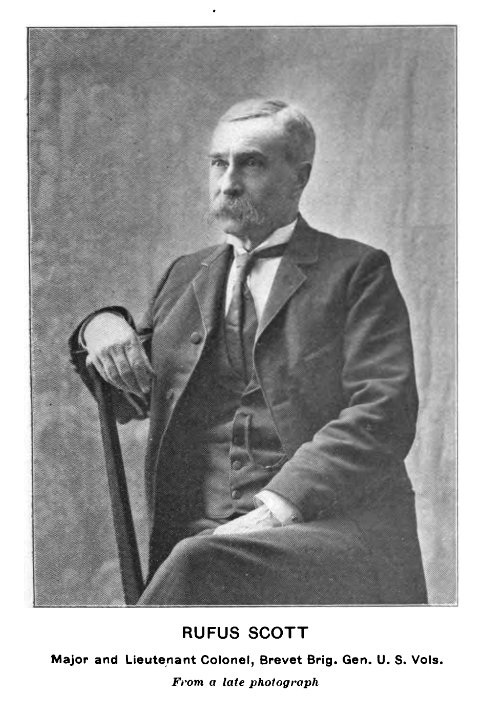
Scott was an experienced officer, a remembered helper of a sick soldier and a contact in Burdick's widow's pension trail. His biography connects command with the regiment's local networks.
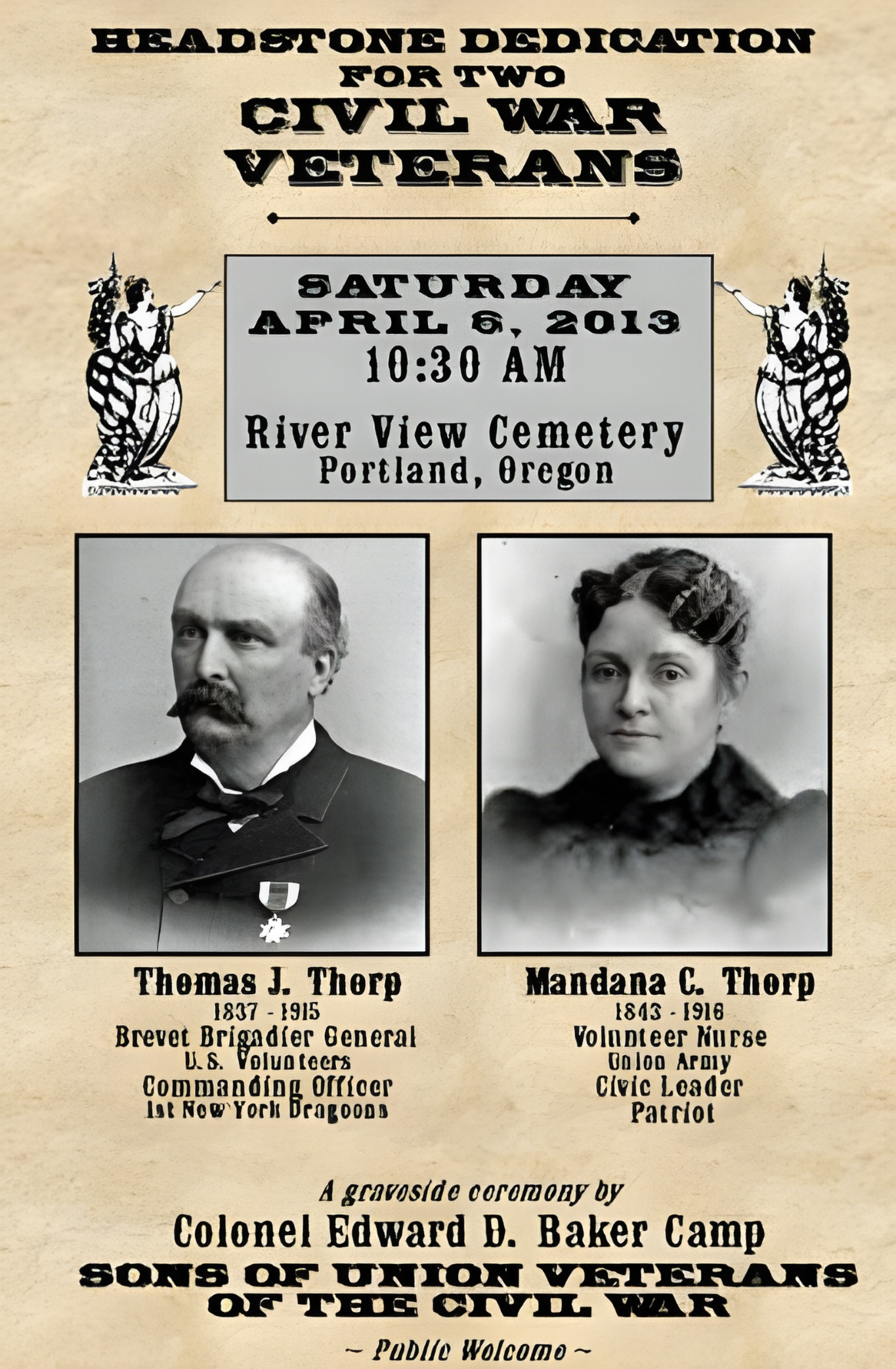
Thorp's command, capture and escape connect several chapters. His biography follows the officer across those episodes and distinguishes him from Captain Alexander K. Thorp.
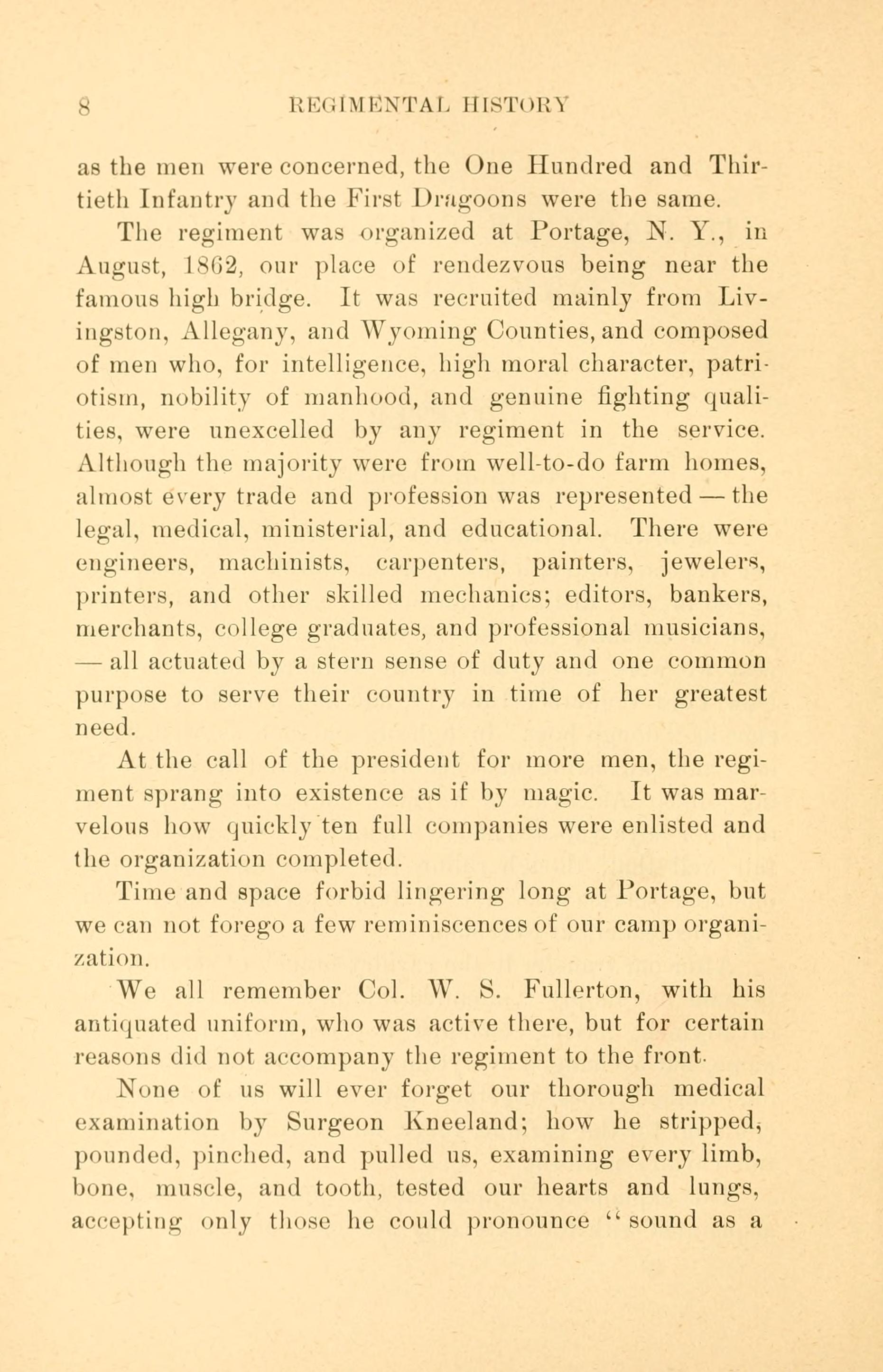
The surgeon examined recruits, managed the hospital and later testified about Gibbs's health. His position matters when deciding what he could observe directly and what was a medical opinion.
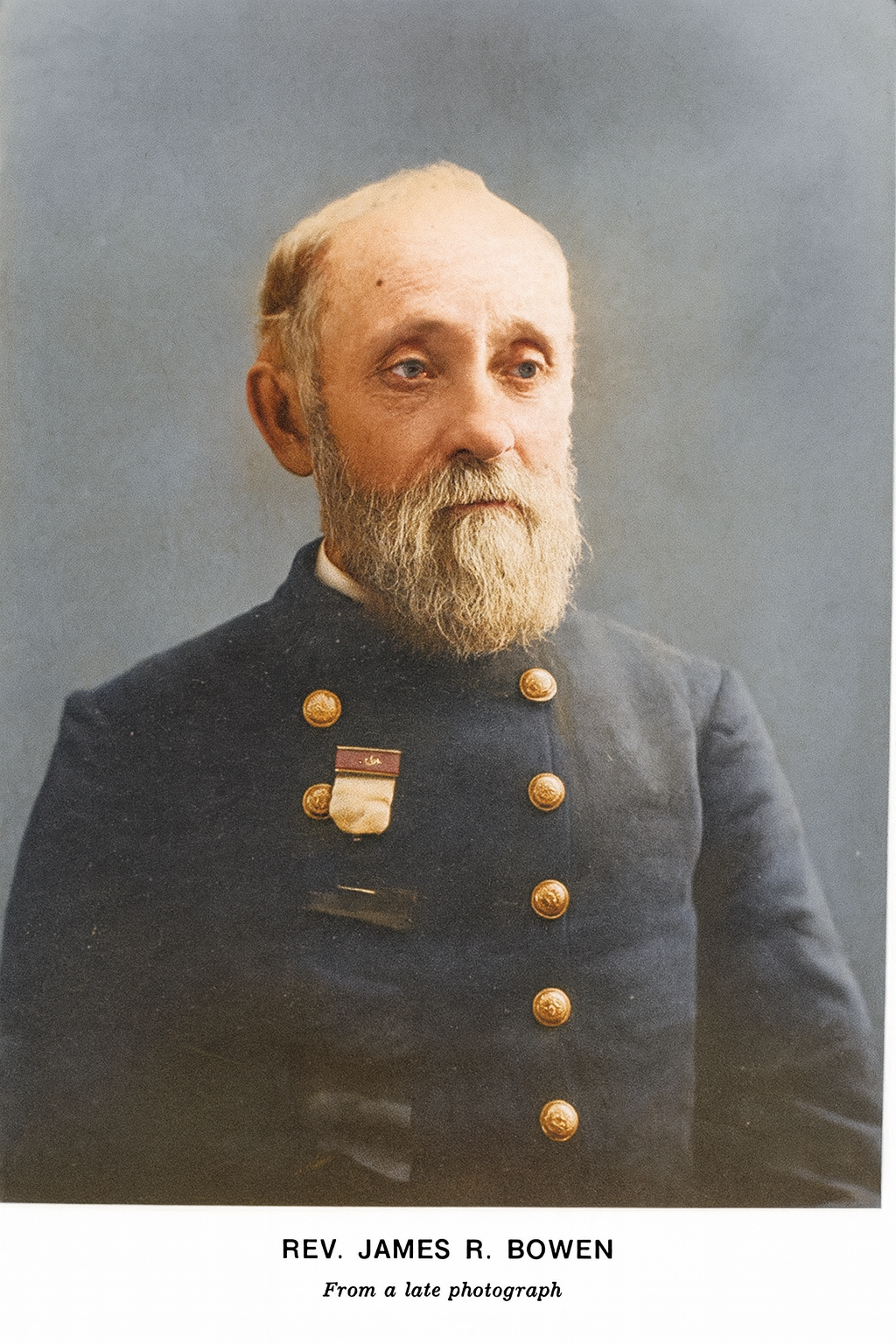
Bowen was a soldier, drummer and the regiment's later historian. Knowing who produced an account helps you weigh what he saw himself, what other veterans told him and what he wrote many years later.
These connections come from the v172 manuscript and existing subject pages. A pension not connected here may still exist elsewhere. Namesakes and uncertain identities are not silently joined.
Follow the words into the evidence
What caught your attention?
Find a line from your reading, then follow its document and the record around it. Matching words helps locate evidence; checking who wrote them, when, and why helps you understand it.