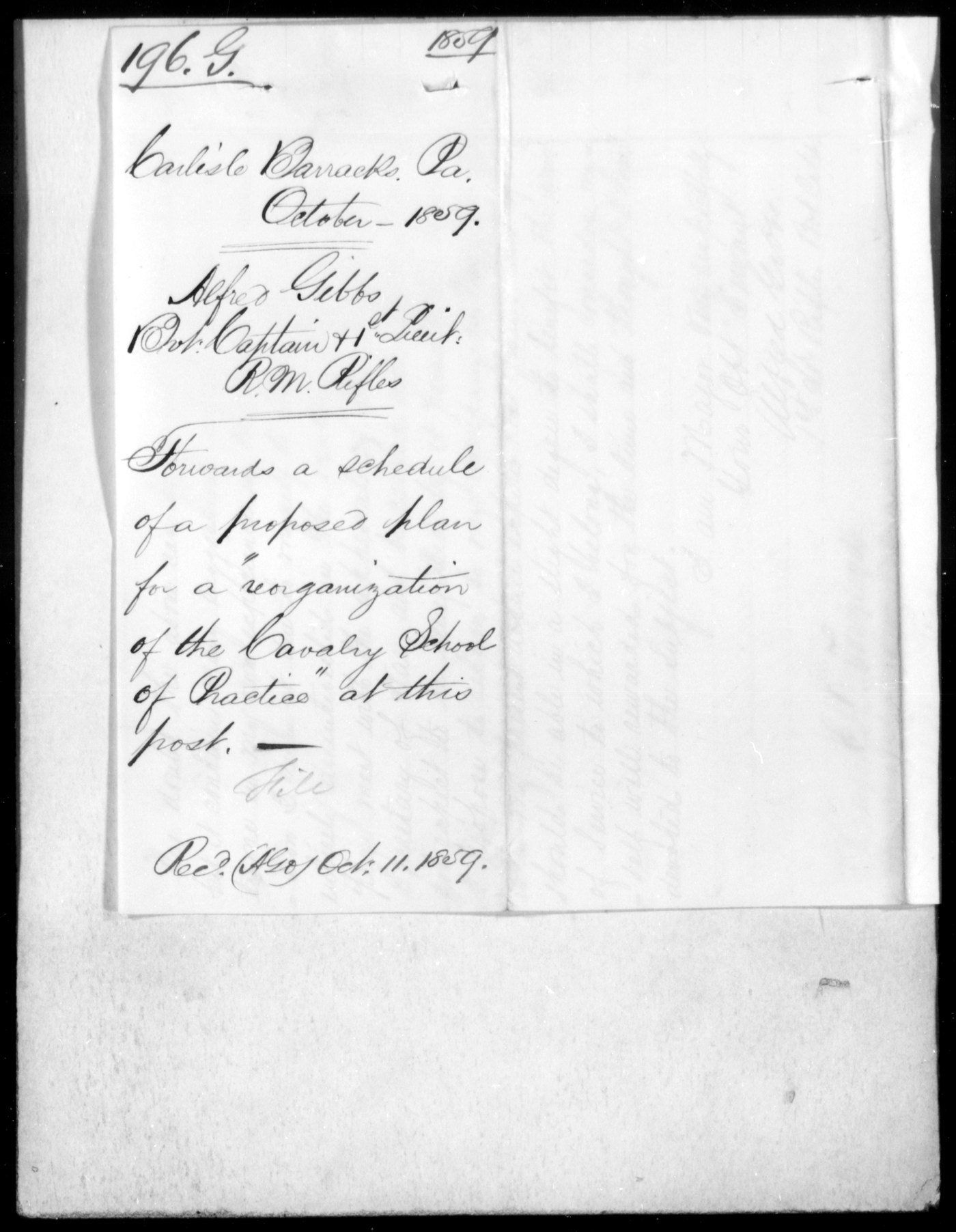
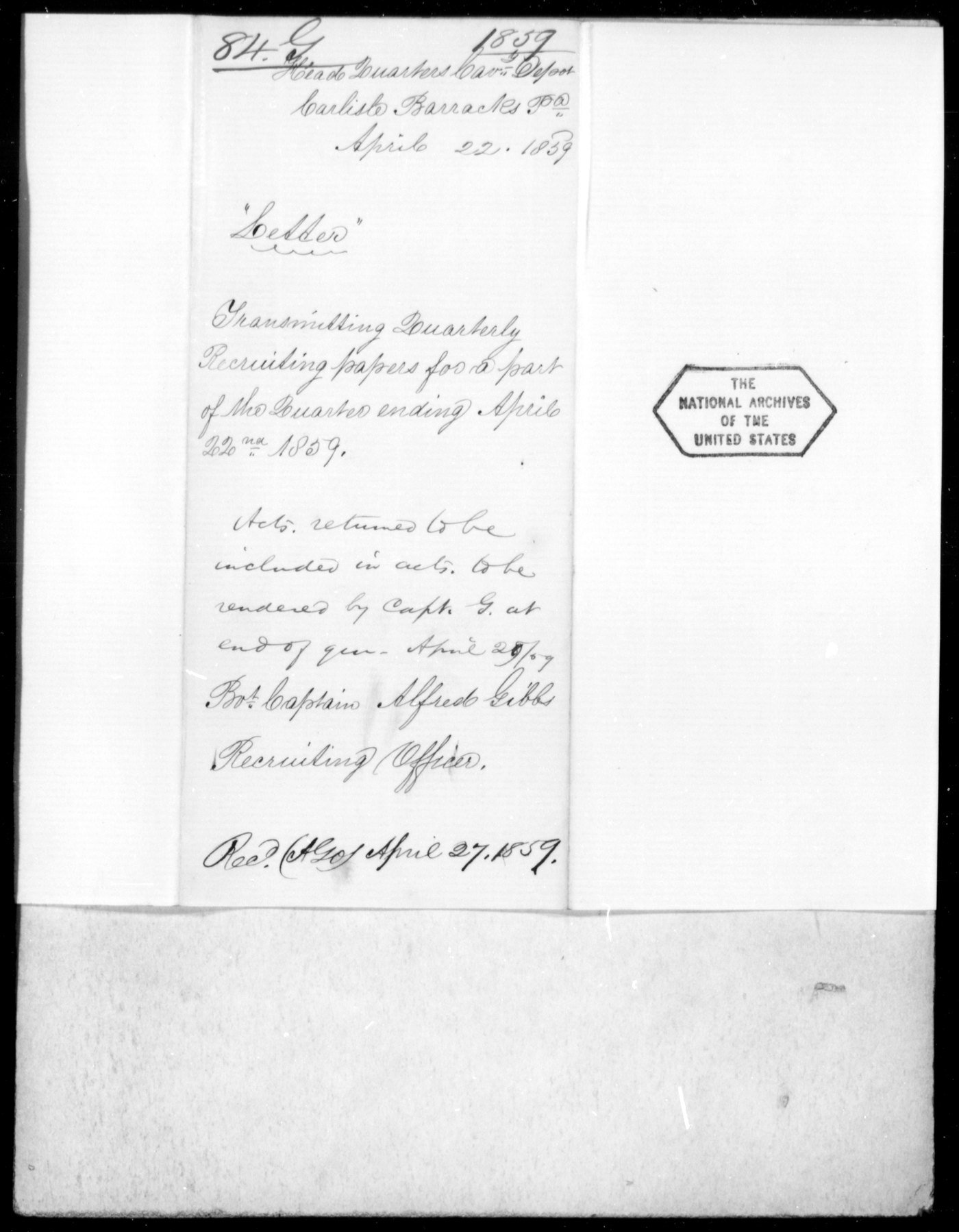
Your book journey: Carlisle Barracks, Pennsylvania · 1859.
What would you like to explore in Packing for the Road?
Go beyond the book · Packing for the Road
You are reading Carlisle Barracks, Pennsylvania · 1859. The guided starting point below explores Fort Fillmore, October 24, 1857. Evidence for this particular section has not yet been separately assembled; chapter references remain available below.
See a frontier move from Peggy’s side
The road out of Fort Fillmore required clothes, food, packing, and a small child’s care. Peggy’s October 1857 letter makes those preparations visible beyond the military itinerary.
New to these records? A little context.
A transcription records the words of a letter. A typescript is a typed copy, which may survive even when the handwritten original is not on display. The linked account identifies the version it preserves; later explanatory paragraphs are not part of the letter.
What did moving an army household involve?
What did moving an army household involve?
Research preview · An invitation into the written account, not a reproduction of an original document.
Read the source exhibit & its explanation
Peggy’s Fort Fillmore letter, October 24, 1857
The preserved transcription describes half-packed trunks, sewing for the road, provisions, and homesickness. It brings domestic labor into a chapter otherwise full of assignments and movement.
What to examine: Follow the references to clothing, food, and the child, then find the instructions about mail. Build a list of tasks the official marching order would not describe.
Keep this distinction in mind: The page states that the transcription came from a descendant and had not been checked against a museum scan. No original has been substituted for the missing manuscript here.
Keep your question in view as you explore. The reading tray retains Packing for the Road → Carlisle Barracks, Pennsylvania. Close it to return to this point, or deliberately choose to explore outside the chapter.
Follow a life beyond the page
People you meet here
The book brings you into these lives. Follow a person to the family, service and research records available here. Pension material is identified separately from biography and recollection.
2 connected people in this section · Showing 1 to 2
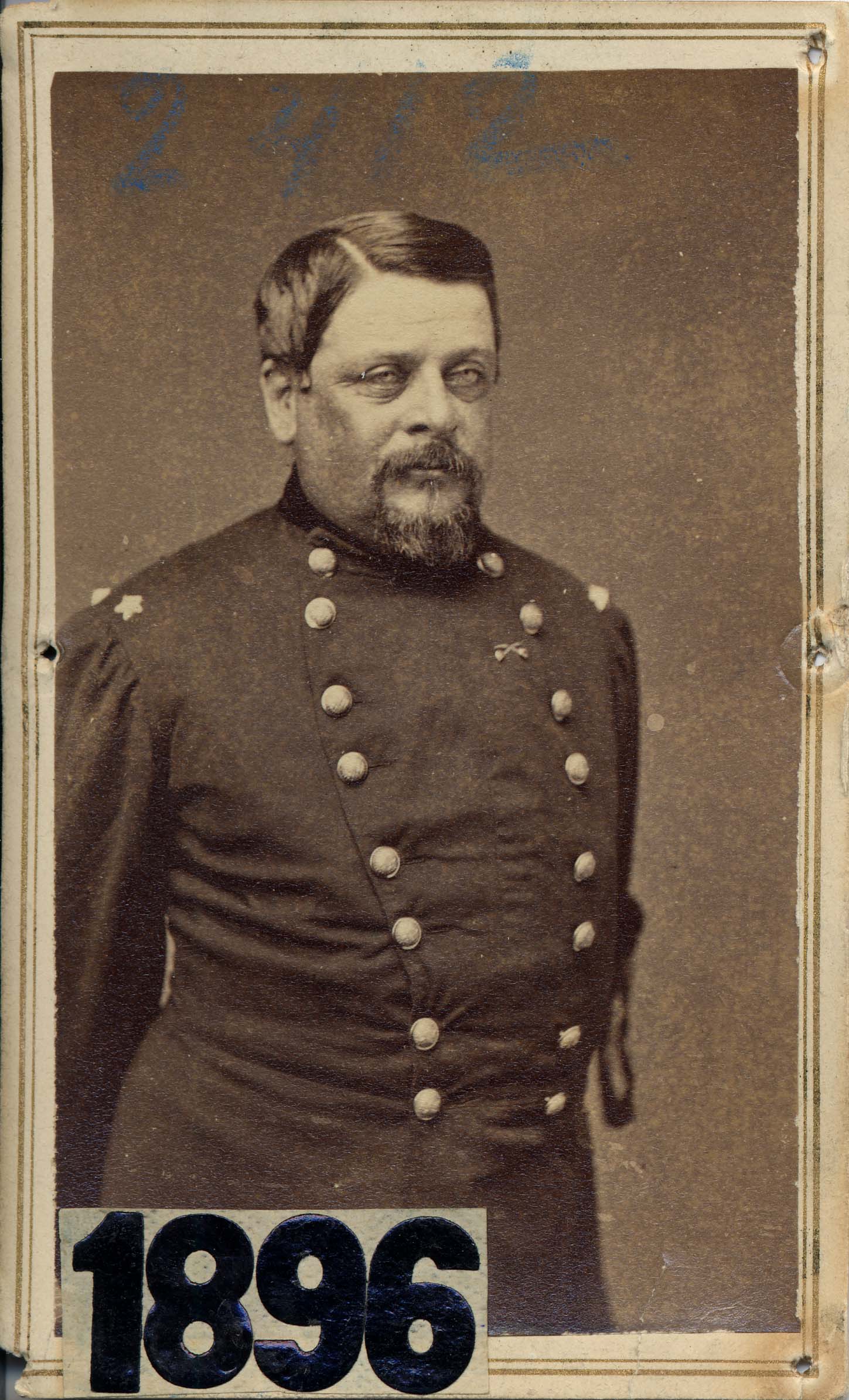
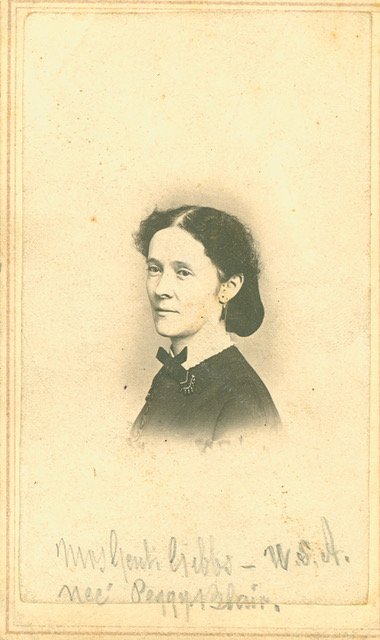
Follow Gibbs through the service and medical records, then Peggy’s petitions after his death. These sources let you distinguish what a doctor observed, what a widow asked for and what an official record actually establishes.
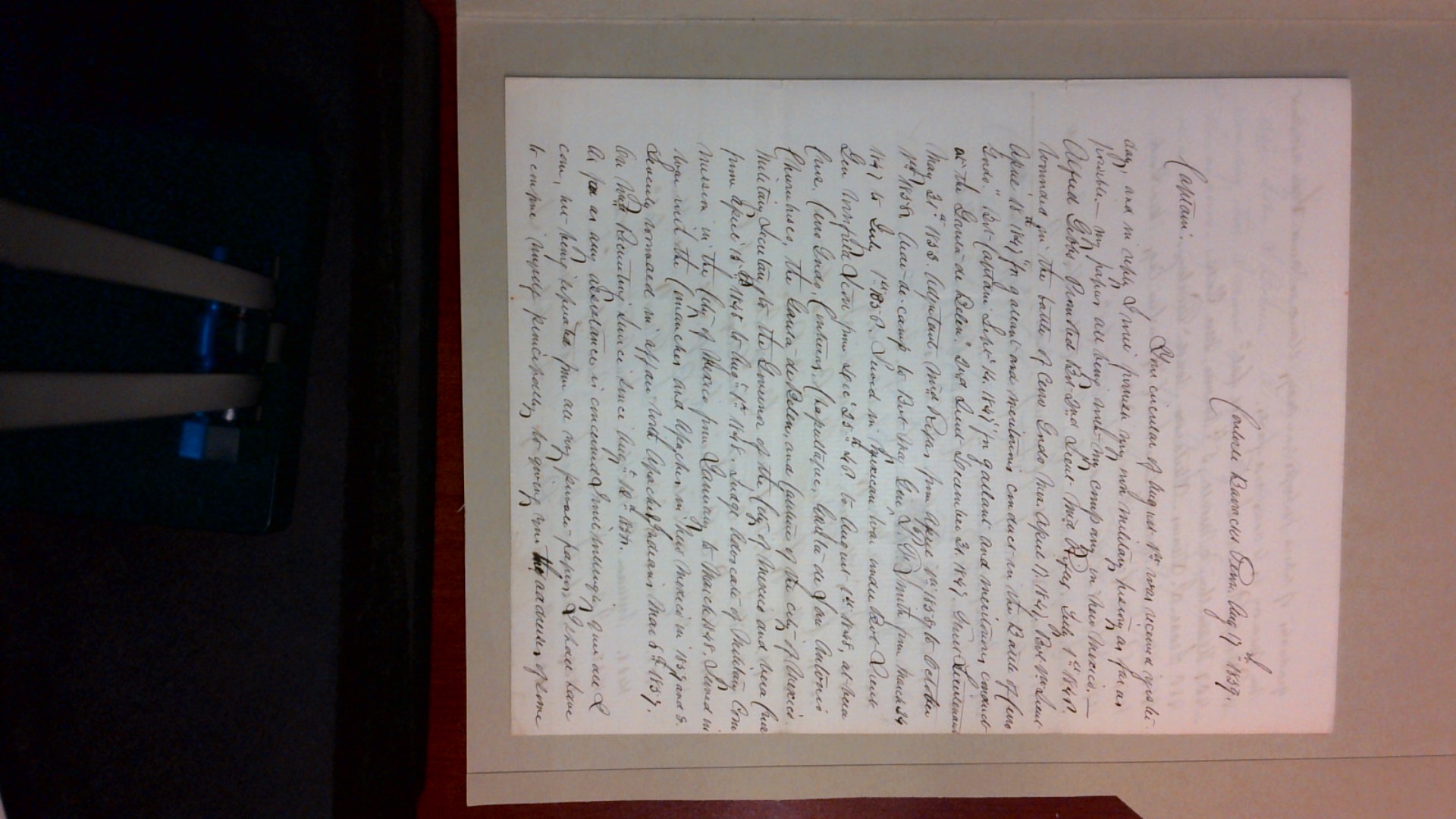
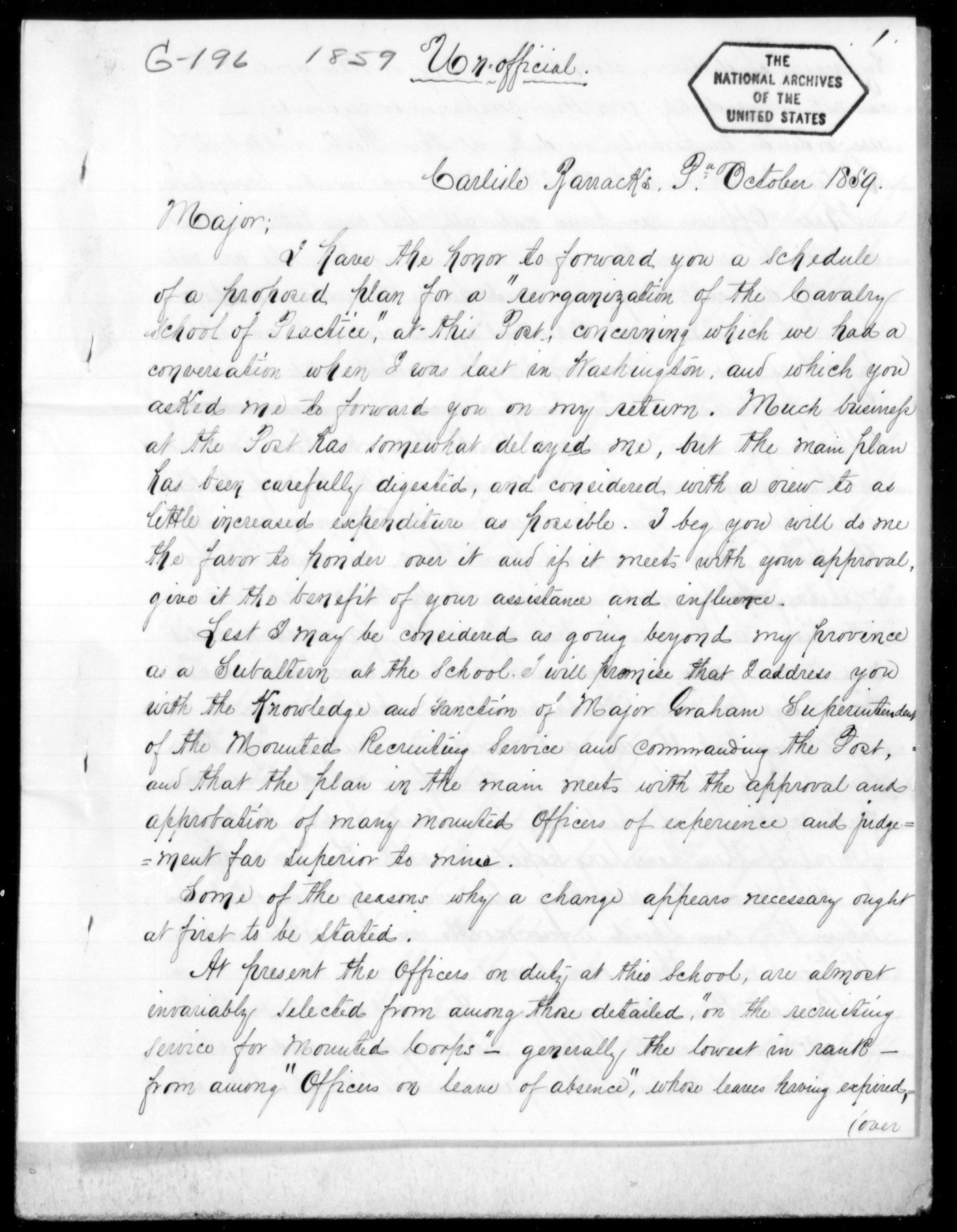
Cullum requested the career information that Gibbs supplied from memory. Knowing how a military register was assembled helps explain why its entries should be compared with contemporary records.
These connections come from the v172 manuscript and existing subject pages. A pension not connected here may still exist elsewhere. Namesakes and uncertain identities are not silently joined.
Follow the words into the evidence
What caught your attention?
Find a line from your reading, then follow its document and the record around it. Matching words helps locate evidence; checking who wrote them, when, and why helps you understand it.
Passage-level sources for this section have not yet been assigned. These are the chapter’s source-note references, provided as starting points rather than proof of this particular section.