
From your reading · 27-062
Follow these words to their source
You are exploring The charge in Stop That Ducking. Compare the words used in the book with the source and the context around them.
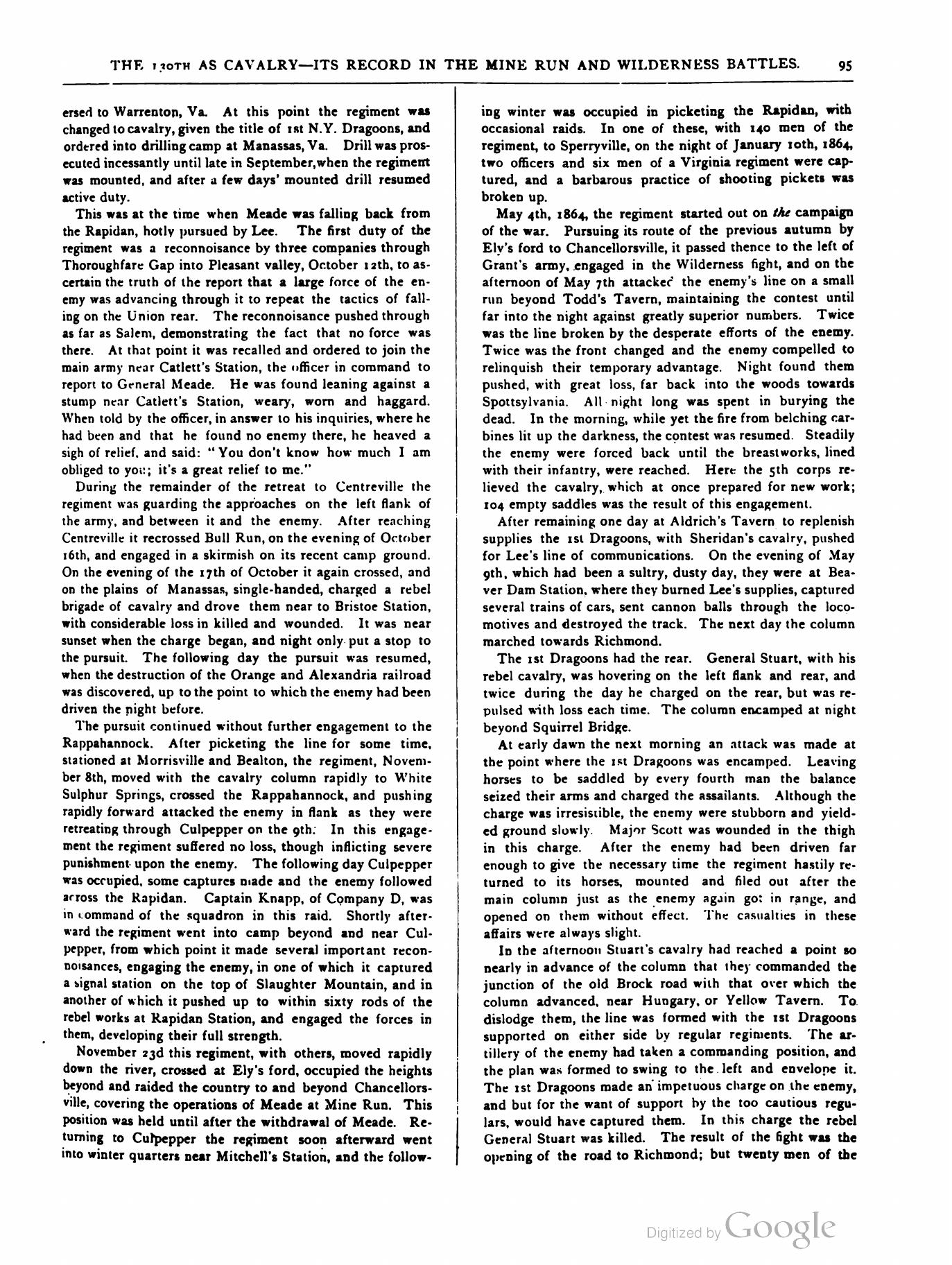
a rebel brigade of cavalry,
Source identified; supplied locator: page 95 (as numbered in the scan file name) · Review flag: page taken from the scan's file name or position; confirm against the scan
See how the book uses these words
The county history says the regiment went in "single-handed" against "a rebel brigade of cavalry," and that "night only put a stop to the pursuit." The regimental history that Colonel Thomas Thorp had printed in Washington in 1865 adds what the charge was for. The enemy had been sheltered "by earthworks thrown up by Beauregard in 1861," and when they gave way, "four miles of the Orange and Alexand
Book context excerpt, up to 400 characters. This is not the full chapter.The connected source
History of the 130th Volunteers, or First New York Dragoons, in the Wyoming County history (F. W. Beers & Co., 1880), as transcribed on Garland's page. Exact pages to confirm.
Named source · page 95 (as numbered in the scan file name)
identified from the page that reproduces it (check against the original; "to confirm" means page or frame still open). A text match or page placement does not establish that the scan has been reviewed.
Questions to bring to the source
Who wrote this, and who was meant to read it? Is the writer describing an event they witnessed, reporting news from someone else, or remembering it later? Read the surrounding lines and compare dates, names and uncertain words.
Begin with the source page
Read beside the scan
No page transcription supplied in this locator update.
A transcription has not yet been connected to this scan.
Read the research account used for this passage
The book catalog explicitly points to these preserved site pages. Read the account and follow its reproduced documents and citations. A research account is an intermediary, not automatically the original evidence.
The person behind the name
People named in this passage
Follow the lives and existing research connected to names in these words or their book context. These person connections do not establish the source of the quotation.
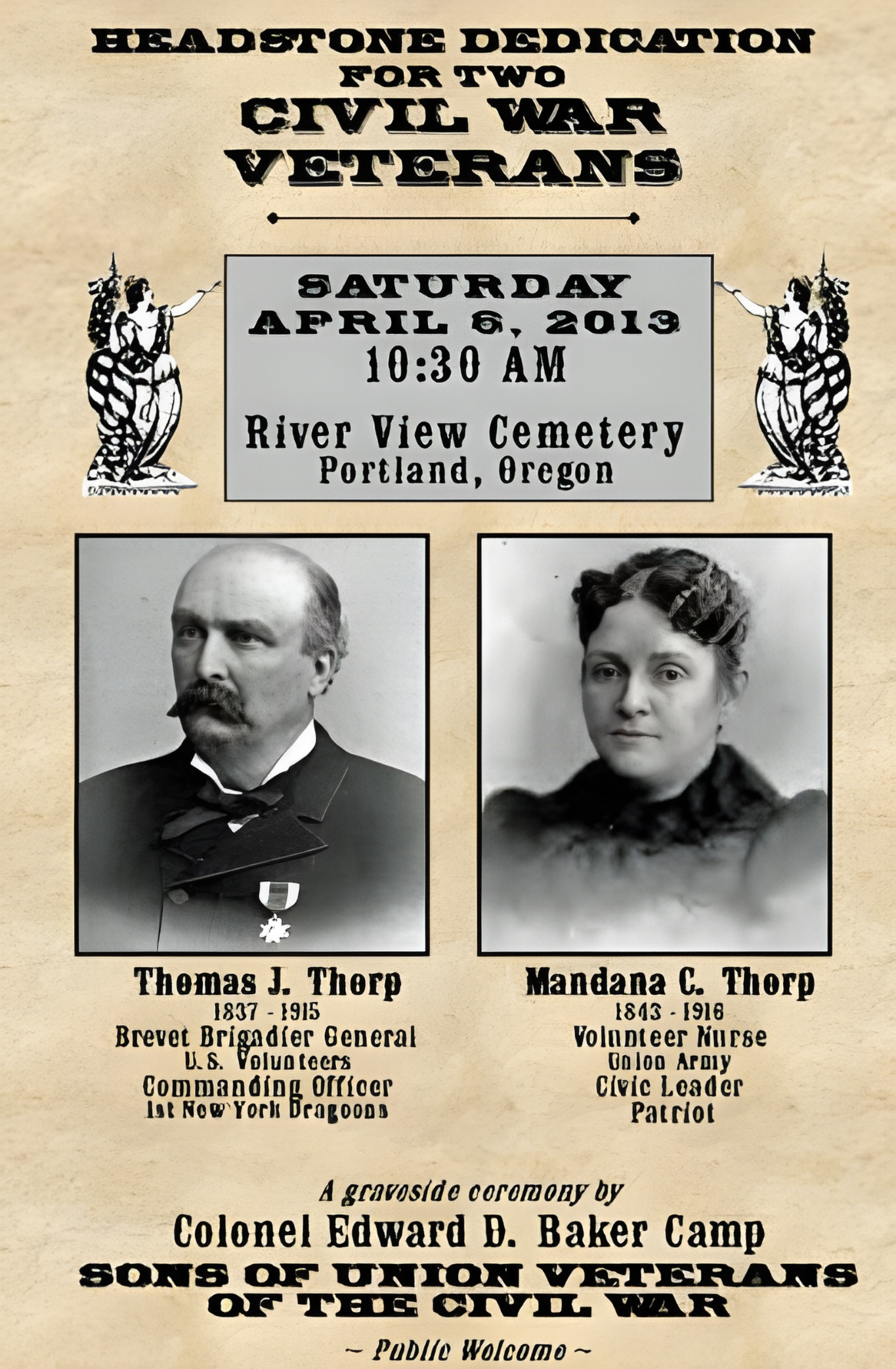
Thomas J Thorp
Thorp's command, capture and escape connect several chapters. His biography follows the officer across those episodes and distinguishes him from Captain Alexander K. Thorp.
Follow this person through the research →Continue your learning journey
Explore the sources behind Stop That Ducking →
Follow the people in this chapter →
Return to Stop That Ducking and its quotation ledger →