The book is finished.GIBBS: The Forgotten Warrior of the First New York Dragoons, by Garland H. Green Jr. How to order is coming soon; you can reserve a copy now. Reserve a copy →
A family letter. A widow's application. An officer's recommendation. Follow the people named in GIBBS into the research that gives their lives more room than the printed story can.
These are selected person connections to the manuscript, not a complete register of the regiment or a claim that every name has been resolved. Your selected chapter remains No One to Present His Case.
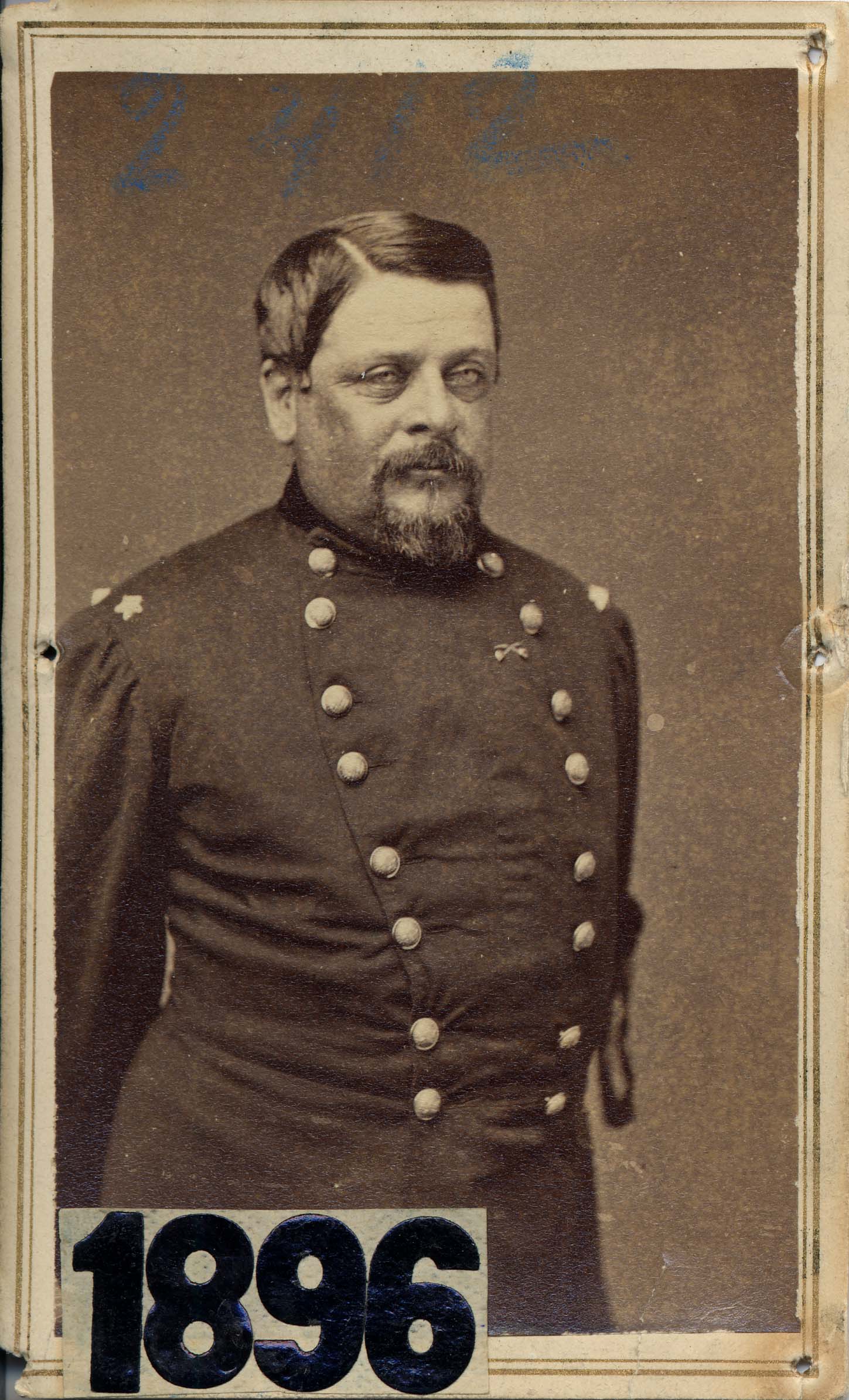
Follow Gibbs through the service and medical records, then Peggy’s petitions after his death. These sources let you distinguish what a doctor observed, what a widow asked for and what an official record actually establishes.
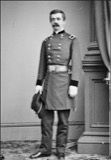
Lowell's appointment moved the Dragoons out of the Reserve Brigade for a time. His death at Cedar Creek also places command changes alongside the human cost of the Valley fighting.
Morgan supported Gibbs's advancement through New York's political and military networks. Letters of recommendation show how an appointment was sought, not simply how an officer performed in battle.
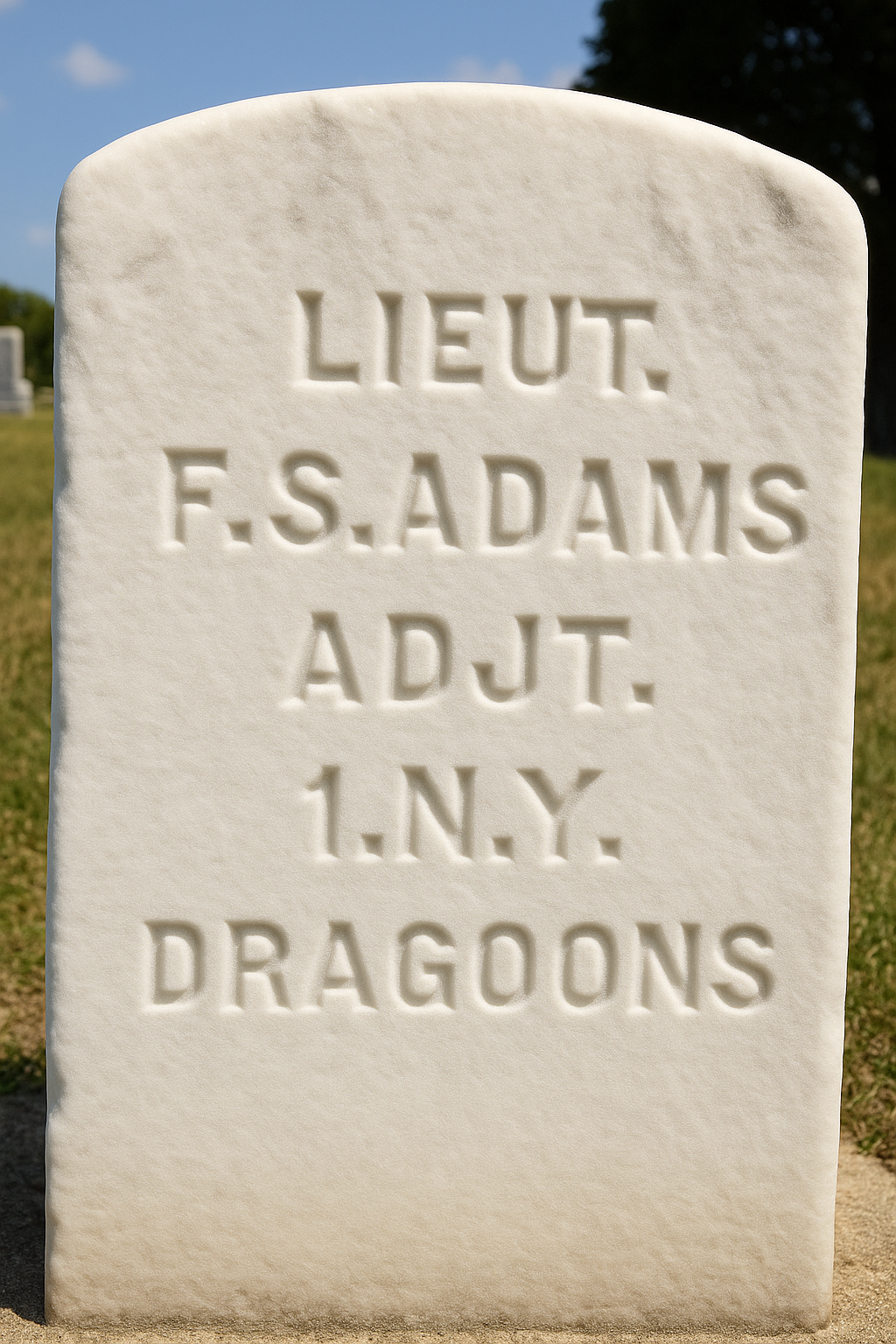
The regiment's adjutant administered Gibbs's oath of office. His own biography lets you follow the officer behind that surviving administrative record.
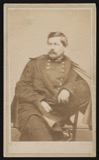
McClellan was Gibbs's West Point classmate before he became a Union commander. Garland's connected essays and letters let you explore those relationships beyond the familiar public reputation.
This is the cavalry general, the son of Judge Henry E. Davies. The judge supported Gibbs’s promotion; the letter discussed in this chapter belongs to the father, not the general. Keeping the two men separate is essential to following that recommendation.