The book is finished.GIBBS: The Forgotten Warrior of the First New York Dragoons, by Garland H. Green Jr. How to order is coming soon; you can reserve a copy now. Reserve a copy →
A family letter. A widow's application. An officer's recommendation. Follow the people named in GIBBS into the research that gives their lives more room than the printed story can.
These are selected person connections to the manuscript, not a complete register of the regiment or a claim that every name has been resolved. Your selected chapter remains Unfading Laurels.
Lowell's appointment moved the Dragoons out of the Reserve Brigade for a time. His death at Cedar Creek also places command changes alongside the human cost of the Valley fighting.
The color corporal's letters and captured flag offer a different perspective from his brother's later regimental history. Look for the difference between writing during the war and remembering it afterward.
Custer's career crosses Gibbs's through cavalry command and the postwar army. Follow Garland's research on their relationship rather than assuming a famous name supplies all the context a reader needs.
McCausland’s cavalry faced the Dragoons in the Valley. Follow the opposing officer to understand whose troops appear across the railroad cut and river crossings.
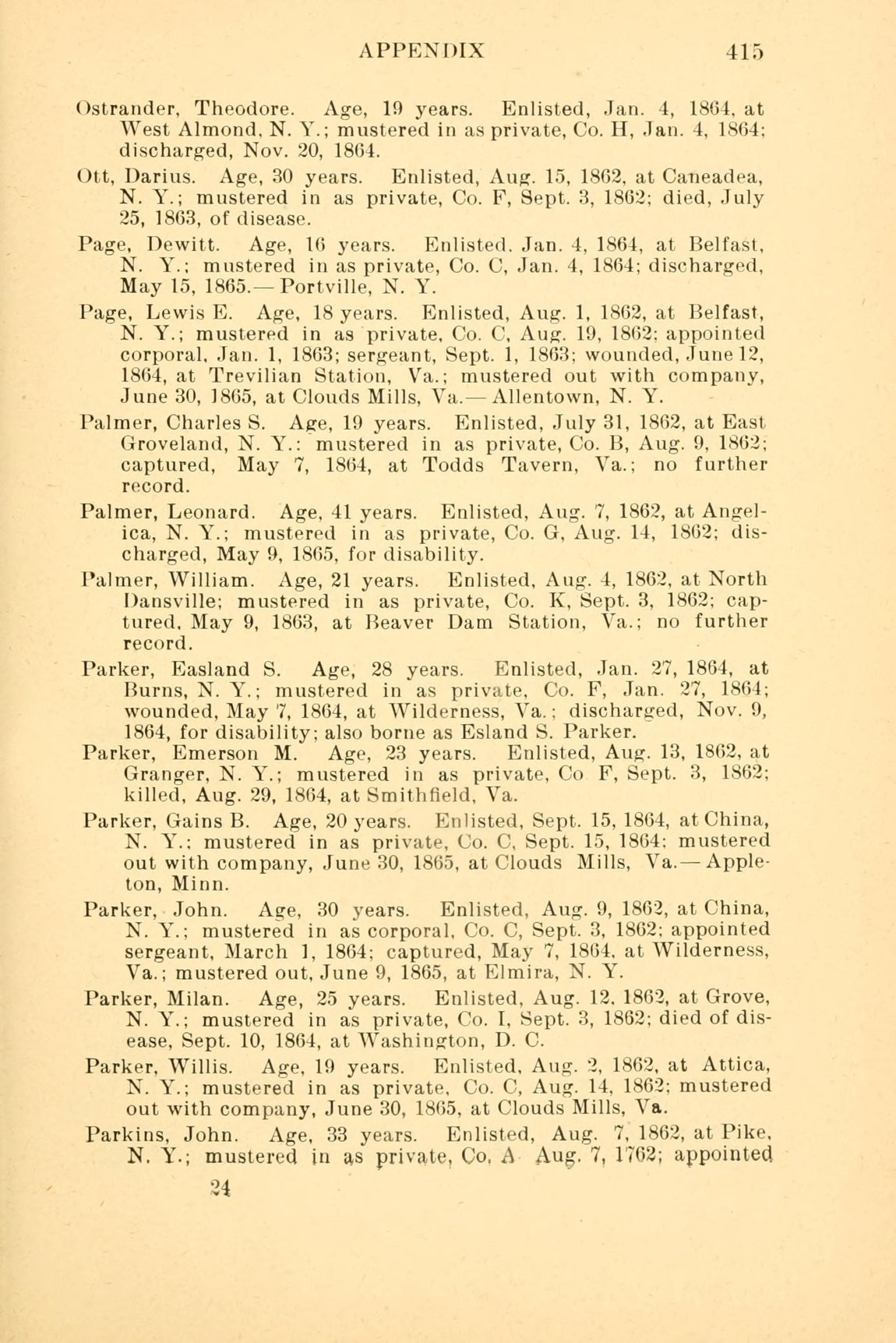
The narrative calls the sergeant Jack Parkins; the roster records John Parkins, wounded in the Loudoun Valley and dead at Winchester. Follow the service record behind that remembered name.
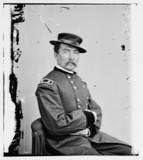
Sheridan connects the Academy's personal relationships with later cavalry command. Follow the people, recommendations and battle accounts rather than relying on a single famous image of the commander.