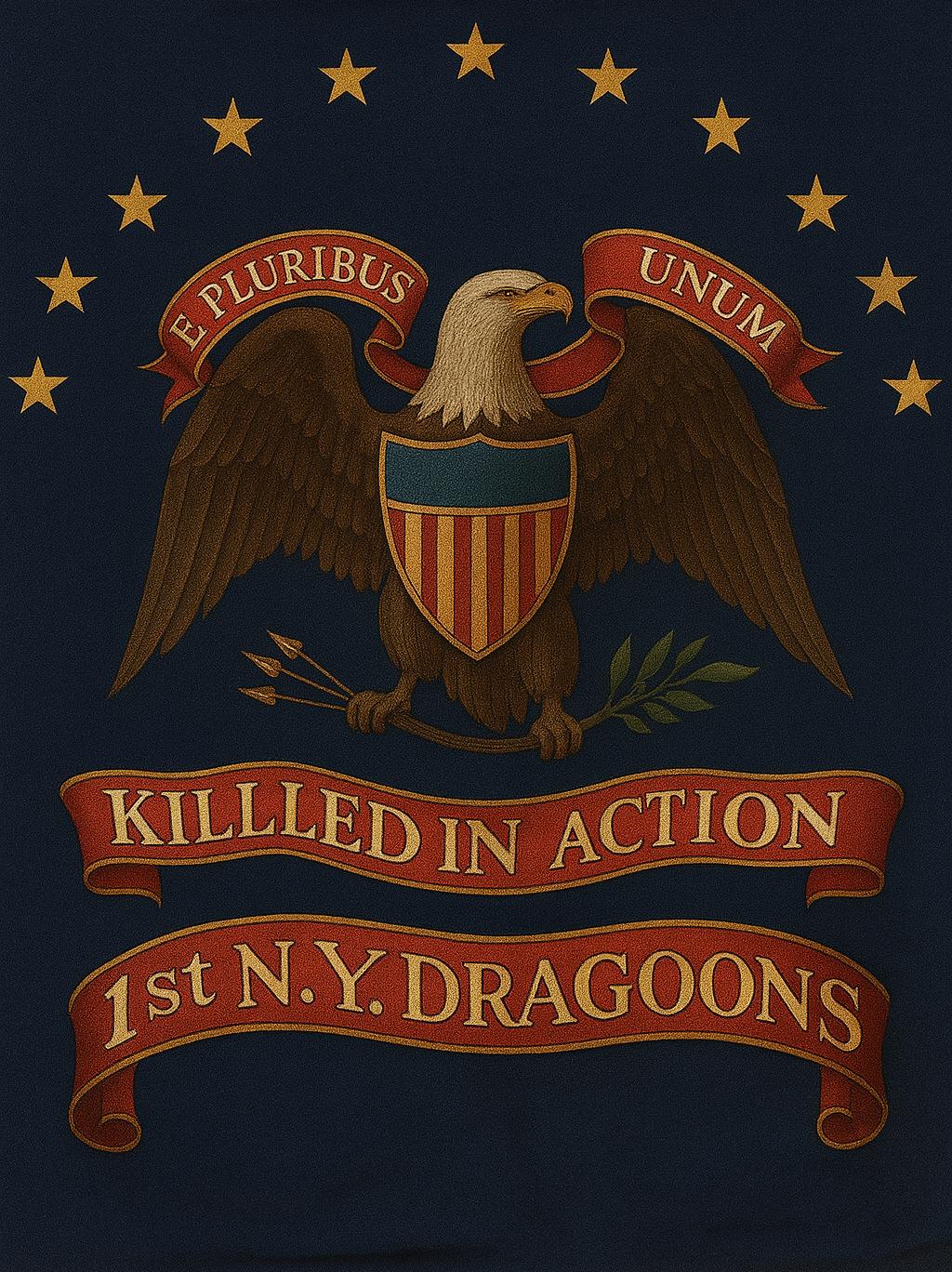
The book is finished.GIBBS: The Forgotten Warrior of the First New York Dragoons, by Garland H. Green Jr. How to order is coming soon; you can reserve a copy now. Reserve a copy →
A family letter. A widow's application. An officer's recommendation. Follow the people named in GIBBS into the research that gives their lives more room than the printed story can.
These are selected person connections to the manuscript, not a complete register of the regiment or a claim that every name has been resolved. Your selected chapter remains I Knew They Wouldn't.
A captured officer became a witness to prison life. Follow his account alongside the regiment's history and ask how an officer's experience differed from an enlisted prisoner's.
Leach's order to destroy Davenport Bridge exposes the practical uncertainty inside a campaign. His account lets you ask what a subordinate could know when given an order.
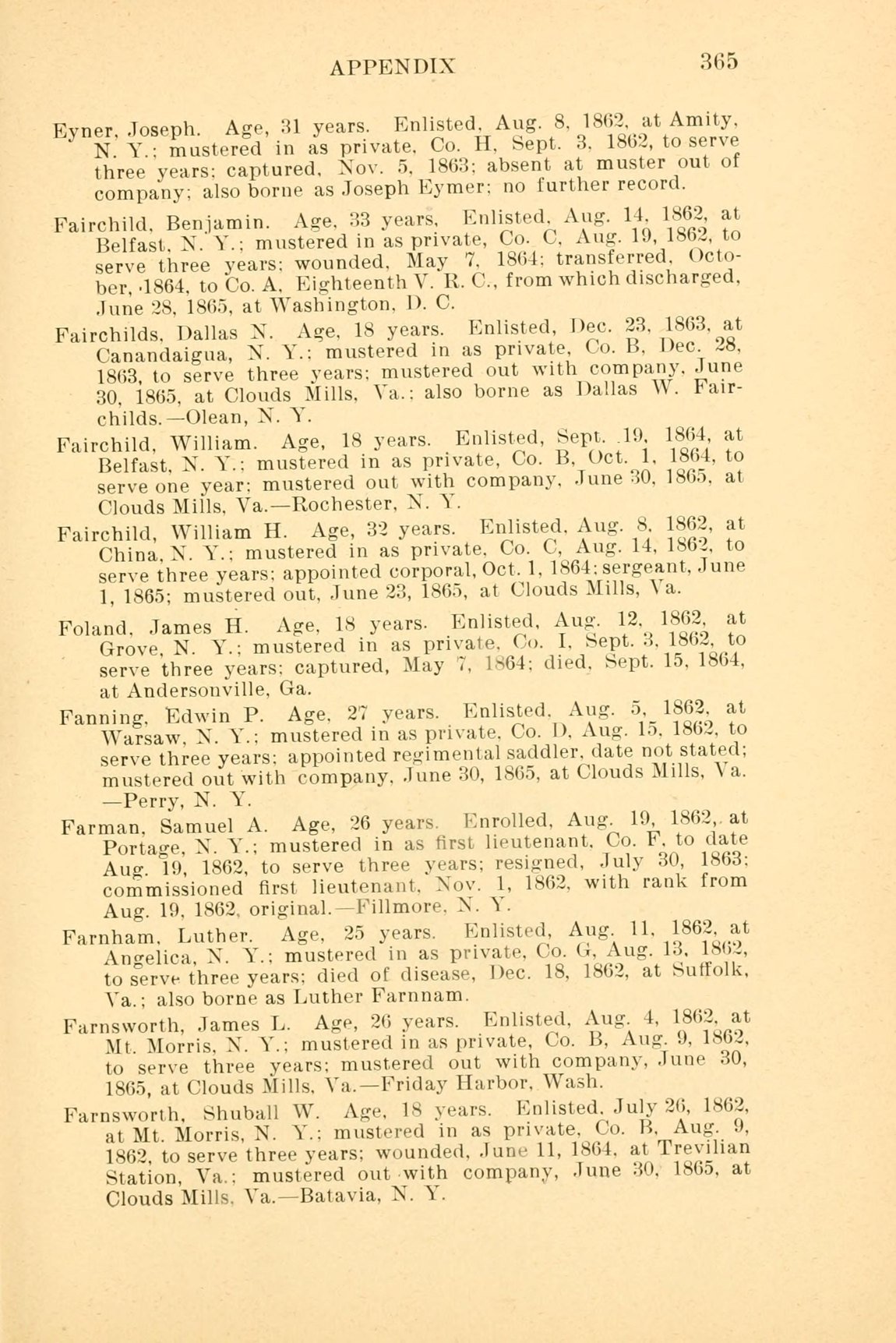
Fairchild appears in the remembered joke about learning to mount a horse. His service page places that camp anecdote alongside a recorded military career.
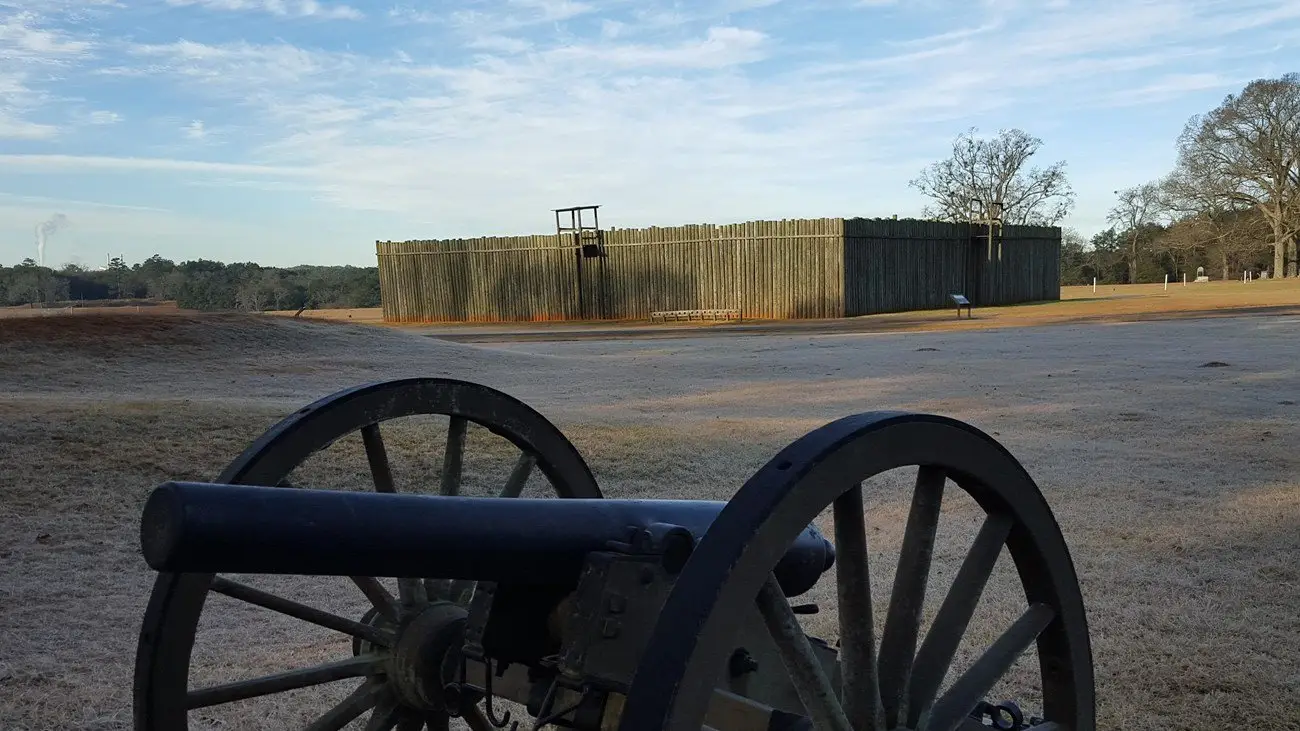
Lovejoy's mother depended on him before he was captured and died at Andersonville. Her pension application offers a way to investigate family dependence rather than seeing only a prisoner's death.
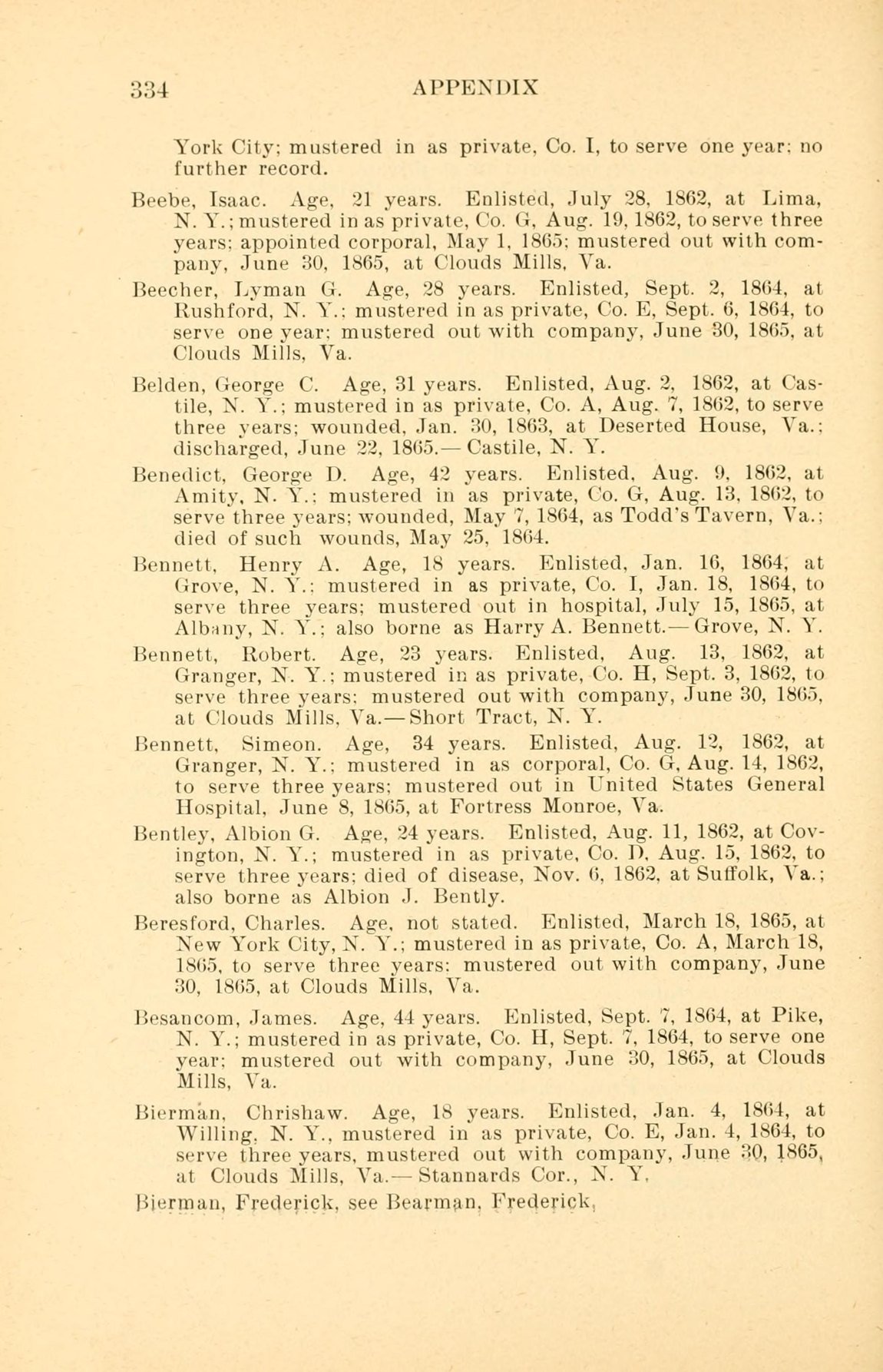
Benedict wrote home to Sarah about cold, horses and fighting before he was wounded. His letters and his widow's pension research let you follow one family across the boundary between military service and bereavement.
Hare's record gives a brief account of his death at Fredericksburg. Garland's page also contains an explicitly imagined bedside scene. Read the documented record and reconstruction as different kinds of writing.