The book is finished.GIBBS: The Forgotten Warrior of the First New York Dragoons, by Garland H. Green Jr. How to order is coming soon; you can reserve a copy now. Reserve a copy →
A family letter. A widow's application. An officer's recommendation. Follow the people named in GIBBS into the research that gives their lives more room than the printed story can.
These are selected person connections to the manuscript, not a complete register of the regiment or a claim that every name has been resolved. Your selected chapter remains Furnish Half the Horses.
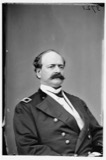
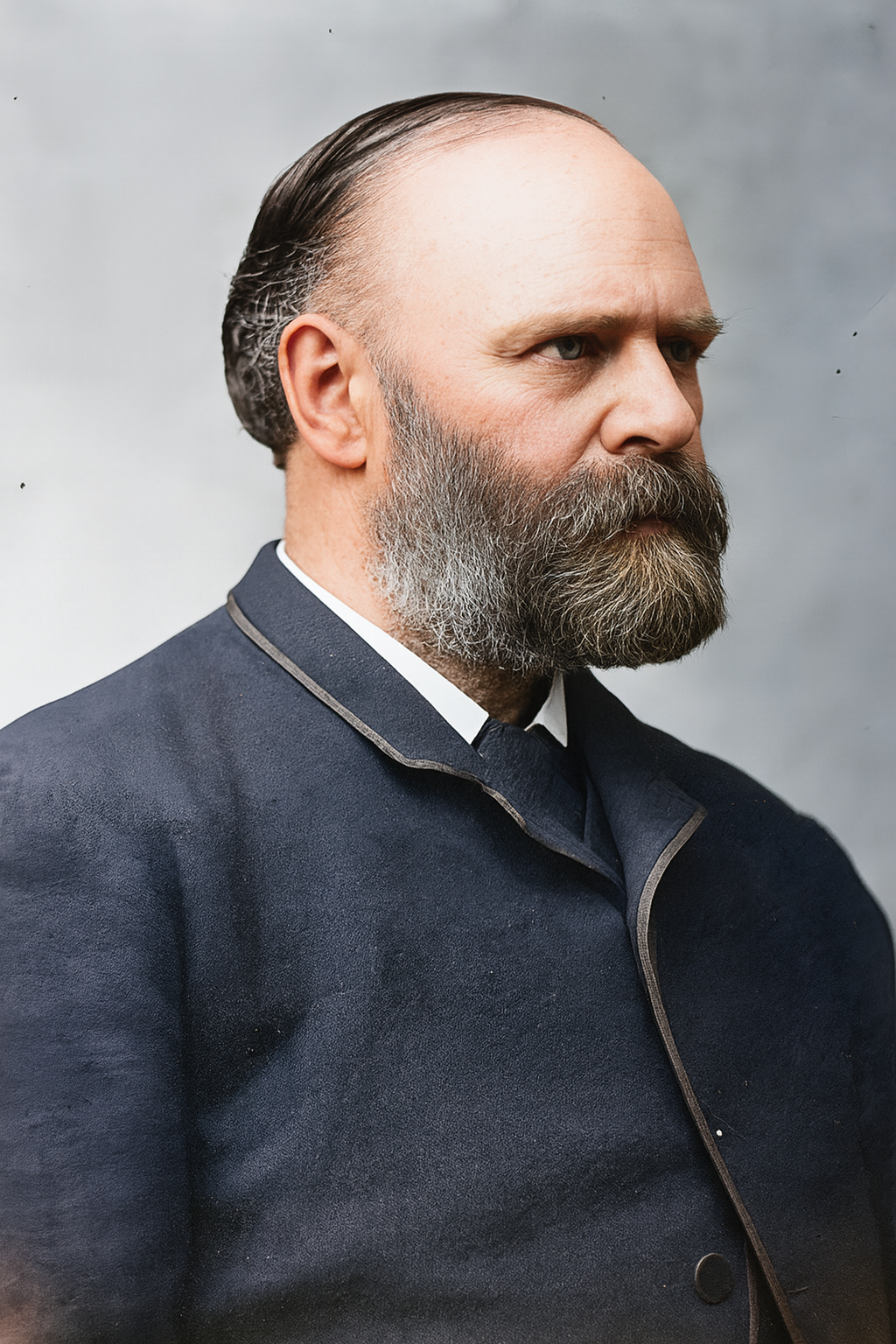
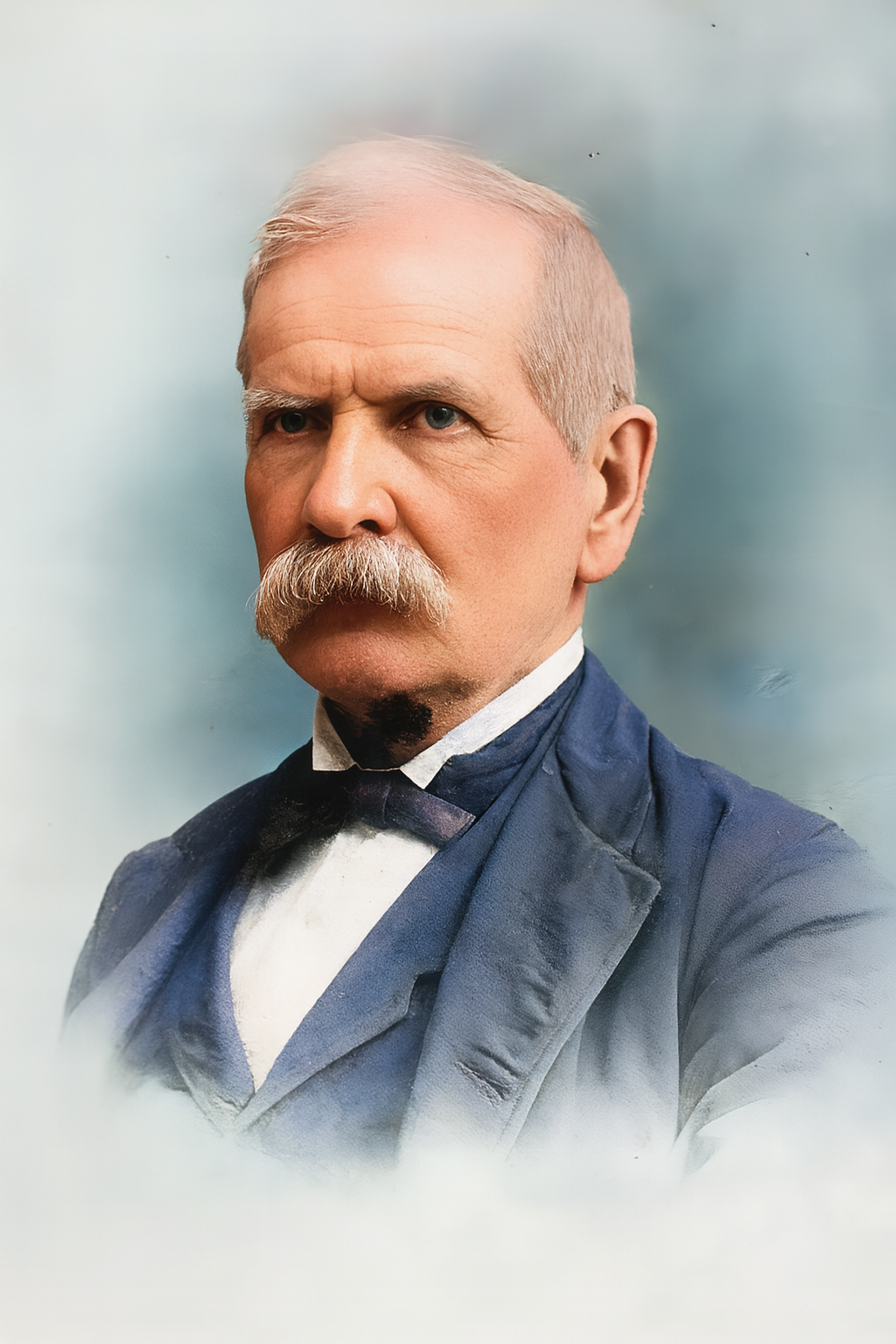
Terry's arrival returned Gibbs from brigade command to his regiment. That change helps explain the importance of rank and appointments even when an officer was already doing a higher command's work.
Knapp was a captain when the regiment became cavalry. His service page follows the officer behind the company named in the contemporary letter about obtaining horses.
Longstreet signed over supplies to Gibbs before the Civil War. Those mundane transactions recover a working relationship that later battlefield reputations can obscure.
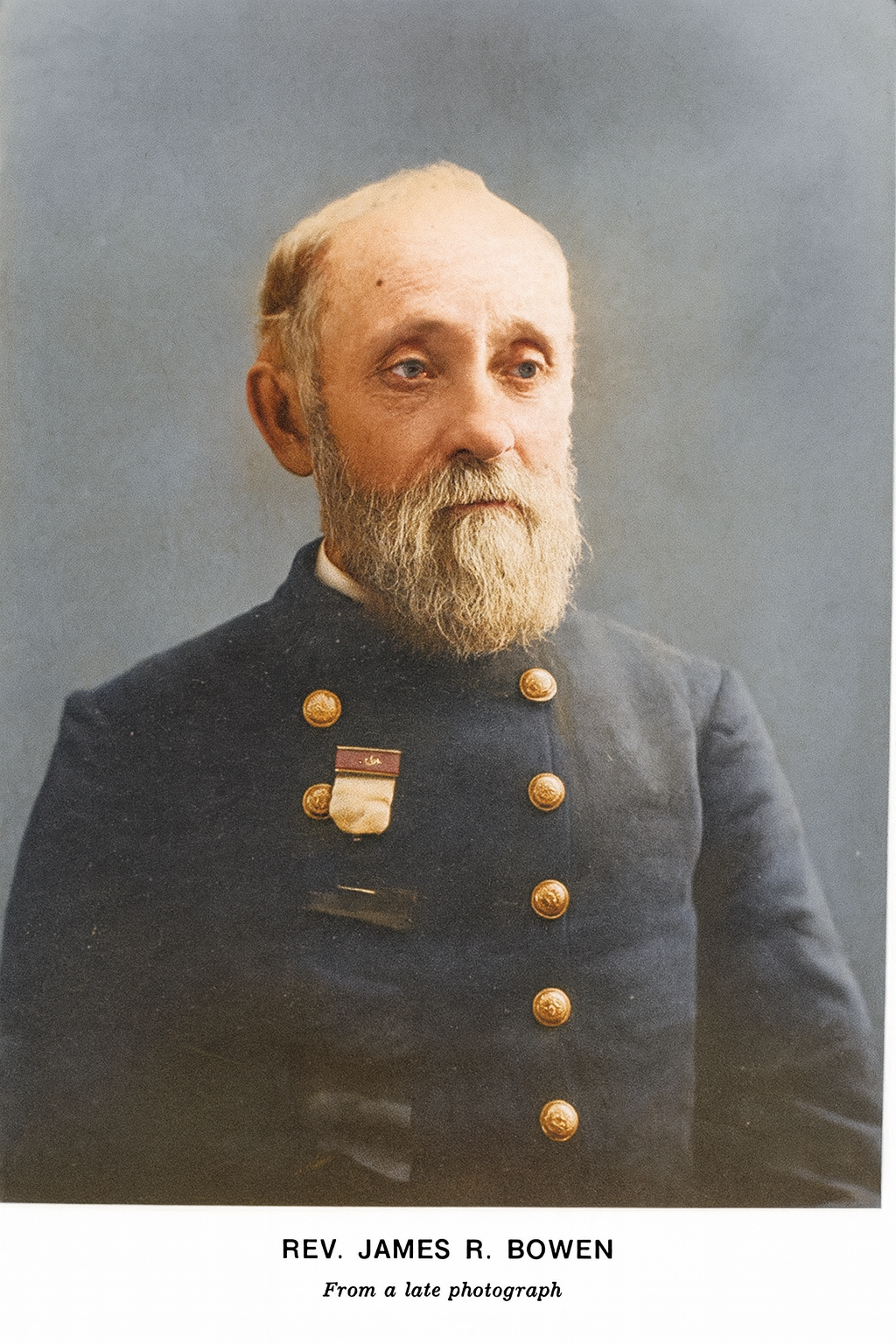
Bowen was a soldier, drummer and the regiment's later historian. Knowing who produced an account helps you weigh what he saw himself, what other veterans told him and what he wrote many years later.
Dix appears in political discussion and in the military reporting above Suffolk. The role he holds at the moment of a letter matters more than the title a later biography gives him.