The book is finished.GIBBS: The Forgotten Warrior of the First New York Dragoons, by Garland H. Green Jr. How to order is coming soon; you can reserve a copy now. Reserve a copy →
A family letter. A widow's application. An officer's recommendation. Follow the people named in GIBBS into the research that gives their lives more room than the printed story can.
These are selected person connections to the manuscript, not a complete register of the regiment or a claim that every name has been resolved. Your selected chapter remains Swordless and Horseless.
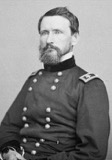
Terry's arrival returned Gibbs from brigade command to his regiment. That change helps explain the importance of rank and appointments even when an officer was already doing a higher command's work.
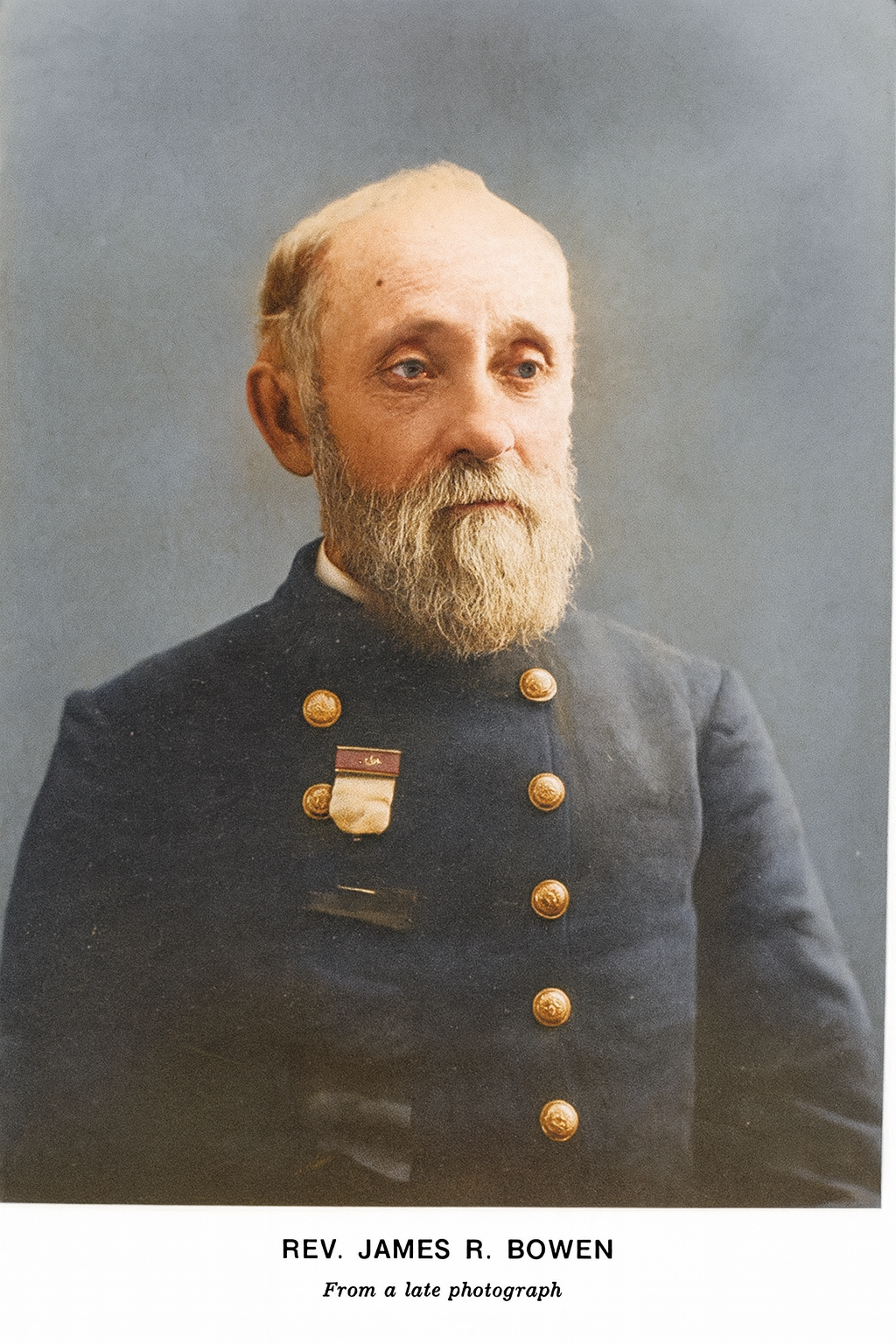
Bowen was a soldier, drummer and the regiment's later historian. Knowing who produced an account helps you weigh what he saw himself, what other veterans told him and what he wrote many years later.
Woodruff of Company B was killed at the Deserted House. Follow his service page to distinguish his individual record from the other men named in the same casualty list.
Dix appears in political discussion and in the military reporting above Suffolk. The role he holds at the moment of a letter matters more than the title a later biography gives him.
Peck's orders and reports sit above the regiment's Suffolk experiences. Compare the command's account of an expedition with the letters of the men who marched in it.
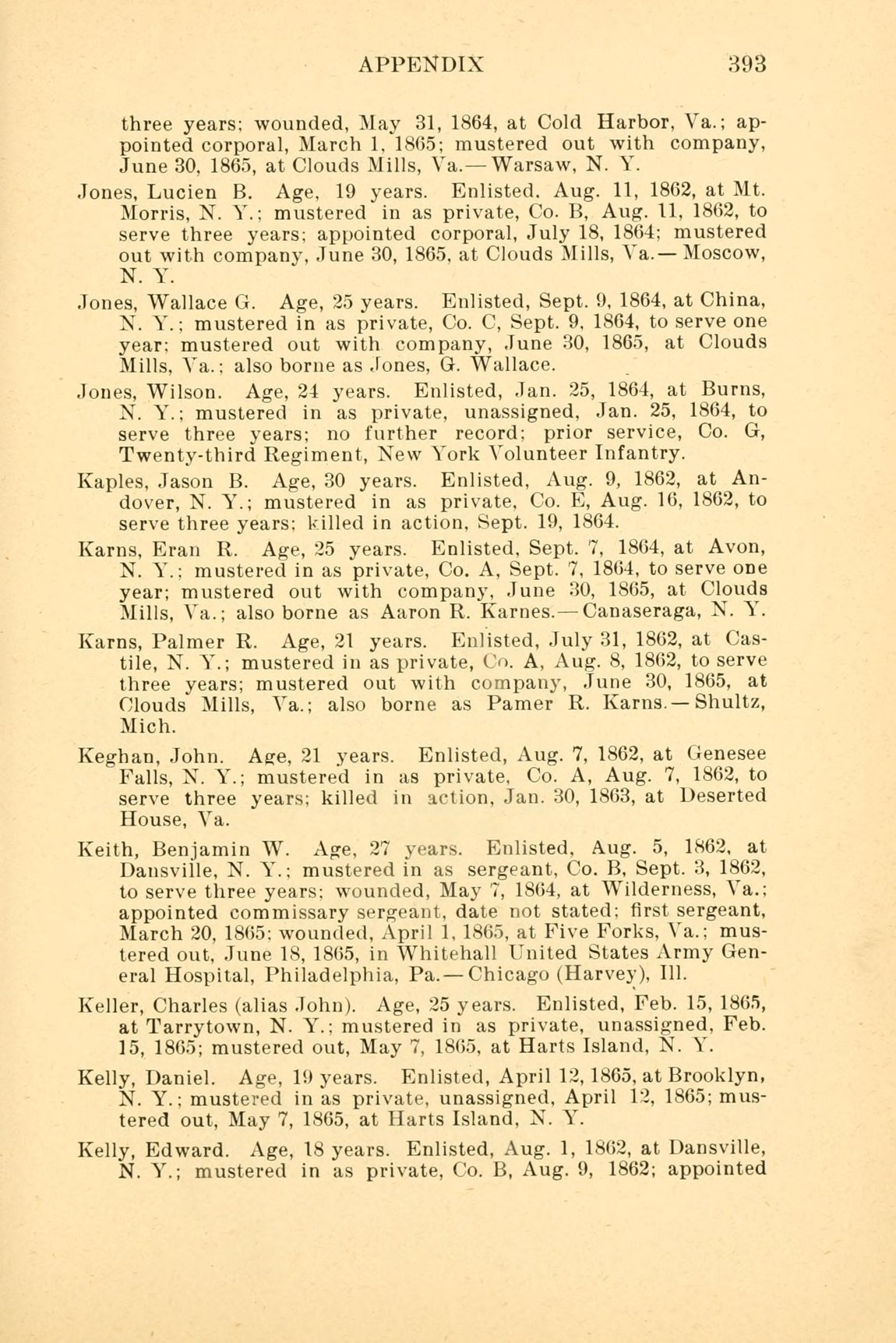
Called Johnny in the battle account, Keghan of Company A volunteered to help the battery and was killed. His roster entry identifies the soldier behind that brief account of the Deserted House fighting.