A life in the regiment
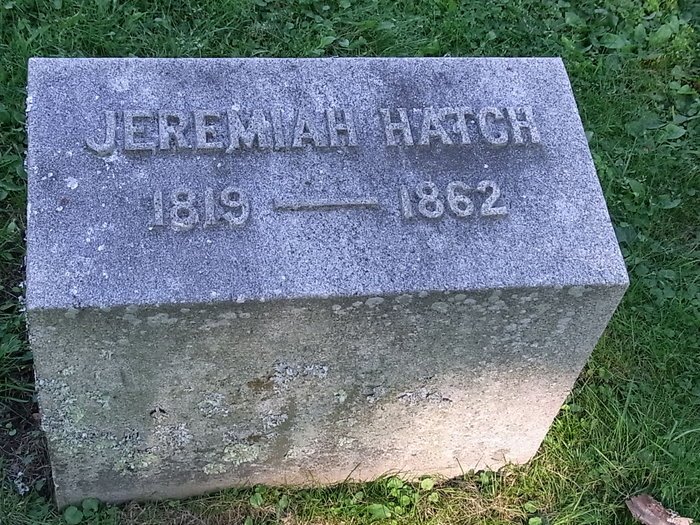
Jeremiah Hatch
Disease killed Hatch at Suffolk before the regiment's best-known cavalry fighting. His widow's claim offers evidence about the household left behind.
Follow this life and its records → Alfred GibbsThe research archive
A reading companion, one life at a time
A family letter. A widow's application. An officer's recommendation. Follow the people named in GIBBS into the research that gives their lives more room than the printed story can.
These are selected person connections to the manuscript, not a complete register of the regiment or a claim that every name has been resolved. Your selected chapter remains The Blackwater.
11 connected people · Page 2 of 2
A life in the regiment
Disease killed Hatch at Suffolk before the regiment's best-known cavalry fighting. His widow's claim offers evidence about the household left behind.
Follow this life and its records →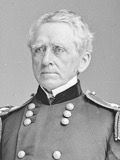
An officer in the story
Dix appears in political discussion and in the military reporting above Suffolk. The role he holds at the moment of a letter matters more than the title a later biography gives him.
Follow this life and its records →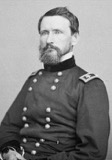
An officer in the story
Peck's orders and reports sit above the regiment's Suffolk experiences. Compare the command's account of an expedition with the letters of the men who marched in it.
Follow this life and its records →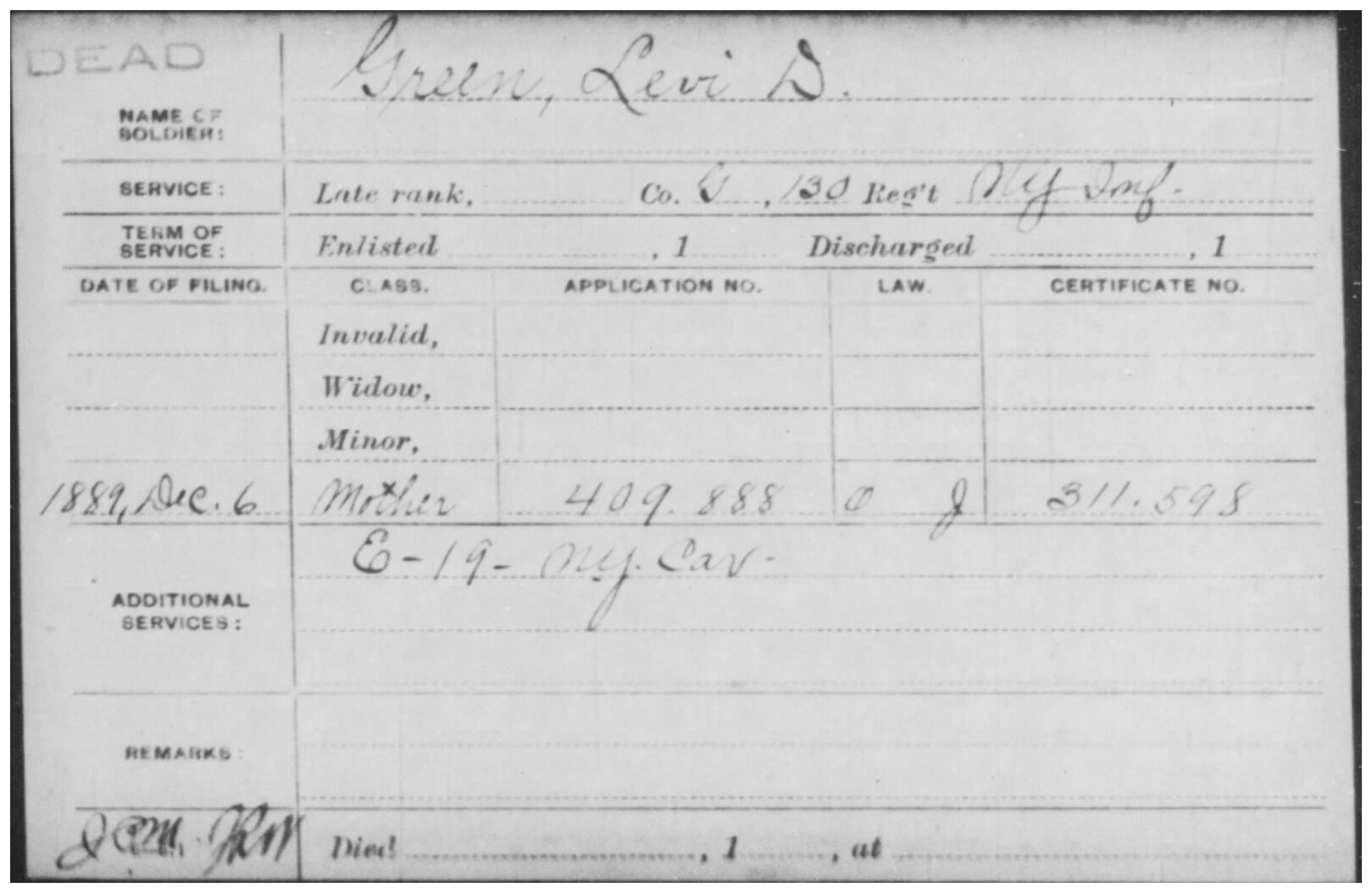
A life in the regiment
Letters, captivity records and a disputed-looking burial trail reveal different parts of Levi's life. Follow the evidence used to distinguish L. D. Green from another man buried nearby, and the pension records connected to his mother.
Follow this life and its records →
A life in the regiment
Scott was an experienced officer, a remembered helper of a sick soldier and a contact in Burdick's widow's pension trail. His biography connects command with the regiment's local networks.
Follow this life and its records →