The book is finished.GIBBS: The Forgotten Warrior of the First New York Dragoons, by Garland H. Green Jr. How to order is coming soon; you can reserve a copy now. Reserve a copy →
A family letter. A widow's application. An officer's recommendation. Follow the people named in GIBBS into the research that gives their lives more room than the printed story can.
These are selected person connections to the manuscript, not a complete register of the regiment or a claim that every name has been resolved. Your selected chapter remains The Class of 1846.
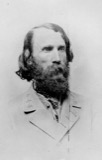
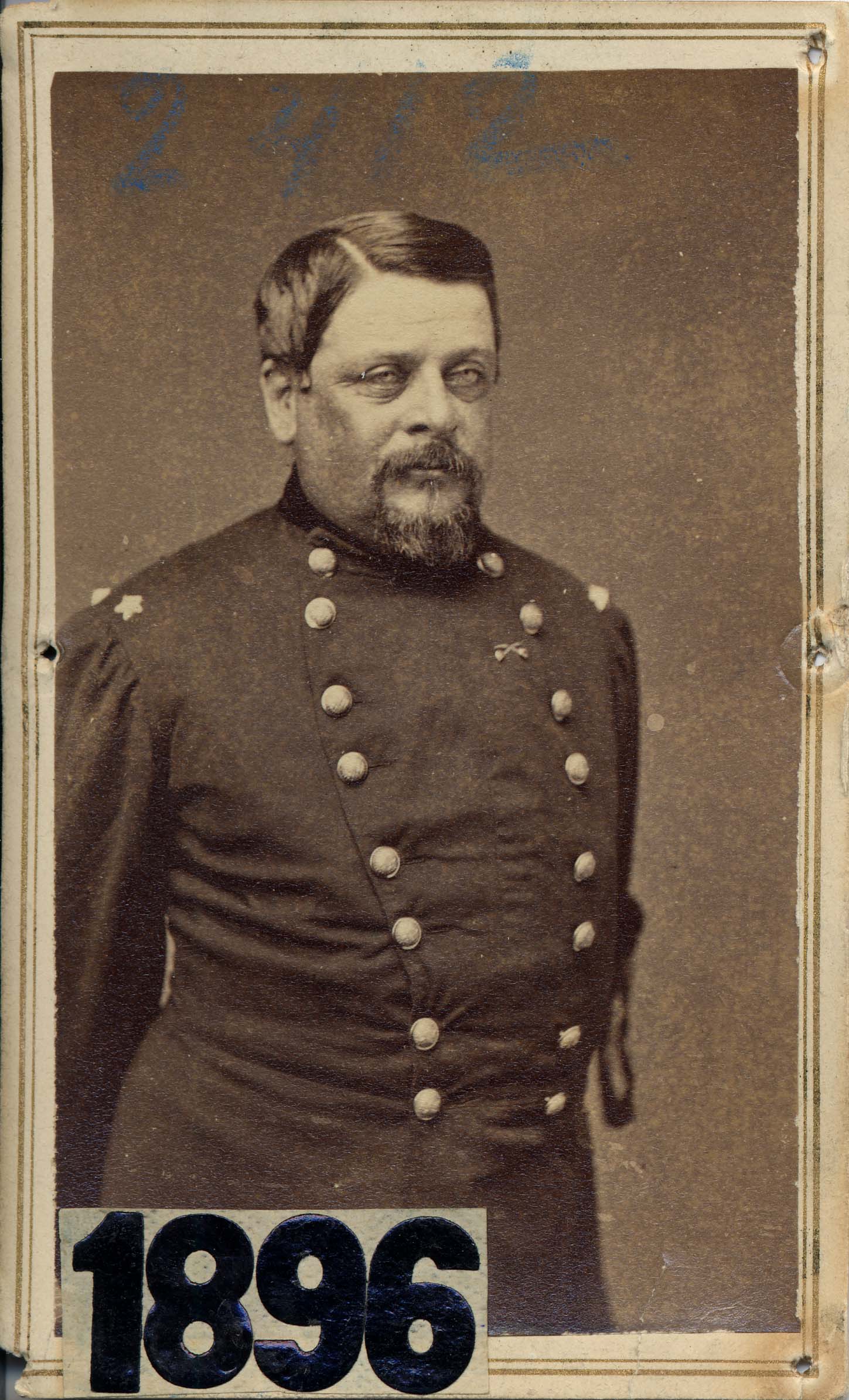
Hill was a member of Gibbs's Academy world before becoming a Confederate commander. The account of illness and delayed graduation helps explain why class affiliation and graduation year can differ.
Follow Gibbs through the service and medical records, then Peggy’s petitions after his death. These sources let you distinguish what a doctor observed, what a widow asked for and what an official record actually establishes.
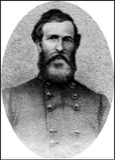
Gibbs's Academy class included men who later became generals on opposing sides. Follow Cadmus M. Wilcox as an individual classmate, not simply as a name in a later roll of generals.
Maury supplies recollections of Academy life and later service. Notice when a remembered classroom detail comes from a classmate's account rather than Gibbs's own words.
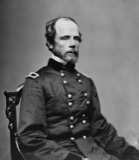
Gibbs's Academy class included men who later became generals on opposing sides. Follow Darius Nash Couch as an individual classmate, not simply as a name in a later roll of generals.
David R. Jones was Gibbs’s West Point classmate and later a Confederate general. The class register places men together before the war divided their service.