The book is finished.GIBBS: The Forgotten Warrior of the First New York Dragoons, by Garland H. Green Jr. How to order is coming soon; you can reserve a copy now. Reserve a copy →
Start with the guided reading below, or search this chapter for a person, quotation or topic. Follow the writing and evidence behind this part of GIBBS.
What would you like to explore in My Boys?
Go beyond the book · My Boys
Study remembrance without mistaking it for the whole life
The Dragoons remembered Gibbs through words, reunions, and a camp bearing his name. Those acts of memory are historical evidence with their own dates and purposes.
New to these records? A little context.
A research account can combine historical documents, later recollections, images, and the author’s interpretation. Start with its source notes and captions. Ask who made each item, when it was made, and what kind of question it can answer.
What does “Camp Gibbs” tell us about the men who remembered him?
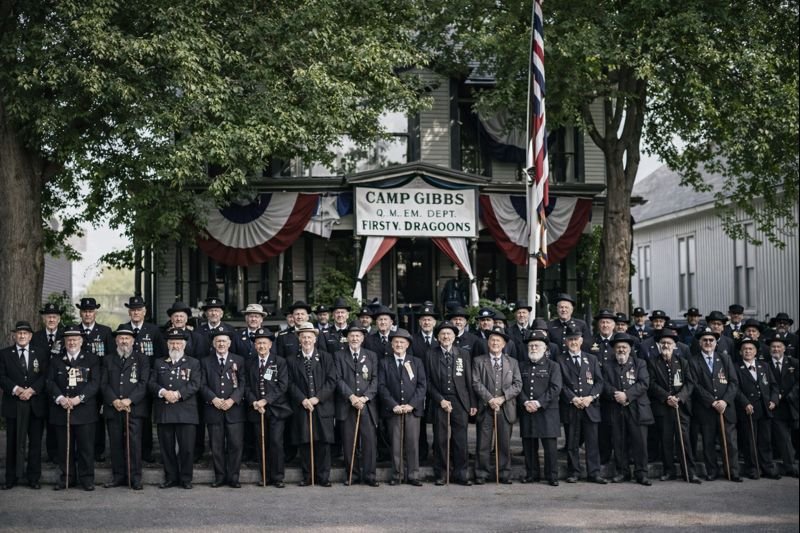
Camp Gibbs Reunion in Buffalo Colorized and Enhanced · From the linked account. Its original credits and image status are preserved there.
Read the source exhibit & its explanation
Camp Gibbs and the regiment’s remembrance
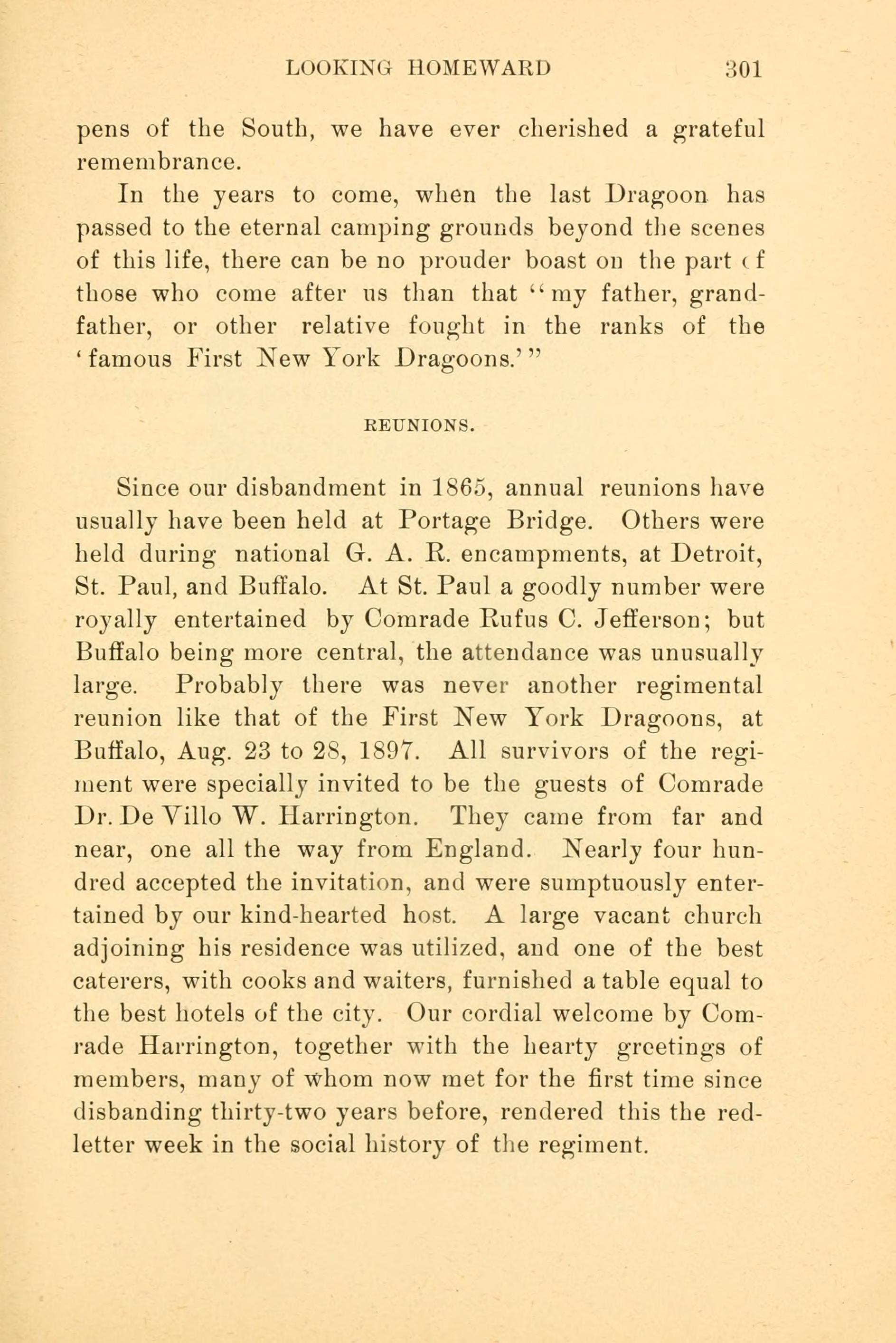
The legacy account preserves the reunion photograph and Bowen’s statements about Gibbs and his men. It invites comparison between wartime experience and later commemoration.
What to examine: Read the photograph’s caption and the dates attached to reunion claims. Compare the image with Bowen’s tribute, while keeping a veteran’s remembered judgment distinct from a service record.
Keep this distinction in mind: The manuscript identifies uncertainty about which reunion the photograph shows. The name on the tent can be examined without claiming that every proposed date is established.
Keep your question in view as you explore. The reading tray retains My Boys. Close it to return to this point, or deliberately choose to explore outside the chapter.
Follow a life beyond the page
People you meet here
The book brings you into these lives. Follow a person to the family, service and research records available here. Pension material is identified separately from biography and recollection.
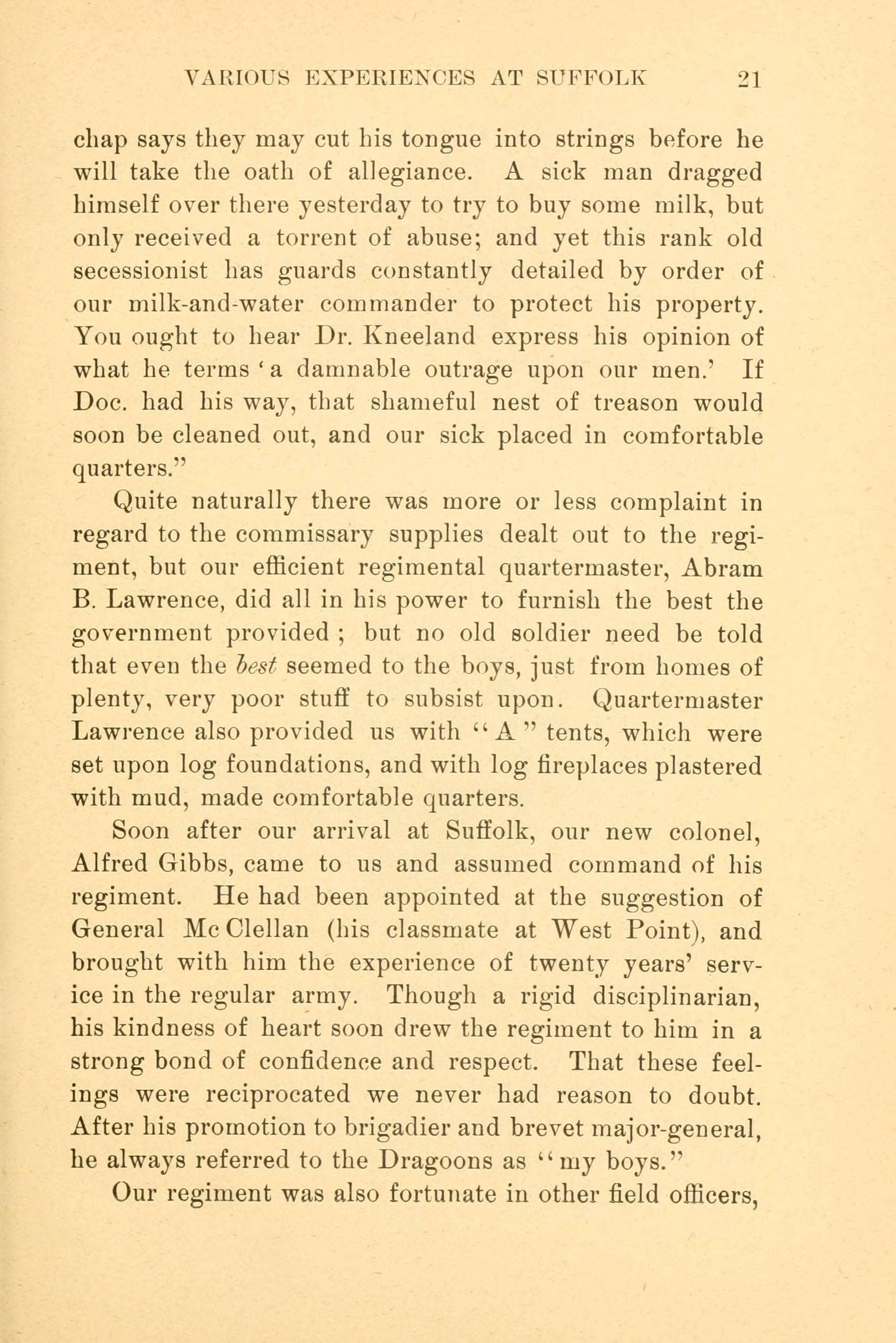
Follow Gibbs through the service and medical records, then Peggy’s petitions after his death. These sources let you distinguish what a doctor observed, what a widow asked for and what an official record actually establishes.
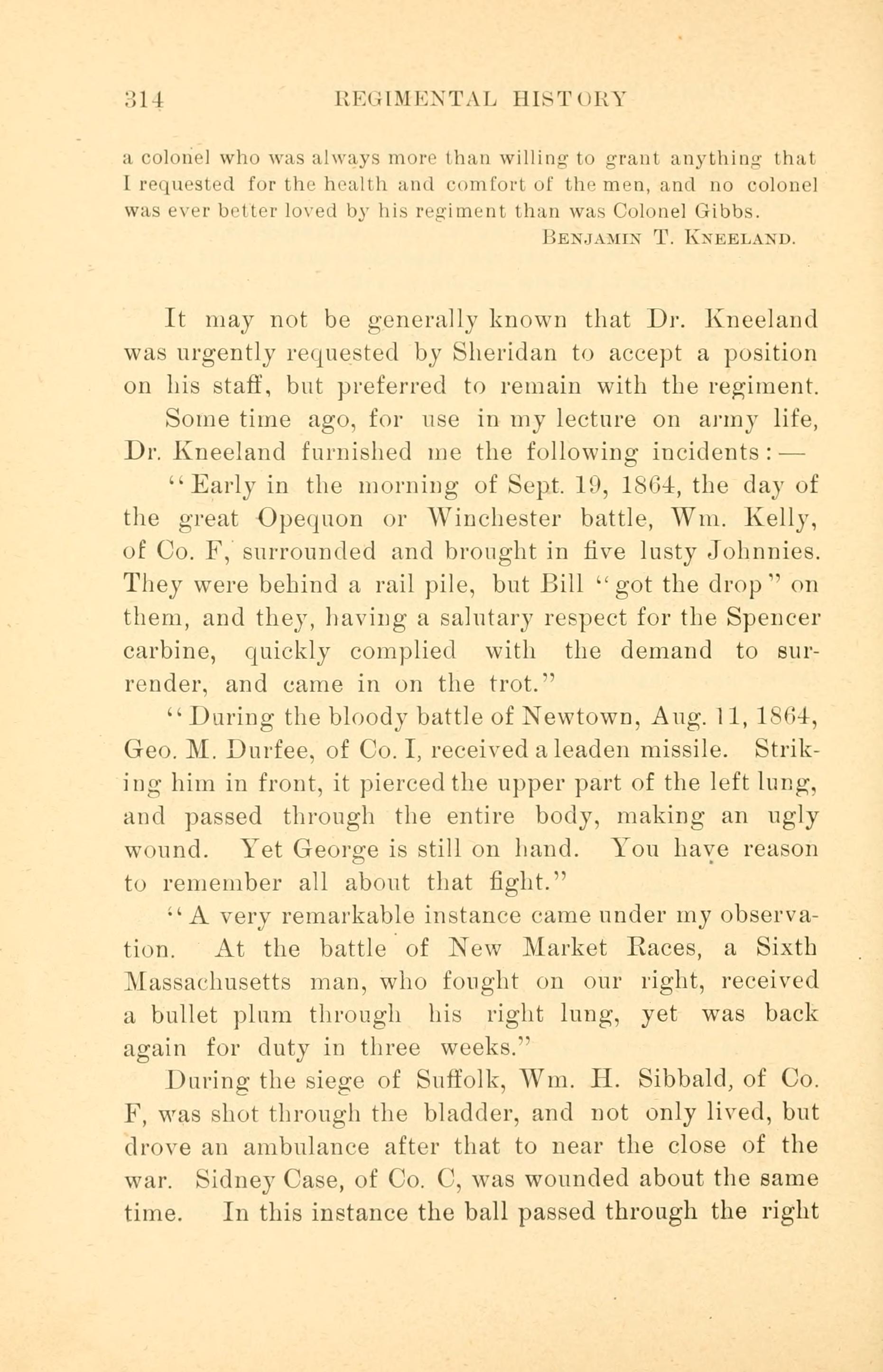
The surgeon examined recruits, managed the hospital and later testified about Gibbs's health. His position matters when deciding what he could observe directly and what was a medical opinion.
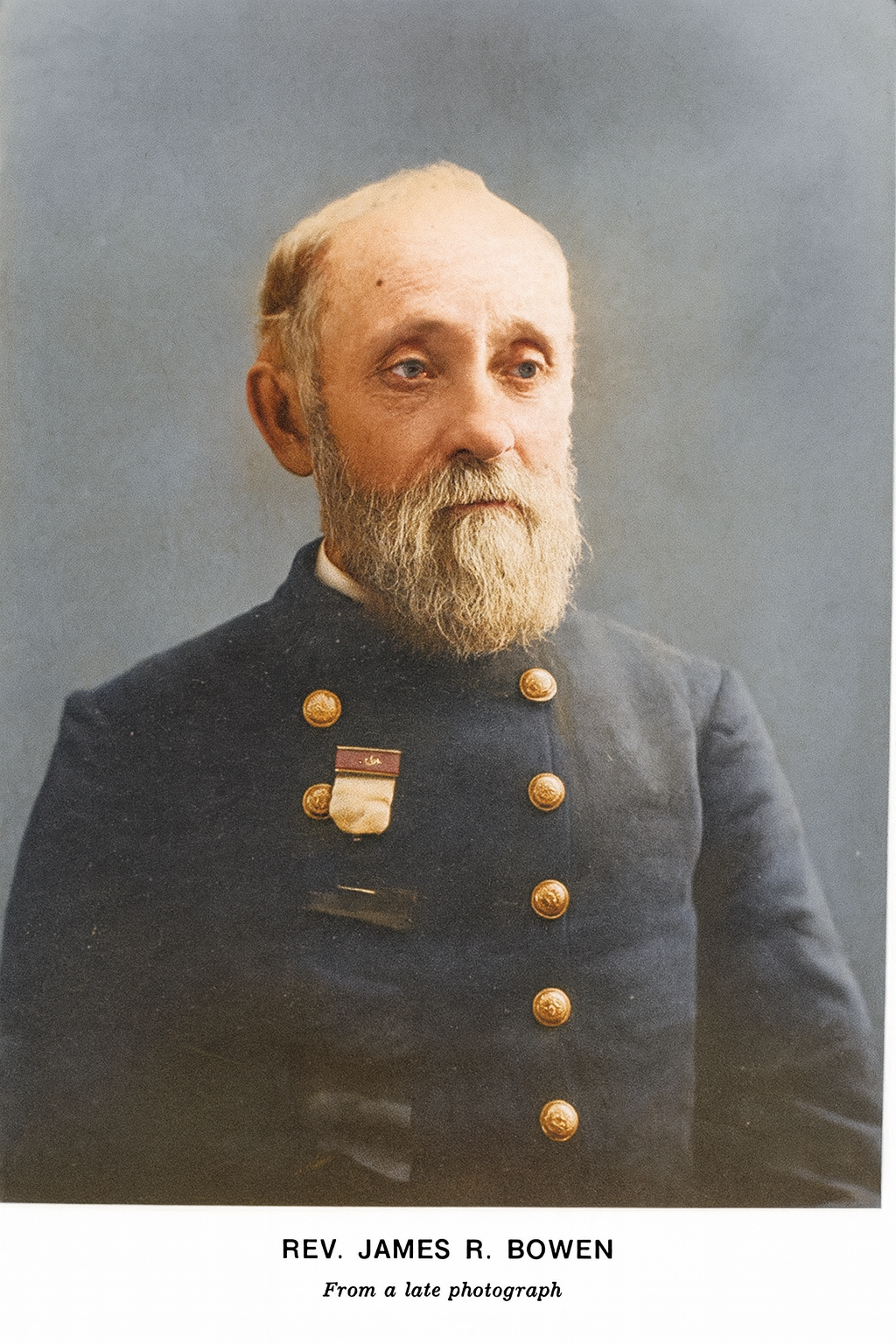
Bowen was a soldier, drummer and the regiment's later historian. Knowing who produced an account helps you weigh what he saw himself, what other veterans told him and what he wrote many years later.
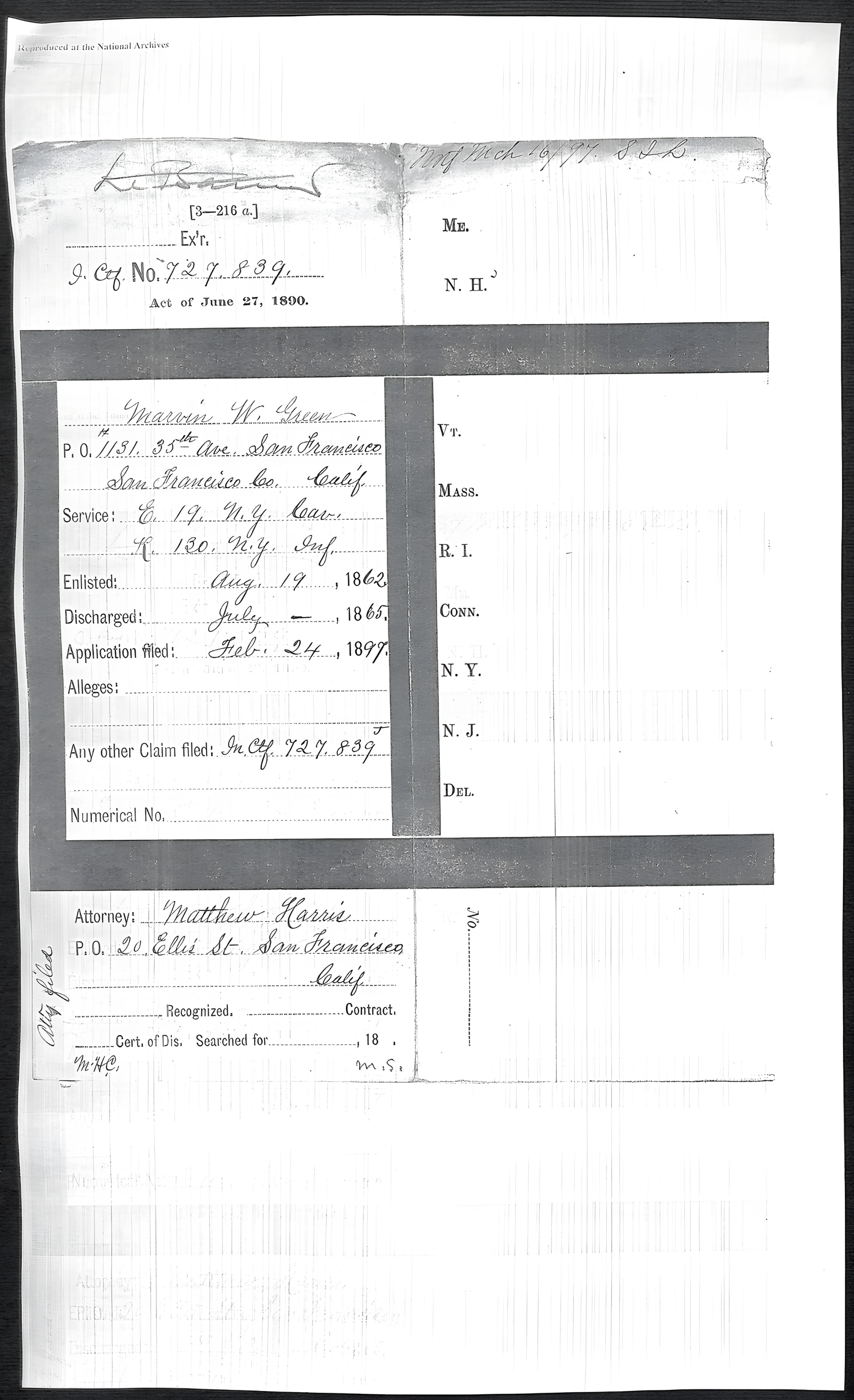
Marvin survived the war that took his brother Levi. Follow his letters, then the pension applications, medical evidence and Elvira’s widow’s claim to see how their family history continues after the fighting.
These connections come from the v172 manuscript and existing subject pages. A pension not connected here may still exist elsewhere. Namesakes and uncertain identities are not silently joined.
Follow the words into the evidence
What caught your attention?
Find a line from your reading, then follow its document and the record around it. Matching words helps locate evidence; checking who wrote them, when, and why helps you understand it.