The book is finished.GIBBS: The Forgotten Warrior of the First New York Dragoons, by Garland H. Green Jr. How to order is coming soon; you can reserve a copy now. Reserve a copy →
The evidence behind your reading · Far His Juniors
Read the records behind this chapter
Follow a letter, report, recollection or family record beyond the passage in the book. Each source below shows where the chapter uses it and what to examine. Open it here, compare its pages, and return without losing your chapter.
Begin with a question: How did a family member argue that an officer had been passed over?
Go beyond the book · Far His Juniors
You are reading Ely's Ford · November 26 to December 2, 1863. The guided starting point below explores 261 Greene Street, New York. Evidence for this particular section has not yet been separately assembled; chapter references remain available below.
Hear a brother make the case for promotion
Gibbs’s rank did not always match the duties he performed. George’s December 1863 appeal offers a way to examine frustration and patronage without treating them as invisible forces.
New to these records? A little context.
A docket is an office’s summary or filing note; it may be on a wrapper rather than in the letter. An endorsement is another official’s response or forwarding note. Read each voice and date separately. A transcription is a reading of a document, with uncertain words marked where the exhibit provides them.
How did a family member argue that an officer had been passed over?
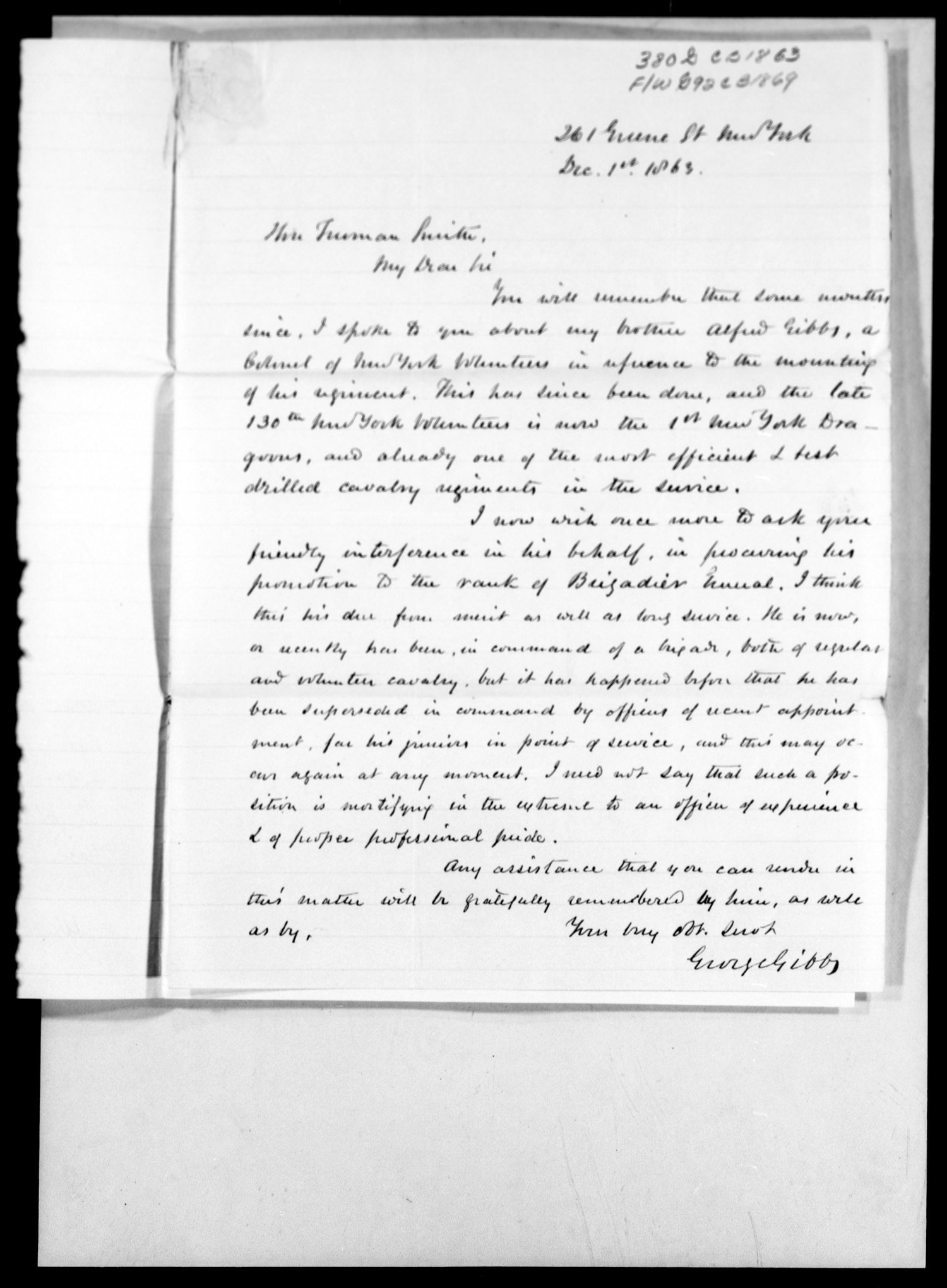
George Gibbs to Truman Smith, seeking help for his brother's promotion (enclosure) (G009) · From the linked account. Its original credits and image status are preserved there.
Read the source exhibit & its explanation
George’s appeal to Truman Smith, December 1, 1863
The letter to Truman Smith asks for help securing a brigadier general’s appointment and complains that junior officers had superseded Alfred. It is advocacy in George’s own words.
What to examine: Find the requested action and George’s account of the regiment’s conversion. Separate his praise and judgments from details that can be checked against appointments and orders.
Keep this distinction in mind: An advocate is not a neutral evaluator. The letter establishes the argument George made; it does not alone measure every officer’s relative merit.
Keep your question in view as you explore. The reading tray retains Far His Juniors → Ely's Ford. Close it to return to this point, or deliberately choose to explore outside the chapter.
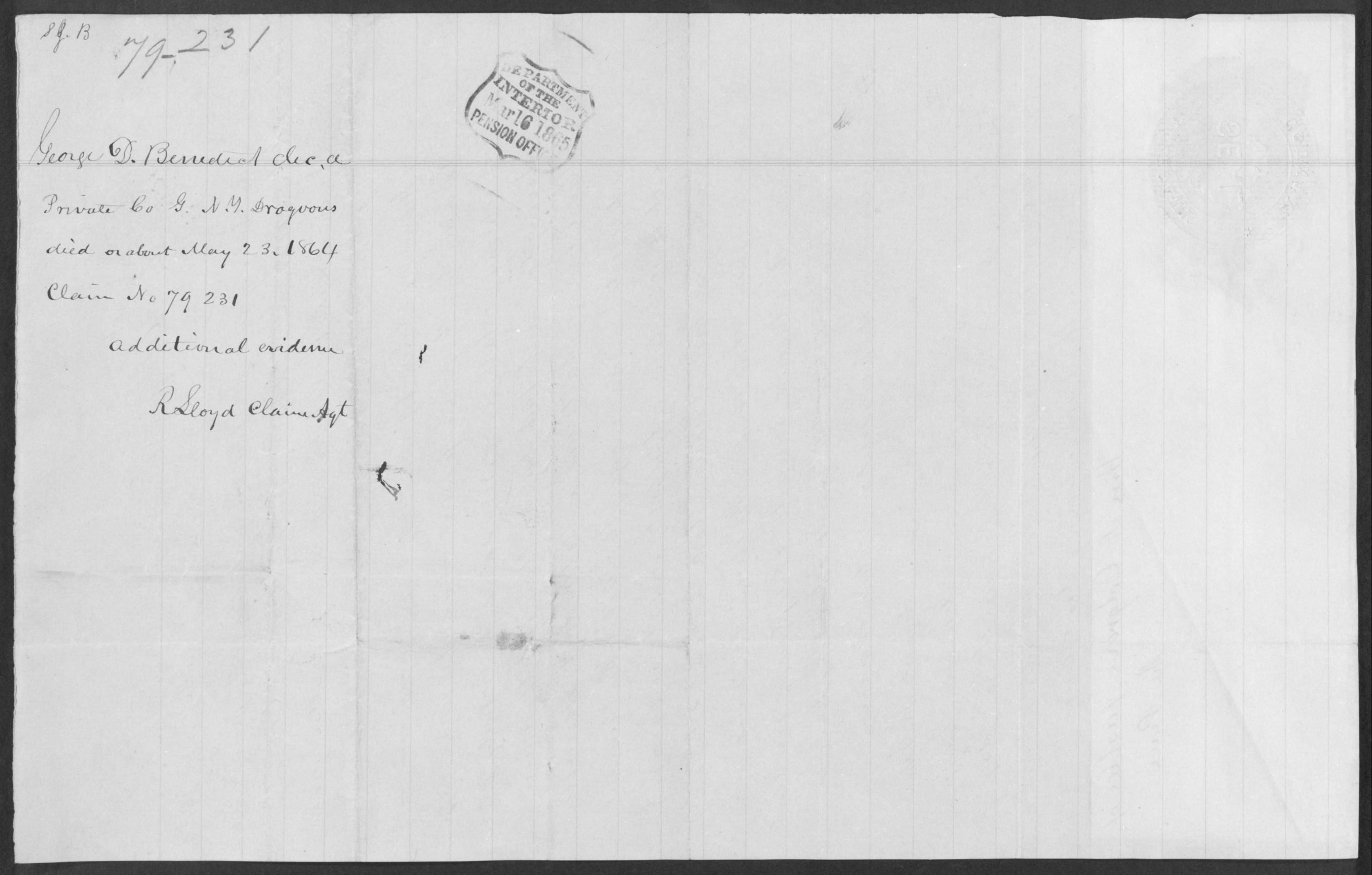
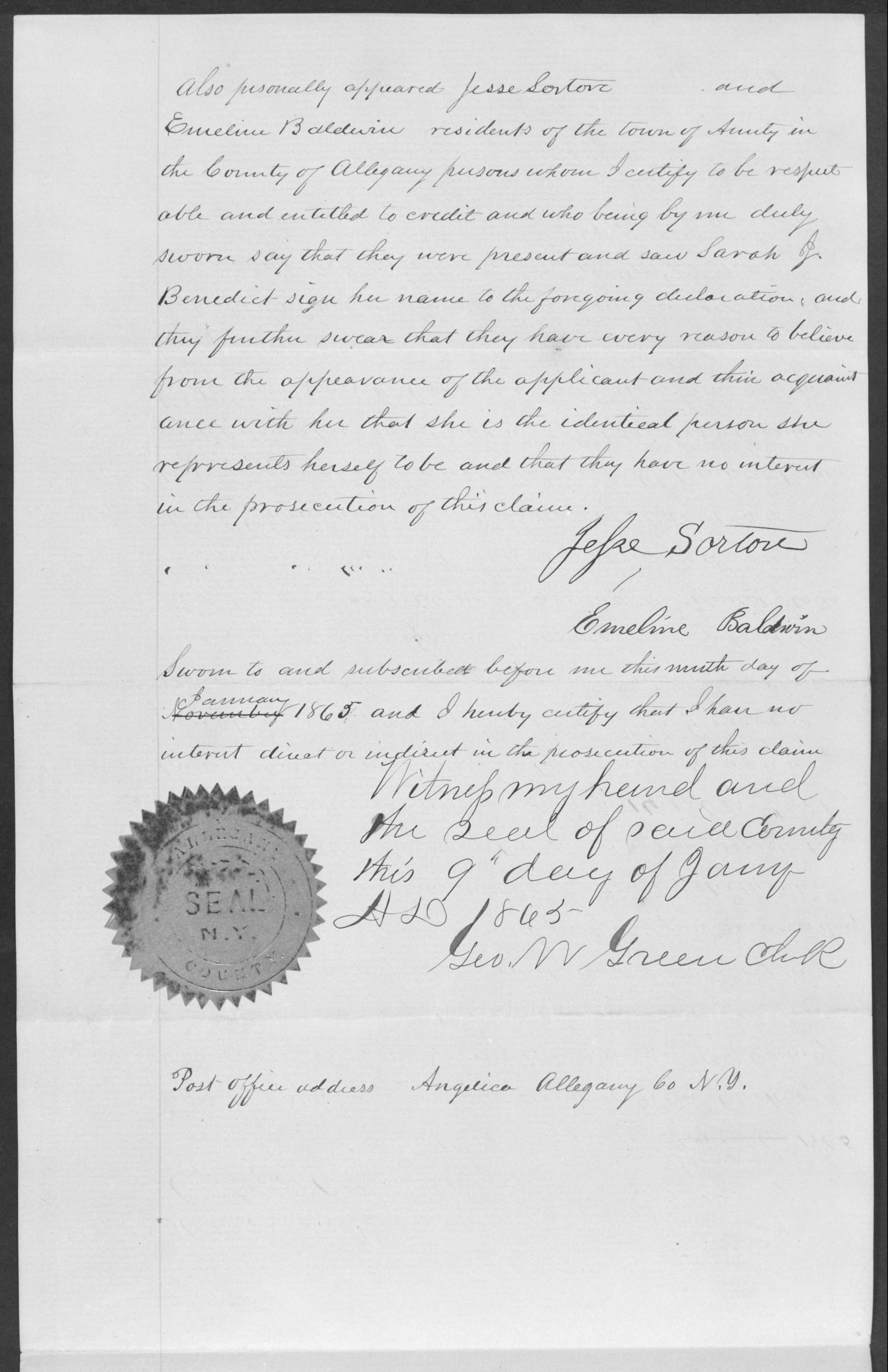
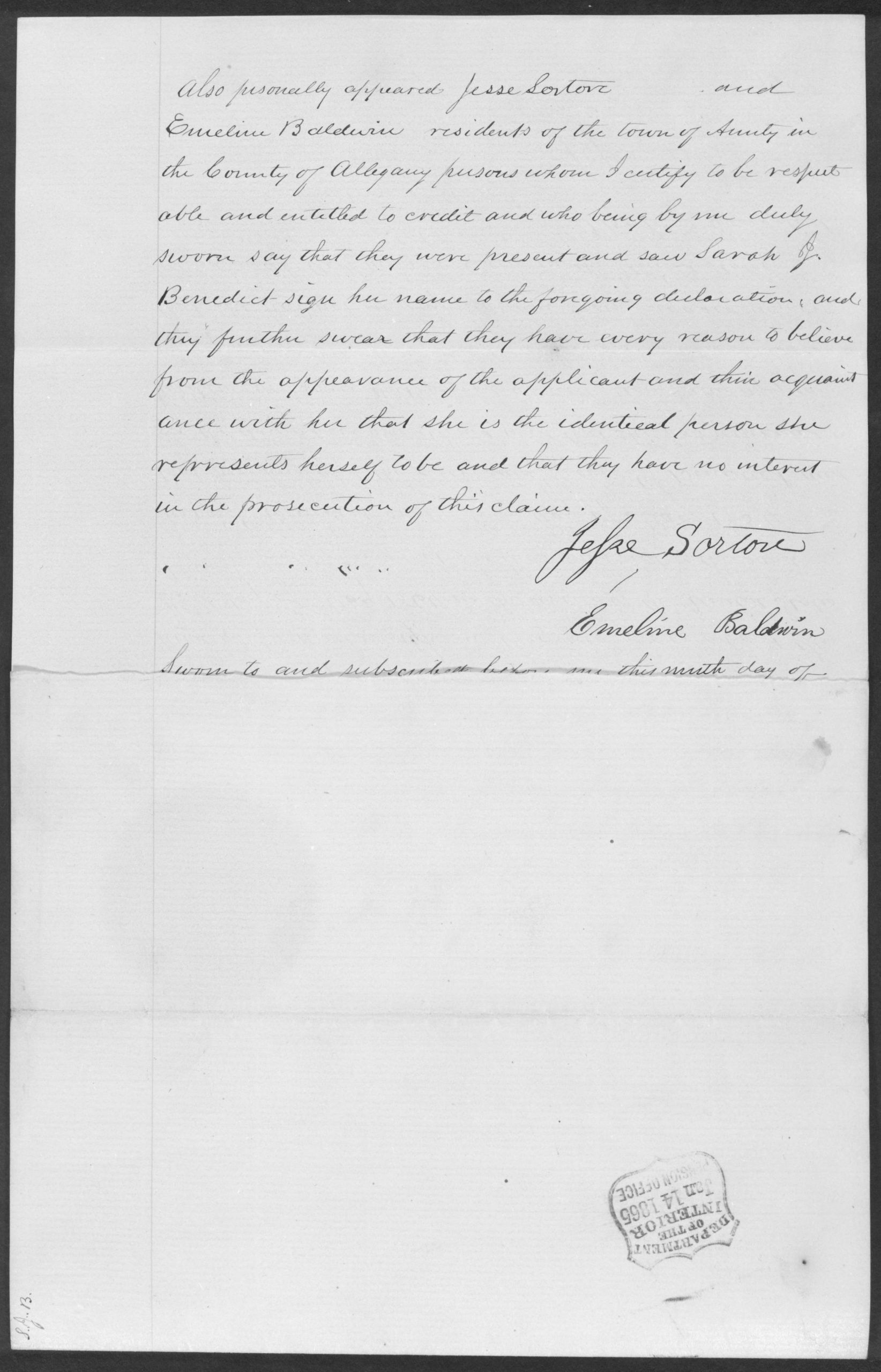
Open this item for a closer view. For its meaning, citation and any transcription, read the research page that reproduces it. This collection can contain portraits, maps and enhancements as well as original records.
Open this item for a closer view. For its meaning, citation and any transcription, read the research page that reproduces it. This collection can contain portraits, maps and enhancements as well as original records.
Open this item for a closer view. For its meaning, citation and any transcription, read the research page that reproduces it. This collection can contain portraits, maps and enhancements as well as original records.
Open this item for a closer view. For its meaning, citation and any transcription, read the research page that reproduces it. This collection can contain portraits, maps and enhancements as well as original records.
Open this item for a closer view. For its meaning, citation and any transcription, read the research page that reproduces it. This collection can contain portraits, maps and enhancements as well as original records.
Open this item for a closer view. For its meaning, citation and any transcription, read the research page that reproduces it. This collection can contain portraits, maps and enhancements as well as original records.